The snorkeling guides here cover Big Island beaches one at a time, each from a snorkeling angle. But families often want the bigger picture — which beach to actually pick for a given day, especially given the Big Island’s unusual range of sand colors. Here’s how green sand, black sand, and white sand compare when family safety and ease of access are the deciding factors.
Filter out the noise and find what works for your family.
Every resort we review gets one of four Family Fit ratings. The rating is based on kids programming, amenities, vibe, and who the resort actually markets to - not just whether they allow children.
Discover My Ideal Resort →The Short Version
- Hapuna Beach (white sand) is the easiest, most family-friendly pick — half a mile of sand, year-round lifeguards, shade, and calm summer swimming
- Punalu’u Beach (black sand) offers a safe freshwater tidepool for wading, but the ocean itself has a strong rip current — swimming there isn’t advisable in rough surf
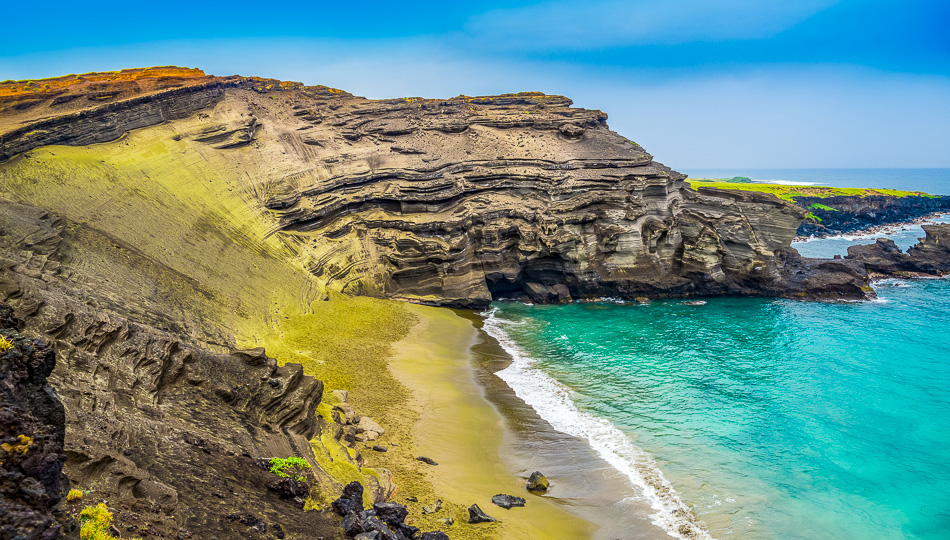
- Papakolea Green Sand Beach requires a 2.5-mile hike each way over hot, shadeless terrain — genuinely demanding for young kids, better suited to older kids and teens
- Winter surf changes the calculus everywhere — Hapuna’s calm summer water turns to expert-only rip currents when waves top 3 feet
- Punalu’u is one of the most reliable spots on the island to see Hawaiian green sea turtles and the far rarer hawksbill turtle basking on the sand
- Water shoes are worth packing for Punalu’u specifically — the rocky bottom makes bare feet uncomfortable at most entry points
Hapuna Beach: The Easy, Reliable Choice
Hapuna is the Big Island’s longest white-sand beach at half a mile, and it’s the one this comparison would recommend first for most families. It has shade from trees, a covered picnic pavilion, and — critically — a lifeguard on duty year-round, which sets it apart from several other beaches on this list. Summer seas are calm enough for easy swimming and snorkeling at either end of the beach, making it the most straightforward “just go swim” option on the island. Winter changes this significantly: when surf comes up past 3 feet, rip currents become expert-only territory and the shore break turns genuinely hazardous, so a winter visit calls for more caution or a different beach altogether. The parking lot fills fast on weekends, so an early arrival matters both for parking and for shade.
Punalu’u Beach: Black Sand, Turtles, and a Strong Current
Punalu’u’s black sand and its resident sea turtles make it one of the most visually striking stops on the island, and it’s genuinely one of the more reliable places to see Hawaiian green sea turtles (honu) and the far rarer hawksbill turtle (honu’ea) — fewer than 100 hawksbills are estimated to remain in Hawaiian waters. The catch is the water itself: a strong rip current runs out through the boat channel into open ocean, and swimming isn’t advisable when surf is rough. The beach does offer a freshwater tidepool that provides a genuinely safe wading option regardless of ocean conditions, plus parking, restrooms, showers, and pavilions. Water shoes are worth packing here specifically, since the bottom is rocky at most entry points — the beach’s northeastern end offers comparatively easier entry with fewer lava rocks. Whatever you do, keep at least 10-15 feet from any turtle on the sand and never block their path back to the water — their immune systems are vulnerable to human bacteria.
Papakolea Green Sand Beach: For Older Kids and Teens
Papakolea is the outlier on this list — a genuinely unique olivine-crystal green sand beach, but reaching it requires a 2.5-mile hike each way from South Point, with the round trip (including beach time) running 2-3 hours. The trail itself isn’t technically difficult, mostly flat over rutted dirt, but it’s hot and completely exposed with no shade the entire way, and hikers need to carry their own water. This combination of distance and sun exposure makes it a tough call for young kids — it’s a better fit for families with older kids or teens who can handle 5 miles of hiking in full sun, starting before noon to avoid the worst heat.
Matching the Beach to Your Family’s Day
A family that wants a reliable, low-effort beach day with real swimming should default to Hapuna, checking surf conditions first if visiting in winter. A family drawn to turtles and willing to stick to wading rather than swimming does well at Punalu’u. And a family with older kids looking for a genuine adventure — one that doubles as a full-day outing rather than a beach stop — should consider Papakolea, planned around an early start and plenty of water.
Things to Do on Big Island
Browse family-friendly tours and activities on Big Island, ranked from real traveler reviews.
Quick Answers
- Which Big Island beach is safest for young kids to swim? Hapuna Beach — calm summer water, shade, and a lifeguard on duty year-round.
- Can you swim at Punalu’u Black Sand Beach? Not recommended in rough surf — a strong rip current runs through the boat channel, though the freshwater tidepool is a safe wading alternative.
- How far is the hike to Papakolea Green Sand Beach? 2.5 miles each way from South Point, over hot, shadeless terrain — better suited to older kids and teens than young children.
Where to Stay on Big Island
A few family-friendly places to base your trip:
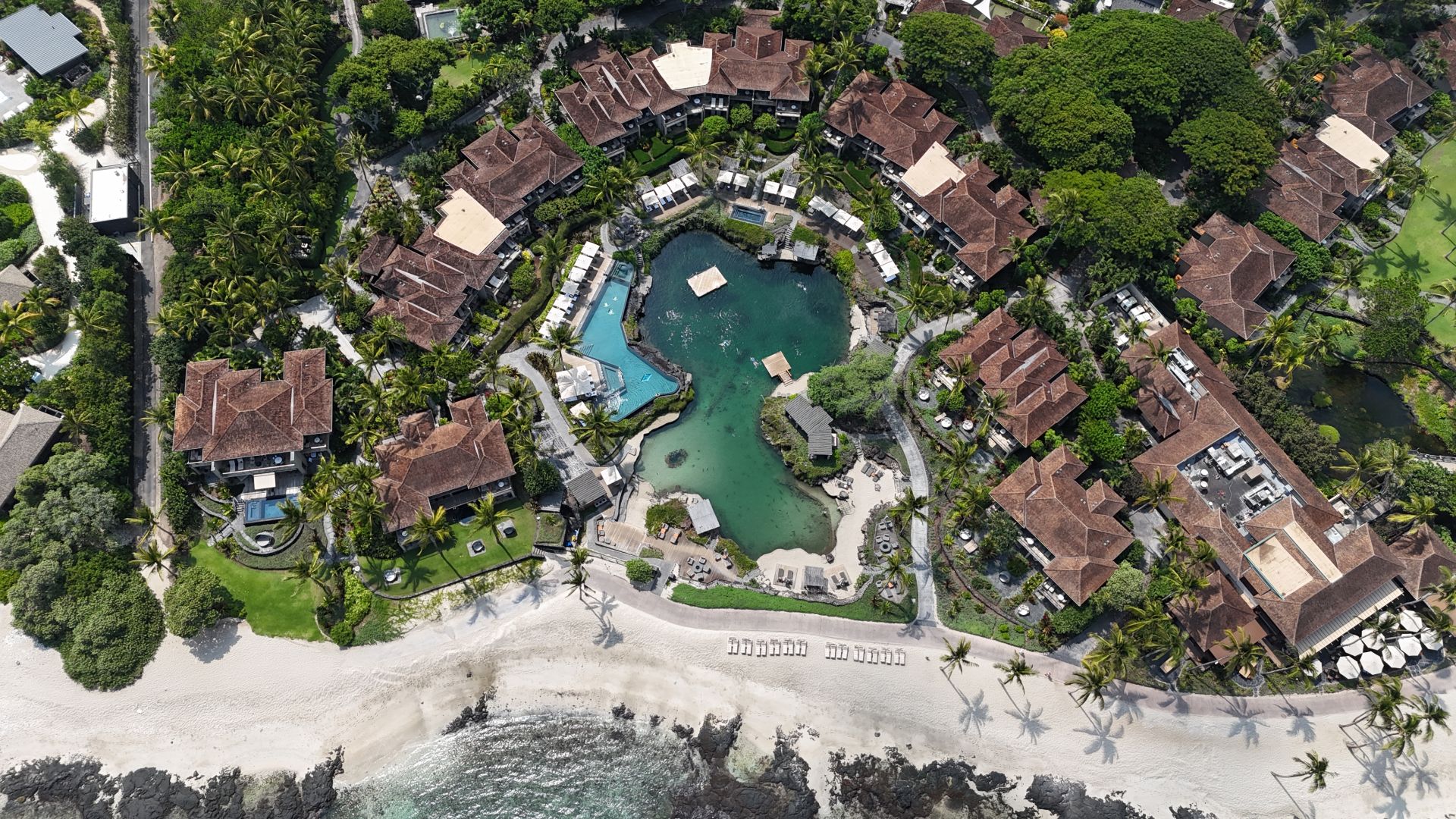 Four Seasons Resort Hualalai
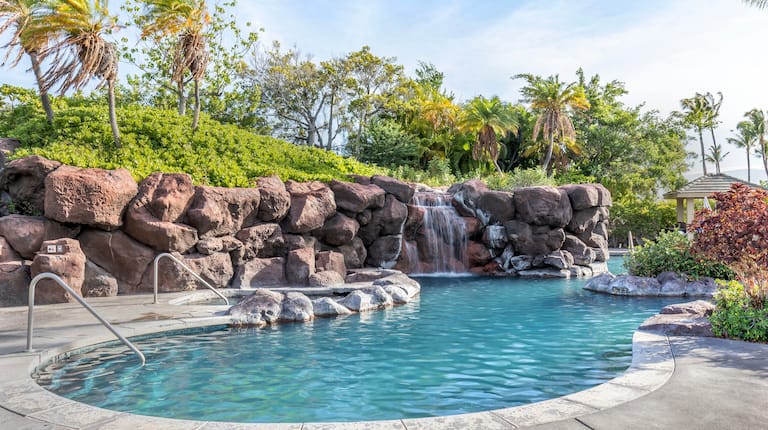 Kings’ Land by Hilton Grand Vacations
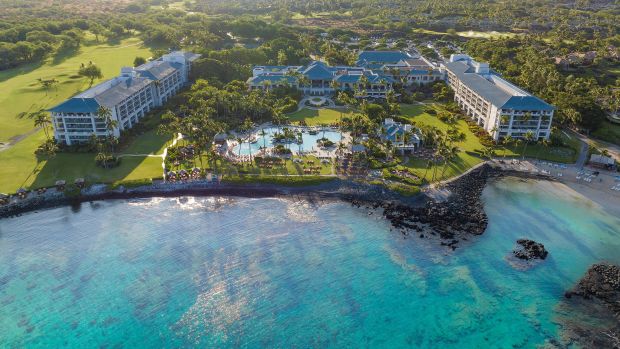 Fairmont Orchid
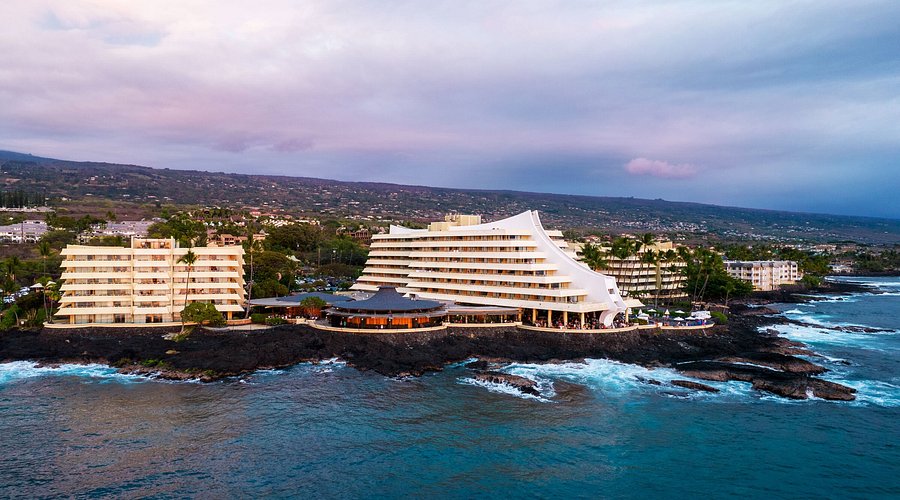 Royal Kona Resort
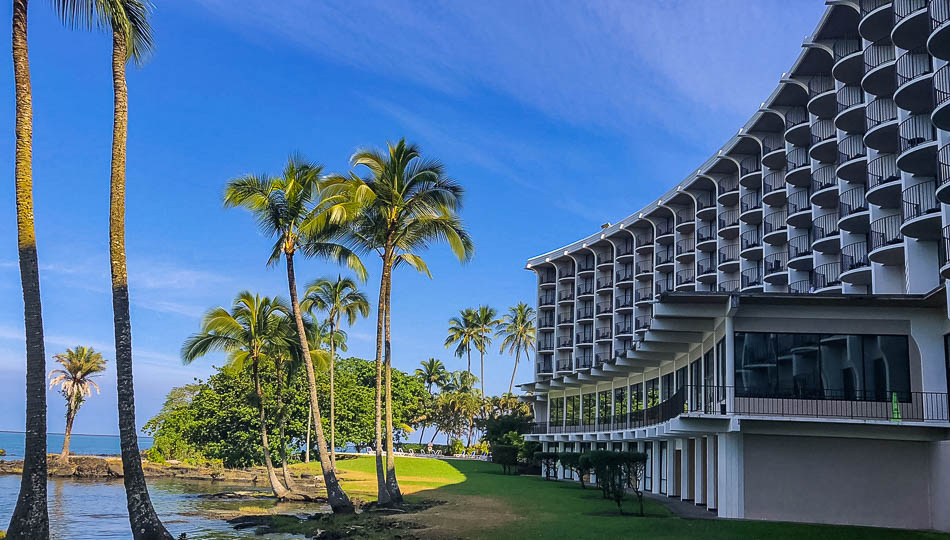 Hilo Hawaiian Hotel
Ready to Plan Your Big Island Trip?
Get a personalized family itinerary built around your kids ages, interests, and travel style — free.