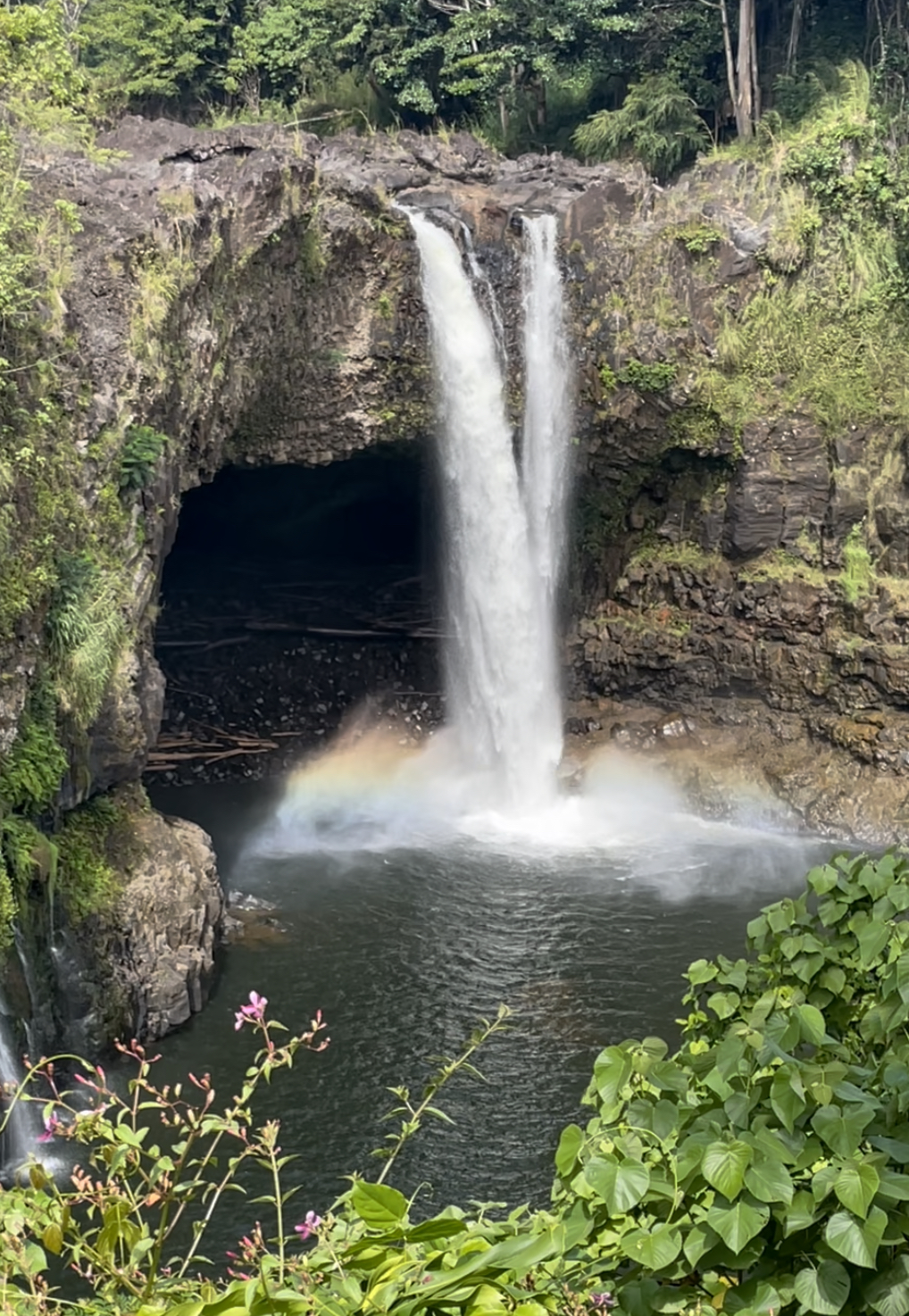
The Big Island’s rain isn’t evenly distributed the way a smaller island’s might be — Hilo genuinely ranks among the wettest cities in the country, while Kona stays dry enough that switching sides of the island is often a legitimate rainy-day plan on its own. Here’s how to handle a rainy stretch wherever you’re staying.
Filter out the noise and find what works for your family.
Every resort we review gets one of four Family Fit ratings. The rating is based on kids programming, amenities, vibe, and who the resort actually markets to - not just whether they allow children.
Discover My Ideal Resort →What to Know
- The Big Island’s massive volcanoes create a rain shadow — Hilo (windward) catches abundant rain while Kona (leeward) stays dry, so switching coasts is a real weather strategy here
- ‘Imiloa Astronomy Center in Hilo has a kid-friendly planetarium, a strong option for a genuinely rainy day on that side of the island
- Kona coffee farm tours, like Greenwell Farms, work well in light rain — a rain jacket and a warm tasting sample while a shower passes is part of the experience
- Ocean Rider Seahorse Farm near Kona lets kids hold a baby seahorse under a naturalist’s guidance — a hands-on option that isn’t weather-dependent
- Panaewa Rainforest Zoo in Hilo is free, and its canopy provides real rain coverage while still being an outdoor experience
- Light rain is manageable for most outdoor plans — it’s heavy downpours where waterfalls and ridge hikes specifically should be avoided
Why the Rain Is So Different by Side
The Big Island’s weather split comes down to its massive volcanic mountains and how they interact with trade winds. Hilo sits on the windward side of Mauna Kea and Mauna Loa, where moisture-laden trade winds get forced upward, cool, and dump abundant rain — enough that Hilo genuinely ranks among the wettest cities in the country. Kona sits in the rain shadow on the leeward side of Mauna Loa and Hualalai, where those same mountains block the moisture before it arrives, leaving the Kona Coast sunny and dry most of the time. Practically, this means a rainy day in Hilo doesn’t necessarily mean a rainy day on the Kona side — if you’re staying centrally or have the flexibility, checking conditions on the other coast before committing to an indoor day can save the outing entirely.
Hilo-Side Rainy Day Options
‘Imiloa Astronomy Center is the strongest single stop for a genuinely rainy Hilo day, with a kid-friendly planetarium and exhibits connecting astronomy to Hawaiian culture and the nearby Mauna Kea observatories. Panaewa Rainforest Zoo offers free admission and enough tree canopy to provide real rain coverage while keeping the outing outdoors rather than confining kids to an indoor space all day — a good middle option when the rain isn’t heavy enough to rule out being outside entirely. Hilo’s downtown also has museums and shopping that fill an hour or two without much planning, useful for filling gaps between other activities.
Kona-Side Rainy Day Options
Kona coffee farm tours are a genuinely enjoyable rainy-day activity rather than just a fallback — Greenwell Farms and similar operators in the Kona coffee belt run guided tours through the growing areas, and a light rain jacket plus warm tasting samples while a shower passes through is part of the appeal rather than a downside. Ocean Rider Seahorse Farm gives kids a hands-on marine encounter, letting them hold a baby seahorse under a naturalist’s guidance, with leafy sea dragons also on site — a genuinely different experience from a standard aquarium visit. The Kona Sea Salt Farm near Ke’ahole Point runs a roughly one-hour guided walk through the seawater ponds where Hawaiian sea salt is harvested, several times daily, for about $27 per adult — a shorter, more niche option that works well paired with another activity the same day.
When Light Rain Isn’t a Dealbreaker
Not every rainy forecast means switching to an indoor plan. Light rain is genuinely manageable for a lot of outdoor activities — a calm, protected cove like King Kamehameha Beach in Kona stays swimmable through a light shower, and several of the coffee and salt farm tours are designed around exactly this kind of weather. The activities worth actually avoiding in heavier rain are waterfalls and ridge hikes, where trail conditions and water levels can shift quickly and unsafely — those are the plans to swap out first when the forecast turns, rather than canceling the whole day.
Building a Backup Day
Given how different Kona and Hilo’s weather can be on the same day, the single most effective rainy-day strategy on the Big Island is often just checking the other coast’s forecast before assuming the whole island is affected. A family staying centrally, or willing to drive, can frequently outrun a rainy morning simply by heading toward the drier side rather than defaulting straight to an indoor plan.
Things to Do on Big Island
Browse family-friendly tours and activities on Big Island, ranked from real traveler reviews.
Quick Answers
- Why does it rain so much more in Hilo than Kona? The Big Island’s volcanoes create a rain shadow — Hilo sits on the windward side that catches trade-wind moisture, while Kona sits in the drier leeward shadow.
- What’s the best indoor activity for a rainy day in Hilo? ‘Imiloa Astronomy Center, with its kid-friendly planetarium and Hawaiian astronomy exhibits.
- Is light rain a reason to cancel outdoor Big Island plans? Not usually — it’s heavy downpours specifically, especially near waterfalls and ridge hikes, that call for a change of plans.
Where to Stay on Big Island
A few family-friendly places to base your trip:
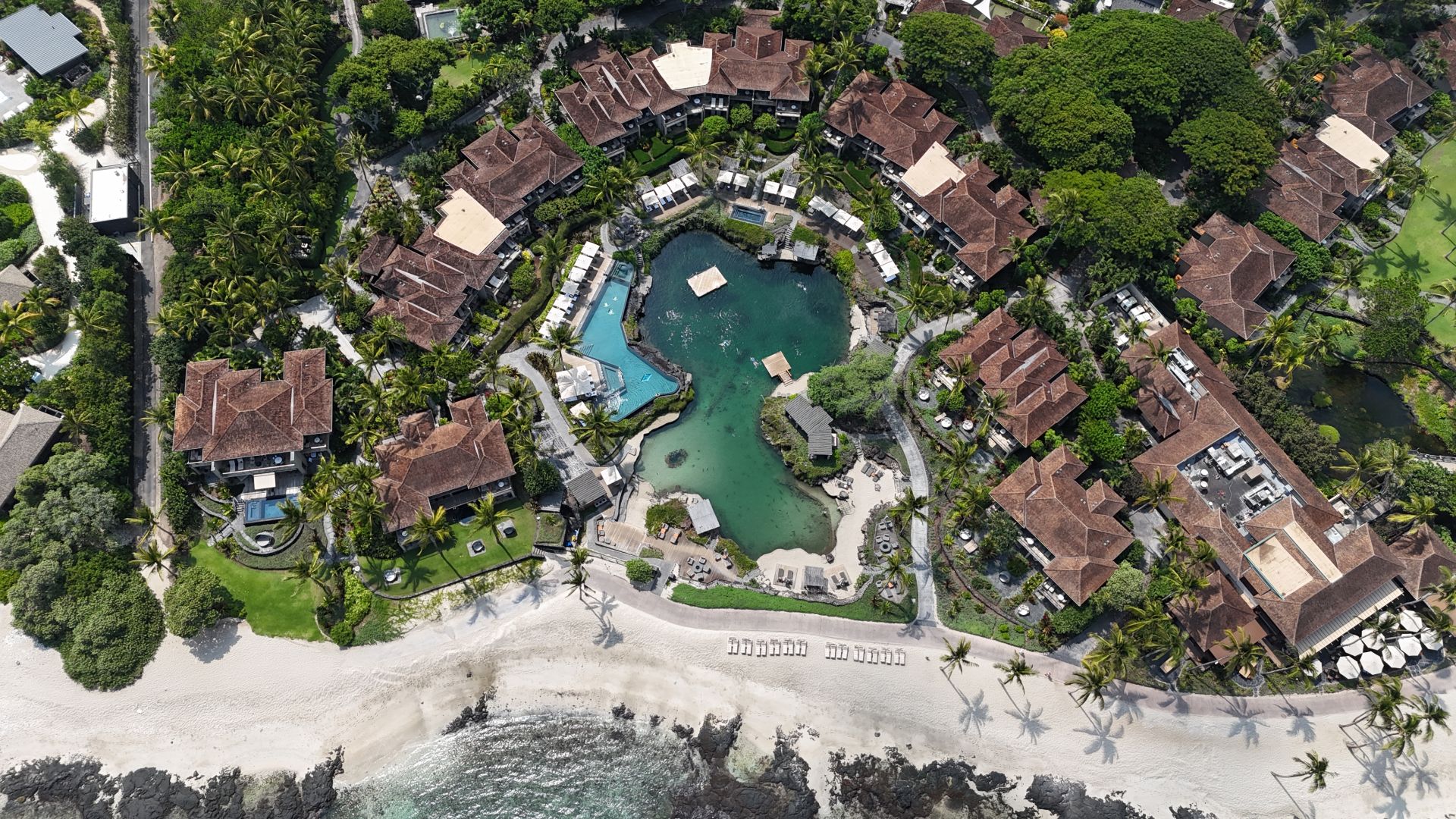 Four Seasons Resort Hualalai
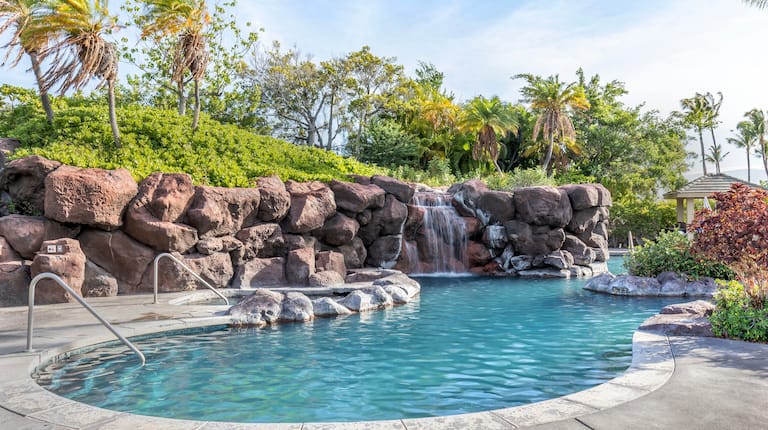 Kings’ Land by Hilton Grand Vacations
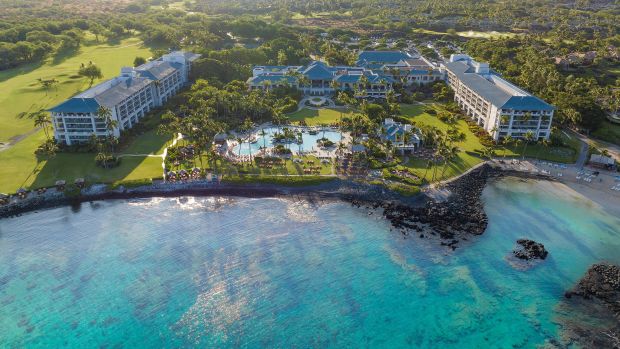 Fairmont Orchid
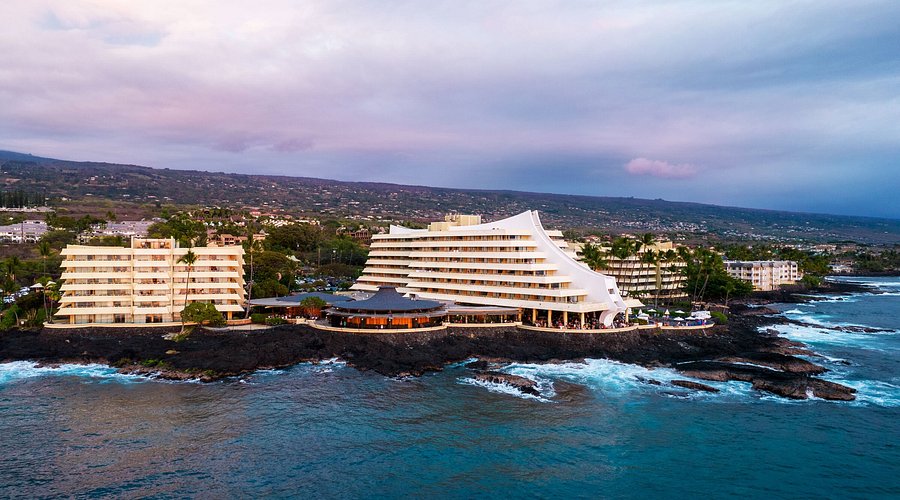 Royal Kona Resort
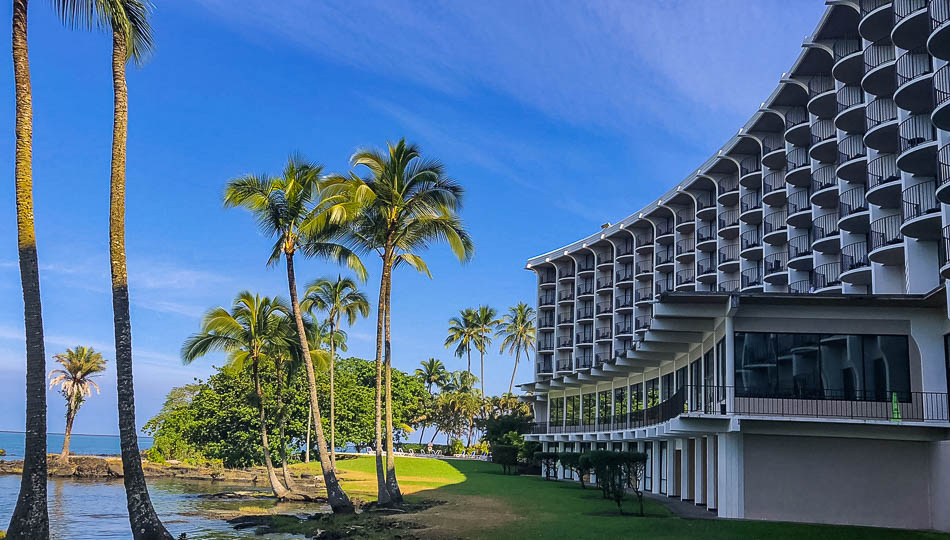 Hilo Hawaiian Hotel
Ready to Plan Your Big Island Trip?
Get a personalized family itinerary built around your kids ages, interests, and travel style — free.