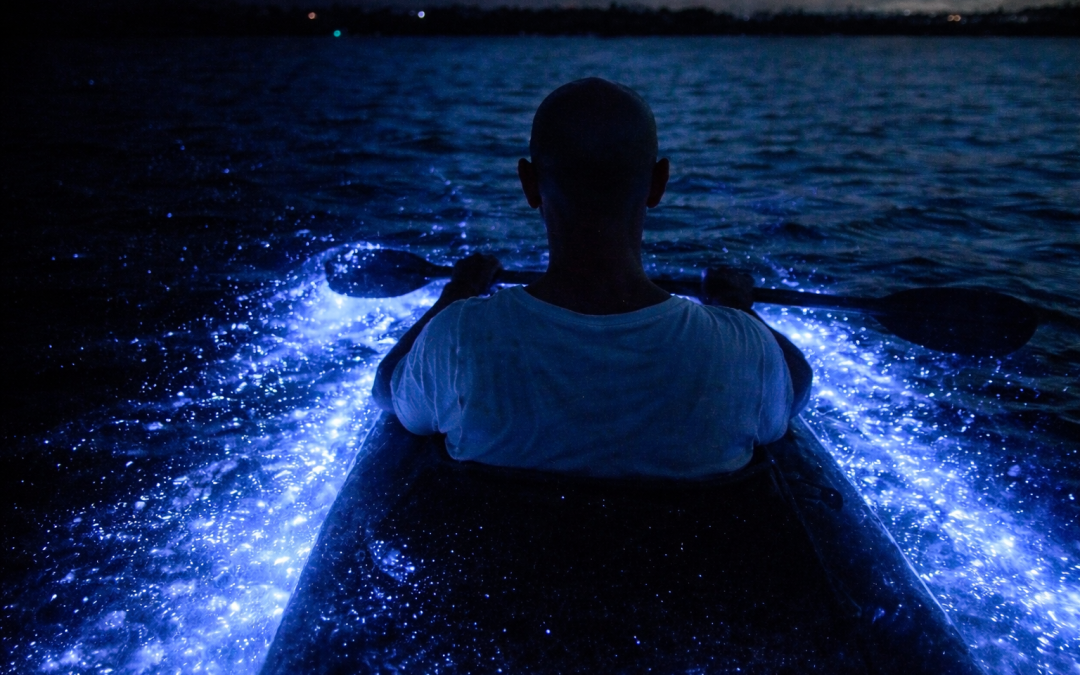
Puerto Rico has three bioluminescent bays, and they are not interchangeable when you’re traveling with young kids. Mosquito Bay in Vieques is the brightest and most famous, but it requires a ferry or short flight and a kayak. Laguna Grande in Fajardo is the easiest to reach from San Juan and now runs mostly on quiet electric boats. La Parguera, on the southwest coast, is the dimmest of the three but the only one where you can swim in the glow. Here’s how to pick the right one for your family instead of just booking whichever tour shows up first in a search.
Filter out the noise and find what works for your family.
Every resort we review gets one of four Family Fit ratings. The rating is based on kids programming, amenities, vibe, and who the resort actually markets to - not just whether they allow children.
Discover My Ideal Resort →What to Know
- Mosquito Bay (Vieques) is the brightest of the three bays but requires a ferry or short flight to the island, plus a kayak tour once you’re there
- Laguna Grande (Fajardo) is about an hour from San Juan and most operators now use quiet electric boats, which work better for kids too young or nervous to paddle
- La Parguera is the only bay where swimming is currently allowed, though it is also the dimmest of the three
- Bioluminescence is strongest around the new moon and fades under a bright moon — check the lunar calendar before booking, especially near a full moon
- Most kayak tour operators set a minimum age of 5-7 for a child paddling their own kayak, but younger kids can usually ride tandem with an adult
- Tours run rain or shine and cancel only for lightning or very rough water — bug spray and a dry bag for phones matter more than a rain jacket
Mosquito Bay, Vieques: The Brightest, But the Most Travel
Mosquito Bay is regularly cited as the brightest bioluminescent bay in the world, and on a good new-moon night the water genuinely lights up with every paddle stroke and fish that swims past. Getting there is the catch: you either take a passenger ferry from Ceiba (about 30 minutes, roughly $2-4 per adult) or a short flight from San Juan, then book a kayak tour once on the island. Kayak and boat tours of Mosquito Bay typically run 60-90 minutes and depart after dark, which is where the planning gets real with young kids — most tours start between 7:30 and 9:30pm, well past a toddler’s bedtime. Families with kids under 7 do better booking the earliest available departure and treating it as a one-night special event rather than a typical evening. Several outfitters, including Abe’s Snorkeling and Black Beard Sports, offer stable, wider kayaks or small electric boats that reduce the tipping risk that makes some parents nervous about solo kayaks with kids aboard.
Laguna Grande, Fajardo: The Practical Choice from San Juan
Laguna Grande sits inside Las Cabezas de San Juan Nature Reserve, about an hour’s drive from San Juan, which makes it the bio bay most families actually visit given limited vacation days. The bioluminescence here is dimmer than Vieques on an average night, but the tradeoff is real: no ferry, no overnight stay required, and most tour operators — Bio Island among them — now run primarily electric pontoon boats rather than kayaks. An electric boat removes the paddling coordination problem entirely, which matters if you have a child who can’t yet keep a kayak straight in the dark. It’s a meaningfully calmer, more controlled experience for a family with a child under 8, even if the light show itself doesn’t quite match Vieques on its best nights. Book Laguna Grande electric boat tours in advance during winter and spring break weeks, when the short drive from San Juan makes this the default bio bay choice for most visiting families. If you’re combining the trip with a rainforest day, our guide to Puerto Rico’s top family activities has more on pairing El Yunque with a Fajardo evening.
La Parguera: Dimmer Water, But You Can Swim
La Parguera, on the southwest coast near the town of Lajas, is the only one of the three bays where swimming in the bioluminescent water is still permitted — boat tours here often include a stop where guests can get in. That’s a genuine draw for older kids who want to see the organisms light up around their own hands and feet rather than just watching from a kayak or boat. The trade-off is brightness: La Parguera’s bioluminescence is consistently reported as the weakest of the three, in part because of light pollution from the town and more boat traffic disturbing the water. It’s a reasonable choice if you’re already based near Ponce or Rincon and don’t want to make the drive to Fajardo or the trip to Vieques — see our guide to Puerto Rico’s family-friendly regions for how the south and west coasts compare — but it’s not the bay to pick if a dazzling light show is the whole point of the outing. Several small-group boat tours out of La Parguera combine the bio bay with a sunset sail, which helps fill the wait until full dark.
Timing It Around the Moon
All three bays glow because of dinoflagellates that emit light when the water is disturbed, and that reaction happens every night regardless of the moon. What changes is how well you can see it — moonlight washes out the faint blue-green glow, so the days around the new moon consistently produce the most dramatic displays, while a few nights around the full moon can look disappointingly faint. Reputable operators publish a moon calendar and will tell you outright if a given night is a poor one to see the effect; if a tour is happy to book you during a bright full moon without mentioning visibility, that’s a signal to look elsewhere. Cloud cover actually helps by blocking moonlight, so a slightly overcast (not stormy) night can outperform a clear one. If your trip dates are flexible at all, checking the lunar calendar before booking the rest of your itinerary saves real disappointment.
What to Expect With Young Kids
Regardless of which bay you choose, plan for a late night, cool water on a paddle or hand, and a genuinely dark environment that can be startling for a toddler who isn’t used to being on open water after sunset. Life jackets are required and provided at every reputable operator, and tandem kayaks or shared boat seating let a young child ride with a parent rather than paddle solo. Bring a change of clothes, skip the bug spray with DEET right before getting in the water (it can affect the organisms and isn’t great for young skin in close quarters), and set expectations with kids ahead of time — the glow is subtle, more like sparks than a light switch, and works best when eyes have had a few minutes to adjust to the dark.
Quick Answers
- Which Puerto Rico bio bay is brightest? Mosquito Bay in Vieques is consistently rated the brightest, followed by Laguna Grande in Fajardo, with La Parguera the dimmest of the three.
- Do you need to kayak, or can you take a boat? Laguna Grande and La Parguera both offer electric boat tours; Mosquito Bay is mostly kayak-based, though some outfitters offer more stable tandem or wide kayaks for families.
- What’s the best time of month to see bioluminescence? Around the new moon, when the sky is darkest. Visibility drops noticeably in the days surrounding a full moon.
Things to Do in Puerto Rico
Browse family-friendly tours and activities in Puerto Rico, ranked from real traveler reviews.
Where to Stay in Puerto Rico
A few family-friendly places to base your trip, whichever bio bay you choose:
 Caribe Hilton
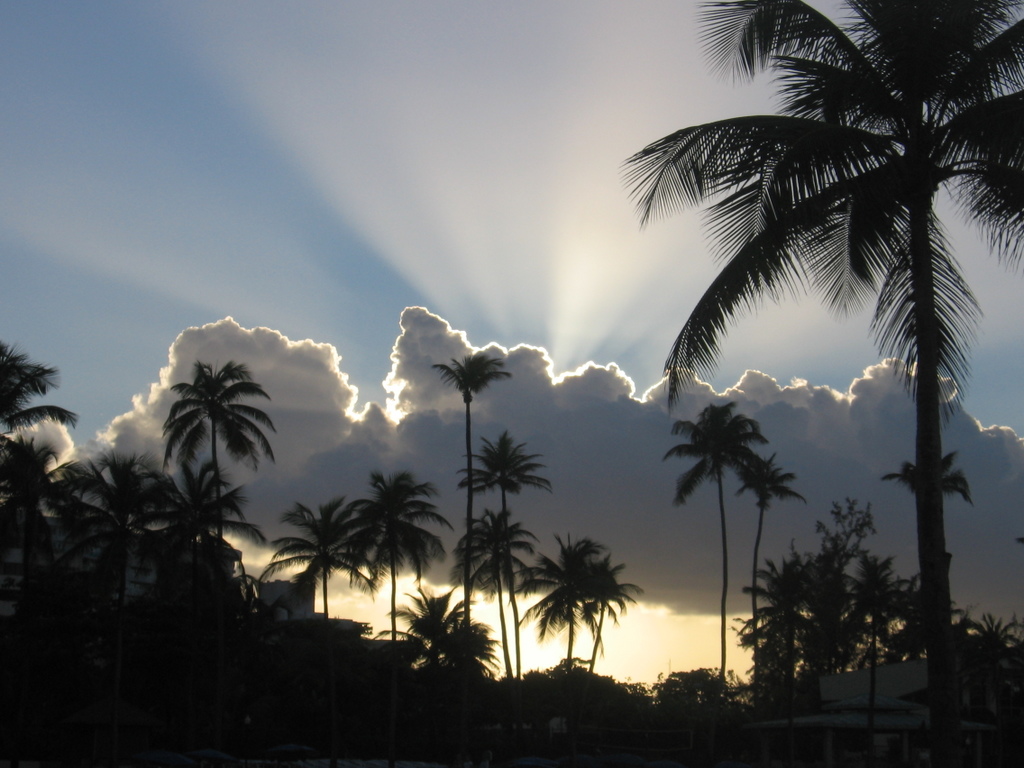 Fairmont El San Juan Hotel
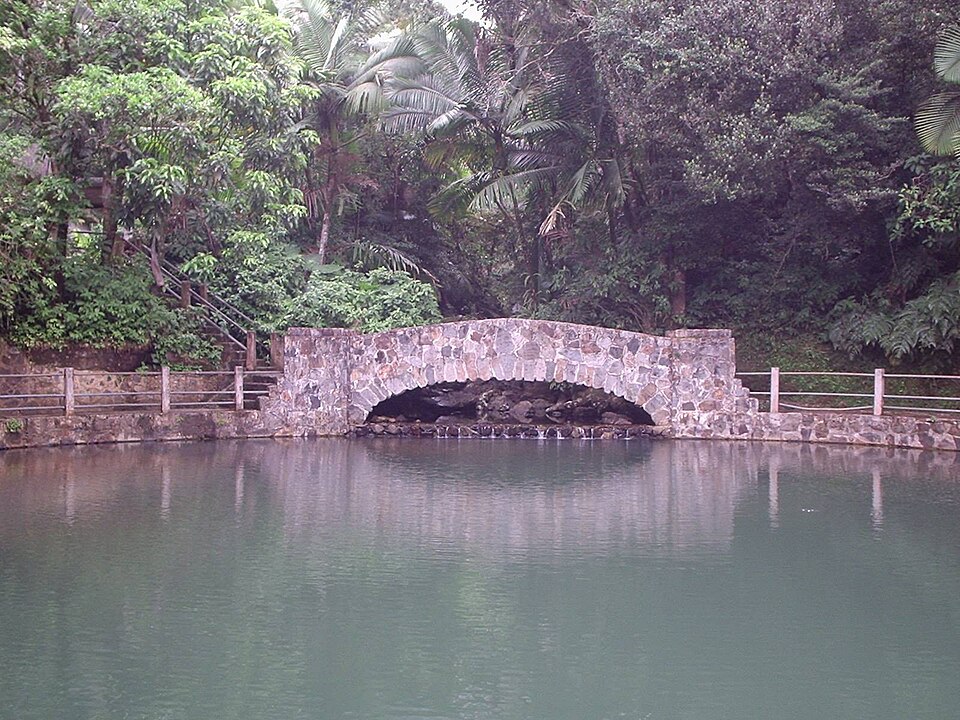 Wyndham Grand Rio Mar Puerto Rico Golf & Beach Resort
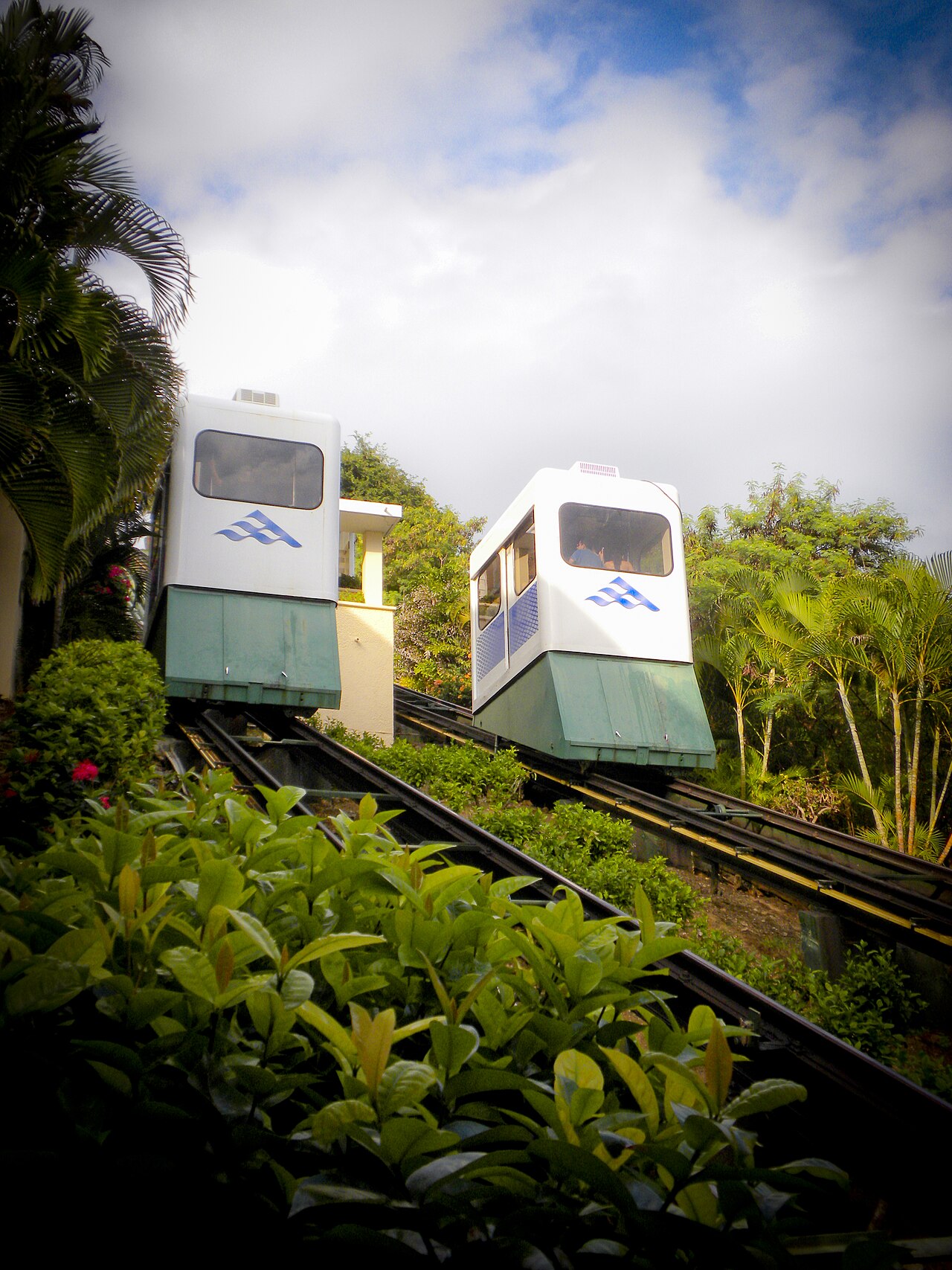 El Conquistador Resort
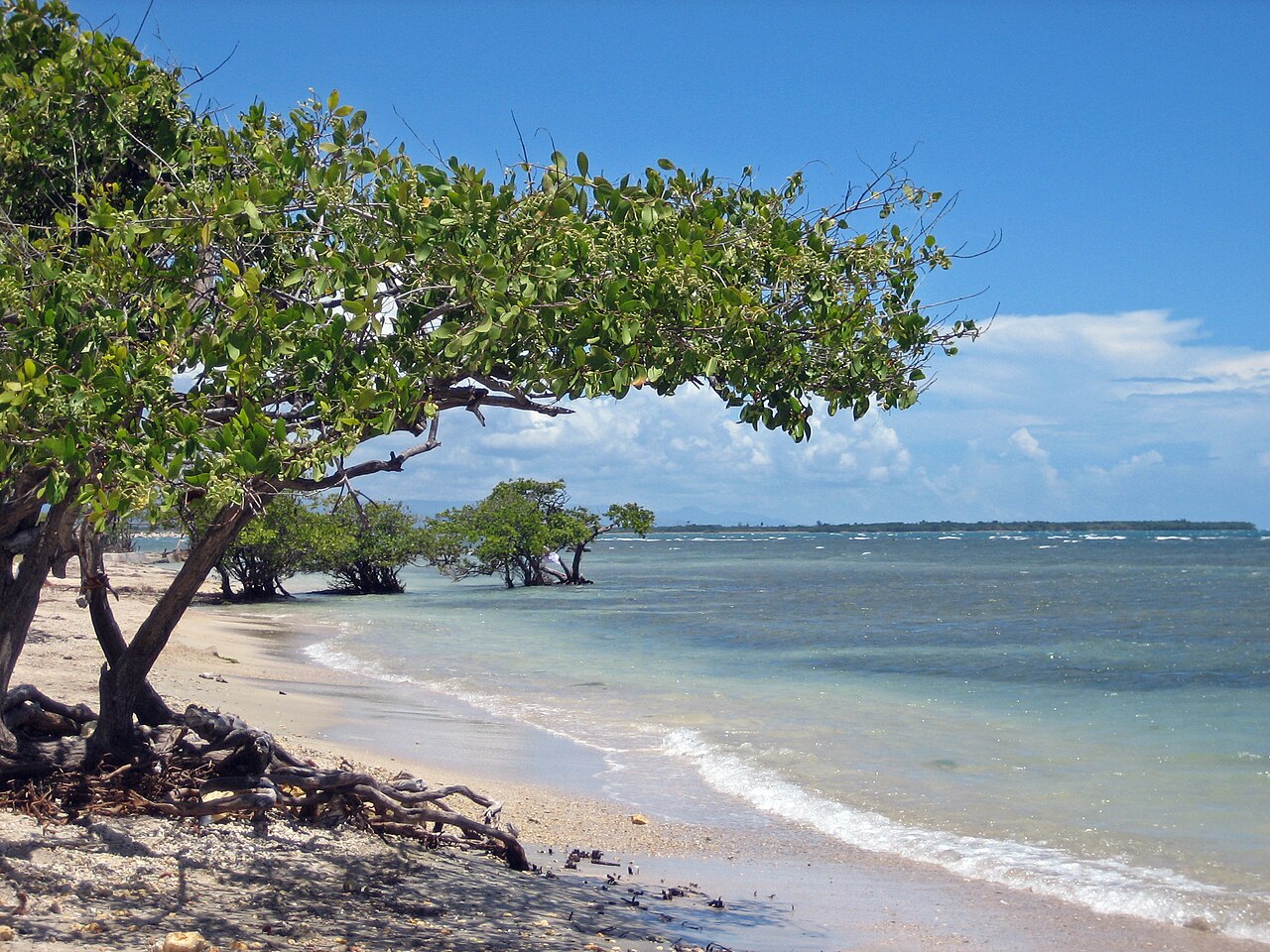 Hilton Ponce Golf & Casino Resort
Ready to Plan Your Puerto Rico Trip?
Get a personalized family itinerary built around your kids ages, interests, and travel style — free.