
Best Fantasy Book Series for 4th Graders – Complete Guide
ⓘ When you purchase through links on our site, we may earn an affiliate commission.
Fourth grade is when many kids move from dabbling in chapter books to really committing to longer fantasy series. They can follow complex plots across multiple volumes now, and they start having strong opinions about which fictional worlds they want to stick with. This raises a practical question: when your child finishes book one and wants to continue, which sequels are actually worth buying? Not every series maintains its quality throughout.

This list focuses on mid-series and later installments from fantasy series that fourth graders consistently enjoy—Artemis Fowl, Fablehaven, Septimus Heap, Redwall, and Narnia. These aren’t quick episodic adventures that reset after each book. They’re interconnected stories where plot threads and character growth carry forward, rewarding kids who stick with them.
The Artemis Fowl series by Eoin Colfer keeps momentum through books three to eight, following the teenage criminal mastermind and his fairy-world connections. Brandon Mull’s Fablehaven builds from book two through the fifth finale, creating an escalating magical adventure with the Sorenson siblings. Angie Sage’s Septimus Heap spans seven books with wizard apprentices, shape-shifters, and ancient spells. Brian Jacques’s Redwall books work somewhat standalone but share a connected world across multiple volumes.
When deciding which series to continue purchasing, consider both reading level and what your child enjoys. Artemis Fowl has more complex vocabulary and tech concepts. Redwall offers rich descriptive language in a traditional fantasy framework. Septimus Heap stays consistently accessible for typical fourth-grade ability. Pacing varies too—Fablehaven moves fast with adventure plots, while Septimus Heap allows more room for world-building and character moments.
Series reading offers specific benefits beyond standalone books. Following characters across multiple volumes builds emotional connection and helps kids think about motivation and growth over time. Tracking complex plots strengthens memory and comprehension. Finishing a five-book or seven-book series is a real accomplishment kids can be proud of. For parents looking for the best books for 4th graders, series provide a clear path forward once you’ve found a world your child enjoys.
These fantasy series also connect well to broader reading habits. Kids who enjoy them often transition smoothly to other book series for elementary age kids, building sustained engagement that carries into middle school. Unlike lighter funny books for kids that prioritize entertainment alone, these balance humor with genuine stakes and character development. They’re exactly what many fourth graders need at this transitional reading stage.
📚 More Reading Lists from Kiddometer
Does your child read these books?
Kids who take reading comprehension quizzes retain significantly more of what they read. Kiddometer turns every book into a mini-challenge — free to try.
Start a free quiz →
1
The Opal Deception: Artemis Fowl, Book 4 by Eoin Colfer
The Opal Deception: Artemis Fowl, Book 4 by Eoin Colfer
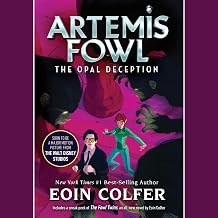
The fourth Artemis Fowl book raises the stakes with new threats and complications for both Artemis and his fairy allies. Colfer continues developing his world's mythology and technology while advancing character relationships established in earlier books. Context from the previous three books is important here—the story builds on events and character growth from earlier installments. Ages 10-14 invested in the series will find the ongoing balance of heist-story plotting, fantasy elements, and technological gadgetry that defines these books. The pacing remains quick, and the plot twists keep readers guessing. This installment maintains the series' trademark blend of humor and action while developing the ongoing character arcs.
2
The Lost Colony: Artemis Fowl, Book 5 by Eoin Colfer
The Lost Colony: Artemis Fowl, Book 5 by Eoin Colfer
The fifth Artemis Fowl book introduces a new dimension to the fairy world and presents Artemis with challenges involving time and demons. Colfer continues expanding the mythology and technology of his world while developing the relationships between recurring characters. This is firmly middle-series material—starting here means missing crucial character development and world-building from earlier books. Ages 10-14 who have followed Artemis's journey from the beginning will find the story adds new layers to the established world. The mix of humor, action, and science-fiction-flavored fantasy continues, with plots that reward readers who pay attention to details and enjoy watching plans unfold and collide.
3
The Long Patrol by Brian Jacques
The Long Patrol by Brian Jacques
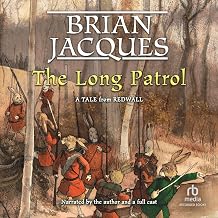
This Redwall adventure follows a group of hares from Salamandastron on their patrol and the various threats they encounter. Jacques delivers another entry in his long-running series with all the familiar elements—feasts, battles, songs, and the eternal struggle between good and evil woodland creatures. The Redwall books function largely as standalone stories despite occurring in the same world, so readers can jump in here if the premise appeals. Ages 8-12 who enjoy traditional fantasy adventure with clear moral lines and detailed medieval-style settings will find this offers exactly what the series is known for. The episodic nature of the journey allows for multiple smaller adventures within the larger plot.
4
The Eternity Code: Artemis Fowl, Book 3 by Eoin Colfer
The Eternity Code: Artemis Fowl, Book 3 by Eoin Colfer
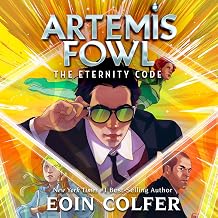
The third Artemis Fowl book continues the evolution of the young criminal mastermind as he navigates new schemes and complications. Colfer's blend of fairy magic, high-tech gadgetry, and heist-story plotting remains central to the appeal. While this book works better than some later installments as a potential entry point, readers get more out of it with the context of the first two books and Artemis's character development. Ages 10-14 who enjoy fast-paced stories mixing fantasy and science fiction will find Colfer's signature style in full effect—quick wit, inventive world-building, and plots that turn on clever planning and unexpected complications. The humor and action balance keeps the pacing brisk.
5
Keys to the Demon Prison: Fablehaven, Book 5 by Brandon Mull
Keys to the Demon Prison: Fablehaven, Book 5 by Brandon Mull
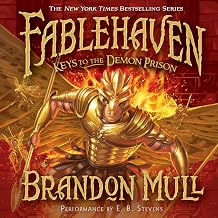
The fifth and final Fablehaven book concludes the series with high-stakes conflicts and resolutions for storylines built across all previous books. Mull brings together the various plot threads, characters, and magical elements established throughout the series. This is purely finale territory—readers need the full context of books one through four to understand what's happening and why it matters. Ages 10-14 who have followed Kendra and Seth's journey through all the previous books will find the series reaches its endpoint here. The conclusion aims to deliver on the setup and promises of earlier installments while providing closure for the characters and the larger conflict threatening the magical preserves.
6
The Bellmaker by Brian Jacques
The Bellmaker by Brian Jacques
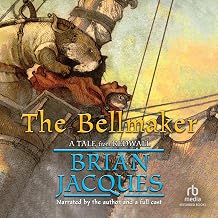
This Redwall novel follows the quest to find the missing son of a hero from a previous book. Jacques delivers his characteristic style—woodland creatures engaged in epic quests, detailed descriptions of food and settings, and clear distinctions between noble heroes and villainous enemies. The Redwall books can generally be read in any order since each tells a complete story, though some characters and references connect across books. Ages 8-12 who enjoy traditional fantasy adventure with anthropomorphic animals will find everything the series is known for here. The medieval atmosphere, battles, and journeys follow the established Redwall formula, which fans of the series find comforting and newcomers either embrace or find repetitive.
7
Septimus Heap, Book Two: Flyte by Angie Sage
Septimus Heap, Book Two: Flyte by Angie Sage
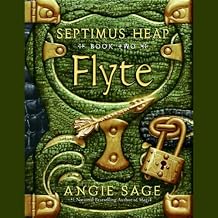
The second Septimus Heap book continues directly from the first, developing the magical world and the young wizard's training. Sage expands on the magical system and the Castle's various factions and characters, building the foundation for the longer series arc. Readers should start with book one—this continuation assumes familiarity with the characters and the world's rules. Ages 9-13 will find the story maintains the first book's balance of magical adventure and mystery, with the ensemble cast continuing to develop. The pacing keeps things moving while allowing time for world-building and character development, appealing to readers who enjoy detailed magical systems and settings with depth.
8
Septimus Heap, Book Three: Physik by Angie Sage
Septimus Heap, Book Three: Physik by Angie Sage
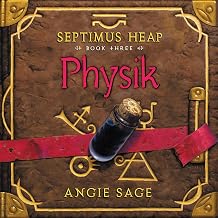
The third Septimus Heap book plays with time and magical complications as it continues building the world and characters introduced in earlier books. Sage's magical system and the Castle setting continue to expand, revealing more about the history and different types of magic in this world. Starting here would leave readers without crucial context about characters and their relationships. Ages 9-13 who enjoyed the first two books will find the series continuing to develop its mythology while maintaining the balance of adventure, humor, and magical discovery. The plot builds on established elements while introducing new complications that carry forward through the rest of the series.
9
Septimus Heap, Book Six: Darke by Angie Sage
Septimus Heap, Book Six: Darke by Angie Sage
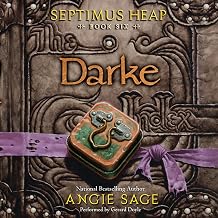
The sixth Septimus Heap book continues the series as it builds toward its conclusion, with darker magical forces threatening the Castle. Sage maintains the magical world's internal consistency while raising the stakes for the final stretch of the series. This late in the series, readers need all the previous context to understand the significance of events and relationships. The tone shifts somewhat darker than earlier books as the series approaches its finale, though it remains within middle-grade boundaries. Ages 10-13 who have followed Septimus through the earlier books will find the ongoing story developing toward its eventual resolution, with the magical mysteries and character relationships that have defined the series.
10
Septimus Heap, Book Seven: Fyre by Angie Sage
Septimus Heap, Book Seven: Fyre by Angie Sage
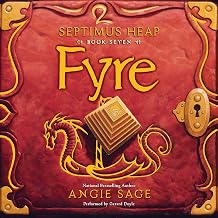
The seventh and final Septimus Heap book brings the series to its conclusion, wrapping up storylines and character arcs established across all previous books. This is purely for readers who have followed the entire series—jumping in here makes no sense without the context of everything that came before. Sage provides closure for the various characters and resolves the magical conflicts that have built throughout the series. Ages 10-14 who have invested in all seven books will find how the various threads come together. The ending aims to satisfy readers who have spent significant time in this magical world and with these characters across multiple years of reading.
11
Septimus Heap, Book Four: Queste by Angie Sage
Septimus Heap, Book Four: Queste by Angie Sage
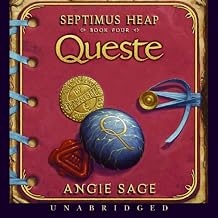
Book four of Septimus Heap sends the young wizard on a quest that tests his growing magical abilities. Sage continues developing the magical world and the various characters introduced throughout the series. This is middle-series territory where the ongoing relationships and magical rules matter, so starting here would leave readers confused about context and character histories. The tone remains consistent with earlier books—adventure-focused with genuine stakes but without the heavier darkness of some fantasy series. Ages 10-13 invested in Septimus's journey and the magical world Sage has created will find the story continues to develop both the characters and the larger mythology of the Castle and its magical traditions.
12
Septimus Heap, Book Five: Syren by Angie Sage
Septimus Heap, Book Five: Syren by Angie Sage
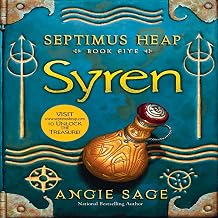
The fifth Septimus Heap book continues the adventures of Septimus and his companions as they face new magical threats. By this point, Sage has built a detailed world with established rules about how magic works, and readers need the earlier books to understand the relationships and ongoing story threads. The series maintains its lighter tone compared to some middle-grade fantasy, focusing on magical mystery and adventure rather than darkness. Ages 10-13 who have enjoyed the previous books will find familiar elements—the Castle setting, the blend of different magical traditions, and the mix of action with quieter character moments that define the series.
13
Prince Caspian by C.S. Lewis
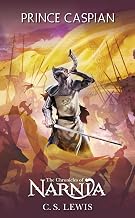
The second Chronicle of Narnia returns the Pevensie children to a Narnia centuries older than when they left, now under the rule of Caspian's usurping uncle. Lewis explores themes of faith, rightful leadership, and how time and change affect even magical worlds. The Christian allegory present throughout the series continues here, though the story works as straight fantasy adventure for readers unaware of or uninterested in that layer. Ages 8-12 will find a more complex Narnia than in the first book, with the wonder of discovery replaced by the challenge of restoration. The pacing differs from modern middle-grade fantasy, with more contemplative passages between action sequences.
14
Magyk: Septimus Heap, Book One by Angie Sage
Magyk: Septimus Heap, Book One by Angie Sage
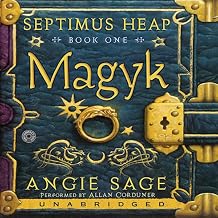
The first Septimus Heap book introduces a world where magic operates through spells, potions, and careful study, following a young boy who discovers his true identity and magical heritage. Sage creates a detailed magical system and a castle setting full of hidden passages, mysterious characters, and layered history. The story balances adventure with world-building, and the tone is generally lighter than some middle-grade fantasy, though real dangers exist. Ages 9-13 will find an accessible entry point to a seven-book series, with enough mystery and discovery to hook readers who enjoy magical worlds with consistent internal rules. The ensemble cast gives multiple characters room to develop across the series.
15
Redwall: Mossflower by Brian Jacques
Redwall: Mossflower by Brian Jacques
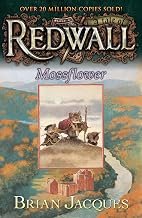
This Redwall book serves as a prequel to the first novel, telling the origin story of how Redwall Abbey came to be and introducing Martin the Warrior's earlier history. Jacques's signature style is fully present—detailed feasts, epic battles between good and evil woodland creatures, and the rich medieval atmosphere that defines the series. While Redwall books can often be read in any order, this one provides important backstory for the overall world. Ages 8-12 who enjoy high fantasy with clear moral lines and anthropomorphic animals will find this delivers everything the series is known for: adventure, loyalty, courage, and memorable characters facing formidable villains.
16
Fablehaven, Book 4: Secrets of the Dragon Sanctuary by Brandon Mull
Fablehaven, Book 4: Secrets of the Dragon Sanctuary by Brandon Mull
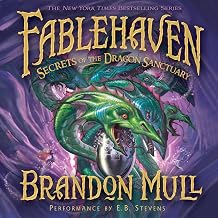
Book four of Fablehaven takes readers into dragon sanctuaries as Kendra and Seth pursue hidden artifacts. By this point in the series, Mull has established a complex world with its own rules and history, and this installment explores new corners of that world while advancing the larger story arc. The series continues to balance wonder with genuine stakes—characters face real consequences, and the threats feel substantial. Best for readers 9-13 who are invested in the ongoing quest and mythology. The pacing remains brisk, and the dragon lore adds new dimensions to the magical world Mull has created, appealing to kids who enjoy detailed fantasy world-building.
17
Fablehaven, Book 3: The Grip of the Shadow Plague by Brandon Mull
Fablehaven, Book 3: The Grip of the Shadow Plague by Brandon Mull
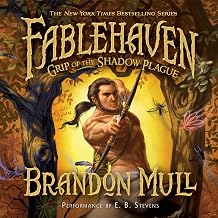
The third Fablehaven installment darkens the tone as a plague threatens the magical preserves. Mull continues building his mythology of magical creatures and the hidden society that protects them, while Kendra and Seth face increasingly serious consequences for their choices. This is middle-grade fantasy that respects its audience, presenting real danger and moral complexity without becoming gratuitously dark. Readers around 9-13 who have followed the series will find the world expanding and the mysteries deepening. The plot moves between action sequences and quieter world-building moments, maintaining the balance that makes this series work for kids who want adventure with substance.
18
Fablehaven, Book 2: Rise of the Evening Star by Brandon Mull
Fablehaven, Book 2: Rise of the Evening Star by Brandon Mull
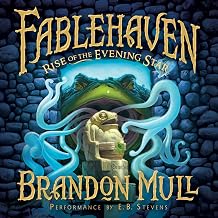
The second Fablehaven book expands the scope beyond the magical preserve introduced in book one, raising the stakes for Kendra and Seth. Mull builds on the world-building and mythology established in the first book while introducing new creatures, dangers, and allies. The story works best for readers who enjoyed the first book's mix of wonder and genuine threat—this series doesn't shy away from real peril for its young protagonists. Ages 9-13 will find the pacing moves quickly, with enough action and discovery to hold attention while developing the ongoing mythology. The sibling dynamic between cautious Kendra and impulsive Seth continues to drive much of the plot and tension.
19
Artemis Fowl: The Atlantis Complex by Eoin Colfer
Artemis Fowl: The Atlantis Complex by Eoin Colfer
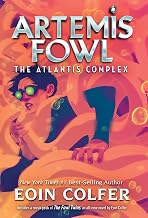
The seventh Artemis Fowl book presents new challenges for the teenage criminal genius as he faces psychological struggles alongside external threats. This installment shifts some of the series' established dynamics, exploring different aspects of Artemis's character. As with all later books in this series, you need the earlier context to understand what's happening and why it matters. The tone remains consistent with Colfer's established style—fast-paced, inventive, mixing fairy technology with quick-witted dialogue. Readers around 11-14 who appreciate the series' blend of fantasy and science fiction will find familiar territory here, though this particular book divides fans based on its approach to the main character.
20
Artemis Fowl 8: The Last Guardian by Eoin Colfer
Artemis Fowl 8: The Last Guardian by Eoin Colfer
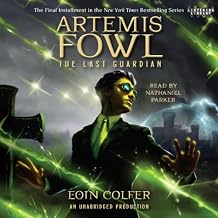
This final book in the Artemis Fowl series brings the eight-book journey to its conclusion. Readers who have followed Artemis, Butler, Holly, and the rest through all their adventures will find this wraps up the major storylines. Starting here makes no sense—this is purely for committed fans who want to see how it all ends. The stakes are appropriately high for a series finale, and Colfer delivers the kind of action-packed, emotionally resonant conclusion that long-time readers expect. Ages 10-14 who have grown up with these characters will find closure here, though the ending has sparked mixed reactions among fans depending on what they hoped for from the finale.
21
Artemis Fowl 6: The Time Paradox by Eoin Colfer
Artemis Fowl 6: The Time Paradox by Eoin Colfer
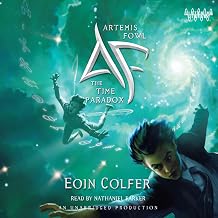
The sixth installment in the Artemis Fowl series takes the criminal mastermind on a time-traveling mission with high personal stakes. This is squarely middle-series territory, so readers should start from the beginning to understand the relationships and ongoing character development. The blend of science fiction, fantasy, and heist-story elements continues, with Colfer's trademark mix of humor and action. Best for readers in the 10-14 range who have already invested in Artemis's journey from villain to more complex antihero. The time travel mechanics add another layer to the already tech-heavy world, which appeals to kids who enjoy stories that blend magic with gadgetry and tactical problem-solving.
Does your child read these books?
Kids who take reading comprehension quizzes retain significantly more of what they read. Kiddometer turns every book into a mini-challenge — free to try.
Start a free quiz →