
Best Fantasy Companion Novels for Upper Elementary
ⓘ When you purchase through links on our site, we may earn an affiliate commission.
When young readers finish a beloved fantasy novel, the question immediately becomes: what comes next? For upper elementary students who’ve discovered worlds like Lois Lowry’s stark future society or Susan Cooper’s ancient magic woven through modern Britain, the need for more is urgent. These readers don’t want something similar—they want the same world, the same characters, the deeper layers that companion novels and sequels provide.

Companion novels present a particular challenge. Unlike straightforward sequels that continue one protagonist’s story, they often shift perspective, jump in time, or explore adjacent corners of the same fictional universe. Lowry’s Giver Quartet works this way: each book stands alone while deepening your understanding of how seemingly separate communities connect. Cooper’s Dark Is Rising sequence alternates between ensemble adventures and solo mythic quests. Readers expecting each book to simply be “more of book one” often stumble.
Reading order matters with these series. The Dark Is Rising begins with “Over Sea, Under Stone,” introducing the Drew siblings, but the second book shifts entirely to Will Stanton’s perspective. Reading them out of order doesn’t make the books incomprehensible, but it does diminish certain discoveries. “Gathering Blue” can be read without “The Giver,” but the connections between communities carry more weight when readers bring their knowledge of Jonas’s world to Kira’s. When choosing from our collection of fourth and fifth grade recommendations, pay attention to series order rather than grabbing whatever’s available at the library.
Not every book in a sequence will appeal equally to every reader. “Taran Wanderer,” the fourth Prydain Chronicle, is more introspective and less plot-driven than its predecessors. Some readers consider it the series’ finest; others find it slow. “Messenger,” the third book in Lowry’s quartet, is shorter and more compact than the books around it. Resist letting kids skip volumes they find challenging—pushing through one less-favored book often leads to a more beloved one just ahead.
Reading level varies more than you might expect within a single series. Cooper’s sequence begins with “Over Sea, Under Stone”—suitable for capable third or fourth graders—but “The Dark Is Rising” is considerably more complex, with denser prose and more challenging concepts. Lloyd Alexander’s Prydain books similarly increase in sophistication. This progression serves advanced readers well, letting them grow alongside the series, but a child who easily handled the first book may need more support with later volumes.
What makes these series valuable is that they’re classics that have remained in print for decades because they tackle substantial themes without condescension. They deal with power and corruption, loyalty and betrayal, identity and sacrifice. They assume readers can handle moral complexity and questions without easy answers. For parents seeking books that challenge kids intellectually and emotionally while remaining age-appropriate, these companion novels offer proven options. They appear on essential reading lists and award winner compilations for good reason—they’ve shaped generations of readers and continue to hold up under repeated reading.
📚 More Reading Lists from Kiddometer
Does your child read these books?
Kids who take reading comprehension quizzes retain significantly more of what they read. Kiddometer turns every book into a mini-challenge — free to try.
Start a free quiz →
1
The Prydain Chronicles Book Four: Taran Wanderer by Lloyd Alexander
The Prydain Chronicles Book Four: Taran Wanderer by Lloyd Alexander
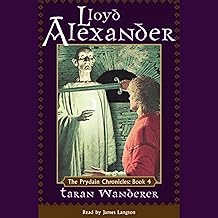
The fourth Prydain Chronicles book takes a different approach as Taran sets out alone to discover who he is, journeying through Prydain without a grand quest or clear destination. He apprentices himself to various craftspeople, faces failure and disappointment, and slowly learns what kind of man he wants to become. This is the most introspective and character-driven book in the series, with less action and more emphasis on personal growth and the dignity of ordinary work. Some readers find it slower than the other books, while others consider it the most meaningful. It's essential for understanding Taran's arc before the final book, and it deepens the world by showing Prydain beyond castles and battles. Best appreciated by readers ages 10-13 who have invested in Taran's journey and are ready for a coming-of-age story that values questions over easy answers.
2
The Prydain Chronicles Book Three: The Castle of Llyr by Lloyd Alexander
The Prydain Chronicles Book Three: The Castle of Llyr by Lloyd Alexander
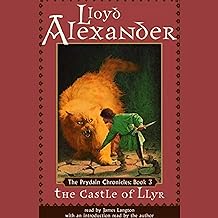
The third Prydain Chronicles book takes Princess Eilonwy away from Taran and the familiar companions, as she's sent to the Isle of Mona to learn to be a proper princess. When she's kidnapped, Taran leads a rescue mission that reveals new threats and tests his growing abilities as a leader. This entry shifts away from the broader war against Arawn to focus on a more contained adventure, giving Eilonwy more agency while also exploring what it means for Taran to act without Gwydion's guidance. The villains are memorable, and the magical elements feel more personal and dangerous than in earlier books. Readers ages 9-12 who have followed the series will appreciate seeing the characters in new situations and relationships shifting. The book balances humor with genuine stakes, maintaining the series' accessible high fantasy tone.
3
Messenger by Lois Lowry
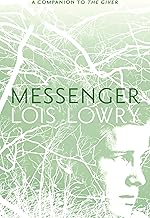
The third book in the quartet that began with The Giver follows Matty, a young boy living in Village, a community that once welcomed refugees but is growing hostile and closed. Matty has a special talent for moving through the dangerous Forest that surrounds Village, and he's sent on an urgent mission as the community prepares to shut its borders permanently. The book explores how fear and selfishness can corrupt even well-meaning communities, with a more straightforward plot than The Giver but similarly challenging themes. Matty is an appealing protagonist—generous, brave, and still figuring out his place in the world. The story connects to characters from previous books but works reasonably well on its own. Best for readers ages 10-13 who are ready for stories about moral choices and social change. The ending carries emotional weight and asks readers to consider what they'd sacrifice for others.
4
Son by Lois Lowry
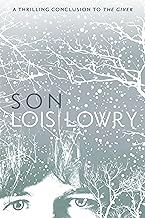
The final book in the quartet that began with The Giver, this follows Claire, a birthmother who violates the rules of her community to search for the son she was forced to give up. Her journey takes her to a darker settlement by the sea, where she must sacrifice much of herself to survive and continue her search. The book eventually intersects with the events of The Giver, providing answers and closure to that story's ambiguous ending. This is the most emotionally demanding book in the series, dealing with maternal love, loss, and the physical and psychological costs of Claire's choices. The tone is darker and more mature than the earlier books, making it most appropriate for readers 12 and up who have invested in the series. It offers resolution for those who needed it, though some readers prefer The Giver's open ending.
5
Greenwitch by Susan Cooper
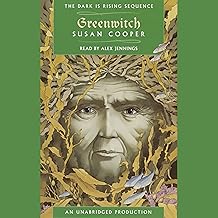
The third book in The Dark Is Rising sequence brings together Will Stanton from the previous book with the Drew children from the first, as they return to Cornwall and encounter the Greenwitch—a figure made of branches and leaves as part of an ancient village ritual. The quest centers on recovering a lost manuscript, but the heart of the story lies in Jane's surprising connection with the Greenwitch, a being both powerful and pitiable. This entry balances the mythic weight of Will's mission with the more grounded perspective of the Drew siblings, making it feel less isolated than The Dark Is Rising. The Greenwitch herself is a memorable creation, neither villain nor ally. Readers ages 10-12 will find this accessible, though it helps to have read at least one of the earlier books. The Cornish setting and sea magic give it a distinct atmosphere.
6
The Dark Is Rising by Susan Cooper
The Dark Is Rising by Susan Cooper
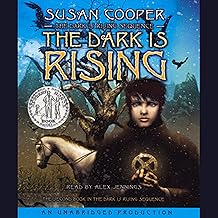
The second book in the sequence but often considered the strongest, this follows eleven-year-old Will Stanton, who discovers on his birthday that he's the last of the Old Ones, immortal beings tasked with fighting the rising Dark. Set in the English countryside during midwinter, the story weaves Arthurian legend and Celtic mythology into a battle between cosmic forces of Light and Dark. Unlike the first book's adventure tone, this one feels more mythic and serious, with Will navigating his new powers largely alone. The atmosphere is thick with snow, ancient magic, and genuine unease. It works as a starting point for the sequence despite being book two, and appeals to readers ages 10-13 who are drawn to mythology and can handle a protagonist carrying significant responsibility. The stakes feel both vast and intimate.
7
Gathering Blue by Lois Lowry
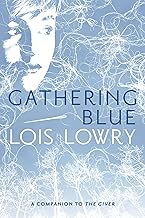
Set in a dystopian village where people with disabilities are sent to die in the Field, this companion novel to The Giver follows Kira, a young girl with a twisted leg who survives because of her gift for embroidery. She's given the task of mending an important ceremonial robe that tells her society's history, gradually uncovering uncomfortable truths about her world. The book stands alone and takes a different approach than The Giver—less conceptual, more focused on craft, creativity, and physical survival. Kira's world is harsher and more primitive, which may surprise readers expecting a direct sequel. The themes around art, memory, and what societies choose to preserve make this thought-provoking for readers ages 10 and up. It's quieter and more character-driven than plot-driven, rewarding patient readers who appreciate atmospheric world-building.
8
Over Sea, Under Stone by Susan Cooper
Over Sea, Under Stone by Susan Cooper
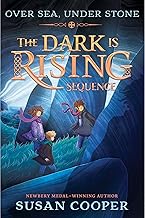
The first book in The Dark Is Rising sequence follows three siblings—Simon, Jane, and Barney—on a summer holiday in Cornwall, where they stumble into an ancient quest involving King Arthur and the search for a mysterious grail. The story blends family adventure with Celtic mythology, keeping the supernatural elements grounded in a recognizable world of coastal villages and family dynamics. Readers who enjoy treasure hunts with mythic stakes will find this accessible, though it moves at a more leisurely pace than contemporary middle-grade fantasy. The children are resourceful and likable without being precocious, and the Arthurian threads add weight without overwhelming the adventure. Best for readers around ages 9-12 who are ready for longer chapter books and don't mind a slower build. This works as a standalone, though many readers continue with the rest of the sequence.