
Best Mystery Series for 2nd Graders – Ranked List
ⓘ When you purchase through links on our site, we may earn an affiliate commission.
Second grade is when kids shift from learning to read to reading to learn, and mystery series are perfect for this transition. Following clues with characters like Nate the Great or the A to Z Mysteries trio builds critical thinking while helping kids tackle longer books. The structure of mysteries—puzzle, evidence, solution—mirrors problem-solving in math, science, and everyday life. For parents wanting to move their second grader beyond early readers, these series bridge the gap to independent chapter books. The series in this list take different approaches, but both work beautifully for young readers. Nate the Great books, around since 1972, feature a boy detective who solves cases with methodical logic and plenty of humor. They’re shorter with larger print and more illustrations—great for kids still building confidence. The A to Z Mysteries series follows three friends solving cases organized alphabetically. These books are a bit longer with smaller print, perfect for readers ready for more text per page. Both keep the best parts of mystery writing—red herrings, deduction, satisfying endings—while staying appropriate for second-grade reading levels. What makes a good mystery for this age? Protagonists close to their own age who solve problems without constant adult help. Mysteries that kids can actually solve by paying attention, which builds comprehension and confidence. And predictable structure matters too—when each book follows a similar pattern, kids can focus on the unique mystery instead of figuring out a new format every time. This is why series work so well right now. The familiar characters and framework support kids as plots get more complex. Our broader Must Read Books for 2nd Graders Ages 7-8 list has more chapter book ideas beyond mysteries.

Mystery series also get kids reading more overall. When a second grader loves Nate’s detective style, they often want every book in the series. This sustained reading builds fluency better than scattered individual books because kids internalize sentence patterns, learn vocabulary through repetition, and develop real stamina. The episodic setup means kids can start anywhere, though many enjoy reading in order. For more series options, check out our Best Book Series for Elementary Age Kids Parents Must Know. The books here were chosen for appropriate reading level, popularity with young readers, and how well they represent the two most accessible mystery series for second graders. Rather than listing every title, we focused on books that show what makes each series work: engaging mysteries with age-appropriate stakes, characters who demonstrate persistence and logical thinking, and stories that hold up across multiple reading sessions. Some introduce the characters and their methods, while others are particular favorites kids mention again and again.
For second graders ready to move past simple chapter books but not quite ready for complex middle-grade novels, mystery series hit the right spot. They respect growing abilities while keeping supportive elements like shorter chapters, clear plotting, and relatable protagonists. The logical structure also creates natural discussion opportunities—guessing solutions, talking about clues, reviewing how the detective figured it out. Whether your child likes Nate’s pancake-loving approach or prefers the collaborative A to Z investigations, these series offer hundreds of pages that build skills while actually being fun to read. As their skills grow, our Best Chapter Books for Elementary Readers can help you figure out what comes next.
📚 More Reading Lists from Kiddometer
Does your child read these books?
Kids who take reading comprehension quizzes retain significantly more of what they read. Kiddometer turns every book into a mini-challenge — free to try.
Start a free quiz →
1
The Ninth Nugget (A to Z Mysteries) by Ron Roy
The Ninth Nugget (A to Z Mysteries) by Ron Roy
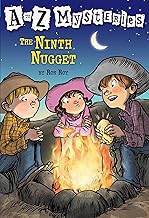
The Ninth Nugget is part of Ron Roy's A to Z Mysteries series, with the N entry featuring a mystery about nuggets—possibly gold nuggets, chicken nuggets, or another interpretation of the word. Dink, Josh, and Ruth Rose investigate with their usual teamwork and curiosity. The series is designed for early chapter book readers ages 6-9, offering short chapters, clear language, and illustrations that make independent reading less intimidating. Each book follows a similar structure, which helps young readers know what to expect and allows them to focus on the mystery itself. The alphabetical organization appeals to kids who like collecting complete sets. Good for readers who have finished early reader series and are ready for slightly longer books but still want accessible vocabulary and straightforward plots.
2
Nate the Great and the Big Sniff by Marjorie Weinman Sharmat
Nate the Great and the Big Sniff by Marjorie Weinman Sharmat
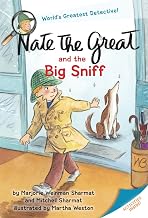
This Nate the Great book involves Nate's dog Sludge in a more prominent role, as suggested by the title. The series typically features Sludge as Nate's companion, but this installment likely gives the dog a bigger part in solving the mystery. Marjorie Weinman Sharmat writes with beginning readers in mind, using simple sentence construction and age-appropriate vocabulary for grades 1-3. The addition of a dog appeals to animal-loving young readers and adds another element to Nate's detective toolkit. Like other books in the series, this one features short chapters and illustrations that support the text. The mysteries remain grounded in everyday life—nothing too complex or frightening. Kids who have followed Nate through other cases will enjoy seeing more of Sludge, while the accessible format welcomes new readers to the series.
3
Nate the Great and the Lost List by Marjorie Weinman Sharmat
Nate the Great and the Lost List by Marjorie Weinman Sharmat
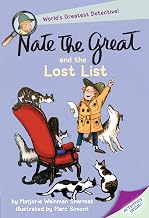
Nate the Great investigates a lost list in this entry of Marjorie Weinman Sharmat's long-running series. The premise is straightforward and relatable—most kids have experienced losing something important and needing to retrace their steps. Nate applies his detective skills to track down the missing list, demonstrating problem-solving strategies that young readers can understand and potentially use themselves. The series is written for early chapter book readers, typically ages 6-8, with controlled vocabulary and supportive illustrations. Nate's personality remains consistent across books: he's serious about his work, fond of pancakes, and methodical in his approach. The low-stakes mysteries and familiar neighborhood settings make the books comfortable for emerging readers. Good for kids who want detective stories without complex plots or challenging vocabulary.
4
Nate the Great and the Pillowcase by Marjorie Sharmat
Nate the Great and the Pillowcase by Marjorie Sharmat
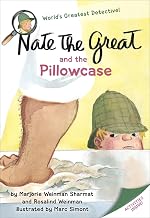
Another installment in the Nate the Great series, this book centers on a mystery involving a pillowcase—perhaps one that's gone missing or contains an important clue. Nate approaches the case with his characteristic seriousness and logical thinking. Written by Marjorie Sharmat (sometimes credited as Marjorie Weinman Sharmat), the series has maintained its appeal for beginning readers since the 1970s. The books use simple language and sentence structure appropriate for grades 1-3, making them accessible for kids who are newly independent readers. Illustrations appear throughout to support comprehension. The everyday nature of the mysteries—lost objects, neighborhood puzzles—makes them relatable to young readers' own experiences. Kids who enjoy figuring out solutions before the reveal will appreciate Nate's step-by-step detective work.
5
Nate the Great and the Sticky Case by Marjorie Weinman Sharmat
Nate the Great and the Sticky Case by Marjorie Weinman Sharmat
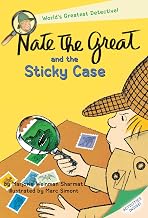
In this Nate the Great mystery, the young detective tackles a sticky case—likely involving something literally adhesive or a situation that's metaphorically difficult to solve. Marjorie Weinman Sharmat's series features Nate as a serious, pancake-loving boy detective who approaches mysteries with methodical thinking. The books are designed for early readers in grades 1-3, with controlled vocabulary, short sentences, and illustrations that help emerging independent readers follow along. Nate's cases are neighborhood-based and involve everyday mysteries like lost items or minor mishaps. The consistent format and gentle humor make the series approachable for kids building reading confidence. Nate's personality—earnest and determined—appeals to kids who like competent protagonists. The series has endured for decades as a solid introduction to mystery fiction for young readers.
6
The Deadly Dungeon (A to Z Mysteries) by Ron Roy
The Deadly Dungeon (A to Z Mysteries) by Ron Roy
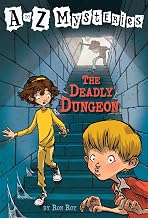
The Deadly Dungeon takes the A to Z Mysteries crew into what's likely a historical site or tourist attraction with dungeon features. Ron Roy's series pairs each letter with a mystery theme, and this D entry leans into medieval or castle-related elements. Despite the ominous title, the content remains appropriate for ages 6-9, with the "deadly" aspect likely downplayed or revealed as exaggeration. Dink, Josh, and Ruth Rose use observation and logic to solve the case, as they do throughout the series. The dungeon setting offers opportunities for exploration, hidden rooms, and historical details that can pique kids' interest in the past. The book follows the series' reliable formula of short chapters and clear storytelling, making it accessible for early chapter book readers who want adventure without complexity.
7
The Zombie Zone (A to Z Mysteries) by Ron Roy
The Zombie Zone (A to Z Mysteries) by Ron Roy
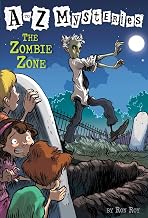
The Zombie Zone is part of Ron Roy's A to Z Mysteries series, taking the letter Z and pairing it with a zombie-themed mystery. Given the series' track record, expect the "zombies" to be explained through costume, theater, or some other non-supernatural means—the books stay firmly in realistic fiction territory. Dink, Josh, and Ruth Rose investigate with their usual combination of curiosity and teamwork. The zombie angle may attract reluctant readers who like the idea of something spooky but aren't ready for actual scary content. Written for ages 6-9, the book maintains the series' accessible reading level with short chapters and supportive illustrations. It's a good choice for kids who have enjoyed other A to Z Mysteries and want to complete the alphabet, or for readers who need high-interest topics to stay engaged.
8
The Panda Puzzle (A to Z Mysteries) by Ron Roy
The Panda Puzzle (A to Z Mysteries) by Ron Roy
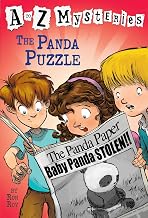
The Panda Puzzle brings Ron Roy's young detectives face-to-face with a mystery involving pandas, likely at a zoo or wildlife sanctuary. The series follows Dink, Josh, and Ruth Rose as they solve cases in their hometown and occasionally travel to nearby locations. Written for readers ages 6-9, the book uses simple vocabulary and short chapters to keep early readers engaged without overwhelming them. The panda theme will draw in animal lovers and kids interested in wildlife conservation. Like other A to Z Mysteries, the book includes black-and-white illustrations and a straightforward plot structure that teaches problem-solving skills. The series works well for reluctant readers because each book is relatively quick to finish, providing a sense of accomplishment that can motivate kids to pick up the next one.
9
The Haunted Hotel (A to Z Mysteries) Covers Vary by Ron Roy
The Haunted Hotel (A to Z Mysteries) Covers Vary by Ron Roy
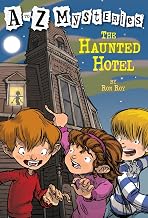
This A to Z Mysteries book takes Dink, Josh, and Ruth Rose to a haunted hotel, where they work to uncover the truth behind supposedly supernatural events. As with other books in the series, the "haunted" elements will have a rational explanation—Ron Roy keeps things age-appropriate for the 6-9 set without genuine scares. The hotel setting provides opportunities for secret passages, mysterious guests, and atmospheric investigation. The book maintains the series' formula of short chapters, clear prose, and a mystery that young readers can follow and potentially solve alongside the characters. Kids who like mild spooky stories without actual horror will enjoy this one. The consistent reading level across the series makes it useful for building reading stamina and independence in early elementary students.
10
Nate the Great and the Stolen Base by Marjorie Weinman Sharmat
Nate the Great and the Stolen Base by Marjorie Weinman Sharmat
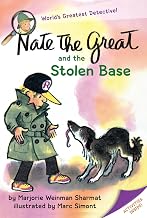
Marjorie Weinman Sharmat's Nate the Great series features a young boy detective who models himself after Sherlock Holmes, complete with serious demeanor and a taste for pancakes. In this installment, Nate investigates a stolen base—the baseball equipment kind, not a military installation. The books are written for early readers, typically grades 1-3, with simple sentence structure and illustrations that support the text. Nate's methodical approach to solving cases introduces kids to logical thinking and deductive reasoning in an accessible way. The mysteries are low-stakes and community-based, often involving lost pets or missing objects. The series has been around since the 1970s and remains a solid choice for kids who enjoy detective stories but aren't yet ready for more complex plots.
11
The Talking T. Rex (A to Z Mysteries) by Ron Roy
The Talking T. Rex (A to Z Mysteries) by Ron Roy
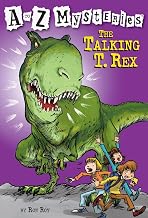
Another entry in the A to Z Mysteries series, this book centers on a mystery involving a talking T. Rex—likely a museum exhibit or mechanical dinosaur rather than an actual prehistoric creature. Like other books in the series, it features the trio of Dink, Josh, and Ruth Rose solving mysteries in their Connecticut town. The chapters are short and the text is accessible for beginning independent readers, usually first through third graders. The dinosaur angle will appeal to kids fascinated by paleontology or natural history museums. Ron Roy's series is popular in classrooms and libraries because the books are consistent in difficulty and style, allowing young readers to build confidence and fluency. Works well for kids transitioning from early readers to longer chapter books.
12
The Jaguar’s Jewel (A to Z Mysteries) by Ron Roy
The Jaguar's Jewel (A to Z Mysteries) by Ron Roy
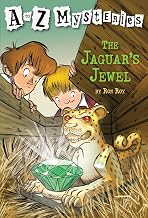
Part of Ron Roy's A to Z Mysteries series, this installment follows young detectives Dink, Josh, and Ruth Rose as they investigate a mystery involving a jaguar and a valuable jewel. The series is designed for early chapter book readers, typically ages 6-9, who are ready to move beyond picture books but still want short chapters, straightforward vocabulary, and a clear mystery structure. Each book in the series corresponds to a letter of the alphabet, making it easy for kids to collect and read through the set. The mysteries are age-appropriate with no scary content, focusing instead on problem-solving and observation skills. Good for kids who enjoy Encyclopedia Brown or Cam Jansen and want a reliable formula with likable characters they can follow across multiple books.
Does your child read these books?
Kids who take reading comprehension quizzes retain significantly more of what they read. Kiddometer turns every book into a mini-challenge — free to try.
Start a free quiz →