
Best homeschooling books
ⓘ When you purchase through links on our site, we may earn an affiliate commission.
Homeschooling is a growing path for families around the world, offering flexibility, personalized learning, and opportunities for strong parent-child engagement. Still, the choices—educational philosophies, curricula, daily routines—can feel overwhelming. That’s where trusted guides come in. A well-chosen book can clarify your approach, build your confidence, and offer structure paired with adaptability.
This ranked list of Highly Rated Homeschooling Books brings together titles that parents consistently recommend for their clarity and usefulness in real homeschooling scenarios. Each selection reflects practical value: ease of understanding, adaptability to different ages, and proven effectiveness in supporting learning outcomes.
You’ll find a variety of books that serve different needs:
- Getting Started: These titles explain how to launch your homeschooling journey, covering foundational questions—where to begin, what to plan, how to align with local educational requirements.
- Educational Philosophies: Whether you’re drawn to structured methods like classical education or prefer more flexible, interest-led styles, some books here explore underlying philosophies to help you align your approach with your values.
- Day-to-Day Support: Look for books offering routines, schedule templates, and tips for teaching multiple children across different grades—making organization manageable for busy families.
- Real Stories & Encouragement: Homeschooling isn’t just logistics—it’s a relationship-driven journey. Several titles share personal accounts and encouragement from homeschoolers who’ve navigated similar challenges.
Each book in this list includes a clear description of its focus—whether it’s planning, mindset, subject guidance, or lifestyle—and explains why families rate it highly. Some books are especially helpful for newcomers. Others offer refreshed ideas for those refining their methods amid changing family dynamics. By organizing the list sensibly, we help you find what you need when you need it—whether that’s inspiration for the start of the school year, practical help juggling schooling alongside other responsibilities, or encouragement when burnout hits.
This is more than a reading list—it’s a toolkit. For parents building libraries that support both learning and family life, it points toward trusted, user-tested resources that make a real difference.
Does your child read these books?
Kids who take reading comprehension quizzes retain significantly more of what they read. Kiddometer turns every book into a mini-challenge — free to try.
Start a free quiz →
1
Educating the Wholehearted Child
Educating the Wholehearted Child by Clay and Sally Clarkson

For homeschooling parents seeking a holistic approach, "Educating the Wholehearted Child" by Clay and Sally Clarkson offers a comprehensive guide to nurturing your children's hearts, minds, and souls. This book moves beyond academic checklists, focusing instead on cultivating an environment where genuine learning and spiritual growth can flourish within the family. It delves into practical strategies for integrating biblical principles seamlessly into your daily homeschooling rhythm, encouraging a lifelong love for learning through intentional discipleship. Readers will discover methods for building strong family bonds while pursuing academic excellence, all centered on a faith-based foundation. The Clarksons share insights on creating a gentle, grace-filled, and family-centered educational experience that prioritizes character development and a deep understanding of God’s word, making it a valuable resource for those aiming to raise wholehearted learners.
2
A Charlotte Mason Companion: Personal Reflections on the Gentle Art of Learning
A Charlotte Mason Companion: Personal Reflections on the Gentle Art of Learning by Karen Andreola

"A Charlotte Mason Companion: Personal Reflections on the Gentle Art of Learning" by Karen Andreola offers a warm and practical guide for parents interested in the Charlotte Mason method of education. Drawing from her own extensive experience homeschooling her children, Andreola provides a personal and accessible introduction to Mason's foundational principles. This companion helps readers understand how to cultivate a rich learning environment focusing on living books, nature study, purposeful habit training, and meaningful narration. Parents will find encouragement and practical tips on incorporating key elements such as picture study, composer study, and copywork into their daily rhythm. The book emphasizes nurturing a child's natural curiosity and fostering a love for learning, rather than rote memorization. It's an invaluable resource for families seeking to implement a gentle yet robust educational philosophy that respects the child as a whole person, guiding them towards a broad and generous education filled with wonder and knowledge.
3
The Well-Educated Mind: A Guide to the Classical Education You Never Had
The Well-Educated Mind: A Guide to the Classical Education You Never Had by Susan Wise Bauer

For parents who aspire to deepen their own understanding of the liberal arts, *The Well-Educated Mind* by Susan Wise Bauer provides a detailed and encouraging framework. This guide serves as a practical blueprint for adults who wish to undertake a classical education, exploring significant works across literature, history, and philosophy that they may not have encountered in a structured way before. Bauer carefully outlines effective methods for analytical reading, note-taking, and connecting key concepts across disciplines, making the vast world of classical thought accessible. It's designed to equip you with the skills to engage thoughtfully with foundational texts and cultivate a comprehensive, self-directed intellectual life. If you're seeking a disciplined yet rewarding path to enrich your knowledge and foster a lifelong appreciation for learning, this book offers the guidance needed to build a truly well-educated mind, right alongside your family's educational journey.
4
Anger Management Workbook for Kids: 50 Fun Activities to Help Children Stay Calm and Make Better Choices When They Feel Mad (Health and Wellness Workbooks for Kids)

The 'Anger Management Workbook for Kids' offers a practical and engaging resource designed to help children aged 6-12 understand and effectively manage their feelings of anger. This interactive workbook is filled with 50 fun activities, providing age-appropriate strategies to help young ones identify their anger triggers, develop healthy coping mechanisms, and learn how to make thoughtful choices when emotions run high. Parents will find this book to be a valuable tool for empowering their children with essential social-emotional skills, guiding them through exercises like drawing, journaling, and problem-solving scenarios that make learning enjoyable. It encourages kids to express themselves constructively and discover effective ways to stay calm in difficult situations, fostering a greater sense of self-awareness and emotional regulation. This comprehensive resource supports families in navigating challenging emotions together, ultimately promoting a more peaceful and understanding environment at home and helping children build resilience for their future.
5
Project-Based Homeschooling: Mentoring Self-Directed Learners by Lori McWilliam Pickert
Project-Based Homeschooling: Mentoring Self-Directed Learners by Lori McWilliam Pickert

In 'Project-Based Homeschooling,' Lori McWilliam Pickert presents a thoughtful and empowering approach to education that places children's natural curiosity at its core. This book guides parents through the process of fostering self-directed learning, allowing children to dive deeply into meaningful projects based on their unique interests. It moves beyond traditional curricula, encouraging a dynamic environment where learning is driven by genuine engagement rather than external mandates.
Pickert provides practical strategies for parents to step into the role of mentor, offering support and resources without falling into the trap of micromanagement. Readers will discover how to identify and nurture a child's passions, help them structure their projects, navigate challenges, and ultimately, develop critical thinking skills and a lifelong love for learning. If you're seeking to cultivate independence and a joyful learning experience for your homeschooled child, this book offers an inspiring framework to empower both you and your learner.
6
Dumbing Us Down – 25th Anniversary Edition: The Hidden Curriculum of Compulsory Schooling

Dumbing Us Down by John Taylor Gatto offers a thought-provoking critique of the modern American schooling system, making it an insightful read for parents considering alternative educational paths. Gatto, a former New York State Teacher of the Year, argues that compulsory education, rather than fostering curiosity and independent thought, primarily serves to standardize children, teach obedience, and prepare them for a subordinate role in society. He delves into the historical foundations of our school system, suggesting that its structure was designed to produce compliant citizens rather than self-reliant thinkers. For families exploring homeschooling, unschooling, or other innovative learning approaches, this book provides a powerful perspective on the potential limitations of traditional schooling and encourages a deeper look at what truly constitutes meaningful education for their children. It's a foundational text for understanding the debate around educational reform and empowering parents to make informed choices.
7
A Thomas Jefferson Education Home Companion
A Thomas Jefferson Education Home Companion by Oliver DeMille

For parents seeking to cultivate a love for learning and develop leadership qualities in their children, 'A Thomas Jefferson Education Home Companion' by Oliver DeMille offers a practical roadmap. As a valuable follow-up to the foundational 'A Thomas Jefferson Education,' this book translates the principles of leadership-based learning into actionable strategies for the home environment. It moves beyond theory, providing parents with tangible methods to mentor their children effectively, fostering self-directed study and a deep engagement with classic literature.
DeMille shares inspiring real-life success stories that illustrate the profound impact of this educational approach. Readers will find detailed guidance on how to integrate the core ideas into daily family life, helping children develop critical thinking, self-governance, and a genuine passion for knowledge. This companion guide is designed to empower parents to create a rich, stimulating learning atmosphere, enabling their children to thrive intellectually and become future leaders through a personalized and principle-centered education.
8
A Little Way of Homeschooling
A Little Way of Homeschooling by Suzie Andres

A Little Way of Homeschooling offers a collection of thoughtful essays from Catholic homeschooling families, sharing their experiences with a gentle, faith-based approach to education. Inspired by St. Thérèse of Lisieux's "little way," this book explores how to cultivate a child-led learning environment rooted in love, simplicity, and trust. Parents will discover practical insights and encouraging stories on nurturing their children's natural curiosity and spiritual growth without overwhelming pressure. The contributors emphasize creating a peaceful home atmosphere where learning unfolds organically, honoring each child's unique pace and interests. This resource provides a refreshing perspective on homeschooling, encouraging families to embrace a less rigid, more joyful educational journey focused on forming hearts and minds in an environment guided by faith and respect for the individual child. It's an inviting read for those seeking to integrate spiritual values with a supportive, child-centered educational philosophy.
9
Study and Teaching Guide: The History of the Ancient World: A curriculum guide to accompany The History of the Ancient World

This Study and Teaching Guide, designed to accompany "The History of the Ancient World," offers invaluable support for parents and educators embarking on a journey through ancient history with their children. Written by Susan Wise Bauer, this guide provides a meticulously structured framework for teaching history using a classical approach, suitable for elementary and middle school students. It breaks down complex historical periods into manageable lessons, integrating reading assignments, map work, and discussion prompts that align with the grammar and logic stages of the classical trivium. Parents will find clear instructions on how to present the material, foster critical thinking, and encourage a deep understanding of historical events and figures. This guide aims to transform history from a collection of facts into a vivid narrative, making the ancient world accessible and engaging for young learners, and empowering parents to deliver a rich, comprehensive historical education at home.
10
Teaching from Rest: A Homeschooler’s Guide to Unshakable Peace
Teaching from Rest: A Homeschooler's Guide to Unshakable Peace by Sarah Mackenzie

"Teaching from Rest: A Homeschooler's Guide to Unshakable Peace" by Sarah Mackenzie offers a supportive guide for parents navigating the homeschooling journey. Mackenzie draws on educational philosophies, encouraging a shift from a feeling of constant busyness to a more deliberate and peaceful approach to teaching. The book explores the concept of rest not just as a break, but as a foundation for effective learning, emphasizing trust in the educational process and finding calm in daily routines. It provides practical insights and gentle encouragement to help parents create a sustainable and joyful learning environment at home. This resource aims to transform potential homeschooling stressors into opportunities for genuine connection and growth, reminding parents that their efforts, when rooted in peace, are profoundly impactful for their children's education.
11
Games for Reading: Playful Ways to Help Your Child Read
Games for Reading: Playful Ways to Help Your Child Read by Peggy Kaye

Games for Reading by Peggy Kaye offers parents a delightful and practical guide to fostering early literacy in children through play. This book transforms the learning-to-read process into a series of engaging games that children will genuinely enjoy. Instead of drills and rote memorization, Kaye presents a collection of creative, hands-on activities designed to build essential reading skills in a relaxed and natural way. Parents will discover innovative games that help children master phonics, recognize sight words, develop vocabulary, and improve comprehension, all while having fun together. The activities are simple to set up, often using everyday household items, making them accessible for busy families. Whether your child is just beginning to recognize letters or is starting to read simple sentences, this resource provides playful strategies to build confidence and cultivate a lifelong love of reading. It's an excellent tool for making reading an enjoyable adventure for both parent and child.
12
Learning All the Time by John Holt
Learning All the Time by John Holt

In "Learning All the Time," respected educator John Holt offers profound insights into how children naturally acquire knowledge and skills. This collection of essays, based on Holt's extensive observations and experiences, challenges the conventional view of education. He demonstrates through real-life examples that children are inherently curious and capable learners who thrive when given the freedom to explore, experiment, and engage with the world on their own terms. Holt argues that forced instruction often stifles this innate drive, and instead, advocates for creating environments where children's interests lead the way. Parents will find encouragement and practical wisdom in his philosophy, which suggests that learning is a continuous, organic process that extends far beyond the classroom walls. This book provides a thoughtful perspective on trusting children's abilities and fostering a lifelong love for discovery.
13
Teaching Montessori in the Home: The Pre-School Years
Teaching Montessori in the Home: Pre-School Years: The Pre-School Years by Elizabeth G. Hainstock

This book adapts Montessori principles for home use, focusing on the pre-school years. It provides practical, structured activities that parents can easily implement to foster independence and a love for learning in their young children. The guide breaks down the core concepts of Montessori education, such as prepared environments and hands-on learning, into manageable steps suitable for a home setting. Parents will discover how to create stimulating activities using common household items, encouraging children to develop concentration, coordination, and practical life skills. It's a gentle introduction to supporting a child's natural curiosity and self-directed exploration, offering clear instructions and insights into the developmental stages of preschoolers. This resource aims to empower parents to bring the benefits of Montessori education into their daily family life, promoting a calm and productive learning atmosphere.
14
Boys Adrift: The Five Factors Driving the Growing Epidemic of Unmotivated Boys and Underachieving Young Men by Leonard Sax

Dr. Leonard Sax's "Boys Adrift" offers a compelling look into why many boys and young men today may seem to be struggling with motivation and academic engagement. As a family physician, Dr. Sax explores five interconnected areas he believes contribute to this trend: a perceived decline in rigorous educational environments, the significant impact of video games and pervasive screen time, the subtle effects of environmental estrogens on development, the potential over-diagnosis of ADHD, and a broader cultural shift that might undervalue traditional masculine identities. This book provides parents and educators with a detailed framework for understanding these complex factors. It goes beyond surface-level explanations, drawing on research and real-world observations to illustrate the intricate relationship between biological influences, societal norms, and educational practices. For parents seeking insight into their son's drive, academic performance, or overall well-being, "Boys Adrift" serves as a thoughtful guide, encouraging a re-evaluation of current approaches to raising boys in our modern society and fostering their long-term growth and sense of purpose.
15
The Unschooling Handbook: How to Use the Whole World As Your Child’s Classroom
The Unschooling Handbook : How to Use the Whole World As Your Child's Classroom by Mary Griffith

The Unschooling Handbook by Mary Griffith offers parents a comprehensive introduction to the philosophy of unschooling, an educational approach that empowers children to direct their own learning journey. Rather than relying on traditional curricula or formal instruction, unschooling trusts children to learn naturally through their interests, curiosity, and real-world experiences. This book serves as a practical guide, providing insights into how families can create a rich, stimulating environment where learning is woven into daily life, from play and conversations to hands-on projects and community engagement. Griffith thoughtfully addresses common questions and concerns parents might have when considering this path, offering reassurance and actionable advice on making the leap from conventional schooling to a child-led educational path. It's an inspiring and informative resource for families seeking an alternative, more organic way for their children to discover, grow, and truly engage with the world around them.
16
A Thomas Jefferson Education: Teaching a Generation of Leaders for the Twenty-First Century

"A Thomas Jefferson Education" by Oliver DeMille presents a compelling and unique approach to nurturing future leaders through a distinctive educational philosophy. This insightful book serves as a guide for parents and educators, offering practical strategies for creating an enriching learning environment inspired by the methods that shaped historical figures like Thomas Jefferson. It strongly advocates for a mentorship-based model, emphasizing the critical role of engaging with classic literature, fostering meaningful discussions, and encouraging self-directed study. The core idea is to empower children to become independent thinkers, cultivate a lifelong love for learning, and develop robust leadership qualities that will serve them well throughout their lives. DeMille outlines how to effectively foster intellectual curiosity and critical reasoning skills, moving beyond traditional schooling paradigms to help children discover their inherent potential and purpose. This comprehensive guide is designed for those looking to inspire a generation capable of thoughtful action, profound understanding, and meaningful contributions in the twenty-first century.
17
Reading Magic: Why Reading Aloud to Our Children Will Change Their Lives Forever
Reading Magic: Why Reading Aloud to Our Children Will Change Their Lives Forever by Mem Fox
"Reading Magic: Why Reading Aloud to Our Children Will Change Their Lives Forever" by renowned author Mem Fox is an insightful and encouraging guide for parents eager to foster a lifelong love of reading in their children. Fox, a celebrated children's author, shares her profound wisdom on the immense benefits of reading aloud, transforming storytime from a simple routine into a powerful tool for development. This book delves into practical, easy-to-implement strategies that parents can use to make reading engaging, interactive, and truly magical for their little ones. From choosing the right books to using expressive voices and creating a cozy reading environment, Fox covers every aspect of nurturing young readers. She compellingly argues that daily read-aloud sessions not only build literacy skills but also strengthen family bonds, spark imagination, and instill a deep appreciation for stories. For any parent wondering how to give their child the best start in their reading journey, this book offers invaluable advice and inspiration, promising to change how you view and approach shared reading experiences forever.
18
The Latin-Centered Curriculum: A Home Schooler’s Guide to the Classical Curriculum

For homeschooling families exploring a classical education model, "The Latin-Centered Curriculum" by Andrew A. Campbell provides a detailed roadmap. This guide explains how integrating Latin into your child's learning journey can serve as a foundational element for academic excellence. The book delves into how the study of Latin naturally enhances cognitive skills, fostering sharper critical thinking and analytical abilities in young learners. Parents will gain insights into how a solid grasp of Latin not only improves understanding of English grammar and vocabulary but also enriches comprehension of diverse subjects, from ancient history and classical literature to philosophy. Campbell presents a clear, structured method for incorporating Latin into your homeschool curriculum, illustrating its role in building a comprehensive and intellectually stimulating educational environment. This resource is designed to help parents cultivate a profound love for learning and equip their children with enduring intellectual tools.
19
Homeschooling for Excellence
Homeschooling for Excellence by David and Micki Colfax

Homeschooling for Excellence by David and Micki Colfax offers a deeply personal and insightful look into their successful approach to educating their four sons at home, all of whom went on to achieve Ivy League success. This book delves into their remarkable journey, providing parents with practical wisdom and thoughtful advice on how to cultivate an intellectually rigorous yet profoundly child-centered learning environment. The authors compellingly challenge conventional schooling norms, encouraging families to reconsider traditional educational models and embrace a philosophy that prioritizes independent learning, critical thinking, and genuine curiosity. Rather than prescribing a rigid, one-size-fits-all curriculum, the Colfaxes share their experiences, principles, and the flexible strategies that allowed their children to thrive academically and personally. For parents exploring or deeply committed to homeschooling, this book serves as an inspiring and practical guide, illuminating a path to fostering academic achievement, personal growth, and a lifelong love of learning within the unique context of the family home. It's a testament to the power of dedicated, individualized education.
20
How to Read a Book: The Classic Guide to Intelligent Reading
How to Read a Book: The Classic Guide to Intelligent Reading by Mortimer J. Adler

For parents who wish to cultivate a deeper understanding of what they read, or to guide older children in developing robust reading skills, 'How to Read a Book: The Classic Guide to Intelligent Reading' offers a valuable framework. Co-authored by Mortimer J. Adler and Charles Van Doren, this enduring guide moves beyond basic comprehension, inviting readers to engage with texts on multiple levels. It systematically outlines methods for active reading, from simply understanding what an author says to interpreting its meaning, evaluating its truth, and comparing it with other works. The book introduces practical techniques for asking pertinent questions, summarizing complex ideas, and analyzing various types of literature—be it fiction, history, philosophy, or science. By mastering these approaches, readers can enhance their critical thinking abilities and intellectual curiosity, turning reading into a more profound and rewarding experience for themselves and potentially inspiring a similar journey in their growing learners.
Reading more is great. Understanding more is better.
Kiddometer's short comprehension quizzes help kids build deeper recall, stronger vocabulary, and a genuine love of books — one chapter at a time.
2,000+books with quizzes
Grades 1–5all levels covered
Freeto get started
21
More Charlotte Mason Education: A Home Schooling How-To Manual
More Charlotte Mason Education: A Home Schooling How-To Manual by Catherine Levison

For parents seeking to deepen their understanding and practical application of the Charlotte Mason homeschooling philosophy, 'More Charlotte Mason Education' by Catherine Levison offers a clear and encouraging guide. This manual expands upon Mason's foundational principles, providing actionable steps and insights to integrate them into your daily homeschool rhythm. Readers will find practical advice on implementing key Charlotte Mason methods such as narration, where children retell lessons in their own words, fostering deep comprehension and communication skills. The book also covers copywork for developing penmanship and observation, engaging nature study to connect children with the natural world, and a literature-rich approach to learning that moves beyond textbooks. Levison's gentle approach helps parents navigate the nuances of a Charlotte Mason education, making it accessible and manageable for families looking to cultivate a love of learning and a robust education for their children.
22
Free Range Learning: How Homeschooling Changes Everything
Free Range Learning: How Homeschooling Changes Everything by Laura Grace Weldon

In 'Free Range Learning,' Laura Grace Weldon presents an insightful guide for parents exploring homeschooling and alternative education paths. This book challenges the conventional wisdom surrounding structured schooling, instead advocating for an interest-led, experiential approach that respects a child's natural curiosity and innate drive to learn. Weldon offers practical advice and thoughtful perspectives on how families can cultivate a rich learning environment outside the traditional classroom. She discusses fostering independence, encouraging a love of knowledge, and allowing children the freedom to pursue their passions at their own pace. Parents considering homeschooling or seeking ways to enrich their child's learning journey will find this resource empowering, providing a roadmap for an educational experience that is both effective and deeply personal. It helps families embrace a more relaxed, yet incredibly rich, method of discovering the world.
23
Your Child’s Growing Mind: Brain Development and Learning from Birth to Adolescence
Your Child's Growing Mind: Brain Development and Learning From Birth to Adolescence by Jane M. Healy

For parents curious about the intricate workings of their child's brain, Dr. Jane M. Healy's "Your Child's Growing Mind" offers a comprehensive and accessible guide. This insightful book delves into the fascinating stages of brain development from birth through adolescence, providing a clear understanding of how children learn, think, and grow. Dr. Healy translates complex neuroscience into practical advice, helping parents recognize and foster their child's unique cognitive strengths. She emphasizes the vital role of engaging educational activities, meaningful play, and healthy lifestyle habits in supporting optimal brain development. Rather than offering quick fixes, the book empowers parents with knowledge to make informed decisions about their child's learning environment and experiences. It's an essential resource for anyone looking to understand the 'why' behind their child's behavior and learning patterns, offering thoughtful strategies to nurture a resilient and capable mind.
24
How Children Learn (50th anniversary edition) (A Merloyd Lawrence Book)
How Children Learn (50th anniversary edition) (A Merloyd Lawrence Book) by John C. Holt

John C. Holt's "How Children Learn" is an insightful read for parents and educators curious about a child's natural ability to learn. This book delves into the profound ways children acquire knowledge when they are given the freedom to explore their interests and follow their innate curiosity. Drawing on real-life observations and compelling examples, Holt illustrates how play, hands-on exploration, and personal passions foster a much deeper understanding than traditional, rigid educational structures often allow. He makes a compelling case for child-led learning, demonstrating that true education isn't about forced instruction but about nurturing a child's intrinsic drive to discover the world around them. For anyone seeking to understand and support their child's unique learning journey outside conventional academic pressures, this book offers valuable perspectives and encourages a more respectful approach to childhood development.
25
Guerrilla Learning: How to Give Your Kids a Real Education With or Without School

Guerrilla Learning: How to Give Your Kids a Real Education With or Without School by Grace Llewellyn and Amy Silver offers a thoughtful exploration into fostering a genuine love for learning in children. This book gently challenges conventional schooling paradigms, presenting an alternative perspective where education is seen as an organic, child-driven process rather than a rigid curriculum. Llewellyn and Silver provide practical insights and inspiring anecdotes for parents who wish to cultivate independent, curious, and passionate learners, irrespective of their formal schooling choices. Whether your children attend traditional school, are homeschooled, or you're considering unschooling, this guide offers valuable strategies to create an environment where learning is engaging and deeply meaningful. It focuses on empowering both parents and children to explore interests, pursue questions, and embrace a lifelong journey of discovery. Families seeking to redefine education and foster intrinsic motivation in their children will find this book a valuable resource for navigating the educational landscape with confidence and creativity, ultimately aiming for an education tailored to each child's unique spark.
26
The Way They Learn by Cynthia Ulrich Tobias
The Way They Learn by Cynthia Ulrich Tobias

Understanding how your child learns best can transform their educational journey and your family's dynamic. In 'The Way They Learn,' Cynthia Ulrich Tobias offers parents a clear and insightful guide to identifying and appreciating their child's unique learning style. This book moves beyond conventional teaching methods, providing practical strategies for adapting educational approaches to truly align with how each child processes information. Tobias helps parents recognize whether their child is a visual, auditory, or kinesthetic learner, among other styles, and offers actionable advice on how to support their natural strengths. By understanding these individual differences, parents can foster a more effective and enjoyable learning environment at home and advocate more successfully for their child's needs in school. It's a valuable resource for any parent seeking to empower their child's learning potential and reduce common educational frustrations.
27
For the Children’s Sake: Foundations of Education for Home and School
For the Children's Sake: Foundations of Education for Home and School by Susan Schaeffer Macaulay

"For the Children's Sake" by Susan Schaeffer Macaulay offers a thoughtful exploration of the Charlotte Mason educational philosophy, providing parents and educators with a refreshing perspective on learning. This book gently introduces the core principles of Mason's approach, advocating for an education that is rich in living books, connected to nature, and deeply respectful of a child's inherent capabilities. Macaulay illuminates how a child's natural curiosity can be cultivated through engaging experiences rather than rote memorization, fostering a genuine love for learning. She emphasizes the importance of short lessons, habit formation, and exposure to a wide array of subjects, from art and music to science and handicrafts. Parents will find practical guidance on creating an inspiring home learning environment that nurtures intellectual growth, moral character, and spiritual development. "For the Children's Sake" is an invitation to embrace an educational journey that honors the whole child, encouraging independent thought and a lifelong pursuit of knowledge, making it a valuable resource for anyone seeking a holistic and humane approach to education.
28
The Brave Learner: Finding Everyday Magic in Homeschool, Learning, and Life by Julie Bogart
The Brave Learner: Finding Everyday Magic in Homeschool, Learning, and Life by Julie Bogart

For parents embarking on or exploring the homeschooling journey, 'The Brave Learner' by Julie Bogart offers a refreshing perspective on making education a joyful and enriching experience. This book encourages families to embrace curiosity, adventure, and the natural world as integral parts of learning. Bogart shares practical insights and heartfelt wisdom on how to foster a child-led approach while still providing structure and direction. She champions the idea of creating a vibrant home environment where learning is interwoven with everyday life, inspiring children to pursue their interests with enthusiasm. Readers will find guidance on balancing academic rigor with freedom, cultivating strong family connections, and discovering the unique "everyday magic" that homeschooling can bring. It's a supportive guide for designing an engaging and meaningful educational path tailored to your child's individual needs and passions, moving beyond traditional classroom models to celebrate discovery at every turn.
29
Home Education (The Home Education Series) by Charlotte M. Mason
Home Education (The Home Education Series) by Charlotte M. Mason

Charlotte Mason's "Home Education" is the foundational volume in her influential series, offering parents a comprehensive guide to nurturing a child's mind, body, and spirit from a young age. This book introduces her distinctive educational philosophy, which emphasizes respect for the child as a person and the importance of a broad, rich curriculum. Mason advocates for 'living books' that inspire and engage, rather than dry textbooks, encouraging a love for learning through real ideas. Parents will discover practical approaches to nature study, habit formation, and the art of narration, where children retell what they've learned in their own words, fostering deep understanding and retention. Ideal for those seeking an alternative to traditional schooling, "Home Education" provides a thoughtful framework for creating an enriching home learning environment that cultivates curiosity, strong character, and a lifelong appreciation for knowledge and beauty.
30
Handbook of Nature Study
Handbook of Nature Study by Anna Botsford Comstock

For parents looking to foster a love of the natural world in their children, Anna Botsford Comstock’s 'Handbook of Nature Study' offers a comprehensive and practical guide. This timeless classic encourages a hands-on, observational approach, making nature accessible and engaging for young learners. The book is structured with detailed lessons covering various aspects of nature, including plants, insects, birds, mammals, and even celestial bodies.
Comstock’s method emphasizes direct interaction with the environment, guiding parents and educators on how to lead children through outdoor explorations and thoughtful observations. It provides clear instructions for activities, questions to ponder, and background information to deepen understanding without overwhelming the reader. Ideal for homeschooling families or anyone seeking to integrate nature into their children's education, this handbook helps cultivate curiosity, scientific thinking, and a profound appreciation for the intricate beauty of our planet. It stands as a cornerstone resource for Charlotte Mason-inspired learning and promotes a gentle yet thorough approach to environmental education.
31
The Core: Radiant Child: The Story of Young Artist Jean-Michel Basquiat (Caldecott & Coretta Scott King Illustrator Award Winner)

“Radiant Child: The Story of Young Artist Jean-Michel Basquiat” invites young readers and their parents into the vibrant world of a legendary artist. This picture book biography beautifully chronicles the early life of Jean-Michel Basquiat, from his imaginative childhood in Brooklyn to his emergence as a groundbreaking artist. Author-illustrator Javaka Steptoe uses reclaimed wood and found objects to create a truly unique visual experience that mirrors Basquiat's own innovative approach to art. It's an inspiring tale about finding your voice, expressing yourself through art, and the journey of an artist who saw beauty and possibility everywhere. Parents will appreciate how it introduces children to modern art and encourages them to look at the world with a creative eye, showing that art can be made from anything and by anyone with a vision. It’s a wonderful resource for sparking conversations about art, creativity, and the power of individual expression.
32
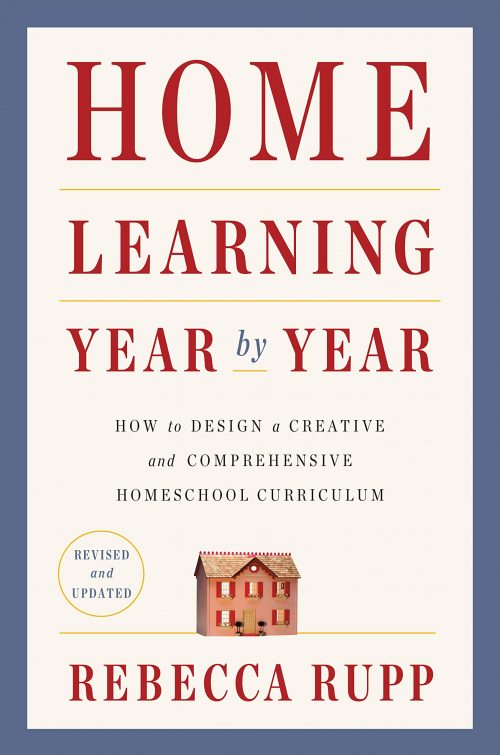
Home Learning Year by Year: How to Design a Homeschool Curriculum from Preschool Through High School

For parents embarking on the homeschooling journey, or those seeking to refine their approach, Rebecca Rupp's "Home Learning Year by Year" serves as an invaluable resource. This comprehensive guide thoughtfully breaks down typical academic expectations for each grade level, from preschool right through high school. It offers clear insights into what children are generally taught across various subjects, empowering parents to design a robust and effective curriculum tailored to their child's individual needs and learning pace.
Rupp's practical advice extends beyond just theory, providing concrete subject breakdowns, carefully curated book recommendations, and adaptable strategies for creating a flexible yet structured learning environment at home. Whether you're aiming to align with traditional academic milestones or prefer a more customized path, this book equips homeschooling families with the tools and confidence to foster a rich, engaging, and personalized educational experience, ensuring no key learning areas are overlooked.
33
Discipline That Lasts a Lifetime: The Best Gift You Can Give Your Kids
Discipline That Lasts a Lifetime: The Best Gift You Can Give Your Kids by Ray Guarendi

Raising children with strong character and a clear moral compass is a goal for many parents, and Dr. Ray Guarendi's "Discipline That Lasts a Lifetime" offers a supportive guide to achieve just that. This book goes beyond temporary solutions, delving into a faith-based approach to discipline that fosters lasting virtues rather than simply managing behavior. Parents will find practical strategies and a clear framework for instilling self-control, respect, and responsibility in their children. Guarendi emphasizes consistency and offers insights into effective communication and setting boundaries that truly resonate. It's designed to help parents develop a disciplinary style that not only corrects immediate issues but also nurtures a child's inner strength and moral conviction, equipping them for a lifetime of positive choices. If you're seeking a method that integrates spiritual values with everyday parenting challenges, this resource provides thoughtful guidance for building a disciplined home environment.
34
The Complete Home Learning Source Book: The Essential Resource Guide for Homeschoolers, Parents, and Educators Covering Every Subject from Arithmetic to Zoology

For parents embarking on the homeschooling journey, or those looking to enrich their child's learning experience, Rebecca Rupp's 'The Complete Home Learning Source Book' offers an invaluable guide. This extensive resource is designed to help families navigate the vast landscape of educational options, providing detailed insights into various curricula, learning materials, and teaching strategies across all subjects, from early elementary to high school. Whether you're seeking to understand different educational philosophies, find suitable resources for specific subjects like mathematics or history, or discover engaging activities for science and art, this book serves as a robust starting point. It aims to empower parents to make informed decisions tailored to their children's unique learning styles and needs, fostering a dynamic and effective home learning environment. Consider this an essential companion for building a customized educational path that truly resonates with your family's goals.
35
Pocketful of Pinecones: Nature Study With the Gentle Art of Learning : A Story for Mother Culture

Dive into the charming world of 'Pocketful of Pinecones,' a delightful fictionalized journal by Karen Andreola that offers a gentle glimpse into Charlotte Mason's educational philosophy. This heartwarming narrative follows a homeschooling mother as she beautifully weaves nature study into her daily routines, demonstrating how simple observations and consistent engagement with the natural world can enrich a child's learning experience. Through her journal entries, readers will discover practical ways to implement nature walks, keep observation notebooks, and foster a genuine appreciation for God's creation, all without overwhelming their schedule. It's an inspiring read for parents seeking to cultivate a love for learning and a connection to the outdoors, illustrating how Mother Culture principles can seamlessly integrate with family life. This book is a lovely companion for those on a homeschooling journey, providing encouragement and actionable ideas for bringing the vibrancy of nature into your home and lessons.
36
Teach Your Own: The John Holt Book Of Homeschooling
Teach Your Own: The John Holt Book Of Homeschooling by John C. Holt

"Teach Your Own: The John Holt Book Of Homeschooling" offers a foundational perspective for parents exploring alternatives to traditional schooling. Written by a seminal figure in the homeschooling movement, this book provides both practical insights and a philosophical framework for fostering a rich learning environment at home. Holt advocates for a child-led approach, where learning is driven by natural curiosity and hands-on experiences rather than rigid curricula or schedules. Parents will find encouragement and guidance on how to trust their children's innate desire to learn, helping them discover and pursue their interests without the pressures often found in conventional educational settings. This book empowers families to create a personalized, engaging, and deeply effective educational journey tailored to each child's unique needs and passions, emphasizing freedom, exploration, and a love for lifelong learning. It's an invaluable resource for anyone considering or already practicing homeschooling.
37
The Three R’s by Ruth Beechick
The Three R's by Ruth Beechick

The Three R's by Ruth Beechick offers a practical and gentle guide for parents and educators on teaching the essential academic foundations: reading, writing, and arithmetic. This book presents a clear, step-by-step approach that aims to make early learning an enjoyable and stress-free experience for both children and adults. Beechick emphasizes methods that respect a child's natural pace and development, moving away from rigid curriculums towards more organic learning opportunities. Parents will find encouragement and concrete strategies to foster strong literacy and numeracy skills without overwhelming their young learners. It's an invaluable resource for anyone seeking to cultivate a love for learning and build solid academic groundwork in the early years. The book covers foundational concepts in each subject, providing insights into common challenges and offering adaptable solutions tailored to different learning styles. Discover how to create an engaging home learning environment where your child can thrive.
38
You Are Your Child’s First Teacher: What Parents Can Do With and For Their Children from Birth to Age Six

This insightful guide, "You Are Your Child's First Teacher" by Rahima Baldwin Dancy, offers parents a nurturing, Waldorf-inspired approach to early childhood development for children from birth to age six. It gently encourages you to embrace your role as your child's primary educator, emphasizing the profound impact of a secure and imaginative home environment. The book provides practical insights and simple activities designed to foster creativity, hands-on learning, and a deep sense of wonder in young children. Rather than prescribing rigid methods, Dancy invites parents to observe and respond to their child's natural rhythms and developmental stages, creating an atmosphere where learning unfolds joyfully and organically. It's a thoughtful resource for those seeking to build a foundation of connection, imaginative play, and holistic growth during these crucial early years, guiding parents to support their children's development through everyday experiences and meaningful engagement.
39
Leadership Education: The Phases of Learning
Leadership Education: The Phases of Learning by Oliver DeMille

Leadership Education: The Phases of Learning presents an insightful guide for parents aiming to cultivate a profound and lasting educational experience for their children, drawing from the esteemed 'Thomas Jefferson Education' model. Author Oliver DeMille thoughtfully elucidates the various phases of learning children naturally encounter, offering clear guidance on how parents can best support and enhance their child's intellectual growth at each stage. This book goes beyond traditional educational approaches, focusing on developing a genuine passion for knowledge and fostering the critical thinking abilities essential for becoming independent leaders and profound thinkers. It highlights the invaluable role of mentorship, the enriching power of classic literature, and the necessity of promoting self-motivated study. For parents eager to provide their children with a robust, individualized, and inspiring educational path, this resource offers practical strategies and empowering perspectives, laying the groundwork for future generations of capable and engaged learners.
40
Family Matters: Why Homeschooling Makes Sense by David Guterson
Family Matters: Why Homeschooling Makes Sense by David Guterson

"Family Matters: Why Homeschooling Makes Sense" by David Guterson offers a thoughtful exploration into the world of homeschooling, grounded in both personal experience and educational insight. As a public school teacher and a father who has homeschooled his own children, Guterson provides a balanced perspective on this increasingly popular educational path. The book delves into the various reasons families choose homeschooling, examining its potential benefits such as tailored learning experiences, strengthened family bonds, and the flexibility to pursue unique interests. It also candidly addresses the challenges and common misconceptions associated with homeschooling, offering practical advice and reflections for parents considering or currently engaged in this journey. This book serves as a valuable resource for parents seeking to understand the educational philosophies, daily realities, and long-term implications of educating children at home, helping them make informed decisions for their family's unique needs. Guterson's narrative blends academic theory with intimate family anecdotes, creating a comprehensive yet accessible guide for navigating the landscape of home education.
41
Last Child in the Woods: Saving Our Children From Nature-Deficit Disorder
Last Child in the Woods: Saving Our Children From Nature-Deficit Disorder by Richard Louv

In *Last Child in the Woods*, Richard Louv explores a growing concern among parents and educators: the increasing disconnect between children and the natural world. He introduces the concept of 'nature-deficit disorder,' arguing that a lack of unstructured outdoor play and exposure to nature can have significant impacts on a child's development, leading to a range of behavioral, emotional, and physical challenges. Louv presents compelling evidence and personal anecdotes to illustrate how modern childhood often keeps kids indoors, distanced from the very environments that foster creativity, problem-solving skills, and a sense of wonder. This insightful book encourages families to re-evaluate their routines and offers practical ideas for fostering a deeper connection with nature, from backyard adventures to family hikes. It serves as a thoughtful reminder for parents about the profound benefits of integrating natural experiences into daily life, helping children thrive in an increasingly digital age and cultivating a lasting appreciation for our planet.
42
A Charlotte Mason Education: A Home Schooling How-To Manual
A Charlotte Mason Education: A Home Schooling How-To Manual by Catherine Levison

For parents looking to understand and apply the Charlotte Mason educational philosophy, "A Charlotte Mason Education: A Home Schooling How-To Manual" by Catherine Levison offers a clear and practical guide. This book simplifies complex ideas, making it accessible for homeschooling families eager to implement a method known for fostering a love of learning and deep engagement with subjects. Readers will discover detailed explanations of core Charlotte Mason techniques, including narration, copywork, and the use of "living books" that bring subjects to life. The manual also provides actionable advice on developing good habits in children, structuring short, effective lessons, and incorporating nature study and the arts into the daily routine. Levison's straightforward approach empowers parents to create a rich, nurturing, and academically robust learning environment without feeling overwhelmed, helping to build a well-rounded and Christ-centered education for their children.
43
Instead of Education: Ways to Help People Do Things Better
Instead of Education: Ways to Help People do Things Better by John C. Holt

In 'Instead of Education: Ways to Help People do Things Better,' John C. Holt invites parents to rethink the conventional approach to learning and schooling. This insightful book challenges the notion that education must be a top-down, mandated process, instead advocating for a more natural, self-directed path where children are empowered to explore their curiosities and pursue knowledge on their own terms. Holt argues that true learning often happens outside the confines of formal institutions, through direct experience, observation, and genuine interest. Parents will find a compelling case for fostering environments where children can develop skills and understanding through their own initiative, guided by their innate desire to make sense of the world. It’s a thoughtful exploration of how we can best support our children's growth, allowing them to learn effectively by doing, rather than being taught. This book offers a fresh perspective for anyone considering alternatives to traditional education, emphasizing trust in a child's inherent capacity to learn.
44
And the Skylark Sings with Me – Adventures in Homeschooling and Community-Based Education

"And the Skylark Sings with Me" offers a reflective journey into the heart of homeschooling, shared through the personal experiences of David H. Albert as he educates his daughters. This memoir explores a unique approach to learning, moving beyond traditional classroom settings to foster a vibrant, community-based education. Albert shares insights into cultivating children's natural curiosity and creativity, allowing learning to unfold organically through real-world experiences, travel, and engagement with their surroundings. Parents considering or currently homeschooling will find a thoughtful narrative on creating an enriching environment that prioritizes passion-driven learning and deep connection. It's an inspiring read for those seeking to nurture a love for discovery in their children, emphasizing that education can be a continuous adventure for the entire family. This book provides a gentle, encouraging perspective on empowering children to lead their own educational paths.
45
How Children Fail (Classics in Child Development)
How Children Fail (Classics in Child Development) by John C. Holt
In "How Children Fail," John C. Holt offers a timeless and thoughtful examination of why children, despite their innate curiosity, often struggle and disengage within traditional school environments. Drawing from his own observations in the classroom, Holt argues that much of what we perceive as failure in children is a direct result of fear, pressure, and the rigid structures of conventional schooling. He delves into how children adapt to these pressures, often learning to provide "correct" answers rather than truly understanding concepts, and how this can stifle genuine learning and creativity. This insightful book advocates for a more child-centered approach, one that respects a child's natural inclination to explore, question, and learn at their own pace. It's a compelling read for parents and educators alike who wish to foster deeper engagement and a lasting love for learning in the children they guide.
46
Honey for a Child’s Heart Updated and Expanded: The Imaginative Use of Books in Family Life

Gladys M. Hunt's timeless classic, Honey for a Child's Heart, serves as an invaluable guide for parents eager to nurture a vibrant reading culture within their home. This updated and expanded edition meticulously explores the transformative power of reading aloud and the art of choosing high-quality literature that truly enriches a child's imagination and fosters strong character. Hunt offers insightful perspectives on why certain books captivate young minds, providing practical advice and carefully curated recommendations to help parents select titles that inspire, entertain, and educate. The book champions the role of stories in strengthening family connections and broadening a child's understanding of the world. For families dedicated to cultivating a deep and lasting love for reading, Honey for a Child's Heart is an essential resource, encouraging intentional engagement with books that nourish the spirit and intellect of every child.
47
The Montessori Method (Economy Editions)
The Montessori Method (Economy Editions) by Maria Montessori

For parents interested in educational philosophies that prioritize a child's natural development, Maria Montessori's foundational work, 'The Montessori Method', offers an insightful exploration into her revolutionary child-centered approach. This seminal text introduces the concept of a "prepared environment," a thoughtfully designed space where children are encouraged to explore, learn, and develop at their own unique pace. Montessori emphasizes the crucial role of observation, respecting a child's natural developmental stages, and fostering independence through practical, hands-on activities. Parents will gain a clear understanding of how to cultivate an environment that supports self-directed discovery and the development of inner discipline, moving away from traditional rote learning. It serves as an invaluable resource for comprehending the core principles behind the Montessori classroom and provides guidance on how these profound ideas can be applied to nurture a child's innate desire to learn and grow, empowering them to become confident, capable, and self-reliant individuals.
48
The Underground History of American Education, Volume I: An Intimate Investigation Into the Prison of Modern Schooling
"The Underground History of American Education, Volume I" by John Taylor Gatto offers a provocative look into the foundations and purpose of the American school system. Gatto, a former New York State Teacher of the Year, challenges the widely accepted narrative of public education, arguing that its structure and curriculum are not designed to foster independent thought but rather to create compliant citizens and workers. Drawing on historical research and personal experience, Gatto uncovers what he perceives as the hidden agendas behind compulsory schooling, from its Prussian origins to its modern-day manifestations. Parents seeking a deeper understanding of educational philosophies and alternatives to traditional schooling will find this book a compelling and thought-provoking read, encouraging a critical examination of how children are taught and what lessons they truly absorb. It's an essential read for anyone questioning the status quo of education and exploring ways to empower their children's learning journey outside conventional boundaries.
49
The Successful Homeschool Family Handbook
The Successful Homeschool Family Handbook by Raymond and Dorothy Moore

For parents embarking on or continuing their homeschooling journey, 'The Successful Homeschool Family Handbook' by Raymond and Dorothy Moore offers a thoughtful and encouraging guide. This essential resource introduces a relaxed yet effective approach to education, focusing on the individual needs and natural developmental pace of each child, rather than advocating for rigid, school-like schedules. The Moores strongly emphasize the importance of real-world learning experiences, seamlessly integrating practical life skills, character development, and family values into the daily educational routine. Readers will discover actionable strategies for creating a flexible learning environment that genuinely respects a child's unique interests and learning style, ultimately fostering a deep and lasting love for learning that extends far beyond traditional textbooks. This handbook provides practical advice, heartwarming anecdotes, and profound inspiration for designing a customized educational path, ensuring that homeschooling becomes a joyful, enriching, and ultimately fulfilling experience for the entire family. It's an invaluable tool for cultivating a nurturing and academically rich home learning atmosphere tailored to your child's success.
50
Lies My Teacher Told Me: Everything Your American History Textbook Got Wrong
Lies My Teacher Told Me: Everything Your American History Textbook Got Wrong by James W. Loewen

In "Lies My Teacher Told Me," James W. Loewen offers a thought-provoking examination of how American history is often presented in high school textbooks. This book meticulously uncovers pervasive inaccuracies, biases, and significant omissions that can profoundly shape a student's understanding of the past. Loewen argues that many textbooks tend to sanitize history, glossing over controversial topics and presenting a largely uncritical view of American achievements. He provides compelling examples of how historical figures like Christopher Columbus, Woodrow Wilson, and Helen Keller are often portrayed in a simplistic or misleading light, and how crucial events, such as Reconstruction or the Vietnam War, are frequently oversimplified. For parents and educators, "Lies My Teacher Told Me" serves as a powerful call to encourage critical thinking about historical narratives. It challenges readers to look beyond the standard curriculum and seek out a more complete and nuanced understanding of U.S. history, fostering a deeper appreciation for its complexities and fostering informed citizens.
51
The Ultimate Guide to Homeschooling
The Ultimate Guide to Homeschooling by Debra Bell

For parents embarking on or continuing their homeschooling journey, 'The Ultimate Guide to Homeschooling' by Debra Bell offers a comprehensive resource designed to provide clarity and confidence. This guide delves into the essential aspects of educating children at home, addressing common concerns and practicalities. Families will find detailed insights into choosing appropriate curricula that align with their child's learning style and family values, alongside strategies for effective daily organization to maintain a balanced home and school environment.
Beyond academics, Bell thoughtfully covers the crucial topic of socialization, offering practical advice and reassurances for ensuring children develop well-rounded social skills and opportunities. The book also extends its guidance to long-term planning, including detailed sections on navigating the path to college and preparing high schoolers for higher education. It serves as a reliable companion, equipping parents with the tools and knowledge needed to create a successful and fulfilling homeschooling experience from start to finish.
52
360 Degrees Longitude: One Family’s Journey Around the World
360 Degrees Longitude: One Family's Journey Around the World by John Higham

360 Degrees Longitude invites families on an extraordinary year-long journey around the globe with the Higham family. This captivating memoir details their decision to embark on a world-schooling adventure, providing their children with an education rooted in real-world experiences rather than traditional classrooms. From navigating diverse cultures to overcoming travel challenges, John Higham shares the joys and insights gained from immersing his family in different societies. Parents will find inspiration in their commitment to experiential learning, observing how the world itself becomes a classroom for history, geography, and personal growth. The book explores the profound impact of seeing the world through a child's eyes, highlighting the unique bonds formed and the invaluable life lessons learned far from home. It's a thoughtful read for anyone curious about the benefits of extended travel and alternative educational paths for their children, offering a realistic yet inspiring look at the possibilities of family world travel.
53
Teach Ye Diligently by Boyd K. Packer
Teach Ye Diligently by Boyd K. Packer

Teach Ye Diligently by Boyd K. Packer offers a reflective and practical guide for parents considering or engaged in homeschooling, focusing on education as a foundational element for character, faith, and academic development. This book delves into the principles of home education from a faith-based perspective, encouraging parents to thoughtfully cultivate an environment where children can thrive intellectually and spiritually. It presents biblical insights and explores various teaching philosophies, providing a framework for creating a well-rounded and meaningful home-based learning experience. Parents will find suggestions for nurturing not just academic excellence but also strong moral values and a deep understanding of their faith. The author shares timeless wisdom aimed at empowering parents to confidently undertake the rewarding journey of educating their children at home, emphasizing diligence, love, and a commitment to their overall growth.
54
Getting Started Homeschooling with Homeschooling 101: A Guide to Getting Started
Homeschooling 101: A Guide to Getting Started by Mary Pride

This book, "Homeschooling 101: A Guide to Getting Started," offers a foundational resource for families considering or embarking on their homeschooling journey. Authored by Mary Pride, a long-time advocate and experienced voice in the homeschooling community, this guide addresses the essential questions and concerns new homeschooling parents often face. It systematically walks readers through the practicalities of setting up a homeschool environment, from understanding legal requirements in various regions to selecting suitable curricula that align with their child's learning style and family values.
Beyond the administrative aspects, the book delves into effective teaching strategies, time management tips, and fostering a love for learning at home. It aims to demystify the process, providing encouragement and actionable advice to build confidence. Parents will find insights on balancing education with family life, maintaining motivation, and accessing resources for various subjects. "Homeschooling 101" serves as a reassuring companion, helping parents lay a solid groundwork for a successful and enriching home education experience for their children.
Does your child read these books?
Kids who take reading comprehension quizzes retain significantly more of what they read. Kiddometer turns every book into a mini-challenge — free to try.
Start a free quiz →