Black Rock Snorkeling: What Families Need to Know
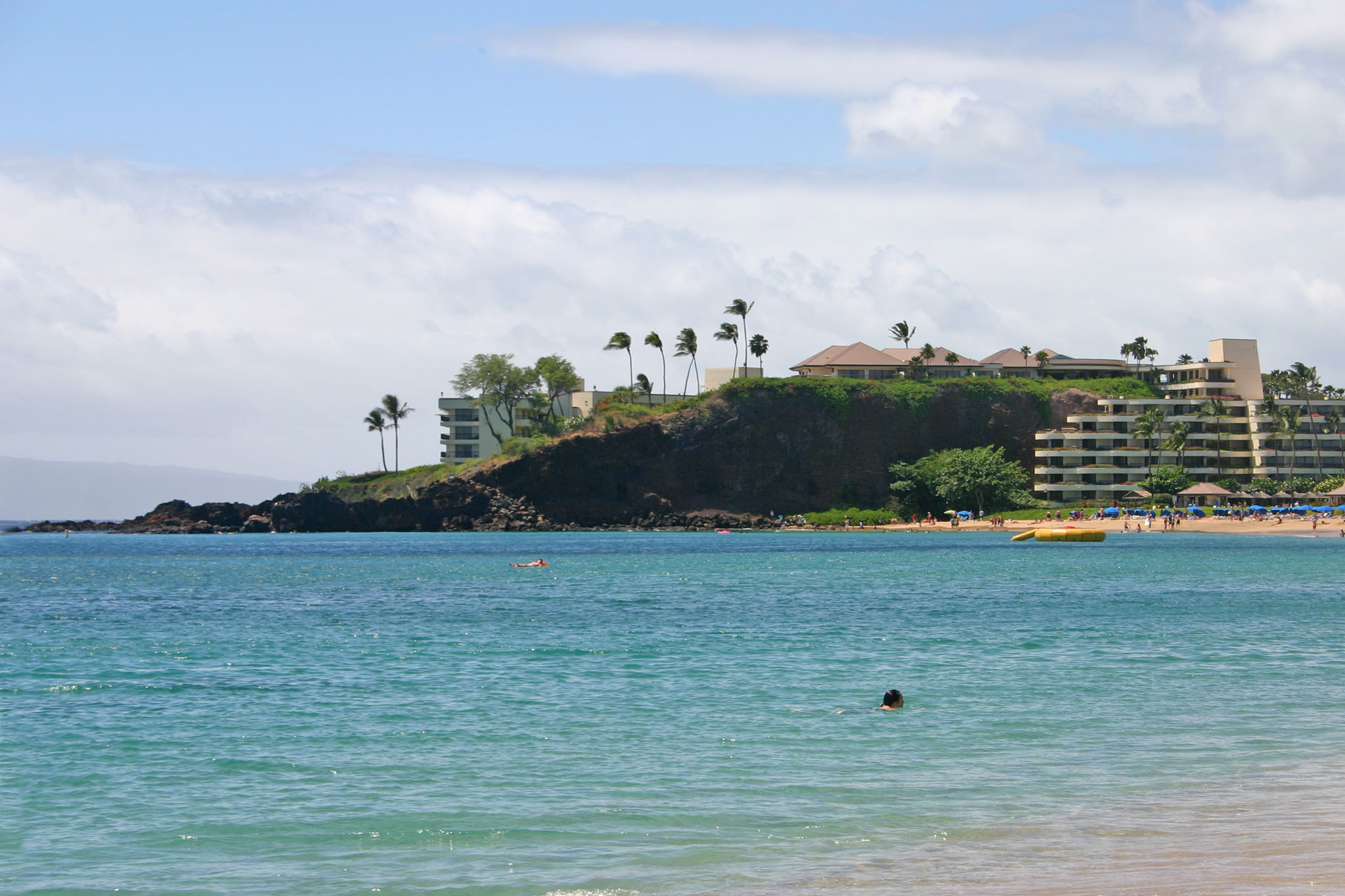
Black Rock, also known as Puʻu Kekaʻa, at Kaʻanapali Beach offers distinct advantages for families visiting Maui. Its primary draw is genuinely easy beach access from the Kaʻanapali resort strip and a high frequency of green sea turtle sightings near the rock face. For kids, the entry is particularly manageable: a wide, sandy area to the right (south) of Black Rock provides waist-deep water over sand for the first 10-15 yards. This allows younger children to acclimate before encountering deeper water or coral. However, the crowds can be a significant drawback. Expect many people, especially late mornings and during peak seasons. Furthermore, while the immediate entry area is generally calm, surge and currents near the actual rock require constant, close adult supervision. If you are looking for other options, consider these best snorkeling beaches in Maui for families.
Filter out the noise and find what works for your family.
Every resort we review gets one of four Family Fit ratings. The rating is based on kids programming, amenities, vibe, and who the resort actually markets to - not just whether they allow children.
Discover My Ideal Resort →Key Highlights
- Calm, shallow entry to the right of the rock.
- High chance of spotting green sea turtles (honu) near the rock base.
- Direct beach access from Kaʻanapali hotels.
- Best visibility typically before 10 AM.
- Ease of Access: Easy
- Best For: Families with water-comfortable children aged 6 and up
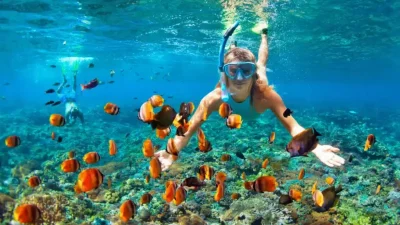
- Marine Life: Green Sea Turtles, Yellow Tang, Butterflyfish, Parrotfish
- Water Conditions: Visibility commonly 25-50 feet, potential for surge near the rock, calmer mornings.
Getting to Black Rock involves navigating Kaʻanapali Beach. Public parking is available but is a critical consideration. The most practical option for public access parking is often at Whalers Village (2435 Kaʻanapali Pkwy), which has a large parking garage that usually costs around $3/hour with validation (often available with purchase from shops or restaurants). Expect this lot to fill significantly by 9 AM, especially during peak tourist seasons. A smaller, free public lot exists near the Kaʻanapali Beach Hotel, but it has limited spaces and fills much earlier, typically before 8 AM.
From Whalers Village, the walk to Black Rock is approximately 10-15 minutes (about 700-800 feet) north along a paved beach path. As you get closer to Black Rock, the path transitions into soft sand directly on the beach. Carrying a day’s worth of gear, cooler, and small children will add to the effort required for this walk. Plan accordingly, as you may need to make multiple trips or rely on beach carts.
Stroller Status: All-Terrain Friendly (for the paved path; expect to carry or leave the stroller back when you reach the soft sand near the entry point).
Nearby Hotels and Resorts
- Hyatt Regency Maui Resort and Spa — Best for families.
Booking.com | Expedia | Hotels.com - The Westin Maui Resort & Spa, Ka’anapali — Luxury choice near the beach.
Booking.com | Expedia | Hotels.com - Outrigger Kaanapali Beach Resort — Great value with a pool.
Booking.com | Expedia | Hotels.com
Entry Points for Family Snorkeling
The most straightforward and safest entry for families at Black Rock is from the sandy shoreline to the right (south) of the actual rock formation. Look for the wide sandy beach directly adjacent to the rock where it meets the sand. Do not attempt to enter directly at the rock face, which is exposed to stronger currents and potential surge. The entry here is gradual, starting knee-deep over a sandy bottom, which then gently deepens. This sandy area extends for about 15-20 yards before you encounter more scattered coral patches and rocky substrate.
Water conditions are generally mild during calm mornings, typically before 10 AM. Visibility in this area commonly ranges from 25 to 50 feet. After 10 AM, afternoon trade winds can increase surface chop, which may reduce visibility and make swimming less comfortable for younger children. Currents in the immediate sandy entry zone are usually minimal. However, as you swim closer to Black Rock itself, especially on its ocean-facing side, currents and surge intensify. Always assess conditions upon arrival; if the water looks turbulent or surge is evident near the rock, consider staying in the shallower, calmer areas further from the rock.
Specific Safety Note
Strong surge and currents are a consistent hazard directly at the base of Black Rock, particularly where the reef drops off into deeper water. It is crucial to instruct children to maintain a distance of at least 15 feet from the rock face to prevent them from being pushed against the rocks by unexpected waves or currents.
Reef Exploration: Spotting Marine Life
From the sandy entry point just right of Black Rock, swim directly out approximately 20-30 yards. At this distance, the depth will be around 10-15 feet. Here, you will begin to encounter scattered coral formations and rocky patches that provide habitat for reef fish. The highest concentration of marine life generally occurs along the base of Black Rock; however, for safer family snorkeling, explore the coral patches situated just beyond the initial sandy entry, roughly 30 yards offshore, in depths of 5-8 feet. This area still offers good viewing without the increased current risk of the rock’s immediate vicinity.
Common Marine Life at Black Rock
- Green Sea Turtles (Honu): Frequently observed grazing on algae at depths of 10-20 feet, especially near the base of Black Rock. Maintain a respectful distance of 10 feet.
- Yellow Tang: Often seen in schools, bright yellow, moving around coral heads.
- Parrotfish: Identified by their distinct beak-like mouths and often vibrant colors, seen scraping algae from coral.
- Butterflyfish: Various species, usually swimming in pairs among the coral formations.
- Wrasses: Active, smaller fish that dart over sandy and rocky bottoms.
- Damselfish: Small, often territorial fish that protect their patches of coral.
- Occasional Hawaiian Monk Seal: While rare, sightings have occurred in nearby waters. If you encounter one, maintain at least 50 yards distance and do not disturb them.
In-Water Parent Tip
Equip each child with a bright, contrasting color swim vest or rash guard. Black Rock is a popular spot, and a distinct color helps significantly in spotting your child among other snorkelers and swimmers, particularly if visibility slightly decreases or crowds are high.
Beach Amenities and Local Resources
Public restrooms are not directly available at the Black Rock section of the beach. The nearest public restrooms are located at Whalers Village, which is approximately a 10-15 minute walk south from the snorkeling entry point.
Freshwater rinse-off showers are available on the beach path at various points, particularly near resort exits and at Whalers Village. There are no dedicated showers immediately adjacent to the main Black Rock snorkeling entry area.
Shade is limited at Black Rock. Some natural shade is provided by palm trees, primarily on the far south end of the Black Rock area (closer to the Sheraton Maui Resort & Spa), which typically lasts until around 10 AM. The main snorkeling entry area is mostly exposed to direct sun throughout the day. Bringing your own beach umbrella or sun shade is recommended.
Pro Tip
If Black Rock is overly crowded or if conditions, such as strong surge, make it less suitable for your family, consider walking 15-20 minutes further south along Kaʻanapali Beach towards the area near the Hyatt Regency. This section of the beach can offer a slightly less crowded, still family-friendly experience, although with less distinct coral for snorkeling. For more ideas on what to do, check out these things to do in Maui with kids or explore other family-friendly beaches in Maui.
Want a custom plan? Use our personalized Itinerary Generator for Maui: https://kiddometer.com/build-personalized-trip/
Essential Gear for Black Rock
Ensure your family brings these items specific to a Black Rock snorkeling outing:
- Reef-safe sunscreen: Maui county law requires mineral-based, non-oxybenzone/octinoxate sunscreen to protect the delicate coral and marine ecosystem.
- Kids’ snorkel vests: The water deepens rapidly past the immediate entry point, and while generally calm, currents near the rock can be unpredictable. A vest adds flotation and confidence.
- Rash guards: Provides crucial sun protection for extended periods in exposed water and offers a barrier against minor scrapes if brushing against coral.
- Water shoes: Although the main entry is sandy, there are scattered rocky patches and coral fragments in shallower areas that can be sharp underfoot.
- Underwater camera (waterproof up to 20 feet): Ideal for capturing clear photos of the frequently sighted green sea turtles and varied reef fish in the typical 25-50 foot visibility.
Ready to Plan Your Maui Trip?
Get a personalized family itinerary built around your kids’ ages, interests, and travel style — free.