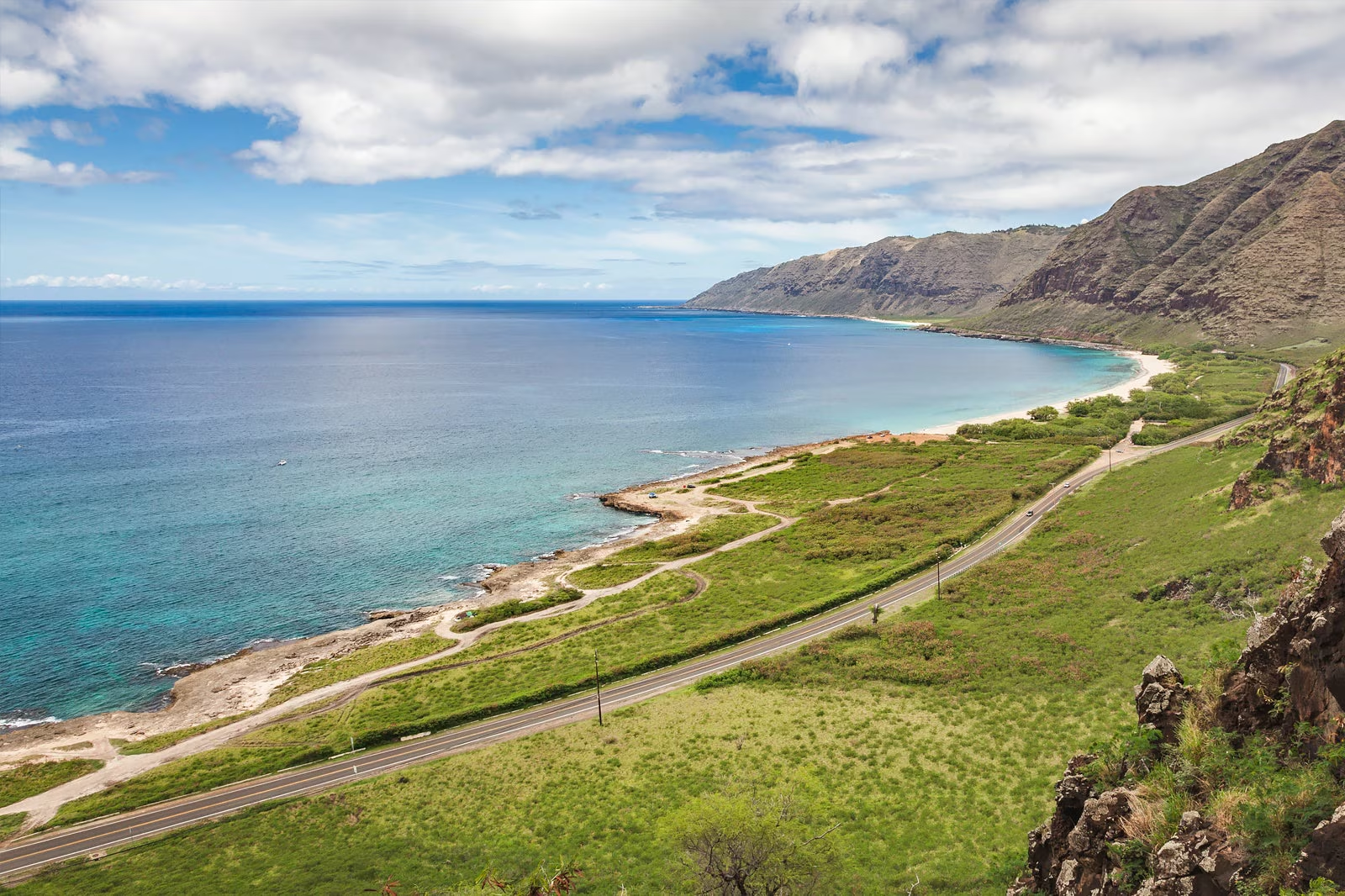
Kaʻena Point, located on Oʻahu’s western tip, is a remote and undeveloped natural area. It is primarily known for hiking and coastal scenery, not for conventional family snorkeling. Families typically visit this area seeking a rugged adventure and solitude, an experience different from the more crowded snorkeling spots on the island, such as Hanauma Bay. The main draw is the journey to the point itself, which involves a multi-hour hike through an exposed coastal environment. This trek offers opportunities to observe native seabirds and witness the raw power of the Pacific Ocean. Snorkeling here is a secondary activity, highly dependent on specific conditions.
Filter out the noise and find what works for your family.
Every resort we review gets one of four Family Fit ratings. The rating is based on kids programming, amenities, vibe, and who the resort actually markets to - not just whether they allow children.
Discover My Ideal Resort →The main consideration for families interested in snorkeling Kaena Point Oahu with kids is the lack of lifeguards, developed facilities, and predictable, safe water entry points. Snorkeling conditions are inconsistent and often unsafe for children due to strong currents, an exposed coastline, and an absence of sheltered areas. This makes it an unsuitable choice for casual family snorkeling.
Key Takeaways for Families
- Uncrowded: Expect significantly fewer people compared to major Oʻahu snorkeling locations.
- Unique Scenery: The area offers a rugged coastline, diverse birdlife, and a remote feel.
- No Lifeguards: Water activities are undertaken at your own risk.
- Challenging Access: A long hike over exposed terrain is required to reach the point.
- Best For: Older, experienced swimmers and adventurous families who are comfortable with remote, unsupervised water access.
- Marine Life: Sightings are inconsistent and not the primary draw for snorkeling; marine life observations are not reliable.
- Water Conditions: Visibility is highly variable (0-20 feet), often with strong surge and currents. Conditions are best on very calm mornings.
Making the Journey to Kaʻena Point
Parking and Trail Information
Reaching Kaʻena Point involves specific parking arrangements and a significant hike. Parking is available at two primary trailheads: one near the end of Farrington Highway on the Waiʻanae (west) side, and another near the end of Kaʻena Point Road on the North Shore side. Both parking areas are undeveloped and have limited capacity, often filling by 8:30 AM on weekends and holidays. There is no cost for parking.
From the Waiʻanae side, the Kaʻena Point Trail with kids is an approximately 2.5-mile (4 km) one-way walk to the point. The path consists of unpaved, uneven dirt and gravel. The North Shore side also involves a similar distance hike. Plan for a walk of 1.5 to 2 hours one-way for adults, with longer times expected when traveling with children and carrying gear. The terrain is fully exposed with no shade, becoming hot by 10 AM. You will need to carry all your gear and water for the entire distance. Off-road driving is not permitted.
Stroller Status
A carrier is recommended for children, as the trail terrain is not suitable for strollers.
Nearby Accommodations for a Leeward Coast Stay
- Embassy Suites by Hilton Oʻahu Kapolei
Booking.com | Expedia | Hotels.com - Aulani, A Disney Resort & Spa
Booking.com | Expedia | Hotels.com - Four Seasons Resort Oʻahu at Ko Olina
Booking.com | Expedia | Hotels.com
Entering the Ocean at Kaʻena Point
Entry Conditions
There are no designated entry points for snorkeling at Kaʻena Point. The coastline primarily consists of rugged lava rock and small, rocky coves. Any water entry will involve navigating rough, uneven terrain, often directly into waist-deep water with varying depths. There is no sandy, gradual entry suitable for children. Selecting where to enter involves finding the calmest available spot on a given day, often near one of the smaller coves. These conditions are not consistent.
Water conditions are highly dependent on swell and wind. On very calm mornings, typically before 9 AM on days with minimal swell, visibility might extend to 15-20 feet in certain sheltered patches. However, surge and strong currents are common, especially around the point itself, making the water unpredictable. Afternoon winds typically increase chop and reduce visibility significantly. Snorkeling here is not recommended if there is any noticeable swell.
Safety Note
A critical safety note specific to Kaʻena Point: There are no lifeguards or emergency services present. Any water activity, particularly snorkeling, carries a higher risk due to the exposed coastline and the potential for strong, unpredictable currents that can pull swimmers offshore or against rocks.
Finding Marine Life (Or Not) at Kaʻena Point
Marine Life Expectations
Snorkeling at Kaʻena Point is not primarily about predictable marine life sightings. The area is better recognized for its seabirds and coastal ecosystem rather than a vibrant, accessible reef. On the rare calm days when snorkeling is feasible in the small coves along the trail, you might encounter common reef fish like yellow tang or parrotfish, but sightings are inconsistent and not guaranteed. Sea turtles (honu) are occasionally seen in deeper, calmer waters, but this is not a designated turtle spot with reliable sightings. There are no known specific reef concentrations or resident large marine life in the immediate, accessible snorkeling areas.
Recommendation for Marine Life
For families primarily focused on seeing specific marine life, Kaʻena Point is not the ideal location. Alternative spots on Oahu family guide, such as Electric Beach (Kahe Point) on the Leeward Coast or Shark’s Cove on the North Shore, offer more reliable access to marine life like reef fish, sea turtles, and occasionally rays. These sites benefit from warmer waters or sheltered reef structures, established entry points, and generally better conditions for observing marine life. For a more comprehensive overview of options, consider consulting a kid-friendly snorkeling Oahu guide.
Practical Parent Tip
Do not expect a traditional snorkeling experience when visiting Kaʻena Point. Treat any snorkeling opportunity as an opportunistic add-on to a strenuous hike, and prioritize safety above all else. If no calm, safe entry is visible, do not push it for the sake of seeing fish. Exploring other best Oahu beaches for families might be a better use of your time if marine life viewing is a high priority. For a broader look at what the island offers families beyond the water, see our ranked best things to do with kids in Oahu.
Amenities and Shade Realities
Facilities
Facilities at Kaʻena Point State Park are non-existent. There are no restrooms, showers, picnic tables, or freshwater sources at the trailheads or along the trail. Visitors must be completely self-sufficient for the entire duration of their visit.
Shade
Shade is also absent along the Kaʻena Point Trail and at the point itself. The entire path and coastal area are exposed to direct sunlight from sunrise to sunset. There are no trees or structures offering natural cover. Families need to plan for continuous sun exposure.
Pro Tip
If you are determined to visit Kaʻena Point for the hike but also want a reliable snorkeling experience, plan to combine it with a separate trip to Electric Beach (Kahe Point) located roughly 30 minutes south. Electric Beach offers warmer waters and a predictable marine life environment that Kaʻena Point cannot provide.
Want a custom plan? Use our personalized Itinerary Generator for Oahu https://kiddometer.com/build-personalized-trip/.
What to Pack for This Remote Point
- Rigid Water Shoes: The coastline is lava rock and uneven entry points are common. Sandals will not provide enough protection.
- Minimum 2 Liters Water per Person: The hike is exposed and hot with no water sources. Dehydration is a significant risk.
- Reef-Safe Sunscreen and Wide-Brimmed Hats: Continuous sun exposure from 8 AM to 4 PM is typical.
- Snorkel Vests for All Swimmers: Due to the lack of lifeguards and unpredictable currents, buoyancy support is a critical safety measure, especially for children. Consider bringing snorkels, but be prepared for limited use.
- Dry Bag: To protect personal items and snacks from potential water splashes and dust during the hike and any opportunistic water entry.
If you are planning other beach stops on the same trip, our ranked best family-friendly beaches in Oahu covers the island’s full range of options by suitability for different ages and swim abilities. Families staying on the Leeward Coast can also compare family-friendly hotels and resorts on Oahu to find a base that keeps the drive to western trailheads manageable.
Ready to Plan Your Oahu Trip?
Get a personalized family itinerary built around your kids’ ages, interests, and travel style — free.