I. Why Kealakekua Bay for Families
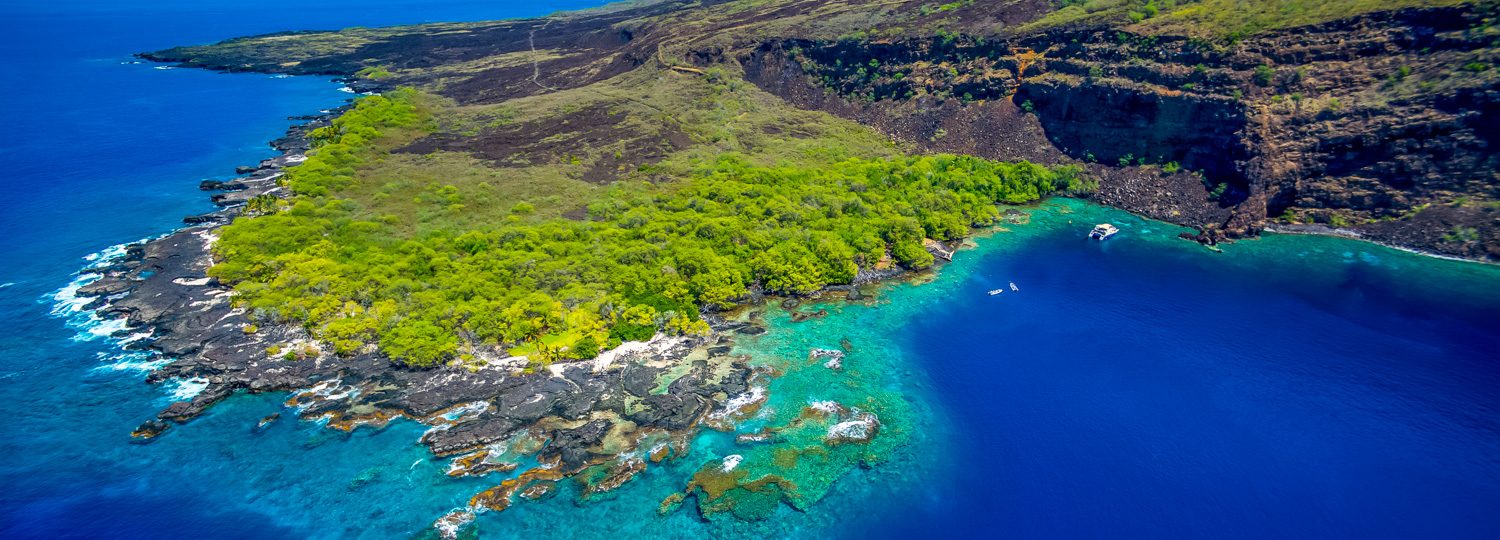
Kealakekua Bay stands out because it provides access to a protected Marine Life Conservation District primarily by boat or kayak, leading directly to the Captain Cook Monument area. This access method results in exceptional underwater visibility, often extending 60-100 feet on calm mornings, revealing a vibrant reef structure and diverse fish population. The bay’s deep, sheltered nature means calm water conditions are frequent, especially during early hours, making it suitable for families with proper tour support. The main downside for families is that direct shore entry to the best snorkel spots near the Monument is not practical or authorized, requiring a guided boat or kayak tour for safe and legal access to the prime snorkeling zones. This commitment to a tour is essential to experience the bay fully. Visiting Big Island offers many family adventures, and Kealakekua Bay is a highlight for snorkeling enthusiasts.
Filter out the noise and find what works for your family.
Every resort we review gets one of four Family Fit ratings. The rating is based on kids programming, amenities, vibe, and who the resort actually markets to - not just whether they allow children.
Discover My Ideal Resort →Key Highlights
- Ease of Access: Challenging (requires boat or kayak tour)
- Best For: Families with kids aged 6 and up, comfortable swimming, and seeking guided support
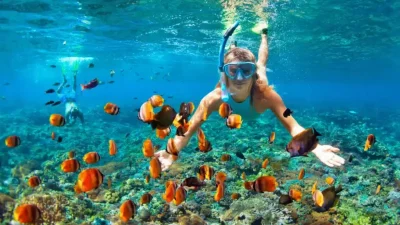
- Marine Life: Yellow Tang, Parrotfish, Moorish Idols, occasional Hawaiian Green Sea Turtle
- Water Conditions: Very calm and clear mornings (visibility often 60-100 feet), deep water, can develop light chop in afternoons.
II. Reaching the Snorkel Area and Logistics
If driving directly to Kealakekua Bay State Historical Park, parking at the end of Kaʻawaloa Road is limited to approximately 15-20 spaces along the shoulder. These spots typically fill by 8:00 AM on busy weekdays. Most families opt for a guided boat tour departing from nearby Keauhou Bay or Kailua-Kona. Tour operators manage parking at their respective departure points, eliminating the need to park at the bay itself. For authorized kayak access, the walk from the small parking area to the launch point near Kaʻawaloa Flats is less than 50 yards over a mix of gravel and packed dirt. When walking over rough terrain, it’s wise to ensure your children are wearing kids’ water shoes for comfort and protection. Carrying kayaks and gear for this short distance is manageable.
Stroller Status: Leave It in the Car
Nearby Hotels and Resorts
-
Aston Kona by the Sea — Best for families.
Booking.com | Expedia | Hotels.com -
Sheraton Kona Resort & Spa at Keauhou Bay — Luxury choice near the beach.
Booking.com | Expedia | Hotels.com -
Royal Kona Resort — Great value with a pool.
Booking.com | Expedia | Hotels.com
III. Getting Into the Water Safely
Families typically enter the water from a catamaran or a zodiac-style raft, using ladders or shallow steps. There are no sandy beach entries directly into the prime snorkeling zones near the Captain Cook Monument. The water depth immediately below the boat at common snorkel sites ranges from 15-40 feet. Morning water conditions are usually calm with minimal surge, making entry straightforward from a boat. Currents can be present further from the sheltered areas, but tour guides keep groups within calm, safe zones. Visibility consistently measures 60-100 feet. Afternoon winds might introduce a slight surface chop, but underwater clarity remains high. Kealakekua Bay is often considered one of the best snorkeling spots on Big Island, especially for its clear conditions.
Safety Note: The water is deep immediately upon entry from the boat. Children must be comfortable floating and using snorkel gear. Always use provided flotation devices and follow the guidance of the tour crew to ensure safety in deep water.
IV. Where the Fish Gather
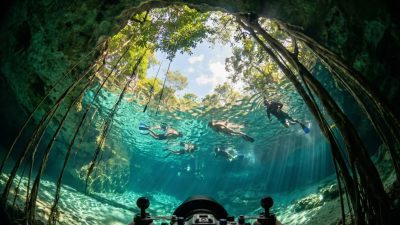
Once in the water from your tour boat, swim parallel to the Kaʻawaloa Flats shoreline, staying within a 50-yard radius of your vessel. The most active reef sections, teeming with marine life, are concentrated along the lava rock formations at depths ranging from 10 to 25 feet. These areas provide habitat for a dense population of fish. Expect to encounter large schools of Yellow Tang, numerous Parrotfish, striking Moorish Idols, and various Butterflyfish. Hawaiian Green Sea Turtles are occasionally observed resting on deeper coral structures or cruising through the water column. While Spinner Dolphins inhabit the bay, tours maintain a legal distance, and interaction is not permitted. For other unique marine life encounters, consider snorkeling with manta rays on Big Island.
In-Water Parent Tip: Keep children within sight and utilize the perimeter ropes or lines often deployed by tour operators around the boat. This helps maintain group cohesion and makes it easier to track younger snorkelers in busy, deep-water environments. Other popular snorkeling locations include Honaunau Bay (Two Step) and Kahaluu Beach Park.
V. Bay Amenities and On-Board Shade
Shore-side restrooms are not available at the primary snorkeling location near the Captain Cook Monument. Tour boats provide marine restrooms (heads) for passenger use. Similarly, no shore-based showers are present; most tour vessels offer a freshwater rinse station on deck. Shade at the snorkel site itself is absent from natural features. Tour catamarans, however, are equipped with shaded seating areas on their upper or lower decks, providing respite from the sun between snorkel sessions.
Pro Tip: Book the earliest tour departure, typically around 7:30 AM or 8:00 AM. This timing generally ensures calmer water conditions and fewer tour boats, leading to a less crowded and more relaxed experience for families.
VI. Essential Gear for This Trip
- Motion sickness medication: The boat ride to the bay can be 30-45 minutes on open water.
- Reliable full-face snorkel mask or quality traditional set: Ensure kids have gear that fits securely and prevents leaks.
- Rash guard or full-body swim shirt: Reduces prolonged sun exposure in deep water where no shade is present.
- Inflatable snorkel vest for each child: Provides essential buoyancy for comfort and safety in deep water, even for strong swimmers.
- Underwater camera with a float strap: Prevents accidental loss in the deep bay water while capturing marine life.
Want a custom plan? Use our personalized Itinerary Generator for Big Island, https://kiddometer.com/build-personalized-trip/.
Ready to Plan Your Big Island Trip?
Get a personalized family itinerary built around your kids’ ages, interests, and travel style — free.