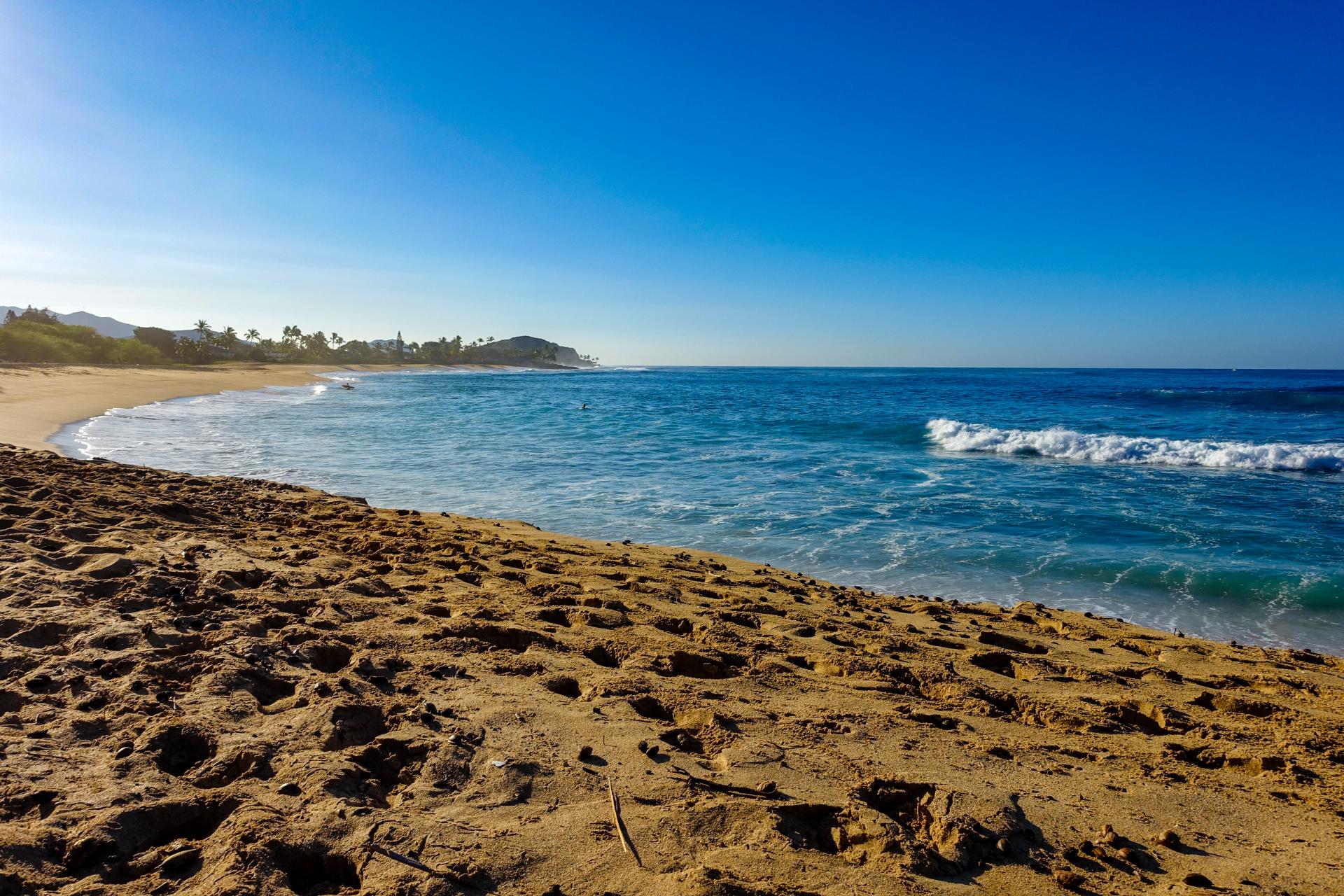
Makaha Beach offers an accessible, uncrowded snorkeling experience on Oahu‘s west side, specifically at its northern end. This spot provides families direct entry to a reef known for its variety of fish and frequent green sea turtle sightings. Unlike many other kid-friendly snorkeling in Oahu locations, Makaha’s main draw for families is its large, free parking area directly across from a wide, white-sand beach. The near-shore area at the north end provides a sandy, waist-deep entry for the first 10-15 yards, transitioning into scattered coral formations where marine life congregates within 20-30 yards of the sand. This setup allows younger children to acclimate in shallow water before venturing slightly further out. Visibility can reach 10-20 feet on calm mornings.
Filter out the noise and find what works for your family.
Every resort we review gets one of four Family Fit ratings. The rating is based on kids programming, amenities, vibe, and who the resort actually markets to - not just whether they allow children.
Discover My Ideal Resort →The west coast location means conditions can shift rapidly; winter months often bring strong surf and currents that make snorkeling unsafe for children, requiring careful monitoring of daily conditions. Summer mornings provide the most reliable calm water.
Key Highlights for Families
- Calm, sandy entry over sand for the first 10-15 yards during summer months.
- Good chance of spotting green sea turtles and various reef fish within 20-30 yards of the north shore.
- Large, free parking lot directly across from the north beach entrance.
- Best water clarity and lowest surge typically before 10 AM.
- Ease of Access: Easy (during calm summer months); Moderate (variable conditions outside peak summer).
- Best For: Families with children aged 5+ (on calm days); older children and adults with some snorkeling experience.
- Marine Life: Green Sea Turtle (Honu), Yellow Tang, Parrotfish, Humuhumunukunukuapua’a (Reef Triggerfish).
- Water Conditions: Visibility 10-20 feet (calm summer mornings); noticeable surface chop can develop by afternoon; winter brings significantly higher surf and currents.
Driving to Makaha Beach and Parking Realities
The primary parking for Makaha Beach Park is a large, paved, free lot situated on Farrington Highway, directly across from the north end of Makaha Beach. This is the most convenient access point. On weekdays during summer, this lot typically starts filling up by 9:30 AM. On weekends, it can reach near capacity as early as 8:30 AM. Arriving by 8:00 AM almost guarantees a spot. If the main lot is full, limited street parking may be found further along Farrington Highway, but this adds a longer, less secure walk to the beach.
From the main parking lot, families walk approximately 30 yards across Farrington Highway using the marked crosswalk. The path onto the beach is a short, flat transition directly onto the wide, white sand of the north end. This flat, short distance makes carrying multiple bags, coolers, and snorkel gear manageable for parents. If you’re driving from central Honolulu, browse rental car options to compare rates before your trip — Makaha is about 35 miles from Honolulu and not served by a direct bus route that accommodates gear.
- Stroller Status: All-Terrain Friendly (for the paved path and the initial hard-packed sand near the access point).
Nearby Hotels and Resorts
- Aulani, A Disney Resort & Spa
Booking.com | Expedia | Hotels.com - Marriott’s Ko Olina Beach Club
Booking.com | Expedia | Hotels.com
Getting Young Swimmers into the Ocean
The most accessible entry point for families at Makaha Beach is directly from the wide sandy stretch at the north end, identifiable by the presence of the lifeguard tower. The entry is a gentle slope over smooth, soft sand. For the initial 10-15 yards from the shoreline, the water depth gradually increases from ankle-deep to waist-deep, allowing younger children to wade in comfortably without encountering sudden drop-offs or obstacles. Beyond this sandy zone, the bottom transitions to scattered coral and rock formations.
On calm summer mornings, the water surface generally exhibits minimal surge, resulting in smooth conditions ideal for beginner snorkelers. Visibility near the shore typically ranges from 10 to 20 feet, offering clear views of the sandy bottom and initial marine life. After 11 AM, especially on windier days, trade winds can generate surface chop, which reduces visibility and increases surface surge, making snorkeling less comfortable for small children.
A specific safety note for Makaha Beach is the potential for strong currents and deeper channels located further offshore, particularly towards the west end of the beach. For families, it is imperative to stay within 30-40 yards of the north shore. In this designated zone, water depths generally do not exceed 8-10 feet, and families remain easily visible to the lifeguard. Avoid venturing beyond this area or near the rocky points, especially if any surf is present, as conditions can change rapidly and pose a hazard.
Where the Fish Are for Makaha Explorers
From your sandy entry point at the north end of Makaha Beach, swim directly out approximately 15-20 yards. Here, the sandy bottom transitions into a mix of scattered coral heads and darker rock formations, with water depths ranging from 5 to 8 feet. This immediate zone is where you will start seeing various smaller reef fish. For a higher probability of spotting green sea turtles, continue swimming another 10-15 yards parallel to the shoreline, heading towards the slight rocky outcropping on your left (northwest). This area holds depths of 8-10 feet, and turtles are often found grazing on algae here.
Marine Life You’ll See
- Green Sea Turtle (Honu): Regularly sighted grazing on algae near the scattered coral and rocky areas in 8-10 feet of water.
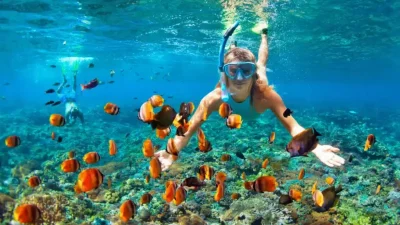
- Yellow Tang: Often seen in schools, bright yellow, grazing on the reef’s surface.
- Parrotfish: Identified by their distinct beak-like mouths and vibrant colors, these fish are common near coral, often heard munching on it.
- Humuhumunukunukuapua’a (Reef Triggerfish): Hawaii’s state fish, distinctively patterned, often found darting between rocky crevices.
- Sergeant Major: Small, striped, silver and black fish, frequently seen in schools close to the surface and near coral.
- Moorish Idol: Recognizable by its disc-shaped body, contrasting black, white, and yellow bands, and a long trailing dorsal fin.
In-water parent tip: Always maintain visual contact with your children and monitor your position relative to the shoreline and the lifeguard tower. The west coast can sometimes have a gentle, unnoticeable north-to-south current on calm days, which can cause you to drift. Periodically check your location against stationary landmarks on the beach to ensure you remain within your comfort zone and close to your entry point.
Beachside Conveniences and Amenities
Public restrooms are located at the north end of Makaha Beach Park, adjacent to the main parking lot. These facilities are concrete block structures and are generally kept in a functional condition typical for a public beach park. Freshwater rinse-off showers are also available next to the restrooms. These are open-air showers suitable for removing salt and sand after swimming. Note that these are not private changing facilities.
Shade at Makaha Beach is primarily provided by natural kiawe trees along the grassy area directly behind the north beach, near the restrooms and parking. This tree cover offers reliable shade until approximately 11 AM. After this time, as the sun shifts higher, the wide, open sandy beach offers minimal natural protection from direct sunlight. Families should plan accordingly with personal shade tents or umbrellas if staying through midday.
Pro Tip: If Makaha’s conditions prove too challenging or choppy for your family’s snorkeling skill level, consider a short 15-minute drive south to the Ko Olina Lagoons. These man-made lagoons offer consistently calm, protected waters suitable for very young children, though they are resort-centric and can be more crowded. For other calm beach options, see our guide to the best Oahu beaches for families and the full ranked list of family-friendly beaches on Oahu. Additionally, a food truck occasionally sets up near Makaha’s parking lot entrance during peak hours, offering snacks and drinks, but its presence is not guaranteed. It’s best to pack your own refreshments.
Makaha Beach snorkeling Oahu with kids can be a rewarding experience, but always prioritize safety and current conditions. For alternative snorkeling spots, you might consider snorkeling Hanauma Bay Oahu with kids, and checking out our Hanauma Bay snorkeling tips for families. For a broader look at what the island offers families beyond the water, see the ranked best things to do with kids on Oahu.
What to Bring to Makaha Beach
- Reef-safe sunscreen – essential for high UV protection and required to protect Hawaii’s marine ecosystems from harmful chemicals.
- Kids’ inflatable snorkel vests – the snorkeling zone reaches 8-10 feet deep, making these crucial for buoyancy, confidence, and added safety for children.
- Water shoes for all family members – while the initial entry is sandy, beyond 15 yards, scattered coral and rocky patches can be sharp underfoot, and sea urchins may be present.
- Rash guards – provides excellent sun protection for extended periods in the water, reducing the need for constant sunscreen reapplication.
- Your own snorkel gear – Makaha Beach does not have on-site gear rental facilities, so bring your complete sets or rent them from a shop elsewhere on Oahu before arriving.
Ready to Plan Your Oahu Trip?
Get a personalized family itinerary built around your kids’ ages, interests, and travel style — free.