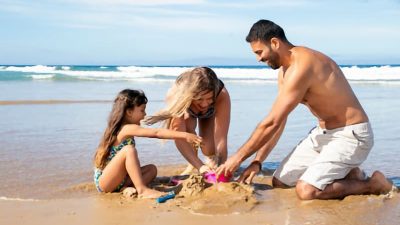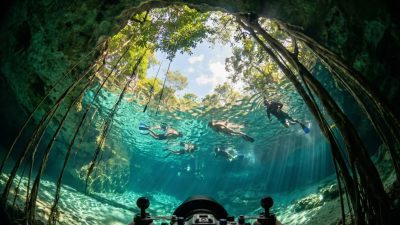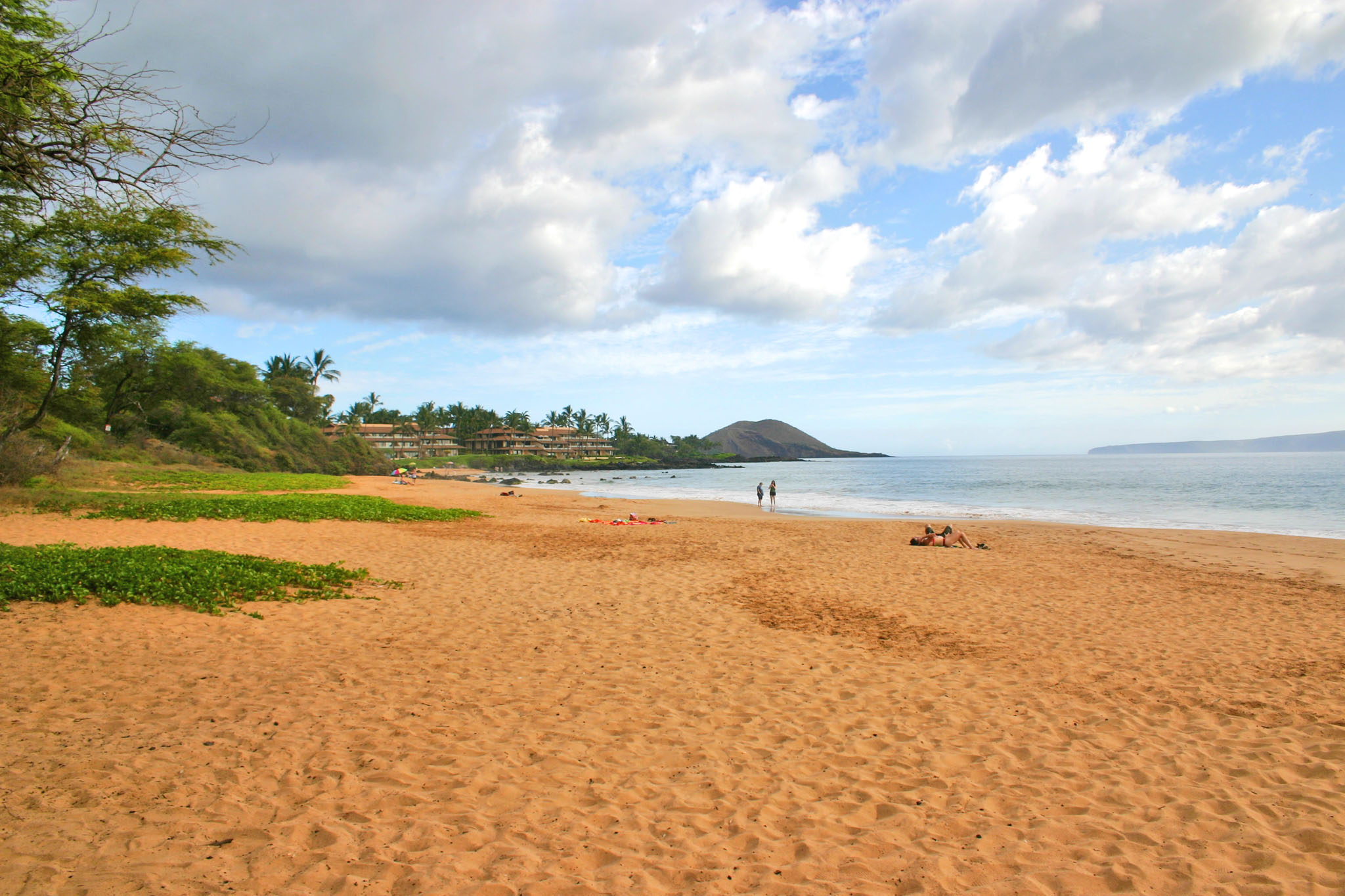
Poʻolenalena Beach stands out in Maui for its dual appeal: a long, soft sand beach for young children to play on, coupled with easily accessible reef snorkeling from the southern lava point for older kids and parents. You can set up your beach base on sand while still being a short walk from vibrant marine life. The main draw for families with aspiring snorkelers is the high likelihood of spotting green sea turtles and various reef fish within a reasonable swimming distance from shore.
Filter out the noise and find what works for your family.
Every resort we review gets one of four Family Fit ratings. The rating is based on kids programming, amenities, vibe, and who the resort actually markets to - not just whether they allow children.
Discover My Ideal Resort →The one honest downside families need to know before committing to the drive is the parking situation. The two main parking lots, especially the smaller southern one, fill up quickly, typically by 7:30 AM on weekends and 8:30 AM on weekdays, forcing later arrivals to search for limited street parking or choose another beach.
Key Highlights
- Calm, shallow entry at the main beach for little ones.
- High chance of spotting green sea turtles and reef fish near the southern lava point, ideal for best snorkeling beaches in Maui for families.
- Two parking areas offering different access points.
- Best visibility observed before 10:00 AM.
- Ease of Access: Moderate (due to walk to south reef, but sand entry is easy).
- Best For: Families with mixed ages (toddlers to teens) looking for family-friendly beaches in Maui.
- Marine Life: Green Sea Turtles, Hawaiian Sergeant, Butterflyfish.
- Water Conditions: Visibility averages 15-25 feet in mornings; afternoon wind chop increases surge.
II. Arriving and Accessing the Shore
Getting to Poʻolenalena requires an early start if you want a guaranteed parking spot for your Maui family guide adventure. There are two primary parking options along Makena Road.
Parking:
- The main Poʻolenalena Beach parking lot, located at the north end near Poʻolenalena Beach Park, is the larger of the two. It can accommodate approximately 50-60 cars. This lot typically fills by 8:30 AM on weekdays and often by 7:30 AM on weekends and holidays. Parking here is free.
- A smaller south-end lot is situated closer to the primary snorkeling reef. This lot holds about 20-30 cars and typically fills by 7:30 AM most mornings, regardless of the day. It provides quicker access to the best snorkeling area but competition for spots is high. This lot is also free.
Walk to the Beach:
- From the North Lot: A paved path leads for about 50 yards from the parking area directly to the sand. This walk is easy, even when carrying beach chairs and gear for a family.
- From the South Lot: Access to the sand is via a short, unpaved path about 30 yards long. This path may have loose sand and small rocks, requiring a bit more attention, especially with younger children or gear.
Stroller Status: All-Terrain Friendly (for the main beach path, less suitable for the south lot’s unpaved section).
Nearby Hotels and Resorts
-
Fairmont Kea Lani, Maui — Best for families.
Booking.com | Expedia | Hotels.com -
Grand Wailea, A Waldorf Astoria Resort — Luxury choice near the beach.
Booking.com | Expedia | Hotels.com -
Four Seasons Resort Maui at Wailea — Great value with a pool.
Booking.com | Expedia | Hotels.com
III. Beach Entry Points for Little Snorkelers
Knowing where to get in the water makes a difference for families, especially with varied swimming abilities when snorkeling Poʻolenalena Beach, Maui with kids.
Entry Points:
- Main Beach (Middle Section): The central section of Poʻolenalena Beach offers a wide, sandy entry. The water remains waist-deep for the first 15-20 yards from the shore. There are no significant rocks or coral underfoot in this area, making it easy for toddlers and young children to wade or play near the edge.
- Southern Lava Point: Entry here is over patches of smooth-to-rough volcanic rock. Some small tidal pools form near the water’s edge. The water depth drops off faster, reaching 5-8 feet within 10 yards. This is the preferred entry for direct access to the main reef system.
Water Conditions:
- Mornings (before 10:00 AM): Water is typically calm with minimal surface chop or surge. Visibility generally ranges from 15 to 25 feet, allowing for clear views of marine life.
- Afternoons: Wind often increases around 11:00 AM, causing surface chop and reducing visibility to 5-10 feet, especially past 1:00 PM. Currents near the shore are generally mild but can increase further out around the lava points, requiring awareness.
Safety Note: Be aware of a mild to moderate longshore current that can run north or south depending on swell direction, particularly near the lava points. Keep children within sight and consider using a flotation vest for less experienced swimmers.
IV. Exploring the Underwater Environment
To make the most of your snorkeling Poʻolenalena Beach, Maui with kids, head towards the reef areas where marine life congregates.
Verbal Map:
- From the main sandy beach entry, swim directly south towards the visible lava outcropping. The most active snorkeling begins about 50-70 yards from shore around this lava point. Water depth in this area ranges from 8-15 feet. This is where you will find the most diverse marine life.
- A secondary snorkeling area exists to the north, towards the next rocky point, roughly 100 yards from the central sandy beach. The reef structure here is less developed compared to the south, with depths typically ranging from 6-12 feet. Fewer fish are usually observed here.
Marine Life:
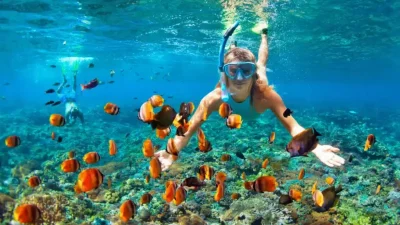
- Green Sea Turtles (Honu): Frequently observed grazing on algae near the southern lava point in 8-12 feet of water, often before 9:00 AM. Maintain a distance of at least 10 feet.
- Hawaiian Sergeant (Mamo): Common around the rocky outcrops, typically seen in schools.
- Moorish Idol (Kihikihi): Often seen singly or in pairs near coral heads in the southern reef area.
- Parrotfish (Uhu): Present on the reef, recognizable by their distinct beak-like mouths.
- Butterflyfish (Lau-wiliwili): Various species, including Racoon Butterflyfish, are common near coral formations.
- Small Triggerfish (Humuhumunukunukuapuaʻa): Occasional sightings near ledges and rocky crevices.
In-Water Parent Tip: Always maintain a clear visual on your children, especially near the lava points where the bottom contours change rapidly and the current can be stronger. Use brightly colored rash guards or flotation vests for easy spotting from the beach or other family members in the water. For more things to do in Maui with kids, explore beyond the beach.
V. Beach Amenities and Shade Availability
Knowing what facilities are available saves trips back to the car and ensures a smoother beach day for snorkeling Poʻolenalena Beach, Maui with kids.
- Restrooms: Yes, public restrooms are located at the main Poʻolenalena Beach Park parking area at the north end of the beach. These facilities are generally maintained.
- Showers: Yes, freshwater rinse showers are available near the restrooms at the north parking area. There are no showers or rinse stations at the smaller south-end parking lot.
- Shade: Natural tree cover is present along the tree line on the northern half of the beach, providing shade until approximately 11:00 AM. The southern half of the beach, closest to the best snorkeling, is largely exposed to full sun after 9:00 AM. There are no permanent shade structures on the beach.
Pro Tip: Pack a collapsible beach canopy or umbrella if your family plans to stay past mid-morning, especially if you intend to set up on the southern portion of the beach where snorkeling is most active. Consider other snorkeling Kahekili Beach options for different experiences.
Want a custom plan? Use our personalized Itinerary Generator for Maui: https://kiddometer.com/build-personalized-trip/
VI. Your Poʻolenalena Packing List
Packing smart means less hassle and more enjoyment for the entire family during your snorkeling Poʻolenalena Beach, Maui with kids trip.
- Reef shoes: Essential for navigating the rough, uneven volcanic rock patches at the southern lava point entry without discomfort or injury. Check out our guide to kids’ water shoes.
- Inflatable snorkel vest: Offers extra buoyancy and increases visibility for younger or less confident snorkelers in the deeper water around the reef. See our recommendations for inflatable snorkel vests.
- UV-protective rash guard: Minimizes sun exposure, as natural shade is limited after 11:00 AM, and helps protect against accidental reef scrapes.
- Underwater camera with float: To capture clear images of marine life without the risk of losing your device in depths up to 15 feet.
- Collapsible beach canopy: Provides necessary shade for longer stays, particularly on the exposed southern beach where sun exposure is highest.
Ready to Plan Your Maui Trip?
Get a personalized family itinerary built around your kids’ ages, interests, and travel style — free.