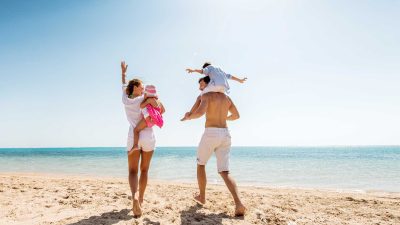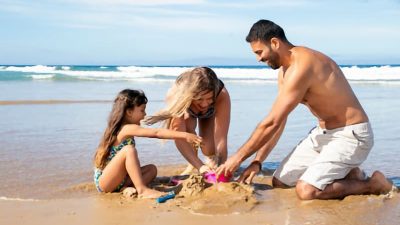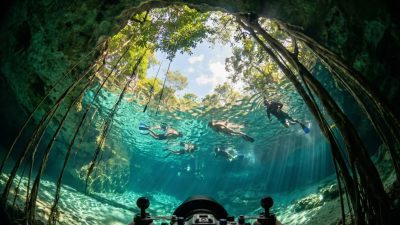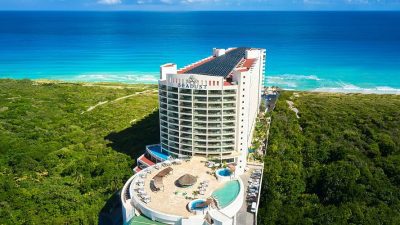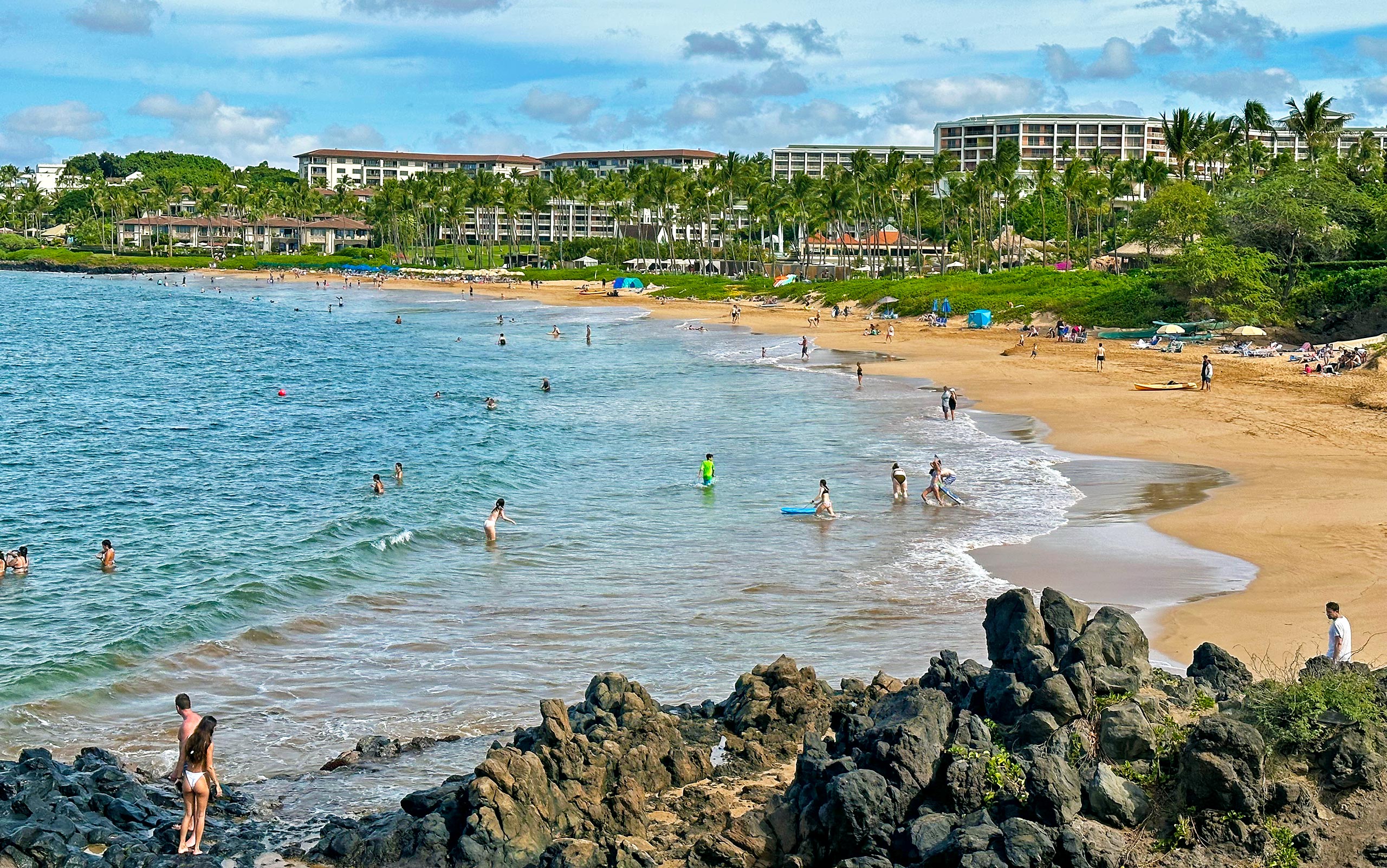
Wailea Beach offers a wide, sandy entry with relatively shallow, calm patches closer to shore, making it suitable for families with basic snorkel gear and children. The northern end, particularly near the Ulua/Mokapu areas, consistently provides more reliable nearshore reef visibility and marine life compared to the central part of Wailea Beach. This spot is often cited as accessible for beginners and families on calmer mornings.
Filter out the noise and find what works for your family.
Every resort we review gets one of four Family Fit ratings. The rating is based on kids programming, amenities, vibe, and who the resort actually markets to - not just whether they allow children.
Discover My Ideal Resort →The one honest downside families need to know before committing to the drive is that Wailea Beach is consistently busy. Expect crowds on most days, particularly at public access points and along the shore after 9 AM, which can diminish the quiet enjoyment of the area. For a broader overview of family-friendly options, check out our guide to family-friendly beaches in Maui.
Key Highlights
- Calm, shallow sandy entry for younger children and beginners.
- Good chance of seeing reef fish and occasional sea turtles near Ulua/Mokapu.
- Public access parking available with a short, paved walk to the sand.
- Best visibility and calmer water before 9 AM.
- Ease of Access: Easy
- Best For: Families with kids aged 6+ (who are comfortable swimmers), or younger kids in very shallow, supervised areas.
- Marine Life: Tangs, wrasse, damselfish, occasional Green Sea Turtles (Honu).
- Water Conditions: Morning visibility typically 15-25 feet; afternoon visibility can drop to 5-10 feet with increased wind chop and surge. Mornings are generally calmer, afternoons often get windier and rougher.
Parking and the Approach to the Sand
Parking is at the Wailea Beach Access parking lots. There are two primary public lots: one at the north end near the Marriott Wailea Beach Resort, and another more centrally located, closer to the Grand Wailea. Both lots are free. The northern lot typically fills by 8:30 AM on weekends and 9:00 AM on weekdays during peak season. The central lot may fill later, around 9:30 AM. For guaranteed space, plan to arrive by 8:00 AM. For more family travel tips for the island, refer to our comprehensive Maui family guide.
From either public parking lot, the walk to the sand is via a paved path, approximately 50-100 yards, with no significant inclines. It is a flat, straightforward walk to the beach. Families carrying snorkel gear, towels, and coolers will find this approach manageable.
Stroller Status: All-Terrain Friendly
Nearby Hotels and Resorts
- Grand Wailea, A Waldorf Astoria Resort — Best for families.
Booking.com | Expedia | Hotels.com - Wailea Beach Resort – Marriott, Maui — Luxury choice near the beach.
Booking.com | Expedia | Hotels.com - Four Seasons Resort Maui at Wailea — Great value with a pool.
Booking.com | Expedia | Hotels.com
Entry Points and Water Specifics for Families
The best entry for families looking to snorkel Wailea Beach Maui is on the northern half of Wailea Beach, specifically the wide, sandy patch near the rocky point that separates Wailea from Ulua Beach. Enter directly from the sand, which slopes gently to waist-deep water within 15-20 yards. Another suitable entry is mid-beach, in front of the public access pathway, where the sand entry is also wide and gradual. If you’re comparing other options, consider snorkeling at Kahekili Beach in Maui or Kapalua Beach for varied experiences.
Mornings before 9 AM typically have minimal surge and current, with underwater visibility ranging from 15 to 25 feet. After 10 AM, trade winds often pick up, creating surface chop and decreasing visibility to 5-10 feet, especially further from shore. Currents are generally mild near the immediate shore but can strengthen around the rocky points. Stronger currents typically affect deeper areas and those closer to the rocky outcroppings.
One specific safety note for this beach: Stay clear of the rocky outcroppings and points when waves are present. Surge can push against these rocks, making exit difficult or causing scrapes. Young children should remain in the calm, sandy shallows under direct supervision.
Snorkeling Zones and Expected Fauna
From the sandy entry point near the Ulua Beach separation (northern end of Wailea), swim north along the rocky reef line for approximately 20-30 yards. The reef structure begins in 4-6 feet of water and slopes to about 10-15 feet. This specific area is known for coral patches and concentrated reef fish. For another option, swim approximately 50 yards straight out from the central public access point; here, the depth increases to 8-12 feet over sandy patches with scattered coral heads.
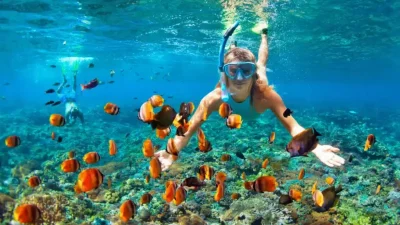
Among the coral and rocky areas, look for common reef fish such as Yellow Tangs, Parrotfish, Moorish Idols, Trumpetfish, and various Wrasse species. Green Sea Turtles (Honu) are frequently sighted in the 8-15 foot depth range, particularly around the Ulua/Mokapu transition zone, often resting near coral formations. Occasionally, you may also see Butterflyfish and Hawaiian Sergeant Major.
One in-water parent tip: Keep smaller children close to the shore in the 3-5 foot depth range. This area still holds small reef fish and allows for quick standing if needed. Using a floating noodle can aid buoyancy and increase visibility for younger, less confident swimmers.
Shoreline Facilities and Resting Spots
Public restrooms are available at the main Wailea Beach Access parking areas. They are typically maintained. Freshwater rinse showers are located near these public restrooms, convenient for removing sand and salt after exiting the water.
Natural shade on Wailea Beach is limited to sparse palm trees along the back of the beach, primarily on the northern end near the resorts. These areas usually receive full sun by 10:30 AM. Consider bringing a beach umbrella or a pop-up tent if you plan on staying for an extended period and require consistent shade.
Pro Tip: Pack a cooler with drinks and snacks. The nearest convenience store is a 5-minute drive at the Wailea Gateway Center, which can be an inconvenience once you’ve settled on the beach with your family.
Want a custom plan? Use our personalized Itinerary Generator for Maui.
What to Carry for This Beach
- Reef-safe sunscreen: Required by Hawaii state law; protects the coral and your family’s skin.
- Kids’ Rash Guards: Provides consistent UV protection and prevents chafing from vests or prolonged sun exposure, especially with limited natural shade.
- Water Shoes: While the main entry is sandy, walking near the rocky points on either end of the beach has sharp lava rock.
- Small Dry Bag: To keep car keys, phones, and wallets dry on the sand while you’re in the water.
- Swim Buoy/Noodle: For less confident swimmers or younger children, to aid buoyancy and increase their visibility in the water to others and any potential boat traffic further out.
Ready to Plan Your Maui Trip?
Get a personalized family itinerary built around your kids’ ages, interests, and travel style — free.