Introduction
Welcome to Yellowstone: America’s First National Park
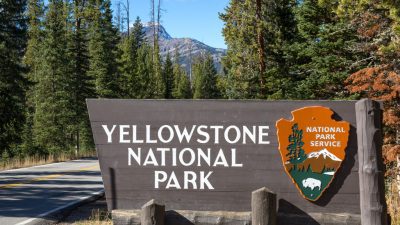
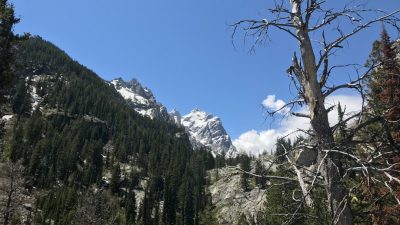
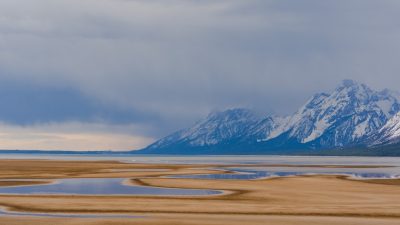
Yellowstone National Park holds a special place in history as America’s very first national park, a true marvel of nature that continues to captivate visitors from around the globe. This vast wilderness is famous for its incredible geothermal features, from the iconic geysers that erupt with dramatic plumes of water to vibrant hot springs and bubbling mud pots. Beyond its fiery underground activity, Yellowstone offers immense landscapes, towering mountains, lush forests, and expansive valleys, all teeming with abundant wildlife.
Why Yellowstone is Perfect for Families
For families, Yellowstone is more than just a scenic destination; it’s an immersive classroom and an unparalleled adventure rolled into one. The park provides countless educational opportunities, allowing children to learn about geology, ecology, and wildlife firsthand. Many areas feature accessible boardwalks and paved paths, making it easy for even the youngest explorers or those with strollers to experience its stunning natural beauty. The thrill of spotting a bison grazing in a meadow or an elk wandering through the trees creates lasting memories for all ages, making it an ideal choice for an ultimate guide National Park family vacation.
Filter out the noise and find what works for your family.
Every resort we review gets one of four Family Fit ratings. The rating is based on kids programming, amenities, vibe, and who the resort actually markets to - not just whether they allow children.
Discover My Ideal Resort →Key Attractions That Kids Will Love
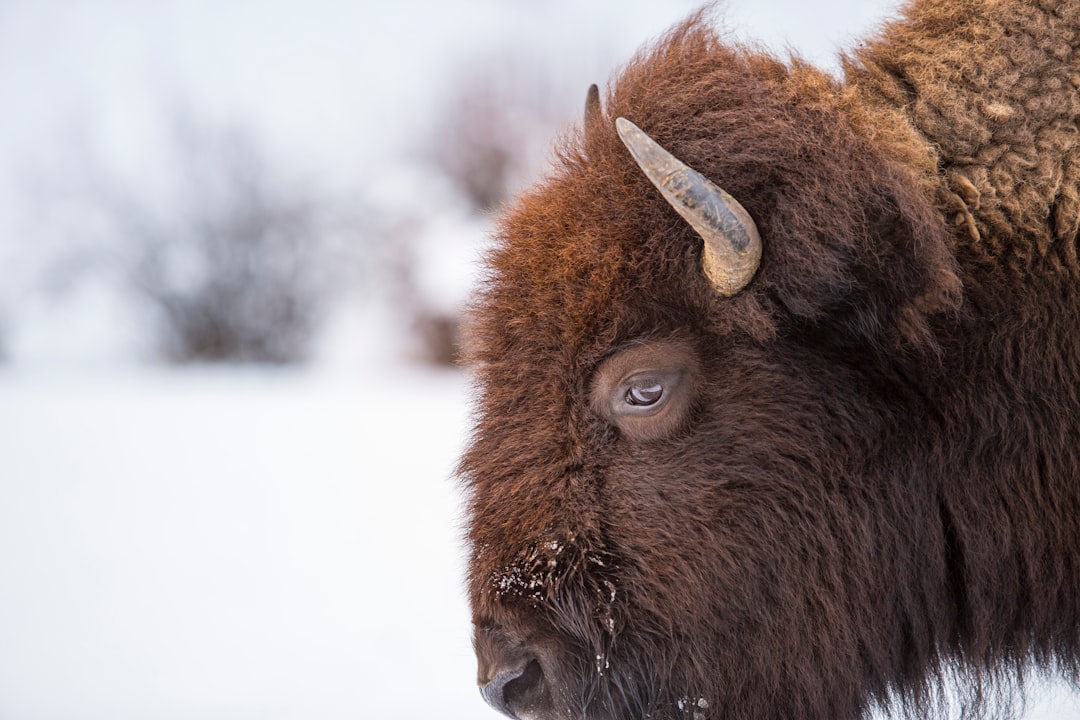
Certain attractions in Yellowstone are guaranteed to be hits with the kids. Old Faithful’s predictable eruptions are always a highlight, offering a natural show that rarely disappoints. The vibrant, swirling colors of Grand Prismatic Spring, Yellowstone’s largest hot spring, are a feast for the eyes and unlike anything most children have ever seen. Beyond the thermal features, the chance to observe bison and elk up close in their natural habitat is truly awe-inspiring. Don’t forget the interactive Junior Ranger programs, which transform learning into a fun, badge-earning quest.
Fun and Unique Facts About Yellowstone
Yellowstone is full of fascinating facts that spark curiosity. Did you know it sits atop an active supervolcano, responsible for the park’s amazing geothermal activity? It boasts the highest concentration of geysers in the world, with over half of the world’s geysers located within its boundaries. Furthermore, Yellowstone is unique for being home to bison that have continuously lived in the region since prehistoric times, a true testament to its untouched wilderness. These intriguing details can make your family’s visit to this ultimate guide National Park even more memorable.
Best Time to Visit
Summer (June – August): Peak Season Family Fun
Summer is Yellowstone’s most popular season, and for good reason. The weather is at its warmest, typically ranging from 70-80 degrees Fahrenheit during the day, making outdoor activities comfortable. All park facilities, including visitor centers, lodges, and campgrounds, are fully open, and a complete range of activities, including ranger programs and guided tours, are available. The drawback, however, is significant crowds, higher prices for lodging and services, and intense competition for accommodations both inside and outside the park. Planning well in advance is essential if you choose to visit during this peak period.
Spring (April – May): Wildlife Awakening
Visiting Yellowstone in the spring offers a different, often more intimate, experience. The park begins to shed its winter coat, and the benefits include fewer crowds and the exciting chance to see baby animals, from bison calves to elk fawns, alongside vibrant wildflowers starting to bloom. However, spring weather can be highly variable, with warm sunny days quickly turning into cold, snowy conditions. Some park roads and services may still be closed, particularly in early spring, and bear activity increases as they emerge from hibernation, requiring heightened awareness.
Fall (September – October): Colors and Quiet
Fall in Yellowstone is a truly magical time, characterized by crisp, cool air and vibrant foliage that paints the landscape in hues of gold and crimson. The park experiences a noticeable decrease in visitors compared to summer, offering a more peaceful experience. It’s also prime time for viewing the elk rut, a spectacular display of bull elk bugling and sparring. On the downside, there’s potential for early snow, especially at higher elevations, and some park services and roads begin closing mid-October, so checking conditions beforehand is crucial.
Winter (November – March): A Snow-Covered Wonderland
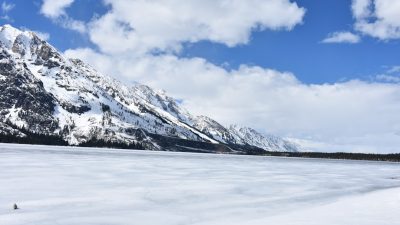
Yellowstone transformed by snow is an unforgettable sight, offering unique experiences that few get to witness. Imagine exploring by snowmobile, snow coach, or cross-country skis, gliding through a quiet, pristine landscape. This season is also the best for wolf viewing, as their dark coats stand out against the white snow. However, winter travel comes with challenges, including limited access to most park areas (the North Entrance is the only one open to regular vehicle traffic year-round), extreme cold, and the need for specialized gear and planning.
Tips for Avoiding Crowds with Kids
To make your Yellowstone visit more enjoyable, especially with children, consider a few crowd-avoidance strategies. Aim to visit popular attractions like Old Faithful and Grand Prismatic Spring early in the morning or late in the afternoon, when tour buses and the majority of day-trippers are less active. Exploring less-trafficked areas of the park, such as parts of the Black Sand Basin or Norris Geyser Basin, can also offer a more serene experience. Utilizing the shoulder seasons (late spring or early fall) instead of peak summer is one of the best ways to enjoy the ultimate guide National Park with fewer people.
Getting There
Nearest Airports and Transportation Hubs
When planning your family trip to Yellowstone, several airports offer convenient access. Bozeman Yellowstone International Airport (BZN) in Montana is often the most popular choice, providing a wider range of flights and rental car options. Jackson Hole Airport (JAC) in Wyoming offers stunning views but can be pricier. Idaho Falls Regional Airport (IDA) in Idaho is another viable option. For a more direct, but seasonal, approach, the small West Yellowstone Airport (WYS) operates during the summer months, putting you right at the park’s west entrance.
Driving into the Park: Entrances and Road Conditions
Yellowstone boasts five main entrances: North (Gardiner, MT), West (West Yellowstone, MT), South (Jackson Hole, WY via Grand Teton), East (Cody, WY), and Northeast (Cooke City, MT). Each entrance offers a different approach to the park’s interior, with typical driving times to major attractions varying significantly. For example, driving from the West Entrance to Canyon Village can take over an hour without stops. Park roads are generally well-maintained, but be prepared for wildlife-induced traffic jams (“bison jams”) and temporary closures due to construction or weather. Always check the park’s official website for current road conditions before heading out, especially during the shoulder seasons.
Parking Information for Families
Finding parking at Yellowstone’s most popular spots can be a challenge, particularly during peak summer months. Areas like Old Faithful, Grand Prismatic Spring, and Canyon Village often have crowded parking lots that fill up quickly. Arriving early in the morning (before 9 AM) or later in the afternoon (after 4 PM) significantly increases your chances of securing a spot without a long wait. Be patient and prepared to circle lots a few times; a parking spot eventually opens up. Consider utilizing shuttle services in areas where available, or carpooling if traveling with multiple vehicles.
Accessibility for Strollers and Wheelchairs
Yellowstone is surprisingly accessible for families with strollers and visitors using wheelchairs, making it an excellent ultimate guide National Park for everyone. Many of the most iconic geothermal features, such as those around Old Faithful and Grand Prismatic Spring, are accessed via sturdy boardwalks and paved paths, which are perfect for strollers and wheelchairs. Most visitor centers are also accessible, offering ramps and accessible restrooms. While not all trails are suitable, a significant portion of the main attractions can be enjoyed by everyone. You can learn more about general travel logistics, including accessibility, from our family travel guides.
Making Long Car Trips Enjoyable for Kids
The vastness of Yellowstone means you’ll spend a fair amount of time driving between attractions. To keep children entertained on these long car trips, pack a variety of engaging items. Audiobooks or kid-friendly podcasts can make the miles fly by, while travel games like “I Spy” or car bingo add fun competition. Don’t forget frequent rest stops to let kids stretch their legs and burn off some energy. Packing essential snacks and comfort items, like favorite blankets or stuffed animals, can also prevent meltdowns. For longer journeys, consider our ultimate guide on travel car seats for kids to ensure comfort and safety.
Where to Stay: Family-Friendly Bases
Staying Inside Yellowstone National Park
Historic Lodges and Cabins
Staying inside Yellowstone National Park offers an unparalleled immersive experience, allowing you to be steps away from geothermal wonders and prime wildlife viewing. Historic lodges like the Old Faithful Inn, Lake Yellowstone Hotel, and Canyon Lodge are popular family-friendly choices. These lodges offer a unique charm and direct access to major attractions. However, booking well in advance—often 12 to 18 months out—is crucial, especially for summer travel, as availability is extremely limited.
Family-Friendly Campgrounds
For families who enjoy sleeping under the stars, Yellowstone has several reservable campgrounds, including Madison, Canyon, Bridge Bay, and Mammoth Hot Springs. These campgrounds typically offer basic amenities like restrooms and potable water. Some may also have dishwashing stations. Similar to lodges, campground reservations disappear quickly, so plan to book as soon as the reservation window opens, usually six months in advance. Camping provides a rustic yet unforgettable way to experience this ultimate guide National Park.
Pros and Cons of Staying Inside the Park
The advantages of staying inside the park are clear: unmatched convenience, the opportunity for early morning and late evening wildlife viewing when animals are most active, and an incredibly immersive experience. You save precious driving time and can truly soak in the park’s atmosphere. The disadvantages, however, include higher costs for lodging and potentially fewer amenities compared to hotels outside the park. Availability is also extremely limited, making last-minute trips difficult.
Staying Outside Yellowstone National Park
Gateway Towns for Families
If staying inside the park isn’t possible or preferred, Yellowstone’s gateway towns offer a range of amenities and lodging options. West Yellowstone, Montana, is arguably the most popular, providing the most services including restaurants, souvenir shops, and hotels, and is closest to the park’s west entrance. Gardiner, Montana, offers year-round access to Mammoth Hot Springs and a quieter vibe. Cody, Wyoming, provides a full Western town experience with rodeos and museums, though it’s a longer drive to the park. Jackson, Wyoming, is further south but is a full-fledged resort town with upscale amenities and easy access to Grand Teton National Park, which is a great addition to your national park adventures, similar to exploring other areas like the Grand Canyon National Park or Zion National Park.
Hotels and Resorts with Kid Amenities
Gateway towns offer a broader selection of hotels and resorts that cater to families. Look for accommodations that provide amenities like swimming pools (perfect for unwinding after a day of exploring), laundromats, and family suites or rooms with multiple beds. These features can significantly enhance comfort and convenience for families traveling with children, allowing for a more relaxed and enjoyable stay.
Pros and Cons of Staying Outside the Park
The advantages of staying outside the park include more lodging options across a wider price range, potentially lower costs, and more diverse dining and grocery choices. You’ll also find amenities not always available inside the park, like pools. The main disadvantage is the daily commute into the park, which can be time-consuming, adding significant driving time to and from attractions. This means earlier starts and later finishes to your day, which can be challenging with young children.
Essential Booking Tips for Peak Season
Regardless of whether you choose to stay inside or outside Yellowstone, the golden rule for summer travel is to book all accommodations as far in advance as humanly possible. This means looking 9-12 months ahead for hotels in gateway towns and potentially 12-18 months for in-park lodges. Last-minute bookings during peak season are nearly impossible or prohibitively expensive, so planning ahead is paramount for a smooth family trip to this ultimate guide National Park.
Things to Do
Kid-Friendly Hikes and Boardwalks
Easy Walks for Little Legs
Yellowstone is incredibly accommodating for families with young children, offering numerous easy walks perfect for little legs. The Upper Geyser Basin, home to Old Faithful, features miles of paved paths and boardwalks that allow close-up views of geysers, hot springs, and mud pots without strenuous hiking. The Midway Geyser Basin, where the mesmerizing Grand Prismatic Spring resides, also has a flat boardwalk system. Mammoth Hot Springs Terraces offers both lower and upper boardwalks, presenting a unique geological wonder. Even parts of the Yellowstone Falls trails, like the path to Artist Point, are paved and relatively flat, providing stunning views without a challenge. For more ideas on easy walks in other parks, check out best family-friendly hikes in Grand Canyon National Park or family trails in Zion National Park.
Moderate Adventures for Older Children
For older children who are ready for a bit more adventure, Yellowstone offers several moderate trails. The Grand Prismatic Spring Overlook Trail is a must-do, providing a spectacular elevated view of the spring’s vibrant colors, a perspective not available from the boardwalk below. Parts of the Fairy Falls Trail extend beyond the overlook, offering a longer, relatively flat walk through the forest to a beautiful waterfall. These well-maintained, shorter loops provide exciting features and a rewarding sense of accomplishment for active youngsters.
Engaging Junior Ranger Programs
The Junior Ranger program is a fantastic way to engage children of all ages in Yellowstone’s wonders. Kids can pick up an activity booklet at any visitor center, filled with puzzles, questions, and observations about the park’s wildlife and geology. Once they complete the required activities for their age group, they return to a visitor center, take a pledge, and earn an official Yellowstone Junior Ranger badge. It’s an interactive and educational experience that makes learning fun and provides a tangible souvenir of their ultimate guide National Park adventure.
Unforgettable Wildlife Viewing Opportunities
Wildlife viewing is a highlight for many families visiting Yellowstone. The best spots to see animals are often Lamar Valley and Hayden Valley, known for their abundant populations of bison, elk, and even opportunities to spot bears and wolves. The best times for wildlife spotting are at dawn and dusk when animals are most active. Always remember to maintain safe viewing distances—100 yards from bears and wolves, and 25 yards from other large animals like bison and elk. Binoculars are essential for getting a closer look while keeping a safe distance.
Exploring Geothermal Wonders
Yellowstone’s geothermal features are truly out of this world. Witnessing geysers like Old Faithful erupt in a burst of steam and water is an awe-inspiring experience. Don’t miss the powerful Grand Geyser, one of the park’s taller predictable geysers. The vivid colors of hot springs like Grand Prismatic Spring and the delicate Morning Glory Pool are a testament to the microbial life thriving in these extreme environments. Kids will also be fascinated by the bubbling mud pots at Artist Paintpots and the steaming fumaroles in areas like Black Sand Basin, where the earth’s heat visibly escapes. Rangers often provide explanations of the science in an accessible way for curious young minds.
Water Fun and Picnic Spots
While Yellowstone Lake is not typically for swimming due to its cold temperatures and thermal features, it offers incredibly scenic views and opportunities for guided boat tours or fishing (with a permit). There are numerous designated picnic areas throughout the park, providing perfect spots for families to relax and enjoy a packed lunch amidst stunning scenery. Remember to always practice river safety and supervise children closely near any water bodies.
Ranger-Led Activities and Talks
Park rangers are an invaluable resource for families visiting Yellowstone. They offer a variety of free ranger-led activities and talks, which are excellent for engaging children. These can include campfire programs under the stars, guided nature walks that highlight specific aspects of the park, and educational talks on topics ranging from bear safety to the geology of geysers. Check the park’s activity guide upon arrival or online to see what’s available during your visit.
Balancing Activity and Rest for Different Age Groups
Visiting a large park like Yellowstone with children requires careful pacing. It’s crucial to balance exciting activities with plenty of downtime, especially when traveling with toddlers and older kids. Build in breaks for snacks, naps for younger ones, and simply sitting to enjoy the scenery. Select attractions that appeal to a wide age range, or consider splitting up for certain activities if one parent wants to tackle a more challenging hike while the other enjoys an easier boardwalk stroll with younger children. Flexibility is key to preventing exhaustion and meltdowns, ensuring everyone enjoys their ultimate guide National Park adventure.
Packing Smart: Essentials for Families
Layered Clothing for Unpredictable Weather
Yellowstone’s weather is famously unpredictable, even in the height of summer. It’s common to experience all four seasons in a single day, from sunny warmth to sudden hail or snow. The best strategy is to pack versatile layers: T-shirts, long-sleeved shirts, fleeces or sweaters, and a waterproof and windproof jacket. Hats and gloves are also advisable, as temperatures can drop quickly, especially at higher elevations or after sunset. Dressing in layers ensures everyone stays comfortable regardless of the shifting conditions.
Essential Footwear for All Terrains
Sturdy, comfortable, and waterproof hiking shoes are absolutely essential for both adults and kids when exploring Yellowstone. You’ll be walking on boardwalks, paved paths, and potentially uneven trails, so good support and protection are key. Consider the best hiking shoes for kids to ensure their feet are well-protected. Additionally, a pair of sandals or Crocs can be nice for relaxing around your camp or lodge, giving tired feet a break. For trails, especially during spring or fall, waterproof trail shoes for kids are a wise investment.
Snacks, Hydration, and Meal Prep Gear
Packing a cooler filled with drinks and snacks is a game-changer for a Yellowstone family trip, saving both money and precious time. Bring reusable water bottles for everyone to stay hydrated at altitude and refill at designated stations. A variety of non-perishable snacks, sandwich supplies, and easy-to-eat fruits and vegetables will keep hunger at bay between meals. This strategy ensures you always have something on hand, especially when driving long distances between park villages.
Baby and Toddler Gear Recommendations
For families traveling with babies and toddlers, a sturdy hiking carrier is highly recommended for trails that aren’t stroller-friendly. It allows little ones to enjoy the views from a comfortable perch while parents navigate. A compact, rugged stroller is perfect for the numerous accessible boardwalks and visitor centers. Don’t forget familiar comfort items like pacifiers, loveys, and favorite small toys to maintain routine and provide comfort in new environments.
Critical Safety Essentials
Safety in Yellowstone is paramount. A comprehensive first-aid kit stocked with basics like bandages, antiseptic wipes, pain relievers, and any personal medications is a must. Bear spray is also a critical item if you plan on hiking away from developed areas; know how to use it safely, or consider renting it from gateway towns. Insect repellent, high-SPF sunscreen, and sunglasses are vital for sun and bug protection. Always carry detailed physical maps, as cell service is unreliable, and headlamps or flashlights are useful for early mornings or late evenings.
Gear for Wildlife and Outdoor Activities
To truly enhance your wildlife viewing experience, a good pair of binoculars is indispensable for spotting distant animals safely. Field guides for local flora and fauna can turn a simple walk into an educational adventure. If you plan to visit any local hot springs outside the park (like the Boiling River, if open), remember to pack swimsuits. Bringing sketchpads or journals can also encourage kids to document their observations and artistic impressions of this incredible ultimate guide National Park.
Entertainment for Downtime
Even in a place as spectacular as Yellowstone, kids need downtime and entertainment, especially during drives or quiet evenings. Pack books, small travel-friendly toys, activity kits, or coloring supplies. Fully charged devices with downloaded movies, shows, or games are also a good idea for areas without cell service, providing a reliable source of entertainment when needed. A portable power bank can keep all your devices charged and ready.
Food & Dining Logistics
Onsite Dining Options within the Park
Yellowstone’s main villages, such as Old Faithful, Canyon, and Mammoth Hot Springs, offer a range of onsite dining options, including cafeterias, diners, and general stores with grab-and-go items. These establishments provide convenient meals, but it’s important to be aware that wait times can be substantial during peak hours, and prices are generally higher than outside the park. Reviewing menus online in advance can help manage expectations and plan your budget for this ultimate guide National Park.
Planning Picnic Adventures
One of the most enjoyable and budget-friendly ways to eat in Yellowstone is by planning picnic adventures. The park features numerous designated picnic areas, often with tables, offering scenic spots to enjoy a packed lunch amidst stunning backdrops. This allows for flexibility in your itinerary and a more relaxed dining experience away from the crowds of restaurants. Plus, it’s a great way to save money and ensure everyone gets to eat what they like.
Grocery Shopping in Gateway Towns
Before entering Yellowstone National Park, it’s highly advisable to stock up on groceries in one of the gateway towns like West Yellowstone or Gardiner. Grocery options inside the park are limited to general stores, which carry basic necessities at significantly higher prices. A well-stocked cooler can make a huge difference in managing meal costs and ensuring you have all your family’s preferred snacks and meal components. This is a crucial tip for any family visiting an ultimate guide National Park.
Tips for Bringing Your Own Food with Kids
When bringing your own food, strategic packing is key. Use a large, durable cooler for perishable items and plenty of ice or ice packs. Organize snacks into individual portions or easily accessible containers to avoid constant digging. Prepare easy-to-eat meals like sandwiches, wraps, fruit, and pre-cut vegetables that don’t require much assembly or cooking. Having ready-to-eat options on hand means less fuss and more time for exploration, especially important when balancing activities with hungry kids.
For families with dietary restrictions or allergies, navigating food options requires extra planning. If dining at park restaurants, research menus in advance online or call ahead to inquire about allergy accommodations. When bringing your own food, clearly label all items and pack specific allergy-safe foods that you know your children can eat. Always communicate dietary needs clearly to restaurant staff, and consider bringing an allergy card to present when ordering, especially when visiting a new place like this ultimate guide National Park.
Safety First: Protecting Your Family
Crucial Wildlife Safety Measures
Yellowstone is wild, and encountering wildlife is part of the experience, but safety is paramount. Strict adherence to safe distances is crucial: always stay at least 100 yards (91 meters) from bears and wolves, and 25 yards (23 meters) from other animals like bison and elk. Never, under any circumstances, feed animals, as this habituates them to humans and can lead to dangerous encounters. Proper food storage in bear-resistant containers or vehicles is essential. If you plan to hike, carry bear spray and know how to use it safely – consider renting it from gateway towns or buying it at park stores.
The beauty of Yellowstone’s thermal features comes with extreme danger. The ground around hot springs and geysers is fragile and the water is scalding hot, capable of causing severe burns or even death. It is absolutely imperative to stay strictly on boardwalks and designated paths at all times. Never touch hot springs or geysers, and educate children about these extreme dangers before they even set foot near a thermal area. This vigilance is perhaps the most important safety rule in this ultimate guide National Park.
Essential Trail Safety Practices
When hitting the trails, even easy ones, practice essential trail safety. Always stay on marked trails to protect both yourself and the delicate ecosystem. Carry sufficient water for everyone, as dehydration can occur quickly at high altitudes. Inform someone of your hiking plans and expected return time. Be prepared for sudden weather changes by dressing in layers and having rain gear, even on a sunny day. Knowing these basics ensures a safe and enjoyable hiking experience.
Hydration and Sun Protection at High Altitudes
Yellowstone’s high altitude and dry air mean that dehydration and sunburn can occur more rapidly than you might expect. Stress the importance of drinking plenty of water throughout the day, even if you don’t feel thirsty. Encourage kids to drink regularly. Advise on wearing wide-brimmed hats, sunglasses, and applying high-SPF sunscreen frequently to exposed skin, even on cloudy days, as UV radiation is stronger at higher elevations.
Emergency Contacts and Ranger Station Information
Before your trip, note down emergency contacts and the locations of ranger stations and visitor centers. Understand that cell service is unreliable to non-existent throughout much of Yellowstone National Park, so don’t rely on your phone for immediate help or navigation. In case of an emergency, the best course of action is often to head to the nearest visitor center or ranger station for assistance. Informing someone outside the park of your daily itinerary can also be a good safety net.
Money & Budget Tips
Understanding Park Entry and Activity Fees
When planning your budget for this ultimate guide National Park adventure, factor in the Yellowstone National Park entrance fee. This fee is typically charged per vehicle or per individual, and it provides access for a set number of days. If your family plans to visit multiple national parks within a year, consider purchasing an “America the Beautiful” annual pass. This pass covers entrance fees to all national parks and federal recreation sites for a full year and can be a significant cost-saver for active families. Be aware of any additional costs for specific guided tours, specialized activities, or permits, such as fishing.
Smart Budgeting for Families
Smart budgeting is key to an enjoyable and affordable family trip to Yellowstone. Beyond the park entrance fees, look for ways to save money throughout your visit. As mentioned, utilizing free ranger programs and picnic meals instead of dining out for every meal can significantly reduce expenses. Many of the park’s most breathtaking sights, such as geysers, hot springs, and wildlife viewing areas, are free to access once you’ve paid the park entry fee, offering immense value. Planning your lodging and travel well in advance can also lock in better rates.
Affordable Meal and Grocery Options Near the Park
To keep meal costs down, grocery shopping in gateway towns before entering the park is a top recommendation. Towns like West Yellowstone, Gardiner, Cody, or Idaho Falls offer supermarkets with a wider selection and more competitive prices than the general stores inside the park. Stocking up on breakfast items, sandwich fixings, and snacks allows your family to prepare many of their own meals, which can lead to substantial savings over several days. This strategy is vital for managing your budget when visiting an ultimate guide National Park with a family.
Sample Itinerary: Making the Most of Your Time
Day 1: Geysers, Mud Pots, and Boardwalk Wonders (Ages 3+)
Begin your ultimate guide National Park adventure with an unforgettable morning visit to the Upper Geyser Basin, home to the iconic Old Faithful geyser. Check the visitor center for predicted eruption times and find a comfortable spot to watch its spectacular show. Afterward, explore the numerous boardwalks around Old Faithful, taking in smaller geysers, colorful hot springs, and steaming vents. In the afternoon, head to the Fountain Paint Pot Trail to see fascinating bubbling mud pots and vibrant thermal features. Conclude your day with a visit to the Midway Geyser Basin for the breathtaking Grand Prismatic Spring. In the evening, if available, join a ranger program or find a spot away from light pollution for some amazing stargazing, a truly magical experience for kids.
Day 2: Waterfalls, Wildlife, and Canyon Views (Ages 6+)
Dedicate your second morning to wildlife spotting with a scenic drive through Hayden Valley. This open grassland is one of the best places to see bison herds, elk, and often smaller mammals, with potential sightings of bears or coyotes. Remember to keep a safe distance and use binoculars! Mid-day, make your way to the Grand Canyon of the Yellowstone. Visit Artist Point for an iconic view of the Lower Falls and the vibrant canyon walls. Then, take the easy paved path to closer viewpoints of the Lower Falls, suitable for most families. Enjoy a picnic lunch at one of the designated picnic areas near Canyon Village, taking in the grand scale of the canyon.
Day 3: Mammoth Hot Springs and Northern Range Safari (Ages 8+)
Start your third day exploring the unique travertine terraces of Mammoth Hot Springs in the northern part of the park. Walk the boardwalks of both the Lower and Upper Terraces, marveling at the natural staircases of mineral deposits shaped by the hot water. In the afternoon, embark on a scenic drive through Lamar Valley, often called America’s Serengeti, for prime opportunities to see large herds of bison and elk, and with luck, wolves or bears. This area is known for its abundant wildlife. Conclude your day with dinner in Gardiner, MT, just outside the North Entrance, reflecting on your incredible wildlife safari in this ultimate guide National Park.
Balancing Activity and Downtime
This sample itinerary is packed, so remember the importance of flexibility. Yellowstone is a vast park, and travel times between attractions can be longer than anticipated. Incorporate breaks for snacks, stretching, or just simply soaking in the views to prevent exhaustion and meltdowns, especially with younger children. Allow your children to help set the pace; sometimes, spending extra time observing a bison herd or playing in a designated picnic area is more memorable than rushing to the next viewpoint. A relaxed pace ensures everyone enjoys the journey.
Extra Tips for Parents
Keeping Kids Engaged During Exploration
Keeping kids engaged while exploring a national park, especially an ultimate guide National Park like Yellowstone, is key to a successful family trip. Try interactive games like “I Spy” using natural features or wildlife. Wildlife bingo, where kids mark off animals they spot, adds a fun challenge. Don’t forget the Junior Ranger activities that provide a structured way for kids to learn and earn a badge. Provide binoculars for them to spot animals, and build excitement by discussing upcoming attractions and what they might see or learn next.
Managing Different Age Groups on Your Trip
Traveling with children of varying ages presents its own set of challenges. Strategies for balancing the needs of toddlers and older children include selecting activities that appeal to a wide range, such as wildlife viewing or the predictable eruptions of Old Faithful, which captivate everyone. For specific interests, consider splitting up for certain activities; one parent might take older kids on a more strenuous hike while the other enjoys an easier boardwalk stroll with younger ones. Flexibility and open communication about what everyone wants to do are crucial for a harmonious trip.
Photography Tips for Capturing Family Memories
Capturing your family memories in Yellowstone is a treasured part of the trip. Focus on taking great photos of both the stunning landscapes and candid family moments as they happen. Encourage kids to pose with their Junior Ranger badges or near interesting features. Always respect wildlife distance in photos; use a zoom lens rather than approaching animals. Utilize natural light, especially during the “golden hours” of early morning and late afternoon, for the most beautiful and atmospheric shots. Don’t forget to get in some photos yourself!
One of the realities of Yellowstone is patchy to non-existent cell service throughout much of the park. Prepare for this by downloading maps, park information, and any entertainment (movies, audiobooks, games) onto your devices ahead of time. Inform family and friends about the limited connectivity so they don’t worry. Embrace the digital detox as an opportunity to truly connect with nature and your family, allowing everyone to fully immerse themselves in the experience of this ultimate guide National Park.
Resources & Links
Official Park Information
For the most accurate and up-to-date information, including current alerts, road conditions, and regulations, always consult the official National Park Service website for Yellowstone. This is your primary resource for planning and staying informed during your visit to this ultimate guide National Park.
Local Tourism Guides
Beyond the park’s official resources, explore local tourism guides from the Montana and Wyoming tourism boards. These can offer valuable insights into activities, dining, and services available in the gateway towns outside the park, helping you to round out your family’s travel plans.
Maps, Trail Guides, and Apps
Before your trip, download the official NPS Yellowstone app, which often includes offline maps and information. Supplement this with physical maps and detailed trail guides. Having these resources downloaded or printed means you won’t be reliant on spotty cell service and can navigate confidently through the park’s vastness. These tools are essential for any family planning an ultimate guide National Park adventure.
Conclusion
Yellowstone: An Unforgettable Family Adventure
Yellowstone National Park truly offers an unforgettable and deeply enriching experience for families. From the breathtaking eruptions of Old Faithful to the vibrant colors of Grand Prismatic Spring, and the thrill of spotting bison and elk in their natural habitat, its natural wonders captivate hearts and minds of all ages. Beyond the stunning scenery, the park provides invaluable educational opportunities, fostering a love for nature and conservation in children. It’s an ultimate guide National Park that creates lifelong memories and instills a sense of wonder.
Plan Ahead for a Smooth Journey
The key to a stress-free and enjoyable Yellowstone family adventure lies in careful and early planning. Securing accommodations, whether inside or outside the park, well in advance is crucial, especially for peak season travel. Thoughtful packing, including layers and essential safety gear, prepares you for the park’s unpredictable conditions. Strategizing your meals, understanding park logistics, and familiarizing yourself with safety protocols will ensure a smooth and memorable trip for everyone.
Start Planning Your Yellowstone Family Adventure Today!
Don’t wait to start organizing your trip to this iconic national park. With a little foresight and the tips in this ultimate guide National Park article, your family is set for an incredible journey into one of America’s most treasured landscapes. Yellowstone is calling, ready to offer your family an adventure of a lifetime.
These other resources could make planning your family trip to Yellowstone National Park easier and more fun.
- Family Travel Guides
- Family Vacation Adventures in Grand Canyon National Park
- Family Vacation Guide to Zion National Park
- Grand Canyon Family National Park Itinerary
- Grand Canyon Family National Park Budget Guide
- Best Family-Friendly Hikes in Grand Canyon National Park
- Family Trails in Zion National Park
- Best Hiking Shoes for Kids
- Best Kids Waterproof Trail Shoes Guide
- Ultimate Guide: Travel Car Seats for Kids
- Wikivoyage page on Yellowstone National Park
Plan a trip your kids will actually enjoy.
Answer a few quick questions and get a free, personalized itinerary tailored to your destination and your children’s ages. No account required — your custom plan is ready in moments.
Filter out the noise and find what works for your family.
Every resort we review gets one of four Family Fit ratings. The rating is based on kids programming, amenities, vibe, and who the resort actually markets to - not just whether they allow children.
Discover My Ideal Resort →