Picture this: It’s past midnight, squinted eyes scanning endless lists of children’s books. Tonight’s mission? Finding that perfect STEM book or a magical bedtime story that promises sweet dreams for the little one. So many choices—too many, really. Each title and cover looks more promising than the last. Jumping from “Top STEM Books for Young Explorers” to “Best Bedtime Stories to Soothe Your Child,” reading reviews until they blur into one big sea of five-star ratings and glowing praises. Will this space-themed book inspire a future astronaut? Will that enchanting book with cute, rhyming lines transform bedtime into bliss? Click, compare, hope. Eyes darting between tabs, comparing prices and shipping times. The right book has to be out there! …. somewhere amid the countless options. Sound familiar? After too many similar midnight adventures through multiple eCommerce sites, enough was enough. For parents of toddlers who are tired (and honestly, who isn’t?), here’s a carefully compiled list of the 50 funny books for 1-3 year-olds to save everyone some precious time and sanity.
Beloved funny books for kids aged 1-3 years
Picture this: It’s past midnight, squinted eyes scanning endless lists of children’s books. Tonight’s mission? Finding that perfect STEM book or a magical bedtime story that promises sweet dreams for the little one. So many choices—too many, really. Each title and cover looks more promising than the last. Jumping from “Top STEM Books for Young Explorers” to “Best Bedtime Stories to Soothe Your Child,” reading reviews until they blur into one big sea of five-star ratings and glowing praises. Will this space-themed book inspire a future astronaut? Will that enchanting book with cute, rhyming lines transform bedtime into bliss? Click, compare, hope. Eyes darting between tabs, comparing prices and shipping times. The right book has to be out there! …. somewhere amid the countless options. Sound familiar? After too many similar midnight adventures through multiple eCommerce sites, enough was enough. For parents of toddlers who are tired (and honestly, who isn’t?), here’s a carefully compiled list of the top 50 books for 1-3 year-olds to save everyone some precious time and sanity.
📚 More Reading Lists from Kiddometer
The Complete List
-
The grumpy green Grinch hatches a plan to steal Christmas from the cheerful Whos down in Whoville. With classic Seuss rhymes and unforgettable illustrations, this tale teaches that the holiday spirit can’t be stolen or bought. Perfect for teaching empathy and the true meaning of celebration. The transformation of the Grinch’s heart (which grows three sizes!) is a timeless lesson about redemption and community.
How the Grinch Stole Christmas! by Dr. Seuss
How the Grinch Stole Christmas!

-
Young Charlie Bucket wins a golden ticket to tour the mysterious chocolate factory owned by the eccentric Willy Wonka. This whimsical adventure features spoiled children meeting creative consequences while good-hearted Charlie navigates a world of edible wonders. Dahl’s imagination runs wild with inventions like Everlasting Gobstoppers and fizzy lifting drinks. It’s a deliciously clever story about kindness, honesty, and the rewards of staying true to yourself.
Charlie and the Chocolate Factory by Roald Dahl
Charlie and the Chocolate Factory

-
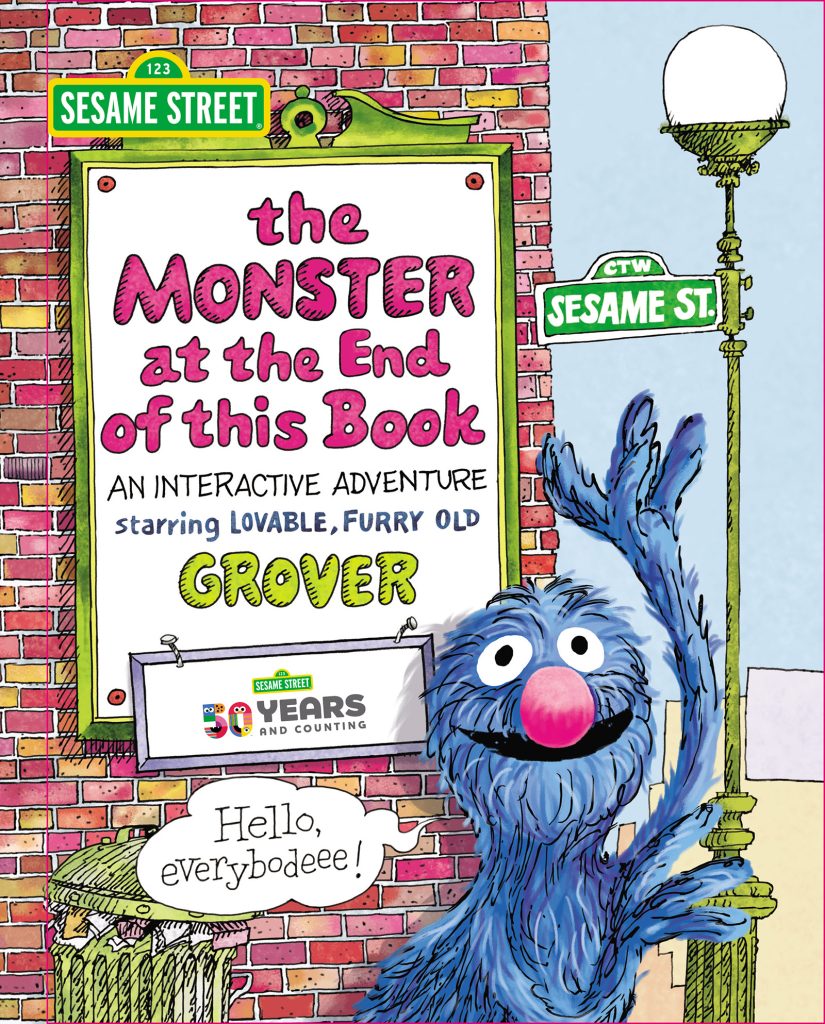
Lovable Grover begs readers not to turn the pages because there’s a monster at the end of the book. His increasingly desperate attempts to stop readers create hilarious interactive moments. The twist ending delivers a gentle lesson about facing fears. This meta-narrative masterpiece turns reading into a game that toddlers request again and again.
The Monster at the End of this Book by Jon Stone
The Monster at the End of this Book

-
Follow the adventures of a honey-loving bear and his friends in the Hundred Acre Wood. Pooh, Piglet, Eeyore, and the rest navigate small problems with big heart and gentle humor. Milne’s prose is surprisingly sophisticated yet accessible, making it enjoyable for adults reading aloud. These timeless tales celebrate friendship, simplicity, and the joys of doing nothing in particular.
Winnie-the-Pooh by A.A. Milne

-
The entire alphabet races up a coconut tree in this rhythmic, rollicking adventure. When the tree bends and letters tumble down, lowercase letters get help from their uppercase parents. The infectious rhyme and Bill Eichenberg’s bold illustrations make letter recognition irresistibly fun. It’s impossible not to read this one with enthusiasm and a bouncing beat.
Chicka Chicka Boom Boom by Bill Martin Jr.

-
A tiny caterpillar eats his way through the week, munching everything from apples to chocolate cake. Eric Carle’s distinctive collage illustrations and die-cut pages create a tactile, interactive experience. The simple story naturally teaches counting, days of the week, and the miracle of metamorphosis. After 50+ years, this hungry little guy still captivates new generations of toddlers.
The Very Hungry Caterpillar by Eric Carle

-
Armed with only a purple crayon, Harold draws himself into and out of adventures. This minimalist masterpiece celebrates imagination, problem-solving, and the power of creativity. Harold’s matter-of-fact approach to creating his own reality is both philosophical and perfectly suited to a child’s worldview. The simple line drawings prove that sometimes less really is more.
Harold and the Purple Crayon by Crockett Johnson

-
A simple act of kindness spirals into a hilarious chain of demands when a mouse comes for a visit. Each request leads to another in this circular tale that returns perfectly to where it started. The cause-and-effect structure helps toddlers understand consequences and sequencing. Parents will relate to the exhausting reality of meeting an endless stream of needs.
If You Give a Mouse a Cookie by Laura Joffe Numeroff

-
From the moment Alexander wakes up with gum in his hair, everything goes wrong. This cathartic read-aloud validates that some days are just genuinely awful for everyone. Viorst’s frank narration and specific details make Alexander’s complaints both funny and relatable. The ending offers no magical fix, just the realistic comfort that bad days happen even in Australia.
Alexander and the Terrible, Horrible, No Good, Very Bad Day by Judith Viorst
Alexander and the Terrible, Horrible, No Good, Very Bad Day

-
A baby bird hatches while his mother is away and sets out to find her. His earnest questions to a kitten, hen, dog, and even a steam shovel create both humor and suspense. The repetitive structure helps early readers predict and participate in the story. The sweet reunion reminds little ones that even when parents aren’t visible, they’ll always come back.
Are You My Mother? by P.D. Eastman

-
The classic Christmas Eve poem that defined much of American Santa mythology. Moore’s rhythm and word choices (“happy as could be,” “more rapid than eagles”) are pure poetry that rolls off the tongue. Multiple illustrated editions exist, so families can choose their preferred artistic style. Reading this on Christmas Eve has become a cherished tradition across generations.
The Night Before Christmas by Clement C. Moore

-
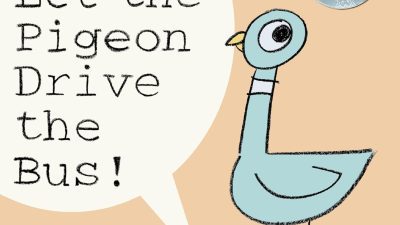
A desperate pigeon pleads, bargains, and throws a tantrum trying to convince readers to let him drive the bus. Willems’s simple drawings and speech bubbles create an interactive experience where kids get to be the authority figure. The pigeon’s escalating tactics hilariously mirror toddler negotiation strategies. This book hands power to the reader in a way that’s both funny and empowering for young children.
Don’t Let the Pigeon Drive the Bus! by Mo Willems
Don’t Let the Pigeon Drive the Bus!

-
Farmer Brown’s cows discover a typewriter and start making demands for electric blankets. When he refuses, they go on strike and stop producing milk. The absurd premise tackles concepts like negotiation, labor rights, and compromise at a kid-friendly level. Betsy Lewin’s watercolor illustrations perfectly capture the barnyard drama and the farmer’s growing frustration.
Click, Clack, Moo: Cows That Type by Doreen Cronin
Click, Clack, Moo: Cows That Type

-
In the town of Chewandswallow, weather consists of falling food until the portions become dangerously large. The fantastical concept and detailed illustrations invite endless examination and imaginative play. Barrett frames the tale as a tall tale told by a grandfather, adding a cozy narrative layer. This delightfully ridiculous story celebrates creativity and the joy of “what if” thinking.
Cloudy With a Chance of Meatballs by Judi Barrett
Cloudy With a Chance of Meatballs

-
A curious little monkey gets captured in the jungle and brought to the city where his inquisitiveness leads to trouble. George’s innocent mishaps—calling the fire department, flying away with balloons—are consequence-free adventures from a simpler time. The relationship between George and the Man with the Yellow Hat models patience and unconditional care. Despite dated elements, George’s curiosity remains a timeless trait to celebrate in children.
Curious George by H.A. Rey

-
Four stories tackle big themes: discrimination, materialism, and conflict resolution. The title story shows star-bellied and plain-bellied Sneetches learning that external differences don’t matter. “The Zax” demonstrates the stubbornness of refusing to compromise. Seuss’s trademark rhymes make these morality tales entertaining rather than preachy, though parents will catch layers kids might miss.
The Sneetches and Other Stories by Dr. Seuss
The Sneetches and Other Stories

-
Classic fairy tales get twisted into absurdist versions that break every storytelling rule. The narrator fights with characters, the table of contents appears mid-book, and the story structure constantly collapses. Lane Smith’s chaotic illustrations match the anarchic text perfectly. This postmodern picture book delights older kids and adults who appreciate its meta-humor and irreverence.
The Stinky Cheese Man and Other Fairly Stupid Tales by Jon Scieszka
The Stinky Cheese Man and Other Fairly Stupid Tales

-
A white mitten dropped in the snow becomes a cozy home for increasingly larger forest animals. Jan Brett’s intricate borders show what’s coming next, rewarding careful observers. The cumulative structure builds anticipation as readers wonder how one more animal could possibly fit. When the mitten finally bursts, it’s both the expected and still satisfying conclusion to this Ukrainian folktale.
The Mitten by Jan Brett

-
A cap peddler takes a nap under a tree, only to wake up and find monkeys have stolen his merchandise. His escalating attempts to get the caps back fail until he accidentally discovers the solution. The repetitive structure and “tsz, tsz, tsz” sounds make this perfect for toddler participation. Published in 1940, it remains a masterclass in economical storytelling and satisfying pattern.
Caps for Sale: A Tale of a Peddler, Some Monkeys and Their Monkey Business by Esphyr Slobodkina
Caps for Sale: A Tale of a Peddler, Some Monkeys and Their Monkey Business

-
The spiritual successor to “If You Give a Mouse a Cookie” follows similar circular logic with even more elaborate consequences. This moose’s requests escalate from muffins to puppet shows to sweater-making projects. The cause-and-effect chain teaches sequencing while the absurdity keeps it entertaining. Kids love predicting what will happen next in this exhausting but endearing chain reaction.
If You Give a Moose a Muffin by Laura Joffe Numeroff

-
In a cozy house where everyone is sleeping, creatures pile one by one onto a snoring granny’s bed. Don Wood’s illustrations grow progressively brighter as the story builds to its wakeful conclusion. The cumulative, rhythmic text has a lulling quality perfect for bedtime. When a flea breaks the sleeping spell, chaos erupts in a satisfying crescendo that sends everyone off to their own beds.
The Napping House by Audrey Wood

-
Seuss’s most challenging tongue twister book pits Fox against Knox in escalating wordplay battles. The alliterative phrases start simple but evolve into nearly unreadable combinations like “tweetle beetle puddle paddle battle.” Reading this aloud becomes a performance that inevitably ends in laughter and stumbles. It’s simultaneously frustrating and rewarding—a masterpiece of phonetic play that older kids love trying to master.
Fox in Socks by Dr. Seuss

-
The pigeon returns with elaborate excuses for why bedtime should be delayed. His negotiations, from “just five more minutes” to “I’m not even tired,” will sound painfully familiar to any parent. The interactive format lets kids enforce the rules for once. When the pigeon finally falls asleep mid-protest, it’s both hilarious and oddly satisfying.
Don’t Let the Pigeon Stay Up Late! by Mo Willems
Don’t Let the Pigeon Stay Up Late!

-
Young David wreaks havoc in every scene while his mother’s voice repeats “No, David!” Shannon’s deliberately crude, childlike illustrations capture the chaotic energy of toddlerhood. The catalog of misbehaviors—tracking mud, reaching for cookies, running naked—are instantly recognizable. The ending, where Mom hugs David and says “I love you,” reminds kids that limits come from love.
No, David! by David Shannon

-
A child and father venture into winter woods late at night to look for owls. Jane Yolen’s spare, poetic text captures the magical silence and anticipation of the owl-watching expedition. John Schoenherr’s illustrations bathe the snowy landscape in moonlight and shadow. This quiet, contemplative book celebrates patience, nature, and the special bond between parent and child during shared adventures.
Owl Moon by Jane Yolen

-
Trixie’s beloved stuffed bunny gets left at the laundromat, but she can’t make her father understand. Willems combines his signature cartoon style with photographs of Brooklyn, creating a unique visual style. The story perfectly captures the pre-verbal frustration of toddlerhood and the parent’s belated “oh no” moment. The triumphant ending offers relief while teaching kids that losing special things is scary but fixable.
Knuffle Bunny: A Cautionary Tale by Mo Willems
Knuffle Bunny: A Cautionary Tale

-
A Siamese kitten with an overactive imagination transforms himself into a sword-fighting Chihuahua named Skippito Friskito. The story blends English with Spanish words and phrases in a rhythmic, bouncy narration style. Schachner’s energetic illustrations match the chaotic, dream-like quality of Skippyjon’s adventures. Kids love the silly names and sounds, though the book’s cultural representation has drawn some criticism worth considering.
Skippyjon Jones by Judy Schachner

-
This beginner book focuses on simple word families and rhyming patterns perfect for early readers. Short phrases like “Pat sat. Pat sat on hat” build confidence through repetition and predictability. The absurd scenarios keep it entertaining despite the deliberately limited vocabulary. It’s organized more like a learning tool than a story, but Seuss’s humor prevents it from feeling like homework.
Hop on Pop by Dr. Seuss

-
An alphabet book where each letter gets a dedicated verse filled with alliterative absurdity. From “Big A, little a, what begins with A? Aunt Annie’s alligator” to the elaborate “Zizzer-Zazzer-Zuzz,” Seuss makes phonics memorable. The illustrations are classic Seuss—colorful, weird, and wonderful. This makes learning letters feel like entertainment rather than education.
Dr. Seuss’s ABC by Dr. Seuss

-
Boynton’s first board book presents animal sounds with her signature silly humor. Most animals make expected sounds until the pigs show up saying “la la la!” The simple text and whimsical cartoon animals make this perfect for the youngest readers. Its compact board book format has survived countless toddler investigations, making it a practical as well as entertaining choice.
Moo, Baa, La La La! by Sandra Boynton

-
The pigeon discovers a hot dog but must defend his prize from a persistent, clever duckling. Their negotiation over sharing becomes increasingly funny as the duckling’s questions grow more manipulative. The speech bubble format creates real dialogue that kids can read expressively. The ending delivers both a lesson about sharing and the pigeon’s characteristic personality.
The Pigeon Finds a Hot Dog! by Mo Willems

-
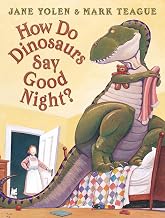
Enormous dinosaurs act out typical bedtime resistance—throwing fits, demanding stories, refusing to brush teeth. Yolen’s text asks questions (“Does a dinosaur slam his tail and pout?”) that let kids shout “NO!” The twist comes when each dinosaur demonstrates proper bedtime behavior instead. Mark Teague’s illustrations showing dinosaurs in modern homes are both absurd and charming, making behavioral lessons digestible.
How Do Dinosaurs Say Good Night? by Jane Yolen
How Do Dinosaurs Say Good Night?
-
A lion, dog, and tiger compete to balance increasingly absurd numbers of apples on their heads. The simple counting concept gets complicated with subtraction and addition as apples fall and get restacked. The chase sequence that follows is pure Dr. Seuss chaos and energy. Written under the pseudonym Theo. LeSieg, it’s prime early reader material with a competitive spirit kids enjoy.
Ten Apples Up on Top by Dr. Seuss

-
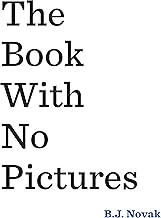
This brilliant concept book contains only words, which the adult must read exactly as printed—including ridiculous sounds and embarrassing phrases. Lines like “BLORK” and “My head is made of blueberry pizza” force readers into increasingly silly performances. Kids delight in the power reversal of making adults look foolish. It proves that books don’t need pictures when the words themselves create comedy gold.
The Book with No Pictures by B.J. Novak
-
Farmer Brown leaves his brother in charge, but Duck has secretly left instructions for the animals. The click-clacking cows and scheming duck turn the farm into a spa complete with bubble baths. This sequel to “Click, Clack, Moo” maintains the humor while showcasing Duck’s mischievous intelligence. Betsy Lewin’s expressive watercolors capture both the chaos and the farmer’s growing confusion perfectly.
Giggle, Giggle, Quack by Doreen Cronin

-
A diverse group of animals on a boat follows a bedtime routine: exercising, bathing, brushing teeth, and putting on pajamas. Boynton’s economical rhymes and simple illustrations create a soothing rhythm perfect for winding down. The routine depicted is recognizable enough to reinforce real bedtime habits. The “goodnight” ending provides the perfect conclusion to both story and day.
The Going to Bed Book by Sandra Boynton

-
Farm animals square dance through this rhythmic, toe-tapping board book. The bouncy text practically demands to be read with enthusiasm and movement. Boynton’s signature cartoon style and physical humor make each page a delight. The book’s energy might seem counterintuitive for bedtime, but many toddlers love the active participation before settling down.
Barnyard Dance by Sandra Boynton

-
Elephant and Piggie discover they’re characters in a book being read by someone. Their awareness of the reader creates meta-humor as they worry about reaching “The End.” The simple vocabulary and speech bubbles make this perfect for early readers to tackle independently. Willems finds profound sweetness in the anxiety of a story ending and the joy of being read again.
We are in a Book! by Mo Willems

-
Seuss explores opposite concepts through feet: left foot, right foot, wet foot, dry foot. The simple text and bold illustrations make this ideal for toddlers just learning these concepts. Like many Seuss books, it’s more about phonics and rhythm than plot. The silly foot scenarios keep attention while sneaking in educational content.
The Foot Book: Dr. Seuss’s Wacky Book of Opposites by Dr. Seuss
The Foot Book: Dr. Seuss’s Wacky Book of Opposites

-
Five sheep take a jeep ride that goes predictably and hilariously wrong. Nancy Shaw’s rhyming text bounces along with great rhythm, perfect for enthusiastic reading aloud. The sheep’s bad luck escalates from getting stuck in mud to crashing down a hill. Margot Apple’s illustrations show sheep with enough personality to carry the minimal text. Short, simple, and guaranteed to entertain.
Sheep in a Jeep by Nancy E. Shaw

-
This gentle rhyming book shows different animal parents settling their babies for the night. Mem Fox’s soothing, repetitive structure creates a calming rhythm perfect for bedtime. Jane Dyer’s soft illustrations glow with warmth and tenderness. The book moves from energetic animals like kittens and fish to sleepier ones, naturally guiding readers toward drowsiness.
Time for Bed by Mem Fox

-
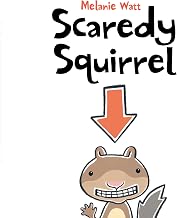
An anxious squirrel has never left his tree, spending his days following safety protocols and avoiding danger. His extensive emergency kit and detailed plans reveal an endearingly neurotic character. When Scaredy is forced to leave his tree, he discovers that new experiences aren’t always catastrophic. The book’s infographic style and humor make anxiety relatable and manageable for young readers.
Scaredy Squirrel by Mélanie Watt
-
Elephant Gerald discovers birds have nested on his head, much to his dismay and Piggie’s amusement. The deadpan humor comes from Gerald’s increasing distress and Piggie’s cheerful observations. When the birds finally leave, the punchline lands perfectly. This Elephant & Piggie book showcases Willems’s gift for creating comedy through minimal text and expressive illustrations.
There Is a Bird on Your Head! by Mo Willems

-
A shy hippo watches other animals engage in activities but always stays on the sidelines. The repetitive “but not the hippopotamus” refrain emphasizes her isolation and longing to belong. When she finally decides to join in, there’s a satisfying twist. Boynton addresses feelings of exclusion with her characteristic gentle humor, making this both fun and emotionally resonant.
But Not the Hippopotamus by Sandra Boynton

-
George the dog says “meow,” “oink,” and “moo” instead of barking, baffling his mother. A visit to the vet reveals George has been eating other animals, which the vet promptly removes. Feiffer’s simple illustrations and minimalist text let the absurd premise speak for itself. The repetitive structure makes this perfect for toddler participation, and the gross-out humor delights young audiences.
Bark, George by Jules Feiffer

-
A gloomy fish believes he’s destined to spread “the dreary-wearies” throughout the ocean. His friends try to cheer him up, but he insists his pout is permanent. When a kiss from another fish transforms his pout into a smile, he discovers he can spread joy instead. The rhyming text and repetitive “pout, pout, pout” refrain make this an engaging read-aloud about self-perception and transformation.
The Pout-Pout Fish by Deborah Diesen

-
Leonardo tries to be scary but fails miserably at being a monster. When he finally makes a boy cry, Leonardo realizes the child was already upset. The two become friends, showing that connection matters more than being frightening. Willems’s scratchy, energetic illustrations and humor make this an endearing story about self-acceptance and unexpected friendship.
Leonardo, the Terrible Monster by Mo Willems
Leonardo, the Terrible Monster

-
Duck gets a “wild idea” and rides a bike past all the other farm animals, who have skeptical thoughts. The contrast between Duck’s carefree attitude and the animals’ judgment creates gentle humor. Shannon’s illustrations show Duck’s growing confidence and joy. The ending, where all the animals secretly try the bikes, celebrates the courage to try new things despite judgment.
Duck on a Bike by David Shannon

-
A child gets in trouble for painting the walls, promises to stop, then proceeds to paint on themselves instead. Each body part gets decorated in this rhythmic read-aloud set to the tune of “It Ain’t Gonna Rain No More.” David Catrow’s illustrations show the increasing absurdity and parental exasperation. The deliberately grammatically incorrect title and exuberant rule-breaking make this especially fun for toddlers testing boundaries.
I Ain’t Gonna Paint No More! by Karen Beaumont

-
When Duckling politely asks for a cookie and gets one, Pigeon spirals into jealous indignation. Pigeon’s escalating outrage contrasts hilariously with Duckling’s innocent sweetness. The twist ending, where Duckling reveals what kind of cookie it is, delivers perfect comic timing. This Pigeon book explores jealousy and kindness with Willems’s trademark humor and expressive speech bubbles.
The Duckling Gets a Cookie!? by Mo Willems