In an increasingly digital world, understanding the basics of computer science and coding is becoming as fundamental as reading and writing. For children aged 8-12, this is a prime window to introduce these exciting concepts in a fun and engaging way, setting them up for future success and fostering critical thinking skills. These highly recommended coding books provide a structured, hands-on approach that allows kids to experiment, build, and problem-solve, transforming abstract ideas into tangible projects like games, animations, and interactive stories. If you’re also looking for other engaging reads for this age group, check out our list of Fun Books for 9-12 Year Olds.
Choosing the right book can make all the difference in sparking a child’s interest and maintaining their enthusiasm. Parents should look for resources that combine clear, age-appropriate explanations with engaging visuals and practical projects, ensuring the learning experience is both educational and enjoyable. This curated list focuses on highly-rated and popular books designed specifically to teach coding principles to elementary and middle school-aged children, covering a range of languages and approaches from visual block coding to foundational text-based programming. For kids who enjoy hands-on activities, these coding books are akin to the Best Kids Activity Books.
Our Top Book Picks
Python for Kids: A Playful Introduction To Programming by Jason R. Briggs
Python for Kids, 2nd Edition: A Playful Introduction to Programming
This widely acclaimed book offers an engaging and comprehensive introduction to Python, a versatile and beginner-friendly programming language. Briggs employs a playful approach, guiding kids through core concepts like variables, loops, and functions using easy-to-understand language and colorful illustrations. The book is packed with fun examples and projects that allow young readers to create simple games and animations, reinforcing their learning through practical application. Parents will appreciate its logical progression and thorough explanations, making it an excellent first step into text-based programming for curious 8-12 year olds.
Coding for Kids: Python by Carol Vorderman
Computer Coding Python Projects for Kids: A Step-by-Step Visual Guide by Carol Vorderman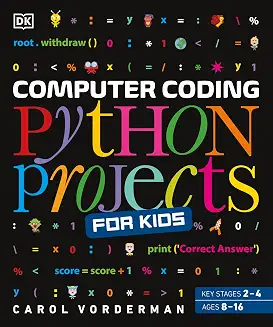
Part of the popular DK coding series, this book by Carol Vorderman provides a visually stunning and project-based introduction to Python for young learners. It breaks down complex coding concepts into digestible, step-by-step instructions accompanied by vibrant graphics and clear diagrams. Kids can follow along to build their own games and apps, gaining confidence as they see their code come to life. The book’s clear layout and practical activities make it an ideal resource for parents looking for a guided, hands-on approach to teaching their children Python programming.
Scratch Programming Playground: Learn to Program by Making Cool Games by Al Sweigart
Scratch 3 Programming Playground: Learn to Program by Making Cool Games
Scratch is a fantastic visual block-based programming language, perfect for introducing younger coders to computational thinking without the frustration of syntax errors. Al Sweigart’s book leverages Scratch’s intuitive interface to teach kids how to design and code their own games, animations, and interactive stories. Each project builds on previous skills, providing a strong foundation in programming logic, problem-solving, and creative expression. This book is a highly recommended resource for parents whose children are eager to dive into game development and appreciate a highly visual, project-driven learning experience.
Learn to Code with Minecraft: Transform Your World with the Power of Python by Craig Richardson
Learn to Program with Minecraft: Transform Your World with the Power of Python
Combining the immense popularity of Minecraft with the power of Python, this book offers an incredibly engaging pathway into coding for children. Kids learn Python by writing scripts that interact directly with their Minecraft world, allowing them to build structures instantly, create mini-games, and automate tasks. This unique approach transforms abstract coding concepts into exciting, tangible results within a familiar and beloved game environment. It’s an ideal choice for parents whose children are already Minecraft enthusiasts and need that extra motivation to explore programming and computer science.
Get Coding! Learn HTML, CSS & JavaScript & Build a Website by Duncan Beedie
Get Coding!: Learn HTML, CSS & JavaScript & Build a Website, App & Game
For kids interested in how websites are made, “Get Coding!” provides an excellent introduction to the fundamentals of web development using HTML, CSS, and JavaScript. The book offers a series of practical, hands-on projects that guide children through building their own web pages, customizing their appearance, and adding interactive elements. Duncan Beedie’s clear explanations and engaging activities demystify the process of web design, making it accessible for kids aged 8-12. This book is perfect for nurturing a budding web developer and understanding the building blocks of the internet.
Everything You Need to Ace Computer Science and Coding in One Big Fat Notebook: The Complete Middle School Study Guide (Big Fat Notebooks)

Part of the acclaimed “Big Fat Notebook” series, this book offers a comprehensive and accessible overview of computer science and coding principles for middle schoolers. It covers a broad range of topics, from binary code and algorithms to programming languages like Scratch and Python, all presented in an engaging, doodle-filled format. The book distills complex information into easy-to-understand concepts, using diagrams and memorable explanations to help kids grasp the big picture of how computers work and how to code. It’s an excellent resource for parents seeking a robust, all-in-one guide to computer science education, similar to what you might find in 9 Great Non-Fiction Books for 9-12 Year Olds.
Coding for Kids: Python: Learn to Code with 50 Awesome Games and Activities by Adrienne Tacke
Coding for Kids: Python: Learn to Code with 50 Awesome Games and Activities
This book focuses specifically on teaching Python through the exciting lens of game creation, a surefire way to capture the attention of kids aged 8-12. Sean McArdle guides young programmers through a series of increasingly complex projects, from simple guessing games to more elaborate interactive adventures. Each project introduces new Python concepts in a practical context, allowing children to see the immediate impact of their code. Its project-based approach ensures that learning is fun, hands-on, and directly applicable to building something cool, making it a great pick for aspiring game developers who are looking to learn coding for kids in a practical way.
Weekend Coder: Python for Beginners: Learn Python in 3 Days by Daniel Bandi
Weekend Coder: Python For Beginners: Learn Python In 3 Days
Designed for ambitious young learners who want to dive into Python quickly, “Coder Kids: Python in a Weekend” offers a fast-paced, project-oriented introduction. The book is structured to provide a solid foundation in Python basics through a series of engaging, manageable activities that can realistically be completed over a weekend. It emphasizes practical application and problem-solving, allowing kids to gain a sense of accomplishment by building functional programs in a short amount of time. Parents looking for an intensive, yet accessible, Python crash course for their motivated child will find this book highly effective.
Computer Coding for Kids: A Step-by-Step Visual Guide to Creating Your Own Computer Games by Jon Woodcock

Another excellent offering from Carol Vorderman and DK, this visual guide focuses on teaching fundamental coding concepts through the creation of computer games. It uses a step-by-step approach with clear, colorful illustrations to make learning enjoyable and easy to follow for kids aged 8-12. The book covers various programming principles and introduces children to different coding environments as they build their own interactive games. Its project-centric methodology and strong visual support make it an engaging and effective tool for young aspiring game designers, providing practical ways to learn computer coding for kids.
DK Coding Workbooks: Computer Coding: Scratch and Python by DK
DK Workbooks: Computer Coding with Scratch 3.0 Workbook
This workbook provides a practical, hands-on companion for children learning Scratch and Python, offering a wealth of exercises and activities to reinforce coding concepts. It’s designed to allow kids to practice and master fundamental programming skills through a series of challenges, puzzles, and mini-projects. The workbook format encourages active learning and independent problem-solving, making it an invaluable supplement to other coding resources or as a standalone practice tool. Parents will appreciate its structured approach to consolidating knowledge and building confidence in both visual and text-based coding. For a broader range of reading ideas, consider looking at 50 Must-Read Books for Elementary School.
📚 More Reading Lists from Kiddometer
- The Ultimate Reading List: Best Books for Kids by Age & Grade
- 9 Great Non-Fiction Books for 9-12 Year Olds
- Non-Fiction Books for 10-Year-Olds (Ages 9-11)
- Fun Books for 9-12 Year Olds
- Best Science Fiction Themed Books for Kids
- Books to Build Love for Math
- Award-Winning 5th Grade Books (Ages 9-11)
- Books 8-Year-Olds Will Love to Read
- 100 Books Every Child Should Read
- 100 Funny Books for Kids
- 50 Wonderful Books to Motivate Kids
Further Tips and Recommendations
There’s more to learning to code than just reading books. Combining reading with practical activities and support can make the experience even richer and more effective for your child.
- Encourage Hands-On Exploration: Provide opportunities for kids to experiment with code beyond the book. Platforms like Code.org and the online Scratch editor offer free, interactive lessons and project ideas that allow them to put their new skills into practice. This kind of playful experimentation is crucial for solidifying their understanding of programming principles.
- Join a Coding Club or Camp: Many communities offer coding clubs, workshops, or summer camps that provide structured learning environments and social interaction with peers who share similar interests. These settings can offer mentorship and collaborative project opportunities that might not be available at home.
- Foster Problem-Solving Skills: Coding is fundamentally about problem-solving, requiring a logical approach to break down challenges and find solutions. Encourage your child to approach difficulties with a growth mindset, debug their code, and think creatively to find multiple ways to achieve their goals. Coding, like math, requires logical thinking.
- Balance Screen Time with Other Activities: While coding is screen-based, ensure a healthy balance with outdoor play, creative arts, and other non-digital activities to promote overall development. A well-rounded approach ensures children grow in all areas, preventing excessive focus on screens.
- Utilize Your Local Library: Libraries often have a fantastic selection of coding books for kids, access to online learning resources, and sometimes even host coding workshops for kids. These resources can be a cost-effective way to explore different programming topics before investing in new materials. Beyond coding, expanding their knowledge with books like those found in Non-Fiction Books for 10-Year-Olds (Ages 9-11) can further broaden their horizons. Also, for those 8-year-olds taking their first steps into reading beyond picture books, there are many Books 8-Year-Olds Will Love to Read. Exploring computer science can also lead to an interest in topics covered in Best Science Fiction Themed Books for Kids or learning about Most Popular Books Involving Robots. Finally, don’t forget to check out Award-Winning 5th Grade Books (Ages 9-11) for additional engaging reading options.