Introduction
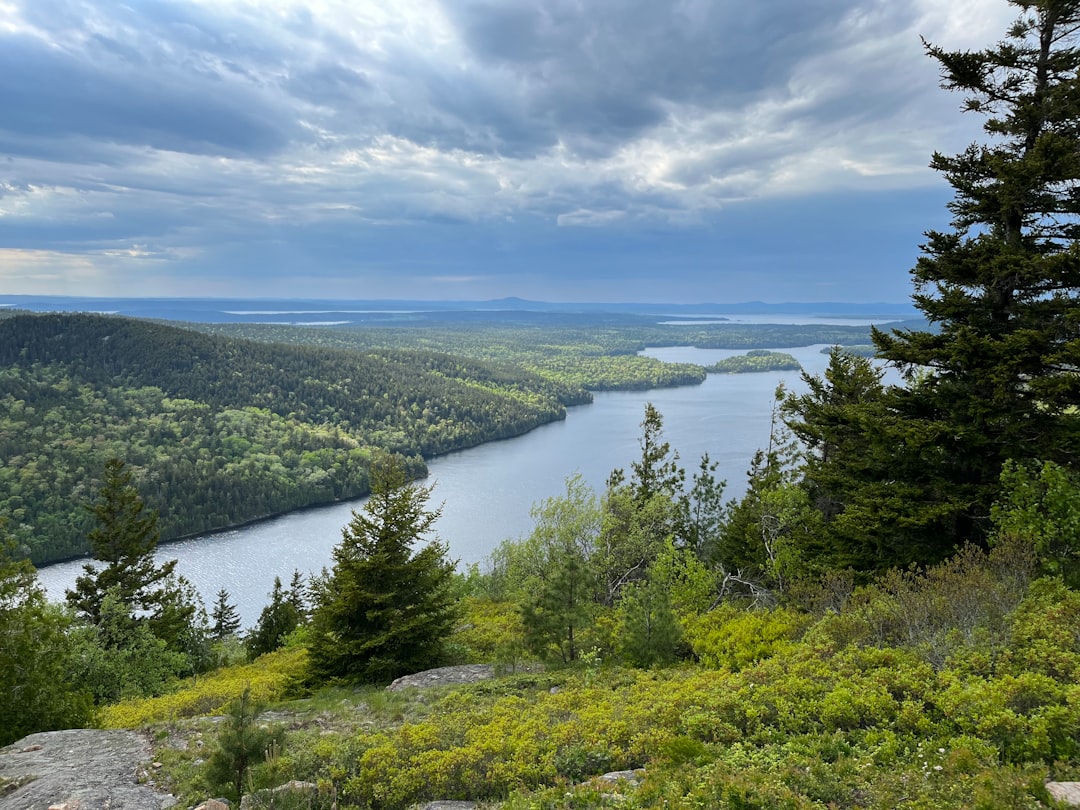
Acadia National Park, nestled along the rugged coast of Maine, offers an unparalleled adventure for families seeking a blend of mountains, rocky coastline, and serene woodlands. It is truly an exceptional destination for families looking to create lasting memories in the great outdoors. With its diverse landscape, Acadia provides accessible fun for various age groups, ensuring everyone from toddlers to teens will find something to love.
This park is a wonderland of outdoor activities, from exploring the historic carriage roads to witnessing breathtaking sunrises atop Cadillac Mountain. Don’t miss the iconic Bass Harbor Head Light, a picturesque lighthouse perched on a granite foundation. Fun fact: Acadia holds the distinction of being the first national park east of the Mississippi River, largely thanks to generous private land donations that helped establish and expand it. Planning a trip to Acadia National Park with kids promises a unique blend of adventure, education, and natural beauty.
Filter out the noise and find what works for your family.
Every resort we review gets one of four Family Fit ratings. The rating is based on kids programming, amenities, vibe, and who the resort actually markets to - not just whether they allow children.
Discover My Ideal Resort →Best Time to Visit
Summer (July-August)
Summer in Acadia National Park offers the warmest weather, making it ideal for swimming at Sand Beach or Echo Lake, and perfect for boat tours that might even spot puffins. During these months, all park amenities, visitor centers, and ranger programs are in full swing, providing a wealth of activities for families. However, this is also peak season, so be prepared for larger crowds and ensure you book accommodations and popular activities well in advance.
Shoulder Seasons (May-June & September-October)
Visiting during the shoulder seasons provides a more tranquil experience with pleasant temperatures and fewer crowds compared to the bustling summer months. Spring brings blooming wildflowers, while autumn transforms the park into a spectacular display of fall foliage. Families will appreciate the quieter trails and easier parking. Keep in mind that some services or facilities might have limited hours or close earlier in the late shoulder season, so it’s wise to check the park’s official website before your trip.
Winter (November-April)
Winter transforms Acadia into a snowy wonderland, offering unique opportunities for cross-country skiing and snowshoeing. The park takes on a serene, quiet beauty during these colder months, appealing to families who enjoy winter sports. It is important to note that access to certain areas, like the Park Loop Road, is significantly limited or closed. For families with very young children, winter might be challenging due to cold temperatures and reduced accessibility, making it more suitable for those with older, more adventurous kids.
Getting There
Nearest Airports
When flying to Acadia National Park with kids, your closest major airport options are Bangor International Airport (BGR) and Portland International Jetport (PWM). Bangor is approximately a 1.5-hour drive to the park, making it the most convenient choice. Portland is about a 3-hour drive, offering more flight options but a longer commute to your final destination in Maine.
Driving & Parking
Driving into the park is a common choice for families, offering flexibility for exploring at your own pace. The Park Loop Road, a scenic 27-mile route, provides access to many key attractions but has seasonal closures, typically from December through April. An entrance fee is required, either per vehicle or per person, so consider purchasing an annual National Park Pass if you plan to visit multiple parks. Parking at popular spots like Jordan Pond or Cadillac Mountain can be extremely challenging, especially during peak season, so plan to arrive early or utilize timed entry reservations where applicable. A fantastic alternative is the free Island Explorer shuttle bus, which runs seasonally and provides convenient transportation throughout the park and surrounding towns, reducing traffic and parking stress.
Accessibility for Strollers & Wheelchairs
Acadia National Park strives to be inclusive for all visitors, including families with young children or those with mobility considerations. Several trails and areas are designed to be stroller or wheelchair-friendly. The Carriage Roads, with their smooth, gravel surfaces, are excellent for sturdy strollers. Additionally, sections of the Ocean Path are accessible, offering beautiful coastal views without rough terrain. Check visitor centers for detailed maps highlighting specific accessible routes, ensuring everyone can enjoy the park’s beauty.
Tips for Long Car Trips with Kids
Long car trips can be daunting, but with a little preparation, they can be part of the adventure when traveling to Acadia National Park with kids. Pack a cooler with healthy, easy-to-eat snacks and plenty of water to keep everyone fueled. Plan for frequent rest stops at playgrounds or scenic overlooks to let children burn off energy. Engaging car games, sing-alongs, and audiobooks can make the journey fly by. For ideas on comfortable seating, consider an ultimate guide to travel car seats for kids to ensure safety and comfort for your little ones.
Where to Stay: Family-Friendly Bases
Inside Acadia National Park
Staying inside Acadia National Park offers an immersive experience, with campgrounds like Blackwoods, Seawall, and Schoodic Woods providing a true connection to nature. These campgrounds offer basic amenities, including restrooms and water, with some sites accommodating RVs. The main advantage is proximity to trails and attractions, but disadvantages include limited facilities compared to hotels and the necessity of advance reservations, which are absolutely crucial, especially during peak season.
Nearby Towns & Communities
Several charming towns surround Acadia National Park, each offering a distinct atmosphere for families. Bar Harbor is the most popular, bustling with restaurants, shops, and amenities, and acts as a central hub for park access. For a quieter, more upscale feel, Northeast Harbor offers picturesque harbor views and quaint shops. Southwest Harbor provides a more authentic, working-harbor experience with a laid-back vibe. All these towns offer convenient access to the park, allowing you to choose the environment that best suits your family’s preferences.
Hotel & Vacation Rental Considerations
When selecting accommodations, consider what best supports your family’s needs. Hotels and resorts often come with kid-friendly amenities such as swimming pools, complimentary breakfasts, or family suites with extra space. Vacation rentals, on the other hand, provide the benefit of more room, separate bedrooms, and crucially, kitchen facilities, which can be a game-changer for preparing meals and saving money. This is particularly useful when visiting Acadia National Park with kids, as it allows for flexibility with meal times and dietary needs.
Booking Tips
Acadia National Park is an incredibly popular destination, especially from late spring through fall. It is paramount to book accommodations well in advance, particularly if you are planning a trip during the summer months or the vibrant fall foliage season. Popular hotels, vacation rentals, and campsites fill up quickly, sometimes even a year out, so early planning will secure your preferred family-friendly base and avoid last-minute stress.
Things to Do
Kid-Friendly Hikes & Walks
Acadia offers a variety of trails suitable for all ages and fitness levels, making it easy to enjoy the outdoors when visiting Acadia National Park with kids. The Ocean Path is an easy, scenic walk along the coast, offering stunning views and accessible sections for strollers. Along this path, you can experience the thunderous spray of Thunder Hole and marvel at the dramatic cliffs of Otter Cliff.
The Jordan Pond Path is a moderate, relatively flat loop around the picturesque Jordan Pond, famous for its popovers and tea at the Jordan Pond House. For those interested in tide pooling, the Wonderland Trail and Ship Harbor Trail are easy loops that lead to rocky shorelines, best explored at low tide to discover marine life.
For a slightly more adventurous, yet still kid-friendly experience, the Bubble Rock Trail is a short, moderate hike leading to the iconic “Bubble Rock” precariously perched on the edge of a cliff, offering fantastic panoramic views. If your family is up for a moderate climb, the Gorham Mountain Trail rewards hikers with breathtaking coastal vistas, a truly memorable experience for older children.
- Ocean Path: Easy, scenic, stroller-friendly in parts, Thunder Hole, Otter Cliff.
- Jordan Pond Path: Moderate, flat loop, popovers at Jordan Pond House.
- Wonderland Trail & Ship Harbor Trail: Easy loops, tide pools (low tide best).
- Bubble Rock Trail: Short, moderate, iconic rock, great views.
- Gorham Mountain Trail: Moderate climb, fantastic coastal panoramas.
Junior Ranger Program
Engage your children with the park’s Junior Ranger Program, a fantastic way to make learning fun and interactive. Children can pick up activity booklets at any park visitor center, complete age-appropriate tasks like scavenger hunts and nature observations, and participate in ranger-led programs. Upon completion, they’ll earn an official Junior Ranger badge, a cherished memento of their visit to Acadia National Park with kids.
Wildlife Viewing Opportunities
Acadia National Park is teeming with wildlife, offering exciting viewing opportunities for the whole family. Keep an eye out for seals basking on rocks, a variety of seabirds, including the chance to spot puffins on dedicated boat tours, and white-tailed deer foraging in the woodlands. While rarer, lucky visitors might even catch a glimpse of a moose. Always remember to observe wildlife from a safe and respectful distance, never disturbing or feeding the animals.
Water Activities & Picnic Spots
When the weather is warm, Sand Beach offers a unique ocean swimming experience, although the water can be quite chilly even in summer. For freshwater swimming, Echo Lake Beach provides warmer, calmer waters perfect for younger children. The park boasts numerous scenic picnic areas with facilities, ideal for a relaxed family lunch amidst nature. Popular spots often include tables and restrooms, making them convenient for a mid-day break.
Exploring the Carriage Roads
The historic carriage roads, funded by John D. Rockefeller Jr., span 45 miles and offer a car-free paradise for exploration. Families can enjoy biking on these gravel paths, taking leisurely walks, or even experiencing a charming horse-drawn carriage tour. These roads wind through diverse landscapes, past lakes, mountains, and over picturesque stone bridges, providing a safe and scenic way to explore Acadia National Park with kids.
Cadillac Mountain Summit
A visit to Cadillac Mountain summit is a must, especially for the incredible sunrise or sunset views. As the highest point on the North Atlantic seaboard, it’s often one of the first places in the United States to see the sunrise. During peak season, timed entry reservations may be required to drive to the summit, so check the NPS website in advance to secure your spot for this unforgettable experience.
Tide Pooling
Tide pooling is a thrilling activity for curious young minds. The best locations for tide pooling include the rocky shores accessible from the Wonderland Trail and Ship Harbor Trail. Remember to visit at low tide when the tide pools are exposed, revealing fascinating marine creatures like crabs, sea stars, and anemones. Always tread carefully on slippery rocks and teach children to observe marine life gently and respectfully, leaving everything as they found it.
Packing Smart: Essentials for Families
Clothing for Varied Weather
Acadia’s coastal weather can be unpredictable, often changing rapidly throughout the day, even in summer. Layering is key for everyone in the family, so pack a mix of short and long-sleeved shirts, sweaters or fleeces, and a waterproof jacket. Hats and gloves can also be surprisingly useful, especially for early morning excursions or cooler evenings by the ocean. Being prepared for varying temperatures ensures comfort for all while exploring Acadia National Park with kids.
Footwear
Proper footwear is crucial for enjoying Acadia’s diverse terrain. Adults and older children will benefit from sturdy hiking shoes or boots with good ankle support for the trails. For younger children, or for exploring the rocky beaches and tide pools, water shoes are an excellent choice. Consider reviewing guides like the best hiking shoes for kids or best kids waterproof trail shoes to make sure everyone’s feet are comfortable and protected.
Snacks & Meal Prep
Bringing your own snacks and planning some meals can save both money and stress, especially with picky eaters. Pack a variety of healthy, non-perishable snacks like granola bars, fruit, and crackers. Reusable water bottles are essential for staying hydrated on trails. A good cooler, along with meal ingredients for sandwiches or easy picnic fare, will be invaluable. This approach allows you to cater to your kids’ preferences and ensures you always have food on hand for hungry adventurers.
Baby Gear & Stroller Recommendations
For families with babies and toddlers, selecting the right gear can make all the difference. An all-terrain stroller is highly recommended for navigating gravel paths and some smoother trails, while a compact stroller might be better for town excursions. For more rugged trails or keeping little ones close, a baby carrier can be invaluable. For those seeking a compact option, an essential guide to compact airline-friendly strollers might be useful, even if you are driving.
Safety Essentials
Safety should always be a top priority when exploring a national park. A comprehensive first aid kit is non-negotiable for minor scrapes and bites. High-SPF sunblock is essential for protecting sensitive skin from the sun, even on cloudy days. Insect repellent, particularly effective against ticks and mosquitoes, is a must-have for woodland trails. Finally, headlamps or flashlights are crucial for early morning sunrises, late evening strolls, or in case of unexpected delays on the trail.
Activity-Specific Gear
To enhance your family’s experience, consider packing a few activity-specific items. Binoculars can turn wildlife viewing into an exciting scavenger hunt for kids. Small backpacks for each child allow them to carry their own water bottle and treasures. Swimsuits, beach towels, and sand toys are a must for visits to Sand Beach or Echo Lake, ensuring fun in the water. These small additions can make a big difference in enjoyment for Acadia National Park with kids.
Food & Dining Logistics
Onsite Dining Options
Dining options within Acadia National Park are limited but offer unique experiences. The famous Jordan Pond House is renowned for its delicious popovers served with tea, a perfect treat after a walk around the pond. Beyond that, you’ll find limited snack bars at certain visitor centers or popular viewpoints, offering basic refreshments. It’s wise to plan meals in advance, as these options can be popular and might involve a wait.
Picnic Areas
Acadia National Park is dotted with numerous scenic picnic spots, making self-catered meals a delightful and budget-friendly option for families. Many areas feature picnic tables and restrooms, providing convenient stops for lunch with breathtaking views. Pack a cooler with your favorite foods and enjoy a relaxed meal amidst the park’s natural beauty, which is a great way to enjoy Acadia National Park with kids.
Grocery Stores & Markets
For stocking up on supplies, you’ll find several grocery stores and markets in Bar Harbor and the surrounding towns. Hannaford in Bar Harbor is a popular choice for a wide selection of groceries. Smaller local markets also offer fresh produce and regional specialties. These stores are ideal for purchasing ingredients for picnics, snacks, or cooking meals if your accommodation has kitchen facilities.
Tips for Bringing Your Own Food
Bringing your own food is a smart strategy for families visiting Acadia National Park with kids, offering flexibility and cost savings. Invest in a good quality cooler and reusable containers to keep food fresh and minimize waste. Pre-chop vegetables, assemble sandwiches, and pack individual portions for easy grab-and-go meals on the trails. Remember to pack out everything you pack in, including all trash.
Allergy-Friendly Options
For families managing food allergies, planning ahead is crucial. Research restaurant menus online in advance to identify allergy-friendly options or call ahead to speak with staff. Packing a significant portion of your own safe foods and snacks is often the best strategy, ensuring your child has appropriate meals throughout the day. Always carry necessary medications, such as EpiPens, and inform any dining establishments of severe allergies.
Safety First: Protecting Your Family
Wildlife Safety
Observing wildlife is a highlight of visiting Acadia National Park with kids, but it’s essential to do so safely. Always maintain a respectful distance from all animals, and never, under any circumstances, feed them. Be aware of common park inhabitants like ticks, which can carry Lyme disease; check yourselves and your children thoroughly after hikes. Also, learn to identify poison ivy and avoid contact. Educating children about these precautions beforehand can prevent unexpected issues.
Trail Safety
When hitting the trails, staying on marked paths is paramount for safety and protecting the park’s delicate ecosystems. Always carry a map, even on well-worn routes, and consider downloading an offline map app for areas with no cell service. Inform someone of your hiking plans and estimated return time. Understand the trail difficulty ratings and choose hikes appropriate for the youngest or least experienced member of your group. Always check weather forecasts before heading out, as conditions can change rapidly.
Hydration & Sun Protection
Staying hydrated is crucial, especially during warmer months or on strenuous hikes. Carry ample water for everyone in your family, more than you think you’ll need. Consistently apply high-SPF sun protection to all exposed skin, even on cloudy days, as UV rays can still be strong. Wide-brimmed hats and sunglasses also offer additional protection from the sun.
Emergency Contacts & Ranger Stations
Familiarize yourself with the locations of ranger stations and visitor centers upon arrival; these are your primary resources for information and assistance. In an emergency, dial 911. Be aware that cell service can be spotty or nonexistent in certain areas of the park, particularly on trails or in more remote sections. Consider carrying a satellite messenger for truly remote adventures, but for most family activities, staying near well-traveled areas is sufficient.
Cliff and Ocean Safety
Acadia’s dramatic coastline features stunning steep cliffs and powerful ocean currents, which can be beautiful but also dangerous. Constant supervision of children is absolutely critical when near elevated areas or the water’s edge. Educate children about the dangers of slippery rocks, rogue waves, and never turning their back on the ocean. Emphasize staying behind guardrails and away from cliff edges, ensuring a safe experience for everyone.
Money & Budget Tips
Entry & Activity Fees
When planning your trip to Acadia National Park with kids, be aware of the park entrance fees. These can be purchased per vehicle or per person, and passes are typically valid for seven days. If you plan on visiting multiple national parks within a year, an annual National Park Pass (America the Beautiful Pass) can be a cost-effective investment. Additionally, specific activities or tours, such as boat trips for whale watching or carriage tours, will incur separate costs. Budget for these in advance to avoid surprises.
Budget-Friendly Strategies
Exploring Acadia National Park with kids doesn’t have to break the bank. A great way to save money is by considering an annual National Park Pass if it fits your travel plans. Packing picnic lunches and plenty of snacks for day trips dramatically cuts down on dining expenses. Utilize the park’s free ranger programs for educational and entertaining activities. Choosing lodging a little further from the most popular tourist hubs or opting for campgrounds can also significantly reduce accommodation costs.
Nearby Affordable Meal & Grocery Options
While Bar Harbor offers many dining choices, some can be pricey. For more cost-effective meal options, consider exploring eateries a bit outside the main downtown area or in smaller, less touristy towns nearby. Grocery stores in Bar Harbor, Ellsworth, or Trenton will be your best friends for stocking up on supplies for self-prepared meals, snacks, and drinks, which is often the most budget-friendly approach for families.
Sample Itinerary: Making the Most of Your Time
Half-Day Adventure for Young Kids (Ages 2-6)
A half-day in Acadia National Park with young kids should focus on short, engaging activities balanced with plenty of rest. Start with a scenic drive along a portion of the Park Loop Road, making quick stops at overlooks like Sand Beach for a peek at the ocean. Enjoy a picnic lunch at a designated area, allowing kids to stretch and play. Afterward, head to Echo Lake Beach for some gentle freshwater swimming or sand play. Emphasize flexibility and allow for spontaneous moments of discovery, ensuring little ones don’t get overtired.
Full-Day Exploration for Older Children (Ages 7-12)
For elementary and middle-school-aged children, a full day allows for more active exploration. Begin with a moderate hike like the Bubble Rock Trail to the iconic Balancing Rock, offering both adventure and great views. In the afternoon, rent bikes and explore a section of the historic carriage roads, enjoying the car-free environment. Alternatively, plan a visit to Cadillac Mountain for a memorable sunset experience, ensuring you have timed entry reservations if required. This itinerary balances physical activity with engaging sights for Acadia National Park with kids.
Multi-Day Immersion (All Ages)
A 3-4 day plan provides ample time for a deeper exploration of Acadia National Park with kids, blending activities suitable for different age groups. Dedicate one day to the main Park Loop Road attractions, including Thunder Hole and Otter Cliff, perhaps with a short section of the Ocean Path. Another day could focus on the “Quiet Side” (Southwest Harbor area) for tide pooling at Wonderland Trail and a visit to Bass Harbor Head Light. Include a mix of hiking, biking, and town exploration in Bar Harbor. Alternate active days with more relaxed ones, perhaps enjoying a ranger program or a boat tour, ensuring everyone stays engaged and refreshed throughout the trip.
Extra Tips for Parents
Keeping Kids Engaged on Hikes
To make hikes fun and interactive for children, turn them into an adventure! Create nature scavenger hunts with a list of things to find (e.g., a smooth stone, a pinecone, a specific type of leaf). Play “I spy” with natural objects, or encourage them to identify different plants and animals they encounter. Letting children take turns leading a safe section of the trail can also give them a sense of ownership and excitement. For more ideas on exploring national parks, check out our family vacation guide to Zion National Park or best family-friendly hikes in Grand Canyon National Park.
Managing Different Age Groups
Balancing the needs and interests of children with varying ages and energy levels requires strategy and compromise. Consider splitting up for certain activities; one parent might take older kids on a challenging hike while the other enjoys a gentler walk or beach time with younger children. Encourage older siblings to help and lead younger ones. Planning a mix of active and relaxed days or activities that appeal to a wide range of ages (like tide pooling or the Junior Ranger program) is key to a harmonious trip for Acadia National Park with kids.
Tips for Camping with Kids (If Applicable)
If your family chooses to camp in Acadia, preparation is essential for a smooth experience. Involve kids in setting up the tent and gathering firewood (where permitted) to build excitement. Pack comfort items like favorite stuffed animals, pillows, and extra blankets for cozy nights. Plan easy, fun camping meals, and don’t forget s’mores! Make sure to review park rules regarding campfires and food storage to keep both your family and local wildlife safe. For general family camping tips, you might find inspiration from our Yellowstone family national park guide.
Photography Tips
Capturing memorable family photos in Acadia’s stunning landscapes is a must. Focus on natural light, especially during the “golden hours” of sunrise and sunset, for the most beautiful shots. Encourage candid moments of your children exploring, laughing, and interacting with nature rather than forcing poses. Utilize iconic backdrops like Bass Harbor Head Light, Cadillac Mountain, or the rugged coastline to frame your family, creating timeless images of your adventure to Acadia National Park with kids.
Resources & Links
Official Park Website
For the most current and comprehensive information on Acadia National Park, including up-to-date alerts, operating hours, road closures, and reservation details, always refer to the official National Park Service website: NPS.gov/Acadia. This resource is essential for planning your trip to Acadia National Park with kids.
Local Tourism Resources
For additional area information, local events, and a wider range of accommodation and dining options outside the park, check out local tourism boards or chambers of commerce. The Bar Harbor Chamber of Commerce website is a great starting point for resources in the main gateway community.
Maps, Trail Guides & Downloadable Apps
Before and during your visit, make use of available maps and guides. The official NPS app is highly recommended for offline maps and real-time park information. Apps like AllTrails can provide detailed trail maps and user reviews. You can also purchase physical maps and trail guides at any of the park’s visitor centers upon arrival, which are invaluable for navigating the park and choosing suitable trails like those found in family trails in Zion National Park.
Conclusion
Acadia National Park truly stands out as an ideal family vacation destination, offering a breathtaking blend of mountains, ocean, and forest that caters to every age and interest. From exploring easy coastal paths and tide pools to biking historic carriage roads and witnessing glorious sunrises from Cadillac Mountain, Acadia provides endless opportunities for outdoor adventure and discovery. The diverse landscape, combined with numerous kid-friendly activities and accessible options, ensures that every family member, regardless of age or mobility, can experience the magic of this unique park. Start planning your adventure to Acadia National Park with kids today, and get ready to create lasting memories that your family will cherish for years to come. Don’t forget to explore Kiddometer’s other resources to help streamline your trip planning and make your next family vacation unforgettable!
- Family Vacation Guide to Zion National Park
- Best Family-Friendly Hikes in Grand Canyon National Park
- Yellowstone Family National Park Guide
- Grand Canyon Family Stroller Travel
- Family Trails in Zion National Park
- Best Hiking Shoes for Kids
- Best Kids Waterproof Trail Shoes
- Best Compact Airline-Friendly Strollers
- Ultimate Guide to Travel Car Seats for Kids
- Essential Guide: Travel Diaper Bags & Organizers
- Wikivoyage page on Acadia National Park
Plan a trip your kids will actually enjoy.
Answer a few quick questions and get a free, personalized itinerary tailored to your destination and your children’s ages. No account required — your custom plan is ready in moments.
Filter out the noise and find what works for your family.
Every resort we review gets one of four Family Fit ratings. The rating is based on kids programming, amenities, vibe, and who the resort actually markets to - not just whether they allow children.
Discover My Ideal Resort →