Embarking on a family adventure to Rocky Mountain National Park doesn’t have to break the bank. This majestic expanse of mountains, valleys, and wildlife offers an unparalleled natural playground for children and adults alike, making it an ideal destination for budget-conscious travelers. With a little foresight and strategic planning, your family can experience the wonder of Rocky Mountain National Park without overspending, ensuring memories that last a lifetime.
The key to a truly affordable trip when visiting Rocky Mountain National Park on a budget lies in understanding the park’s seasons and how they impact costs. Peak season, typically summer, brings crowds and higher prices for lodging and services. By opting for shoulder seasons, you can often find significant savings and a more serene experience.
Filter out the noise and find what works for your family.
Every resort we review gets one of four Family Fit ratings. The rating is based on kids programming, amenities, vibe, and who the resort actually markets to - not just whether they allow children.
Discover My Ideal Resort →Planning a Budget-Friendly Family Trip to Rocky Mountain National Park
Rocky Mountain National Park is an extraordinary destination for families looking to connect with nature without emptying their wallets. Its vast landscapes and numerous activities are inherently budget-friendly, as much of the entertainment comes directly from the stunning natural environment. By planning your trip strategically, especially with regard to when you visit and how you manage expenses, you can significantly reduce overall costs.
Why Rocky Mountain National Park is Perfect for Budget Families
National Parks, like Rocky Mountain National Park, are treasures that offer immense value. The natural beauty of soaring peaks, alpine lakes, and winding rivers provides endless, free entertainment for children. Kids can explore vast open spaces, marvel at wildlife, and breathe in fresh mountain air without the need for expensive tickets or costly attractions found in many commercial destinations. It’s a place where imagination can run wild, fueled by the sheer grandeur of the outdoors.
Best Times to Visit for Savings
To truly save money when visiting Rocky Mountain National Park on a budget, consider traveling during the shoulder seasons. Late spring (May to early June) or early fall (September to early October) typically offer reduced lodging costs and fewer crowds compared to the bustling summer months. While some high-elevation roads or trails might still be snow-covered in spring or see early snowfalls in fall, you’ll still have access to a wealth of beautiful areas, often with the bonus of vibrant wildflowers or stunning fall foliage. Always check weather conditions and road closures before you go, as mountain weather can be unpredictable.
Setting Your Rocky Mountain National Park Budget
Creating a realistic budget is the first step to a stress-free family vacation. Begin by listing all potential expenses, from transportation and lodging to food and activities. Prioritize your spending by deciding what aspects of the trip are most important to your family and where you can comfortably cut back. Tracking your expenses throughout the trip, even with a simple spreadsheet or app, will help you stay on track and prevent overspending.
Understanding Entrance Fees & the “America the Beautiful” Pass
Knowing the ins and outs of entrance fees is fundamental to visiting Rocky Mountain National Park on a budget. While there is a fee to enter the park, several options can help families save money, especially if you plan to visit multiple national parks within a year. Additionally, programs like the “Every Kid Outdoors” pass provide fantastic opportunities for free access, and national fee-free days can offer a great way to experience the park at no charge.
Rocky Mountain National Park Entrance Fees
Rocky Mountain National Park typically charges fees per vehicle, per person, or per motorcycle for entry. These fees are usually valid for seven consecutive days, allowing ample time to explore. Keep in mind that RMNP often implements a timed-entry reservation system during peak seasons and hours to manage visitor traffic. To save money and reduce stress, book your timed-entry reservation as soon as they become available, or plan your visit outside of the timed-entry windows if your schedule allows, such as early morning or late afternoon, when reservations might not be required. Always check the official NPS website for the most current fee schedule and timed-entry requirements.
Maximizing Savings with the “America the Beautiful” Pass
The annual “America the Beautiful” National Parks and Federal Recreational Lands Pass is a game-changer for families who love exploring. For a single annual fee, this pass grants access to over 2,000 federal recreation sites, including all national parks, for one year from the month of purchase. It covers the pass owner and all passengers in a single private non-commercial vehicle at per-vehicle fee areas, or up to four adults at per-person fee areas (children under 16 are usually free). This pass truly pays off if your family plans to visit Rocky Mountain National Park and even just one or two other national parks or federal sites within a 12-month period, much like how it could benefit you when planning a Grand Canyon Family National Park budget trip or a Zion National Park Family Budget Travel adventure.
Free Access with the “Every Kid Outdoors” Pass
If you have a 4th grader in your family, you’re in luck! The “Every Kid Outdoors” program provides a free annual pass to all U.S. fourth graders and their families. This incredible initiative allows the entire family (the 4th grader, their parents, and up to three accompanying adults or all occupants of a single vehicle) free entry to national parks and federal lands for a full year. To obtain the pass, simply visit the Every Kid Outdoors website, have your 4th grader complete a short activity, and print the paper voucher to exchange for a durable pass at any federal recreation site that issues passes, including Rocky Mountain National Park visitor centers. It’s a fantastic way to encourage young explorers and enjoy significant savings.
Free Entrance Days in 2026
The National Park Service offers several fee-free days throughout the year to encourage everyone to visit and enjoy the national parks. For 2026, these dates typically include Martin Luther King, Jr.’s Birthday (January), the first day of National Park Week (April), the Anniversary of the Great American Outdoors Act (August), National Public Lands Day (September), and Veterans Day (November). While visiting on these days means free entry to Rocky Mountain National Park, be prepared for potentially larger crowds, as many other families will also be taking advantage of the free access. Plan to arrive early, consider less popular areas of the park, and always check the official NPS website for the exact 2026 dates and any specific guidelines for Rocky Mountain National Park.
Where to Find Affordable Family Lodging
Finding the right place to stay is often the largest expense when visiting Rocky Mountain National Park on a budget. Fortunately, families have several options, from immersive camping within the park to more traditional budget-friendly accommodations in the charming gateway towns. Booking well in advance is almost always key to securing the best prices, especially during popular seasons.
Camping in Rocky Mountain National Park: The Ultimate Budget Stay
Camping directly within Rocky Mountain National Park offers an unbeatable blend of affordability and immersion in nature. Campgrounds like Moraine Park and Glacier Basin provide basic amenities, stunning views, and the unique experience of waking up surrounded by the Rockies, usually at a much lower cost per night than hotels. Reservations are almost always required and can be competitive, so book your site up to six months in advance through Recreation.gov. When camping with kids, remember essential gear such as warm sleeping bags, a reliable tent, and cooking supplies to make the experience comfortable and enjoyable. It’s an adventure in itself, fostering a deep connection with the park.
Budget-Friendly Hotels & Motels in Gateway Towns
For families who prefer solid walls and a private bathroom, the gateway towns of Estes Park and Grand Lake offer a range of budget-friendly hotels and motels. Look for properties slightly off the main tourist strips or those with older decor, as they often come with lower price tags. Visiting during the shoulder seasons can also unlock better deals. Many establishments offer amenities like complimentary breakfast or kitchenettes, which can significantly reduce food costs, making your stay even more economical when visiting Rocky Mountain National Park on a budget. Always check reviews for cleanliness and family-friendliness before booking.
Vacation Rentals (Airbnb/VRBO) for Families
Vacation rentals can be a fantastic cost-effective option for larger families or those planning longer stays, offering more space and the invaluable addition of a full kitchen. Search for rentals slightly outside the immediate tourist hotspots of Estes Park and Grand Lake to find better values. Having a kitchen allows you to prepare your own meals, saving a significant amount compared to eating out for every meal. Look for properties that explicitly state family-friendly amenities and read reviews from other families.
Alternative Lodging Options (e.g., Dispersed Camping, National Forests)
For the truly adventurous and budget-conscious, legal dispersed camping in surrounding national forests can offer free or very low-cost lodging. Areas within the Arapaho and Roosevelt National Forests, which border Rocky Mountain National Park, may offer dispersed camping opportunities. It’s crucial to understand and adhere strictly to all rules and regulations for dispersed camping, including Leave No Trace principles, fire restrictions, and any permit requirements. These spots often lack amenities like restrooms or water, so be prepared to be self-sufficient. Always research specific national forest districts for current regulations and designated dispersed camping areas before you go.
Eating on a Budget: Picnic Spots & Grocery Runs
Food expenses can quickly add up on a family vacation, but when visiting Rocky Mountain National Park on a budget, this is one of the easiest areas to save significantly. Packing your own meals and snacks allows you to control costs and enjoy delicious food amidst breathtaking scenery. A simple grocery run before heading into the park can make a world of difference.
Why Packing Food Saves Big
Consider the cumulative cost of eating out three meals a day for a family of four for several days. It can easily amount to hundreds of dollars. By preparing and packing your own breakfast, lunch, and snacks, you can save a substantial amount, often allowing those funds to be redirected to other memorable experiences or saved entirely. Meal planning ahead of time and packing efficiently with a good cooler ensures you have delicious, healthy options readily available, saving both money and time during your exploration.
Best Grocery Stores Near Rocky Mountain National Park
Before entering the park, stock up on essentials at one of the convenient grocery stores in the gateway towns. In Estes Park, you’ll find a Safeway, offering a wide selection of groceries, fresh produce, and bakery items, along with local markets that might provide unique finds. On the Grand Lake side, local grocery stores offer staples for your camping or picnic needs. Plan a stop to load up on sandwich fixings, fruit, vegetables, snacks, drinks, and any ingredients for campfire cooking or easy dinners at your lodging. Check their hours beforehand, especially if arriving late.
Top Free Picnic Areas in Rocky Mountain National Park
Rocky Mountain National Park is dotted with incredibly scenic picnic areas, offering free “dining rooms” with unparalleled views. Sprague Lake is a perennial family favorite, featuring picnic tables, restrooms, and an easy, flat loop trail perfect for a post-meal stroll around the lake with younger children. Lily Lake also provides lovely picnic spots with stunning mountain backdrops and a gentle walking path. Along the Colorado River in the Kawuneeche Valley, you’ll find several pull-offs and picnic spots where you can enjoy your meal accompanied by the soothing sound of the river and perhaps even spot some wildlife. These locations provide not just a place to eat but a peaceful, immersive experience for the entire family.
Hydration & Snacks: Keeping Costs Down
Staying hydrated and fueled is crucial when exploring the park, especially with active kids. Avoid expensive purchases at visitor center gift shops or small park stores by bringing your own reusable water bottles for everyone. The park has water filling stations at visitor centers. Pack homemade snacks like trail mix, fruit, and granola bars to keep energy levels high without constantly buying overpriced alternatives. This simple habit not only saves money but also reduces waste and ensures your family has access to healthy options throughout the day.
Top Free Things to Do with Kids in Rocky Mountain National Park
One of the greatest joys of visiting Rocky Mountain National Park on a budget is realizing just how much there is to do that costs absolutely nothing beyond your park entrance fee. The park offers an abundance of high-value, family-friendly activities that provide incredible educational opportunities and unforgettable experiences without requiring extra permits, tour fees, or significant expenditures.
Easy & Scenic Family Hikes
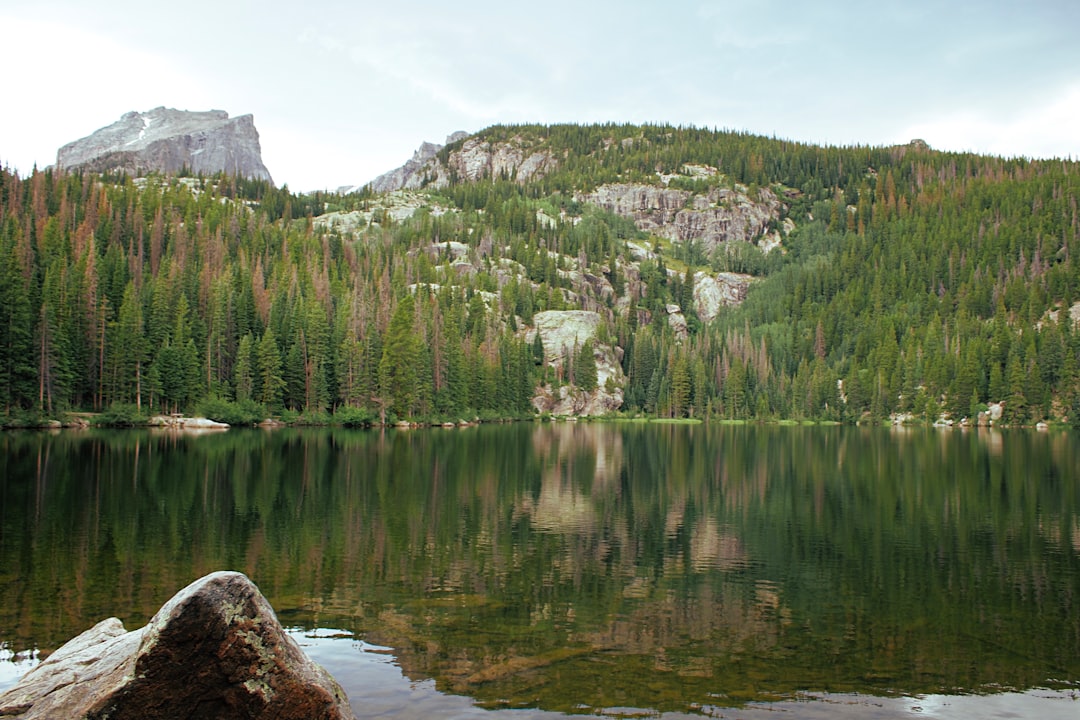
Rocky Mountain National Park is home to numerous trails perfect for little legs and budding explorers. The Bear Lake Nature Trail is a classic, paved, accessible loop that is fantastic for all ages, offering stunning reflections of the surrounding peaks. The Sprague Lake Loop is another easy, relatively flat trail, less than a mile long, circling a serene lake with picnic tables nearby. On the Grand Lake side, trails like the East Inlet Trail (the first mile or two to Adams Falls) provide a more natural, forest-like experience with a beautiful waterfall reward. These trails emphasize scenic beauty and accessibility, making them ideal for families. If you are looking for more great family trails, check out our guides for Best Family-Friendly Hikes: Grand Canyon National Park and Yellowstone Family Trails & Hikes.
Engaging Ranger-Led Programs
The National Park Service rangers are incredible resources, offering a variety of free, engaging programs that are perfect for kids. Look for Junior Ranger activities, where children can complete a workbook to earn a badge, learning about the park’s ecology, history, and wildlife. Guided walks offer interpretive insights into the local environment, making a simple stroll much more educational. Evening programs, often held at campground amphitheaters, feature talks on wildlife, astronomy, or conservation, providing entertainment and learning under the stars. These programs are wonderful for fostering an appreciation for nature.
Wildlife Viewing Hotspots
Spotting wildlife is a highlight for many families, and Rocky Mountain National Park provides ample (and free!) opportunities. Early mornings and late evenings are generally the best times to spot elk, deer, and bighorn sheep. The Kawuneeche Valley on the park’s west side and Moraine Park and Horseshoe Park on the east side are prime locations for elk viewing. For bighorn sheep, look around Sheep Lakes in Horseshoe Park, especially during summer. Remember to always view wildlife ethically: keep a safe distance, never feed animals, and use binoculars to get a closer look without disturbing them. This natural spectacle is a true gift of the park.
Driving the Scenic Byways (Trail Ridge Road & Old Fall River Road)
Experiencing the stunning landscapes by car is a fantastic way to cover a lot of ground and enjoy the views with kids, especially when some are too young for long hikes. Trail Ridge Road, the highest continuous paved road in North America, offers breathtaking alpine tundra vistas and numerous pull-offs for short walks and panoramic photos. Old Fall River Road provides a historic, slower-paced drive up to the Alpine Visitor Center, with beautiful forests and waterfalls. Remember that both roads are seasonal, typically opening late May/early June and closing in October/November due to snow. Check current road conditions before planning your drive.
Visitor Center Exploration
The park’s visitor centers, such as the Beaver Meadows Visitor Center near Estes Park and the Kawuneeche Visitor Center near Grand Lake, offer excellent free resources. Here, families can find informative exhibits about the park’s geology, wildlife, and history, often with hands-on displays that kids love. Watch short park films that bring the landscapes and creatures to life, and pick up maps and brochures. While gift shops are present (optional purchase!), the educational content and ranger interactions alone make these centers a valuable and free stop.
How to Save on Gear & Equipment
Equipping your family for a trip to Rocky Mountain National Park doesn’t have to be a major expense, even when visiting Rocky Mountain National Park on a budget. Making smart decisions about what gear you truly need versus what’s nice to have, and exploring options like renting or borrowing, can significantly cut down on costs. Focus on safety and comfort for your little adventurers.
Rental vs. Buying: What Makes Sense for Your Family
Before purchasing every item on a packing list, consider whether renting or borrowing might be more cost-effective. For specialized items like snowshoes for a single winter trip or a bear canister for a backcountry excursion, renting from local outfitters in Estes Park or Grand Lake often makes more sense than buying something you might only use once. For more common items, check with friends and family to see if you can borrow gear. This approach helps prevent overspending on items that may not see frequent use.
Essential “Must-Have” Gear for Rocky Mountain National Park
Certain items are critical for safety and comfort in the Rockies, regardless of the season. Layered clothing is paramount, as mountain weather can change rapidly. A waterproof jacket is a non-negotiable for unexpected rain or snow showers. Sturdy, comfortable hiking shoes are essential for exploring trails; consider investing in quality footwear, perhaps even Best Kids Waterproof Trail Shoes or checking out our full list of Best Hiking Shoes for Kids. Don’t forget hats, sunscreen, and sunglasses for sun protection at high altitudes. A well-stocked first-aid kit is also a must-have for any outdoor adventure, ensuring minor scrapes and blisters don’t derail your fun.
“Nice-to-Have” Gear: Where to Cut Costs
While items like binoculars for wildlife viewing, specialized camera gear, or trekking poles can enhance your experience, they aren’t strictly necessary for an enjoyable trip. If you already own them, great! If not, consider if they truly fit your budget priorities. You might be able to find affordable binoculars at a discount store, or even borrow a pair from a friend. Remember, the primary goal is to enjoy the park’s natural beauty, which doesn’t require the most expensive equipment. Focus on the essentials first, then add “nice-to-haves” if your budget allows without stress.
Smart Packing Strategies to Avoid Extra Fees
If you’re flying to Colorado, minimizing luggage can save you a bundle on airline baggage fees. Aim to pack light by coordinating outfits, bringing travel-sized toiletries, and choosing versatile clothing items. For road trips, strategic packing maximizes space in your vehicle, allowing for comfort and organization. Utilize packing cubes, roll clothes tightly, and make sure essential items are easily accessible. This not only saves money but also reduces stress by ensuring a smoother travel day, letting you focus more on the excitement of your Family Vacation Adventures: Grand Canyon or Family Vacation Guide: Zion National Park.
- Family Vacation Adventures: Grand Canyon
- Family Activities in Grand Canyon
- Grand Canyon Family National Park Budget Guide
- Best Family-Friendly Hikes: Grand Canyon National Park
- Family Vacation Guide: Zion National Park
- Zion National Park Family Budget Travel
- Yellowstone Family National Park Guide
- Yellowstone Family Trails & Hikes
- Best Kids Waterproof Trail Shoes
- Best Hiking Shoes for Kids
- Wikivoyage page on Rocky Mountain National Park
Plan a trip your kids will actually enjoy.
Answer a few quick questions and get a free, personalized itinerary tailored to your destination and your children’s ages. No account required — your custom plan is ready in moments.
Filter out the noise and find what works for your family.
Every resort we review gets one of four Family Fit ratings. The rating is based on kids programming, amenities, vibe, and who the resort actually markets to - not just whether they allow children.
Discover My Ideal Resort →