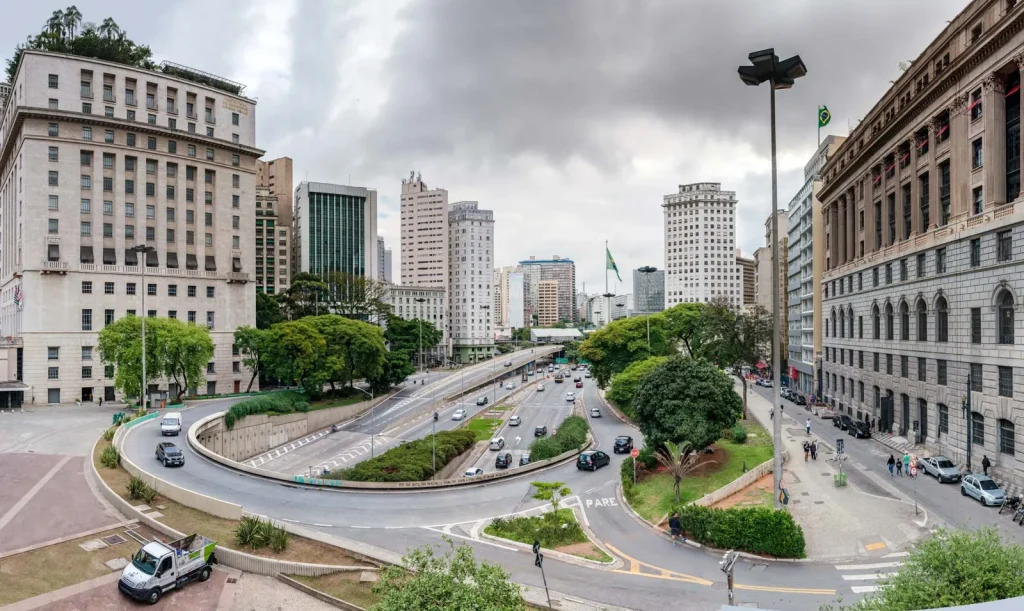
São Paulo, South America’s largest city, can initially appear as an overwhelming maze for families venturing into its vibrant heart. Its sheer size, sprawling neighborhoods, and infamous traffic demand a thoughtful approach to getting around, especially when you’re navigating with children in tow. However, with a little planning, the city’s extensive public transportation network, modern in many parts, proves efficient for reaching key attractions, while ride-sharing apps offer a convenient and safe alternative. While getting around Madrid with kids, getting around Paris with kids, or even getting around Miami with kids might feel more straightforward, mastering São Paulo’s logistics ensures a smoother family trip. Understanding local traffic regulations, stroller accessibility on public transit, and the availability of child car seats in taxis and rental cars is absolutely crucial. Prioritizing these logistics allows families to fully immerse themselves in São Paulo’s rich culture, expansive green spaces, and incredible culinary scene without being bogged down by urban challenges. By planning your routes ahead, using real-time traffic apps, and choosing the right mode of transport for each journey, you’ll transform potential logistical hurdles into enjoyable adventures for your family while getting around Sao Paulo with kids.
Logistics at a Glance: Family Transport Options
When planning how to move your family through São Paulo, it’s helpful to weigh the pros and cons of each major transport method. This quick comparison will give you a snapshot of what to expect, helping you choose the best option for each leg of your journey in this bustling city.
Filter out the noise and find what works for your family.
Every resort we review gets one of four Family Fit ratings. The rating is based on kids programming, amenities, vibe, and who the resort actually markets to - not just whether they allow children.
Discover My Ideal Resort →| Option | Pros for Families | Cons for Families | Best Use Cases |
|---|---|---|---|
| Rental Cars | Flexibility for day trips, ability to carry luggage/gear, ensures car seat availability (if pre-booked). | Severe traffic congestion, expensive and difficult parking, high toll costs, navigation can be stressful. | Regional excursions, visiting attractions outside the immediate city center, families with very specific car seat needs. |
| Public Transit | Economical, extensive network (Metro, CPTM, buses), children under 5 often travel free, Bilhete Único offers integrated fares. | Can be crowded, limited stroller accessibility in older Metro stations, buses subject to traffic, requires some walking to/from stations. | Exploring central districts, reaching major attractions efficiently, budget-conscious travel. |
| Ride-Sharing (Uber/99) | Door-to-door convenience, cashless payment, driver tracking, option to request car seats (Uber Kids/99 Cadeirinha). | Car seat availability can be limited/require longer waits, surge pricing during peak hours, subject to traffic delays. | Airport transfers, evening outings, when convenience outweighs cost, specific car seat requirements within the city. |
| Walking | Great for local exploration, free, allows for spontaneous discoveries, excellent for parks. | Not suitable for inter-neighborhood travel due to vast distances, sidewalks can be uneven, requires appropriate footwear. | Within parks like Ibirapuera, exploring specific neighborhoods (e.g., Vila Madalena), short distances from Metro/bus stops. |
The Transit Network: A Detailed Breakdown
Rental Cars
Navigating São Paulo by car offers a certain freedom, particularly for those planning excursions beyond the city limits. Remember that driving is on the right-hand side of the road, and while major highways are generally well-maintained, local streets can have varying quality and may develop potholes after heavy rains. Traffic congestion is a significant factor, especially during weekday peak hours (7-10 AM and 5-8 PM), making travel times highly unpredictable. Parking is notoriously challenging and expensive in popular central and upscale districts like Jardins, Pinheiros, Itaim Bibi, and Bela Vista, often requiring “Zona Azul” digital credits or private parking garages.
For families, understanding Brazil’s strict traffic code (CTB) regarding child restraint systems is paramount. Children up to 7.5 years old are mandated to use specific car seats based on their age, weight, and height. Infants up to 1 year (or 13 kg) require a rear-facing infant seat, children aged 1 to 4 years (9-18 kg) need a forward-facing child car seat, and children aged 4 to 7.5 years (15-36 kg) must use a booster seat. Children from 7.5 to 10 years old, or under 1.45m in height, must ride in the back seat with a booster seat or a seatbelt if they are over 1.45m tall. Major international car rental agencies such as Hertz, Avis, Budget, Localiza, and Movida operate at Guarulhos (GRU) and Congonhas (CGH) airports, as well as various city locations. They do offer child safety seats for an additional daily fee, but advance booking is highly recommended due to limited availability, especially for specific types like infant versus toddler seats.
Public Transportation
São Paulo boasts an extensive and increasingly modern public transportation network that can be a lifesaver for families. The Metrô de São Paulo is a clean, efficient subway system with multiple lines (e.g., Line 1-Blue, Line 2-Green, Line 3-Red, Line 4-Yellow, Line 5-Lilac, Line 15-Silver Monorail) that effectively connects many of the city’s main attractions and business districts. Complementing the Metro is the CPTM (Companhia Paulista de Trens Metropolitanos), a suburban rail system that extends reach to wider metropolitan areas, integrating seamlessly with the subway. The city also operates a vast bus network, SPTrans, covering virtually every corner, though bus travel can be affected by the city’s notorious traffic congestion. For intercity travel to surrounding municipalities, EMTU (Empresa Metropolitana de Transportes Urbanos) buses are available.
Stroller accessibility on the Metro is continually improving, with many newer stations and renovated older ones now featuring elevators and ramps. However, some older, busier stations may still primarily have stairs, which can present a challenge with larger strollers. For this reason, compact, foldable strollers are highly recommended for ease of use. On buses, designated spaces are available, but they can become very crowded during rush hour, so plan your journeys accordingly. A fantastic benefit for families is that children up to 5 years old travel free on the Metro, CPTM, and SPTrans city buses when accompanied by a paying adult. The most practical and economical option for families to utilize this network is the Bilhete Único, a rechargeable smart card valid across all Metro, CPTM, and bus networks. This card allows for integrated fares, offering discounts or even free transfers within a 3-hour period for subsequent rides, providing excellent value. You can purchase and recharge these cards easily at Metro stations and newsstands throughout the city.
Taxis & Ride-Sharing
For convenience and an added layer of safety, ride-sharing applications are often preferred by families getting around Sao Paulo with kids. The most popular apps in São Paulo are Uber and the local Brazilian app, 99. Cabify is also present but less widely used. These apps offer cashless payment, real-time route tracking, and driver identification, which significantly enhances both convenience and peace of mind. Both Uber and 99 provide options to request vehicles equipped with child car seats, typically under services like “Uber Kids” or “99 Cadeirinha.” These services allow you to select an infant car seat (up to 13kg), a toddler car seat (9-18kg), or a booster seat (15-36kg) for an additional fee. It’s important to note that while these car seat services are available, their supply can be limited, especially outside of peak hours or central areas, so be prepared for potentially longer waiting times. Pre-booking or allowing extra time before your journey is highly advisable.
For safety, ride-sharing apps are generally recommended over hailing street taxis for tourists with families. Apps provide transparent pricing, driver ratings, and recorded trip details, reducing the chance of misunderstandings or fare issues. While licensed white taxis with blue stripes can be hailed on the street or found at designated stands, verifying the meter’s activation and avoiding potential fare manipulation can be a concern for non-Portuguese speakers. Opting for a ride-share offers a more controlled and predictable experience, which is invaluable when traveling with children. Want a custom plan? Use our personalized Itinerary Generator for Sao Paulo!
Your Arrival: Airport & Train Station Transfers
São Paulo is a major gateway, served by two primary airports and a vast central bus terminal. The main international arrival point is São Paulo/Guarulhos – Governador André Franco Montoro International Airport (GRU), situated approximately 25 kilometers northeast of the city center. Congonhas Airport (CGH) primarily handles domestic flights and is much closer, located in the south-central districts of the city. For long-distance bus travel across Brazil, the immense Terminal Rodoviário do Tietê serves as one of the world’s largest bus terminals. Ensuring a smooth transfer from these hubs is vital for a stress-free start to your family adventure.
For families arriving at GRU, the most common international arrival point, you have two top options:
- Fastest Train (Airport Express + Metro): The CPTM Airport Express train offers a quick connection from GRU to Luz Station in central São Paulo, taking approximately 35 minutes. The fare for the express train is around R$10, plus the standard Metro fare of R$5 for any onward connections you might need. From Luz, you can easily transfer to various Metro lines to reach your final accommodation. While cost-effective for individual adults, the total travel time to areas like Paulista Avenue can range from 60 to 90 minutes, depending on connections and wait times, which might be a consideration with children and luggage. This can be a great option for families with older children who enjoy trains and don’t have excessive luggage.
- Most Convenient Private Transfer: For families seeking maximum convenience, especially with luggage and young children after a long flight, pre-booked private car services, airport taxis, or ride-share apps (such as Uber Black/Comfort or 99Executivo) are highly recommended. These services offer door-to-door convenience, directly taking you from the airport to your lodging. The journey duration from GRU to central São Paulo varies significantly with traffic, typically ranging from 45 to 90 minutes. Costs for ride-share apps generally range from R$120-R$250, while pre-booked private transfers can cost R$200-R400+. Private transfers also offer the best possibility to pre-arrange specific car seats for your children, ensuring compliance with local laws and your peace of mind. Considering which are the most child-friendly airports worldwide, and planning your ground transport carefully from GRU is key to starting your São Paulo trip on the right foot.
A 3-Day Transit-First Itinerary
Day 1: City Center Discovery (Focus: Walkability and central Metro)
Morning: Begin your São Paulo adventure in the historic heart of the city, easily accessible by Metro. Take Metro Line 1 (Blue) or Line 3 (Red) to Sé Station. From here, you can explore the impressive Praça da Sé and its imposing cathedral, a cornerstone of São Paulo’s history. A short walk will lead you to Pátio do Colégio, recognized as the birthplace of the city. Continue your exploration by strolling down the pedestrianized Rua Direita, admiring the historic architecture that tells tales of São Paulo’s past. Ensure the family has comfortable footwear; check out our guides for the best kids footwear, men’s travel footwear, and women’s travel flats to keep everyone happy on their feet.
Afternoon: Hop back on Metro Line 1 (Blue) and head to Luz Station. Here, you can visit the magnificent Pinacoteca de São Paulo, which often hosts engaging art exhibitions suitable for families – it’s always a good idea to check their current schedule. Don’t forget to marvel at the historic Estação da Luz itself, an architectural gem. Alternatively, take the Metro to Republica Square to enjoy the impressive art deco buildings surrounding a central park, perfect for a relaxed afternoon with the kids.
Day 2: Park & Play Adventure (Focus: Using local buses to reach green spaces)
Morning: Dedicate your morning to Ibirapuera Park, São Paulo’s largest and most beloved urban park. You can reach it conveniently by taking a local bus; for example, Lines 5154-10 from Metro Ana Rosa or 675L-10 from Santa Cruz will take you to one of the park’s main entrances. Once inside, your family can enjoy the extensive playgrounds, wander through the tranquil Japanese Garden, and consider checking the schedule for the Planetário (planetarium) for a cosmic adventure. Bicycles and pedal cars are available for rent, offering a fun way for families to explore the park’s vast grounds together.
Afternoon: From Ibirapuera, a short bus ride or a quick ride-share will transport you to Vila Madalena. This bohemian neighborhood is famous for its vibrant street art, most notably at Beco do Batman. Spend time exploring the colorful alleys, admiring the ever-changing murals, and then settle down for a delightful snack at one of the many family-friendly cafes scattered throughout the area. It’s a fantastic spot for memorable photos and soaking in local culture.
Day 3: Day Trip Exploration (Focus: Regional rail or car rental)
Option A (Regional Rail – CPTM): For a relaxed cultural excursion, consider a trip to Embu das Artes. Take CPTM Line 9-Emerald from Pinheiros to Santo Amaro, then transfer to Line 8-Diamond. The journey typically takes about 1 hour and 15 minutes. Embu das Artes is a charming town renowned for its artisan market, colonial architecture, and numerous craft shops. It offers a pleasant, family-friendly experience with unique finds and a calmer pace than the city, providing a different perspective when getting around Sao Paulo with kids and its surroundings.
Option B (Car Rental – if visiting specific attractions further out): If you prefer to cover more ground or visit attractions best reached by car, renting a car for the day is a viable option. You could visit Parque da Mônica, a popular indoor amusement park based on a famous Brazilian comic, located inside Shopping SP Market. It’s approximately a 30-45 minute drive south of the city and is ideal for younger children looking for an exciting day. Alternatively, embark on a drive to the coastal city of Santos (approximately 1.5-2 hours drive, with tolls) for a refreshing beach day and a visit to the Santos Aquarium, offering a delightful change of scenery and a chance to enjoy the ocean breeze.
Regional Excursions: Accessibility & Reach
Santos
Santos is a fantastic coastal city suitable for families, renowned for hosting the largest port in Latin America. It offers inviting sandy beaches, which are protected by seawalls and gardens, a wonderful aquarium that captivates children, and a charming historic tramway. Compared to the bustling energy of São Paulo, Santos provides a generally relaxed atmosphere, making it an ideal destination for either a day trip or an overnight stay to fully enjoy the ocean and its attractions.
How to get there:
- Car rental: Driving to Santos from São Paulo takes approximately 1.5 to 2 hours, depending on traffic, via the well-maintained Rodovia dos Imigrantes or Rodovia Anchieta. Both routes are toll roads, with costs typically ranging around R$30-R$40 one way. Having a rental car provides the flexibility to explore beyond the immediate beach areas in Santos and discover more of the coastline at your own pace.
- Intercity Bus: Frequent and comfortable intercity buses depart from São Paulo’s Terminal Rodoviário do Tietê directly to Santos. Companies like Cometa and Viação Ultra offer reliable services. The journey typically takes 1.5 to 2 hours, with tickets costing R$25-R$40 per person. Buses are generally a reliable and cost-effective option, and often children under 6 travel free if seated on a parent’s lap.
Campinas
Campinas is a significant city located in the interior of São Paulo state, offering several family-friendly attractions that are worth the trip. Highlights include Parque Portugal (Portugal Park), which features a planetarium for budding astronomers, a classic carrousel, and expansive green spaces perfect for children to play and explore. Families can also visit Fazenda Monte D’Este for a traditional Brazilian farm experience, complete with animals and various rural activities. It’s an excellent choice for kids interested in science, nature, or getting a taste of rural Brazilian life.
How to get there:
- Car rental: Driving to Campinas takes approximately 1.5 hours via the Rodovia dos Bandeirantes or Rodovia Anhanguera. Both are excellent toll roads, with tolls typically around R$20-R$30 one way. A rental car offers the most flexibility to visit both the city’s attractions and the surrounding rural areas or farms, allowing you to tailor your day to your family’s interests.
- Intercity Bus: Regular bus services connect São Paulo’s Terminal Rodoviário do Tietê to Campinas, operated by reputable companies such as Cometa and Viação Ultra. The journey typically lasts 1.5 to 2 hours, with tickets ranging from R$30-R$50 per person. Buses provide a straightforward and cost-effective way to reach the city center of Campinas, making it accessible even without a rental car.
Noteworthy Local Transport Experiences
Beyond simply getting from point A to point B, São Paulo and its surroundings offer a few unique transport experiences that can be memorable for families. These aren’t just practical rides; they’re attractions in themselves.
- Historic Tramway in Santos: If your family takes a day trip to Santos, make sure to experience the city’s “bondes turísticos” (historic trams). These charming trams offer a nostalgic 40-minute tour of Santos’ historic center, providing a delightful and relaxing way for families to see the old town’s architecture and feel a connection to the past. It’s a wonderful, slow-paced activity that appeals to all ages.
- Monorail (Linha 15-Prata): While officially integrated into the Metrô system, São Paulo’s Silver Line (Linha 15-Prata) is actually an elevated monorail. Riding this sleek, modern train offers a unique, futuristic transport experience and provides elevated views of the eastern zones of São Paulo. For children fascinated by trains, urban landscapes, and modern engineering, this ride can be particularly exciting and a fun way to see a different part of the city from above.
- Family Travel Guides
- Most Child-Friendly Airports Worldwide
- Getting Around Madrid with Kids
- Getting Around Paris with Kids
- Getting Around Miami with Kids
- Best Compact Airline-Friendly Strollers
- Ultimate Guide: Travel Car Seats for Kids
- Your Guide to the Best Kids Footwear
- Best Men’s Travel Footwear for Comfort & Durability on Active Trips
- Best Women’s Travel Flats
- Wikivoyage page on Sao Paulo
Plan a trip your kids will actually enjoy.
Answer a few quick questions and get a free, personalized itinerary tailored to your destination and your children’s ages. No account required — your custom plan is ready in moments.
Filter out the noise and find what works for your family.
Every resort we review gets one of four Family Fit ratings. The rating is based on kids programming, amenities, vibe, and who the resort actually markets to - not just whether they allow children.
Discover My Ideal Resort →
![Ultimate Guide to [destination] Copenhagen](https://kiddometer.com/wp-content/uploads/2026/02/Ultimate-Guide-to-destination-pic-34-400x225.jpg)