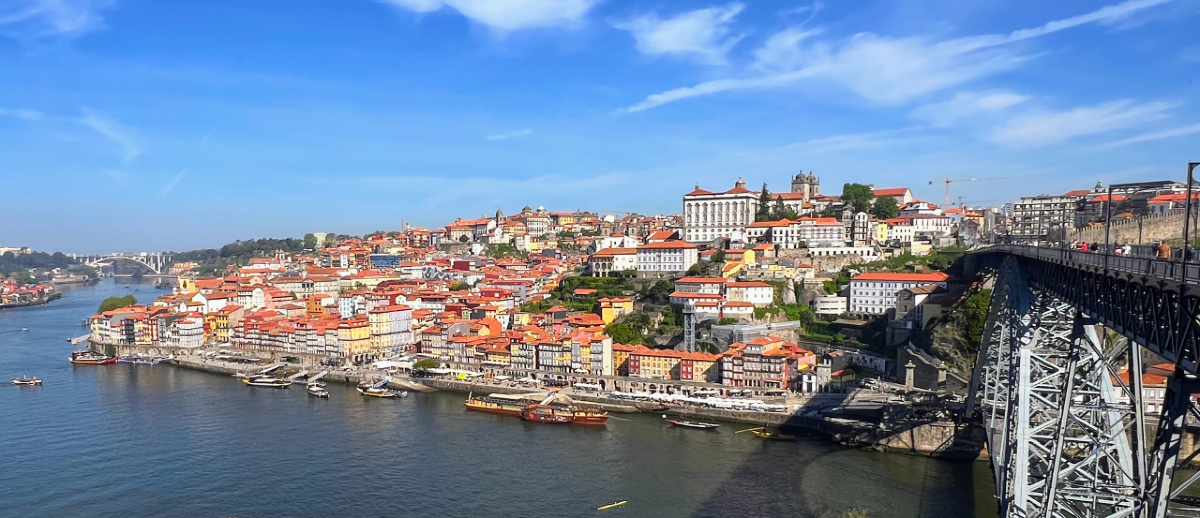
Porto’s enchanting landscape, with its steep hills and charming cobblestone streets, offers a captivating backdrop for a family adventure. This distinctive topography adds immensely to the city’s character but also presents unique logistical considerations when you’re exploring with children in tow. While the historic Ribeira district and the wider city center are compact enough for delightful strolls, those significant gradients can quickly become challenging for strollers and weary young legs, especially during longer excursions.
Thankfully, Porto is exceptionally well-equipped with a robust and integrated public transportation network that includes modern metro lines, extensive bus routes, and historic trams. This makes it entirely feasible to navigate the city seamlessly without the need for a private vehicle. The majestic Douro River elegantly divides Porto from Vila Nova de Gaia, with several iconic bridges connecting the two, each offering unique perspectives and practical routes for crossing. Understanding the specific nuances of each transport option – from the efficiency of the metro to the delightful charm of a vintage tram ride, or the sheer convenience of ride-sharing when little legs are just done – is paramount for planning a smooth and enjoyable family trip. Often, the most flexible and comfortable approach for families discovering Porto involves a multi-modal strategy, cleverly combining walking with public transit and occasional private transfers. This guide will help you master getting around Porto with kids, ensuring your family enjoys every moment.
Filter out the noise and find what works for your family.
Every resort we review gets one of four Family Fit ratings. The rating is based on kids programming, amenities, vibe, and who the resort actually markets to - not just whether they allow children.
Discover My Ideal Resort →Logistics at a Glance: Family Transport Options
When planning your family’s movements across Porto, you’ll encounter a variety of transport choices, each with its own advantages and drawbacks tailored to different types of travel within the city and beyond. Understanding these options will help you decide the best way for your family to be getting around Porto with kids, ensuring comfort and efficiency.
Rental Cars
A rental car offers unparalleled flexibility, particularly if your family plans on extensive day trips to destinations like the Douro Valley, Braga, or Guimarães, allowing you to explore at your own pace. However, navigating Porto’s narrow, hilly, and frequently one-way streets can be a significant source of stress for drivers, and parking in the city center is both scarce and expensive, with garages like Parque da Alfândega, Trindade, and Aliados incurring substantial daily costs. Be prepared for tolls on major highways, for which a Via Verde transponder is highly recommended, and note that access to many historic pedestrian zones is limited. Typically, a rental costs between €30-€60 per day, plus fuel, tolls, and parking. This option is best suited for families whose priority is extensive regional exploration outside of Porto’s immediate urban area, rather than urban sightseeing.
Public Transit
Porto boasts an extensive and integrated public transit network that includes its modern Metro, the comprehensive STCP buses, and charming historic trams, offering a cost-effective and environmentally friendly way to see the city. Using an Andante Card or the specific Andante Tour Card provides excellent value, making it affordable for families to travel widely, while also offering a genuine local cultural experience, especially on the vintage trams. Be aware that public transport can become crowded during peak hours, and some older buses and historic trams have limited space or accessibility challenges for strollers due to steps. While navigating multiple zones and transfers might seem a bit confusing initially, it quickly becomes intuitive, though you’ll still encounter some walking, often uphill, to reach stops and your final destinations. A single trip on an Andante Azul card costs approximately €1.20-€2.00 depending on zones, while a 24-hour Andante Tour Card is €7.00 (Z2) and a 72-hour card is €15.00 (Z2). Public transit is an excellent choice for exploring Porto’s main attractions efficiently and affordably, with the Metro being particularly stroller-friendly.
Ride-Sharing (Taxis/Apps)
Ride-sharing services and traditional taxis provide convenient door-to-door transportation, which is ideal for tired children, late-night returns, or hassle-free airport transfers with luggage. Apps allow for pre-booking and often provide upfront pricing, offering transparency, and while car seats can sometimes be requested, their availability is not guaranteed and may lead to longer wait times. This option is generally more expensive than public transport for regular use and is subject to city traffic delays. Short city rides typically cost €5-€10, while airport transfers range from €20-€30. Ride-sharing is highly convenient for specific journeys, such as when children are exhausted, for carrying lots of gear, or for quickly navigating Porto’s hilly terrain.
Walking
Walking remains the quintessential way to truly immerse yourselves in Porto’s vibrant atmosphere, stumble upon hidden gems, and admire the captivating street art. It’s completely free and offers the flexibility to pause whenever a small cafe or an interesting shop catches your eye, with many of the core historical and tourist areas being relatively compact and well-connected on foot. However, Porto’s reputation for being very hilly is well-deserved, meaning you’ll encounter numerous steep ascents and descents, and the omnipresent cobblestone streets can be quite challenging for strollers and generally uncomfortable for extended walks. This can be particularly exhausting for young children, potentially leading to fatigue and meltdowns, so comfortable, sturdy footwear is essential for everyone. Walking is ideal for exploring specific neighborhoods like Ribeira but demands stamina, careful planning, and either a robust, maneuverable stroller or a comfortable baby carrier for younger children.
The Transit Network: A Detailed Breakdown
Delving deeper into Porto’s transit options reveals how each system caters to different family needs, from navigating the city’s unique terrain to ensuring comfort and safety for your little travelers. This detailed breakdown will assist you in figuring out the best strategies for getting around Porto with kids effectively.
Rental Cars
For families considering a car rental, it’s important to understand the local driving conditions. In Portugal, driving is on the right-hand side of the road, which is crucial to remember for those accustomed to left-hand traffic. Major highways (autoestradas) are generally excellent and well-maintained but typically come with tolls, while city roads within Porto, especially in older districts, can be surprisingly narrow, steep, and frequently cobbled, often featuring complex one-way systems. Parking in central areas is notoriously challenging and costly, with underground car parks like Parque da Alfândega, Trindade, and Aliados charging €2-€3 per hour and up to €20-€30 per day, and street parking being limited and metered. For family logistics, Portugal has strict car seat laws: children under 135 cm (approximately 4 feet 5 inches) and under 12 years old must use an appropriate child restraint system (car seat or booster) suited to their height and weight. Infants require a rear-facing seat, toddlers a forward-facing one, and older children a booster seat. Major international rental companies such as Hertz, Europcar, Avis, Sixt, and Budget, available at Francisco Sá Carneiro Airport (OPO) and city locations, all offer child seats for an additional daily fee (typically €5-€15 per day, often capped around €50-€70 per week), and advance booking for these is highly recommended to ensure availability.
Public Transportation
Porto’s public transportation system is comprehensive and efficient, making getting around Porto with kids surprisingly manageable. The Metro do Porto is a modern subway system with six lines (A, B, C, D, E, F), serving as a primary mode of transport, with Line E (Purple Line) connecting directly to Porto Airport (OPO). The STCP Buses offer an extensive network, reaching areas beyond the Metro, including the scenic coastal Foz do Douro and Parque da Cidade. For a taste of history, the Elétricos (Historic Trams), also operated by STCP, run three main lines: Line 1 for a picturesque riverside journey, Line 18 for a shorter central ride, and Line 22 for a popular city center loop, though these are more for the experience than efficient transit. Additionally, the Funicular dos Guindais provides a steep, quick ascent between the Ribeira district and Batalha Square, near the Porto Cathedral, offering panoramic views and integrating seamlessly with the Andante ticketing system.
For families, stroller accessibility varies: the Metro is generally good, with most stations featuring elevators or escalators and modern trains providing dedicated stroller space. Newer STCP buses also have low floors and ramps, improving accessibility, but older models or crowded buses might still present challenges. The historic trams, however, are largely inaccessible for strollers due to their narrow interiors and high steps, making a baby carrier highly recommended for families wanting to enjoy this unique ride. The Funicular dos Guindais is stroller-friendly with ample space. Children under 4 years old generally travel free on Porto’s Metro and STCP buses/trams when accompanied by an adult, but it’s always wise to confirm the latest policy upon arrival. For the best value, the Andante Card (Andante Azul) is Porto’s reusable, rechargeable public transport card, allowing families to load single trips or multi-day passes, with most city center attractions falling within the Z2 zone. The Andante Tour Card is specifically designed for tourists, offering unlimited travel across the entire Porto public transport network (Metro, STCP buses, and Funicular dos Guindais) for 24 hours (€7.00 for Z2) or 72 hours (€15.00 for Z2), often proving to be the most cost-effective option for families planning extensive public transport use, readily available at the airport and major metro stations.
Taxis & Ride-Sharing
For families seeking convenience, taxis and ride-sharing services are readily available in Porto. Popular local apps include Uber, offering various service levels like UberX, Comfort, and Black, and Bolt, which is another widely used ride-sharing application often competitive with Uber in terms of pricing and availability. Free Now also operates in Porto, providing both ride-sharing and traditional taxi services. While traditional local taxi companies exist, international apps like Uber and Bolt are generally preferred by tourists for their ease of use, transparent pricing, and cashless payment options. When it comes to family logistics, requesting car seats via ride-sharing apps like Uber and Bolt is possible (e.g., through an “Uber Car Seat” option), but availability is often limited, especially outside peak times or in less central areas, and may incur an extra charge. For infants and toddlers, it is strongly recommended that families bring their own lightweight, portable travel car seats or boosters if they plan to rely on ride-sharing. Both app-based services and traditional street hails are generally considered safe in Porto, with apps offering added reassurance through GPS tracking, driver ratings, and the ability to share trip details with family, while traditional taxis (cream-colored or black with green roofs, clearly marked with a “TAXI” sign) are regulated and reliable, with visible meters.
Your Arrival: Airport & Train Station Transfers
Once you arrive in Porto, seamless transfers from the airport or train stations to your accommodation are key to starting your family trip smoothly. Knowing your options for family travel guides is essential.
Primary Hubs
Porto Airport: Francisco Sá Carneiro Airport (OPO) is the primary international airport serving Porto, conveniently located approximately 11 km (7 miles) northwest of the city center. It’s well-connected and easy to navigate with children.
Main Train Stations:
- Campanhã: This is Porto’s central hub for all intercity, regional, and international train services, including routes to Lisbon and the picturesque Douro Valley. It offers direct connections to Porto’s Metro system, making onward travel simple.
- São Bento: An iconic, centrally located station, São Bento is renowned for its stunning azulejo (tile) artwork in the main hall. It primarily serves regional lines, such as those to Guimarães, and also boasts excellent Metro connections for easy access to other parts of the city.
Top 2 Options (Airport OPO to City Center/São Bento)
For travelers arriving at Porto Airport (OPO) with their families, there are two highly recommended options for reaching the city center or São Bento station:
Fastest Train (Metro): The Metro do Porto, specifically Line E (Purple Line), offers a direct and efficient connection from the airport to Porto’s city center. The journey typically takes about 25-30 minutes to reach Trindade station, which is a major interchange in the city center. From Trindade, you can often catch Line D for one additional stop to São Bento station, or enjoy a short walk. A Z4 fare is required for the airport journey, costing approximately €2.00 when loaded onto an Andante card, and the convenient Andante Tour Card also covers this route, making it a cost-effective choice for families. This is an excellent option for getting around Porto with kids straight from the airport.
Most Convenient Private Transfer (Taxi/Ride-share): For maximum comfort and convenience, especially when traveling with luggage and young children, a traditional taxi or a ride-sharing app like Uber or Bolt is an excellent choice. The journey typically takes roughly 20-30 minutes, depending on traffic conditions and your specific final destination within the city. A taxi fare generally ranges from €20-€30, though it might be slightly higher for larger vehicles or if you successfully request a car seat option via an app (which could incur surge pricing). Taxis in Porto also have fixed airport surcharges and luggage fees. This door-to-door service minimizes hassle after a long flight.
A 3-Day Transit-First Itinerary
This itinerary is designed to maximize your time in Porto by leveraging its diverse transportation network, ensuring your family can explore comfortably and efficiently, even with little ones in tow. It’s all about expertly getting around Porto with kids.
Want a custom plan? Use our personalized Itinerary Generator for Porto to craft the perfect trip tailored to your family’s interests and your children’s ages!
Day 1: City Center Discovery (Focus: Walkability and central trams/metro)
Morning: Kick off your Porto adventure by exploring the enchanting UNESCO World Heritage Ribeira District on foot, allowing yourselves to stroll leisurely along the scenic Cais da Ribeira and soak in the vibrant atmosphere. When it’s time to ascend, take the delightful Funicular dos Guindais, easily accessible with your Andante card, up to Batalha Square, which is conveniently located near the majestic Porto Cathedral (Sé do Porto). This funicular ride is often a big hit with children for its novelty.
Afternoon: From Batalha, enjoy a short walk to São Bento Station, taking time to admire its globally renowned azulejo panels – a true artistic marvel. Continue your stroll to the grand Avenida dos Aliados before embarking on a climb up the iconic Clérigos Tower, which offers fantastic panoramic views and is particularly suitable for older children. To cross the Douro River, utilize the Metro (Line D) to reach Jardim do Morro in Vila Nova de Gaia, where you’ll be rewarded with breathtaking panoramic views of Porto. This cross-river journey is another excellent example of efficient getting around Porto with kids.
Evening: Settle in to enjoy a magnificent sunset from Gaia, watching the city lights begin to twinkle across the river. Afterward, enjoy a pleasant walk back across the upper deck of the iconic Dom Luís I Bridge, slowly descending through the charming, historic streets towards your chosen accommodation, soaking in the evening ambiance.
Day 2: Park & Play Adventure (Focus: Using local buses to reach green spaces)
Morning: Start your day with a scenic journey, either by taking the STCP Bus 500 or opting for the charming Tram Line 1 (remembering the tram’s stroller limitations and considering a baby carrier for this experience) from Infante, which gracefully travels along the Douro River to the delightful Foz do Douro. Here, you can explore the lovely beaches, visit the picturesque lighthouse, and enjoy a leisurely stroll along the promenade in this charming coastal area, letting the kids enjoy the seaside air.
Afternoon: From Foz, take a short bus ride or enjoy a pleasant walk north to reach Parque da Cidade do Porto, which proudly stands as Portugal’s largest urban park. This expansive green space is perfect for families, offering ample playgrounds, vast open fields for running, and natural areas for children to explore freely. Consider packing a picnic to enjoy a relaxed family lunch amidst the park’s tranquil surroundings. This offers a refreshing change of pace for getting around Porto with kids.
Evening: Catch an STCP bus back to the city center, allowing for a comfortable return after a day of exploration. For a truly unique and memorable experience, if you didn’t enjoy it on Day 1, consider a ride on the historic Tram Line 22, which offers a picturesque circular tour through the downtown streets, providing a nostalgic glimpse into Porto’s past.
Day 3: Day Trip Exploration (Focus: Regional rail or car rental)
For your third day, venture beyond the city limits to explore more of Portugal’s charm. Here are two fantastic options:
Option 1 (Regional Rail to Guimarães): Begin your day by heading to São Bento Station, where you can catch a direct urban train to Guimarães, a journey that takes approximately 1 hour. Once there, immerse yourselves in history by exploring the medieval Guimarães Castle and the grand Palace of the Dukes of Braganza; these sites are incredibly engaging for children who love stories of knights and royalty. The historic center of Guimarães is very walkable, featuring charming squares and narrow streets that are easily navigable for families. Plan to return to Porto by train in the late afternoon, concluding a day rich in Portuguese heritage.
Option 2 (Car Rental to Douro Valley): For maximum flexibility, consider renting a car for the day, ensuring you book car seats in advance. Drive to the breathtaking Douro Valley, a picturesque journey of approximately 1.5-2 hours. Here, you can enjoy stunning scenic viewpoints, visit a family-friendly Quinta (wine estate) for a guided tour where adults can sample port wine and children can enjoy juice tastings, or embark on a short, memorable Rabelo boat cruise on the Douro River from towns like Peso da Régua or Pinhão. This option allows families to tailor their visit to their preferences, making stops as needed for children. Remember to return the car to Porto in the evening, concluding a day filled with natural beauty and unique experiences.
Regional Excursions: Accessibility & Reach
Porto serves as an excellent base for exploring the wider region, with several family-friendly day trips easily accessible. These excursions offer a change of scenery and pace, complementing your city explorations, and provide more options for family travel guides.
Guimarães
Why: Guimarães is a UNESCO World Heritage site, often celebrated as the “birthplace of Portugal” due to its profound historical significance. It boasts a remarkably well-preserved medieval castle, Castelo de Guimarães, and the impressive Palace of the Dukes of Braganza (Paço dos Duques de Bragança), both offering captivating experiences for children with a keen interest in history and knights. The compact historic center is wonderfully walkable, filled with charming squares and narrow, atmospheric streets, making it suitable for families with children of various ages. Furthermore, there are inviting open spaces around the castle where kids can freely run and play, burning off energy amidst historic grandeur.
How: Guimarães is incredibly easy to reach by train from Porto. Families can take a direct urban train, known as the “Comboio Urbano de Guimarães,” from the centrally located São Bento Station. The journey typically lasts approximately 1 hour, providing a comfortable and scenic ride. A one-way ticket costs around €3.50-€4.00, and these tickets are integrated into the convenient Andante system, though specific zones apply (usually Z4 for this route). The train station in Guimarães is ideally situated within a short, flat walk to the historic city center, making it very straightforward to navigate with children and strollers.
Douro Valley
Why: The Douro Valley is Portugal’s breathtaking wine region, renowned for its dramatic terraced vineyards, the majestic winding Douro River, and its collection of charming villages. It’s an ideal destination for families who appreciate stunning landscapes and a more relaxed pace of travel. Many Quintas (wine estates) in the region now offer thoughtful family-friendly experiences, including special juice tastings for children while adults savor the famous port wine, alongside beautiful grounds perfect for exploration. Short river cruises on traditional Rabelo boats are a definite highlight for all ages, providing a unique and captivating perspective of the valley’s incredible beauty from the water.
How:
- Train: A highly recommended and wonderfully scenic option is to take the train along the Linha do Douro from Porto’s Campanhã station. This journey directly follows the river, offering spectacular views, particularly as you travel between Peso da Régua and Pocinho. Key stops for day trips include Peso da Régua (approximately 1.5 hours) or Pinhão (approximately 2-2.5 hours). One-way tickets typically range from €10-€15, depending on your destination and the type of train. From these charming towns, various river cruises are readily available, making it easy to hop aboard and experience the Douro from the water.
- Rental Car: For families seeking maximum flexibility, especially if you wish to visit specific Quintas that are off the main train line or explore multiple viewpoints (miradouros) at your own leisure, renting a car is an ideal choice. The drive through the Douro Valley is incredibly picturesque, though it does involve winding roads. This option allows families to tailor their visit more precisely, making stops as needed for children to stretch their legs or enjoy a snack. Remember to book car seats well in advance if you choose to rent a vehicle, ensuring safety and compliance with local laws.
Noteworthy Local Transport Experiences
Beyond the practicalities of getting around Porto with kids, the city offers several unique transport experiences that are attractions in themselves, providing memorable moments for the whole family.
Historic Trams (Elétricos)
Porto’s vintage trams, especially the scenic Line 1 (Infante-Passeio Alegre), offer a truly charming and nostalgic journey along the Douro River, providing picturesque views of old Porto and the Atlantic coastline. While these antique vehicles, with their narrow interiors and high steps, aren’t the most practical for daily transport with large strollers, they offer an excellent experience for families seeking a unique, slow-paced sightseeing adventure. A single trip typically costs approximately €3.50, or you can enjoy the ride as part of your Andante Tour Card, making it an accessible historical treat.
Funicular dos Guindais
This short but steep funicular is a fantastic way to connect the lower Ribeira district to the upper Batalha Square. It provides quick and easy access between the two levels of the city, saving tired legs from a strenuous uphill walk, and rewards riders with spectacular panoramic views of the Douro River, the iconic Dom Luís I Bridge, and Vila Nova de Gaia. Kids are typically thrilled by the novelty of the ride itself, making it a fun and memorable part of your day. Conveniently, it’s integrated into the Andante ticketing system, making it a cost-effective and enjoyable experience for all.
Teleférico de Gaia (Gaia Cable Car)
Located in Vila Nova de Gaia, directly across the river from Porto, the Teleférico de Gaia is a modern cable car that offers a brief, smooth ride from the riverside (Cais de Gaia) up to the Jardim do Morro, positioned near the upper deck of the Dom Luís I Bridge. This cable car provides unparalleled aerial views of Porto’s stunning skyline, the glistening Douro River, and the historic port wine cellars of Gaia below. It’s a fantastic opportunity for family photos and an easy, enjoyable ride that appeals to children of all ages. A single trip costs around €6, with a return ticket priced at €9.
Douro River Cruises (Six Bridges Cruise)
Several companies in Porto offer approximately 50-minute cruises on traditional Rabelo boats, which were historically used to transport port wine barrels. These relaxing cruises glide along the Douro River, passing gracefully under Porto’s six iconic bridges. This activity provides a unique perspective of the city’s diverse architecture and the beautiful surrounding landscape from the water, often proving to be a big hit with children who enjoy being on a boat. Boats depart frequently from both the Ribeira (Porto side) and Cais de Gaia (Gaia side). Tickets usually cost between €15-€20 per adult, with welcome discounts available for children.
- Ranked Best Things to Do in Porto with Kids
- Getting Around Lisbon with Kids
- Lisbon with Kids
- Family Travel Guides
- Explore Our Destination Guides
- Getting Around Madrid with Kids
- Getting Around Barcelona with Kids
- Getting Around Rome with Kids
- Best Compact Airline-Friendly Strollers
- Ultimate Guide: Travel Car Seats for Kids
- Wikivoyage page on Porto
Plan a trip your kids will actually enjoy.
Answer a few quick questions and get a free, personalized itinerary tailored to your destination and your children’s ages. No account required — your custom plan is ready in moments.
Filter out the noise and find what works for your family.
Every resort we review gets one of four Family Fit ratings. The rating is based on kids programming, amenities, vibe, and who the resort actually markets to - not just whether they allow children.
Discover My Ideal Resort →
![Ultimate Guide to [destination] Copenhagen](https://kiddometer.com/wp-content/uploads/2026/02/Ultimate-Guide-to-destination-pic-34-400x225.jpg)