Introduction
The Enchantment of Great Smoky Mountains National Park for Families
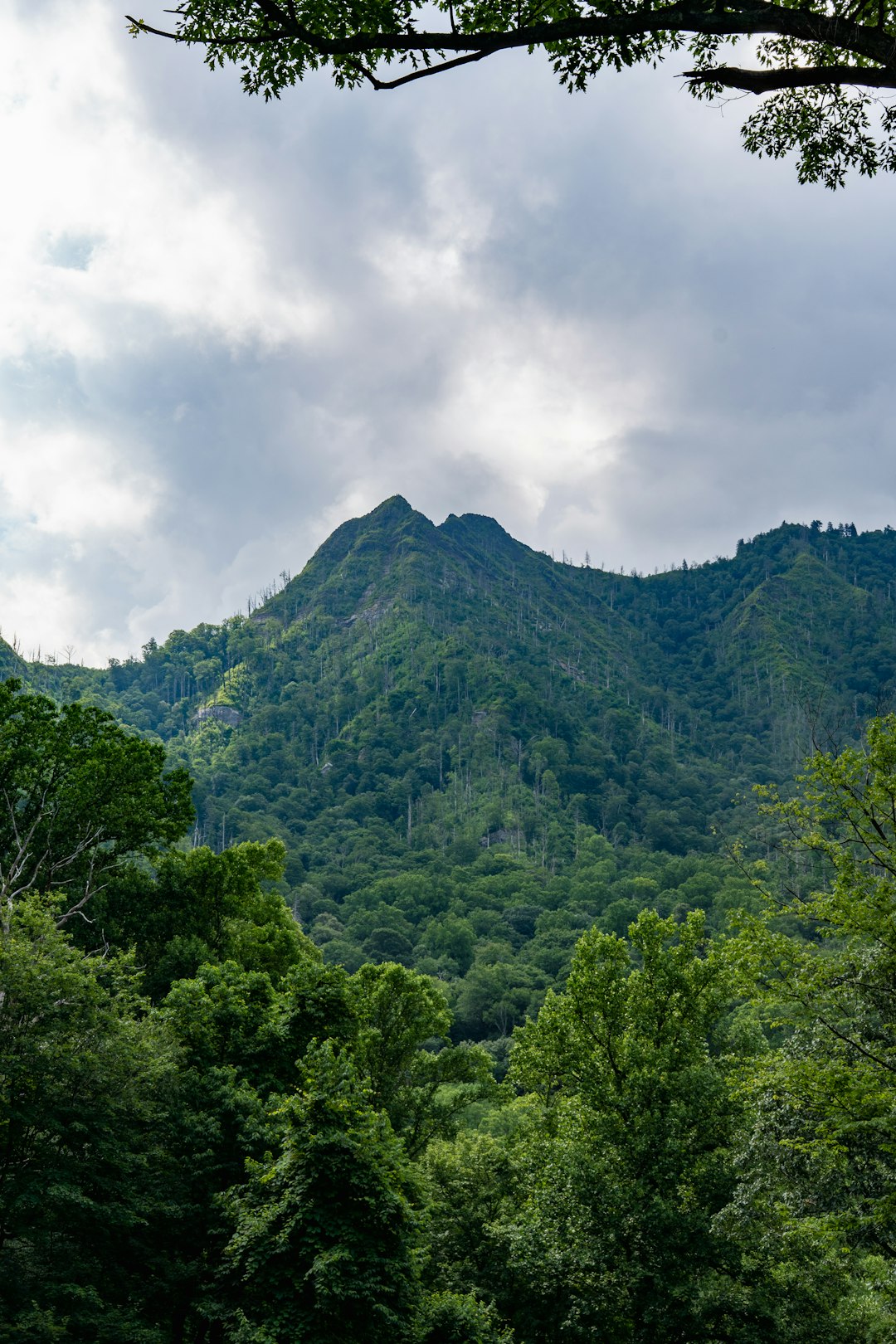
Great Smoky Mountains National Park stands as America’s most visited national park, drawing millions each year with its ancient, tree-covered mountains, incredible biodiversity, and the iconic blue-hued mist that gives the Smokies their name. This majestic landscape offers a profound connection to nature, inviting visitors to explore its depths and marvel at its beauty. It is a truly unique destination that promises wonder around every bend in the trail.
For families, this national park is an unparalleled destination that offers a wealth of experiences for all ages. Not only does it boast free entry, making it an accessible adventure, but it also provides diverse activities ranging from gentle walks suitable for toddlers to exciting wildlife spotting opportunities for older children and adults. The park’s immersive educational programs further enhance the experience, fostering a love for nature and history in young minds.
Filter out the noise and find what works for your family.
Every resort we review gets one of four Family Fit ratings. The rating is based on kids programming, amenities, vibe, and who the resort actually markets to - not just whether they allow children.
Discover My Ideal Resort →The key attractions that particularly appeal to children create lasting memories and foster a sense of adventure. Imagine the thrill of opportunities to spot black bears, majestic elk, and graceful deer in their natural habitats. Exploring historic cabins transports kids back in time, while splashing in cool mountain streams offers a refreshing break on warm days. Engaging ranger programs, often tailored for younger audiences, provide interactive learning experiences that make history and nature come alive for kids visiting Great Smoky Mountains National Park with kids.
Beyond its captivating beauty, the park holds several fun and unique facts that add to its allure. It is recognized as a UNESCO World Heritage Site, underscoring its global ecological significance. The park is also a biodiversity hotspot, home to over 1,500 species of flowering plants, more than any other national park in North America. Perhaps one of its most enchanting seasonal spectacles is the synchronous fireflies display, where a specific species of firefly flashes in unison, creating a truly magical experience for those lucky enough to witness it (though access is limited and by lottery).
Best Time to Visit
Choosing the right time to visit Great Smoky Mountains National Park with kids can significantly enhance your family’s experience. Each season offers a distinct charm, but also presents different considerations regarding weather, crowd levels, and available activities. Understanding these nuances will help you plan a trip that perfectly aligns with your family’s preferences and desired adventures.
Spring (April-May): Wildflowers and Awakening Wildlife
Spring in the Smokies brings mild, yet unpredictable weather, with temperatures typically ranging from 40s to 60s°F (4-15°C). Frequent rain showers are common, so packing layers and rain gear is essential. Despite the possibility of rain, the awakening landscape is a truly beautiful sight to behold for families visiting Great Smoky Mountains National Park with kids.
This season is ideal for viewing spectacular wildflower blooms, with the forest floor bursting into color with trillium, lady slipper orchids, and more. It is also a prime time for spotting newborn wildlife, such as adorable bear cubs emerging with their mothers and young elk calves exploring their surroundings. Crowds are moderate in early spring but gradually increase towards late May as the weather becomes more consistently pleasant.
Summer (June-August): Peak Season Fun and Lush Landscapes
Summer offers warm and humid conditions, with temperatures usually ranging from 60s to 80s°F (15-27°C); however, higher elevations tend to be cooler. Afternoon thunderstorms are a frequent occurrence, providing dramatic skies and a refreshing cool-down. This is the time when all park roads and facilities are typically open, allowing full access to every corner of the park.
It is the prime time for stream activities, splashing in the cool waters, and undertaking longer hikes deep into the lush green forests. A truly unique summer phenomenon is the synchronous fireflies display in late May/early June, though lottery access is required due to its immense popularity. Be prepared for the heaviest crowds during these months, meaning early starts are necessary for popular trails and attractions to secure parking and enjoy a more peaceful experience.
Fall (September-October): Iconic Foliage and Crisp Air
Fall brings crisp, clear days with cooler temperatures, typically ranging from 40s to 70s°F (4-21°C). The mountain tops can even experience early frosts, hinting at the winter to come. This season is world-renowned for its breathtaking fall foliage, as the deciduous trees transform into a vibrant tapestry of reds, oranges, and golds, creating spectacular scenic views.
Hiking conditions are excellent, with comfortable temperatures and generally dry trails making it perfect for family explorations. However, the stunning beauty of the fall colors attracts very heavy crowds, especially during peak foliage in mid-October. Significant advance planning for accommodation and routes is essential to navigate the park successfully and avoid long waits.
Winter (November-March): Peaceful Retreat and Snow-Kissed Views
Winter in Great Smoky Mountains National Park offers a peaceful retreat with cold temperatures and the potential for snow and ice, particularly at higher elevations. Temperatures range from 20s to 50s°F (-6-10°C), making it a truly serene experience for those who don’t mind the chill. While some areas are less accessible, the quiet beauty is unparalleled.
Activities are limited but offer unique winter scenery, with snow-kissed peaks and tranquil, quieter trails. It’s important to note that road access, such as Newfound Gap Road, often closes seasonally due to snow and ice conditions. When conditions permit, cross-country skiing and snowshoeing at higher elevations provide adventurous families with a distinct way to experience the park’s winter wonderland. Crowds are at their lowest during these months, offering a serene and solitary experience with nature.
Getting There
Planning Your Journey to the Smokies
Embarking on a family adventure to Great Smoky Mountains National Park requires some thoughtful planning for your journey. Understanding your travel options, navigating the park’s roads, and being aware of accessibility can make your trip much smoother and more enjoyable for everyone, especially when traveling with kids.
Nearest Airports for Family Travel
For families flying in, there are several convenient airports that serve the Great Smoky Mountains region. Each offers varying distances and flight options, so choosing the best one depends on your itinerary and where you plan to enter the park.
- Knoxville McGhee Tyson Airport (TYS): Located approximately 1 hour and 15 minutes drive to Gatlinburg, TYS is the largest regional airport and offers the most flight options.
- Asheville Regional Airport (AVL): About 1 hour and 30 minutes drive to Cherokee, AVL is a smaller airport but can be very convenient if you plan to explore the North Carolina side of the park first.
- Chattanooga Metropolitan Airport (CHA): Roughly 2 hours and 30 minutes drive away, CHA provides another option for arrivals, though it is further out.
From any of these airports, rental car services are essential for exploring Great Smoky Mountains National Park with kids. Public transportation within the park is minimal, and having your own vehicle allows the flexibility to access various trails, visitor centers, and scenic drives.
Driving and Parking Information
The park has several primary entrances, each leading to different areas and gateway towns. Gatlinburg, TN, is the most popular and often busiest entrance, while Townsend, TN, offers a quieter west entrance. Cherokee, NC, provides access to the park from the east. When navigating the mountain roads, be prepared for winding, sometimes steep conditions that can be challenging for some drivers. If your children are prone to motion sickness, it’s wise to consider remedies to ensure a more pleasant drive.
As of March 2023, a significant change in park regulations means a valid parking tag is required for any vehicle parked for more than 15 minutes within the park boundaries. You can purchase daily ($5), weekly ($15), or annual ($40) tags online or at any visitor center. This revenue directly supports park operations and helps maintain its beauty for future generations. It is important to note that popular parking areas, especially for trails like Laurel Falls or destinations such as Cades Cove, fill up quickly during peak seasons. Arriving early in the morning or planning your visits during off-peak times can help you avoid frustration and ensure a smoother experience.
Accessibility for Strollers and Wheelchairs
While many trails in Great Smoky Mountains National Park are rugged, there are several options suitable for wheels, making it more accessible for families with strollers or individuals using wheelchairs. The Gatlinburg Trail and Oconaluftee River Trail are generally accessible, offering relatively flat, paved or gravel paths. The Sugarlands Valley Nature Trail, near the Sugarlands Visitor Center, is entirely paved and a great option for very young children or those needing smoother surfaces.
All visitor centers within the park are wheelchair-friendly, providing accessible restrooms and exhibits that are engaging for all ages. Additionally, the park offers information on accessible picnic areas and overlooks, ensuring that families can enjoy scenic views and outdoor meals comfortably. For more extensive park exploration, especially if you have an infant or toddler, consider investing in one of the best baby carriers and wraps to navigate less accessible paths.
Tips for Long Car Trips with Kids
Long car trips can be a challenge, but with a bit of planning, they can be part of the adventure. For entertainment, pack a variety of car games, engaging audiobooks, travel journals for older kids, and small, self-contained toys. These items can help keep boredom at bay and maintain peace in the back seat.
Don’t forget snacks and hydration! Prepare easy-to-eat, mess-free snacks like granola bars, fruit slices, and crackers, and make sure everyone has refillable water bottles. Plan frequent stops to utilize designated rest areas, scenic overlooks, and visitor centers. These breaks allow everyone to stretch their legs, use restrooms, and take in some fresh air before continuing the journey.
Where to Stay: Family-Friendly Bases
Choosing Your Home Away From Home
Selecting the right accommodation is crucial for a memorable family trip to Great Smoky Mountains National Park. Whether you prefer an immersive experience within the park or the convenience of gateway towns, there are options to suit every family’s style and budget. Thinking about where to stay sets the stage for your adventure.
Inside the Park: Campgrounds for an Immersive Experience
For families seeking a truly immersive nature experience, camping within Great Smoky Mountains National Park is an excellent choice. Developed campgrounds like Cades Cove, Elkmont, and Smokemont are popular choices, offering amenities such as flush toilets and potable water during their seasonal operations. Reservations are highly recommended and can be made via Recreation.gov well in advance, especially when planning to visit Great Smoky Mountains National Park with kids.
Primitive campgrounds offer a more rustic experience with fewer amenities, typically suitable for tent camping and those looking for a quieter stay. Backcountry camping is also available, but it requires permits, significant experience, and proper gear, making it best suited for older, adventurous families. The pros of camping inside the park include early access to trails and attractions, direct immersion in nature, and the exciting potential for wildlife sightings right from your campsite. However, the cons include limited amenities, the need for careful planning regarding food and gear, and the fact that most sites do not offer electricity.
Outside the Park: Gateway Towns with Varied Options
If camping isn’t your style, the gateway towns surrounding the park offer a wide array of family-friendly lodging options.
- Gatlinburg, TN: This bustling town offers a wide range of hotels, motels, and cabin rentals. Known for family attractions like Ripley’s Aquarium and Ober Gatlinburg, it provides many amenities and dining options. However, it can be very busy and touristy, especially during peak seasons.
- Pigeon Forge, TN: Home to larger resorts, hotels with water parks, and entertainment venues such as Dollywood, Pigeon Forge offers abundant kid-focused activities. The downside is that it’s a further drive to the heart of the national park, adding travel time to your daily excursions.
- Townsend, TN (“The Peaceful Side of the Smokies”): A quieter, smaller town that focuses on cabin rentals and independent lodging. Townsend offers a more relaxed atmosphere and easy access to less crowded park entrances. This tranquil setting is excellent for nature lovers seeking a peaceful retreat.
- Cherokee, NC: Located at the park’s eastern entrance, Cherokee offers hotels and motels, along with rich Native American cultural experiences. It’s a convenient base for exploring the North Carolina side of the park and typically experiences fewer crowds than Gatlinburg or Pigeon Forge.
Types of Family Accommodation
When planning where to stay for your Great Smoky Mountains National Park with kids adventure, consider which type of accommodation best suits your family’s needs. Cabins and vacation rentals are often the best option for families, as they typically provide multiple bedrooms, full kitchens for preparing meals, and sometimes extra amenities like private hot tubs or game rooms. This allows for more space and flexibility than a standard hotel room.
Hotels and resorts are also a good choice, especially if you look for properties with indoor or outdoor pools, complimentary breakfast, and family suites that offer more room. These options often provide convenience and amenities that can enhance a family vacation. Lastly, campgrounds, as mentioned, are a budget-friendly and adventurous option, allowing families to connect directly with nature under the stars.
Tips for Booking Early
To ensure you secure your preferred family-friendly lodging, it is crucial to book early, particularly when visiting Great Smoky Mountains National Park with kids during popular times. National Park campgrounds, especially highly sought-after ones like Elkmont and Cades Cove, book up months in advance, so plan accordingly. Similarly, accommodations in the gateway towns fill quickly during peak seasons, such as summer and the vibrant fall foliage period. For prime dates, aim to book at least 6-9 months ahead to have the best selection and potentially better rates.
Things to Do
Unforgettable Family Adventures in the Smokies
Great Smoky Mountains National Park with kids offers an incredible array of activities that will captivate every member of your family. From gentle strolls to immersive educational experiences and thrilling wildlife encounters, there’s an adventure waiting around every corner. Planning your itinerary around these diverse opportunities ensures a memorable trip for all.
Kid-Friendly Hikes and Walks
Exploring the trails is a cornerstone of any visit to the Smokies, and thankfully, there are many options perfect for children of all ages.
- Gatlinburg Trail: This easy, relatively flat, paved/gravel path meanders along the Little Pigeon River. It’s one of only two trails in the park that allows dogs (on leash) and bicycles, making it a versatile option. Along the way, you can discover historic foundations. The trail is 3.8 miles roundtrip.
- Sugarlands Valley Nature Trail: A paved, flat loop located near the Sugarlands Visitor Center, this trail is ideal for strollers and very young children. Interpretive signs provide engaging information about the surrounding environment, making it a short, educational journey at 0.5 miles loop.
- Laurel Falls Trail: This moderately easy trail, though paved (and crumbling in spots), leads to a beautiful 80-foot waterfall. It is extremely popular, so plan to go early in the morning to avoid the heaviest crowds. The total distance is 2.6 miles roundtrip.
- Cataract Falls Trail: A short, easy walk from the Sugarlands Visitor Center to a small but charming waterfall. This trail is excellent for toddlers and offers a quick dose of nature at just 0.7 miles roundtrip.
- Oconaluftee River Trail: This paved/gravel, flat trail runs from the Oconaluftee Visitor Center into Cherokee, NC. It’s particularly excellent for elk spotting, especially during dawn and dusk. The trail is 3 miles roundtrip.
- Clingmans Dome Observation Tower Trail: While paved, this trail is very steep, leading to an observation tower that boasts incredible 360-degree panoramic views. It is stroller-friendly for part of the way, but the challenging incline makes it a workout. The path to the tower is 1 mile roundtrip.
When hiking with kids, remember to adapt your pace to the slowest member of your group and take frequent breaks for snacks and water. You can also turn the hike into a fun game, like a nature scavenger hunt, to keep everyone engaged. Ensure everyone has comfortable, sturdy shoes, like the best hiking shoes for kids, and plenty of water in their best kids water bottles.
Educational and Junior Ranger Programs
The park offers fantastic educational opportunities that truly enrich a family visit. The Junior Ranger Program is a highlight for many children. Simply pick up activity booklets at any visitor center, and kids can complete age-appropriate tasks to earn a badge and certificate. It’s an excellent way to engage curious minds with the park’s natural and cultural history.
Additionally, check the park schedules for ranger-led programs. These can include guided walks that highlight specific ecosystems, engaging campfire talks under the stars, exciting wildlife viewing programs, and historical demonstrations at various sites. These programs are often entertaining and highly informative, offering unique insights from knowledgeable park rangers. The visitor centers (Sugarlands, Oconaluftee, Cades Cove) themselves are great resources, offering interactive exhibits, park films, restrooms, gift shops, and rangers ready to answer questions and help plan your day.
Wildlife Viewing Opportunities
One of the most thrilling aspects of visiting Great Smoky Mountains National Park with kids is the chance to spot its incredible wildlife.
- Cades Cove Loop Road: This 11-mile one-way scenic loop is the premier spot for seeing white-tailed deer, wild turkeys, and, if you’re lucky, black bears. The best times for wildlife viewing here are early morning and late evening when animals are most active.
- Oconaluftee Visitor Center and Fields: The open fields around the Oconaluftee Visitor Center are well-known for frequent elk sightings, particularly at dawn and dusk. These majestic animals often graze peacefully in the open, offering fantastic viewing opportunities.
Always practice safe viewing habits: maintain a safe distance (a minimum of 150 feet from bears and elk, and 50 feet from other animals), never approach or feed wildlife, and always store food properly to prevent attracting animals.
Scenic Drives and Water Play
Beyond hiking, the park’s scenic drives offer breathtaking views and access to various points of interest.
- Cades Cove Loop Road: As mentioned, this 11-mile one-way scenic loop is not only great for wildlife but also features historic homesteads, churches, and wildlife viewing. It can be driven, biked (seasonal closures for cars on Wednesdays in summer, making it ideal for bikes), or explored via a seasonal trolley.
- Newfound Gap Road: This iconic road traverses the park from Gatlinburg, TN, to Cherokee, NC, offering stunning overlooks and driving through diverse forest ecosystems as you gain elevation.
- Roaring Fork Motor Nature Trail: A narrow, winding one-way road (seasonal access) that showcases historic log cabins, grist mills, and beautiful waterfalls. It is a delightful drive back in time.
Many designated picnic areas, such as Chimneys and Metcalf Bottoms, provide tables and access to cool mountain streams for splashing and wading. Always supervise children closely if they are playing near or in the water, as currents can be surprisingly strong and rocks slippery.
Historic Sites and Cultural Experiences
The Great Smoky Mountains are rich in cultural history, offering glimpses into the lives of early Appalachian settlers. You can explore preserved pioneer homes and churches within Cades Cove and along the Roaring Fork Motor Nature Trail, allowing families to step back in time. A visit to Mingus Mill, a historic grist mill located near the Oconaluftee Visitor Center, offers fascinating demonstrations of how corn was ground, providing a tangible link to the past.
Packing Smart: Essentials for Families
Gear Up for Your Smoky Mountains Adventure
Packing smart is the key to a comfortable and enjoyable trip to Great Smoky Mountains National Park with kids. Mountain weather can be unpredictable, and being prepared for all conditions ensures your family stays happy and safe while exploring. From clothing to safety gear, having the right essentials makes all the difference.
Clothing for Varying Weather Conditions
Layers are absolutely key for mountain weather, which can change rapidly from warm sunshine to cool rain in a matter of hours. Pack versatile layers, including moisture-wicking base layers, insulating fleeces or sweaters, and waterproof outer shells for everyone. Lightweight rain jackets and ponchos are essential year-round, as showers can occur at any time. Even in summer, higher elevations can be chilly, so hats, gloves, and warm socks are recommended for cool mornings or evenings.
Footwear for the Trails
Comfortable, broken-in hiking shoes or boots with good ankle support are crucial for navigating the park’s varied trails. Waterproof options, such as the best kids waterproof trail shoes, are highly recommended to keep feet dry, especially after rain or when crossing small streams. Pack plenty of extra socks to change into after wet hikes or long days, preventing blisters and keeping feet fresh. While useful for splashing in streams or navigating damp areas, water shoes are not suitable for hiking on trails and should be used only for water play.
Snacks, Meals, and Hydration
Proper nutrition and hydration are vital for active days in the park. Bring at least one reusable water bottle per person and refill whenever possible at visitor centers or campgrounds. Stock up on non-perishable snacks like granola bars, trail mix, dried fruit, crackers, and fruit snacks to keep energy levels up. A small cooler with ice packs for lunches, sandwiches, and fresh fruit will be invaluable for picnics. This strategy helps you save money and ensures you have food when in-park options are limited.
Baby Gear and Stroller Recommendations
For families with infants and toddlers, specific gear will make your trip much easier. A child carrier or hiking backpack is essential for infants and toddlers on most park trails, as many are not stroller-friendly. While some trails are accessible, an all-terrain stroller would be necessary to handle uneven pavement or smooth gravel paths. Be sure to pack a well-stocked diaper bag with extra diapers, wipes, a changing pad, and plastic bags for soiled items, as disposal options can be limited on trails. For a comprehensive guide, check out our recommendations for the best baby carriers and wraps.
Safety and Comfort Essentials
A comprehensive first-aid kit, stocked with bandages, antiseptic wipes, pain relievers, blister treatment, and any personal medications, is a must-have. Sun protection is critical at higher elevations, so bring sunscreen (SPF 30+), wide-brimmed hats, and sunglasses for everyone. Insect repellent is especially important during warmer months to protect against ticks and mosquitoes. Bear spray is optional, but if you choose to carry it, ensure you know how to use it safely and legally. Flashlights or headlamps are useful for early morning or late evening outings and for navigating campgrounds after dark.
Gear for Activities
To enhance your family’s experience, consider bringing binoculars for spotting distant wildlife or admiring views. A camera is essential to capture stunning landscapes and family memories. Encourage children to carry their own small backpacks with their water bottles, snacks, and perhaps a small toy or field guide, giving them a sense of responsibility. Finally, the Junior Ranger Booklet and a pencil are essential for completing the program activities and earning that coveted badge.
Food & Dining Logistics
Fueling Your Family’s Smoky Mountains Adventure
When planning your family trip to Great Smoky Mountains National Park with kids, thinking about food and dining logistics is crucial. Onsite options within the park are quite limited, so knowing where to find groceries and preparing your own meals can save you time, money, and stress. This approach is particularly helpful for families with specific dietary needs or picky eaters.
Onsite Dining Options within the Park
Dining options directly within Great Smoky Mountains National Park are very limited, primarily consisting of snack bars or small general stores at visitor centers, such as Clingmans Dome and the Cades Cove Store. These options are seasonal and typically offer basic fare like pre-made sandwiches, hot dogs, snacks, and drinks. It is important to note that these are not full-service restaurants. Our strong recommendation is to not rely on in-park dining for full meals, especially if your family has specific dietary needs, allergies, or prefers a wider variety of choices.
Designated Picnic Areas
Fortunately, Great Smoky Mountains National Park boasts numerous designated picnic areas available throughout the park, including popular spots like Chimneys, Metcalf Bottoms, and Cades Cove. These areas are generally equipped with picnic tables and often have charcoal grills, making them ideal for a family meal amidst nature. Our top tip is to pack a hearty picnic lunch, complete with sandwiches, salads, and plenty of fresh fruit, to enjoy at these scenic spots. Remember to bring trash bags to pack out everything you pack in, and always observe bear-safe food storage practices to protect both your food and the park’s wildlife.
Grocery Options Nearby
The gateway towns surrounding the park, such as Gatlinburg, Pigeon Forge, Townsend (TN), and Cherokee (NC), all have several large grocery stores. These stores are your best bet for stocking up on essentials before you enter the park, as prices for convenience items tend to be higher in smaller shops closer to park entrances. Consider planning your meals in advance and purchasing ingredients for pre-made meals, sandwich supplies, and a wide variety of fresh produce. This helps to ensure you have everything you need for your family’s culinary adventures.
Tips for Bringing Your Own Food with Kids
Bringing your own food is arguably the most practical and cost-effective strategy when visiting Great Smoky Mountains National Park with kids. Coolers are essential for keeping drinks and perishable food fresh, so invest in good quality block ice or reusable ice packs. For camping, focus on easy-to-prepare meals that require minimal cooking, saving you time and effort after a day of exploration. Consistent with this, focus on easy-to-prepare meals that require minimal cooking.
Pre-portioning snacks and meals into individual containers makes distribution easy on the go and minimizes waste. Most importantly, always practice bear-safe food storage. This means storing food in bear-proof containers, designated lockers, inside a hard-sided vehicle, or hung from a tree branch if backcountry camping. Never leave food unattended, even for a moment, to prevent attracting wildlife.
Allergy-Friendly Options
Given the limited and basic nature of in-park dining options, families with allergies should plan to bring most, if not all, of their own food. This allows for complete control over ingredients and minimizes the risk of allergic reactions. When dining in the gateway towns, it is always a good idea to research restaurants in advance that explicitly cater to allergies or offer customizable menus. Don’t hesitate to call ahead and speak with restaurant staff about your family’s specific needs before you arrive.
Safety First: Protecting Your Family
Essential Guidelines for a Secure Trip
Ensuring the safety of your family is paramount when exploring Great Smoky Mountains National Park with kids. While the park offers boundless natural beauty and adventure, it also presents unique challenges. By following essential safety guidelines, you can protect your loved ones and ensure a secure and enjoyable trip, allowing everyone to focus on the wonder of their surroundings.
Wildlife Safety
Encountering wildlife is one of the most exciting aspects of visiting the Smokies, but it requires caution and respect.
- Black Bears: Always maintain a safe distance of a minimum of 150 feet (45 meters) from black bears. Never approach them, attempt to feed them, or leave food unattended. Make noise while hiking to avoid surprising a bear, and if you encounter one, slowly back away without running.
- Elk, Deer, Wild Hogs: Similarly, maintain a respectful distance from elk, deer, and wild hogs. Observe them quietly from afar, and never attempt to get closer for a photo opportunity.
- General Rule: The overarching rule is to never approach or feed any wildlife. Teach children to respect animals and their space, understanding that these are wild creatures whose behaviors can be unpredictable.
Trail Safety
Hiking can be incredibly rewarding, but proper trail safety is critical.
- Stay on Marked Trails: Venturing off-trail can lead to getting lost, encountering dangerous wildlife in their natural habitats, or causing damage to fragile ecosystems. Always stick to the designated paths.
- Know Your Limits: Choose hikes that are appropriate for the youngest or least experienced member of your group. Consider the distance, elevation gain, and overall difficulty before setting out. For inspiration, check out our guide on Family Trails Zion National Park and Yellowstone Family Trails Hikes for similar considerations.
- Essentials: Always carry a physical map, plenty of water, a well-stocked first-aid kit, and emergency contacts. Cell service is limited, so don’t rely solely on your phone.
- Weather Awareness: Check forecasts before heading out, as mountain weather can change rapidly. Be prepared for sudden rain or temperature drops by packing appropriate layers.
- Inform Others: Always let someone know your hiking plans, including your intended route and expected return time. This is a crucial safety measure for any outdoor adventure.
Hydration and Sun Protection
Dehydration can occur even on cool days, so encourage kids to drink water frequently throughout your activities. Apply high-SPF sunscreen every few hours, and ensure everyone wears hats and sunglasses. UV radiation is stronger at higher elevations, making sun protection even more important.
Water Safety
Mountain streams are beautiful but can be deceptive. Supervise children closely if they are playing near or in the water. Currents can be surprisingly strong, and rocks are often slippery. For safety, most streams in the park are not recommended or safe for swimming due to swift currents, extremely cold temperatures, and submerged hazards.
Emergency Contacts and Ranger Stations
Be aware that cell phone reception is spotty to non-existent in many parts of Great Smoky Mountains National Park. In case of an emergency, call 911 immediately, and be prepared to provide your exact location as accurately as possible. Visitor centers are key points for information, assistance, and reporting emergencies. Rangers are available during operating hours to help with any concerns you might have.
Money & Budget Tips
Smart Planning for an Affordable Family Adventure
A family vacation to Great Smoky Mountains National Park with kids doesn’t have to break the bank. With some smart planning and budgeting, you can enjoy all the park has to offer without excessive spending. Understanding entry fees, accommodation options, and food strategies will help you maximize your adventure while minimizing costs.
Entry Fees and Parking Permits
One of the most appealing aspects of Great Smoky Mountains National Park is that it does not charge an entrance fee, making it highly accessible for families. This is a significant advantage compared to many other national parks, such as those covered in our Yellowstone Family National Park Guide or Family Vacation Guide Zion National Park. However, as of March 2023, a mandatory parking tag is required for any vehicle parked for more than 15 minutes anywhere within the park boundaries. You can purchase options including daily ($5), weekly ($15), or annual ($40) tags online or at visitor centers. This revenue directly supports vital park operations and maintenance.
Activity Fees
Many of the best family activities within the park are free! This includes many ranger-led programs, which are highly educational and entertaining, as well as the popular Junior Ranger program. However, if your adventurous family is considering overnight backcountry camping, permits are required and come with associated fees. Keep in mind that nearby attractions in gateway towns like Gatlinburg or Pigeon Forge (e.g., Dollywood, Ripley’s Aquarium) have separate admission fees. Budget accordingly if you plan to extend your fun beyond the park boundaries.
Budgeting for Accommodation
Accommodation can be one of the largest expenses, but there are ways to manage it. Camping, whether inside or just outside the park, is generally the most budget-friendly lodging option, with developed campgrounds offering good value for families. Prices for cabins and hotels vary greatly by season and proximity to popular attractions. Booking further in advance can often secure better rates, especially for cabins, which are a popular choice for families. Consider visiting during “shoulder seasons” (late spring or early fall) to potentially find lower accommodation rates and fewer crowds than peak summer or fall foliage periods.
Food and Grocery Savings
Packing your own food is arguably the biggest money-saver for any family trip to a national park. Bring a cooler filled with drinks, snacks, and picnic supplies, as onsite dining within the park is very limited and generally more expensive. Stock up on groceries at major stores in larger gateway towns like Pigeon Forge or Sevierville, rather than the smaller, higher-priced convenience shops closer to park entrances. Utilizing the park’s numerous free picnic areas allows you to enjoy meals amidst stunning scenery without the cost of restaurant dining.
Season Passes and Free Days
The “America the Beautiful” National Parks and Federal Recreational Lands Pass covers entrance fees for over 2,000 federal recreation sites across the country. However, it is important to note that this pass does not cover the Great Smoky Mountains National Park parking tag fee. Consider purchasing it if you plan to visit other national parks within a year. While there are “fee-free days” for parks with entrance fees, this does not apply to GSMNP’s parking tag requirement, as there is no entrance fee to begin with.
Sample Itinerary: Making the Most of Your Time
Age-Appropriate Adventures for Every Family
Planning an itinerary for Great Smoky Mountains National Park with kids can be daunting, but tailoring activities to different age groups ensures everyone has a fantastic time. Here are some sample itineraries designed to highlight age-appropriate adventures, making the most of your family’s visit to this incredible park.
Half-Day Adventure for Young Kids (Ages 2-6)
This itinerary focuses on easy, engaging activities that won’t overwhelm little ones, allowing them to experience the joy of nature at their own pace.
Morning (9:00 AM – 1:00 PM)
- 9:00 AM: Arrive at Sugarlands Visitor Center, conveniently located near Gatlinburg. This is the perfect starting point to pick up Junior Ranger booklets, explore the interactive exhibits designed to pique young interests, and use the restrooms before your adventure begins.
- 10:00 AM: Enjoy an easy stroll on the Sugarlands Valley Nature Trail. This 0.5-mile paved loop is ideal for little legs and strollers, offering a gentle introduction to the forest. Point out different trees and listen for the sounds of birds, making it an engaging sensory experience.
- 11:00 AM: Take a short, easy walk to Cataract Falls. This 0.7-mile roundtrip walk from the visitor center leads to a charming small waterfall, a perfect destination for toddlers who will delight in seeing the tumbling water.
- 12:00 PM: Head to Metcalf Bottoms Picnic Area for a relaxing picnic lunch. This area often has access to a shallow stream, allowing for supervised shallow stream play, which is a fantastic way for kids to cool off and connect with the water.
Full-Day Exploration for Elementary Kids (Ages 7-12)
For elementary-aged children, a full day can blend history, wildlife, and moderate hikes, fostering a deeper appreciation for the park.
Morning (8:00 AM – 1:00 PM)
- 8:00 AM: Head to Cades Cove Loop Road. This iconic 11-mile scenic loop is excellent for wildlife spotting. Consider biking if age-appropriate for your children (seasonal car closures on Wednesdays in summer make it perfect for bikes) or driving with frequent stops to look for deer, wild turkeys, and perhaps even bears.
- 11:00 AM: Visit the Cades Cove Visitor Center and the historic Cable Mill. Kids will enjoy seeing how the mill operated and exploring the preserved homesteads.
- 12:00 PM: Enjoy a picnic lunch at the Cades Cove Picnic Area, offering a scenic spot to refuel after your morning explorations.
Afternoon (1:00 PM – 5:00 PM)
- 1:30 PM: Hike the Laurel Falls Trail. This 2.6-mile roundtrip trail, though paved, can be slippery and crowded, so good footwear and patience are key. The reward is an 80-foot waterfall, a truly impressive sight for kids.
- 4:00 PM: Take a scenic drive along Newfound Gap Road, stopping at various overlooks to admire the panoramic mountain views. This allows for a relaxing end to the afternoon after hiking.
Evening (Optional)
- 7:00 PM: Attend a Ranger-led campfire program at a nearby campground. These programs are often highly engaging and informative, offering stories and insights into the park’s natural and cultural history. Be sure to check schedules in advance.
Multi-Day Itinerary for Adventurous Families (Ages 10+)
For older, more adventurous families, a multi-day itinerary allows for deeper exploration and more challenging activities, immersing you fully in the Smokies’ grandeur. For more challenging hikes, consider our guide on Family Vacation Adventures Grand Canyon which has some great options.
Day 1: Foothills and Forest Trails
- Morning: Arrive in Gatlinburg and begin your adventure at the Sugarlands Visitor Center. From here, choose a moderate hike such as Grotto Falls (5.2 miles roundtrip, where you can walk behind a waterfall!) or Alum Cave Trail to Alum Cave Bluffs (4.4 miles roundtrip), offering unique geological features.
- Lunch: Enjoy a packed picnic lunch on the trail or at a designated picnic area, taking in the serene forest surroundings.
- Afternoon: After your hike, explore the lively shops and attractions of Gatlinburg, or if weather permits, visit Ripley’s Aquarium of the Smokies for an indoor alternative.
- Evening: Have dinner in Gatlinburg, choosing from a variety of family-friendly restaurants.
Day 2: Mountain Peaks and Panoramic Views
- Morning: Drive the iconic Newfound Gap Road, stopping at breathtaking overlooks such as Newfound Gap and Morton Overlook. Then, hike the paved but very steep path to Clingmans Dome Observation Tower (1 mile roundtrip) for truly unparalleled 360-degree panoramic views of the entire park.
- Lunch: Pack a lunch to enjoy with a view at Clingmans Dome or Newfound Gap, savoring the stunning scenery.
- Afternoon: Begin your descent towards Cherokee, NC. Visit the Oconaluftee Visitor Center and the historic Mingus Mill, where you might also spot elk grazing in the surrounding fields during dawn or dusk.
- Evening: Enjoy dinner in Cherokee or return to your chosen gateway town for the evening.
Day 3: Cades Cove Immersion and Historic Discoveries
- Full Day: Dedicate an entire day to exploring Cades Cove. For a unique experience, consider renting bikes in Townsend for the loop, especially during seasonal road closures for cars on Wednesdays in summer. Take your time to explore every historic building, including the charming churches, the functional grist mill, and various homesteads, imagining life in the early 19th century.
- Wildlife: Drive or bike slowly and constantly watch for black bears, deer, and wild turkeys, which are frequently seen in the cove.
- Lunch: Enjoy an extensive picnic at the Cades Cove picnic area, allowing plenty of time for relaxation and perhaps some supervised stream play.
- Optional Activities: Depending on the season, you might consider horseback riding or taking a hayride tour, both available through concessionaires in Cades Cove, for a different perspective of the landscape.
- Evening: Conclude your multi-day adventure with a final family dinner, reminiscing about the incredible experiences in Great Smoky Mountains National Park with kids.
Extra Tips for Parents
Enhancing Your Family’s National Park Experience
A family trip to Great Smoky Mountains National Park with kids is an opportunity for connection and discovery. With a few thoughtful strategies, parents can enhance the experience, keeping children engaged, managing different age groups, and capturing cherished memories. These tips are designed to make your adventure smoother and more meaningful for everyone.
Keeping Kids Engaged on Long Hikes
Long hikes can test anyone’s patience, especially children’s, but there are proven ways to keep them motivated and entertained. Try nature scavenger hunts by creating a list of items for kids to find, such as a specific leaf shape, a bird feather, or a smooth rock. Bring small field guides for identifying local plants, trees, and animals, turning the hike into an educational game. Storytelling and imaginative games, like “I Spy” or creating a story about the forest, can keep minds active. Remember to take frequent breaks to rest, snack, and allow kids to explore small features that catch their eye. Empowering children by giving them their own small backpack with water and a snack, a map to follow, or a simple camera to use can significantly boost their enthusiasm.
Managing Different Age Groups
Traveling with children of varying ages requires a flexible approach to activities. Plan a mix of strenuous and relaxing activities, alternating between longer hikes and shorter, more interactive experiences like visiting visitor centers or playing in streams. If feasible, consider a “divide and conquer” strategy where one parent takes older kids on a more challenging hike while the other enjoys a gentler walk or activity with younger children. Focus on common denominators like wildlife viewing, picnicking by a stream, or participating in the Junior Ranger program, which universally appeal to a wide range of ages visiting Great Smoky Mountains National Park with kids.
Camping with Kids in the Smokies
Camping in the Great Smoky Mountains offers an unforgettable experience. If your family is new to camping, consider a practice run at home by setting up your tent in the backyard to familiarize kids with the process and get them excited. Bring comfort items like favorite blankets, stuffed animals, or books to make the tent feel more like home, helping them settle in. Plan fun campfire activities such as making s’mores, telling spooky stories, and stargazing. Crucially, clearly explain bear safety rules to children, emphasizing proper food storage and the importance of not approaching any wildlife.
Photography Tips for Families
Capturing your family’s memories in the stunning backdrop of the Smokies is something you’ll treasure. Focus on candid moments rather than just posed shots; capture natural interactions, expressions of awe as children discover nature, and kids exploring their surroundings. Employ the “rule of thirds” by positioning your subjects off-center for more dynamic compositions. Shoot during the “golden hour” (early morning or late afternoon) for soft, warm lighting that enhances the natural beauty. Get down low and photograph kids at their eye level to capture their perspective and make them the stars of the frame. Lastly, always respect wildlife by using a zoom lens to photograph animals from a safe distance without disturbing them.
Resources & Links
Essential Information for Your Trip
To ensure a smooth and well-planned family adventure to Great Smoky Mountains National Park with kids, having access to reliable resources is key. These links and information points will help you stay informed about park conditions, find local services, and navigate the vast wilderness.
Official Park Website
- National Park Service (NPS) Great Smoky Mountains Website: nps.gov/grsm. This is your primary source for up-to-date information on road closures, current trail conditions, important weather alerts, and operating hours for all facilities within the park. It’s crucial to check this site frequently, especially close to your travel dates, as mountain conditions can change rapidly. Here, you’ll also find comprehensive details on ranger programs, necessary permits (like backcountry camping), and all current park regulations, ensuring a safe and compliant visit.
Local Tourism Resources
For information on accommodations, dining, and attractions in the surrounding gateway towns, these local tourism boards are invaluable:
- Gatlinburg Convention & Visitors Bureau: gatlinburg.com
- Pigeon Forge Department of Tourism: mypigeonforge.com
- Townsend-Great Smoky Mountains Chamber of Commerce: smokymountains.org
- Cherokee Visitors Center: visitcherokeenc.com
Maps & Trail Guides
Navigation is essential, especially where cell service is unreliable.
- Official Park Maps: Always pick up official park maps upon arrival at any visitor center. These are highly recommended for navigation, providing detailed information that is invaluable where cell service is limited.
- Digital Maps/Apps: Before entering the park, download offline maps from popular apps like AllTrails or the official NPS app. This ensures you have access to trail information even without an internet connection.
- Junior Ranger Booklets: Available at visitor centers, these engaging activity booklets also contain helpful maps and information tailored for children, encouraging them to learn and explore.
Conclusion
Your Unforgettable Family Adventure Awaits in the Great Smoky Mountains
Great Smoky Mountains National Park truly is a gem for families, offering an unparalleled blend of natural beauty, diverse wildlife, rich history, and countless opportunities for adventure and education. From exploring ancient forests and chasing waterfalls to spotting black bears and earning Junior Ranger badges, there’s something to captivate every member of your family, regardless of age. The sheer scale of its biodiversity and the accessible nature of many of its attractions make it an ideal backdrop for creating cherished family memories.
To ensure a smooth and enjoyable trip when visiting Great Smoky Mountains National Park with kids, remember the importance of planning ahead, packing smart for unpredictable mountain weather, and always prioritizing safety, especially concerning wildlife and trail etiquette. Embrace the beauty, the mystery, and the wonder of these majestic mountains, and prepare for an adventure that will inspire and delight your family for years to come. Start planning your ultimate family trip to the Great Smoky Mountains National Park today – the mountains are calling!
- Yellowstone Family National Park Guide
- Family Vacation Guide Zion National Park
- Family Vacation Adventures Grand Canyon
- Best Family-Friendly Hikes Grand Canyon National Park
- Family Trails Zion National Park
- Yellowstone Family Trails Hikes
- Best Hiking Shoes Kids
- Best Kids Waterproof Trail Shoes
- Best Kids Water Bottles
- Best Baby Carriers and Wraps
- Wikivoyage page on Great Smoky Mountains National Park
Plan a trip your kids will actually enjoy.
Answer a few quick questions and get a free, personalized itinerary tailored to your destination and your children’s ages. No account required — your custom plan is ready in moments.
Filter out the noise and find what works for your family.
Every resort we review gets one of four Family Fit ratings. The rating is based on kids programming, amenities, vibe, and who the resort actually markets to - not just whether they allow children.
Discover My Ideal Resort →