
Ranked – Best family-friendly beaches in Big Island
ⓘ When you purchase through links on our site, we may earn an affiliate commission.
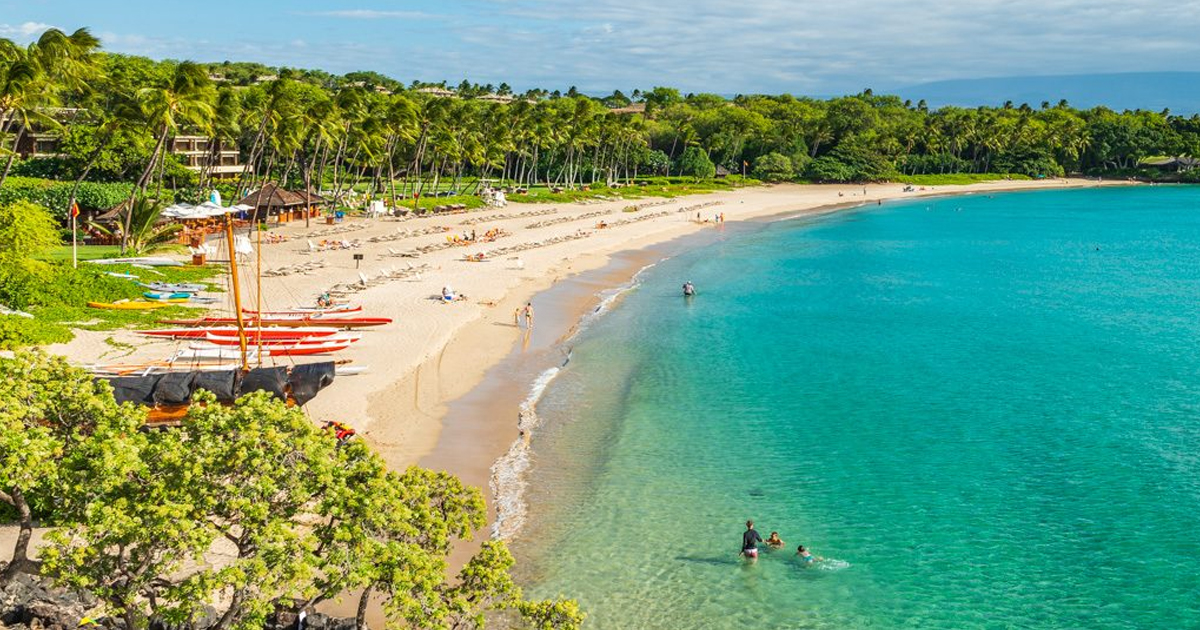
Planning a family beach vacation to the Big Island means navigating a unique blend of white sands, black volcanic shores, and clear blue waters. Unlike other Hawaiian islands, the Big Island offers diversity, from calm, protected lagoons ideal for toddlers to active snorkeling spots where marine life gathers. This variety, while appealing, also presents a challenge for families: not every beach is suitable for every age or activity level.
Choosing the right Big Island beach for your children involves more than just picking a pretty spot on a map. You need to consider water conditions, access, available facilities, and natural shade. A beach that’s perfect for a teenager wanting to snorkel might be too rugged for a two-year-old taking their first dip in the ocean. Our goal is to help you understand these differences, ensuring your family finds the perfect Big Island beach for lasting memories. For a broader perspective on planning your trip, consult our comprehensive Big Island Family Guide. If you are still deciding which island is right for you, read our guide on Best Hawaiian Island for Your Family.
Why Beach Choice Matters for Families
The Big Island offers a remarkable range of coastal experiences, meaning not all beaches are interchangeable for families. Understanding the distinct characteristics of each location is crucial for a successful outing with children. Some areas boast calm, shallow bays, while others face open ocean swells that can be too strong for young swimmers.
You’ll encounter everything from soft, white sand beaches to striking black sand and lava rock shorelines. Access also varies significantly, with some spots offering convenient paved parking and others requiring a longer walk over uneven terrain. Furthermore, the level of development ranges from state parks with restrooms and showers to completely undeveloped coves with no facilities.
The Kiddometer Approach
At Kiddometer, we believe the best family beach day starts with careful planning tailored to your children’s needs. Matching the beach type to your child’s age and swimming comfort is paramount; a protected lagoon is ideal for toddlers, while older kids might enjoy gentle waves for boogie boarding. Always consider their confidence and ability in the water before heading out.
Logistics play as significant a role as the scenery in determining a Big Island beach’s suitability. Think about the drive time from your accommodation, the ease of parking, and the availability of amenities like restrooms and fresh water. Unexpected challenges, such as a long walk with gear or a lack of facilities, can quickly detract from the experience.
Planning around the time of day can also optimize your visit. Water conditions on the Kona side, for instance, are frequently calmer in the mornings before the trade winds strengthen. Knowing when crowds peak or when tides change can help you secure a good spot and ensure a more relaxed outing. The Big Island’s unique environment often means conditions can change rapidly.
What Makes a Beach “Family-Friendly” in Big Island
When evaluating Big Island beaches for families, several practical criteria help distinguish a good spot from a challenging one. Focusing on these elements ensures a safer and more enjoyable experience for everyone. This is about practical considerations, not just how visually appealing a beach might be. The ideal family beach combines natural safety with convenience. It should allow for relaxed supervision and provide basic comforts.
While the Big Island has many coastlines, some are better suited for experienced adventurers than for families with young children. Understanding these factors will help you make informed decisions for your Big Island Hawaii Family Bucket List.
Water conditions (calm, shallow, predictable)
For families with young children, calm and shallow water is a priority when choosing a Big Island beach. Look for beaches with protected coves or lagoons where the entry is gradual and the water depth remains consistent for at least 20-30 feet. Waves should generally be under 1 foot, especially during morning hours, to ensure safety for little ones.
Predictable water conditions are safer for children who are learning to swim or are still in flotation devices. Strong currents or unexpected drop-offs near the shore can quickly become safety hazards. Areas where visibility is clear also help parents monitor their children effectively, especially if they are interested in snorkeling, for which we have a guide on Best Snorkeling Spots Big Island Families.
Entry type (sand vs rocks)
A soft, sandy entry is ideal for bare feet, allowing children to play freely at the water’s edge without concern. Beaches with smooth, fine sand are much more comfortable for building sandcastles and wading. This makes a significant difference for toddlers and young children who spend most of their time at the shoreline.
Conversely, lava rock or coral close to shore can be sharp and challenging to navigate, even with water shoes. Some Big Island beaches feature pockets of smooth pebbles, which are generally acceptable but less comfortable than soft sand. Always assess the shoreline upon arrival, especially if your children are prone to stubbing toes. Rocky entries often indicate better snorkeling further out, but the immediate shoreline may not be child-friendly, so investing in good kids’ water shoes is a good idea.
Safety factors (currents, drop-offs)
Understanding potential safety risks is crucial for any Big Island beach visit. Always check for posted warnings regarding currents or unusual surf conditions. Beaches with a sudden drop-off close to shore can surprise young swimmers, even in seemingly calm water, requiring constant vigilance from parents.
Supervision remains the most important safety measure. While lifeguards are present at some major state park beaches, they are not universally available across the Big Island. Teach children about ocean safety, including not turning their backs on the waves and staying within a comfortable depth. Be aware that currents can sometimes be stronger near channels or points.
Amenities (bathrooms, food, shade)
Convenient facilities significantly improve a family beach day. Public restrooms are highly valued, especially for younger children who might need frequent breaks. Outdoor showers or foot rinses are also helpful for removing sand before getting back into the car, keeping your rental vehicle cleaner.
Proximity to food vendors, picnic tables, or shaded areas under trees reduces the need to pack elaborate lunches. Natural shade can be limited on many Big Island beaches, making it necessary to bring your own. Always consider how long you plan to stay and what amenities you will need for that duration. For dining options, check out our guide to Kid-Friendly Restaurants Big Island.
Accessibility (parking, walking distance)
Easy accessibility is a practical consideration when traveling with kids and beach gear. Beaches with paved parking lots and short, flat walks to the sand are preferable. This is especially true when juggling strollers, coolers, and multiple bags for a day at a Big Island beach.
Long, unpaved access roads or steep staircases can be tiring and impractical with strollers or multiple bags. Some of the Big Island’s most secluded beaches require a significant hike to reach, which is not suitable for most families with young children. Always research the specific access details before heading out. Parking lots at popular beaches can fill quickly, so an early arrival often helps secure a spot close to the entry.
Good to Know
- Morning vs afternoon conditions: Water is frequently calmer and clearer for snorkeling on the Kona (leeward) side of the island in the mornings, typically before 10:00 AM, as trade winds tend to pick up later in the day, creating choppier conditions.
- Weekday vs weekend crowds: Expect significantly larger crowds on weekends and during local school holidays, especially at easily accessible beaches with facilities; arriving early on weekdays provides a more peaceful experience and better parking.
- Seasonal differences: During winter months (November to March), north-facing beaches may experience larger swells and stronger surf, while summer (May to September) generally brings calmer ocean conditions across most of the island’s leeward coasts.
- Consistent environmental factors: Always check local surf reports and wind forecasts before heading out; some Big Island beaches feature underlying volcanic activity, which can result in warmer sand or water in localized areas, and sharp lava rock formations are common along coastlines, often requiring protective footwear.
A Few Well-Known Beaches Families Ask About
While we will provide a detailed ranked list separately, some Big Island beaches consistently come up in family conversations. These spots are popular for specific reasons, but each comes with its own practical considerations for families. Understanding these common questions helps set realistic expectations before your visit. These are not full descriptions or rankings, but rather quick insights into what makes them notable for family travelers. For our full analysis, see our Ranked – Best Family Beaches in Big Island. Be prepared for varied experiences even at well-known destinations.
Hapuna Beach State Recreation Area
This long stretch of white sand on the Kohala Coast is a frequent recommendation for a family beach vacation to the Big Island. For families, the main parking lot often fills by 9:30 AM on sunny weekends, requiring an early arrival to avoid a long walk from overflow areas. While generally calm, it can have some waves at times, so keep an eye on conditions.
Kahalu’u Beach Park
Located south of Kona, this popular snorkeling spot features water that stays knee-deep for the first 20 feet from the shore, making it suitable for young children learning to snorkel. The abundance of fish in the shallow, protected bay makes it a good introduction to marine life. Parking can be extremely tight, especially in the afternoon, so plan to arrive early to secure a spot.
‘Anaeho’omalu Bay (A-Bay)
Situated near Waikoloa resorts, the south side of this crescent bay offers consistently gentle water, largely protected by a natural reef, which is ideal for very young children. The calm conditions make it a good choice for toddlers to splash and play. Expect to walk a short distance from the parking area to the prime calm spots, especially if you are heading to the southern end of the bay.
The Reality Check (What to Watch Out For)
Beaches on the Big Island are not uniform; conditions, access, and crowd levels can change dramatically within a few miles. These variations matter significantly more when planning a beach day with children. What appears idyllic in a picture might present practical challenges on arrival for your family beach vacation to the Big Island.
A family-friendly Big Island beach experience depends heavily on anticipating potential issues and preparing accordingly. Ignoring these factors can lead to a less enjoyable or even stressful outing. Being aware of these common caveats allows you to make more informed decisions about where to spend your valuable beach time.
Good to Know
- Limited parking or long walks: Many otherwise suitable family beaches have small, unpaved parking areas that quickly reach capacity, especially after 9:00 AM. Access might also involve walking over uneven lava rock or a short but steep path, which can be difficult when carrying coolers, towels, and children.
- Rough afternoon water conditions: While mornings are often calm, afternoon trade winds can create choppier water and reduce visibility for snorkeling, making swimming less comfortable for younger kids. Plan water activities earlier in the day to take advantage of the calmer conditions.
- Lack of shade or facilities: Beyond major state parks, many Big Island beaches offer minimal natural shade from trees, necessitating families to bring their own shade solutions. Public restrooms, fresh water showers, and concession stands are also not a guarantee at every Big Island beach.
- Crowds during peak travel times: During school holidays, spring break, and the winter high season, popular beaches can become very crowded. This impacts parking availability, finding a spot on the sand, and the general peacefulness of your visit.
Amenities, Facilities, and Expectations
Setting realistic expectations about available amenities is key to a smooth Big Island beach day. Some of the island’s most visited beaches, particularly those within state parks or near resorts, are relatively well-equipped. These locations typically offer composting toilets and outdoor showers, providing essential conveniences for families.
Beaches adjacent to resorts, such as those along the Kohala Coast, often feature a wider array of services. Here, you might find casual dining options, restrooms with flush toilets, and watersport rental booths for kayaks or paddleboards. These spots are excellent for longer visits where you appreciate easy access to food and activities.
However, many Big Island beaches, especially the smaller coves and more secluded spots, fall into the ‘bring everything yourself’ category. These undeveloped gems offer tranquility but come with no facilities, requiring you to pack all snacks, drinks, and emergency items. Natural shade is often limited to a few scattered palm trees or kiawe trees, which can have sharp thorns.
Therefore, it’s frequently necessary to bring your own shade solution, such as a sturdy beach umbrella or a pop-up tent, for comfortable sun protection. Always assume you will need to be self-sufficient unless you have confirmed otherwise. This preparation ensures a relaxed family day, regardless of the beach’s infrastructure. For other Big Island activities, you might consider planning a Volcanoes National Park Big Island Itinerary for Families.
Don’t Leave Home Without…
Proper packing can significantly enhance your family’s Big Island beach experience. While Hawaii is warm year-round, the unique volcanic environment and varied beach types require specific items to ensure comfort and safety. Forgetting key gear can quickly turn a fun day into a frustrating one, impacting your family beach vacation to the Big Island.
Consider the practical needs of each family member, from toddlers to adults. Being prepared for diverse conditions, from sunny shores to potentially rocky entries, will make your beach outings more enjoyable. These essential items are tailored to the Big Island’s distinct coastal environment.
- Reef shoes or water shoes: Essential for navigating rocky entries, sharp coral, or even hot sand at many Big Island beaches, providing crucial protection and comfort for children’s feet. For advice on choosing the best, check out our Ultimate Guide: Choosing Best Kids Water Shoes.
- Shade solutions: A lightweight beach umbrella or a compact pop-up beach tent is vital for creating personal shade, as natural shade can be scarce and quickly claimed on many open beaches.
- Snacks and water: Many beaches, especially those outside of resort areas or state parks, do not have concession stands. Pack ample food, drinks, and hydration for everyone to prevent hunger and thirst.
- Towels and change of clothes: Bring quick-dry towels for efficient drying after swimming and a full change of clothes to ensure a comfortable and sand-free ride back to your accommodation. For keeping sand away, consider our list of Best Sand-Proof Blankets for Family Trips.
- Simple gear for kids: Include floaties or life vests for non-swimmers, goggles or a simple snorkel set for exploring tide pools, and small sand toys to keep children engaged and entertained. Find suitable options in our Top-Rated Kids Snorkels for Beach Vacations.
Useful resources.
- Best Snorkeling Spots Big Island Families
- Big Island Family Guide
- Big Island Hawaii Family Bucket List
- Volcanoes National Park Big Island Itinerary for Families
- Kid-Friendly Restaurants Big Island
- Best Hawaiian Island for Your Family
- Ultimate Guide: Choosing Best Kids Water Shoes
- Top-Rated Kids Snorkels for Beach Vacations
- Best Sand-Proof Blankets for Family Trips
- Wikivoyage page on Big Island
Plan a trip your kids will actually enjoy.
Answer a few quick questions and get a free, personalized itinerary tailored to your destination and your children’s ages. No account required — your custom plan is ready in moments.
Create My Free Family Plan
1
Pololu Valley Beach
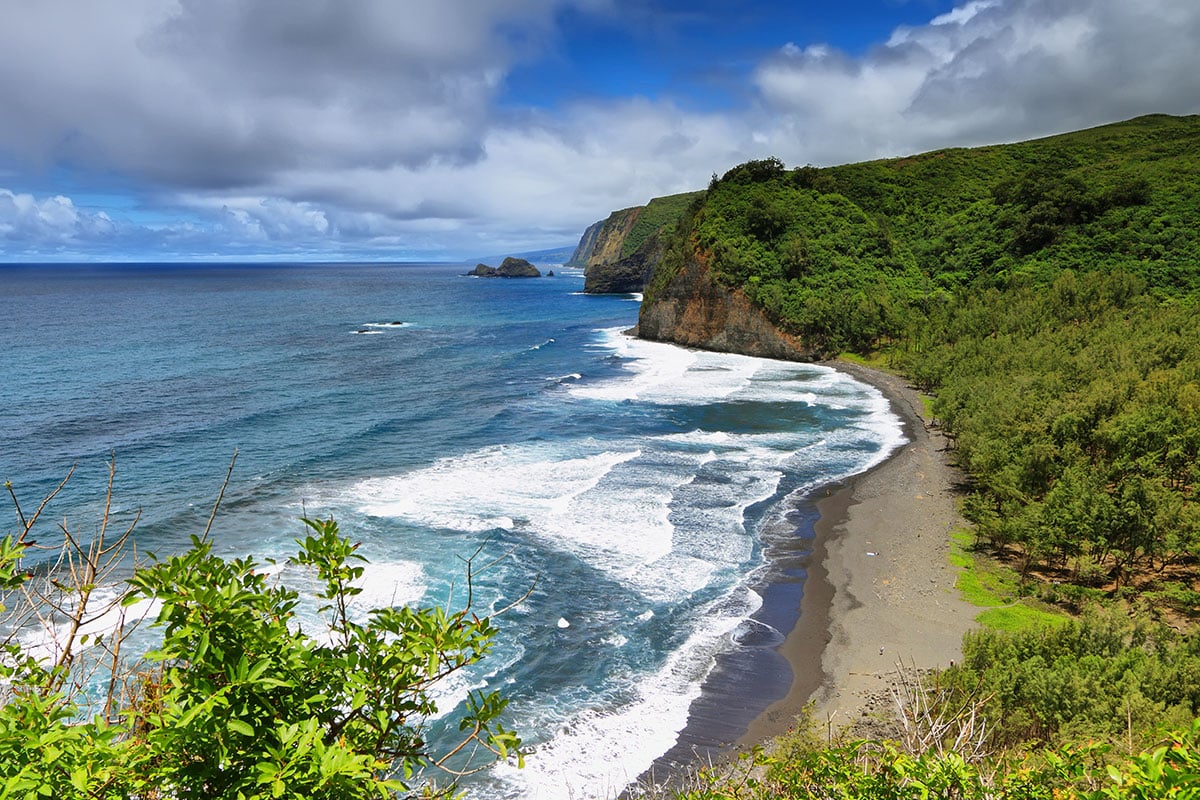
Pololu Valley Beach is located on the northern tip of the Big Island, offering a more rugged and scenic experience for families. The beach itself is surrounded by steep cliffs and lush tropical landscapes. While the beach can be difficult to access due to a steep hike, it’s a great place for families with older kids who enjoy exploring. The black sand beach is ideal for picnicking, exploring tide pools, and taking in the natural beauty. Kids will love the adventure of getting to the beach and playing in the serene environment.
2
Manini’owali Beach (Kua Bay)
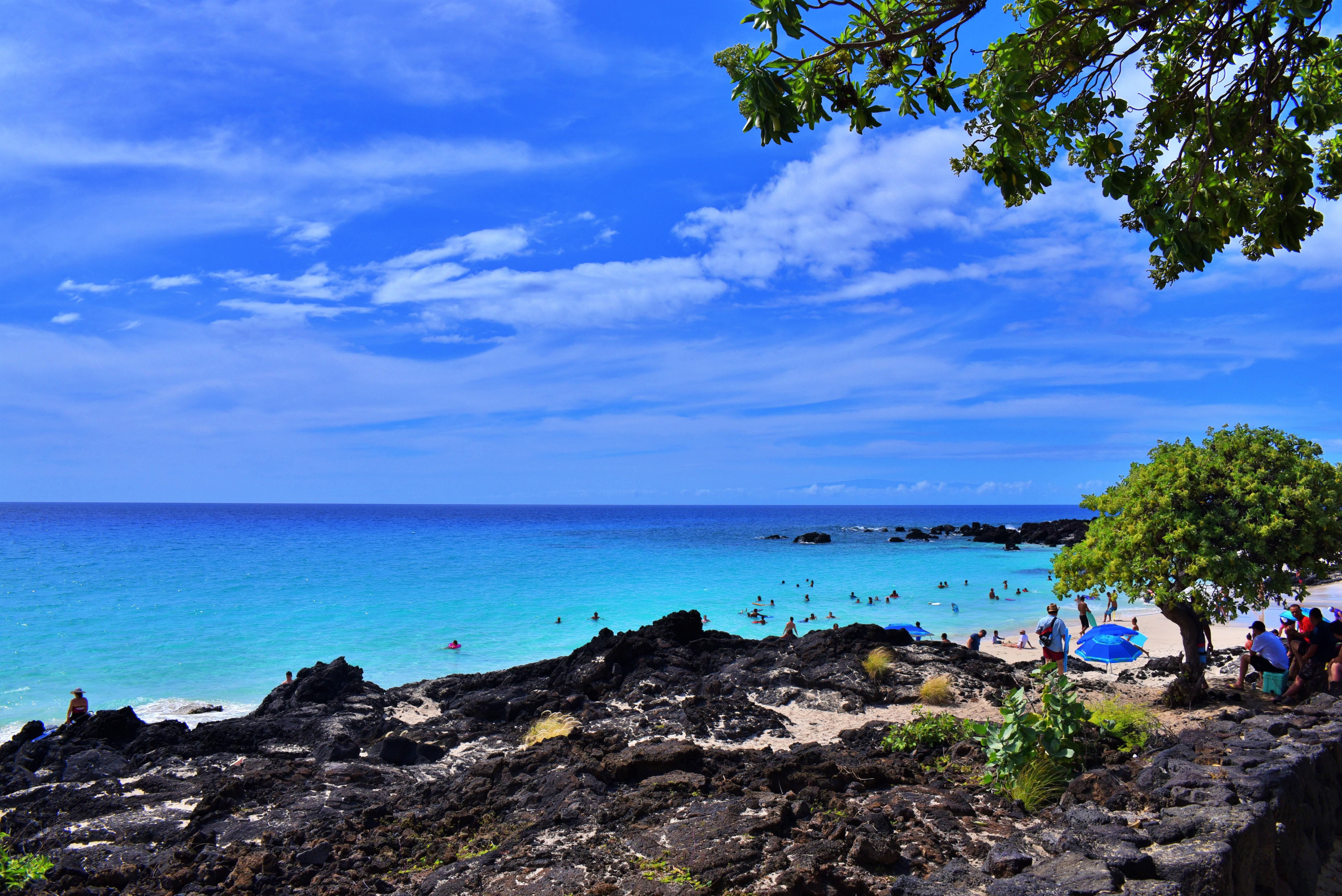
Manini’owali Beach, also known as Kua Bay, is one of the best beaches on the Big Island for families. It has clear turquoise waters, soft white sand, and a shallow shoreline that’s perfect for kids to swim and play in. The beach is well-maintained, with facilities like picnic tables, restrooms, and showers. The surrounding area is also great for exploring and enjoying the stunning views. Kids can splash in the gentle surf, look for fish while snorkeling, or simply enjoy a peaceful day at the beach.
3
Mahai’ula Beach
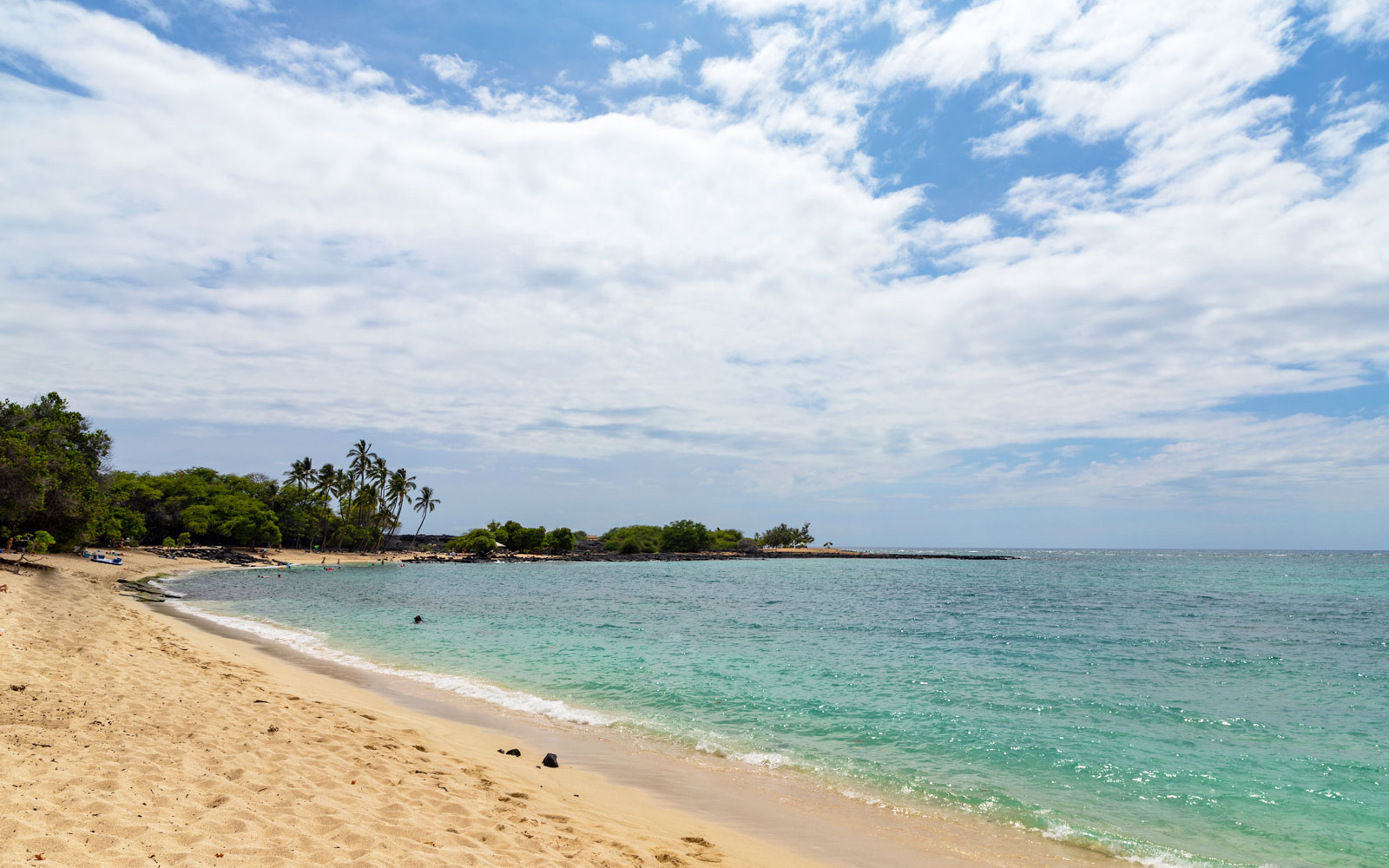
Mahai'ula Beach is located within Kekaha Kai State Park and offers a calm, clear bay that’s perfect for families with young children. The beach has soft sand, clear shallow waters, and plenty of space for kids to play. The shallow areas are great for swimming, and there’s often little to no surf. Families can enjoy a day of sandcastle building, swimming, and picnicking, with scenic views of the ocean and the nearby lava fields. Restrooms and parking are available nearby.
4
Spencer Beach Park
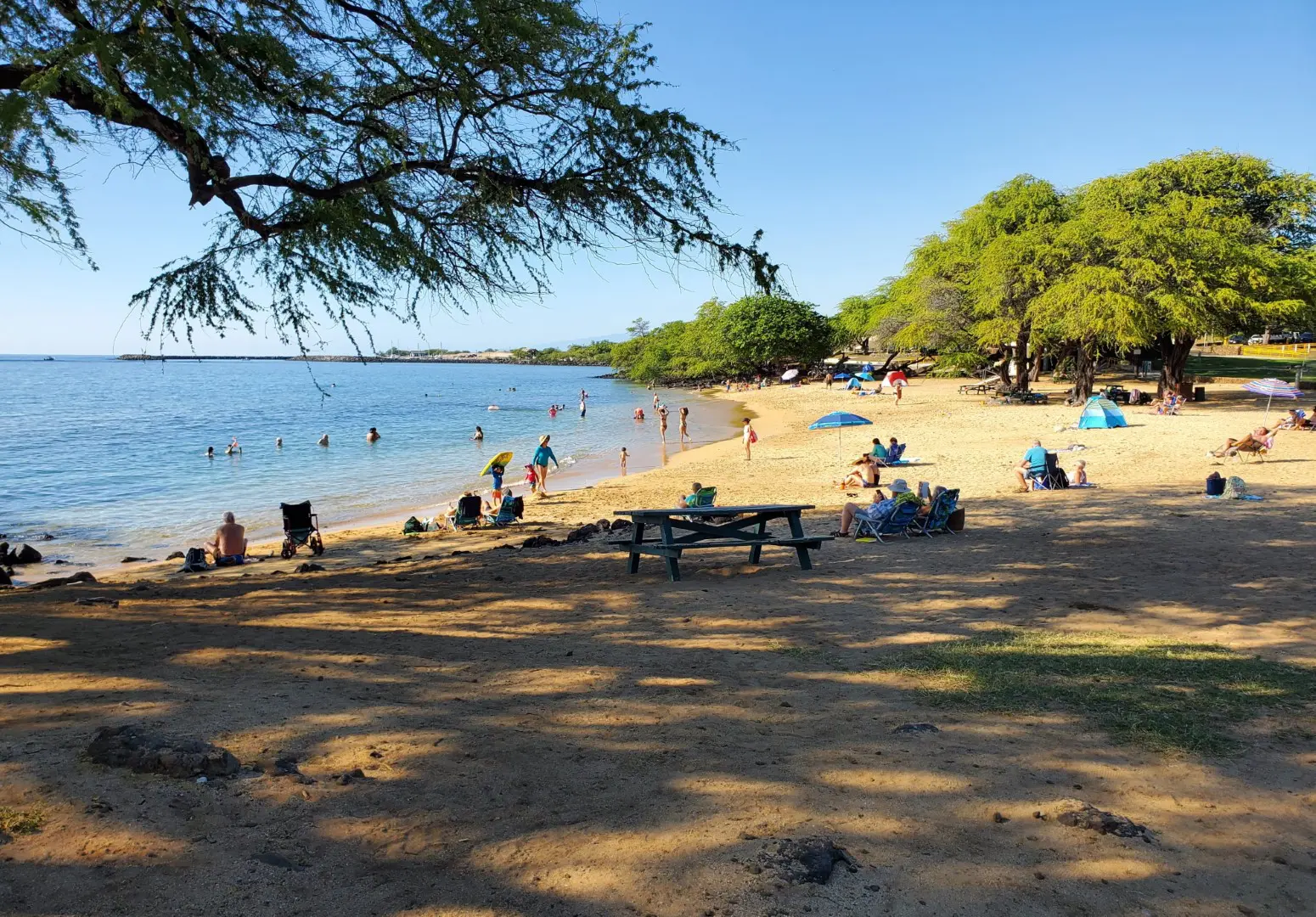
Spencer Beach Park, located near the Waikoloa Resort area, is an excellent choice for families. It has calm, shallow waters that are perfect for children, and there’s plenty of soft sand to play in. The beach also has a great picnic area with tables, grills, and restrooms, making it easy to spend a full day. The park is known for being family-friendly, and it has a large, open space for kids to run around. It’s also a great spot to introduce kids to the joys of swimming and snorkeling, as the waters here are clear and relatively calm.
5
Kaimu Beach (Kalapana)
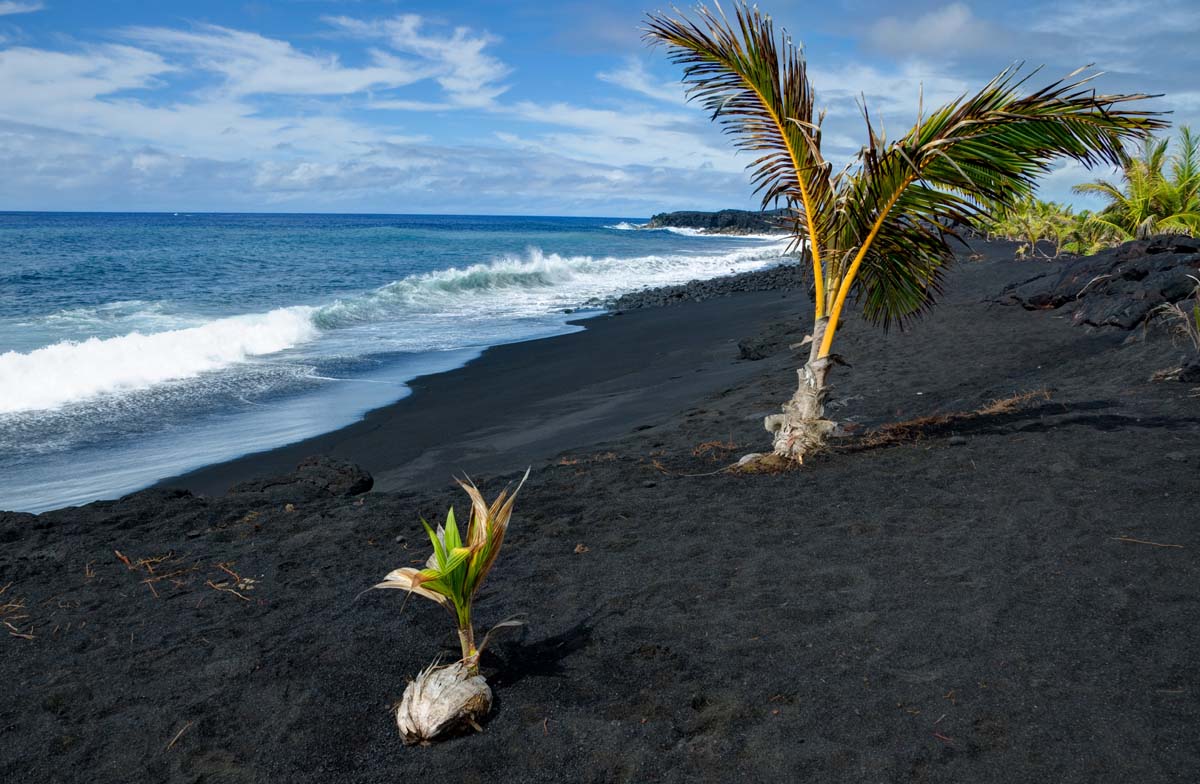
Kaimu Beach is located on the Big Island's southern coast near Kalapana. It’s a quieter, less crowded beach perfect for families. The beach has gentle waters that are ideal for young swimmers, and there’s a black sand shoreline that offers a unique experience for kids. This beach is also a great spot for picnics and family relaxation. There are restrooms and showers nearby, making it a convenient option for a full beach day.
6
Hapuna Beach State Park
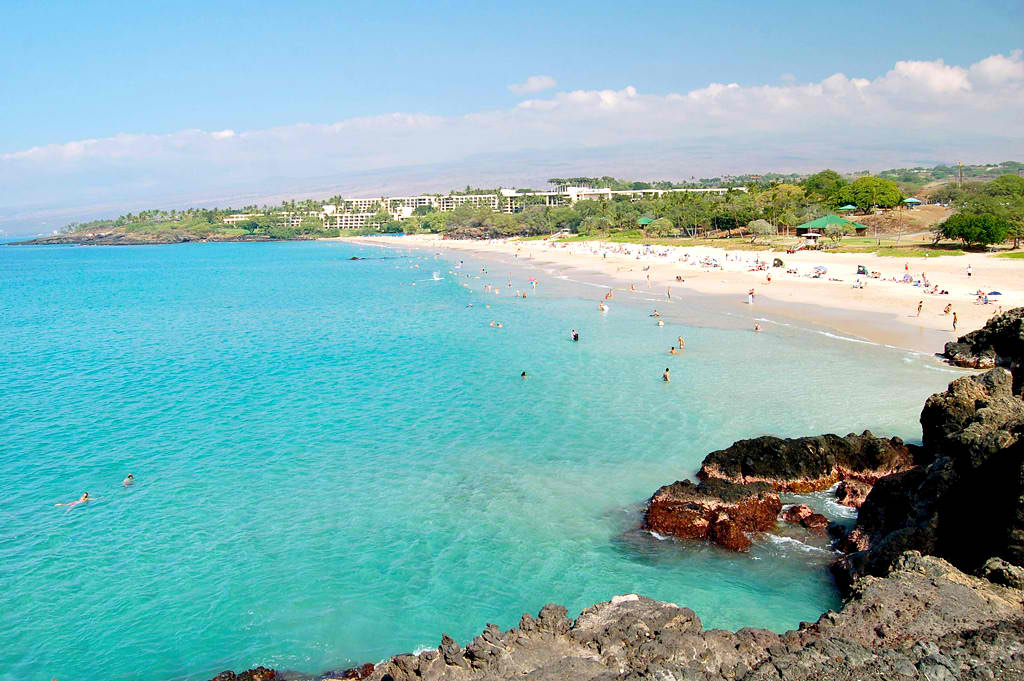
Hapuna Beach is one of the Big Island’s most famous beaches, and for good reason! It’s a wide, crescent-shaped beach with soft, white sand, and clear, calm waters ideal for children to swim and splash around. The shallow water near the shore makes it a safe choice for young swimmers, and the beach is equipped with picnic areas, restrooms, and lifeguards. There are also rental shops nearby where families can rent snorkeling gear, boogie boards, and more.
7
Kukio Beach
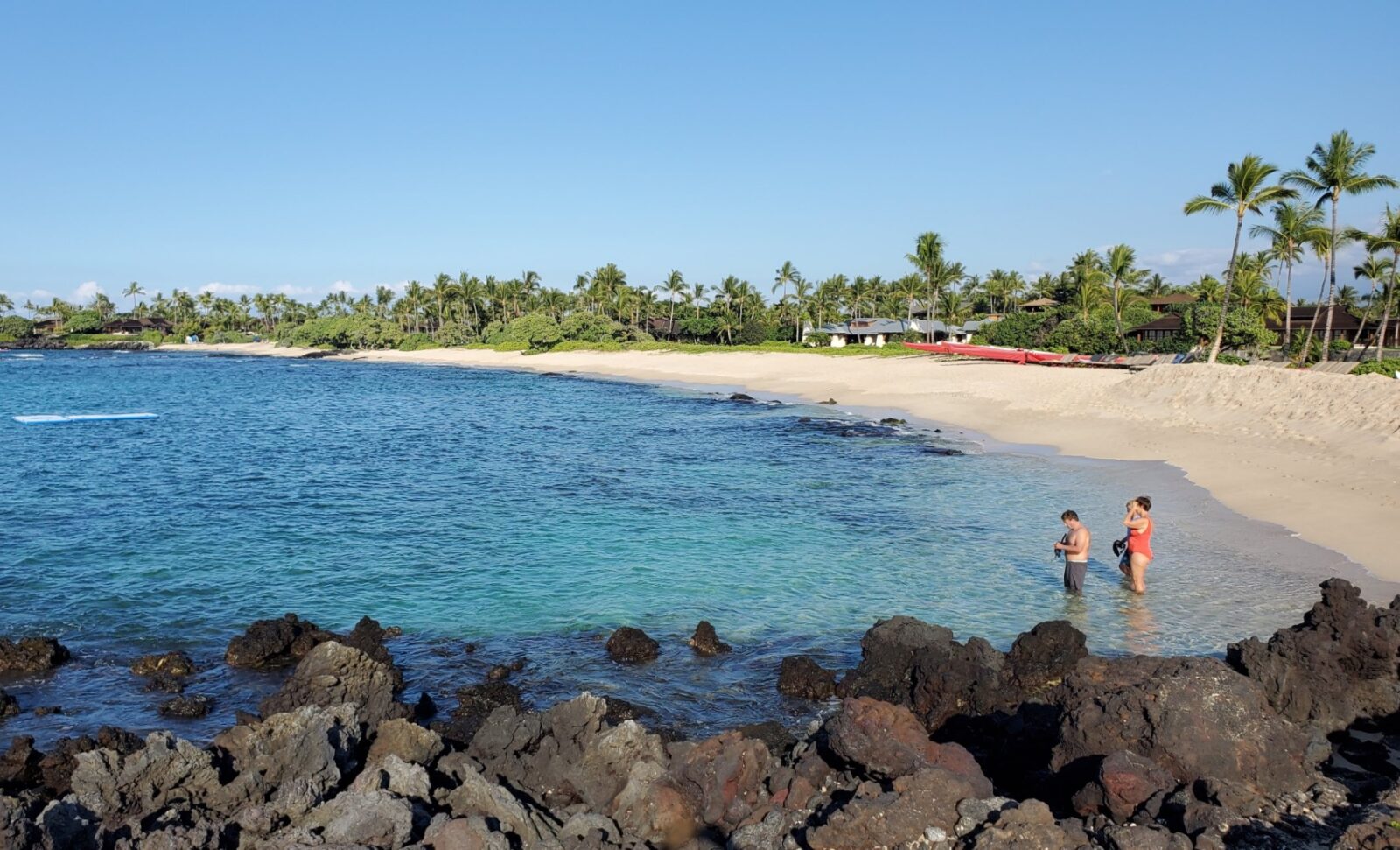
Kukio Beach, located near the exclusive Kukio Resort, is a beautiful and peaceful spot for families. The shallow waters here are calm and protected, making it an excellent place for children to swim, snorkel, or just splash around in the surf. It’s not as crowded as some of the other beaches on the island, so families can enjoy the serene environment. The beach is equipped with picnic tables and restrooms, ensuring that families can relax and spend a comfortable day in the sun.
8
Hilo Bayfront Beach Park
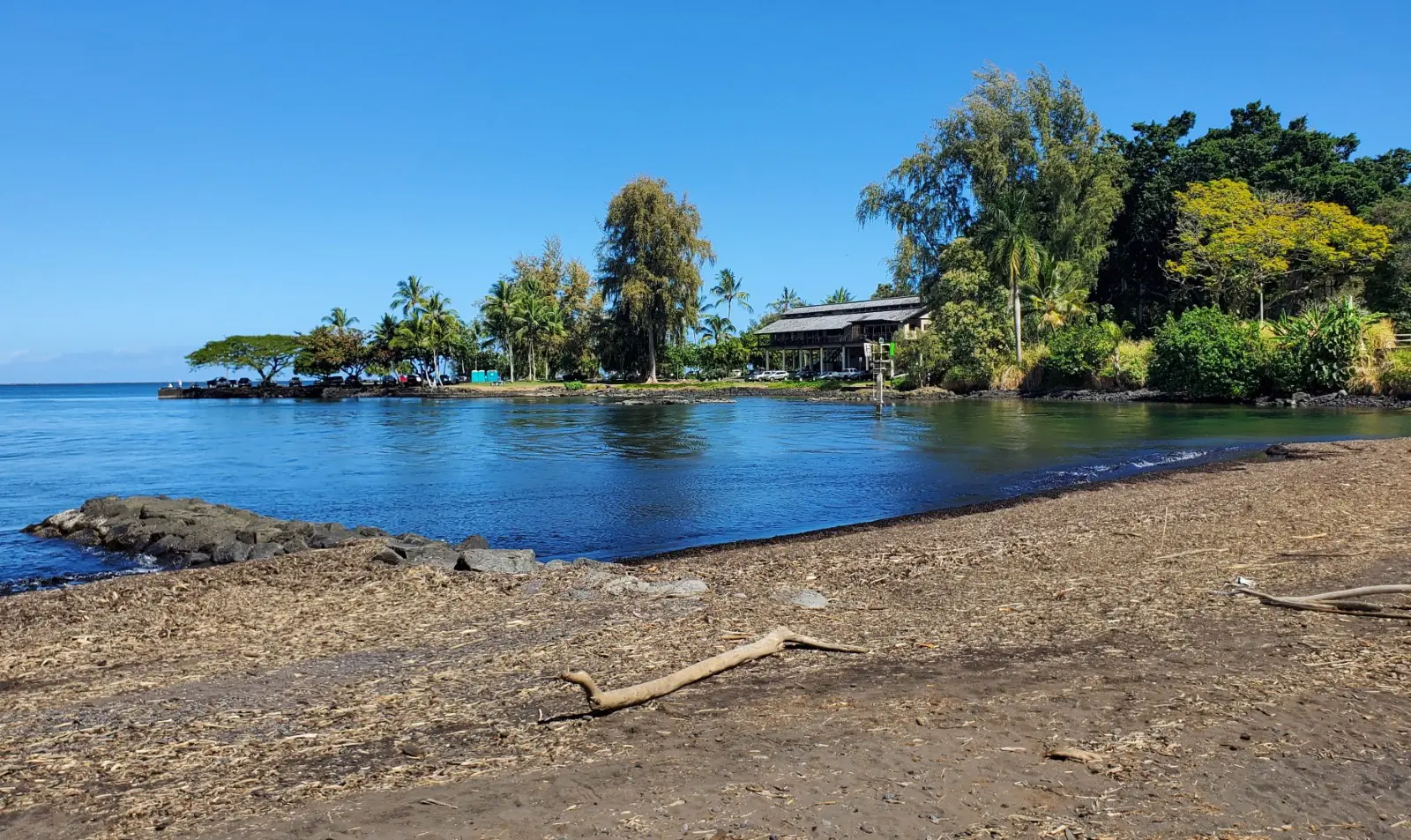
Located on the east side of the island, Hilo Bayfront Beach Park is a great place for families looking for a more relaxed beach experience. While it’s not a traditional sandy beach, it has calm waters that are perfect for swimming and wading. The park has grassy areas, picnic tables, and restrooms, making it a comfortable spot for a family outing. Kids can enjoy walking along the shoreline, exploring the small beaches, and swimming in the calm waters. It’s also a great place for a peaceful afternoon with beautiful views of the bay.
9
Ka Lae (South Point)
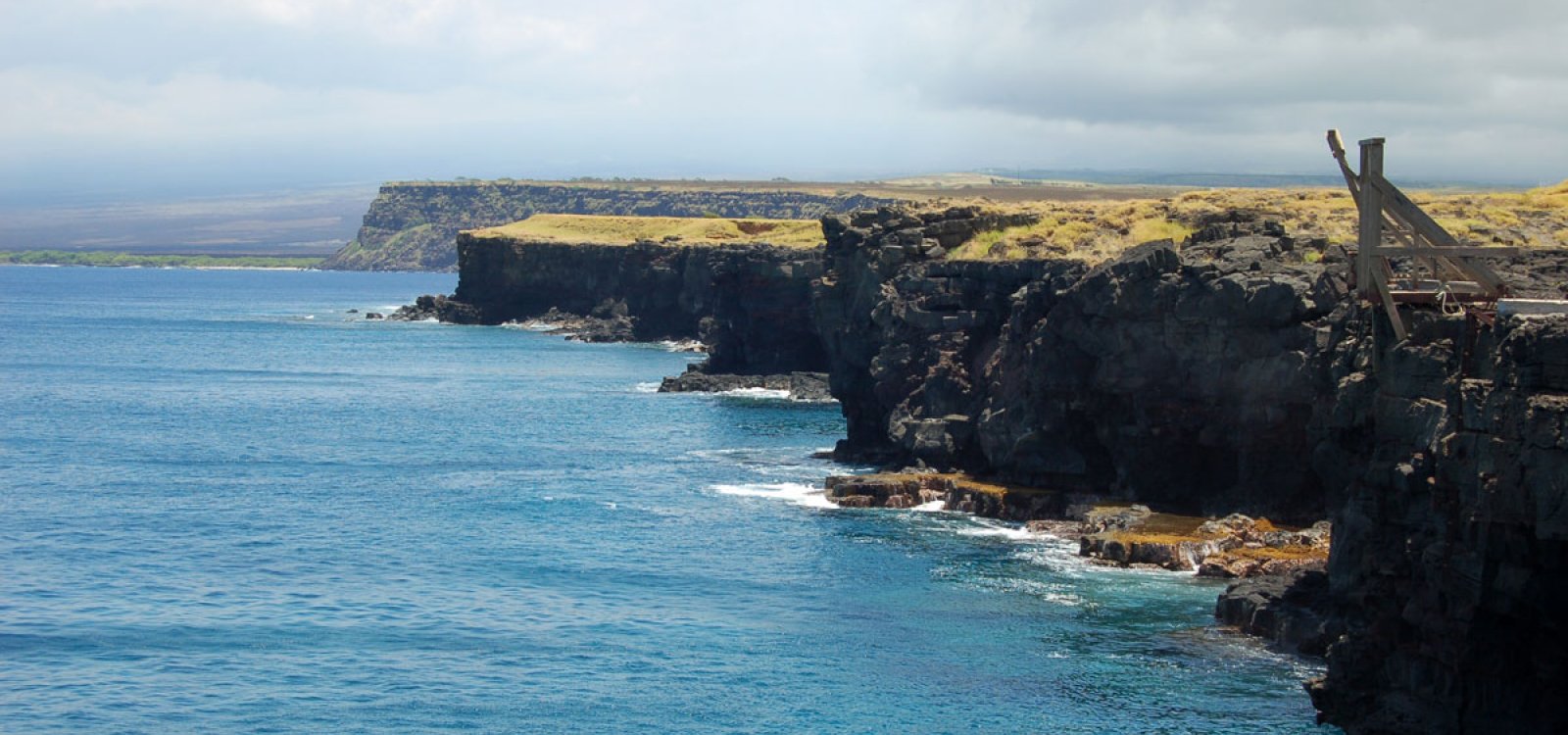
Ka Lae, also known as South Point, is located at the southernmost point of the Big Island. It offers a rugged, beautiful coastline, and families can enjoy a fun, less crowded experience. While the waters can be strong, there are tide pools that kids can explore and see marine life such as crabs and small fish. It’s an adventurous spot for families who want to explore more remote areas of the island. Make sure to bring water and snacks, as amenities are limited.
10
Green Sand Beach (Papakōlea Beach)
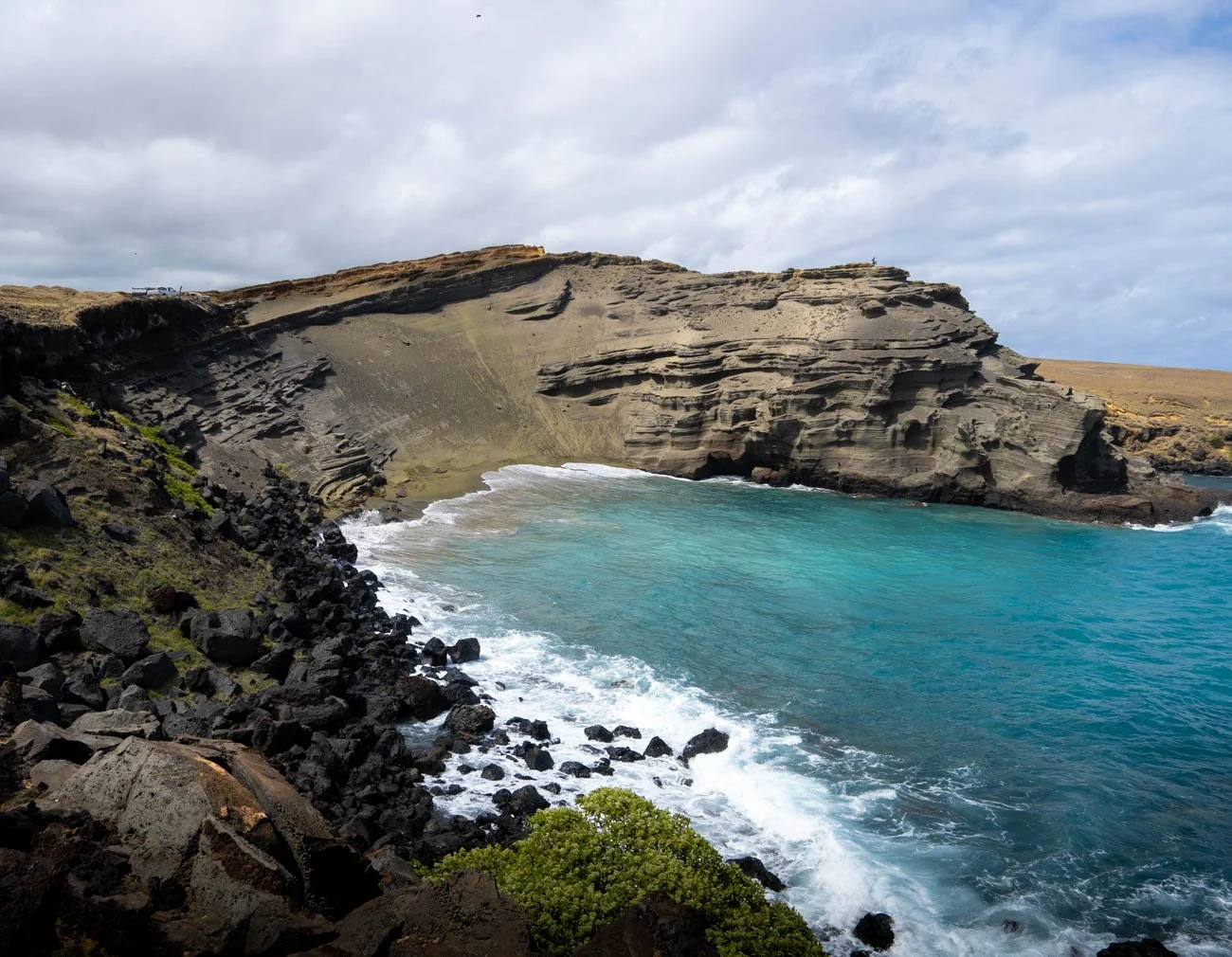
Green Sand Beach, also known as Papakōlea Beach, is one of the Big Island’s most unique and memorable spots. The sand gets its rare green hue from olivine crystals, a volcanic mineral found in the surrounding cinder cone. Reaching the beach requires a 2.5-mile hike each way across rugged, open terrain. While the hike isn’t steep, it can be hot, windy, and uneven, making it best suited for active families with older kids. Once there, the payoff is a stunning, secluded cove where kids can explore the unusual green sand and take a dip in the refreshing waters, weather permitting.
11
Anaehoʻomalu Bay (A-Bay)
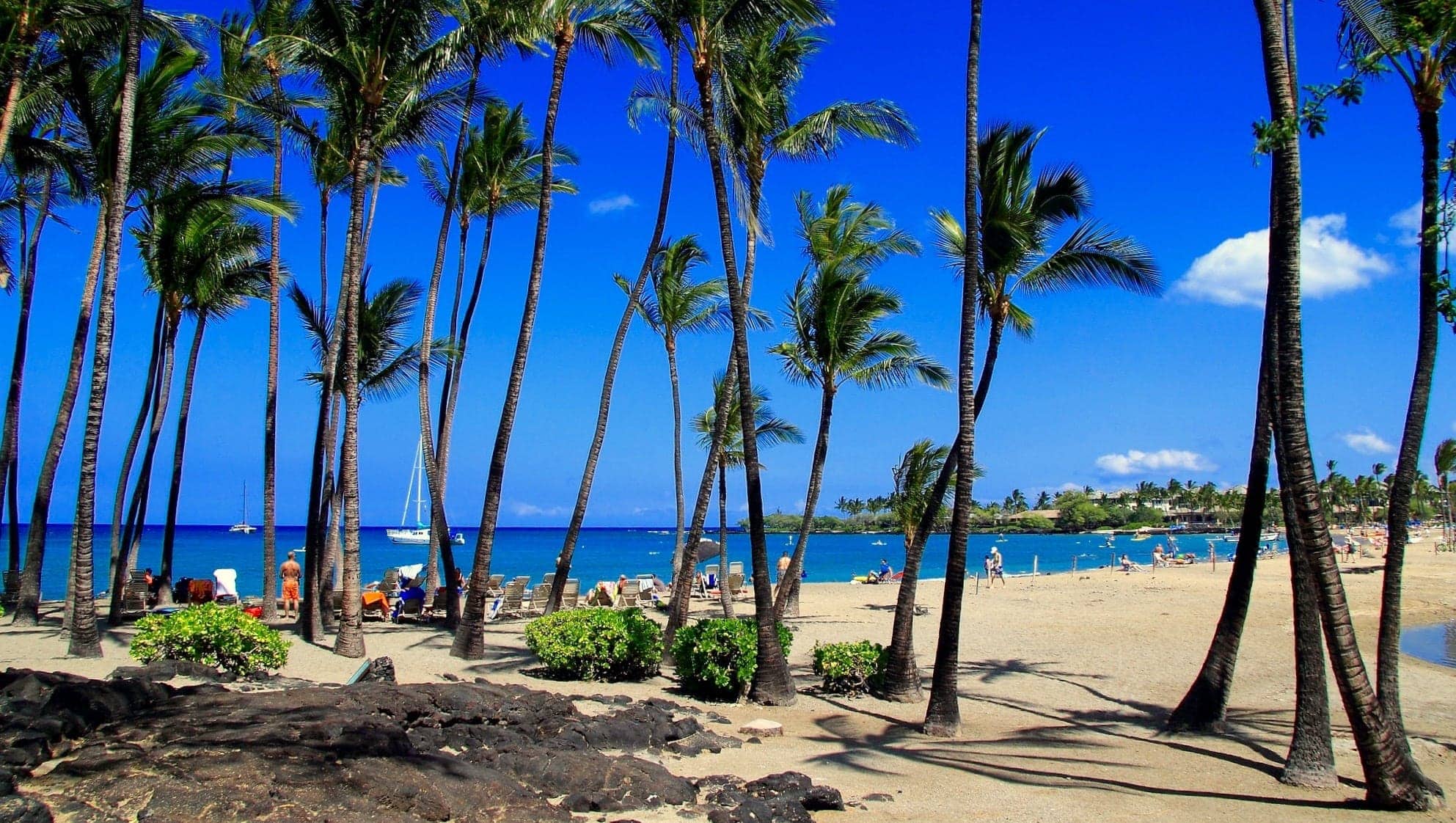
Located on the Kohala Coast, Anaehoʻomalu Bay, often called A-Bay, is known for its calm, clear waters and sandy beach. This is an excellent beach for families with younger kids, offering gentle surf that’s perfect for swimming and snorkeling. Kids will love exploring the tide pools, and the area is great for picnics and playing beach games. The bay is also a popular spot for canoe rides and dolphin watching, adding even more excitement for the whole family.
12
Punaluʻu Black Sand Beach
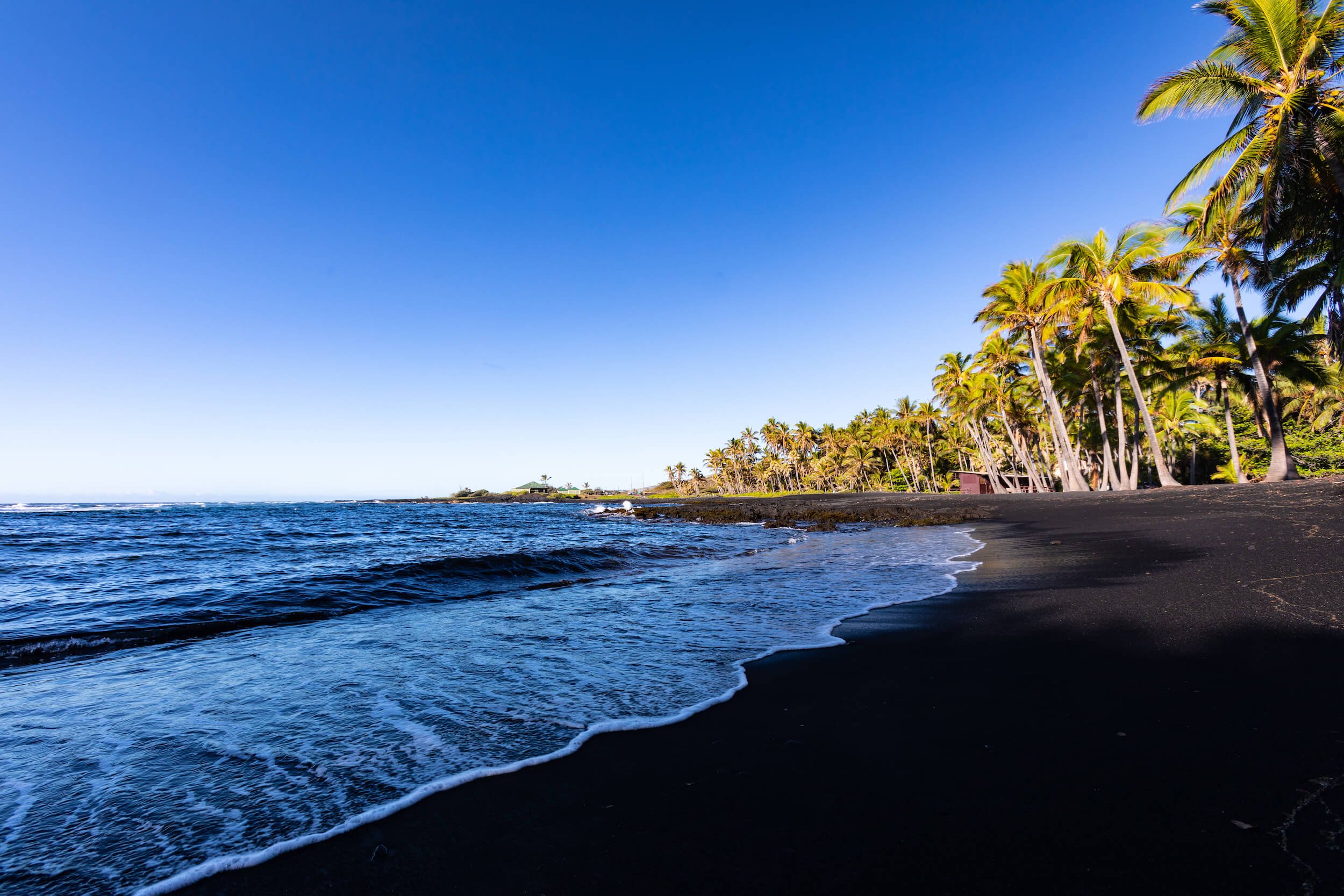
Punaluʻu Beach is one of the Big Island’s most unique spots, famous for its black sand. The beach is located near the South Point area and offers an incredible experience for kids who are visiting for the first time. While the waters can be a bit rough at times, the beach itself is a great place to spot Hawaiian green sea turtles basking in the sun, and kids can learn about the area’s history and wildlife. The beach is also ideal for picnics under the shade of palm trees.
13
Honomalino Bay
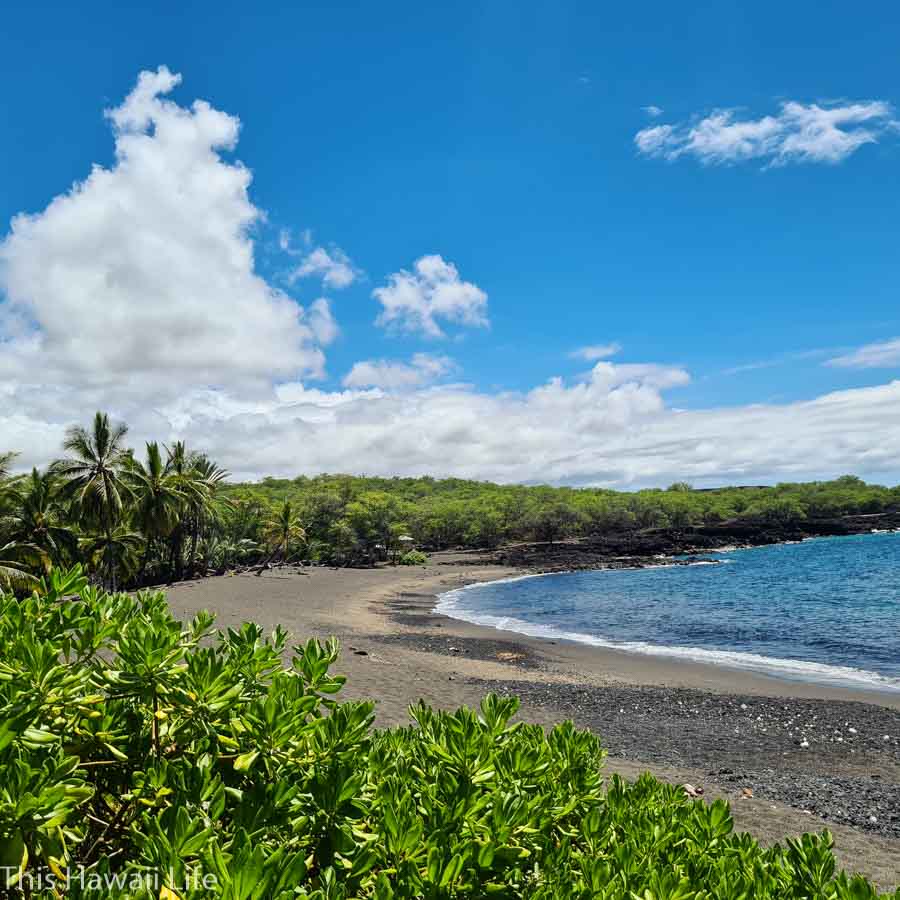
Honomalino Bay is a secluded, quiet beach that offers crystal-clear waters and black sand, which gives it a unique charm. The water here is calm and shallow, ideal for children to swim and explore. The surrounding area is lush with tropical trees, providing plenty of shade for families to relax. While the beach is a bit off the beaten path, it’s worth the effort for families looking to experience a more private and peaceful beach day. The surrounding area also offers some beautiful scenic views.
14
Mahukona Beach Park
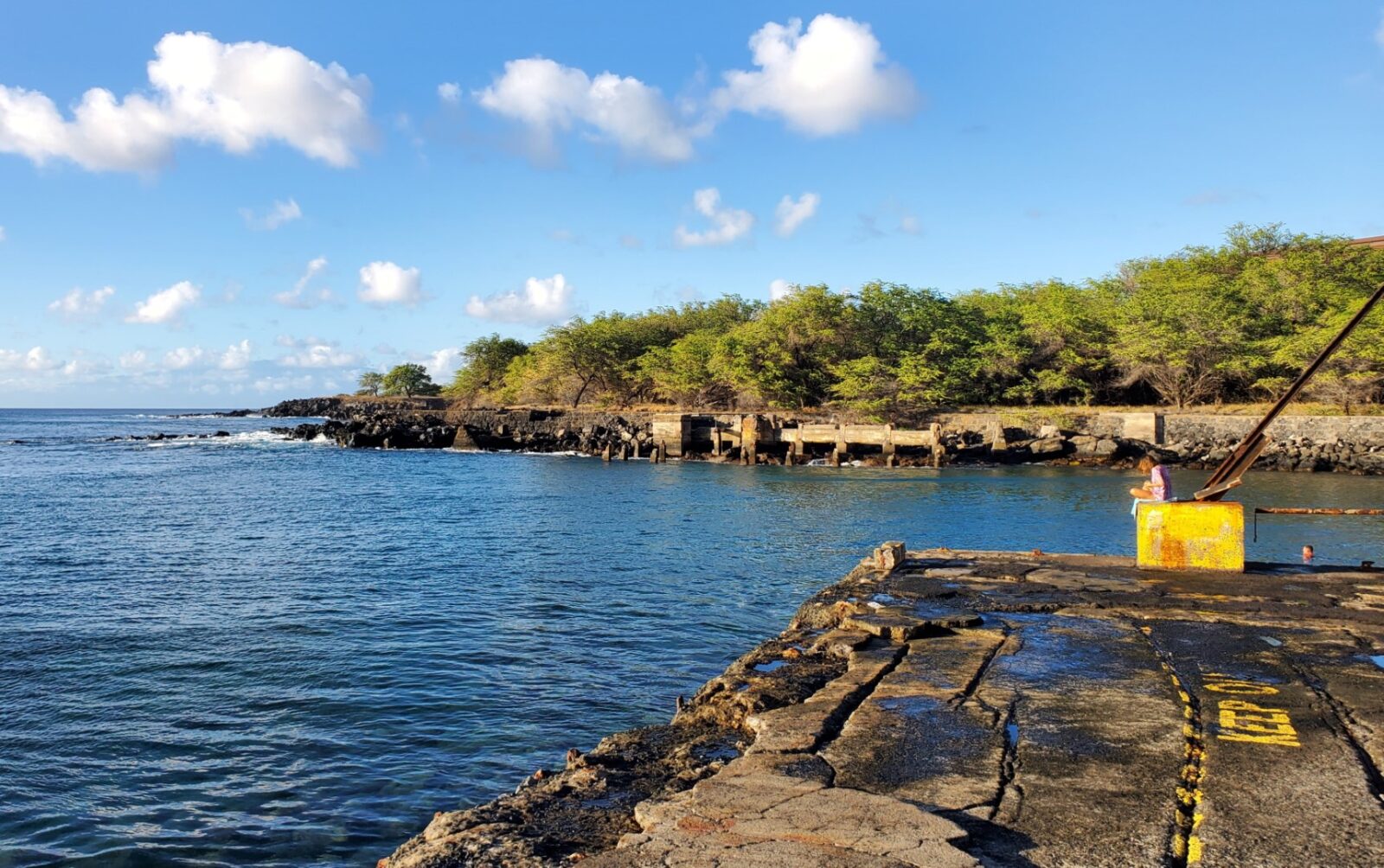
Mahukona Beach Park is a hidden gem in the North Kohala area. It’s a small, relaxed beach with calm waters that are perfect for swimming and snorkeling. The beach is often quieter than some of the other beaches on the Big Island, which makes it an ideal spot for families seeking a more private experience. Kids can enjoy the shallow water, look for fish, or play in the sand. The park also has picnic areas, restrooms, and a little harbor, providing convenient facilities for a full day of beach fun.
15
Kauna’oa Bay (Mauna Kea Beach)
Kauna'oa Bay, located near the Mauna Kea Beach Resort, is a picturesque and family-friendly beach with gentle waters and soft sand. The calm, shallow waters make it a great place for kids to swim, snorkel, and play. This beach offers an amazing environment for both relaxation and adventure, as it’s surrounded by tropical trees and has incredible views of the ocean. There are also showers, restrooms, and food options nearby, making it easy for families to enjoy a full day at the beach.
16
Kealakekua Bay
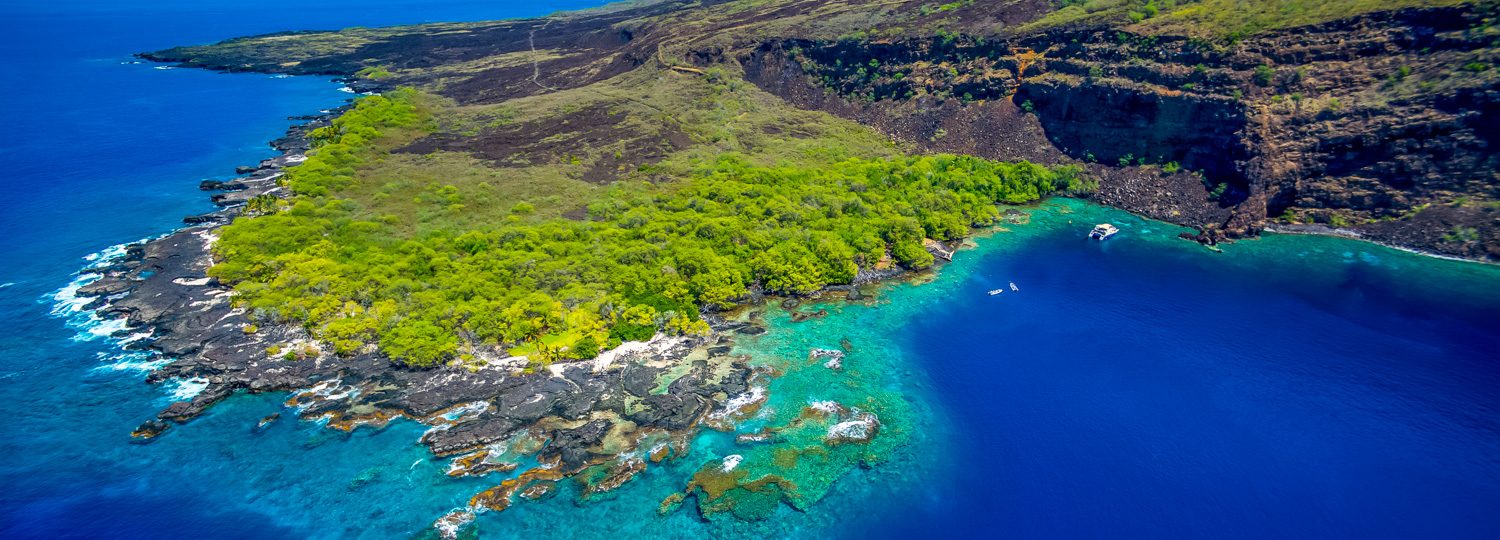
Kealakekua Bay is a popular spot for families who enjoy water activities. The bay offers calm waters that are ideal for snorkeling, and kids will love exploring the marine life, including colorful fish and Hawaiian sea turtles. While the bay is accessible by boat, there is also a small beach area where families can relax. The area is historically significant, and families can learn about its importance in Hawaiian history. The surrounding environment is tranquil, making it a peaceful spot for families to spend the day.
17
Kahalu’u Beach Park
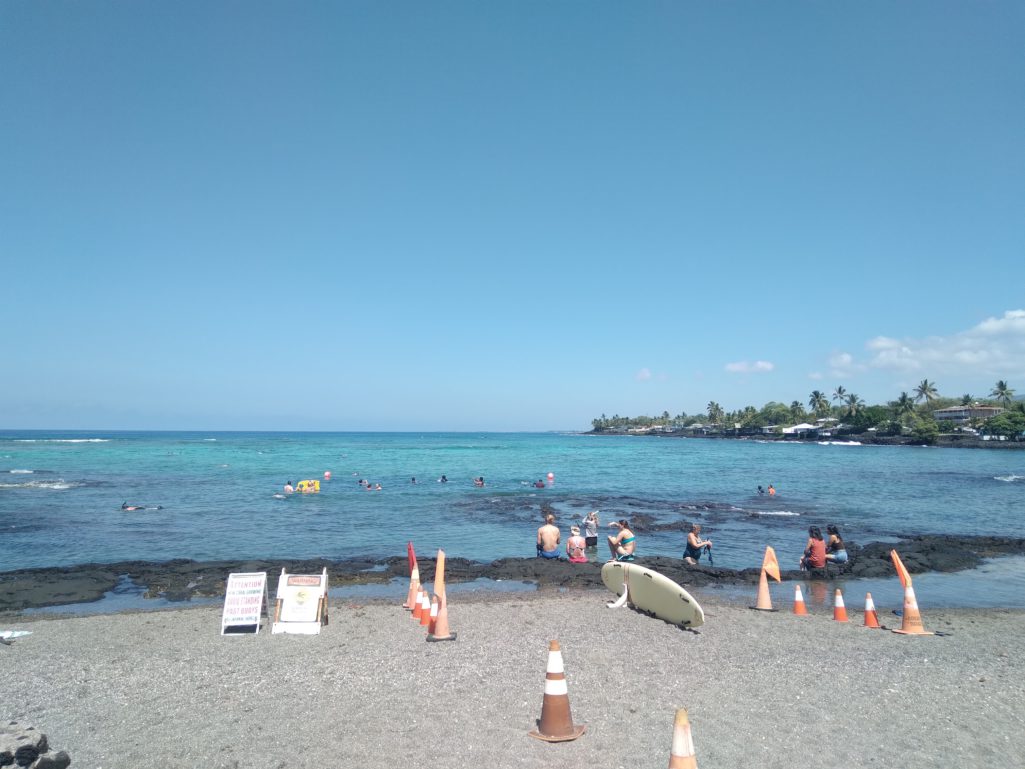
Kahalu’u Beach Park is one of the best places for families who want to introduce their kids to snorkeling. Located near Kailua-Kona, this beach has calm, clear waters that are teeming with fish and sea turtles, making it a perfect spot for beginner snorkelers. The shallow waters make it a great place for young kids to swim, and there are lifeguards on duty for added safety. The beach is also equipped with picnic areas and restrooms, so families can make a day of it. Kids will love exploring the underwater world here!
18
Wawaloli Beach Park
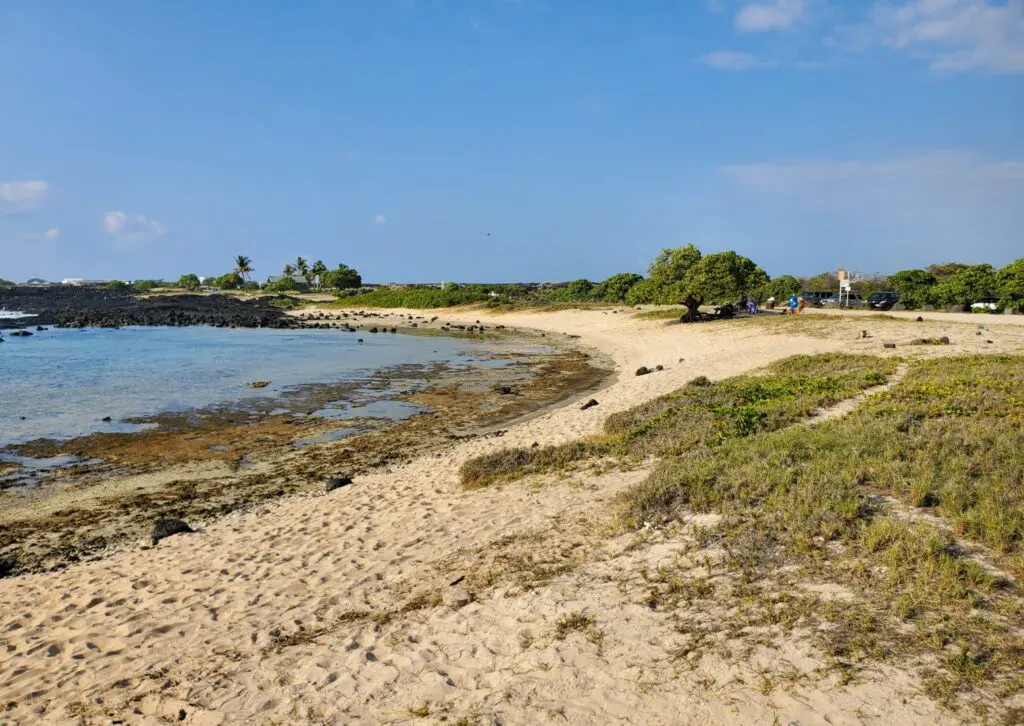
Wawaloli Beach Park is located on the Kona coast and is a great family spot for swimming and picnicking. The beach has calm, shallow waters, making it a safe option for kids. The park is relatively small but offers a grassy area where families can relax and have a picnic. The nearby waters are perfect for beginners to practice snorkeling, as they are clear and full of marine life. Families can enjoy both the sand and the water while keeping an eye on their kids in this quiet, scenic environment.