Maui’s snorkeling content is full of spot-by-spot guides — Napili Bay, Honolua Bay, Black Rock — but almost none of it addresses the bigger decision families actually face first: is a boat trip out to Molokini worth the cost and the seasickness risk, or is shore snorkeling the better fit for your family this trip? The honest answer depends more on your kids’ ages and stomachs than on which spot has the prettiest fish.
Filter out the noise and find what works for your family.
Every resort we review gets one of four Family Fit ratings. The rating is based on kids programming, amenities, vibe, and who the resort actually markets to - not just whether they allow children.
Discover My Ideal Resort →What to Know
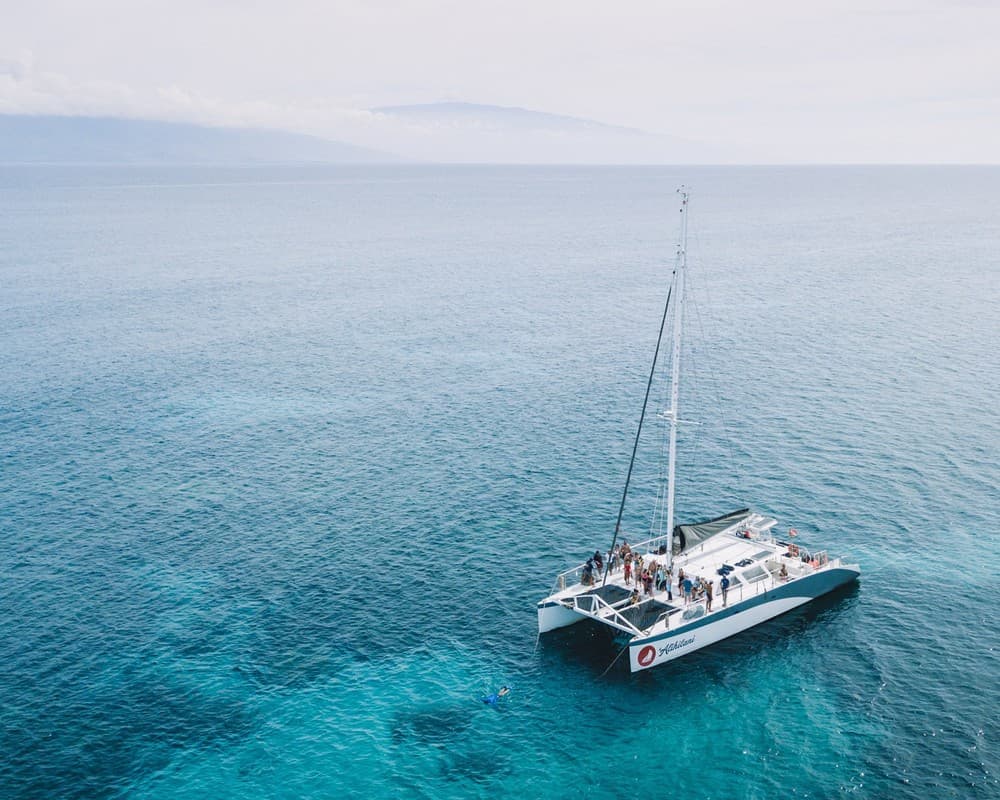
- Molokini boat tours run roughly $130-300+ per adult depending on boat type — express rafts at the low end, standard catamarans with breakfast and lunch in the middle, luxury yachts and small-group boats at the top — with reduced child rates that vary by operator
- Most operators don’t publish a strict minimum age, but kids around 6-7 and up who are comfortable in water tend to get the most out of a Molokini trip
- Seasickness is a real risk on any boat tour; morning departures, bigger and more stable boats, and positioning kids mid-ship with a view of the horizon all help, and it’s worth asking a pediatrician about child-safe remedies in advance
- Shore snorkeling at spots like Napili Bay or Kapalua Bay is free (beyond parking), lets you leave anytime a kid is done, and has zero seasickness risk
- Molokini genuinely does offer clearer water and more fish than most shore spots, but it’s also deeper and more exposed than a calm beach entry
- Most families do best mixing both — a few days of easy shore snorkeling and one Molokini trip, rather than committing the whole week to one or the other
What a Molokini Boat Trip Actually Costs and Involves
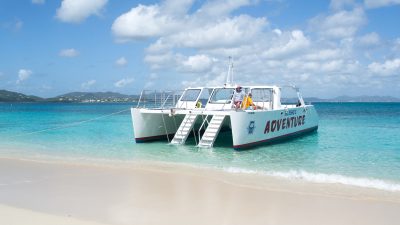
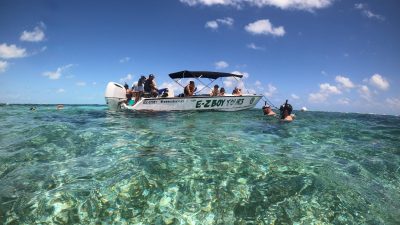
Pricing splits into clear tiers. Express or speedboat tours (2-3 hours) run roughly $130-190 per adult and include the boat, gear, and basic drinks but no full meal. Standard catamarans (4-5.5 hours) run about $150-210 and typically add breakfast, lunch, and soft drinks — genuinely useful with kids, since it removes meal logistics from the day. Small-group and luxury options run $180-300+ for more personalized service and smaller crowds. Most operators offer reduced child pricing, though the exact age cutoffs and discounts vary enough that it’s worth checking before booking. Budget for extras too — wetsuit rental, parking at the harbor, and gratuities aren’t always included in the headline price.
The Seasickness Question
This is the part families underestimate. Molokini trips head out into open water, and even calm days can produce enough boat motion to trigger seasickness in kids who’ve never experienced it before. The practical mitigations are well established: book an early-morning departure when seas are calmer, choose a larger catamaran over a smaller boat for a more stable ride, and keep kids outside in fresh air — mid-ship if possible — with their eyes on the horizon rather than belowdecks. A light meal beforehand helps too. For a kid with a known history of motion sickness, it’s worth a conversation with their pediatrician about safe remedies before the trip rather than finding out the hard way an hour offshore.
Why Shore Snorkeling Still Wins for a Lot of Families
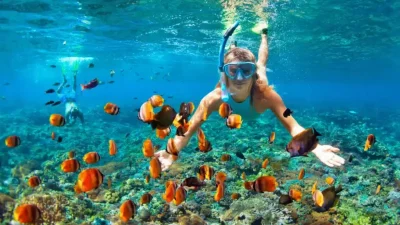
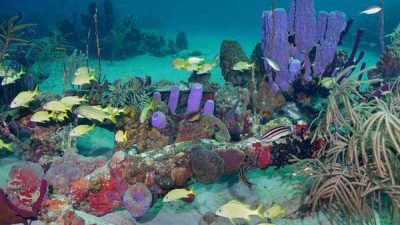
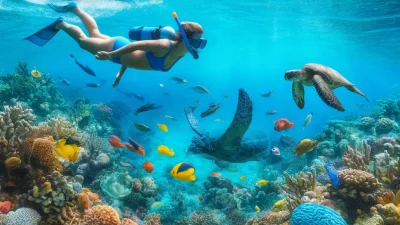
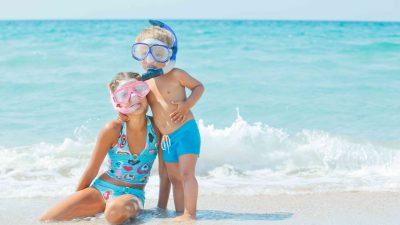
Shore snorkeling doesn’t need to be sold as a consolation prize — for many families it’s genuinely the better choice. There’s no seasickness risk, no boat schedule to work around, and no minimum-age gray area to navigate. If a toddler or younger sibling gets tired, cold, or bored after twenty minutes, you just walk back to the towels — something you can’t do four miles offshore. Spots like Napili Bay and Kapalua Bay offer real snorkeling with sea turtles and reef fish, genuinely comparable to a boat trip for a family with younger kids who aren’t going to appreciate Molokini’s extra depth and clarity as much as the adults will.
What You Actually Gain at Molokini
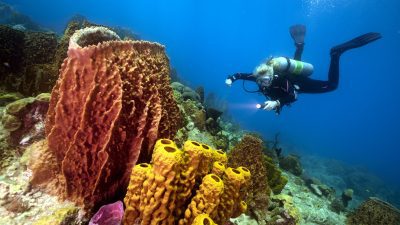
The honest case for Molokini is real: the water clarity and fish density are a step up from most shore spots, since it’s a partially submerged volcanic crater protected as a marine sanctuary. For older kids and teens who are strong swimmers and comfortable snorkelers, it’s a legitimately different experience from a beach entry — deeper water, better visibility, and species you’re less likely to see close to shore. It’s just not the right fit for every age or every kid’s tolerance for boat motion, and that’s the tradeoff worth weighing honestly rather than assuming it’s automatically the better option because it costs more.
Building a Trip That Uses Both
The families who get the most out of Maui’s water tend not to pick one over the other for the whole trip. A couple of easy mornings at Napili Bay or Kapalua Bay early in the week, followed by a single Molokini trip mid-week once everyone’s acclimated to the water and the schedule, spreads the cost and the seasickness risk across a manageable plan rather than betting the whole trip on one boat departure.
Quick Answers
- Is Molokini worth it with young kids? It depends on age and swimming comfort — kids around 6-7 and up tend to get more out of it; younger kids often do just as well with shore snorkeling.
- How much does a Molokini snorkel tour cost? Roughly $130-300+ per adult depending on boat type, with reduced child rates varying by operator.
- What’s the best way to avoid seasickness on the boat? Book an early-morning departure, choose a larger catamaran, and stay outside mid-ship with a view of the horizon.
Things to Do in Maui
Browse family-friendly tours and activities in Maui, ranked from real traveler reviews.
Where to Stay in Maui
A few family-friendly places to base your trip:
 Grand Wailea, A Waldorf Astoria Resort
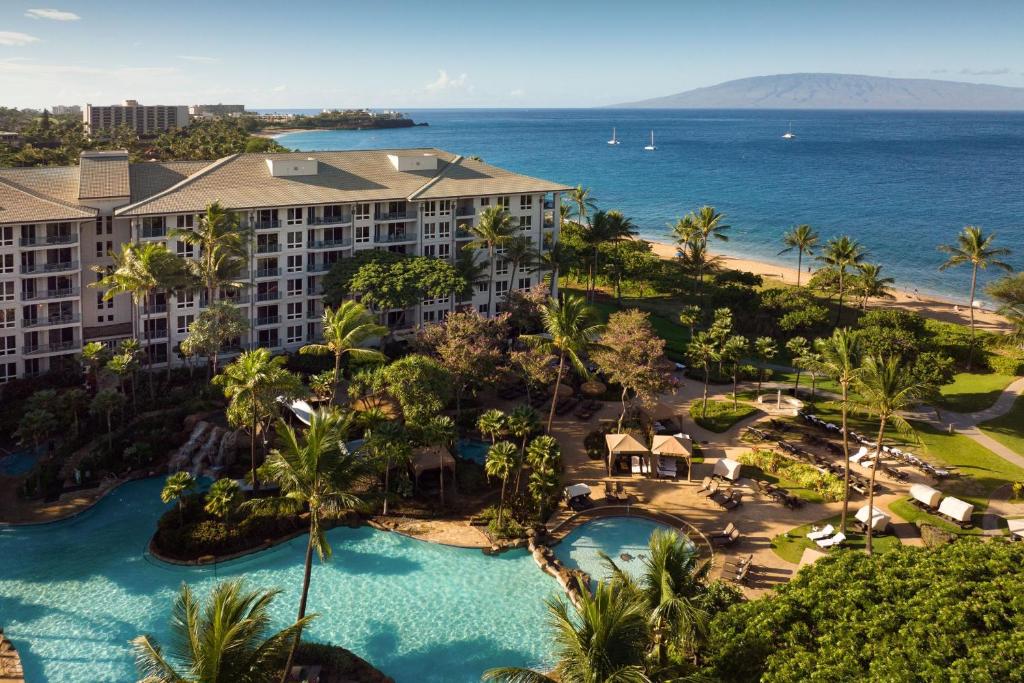 The Westin Ka’anapali Ocean Resort Villas
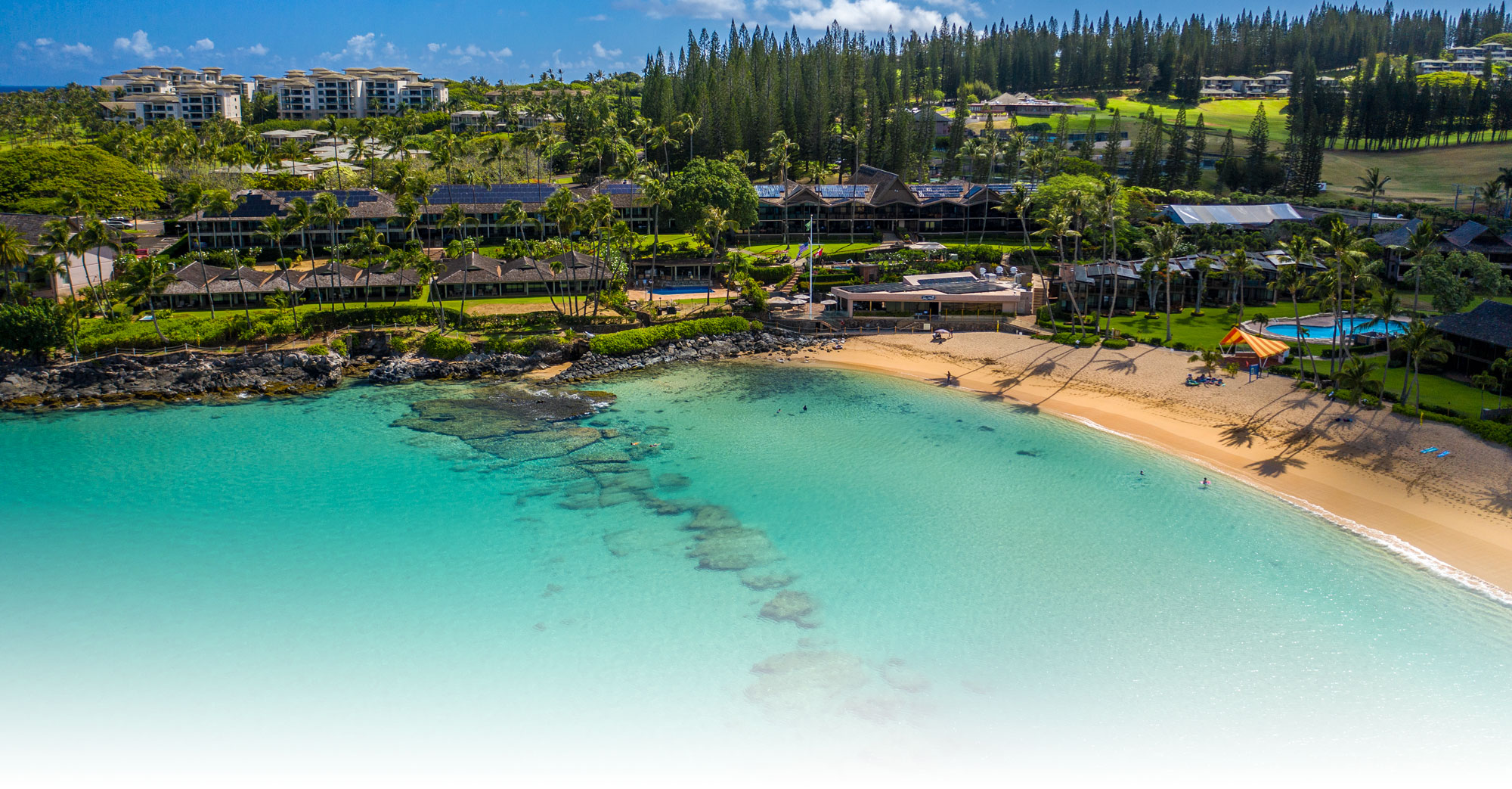 Napili Kai Beach Resort
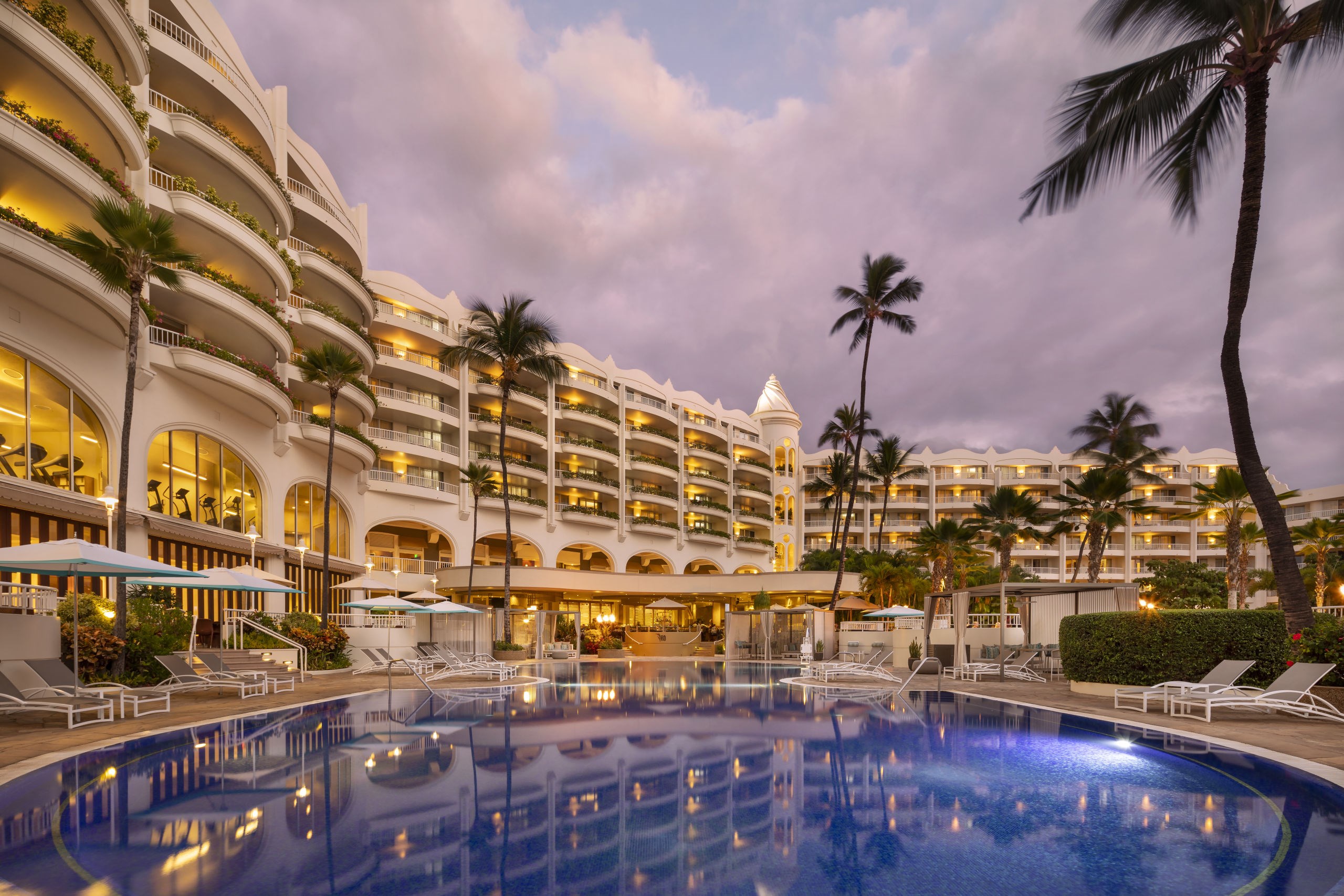 Fairmont Kea Lani, Maui
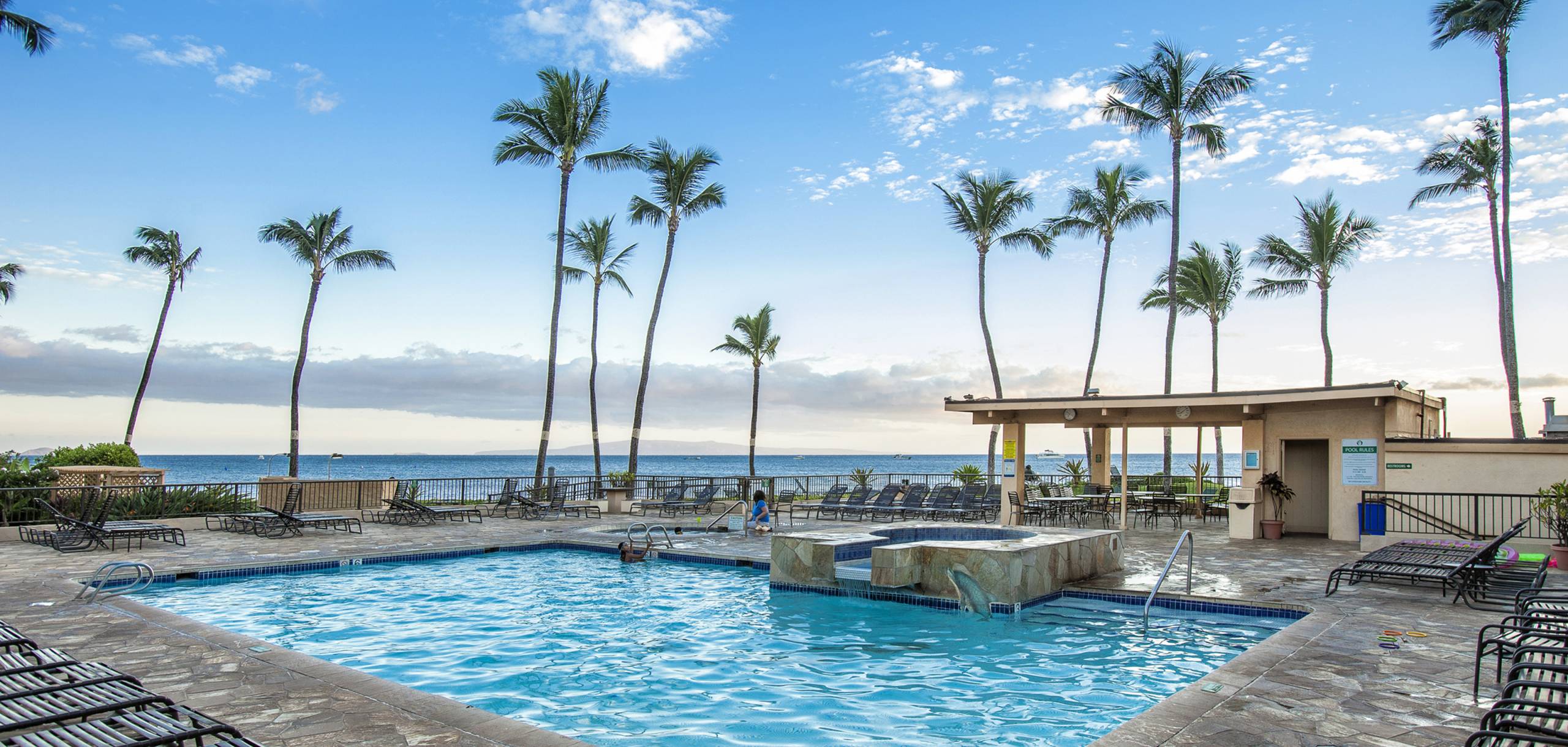 Sugar Beach Resort
Ready to Plan Your Maui Trip?
Get a personalized family itinerary built around your kids ages, interests, and travel style — free.