Visiting Rocky Mountain National Park with a Stroller or Toddler: What You Need to Know
Introduction to RMNP for Families
Rocky Mountain National Park might seem like an intimidating destination with young children, but it’s actually a fantastic and manageable adventure for families. With stunning mountain landscapes, accessible trails, and plenty of opportunities for wildlife viewing, RMNP offers an unforgettable experience even with a stroller in tow. This guide will focus on how to navigate the park’s wonders with little ones, ensuring a fun and stress-free trip for everyone.
Best Times to Visit Rocky Mountain National Park with Little Ones
Timing your visit can make a big difference when traveling with toddlers. For milder weather and fewer crowds, consider visiting in late spring (late May/early June) or early fall (September/early October). Summer is beautiful but can be very busy, especially with the timed entry permit system now in place.
Filter out the noise and find what works for your family.
Every resort we review gets one of four Family Fit ratings. The rating is based on kids programming, amenities, vibe, and who the resort actually markets to - not just whether they allow children.
Discover My Ideal Resort →The timed entry permit system is crucial to understand. During peak season, you will need a permit for specific areas like Bear Lake Road or for general park access. Always check the official RMNP website for the latest requirements and reserve your permits well in advance.
Weather in the mountains is notoriously variable, especially at high altitudes. You might experience sunshine, rain, or even snow all in the same day, regardless of the season. Always pack layers and be prepared for sudden changes, keeping your little one’s comfort in mind.
Park Entrances & Accessibility Overview
Rocky Mountain National Park has two main entry points. On the east side, near Estes Park, you’ll find the Beaver Meadows Entrance and the Fall River Entrance. These are generally the busiest and offer easy access to many popular trails and visitor centers. On the west side, near Grand Lake, is the Kawuneeche Valley Entrance, which tends to be a bit quieter.
Visitor centers are excellent starting points for families. They provide crucial information, maps, restrooms, water refill stations, and often have engaging exhibits that can capture a toddler’s attention for a little while.
General Tips for Family Travel in RMNP
Pacing yourselves is key when exploring with young children. Don’t try to cram too much into one day. Allow for frequent breaks for snacks, diaper changes, and simply letting your toddler stretch their legs and explore at their own speed. Remember, the journey is often more important than the destination for little ones.
Acclimatization to the high altitude is important for everyone, especially toddlers. Take it easy on your first day, drink plenty of water, and avoid strenuous activities. Watch for signs of altitude sickness in all family members, which can include headaches, nausea, or unusual fatigue.
Wildlife viewing is a highlight of RMNP, but remember to always maintain a safe distance from animals like elk, deer, and bighorn sheep. Never feed wildlife, and teach your children the importance of observing from afar. Keep your toddlers close, especially when animals are present.
Embrace the “Leave No Trace” principles, especially with toddlers. Pack out everything you pack in, including all food wrappers, fruit peels, and especially dirty diapers. Stick to marked trails to protect fragile ecosystems and ensure your family’s safety.
Best Stroller-Friendly Paths & Boardwalks in Rocky Mountain National Park
When visiting Rocky Mountain National Park with a stroller, the goal is often to find trails that offer incredible views without the need for a rugged hiking carrier. Fortunately, RMNP has several paved paths and well-maintained boardwalks that provide high-payoff vistas and easy navigation for strollers of all types.
Sprague Lake Loop
Trail description
The Sprague Lake Loop is a beloved spot for families, featuring a mostly flat path of packed gravel and sections of boardwalk. It winds around the serene Sprague Lake, offering breathtaking reflections of the surrounding mountains, including the majestic Continental Divide.
Accessibility
This trail is exceptionally stroller-friendly, making it suitable even for standard strollers and most wheelchairs. For families visiting Rocky Mountain National Park with a stroller, an all-terrain model will handle the packed gravel with ease, providing a smooth experience for your little one.
Distance & Time
At approximately 0.8 miles, the Sprague Lake Loop is an ideal length for short walks with young children. It can typically be completed in about 30-45 minutes, depending on how many times you stop to admire the views or let your toddler explore.
Highlights
The panoramic views from all sides of Sprague Lake are a major draw. You’ll also find easy access to picnic tables, making it a perfect spot for a scenic family meal. Wildlife spotting opportunities are common here, with elk and deer often seen grazing nearby.
Bear Lake Loop
Trail description
The Bear Lake Loop is an iconic and highly popular trail that circles the stunning Bear Lake. The path is mostly flat and consists of packed gravel and well-maintained boardwalk sections. This trail offers some of the most famous views in the park.
Accessibility
This loop is very stroller-friendly, suitable for most strollers, though an all-terrain model is always recommended for the gravel portions. Be aware that this area can be very crowded, especially during peak season, which might require a bit more maneuvering with a stroller.
Distance & Time
At about 0.6 miles, the Bear Lake Loop is a quick and incredibly rewarding experience. It’s perfect for a short outing, offering postcard-perfect views of Longs Peak and Hallett Peak with minimal effort. You can easily access this trail via the park’s convenient shuttle bus system, which helps avoid parking hassles.
Highlights
The incredible, unobstructed views of Longs Peak and Hallett Peak reflecting in the clear waters of Bear Lake are truly unforgettable. The ease of access via the shuttle bus makes it a prime destination for families, even for a brief visit.
Lily Lake Loop
Trail description
The Lily Lake Loop offers a peaceful and picturesque experience around a beautiful, tranquil lake. The trail itself is a flat loop made of packed dirt and gravel, providing a slightly more natural feel than some of the heavily boardwalked areas.
Accessibility
This trail is excellent for all-terrain strollers, which will handle the packed dirt and gravel with ease. It tends to be less crowded than the bustling Bear Lake area, offering a more serene setting for a family stroll and an easier experience for families navigating Rocky Mountain National Park with a stroller.
Distance & Time
Measuring approximately 0.8 miles, the Lily Lake Loop provides a gentle walk, typically taking around 30-45 minutes. Its relatively flat terrain means less elevation gain, making it a comfortable option for families with young children.
Highlights
Enjoy spectacular mountain backdrops, including views of Twin Sisters Peaks and Longs Peak. Lily Lake is also a popular spot for fishing (with a valid Colorado fishing license), and its quieter atmosphere makes it a lovely place for a family picnic.
Partial Hikes
While many longer trails aren’t suitable for strollers, some offer accessible initial sections that provide a taste of the park’s beauty. The first section of the Emerald Lake Trail, leading up to Nymph Lake, offers a wide, manageable path that can accommodate an all-terrain stroller for a short distance before becoming too rocky. It’s a great way to experience a bit more of the high country.
The Tundra Communities Trail near the Alpine Visitor Center also features accessible boardwalk sections. This offers a unique opportunity to experience the fragile alpine tundra ecosystem with a stroller. However, always consider the extreme weather conditions at this high altitude before venturing out with little ones.
Other Accessible Areas
Beyond specific trails, many designated picnic areas throughout the park offer paved access, making them easy to navigate with a stroller. These spots are perfect for pulling over, enjoying a meal amidst stunning scenery, and letting your toddler play on solid ground without worrying about rough terrain.
The Best “Toddler-Safe” Play Areas & Discovery Zones in Rocky Mountain National Park
Keeping toddlers entertained and engaged is crucial for a successful family trip. Rocky Mountain National Park offers several spots where little ones can safely explore, play, and learn about the natural world, even if you are visiting Rocky Mountain National Park with a stroller.
Visitor Center Discovery Rooms: Engaging Indoor Fun
Visitor centers are more than just information hubs; they are often mini-museums designed to engage all ages. They provide a welcome break from the weather, a chance for kids to reset, and accessible restrooms for parents.
The Beaver Meadows Visitor Center, located on the park’s east side, boasts interactive exhibits and detailed wildlife displays. It also offers junior ranger activity stations that are perfectly suited for little hands, allowing toddlers to touch, discover, and learn about the park’s ecosystems.
On the park’s west side, the Kawuneeche Visitor Center often provides a quieter experience. Its hands-on exhibits focus specifically on the western slope’s unique ecosystem, offering a different perspective and engaging activities for curious toddlers.
While very high in altitude, the Alpine Visitor Center itself provides exhibits and unparalleled panoramic views from its accessible patios. Although the outdoor environment can be challenging for toddlers, the indoor space offers a fascinating glimpse into the tundra environment and a warm place to rest.
Open Meadows for Gentle Exploration
Sometimes, all a toddler needs is space to run and explore. Rocky Mountain National Park’s vast meadows provide perfect, natural playgrounds.
Moraine Park, a large and flat meadow, is an ideal spot for toddlers to safely run, play, and burn off some energy. It’s also one of the best places in the park to spot elk or deer from a safe and respectful distance. Certain areas offer accessible stream access for supervised play, where little ones can dip their toes or skip rocks under close parental supervision.
Horseshoe Park offers a similar experience to Moraine Park. Its wide, open spaces are excellent for wildlife viewing, providing ample opportunities to see various animals in their natural habitat. It’s also a great spot for easy, unstructured walks in beautiful natural settings.
Lakeshores for Picnics & Shallow Wading (Supervised)
The accessible shorelines of lakes like Sprague Lake and Lily Lake are perfect for families. These spots are ideal for spreading out a picnic blanket, letting toddlers engage in simple activities like rock skipping, or even dipping toes into the refreshingly cold mountain water under close supervision. Always remember, mountain lakes are incredibly cold and currents can be unpredictable, so constant, close adult supervision is essential for any water play.
Junior Ranger Program: Tailored Activities for Young Explorers
The Junior Ranger Program is an excellent way to engage young children with the park’s natural environment. You can pick up activity booklets at any visitor center, usually for a small fee or sometimes for free. The booklets are designed with various age groups in mind, making them very accessible for toddlers.
For toddlers, the tasks involve simple observations, drawing pictures of nature, and engaging in easy nature scavenger hunts. These activities encourage them to look closely at their surroundings and appreciate the natural world in an age-appropriate way. The ultimate reward is earning a Junior Ranger badge, which is a wonderful keepsake and a proud moment for any little explorer.
Nap-Time Logistics: Where to Go for a Scenic Drive in Rocky Mountain National Park
When you’re visiting Rocky Mountain National Park with a stroller and a toddler, nap time doesn’t have to mean heading back to your accommodation. The park’s scenic drives offer the perfect opportunity for little ones to catch some Z’s while parents enjoy unparalleled mountain vistas.
Trail Ridge Road (Highway 34): “Highway to the Sky”
Description
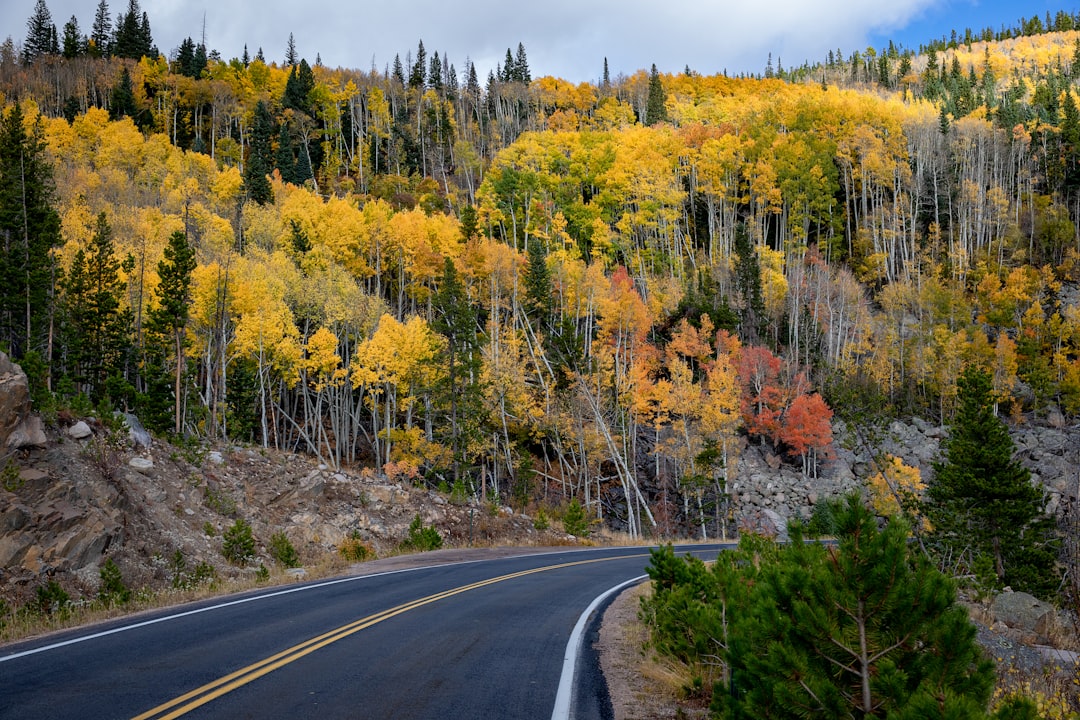
Trail Ridge Road is America’s highest continuous paved road, a truly spectacular route that climbs to over 12,000 feet. It offers unparalleled alpine vistas, stretching for miles in every direction, with numerous overlooks providing opportunities to stop and take in the grandeur.
Best for
This road is ideal for longer car naps. The gentle winding and continuous motion, combined with the high altitude, often lull even the most energetic toddlers to sleep. While your little one rests, parents can savor the spectacular scenery from the comfort of their vehicle.
Route & Seasonal Access
Trail Ridge Road connects the towns of Estes Park on the east side to Grand Lake on the west. It is typically open from late May or early June until mid-October, depending on snowpack and weather conditions. Always check the park’s current road status before planning your drive.
Tips for the Drive
Allow plenty of time for this drive, as it’s not a route to rush. If your toddlers wake up, make brief stops at the many scenic overlooks to enjoy the fresh mountain air and snap some photos. Keep an eye out for wildlife, as elk, bighorn sheep, and marmots are often seen along the route.
Old Fall River Road: A Historic and Slower Option
Description
For a different kind of scenic drive, Old Fall River Road offers a historic and more rustic experience. This one-way, uphill-only, dirt road provides a gentler pace than Trail Ridge Road, winding through forests and past several waterfalls along the way.
Best for
This road is perfect if your toddler enjoys a bit of a bumpy ride, as the slower speeds and natural terrain can be quite soothing. It offers a quieter, more secluded alternative to the main paved roads.
Route & Seasonal Access
Old Fall River Road begins just past the Fall River Entrance and ascends to the Alpine Visitor Center. It is generally open from July to early October, weather permitting, due to its higher elevation and unpaved nature.
Considerations
Be aware of vehicle restrictions; this road is not suitable for large RVs or trailers due to its narrow, winding nature and unpaved surface. The slower speeds mean the drive takes longer, so factor that into your schedule, especially if you’re trying to hit naptime just right.
Bear Lake Road: Accessing Key Destinations
Description
Bear Lake Road is a paved route that leads to some of the park’s most popular trailheads and lakes, including Sprague Lake, Bear Lake, and Glacier Gorge. It’s a busy corridor but offers incredible access to many family-friendly attractions.
Best for
This road is excellent for shorter drives between activities, offering opportunities for quick naps before the next adventure begins. The smooth pavement and scenic surroundings make it a comfortable ride for napping little ones.
Tips
During peak season, Bear Lake Road requires a timed entry permit, so secure yours in advance. To minimize stress and avoid parking woes, consider utilizing the park’s convenient shuttle bus system, which services all the major stops along this route. This allows you to explore the area without constantly worrying about parking your vehicle.
Scenic Pull-offs and Overlooks: Finding the Perfect Spot
Throughout all the major park roads, you’ll find numerous scenic pull-offs and overlooks. These are ideal for momentary stops to enjoy a breathtaking view, snap a photo, or provide a peaceful spot for a quick car-nap without needing to drive for a long duration. Keep an eye out for these marked areas, as they can be lifesavers for managing toddler moods and maximizing your time in the park.
Baby-Care Stations & Restroom Locations in Rocky Mountain National Park
Navigating Rocky Mountain National Park with a stroller and a toddler means always knowing where the nearest restroom or changing facility is. While not every location offers luxurious amenities, knowing what to expect will help you plan your day effectively.
Visitor Centers with Family-Friendly Amenities
Visitor centers are your best bet for more comprehensive facilities, including family-friendly amenities.
The Beaver Meadows Visitor Center, located on the east side near Estes Park, features modern facilities with dedicated family restrooms and changing tables. It’s a reliable spot for a comfortable and private diaper change or a quick break.
The Kawuneeche Visitor Center on the west side offers similar amenities. This center is often less crowded than its eastern counterpart, providing a more relaxed atmosphere for family breaks and baby care.
At the high-altitude Alpine Visitor Center, restrooms are available, though depending on the season and specific location, they might be vault toilets. While it offers stunning views, the baby care facilities here are generally less extensive than at the lower-elevation visitor centers.
Restrooms at Major Trailheads & Picnic Areas
Away from the main visitor centers, you’ll find restrooms at many popular trailheads and picnic areas, though these are often more rustic.
- Sprague Lake Picnic Area: Offers vault toilets, which are pit toilets without running water. Always be prepared with hand sanitizer.
- Bear Lake Trailhead: Features flush toilets seasonally, while vault toilets are available year-round. This is a crucial stop given the popularity of the area.
- Glacier Gorge Trailhead: Provides vault toilets for hikers and visitors exploring this area.
- Moraine Park Campground & Picnic Area: Equipped with flush toilets seasonally and running water, making it a more comfortable stop than many other locations.
Throughout the park, especially at smaller trailheads and less developed picnic areas, you should expect to find pit or vault toilets. These facilities generally lack running water, so carrying your own hand sanitizer is essential. While park staff do their best to maintain cleanliness, it’s wise to come prepared with your own toilet paper and hand sanitizer, especially when visiting Rocky Mountain National Park with a stroller and a toddler.
Planning for Diaper Changes & Feeding
A portable changing pad is an absolute must-have when traveling with a toddler. It allows you to change diapers virtually anywhere, from a clean picnic table to the back of your car, ensuring your little one is always comfortable. Hand sanitizer is also non-negotiable for quick clean-ups after diaper changes, especially where running water isn’t available.
Designated feeding areas are not common in RMNP, so be prepared to feed on the go. This means having snacks, bottles, or nursing covers readily accessible for feeding wherever and whenever your toddler needs it. Always remember the “Leave No Trace” principle: pack out all diapers and trash, ensuring no waste is left behind in the beautiful natural environment.
Water Bottle Refill Stations
Keeping everyone hydrated is paramount at high altitudes. You’ll find water bottle refill stations at visitor centers and some campgrounds. Always bring individual reusable water bottles for every family member, including your toddler, and make sure to refill them whenever you have the opportunity. For excellent choices, check out our guide on the Best Kids Water Bottles for Travel.
Essential Gear for Toddlers in Rocky Mountain National Park
Packing the right gear is crucial for a comfortable and safe family adventure in Rocky Mountain National Park. Especially when visiting Rocky Mountain National Park with a stroller or a toddler, being prepared for varying weather and needs will make all the difference.
Sun Protection is Paramount
At high altitudes, sun exposure is significantly more intense. Protecting your toddler’s delicate skin is a top priority. Wide-brimmed hats are essential to shield their face and neck, and UV-protective clothing offers an extra layer of defense against harmful rays.
Always apply broad-spectrum sunscreen with an SPF of 30 or higher to all exposed skin, even on cloudy days. Don’t forget toddler sunglasses to protect their eyes from the bright mountain glare.
Hydration Essentials
Staying hydrated is key, especially at elevation. Each family member, including your toddler, should have their own reusable water bottle. For convenient and kid-friendly options, refer to our list of the Best Kids Water Bottles for Travel. Additionally, pack plenty of high-energy, non-perishable snacks to keep little bellies full and moods happy throughout your explorations.
Layered Clothing
Mountain weather can change dramatically in an instant, even in summer. Dressing your toddler in layers is the most effective way to adapt to these fluctuations. Start with a moisture-wicking base layer, add an insulating fleece or warm mid-layer, and finish with a waterproof and windproof outer shell.
Even in warmer months, bring warm hats, gloves, and extra socks. It can get surprisingly chilly, especially in the mornings, evenings, or at higher elevations. Being prepared for sudden temperature drops will ensure your toddler stays comfortable.
Footwear for Little Feet
For walking toddlers, sturdy, closed-toe hiking shoes or sneakers are essential. Choose footwear that provides good support and, most importantly, excellent traction to prevent slips on various terrains like packed dirt, gravel, or damp boardwalks. You can find great options in our guide to the Best Hiking Shoes for Kids.
Choosing the Right Stroller or Carrier
The type of stroller or carrier you bring will significantly impact your experience when visiting Rocky Mountain National Park with a stroller.
- All-terrain strollers: These are highly recommended for RMNP’s packed dirt and gravel paths, offering a smoother ride and better maneuverability than standard models.
- Compact/umbrella strollers: While less ideal for trails, these are perfectly suitable for visitor centers, paved areas, and navigating the towns of Estes Park or Grand Lake. Check out our recommendations for the Best Compact Umbrella Strollers for Travel.
- Hiking backpack carriers: These are essential for more rugged trails where strollers simply aren’t feasible. A good hiking backpack carrier provides comfort for both the child and the parent, allowing access to more challenging and rewarding paths.
- Soft-structured carriers/wraps: These are excellent for younger babies on easy walks or for quick transfers when you need to pop your child in and out of a carrier frequently. Explore options in our guide to the Best Baby Carriers and Wraps for Travel. For air travel, you might also consider the Best Compact Airline-Friendly Strollers.
First Aid Kit & Emergency Supplies
A well-stocked basic first aid kit is a must. Include items like Band-Aids, antiseptic wipes, pain reliever suitable for toddlers, and anti-itch cream for insect bites. Additionally, consider having a whistle for kids to wear (teaching them how to use it in emergencies), a small headlamp for unexpected dim conditions, and emergency blankets. Space is limited at high altitude, and conditions can change quickly, so these items can be invaluable for safety and comfort.
Beyond the Stroller: Toddler-Friendly Experiences Near Rocky Mountain National Park
While Rocky Mountain National Park itself offers incredible natural beauty, the gateway towns of Estes Park and Grand Lake provide additional toddler-friendly experiences that can round out your family vacation. These activities offer a change of pace and often more structured fun, whether you’re taking a break from the trails or exploring outside the park boundaries when visiting Rocky Mountain National Park with a stroller.
Estes Park: The Gateway Town
Estes Park, located at the eastern entrance to RMNP, is a charming mountain town with plenty to offer families.
The Stanley Hotel, while famous for its ghostly lore, is a historic landmark worth a glimpse. While the ghost stories might be for older kids or adults, the grand architecture and picturesque setting can be appreciated by all. You can even enjoy a walk around its beautiful grounds.
For scenic views without a strenuous hike, the Estes Park Aerial Tramway is a fantastic option. Little ones will love the ride up Prospect Mountain, and parents will appreciate the stunning panoramic views of Estes Park and the surrounding mountains. It’s a fun and easy way to gain elevation and see the landscape from a different perspective.
The Lake Estes Trail offers a completely different kind of outing. This fully paved, flat loop encircles Lake Estes and is perfect for strollers, bikes, or simply an easy family walk. It provides a safe and accessible environment for toddlers to enjoy the outdoors.
Estes Park also boasts a variety of kid-friendly dining options and sweet treat shops, perfect for an ice cream break or a satisfying meal after a day of exploration.
Grand Lake: The Western Entrance Charm
On the western side of the park, the town of Grand Lake provides a quieter, equally charming experience, with its own unique attractions.
Grand Lake Beach offers a wonderful opportunity for toddlers to enjoy some sand play right by the lake. It’s a great spot to relax, build sandcastles, and let little ones splash in the shallow water under supervision.
The town itself has a quaint main street with inviting ice cream shops and souvenir stores, perfect for a leisurely stroll and a sweet reward. You’ll find a relaxed pace here that can be very appealing for families.
For families with slightly older toddlers or those wanting to introduce them to water activities, boating and paddle sports are available on Grand Lake, Shadow Mountain Lake, or Lake Granby. You can rent pontoon boats, kayaks, or paddleboards for a fun day on the water, creating lasting memories. Remember to always prioritize safety with life jackets for everyone, especially little ones.
Planning Your Rocky Mountain National Park Itinerary with a Toddler
Creating a realistic and enjoyable itinerary is paramount when visiting Rocky Mountain National Park with a stroller and a toddler. The key is to build in flexibility, prioritize short and engaging activities, and allow ample time for breaks and spontaneous exploration.
Sample 1-Day Itinerary (Estes Park Side): Maximizing a short visit.
If you have just one day to explore the Estes Park side, here’s a way to maximize your time while keeping your toddler happy:
- Morning: Start your day early by heading towards Bear Lake Road. Remember, a timed entry permit is required during peak season, so secure this well in advance. Once you’re in, enjoy the easy and scenic Sprague Lake Loop. This 0.8-mile trail is perfect for a stroller, offering stunning mountain reflections and a gentle walk for little legs.
- Lunch: Pack a picnic to enjoy at Sprague Lake, taking advantage of the accessible picnic tables. Alternatively, head back into Estes Park for a kid-friendly meal at one of the local eateries.
- Afternoon: Visit the Beaver Meadows Visitor Center. Its interactive exhibits and Junior Ranger activity stations provide engaging indoor fun. Afterward, take a gentle stroll in Moraine Park, allowing your toddler to run freely in the vast, flat meadows and perhaps spot some elk from a safe distance.
- Evening: Enjoy a relaxed dinner and unwind in Estes Park. Consider an early night, as mountain adventures can be tiring for everyone.
Sample 2-Day Itinerary (Including Trail Ridge Road)
With two days, you can delve deeper into the park’s offerings, including the iconic Trail Ridge Road.
- Day 1: Focus on the Bear Lake Road corridor. Start with the Bear Lake Loop and Sprague Lake Loop in the morning. Utilize the park shuttle to avoid parking stress. In the afternoon, explore the open spaces of Moraine Park for wildlife viewing and gentle play. This day focuses on the most easily accessible and stroller-friendly trails. For other great family park adventures, consider our guides for Grand Canyon Family Stroller Travel or Zion National Park with a Stroller.
- Day 2: Embark on a drive along Trail Ridge Road (always check conditions, as it’s seasonally open). This “Highway to the Sky” is perfect for scenic drives and car naps. Enjoy the Alpine Visitor Center, taking in the panoramic views from the accessible patios and exploring the exhibits. On your descent, perhaps stop at Lily Lake for a peaceful, less-crowded stroll around the lake.
For more inspiration on national park trips with kids, explore our Family Vacation Guide: Zion National Park, Best Family-Friendly Hikes in Grand Canyon National Park, or the Yellowstone Family National Park Guide.
Accommodation Considerations
Deciding between staying in Estes Park or Grand Lake often comes down to personal preference and your itinerary. Estes Park is generally busier with more amenities, dining options, and closer access to the main east-side park entrances and attractions. Grand Lake offers a quieter, more laid-back atmosphere, with direct access to the west side of the park and Shadow Mountain and Granby lakes.
When searching for accommodation, look for family-friendly hotels or cabin rentals that offer amenities like kitchenettes, multiple sleeping areas, and perhaps even play areas. Booking well in advance, especially during peak season, is always recommended to secure the best options for your family.
- Grand Canyon Family Stroller Travel Guide
- Zion National Park with a Stroller
- Family Vacation Guide: Zion National Park
- Best Family-Friendly Hikes in Grand Canyon National Park
- Yellowstone Family National Park Guide
- Best Compact Airline-Friendly Strollers
- Best Baby Carriers and Wraps for Travel
- Best Hiking Shoes for Kids
- Best Kids Water Bottles for Travel
- Best Compact Umbrella Strollers for Travel
- Wikivoyage page on Rocky Mountain National Park
Plan a trip your kids will actually enjoy.
Answer a few quick questions and get a free, personalized itinerary tailored to your destination and your children’s ages. No account required — your custom plan is ready in moments.
Filter out the noise and find what works for your family.
Every resort we review gets one of four Family Fit ratings. The rating is based on kids programming, amenities, vibe, and who the resort actually markets to - not just whether they allow children.
Discover My Ideal Resort →