Introduction
Welcome to Rocky Mountain National Park
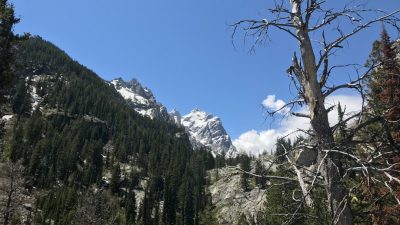
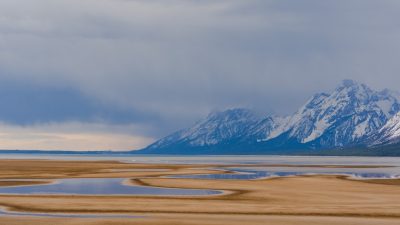
Rocky Mountain National Park, a crown jewel of the American West, offers a majestic playground for families seeking adventure and natural beauty. With its towering peaks, alpine lakes, and abundant wildlife, it’s a destination that promises to inspire awe in visitors of all ages. Planning a trip to Rocky Mountain National Park with kids means preparing for breathtaking landscapes and unforgettable outdoor experiences.
Why Rocky Mountain is Perfect for Families
This park is exceptionally well-suited for families due to its diverse range of activities that cater to various ages and interests. From gentle nature walks perfect for toddlers to more challenging hikes for active teens, there’s something for everyone. The emphasis on education and exploration, combined with accessible visitor centers and ranger programs, ensures that children remain engaged and excited throughout their visit.
Filter out the noise and find what works for your family.
Every resort we review gets one of four Family Fit ratings. The rating is based on kids programming, amenities, vibe, and who the resort actually markets to - not just whether they allow children.
Discover My Ideal Resort →Key Attractions for Kids
For younger adventurers, key attractions include the serene Bear Lake, where a flat, paved loop offers easy strolling, and Sprague Lake with its picturesque reflections and boardwalk. Older kids will enjoy exploring the trails around Estes Park, the gateway town. Wildlife viewing is consistently a highlight, providing thrilling moments as families spot elk, deer, and even moose.
Fun Facts About the Park
Did you know Rocky Mountain National Park spans over 415 square miles, encompassing 77 mountains over 12,000 feet high, including Longs Peak at 14,259 feet? It’s also home to the highest continuous paved road in North America, Trail Ridge Road, which crosses the Continental Divide. These fascinating facts often spark curiosity and make the park even more engaging for children.
Best Time to Visit
Summer (June – August): Peak Season for Families
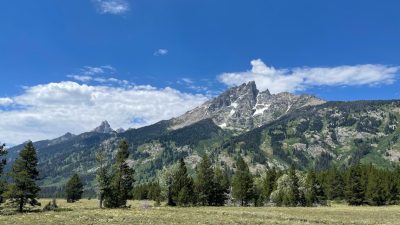
Summer is undoubtedly the most popular time to visit Rocky Mountain National Park with kids, offering warm weather, fully open roads (including Trail Ridge Road), and a full schedule of ranger programs. While the crowds are at their peak, this season provides the best access to all trails and facilities, making planning easier for families. Wildflowers carpet the valleys, and wildlife is active, creating a vibrant atmosphere.
Fall (September – October): Wildlife & Changing Leaves
For a quieter, yet equally stunning experience, consider visiting in the fall. The aspen trees explode in brilliant hues of gold, and the elk rut (mating season) provides incredible wildlife viewing opportunities, particularly around Estes Park. While some higher elevation roads may begin to close towards the end of October, the crisp air and fewer crowds make for a memorable trip with children.
Spring (May – Early June): Emerging Wildlife & Lingering Snow
Spring is a transitional season where the park awakens from winter. Lower elevation trails become accessible, and new life emerges, offering chances to spot newborn animals. Be prepared for lingering snow at higher elevations and potentially chilly temperatures, which can limit some activities. However, it’s a great time for families seeking fewer crowds and unique photographic opportunities.
Winter (November – April): Snow Fun & Solitude
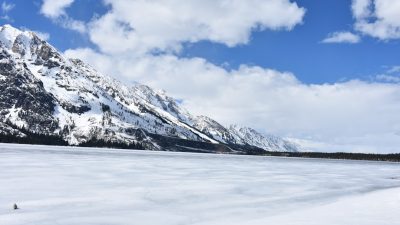
Winter transforms Rocky Mountain National Park into a snowy wonderland, perfect for families who enjoy cold-weather activities. Snowshoeing, cross-country skiing, and sledding are popular, especially in areas like Hidden Valley. Many roads close for the season, including most of Trail Ridge Road, but the solitude and serene beauty offer a completely different experience for those willing to brave the chill. It’s a truly magical time to experience Rocky Mountain National Park with kids.
Rocky Mountain National Park implemented a timed entry permit system during peak seasons to manage congestion and protect resources. Families planning their trip must secure a permit in advance for specific entry times, in addition to paying the standard park entrance fee. These permits are crucial for guaranteed access to popular areas like the Bear Lake Road corridor, so check the official park website for the latest requirements and booking windows well before your travel dates.
Getting There
Nearest Airports and Car Rentals
The closest major airport to Rocky Mountain National Park is Denver International Airport (DIA), located about 75 miles from the park’s east entrance in Estes Park. Upon arrival, families can easily rent a car from numerous agencies at DIA. Having your own vehicle offers the most flexibility for exploring the park and its surrounding areas, especially when traveling with children and their gear.
Driving to Rocky Mountain National Park (East & West Entrances)
Most visitors approach the park via the east entrance, leading to Estes Park. From Denver, the drive typically takes about 1.5 to 2 hours, depending on traffic and road conditions. The less-traveled west entrance, near Grand Lake, offers a different perspective and is accessible via Trail Ridge Road when open. Both routes offer scenic views as you approach the majestic Rockies.
Parking Strategies and Shuttle Bus System
Parking inside Rocky Mountain National Park, especially at popular trailheads like Bear Lake, can be very challenging during peak season. Families should plan to arrive early in the morning or utilize the park’s convenient shuttle bus system. Shuttles run frequently along the Bear Lake Road corridor and from the Estes Park Visitor Center, reducing the stress of finding parking and helping you get around with ease. Consider traveling with a lightweight, foldable stroller if you plan to use the shuttles.
Accessibility for Strollers and Wheelchairs
Rocky Mountain National Park offers several accessible trails and facilities, making it suitable for families with strollers or wheelchairs. Trails like the Bear Lake Nature Trail and the Sprague Lake Loop are generally flat, paved, or boardwalk-accessible, offering beautiful views for everyone. Visitor centers and many restrooms are also designed to be accessible, ensuring a comfortable visit for all members of the family.
Tips for Long Car Trips with Kids
Long drives to Rocky Mountain National Park with kids can be made smoother with some preparation. Pack plenty of snacks, entertainment like audiobooks or travel games, and plan for frequent stops at scenic overlooks or small towns to let kids stretch their legs. Engaging them with stories about the mountains or upcoming wildlife sightings can also help make the journey part of the adventure.
Where to Stay: Family-Friendly Bases
Lodging Inside Rocky Mountain National Park
While lodging options directly inside Rocky Mountain National Park are limited, there are a few opportunities for a truly immersive experience. Moraine Park Campground and Glacier Basin Campground offer family-friendly camping, often requiring advance reservations. Staying inside the park allows for early access to trailheads and unparalleled views, making it a unique way to experience Rocky Mountain National Park with kids.
Gateway Towns: Estes Park and Grand Lake
The two primary gateway towns, Estes Park on the east side and Grand Lake on the west, provide the bulk of family-friendly accommodations. Estes Park is larger with more dining and activity options, making it a popular choice for most visitors. Grand Lake offers a quieter, more rustic charm with beautiful lake access and is a good base for exploring the western side of the park.
Choosing Your Family Accommodation: Hotels, Cabins, Resorts
Families have a variety of choices, from hotels offering standard amenities to cozy cabins with kitchenettes, and full-service resorts with pools and activity programs. When choosing, consider proximity to the park entrances, space for your family, and amenities like laundry facilities or on-site dining. Many accommodations cater specifically to families traveling to Rocky Mountain National Park with kids.
Booking Your Stay: Tips for Early Reservations
Given the popularity of Rocky Mountain National Park, especially during peak season, booking your family accommodation well in advance is essential. For summer travel, aim to reserve your lodging 6-12 months out. This foresight ensures you secure the best options and locations that suit your family’s needs and budget, avoiding last-minute stress. Planning your Zion family stay bases similarly early is also advised.
Things to Do
Kid-Friendly Hikes & Nature Walks
Rocky Mountain National Park boasts numerous trails perfect for families. These trails range from easy, flat loops ideal for toddlers and strollers, to moderate climbs offering rewarding views for older children. Always check current trail conditions and weather before heading out, and carry plenty of water and snacks.
Easy Trails for Little Legs (e.g., Bear Lake Nature Trail, Sprague Lake Loop)
For families with very young children, the Bear Lake Nature Trail is a paved, half-mile loop around the stunning Bear Lake, offering easily accessible beauty. Similarly, the Sprague Lake Loop is a flat, scenic mile-long walk along a boardwalk, perfect for little ones and strollers. These trails are ideal for introducing kids to the joy of hiking and enjoying the serene mountain environment.
Moderate Adventures for Older Kids (e.g., Emerald Lake Trail, Adams Falls)
Older children ready for a bit more challenge will enjoy the Emerald Lake Trail, a 3.2-mile round trip that passes Nymph Lake and Dream Lake before reaching the breathtaking Emerald Lake. On the west side of the park, the Adams Falls Trail is a shorter, moderate hike (about 0.6 miles round trip) leading to a beautiful waterfall, a great reward for their efforts. These trails provide a good mix of exercise and stunning scenery when visiting Rocky Mountain National Park with kids.
Junior Ranger Program: Engaging Young Explorers
The Junior Ranger Program is an excellent way to engage young explorers and make their visit educational and interactive. Kids can pick up a free activity booklet at any visitor center, complete age-appropriate tasks about the park’s ecology and history, and then earn a Junior Ranger badge. It’s a fantastic motivator and helps children connect deeply with the natural world around them.
Wildlife Viewing Opportunities: Elk, Moose, Bighorn Sheep
Spotting wildlife is often a highlight for families visiting Rocky Mountain National Park. The park is home to a rich array of animals, including large herds of elk, elusive moose, and agile bighorn sheep. Encouraging kids to keep an eye out for these magnificent creatures adds an exciting element of discovery to every outing.
Best Times and Locations for Wildlife Spotting
The best times for wildlife viewing are typically dawn and dusk, when animals are most active. Moraine Park and Horseshoe Park are prime locations for elk, especially during the fall rut. Moose are often sighted on the park’s west side, near Grand Lake and along the Colorado River. Bighorn sheep can sometimes be seen in the Sheep Lakes area of Horseshoe Park or along steep, rocky slopes.
Responsible Wildlife Interaction
When viewing wildlife, it’s crucial to remember that these are wild animals and should be observed from a safe distance. Never approach or feed animals, and use binoculars or a telephoto lens for close-up views. Teach children to be quiet and respectful observers, ensuring both their safety and the animals’ well-being. This responsible approach is vital when exploring Rocky Mountain National Park with kids.
Scenic Drives: Trail Ridge Road & Old Fall River Road
For unparalleled panoramic views without extensive hiking, families can enjoy the park’s scenic drives. Trail Ridge Road, open seasonally, is the highest continuous paved road in North America, offering stunning alpine vistas and chances to spot tundra wildlife. Old Fall River Road, also seasonal and one-way uphill, provides a historic and more intimate journey through the park’s landscapes, leading to the Alpine Visitor Center.
Picnic Spots and Water Play Areas
The park offers numerous designated picnic areas with tables and often restrooms, perfect for a family lunch amidst nature. Popular spots include Sprague Lake, Hidden Valley, and picnic areas along the Big Thompson River. While direct swimming in most lakes is not advised due to cold temperatures and sensitive ecosystems, children can enjoy splashing in shallow, designated stream areas under close supervision, or skipping stones at lake edges.
Ranger-Led Programs and Educational Activities
Rocky Mountain National Park offers a variety of free ranger-led programs throughout the year, especially in summer. These programs cover topics like geology, wildlife, and history, often featuring walks, talks, and campfire stories that are highly engaging for children. Check the park’s visitor guide for schedules and locations upon arrival to include these enriching experiences in your family itinerary.
Packing Smart: Essentials for Families
Layered Clothing for Mountain Weather
Mountain weather can be unpredictable, changing rapidly from sunny and warm to cool and rainy, even in summer. Layered clothing is essential, allowing families to adapt to varying temperatures throughout the day. Include a base layer, an insulating mid-layer (fleece or down), and a waterproof/windproof outer shell for everyone, especially when exploring Rocky Mountain National Park with kids.
Essential Footwear for All Ages
Comfortable, sturdy footwear is crucial for enjoying the park’s trails. Everyone, from toddlers to adults, should have broken-in hiking shoes or boots with good ankle support. For younger children, durable sneakers with good tread can suffice for easier trails. Pack extra socks to combat blisters and wet feet.
Snacks, Hydration, and Meal Prep Gear
Always carry plenty of water, as dehydration can occur quickly at high altitudes. Reusable water bottles for everyone are a must. Pack a variety of calorie-dense snacks like trail mix, fruit, and sandwiches to keep energy levels up. If you plan on picnics, bring a cooler, picnic blanket, and any necessary utensils or food containers.
Baby & Toddler Travel Gear (Strollers, Carriers)
For families with babies and toddlers, a sturdy hiking carrier or backpack is invaluable for navigating trails that aren’t stroller-friendly. A lightweight, foldable stroller can be useful for paved paths or visitor centers. Remember to pack essentials like diapers, wipes, and comfort items. We recommend reading our guide on Grand Canyon family stroller travel for more tips on choosing the right gear.
Safety First: First Aid, Sun Protection, Insect Repellent
A well-stocked first-aid kit is non-negotiable, including bandages, antiseptic wipes, pain relievers, and any personal medications. Sun protection is vital at high altitudes: pack broad-spectrum sunscreen, wide-brimmed hats, and sunglasses for everyone. Insect repellent can be useful, especially near water sources during warmer months.
Wildlife Viewing & Activity Specific Gear
To enhance your wildlife viewing, consider bringing binoculars for everyone, allowing kids to get a closer look at distant animals. A good camera will help capture those precious family memories. Depending on your activities, specific gear like trekking poles for older kids on moderate hikes or a small backpack for each child to carry their own water and snacks can be beneficial.
Food & Dining Logistics
Onsite Dining Options in the Park
Dining options within Rocky Mountain National Park are limited, primarily consisting of cafes and gift shops at visitor centers like the Alpine Visitor Center or Trail Ridge Store, which offer basic snacks, drinks, and grab-and-go meals. For more substantial dining, families will typically need to head to the gateway towns. This makes planning meals in advance especially important when exploring Rocky Mountain National Park with kids.
Designated Picnic Areas and Rest Stops
The park provides numerous designated picnic areas equipped with tables, often with scenic views and nearby restrooms. These spots are perfect for enjoying a packed lunch amidst nature. Popular picnic areas include Sprague Lake, Hidden Valley, and areas along the Fall River Road. Planning for these stops allows families to relax and refuel during their adventures.
Grocery Stores and Markets Near the Park
Estes Park, the main gateway town, has several well-stocked grocery stores where families can purchase everything needed for meals, snacks, and drinks. Grand Lake also offers smaller markets. Stocking up on supplies before entering the park is highly recommended, especially if you plan multiple days of exploring or camping.
Tips for Bringing Your Own Food with Kids
Bringing your own food is the most practical and budget-friendly option when visiting Rocky Mountain National Park with kids. Pack a cooler with sandwiches, fruits, veggies, and plenty of drinks. Pre-cut snacks are excellent for on-the-go fuel, and individual portions can prevent waste. Remember to pack out everything you pack in, including all trash.
Addressing Food Allergies and Dietary Needs
Given the limited dining options within the park, families with food allergies or specific dietary needs should definitely bring their own food. This ensures safe and appropriate meal choices for everyone. Always double-check ingredient labels on any packaged foods purchased in local stores and communicate needs clearly if dining out in gateway towns.
Safety First: Protecting Your Family
Wildlife Encounters: What to Do
Wildlife encounters are a part of the Rocky Mountain experience, but safety is paramount. Always maintain a safe distance from all animals, especially elk, moose, and bighorn sheep. If an animal is blocking a trail, consider an alternate route. Never feed wildlife, as it can make them aggressive and dependent on humans. Teach kids to respect animals and observe them quietly from afar.
Before hitting the trails, check weather forecasts and trail conditions. Stick to marked trails and use a map or GPS app, even on seemingly easy paths. Keep children close, especially in crowded areas or near steep drop-offs. Inform someone of your hiking plans, including your route and estimated return time. Proper planning helps keep your family safe while enjoying Rocky Mountain National Park with kids.
Altitude Sickness Awareness and Prevention
Rocky Mountain National Park is at high altitude, and many visitors experience symptoms of altitude sickness. Acclimatize gradually by spending a day or two at a lower elevation before ascending. Drink plenty of water, avoid strenuous activity on your first day, and limit alcohol and caffeine. Watch for symptoms like headache, nausea, dizziness, and fatigue in both adults and children, and descend if symptoms worsen.
Sun Protection & Hydration at High Altitudes
The sun’s intensity is much stronger at high altitudes, increasing the risk of sunburn and dehydration. Apply broad-spectrum sunscreen frequently, wear hats and sunglasses, and cover exposed skin. Carry and drink more water than you think you need, even if you don’t feel thirsty, to stay properly hydrated throughout your visit.
Emergency Preparedness and Contacts
Before your trip, note down emergency contact numbers for the park rangers and local services. Cell service can be spotty in many areas of the park, so don’t rely solely on your phone. Inform a trusted person about your itinerary. In case of an emergency, stay calm, assess the situation, and if possible, send for help or use a satellite messenger if you have one. Being prepared is key to a safe family adventure in Rocky Mountain National Park with kids.
Money & Budget Tips
Park Entry Fees and Passes
Rocky Mountain National Park requires an entrance fee per vehicle, or you can use an America the Beautiful Pass if you plan to visit multiple national parks within a year. Remember that during peak season, a separate timed entry permit may also be required in addition to the entrance fee. Factor these costs into your overall budget, and consider purchasing an annual pass if it makes financial sense for your family.
Budget-Friendly Activities and Free Programs
Many of the best experiences in Rocky Mountain National Park are free! Hiking, wildlife viewing, and scenic drives offer incredible value. Taking part in the Junior Ranger Program is free, as are many ranger-led talks and walks. Spending time simply exploring the natural beauty of the park and enjoying family picnics are wonderful ways to enjoy Rocky Mountain National Park with kids without breaking the bank.
Saving on Food and Accommodation
To save on food costs, pack your own meals, snacks, and drinks instead of relying solely on park vendors or restaurants in the gateway towns. For accommodation, consider camping within the park or in nearby national forests, or look for vacation rentals with kitchens to prepare your own meals. Booking lodging well in advance, especially during the off-season, can also secure better rates. For more budget tips, see our guide on Grand Canyon family national park budget planning.
Sample Itinerary: Making the Most of Your Time
Half-Day Adventure for Young Kids (Ages 2-6)
Start your morning early with a timed entry permit for the Bear Lake Road corridor. Head directly to Bear Lake and enjoy the easy, paved loop. Afterward, visit Sprague Lake for a gentle boardwalk stroll and some stone-skipping. Pack a picnic lunch to enjoy at one of the scenic picnic areas nearby. This itinerary focuses on accessible beauty and short, engaging activities suitable for little ones, allowing ample time for naps or play later in the day. This is a perfect way to experience Rocky Mountain National Park with kids who are still very young.
Full-Day Exploration for Older Children (Ages 7-12)
Begin your day with an early start to hike the Emerald Lake Trail, passing Nymph Lake and Dream Lake, which offers stunning alpine views and a moderate challenge. After the hike, drive a portion of Trail Ridge Road, stopping at scenic overlooks and the Alpine Visitor Center for a quick break and panoramic views. Pack a hearty lunch to eat at a picnic spot. In the late afternoon, explore the Alluvial Fan and watch for elk in Horseshoe Park. This day balances activity with scenic beauty and educational opportunities.
Multi-Day Immersion for Active Families
Day 1: East Side Exploration. Secure an early timed entry for Bear Lake Road. Hike to Emerald Lake or Sky Pond if your family is up for a longer, more strenuous trek. Enjoy a packed lunch on the trail. In the afternoon, explore the Moraine Park area, looking for elk. Attend a ranger program in the evening.
Day 2: Scenic Drives & High Altitude. Drive the full length of Trail Ridge Road, stopping at numerous pull-offs and the Alpine Visitor Center. Consider a short, easy tundra walk if conditions allow. Descend via Old Fall River Road (if open) and explore the Alluvial Fan. Enjoy dinner in Estes Park.
Day 3: West Side Charm. Drive to the Grand Lake side of the park. Hike to Adams Falls or enjoy a walk along the shores of Grand Lake. Look for moose in the Kawuneeche Valley. Spend the afternoon in Grand Lake town, perhaps renting a paddle boat. This multi-day plan offers a comprehensive experience of Rocky Mountain National Park with kids, allowing families to delve into both sides of the park’s unique ecosystems.
Extra Tips for Parents
Keeping Kids Engaged on Hikes
To keep kids motivated on hikes, turn it into a game. Play “I Spy,” look for specific items on a scavenger hunt list (pinecones, specific wildflowers, animal tracks), or encourage them to lead a portion of the trail. Breaks for snacks and storytelling about the local wildlife or history also help break up the journey and keep spirits high. Engaging children is crucial for a successful family hike in Rocky Mountain National Park with kids.
Managing Different Age Groups in the Park
When traveling with children of varying ages, consider activities that can be adapted for everyone. For hikes, choose a trail where younger kids can manage a portion, and older kids can go a bit further with an adult, or find a scenic spot where the group can split briefly. Visitor centers and ranger programs often appeal to a wide age range. Flexibility and communication are key to ensuring everyone has a good time.
Camping with Kids: Essential Advice
Camping with kids in Rocky Mountain National Park can be an incredible adventure. Choose a family-friendly campground and practice setting up your tent at home. Pack warm sleeping bags, extra layers, and headlamps. Keep meals simple and involve kids in camp chores. Always be aware of food storage rules to avoid attracting wildlife, and follow Leave No Trace principles. For more camping ideas, consider our family vacation adventures in Grand Canyon guide.
Capturing Family Memories: Photography Tips
Rocky Mountain National Park offers countless photo opportunities. Get down to your children’s eye level for unique perspectives. Capture candid moments of them exploring, rather than just posed shots. Utilize the stunning landscapes as backdrops, but also focus on details like wildflowers or interesting rocks. Don’t forget to get in some photos yourself to ensure you’re part of these precious family memories.
Resources & Links
Official Rocky Mountain National Park Website
For the most up-to-date information on timed entry permits, road closures, trail conditions, and ranger program schedules, the official National Park Service website for Rocky Mountain National Park is your primary resource. It provides essential planning tools and safety guidelines crucial for any family visit. Always check this site before and during your trip.
Local Tourism Bureaus (Estes Park, Grand Lake)
The tourism bureaus for Estes Park and Grand Lake offer valuable information on accommodations, dining, and activities outside the park boundaries. They can help families find family-friendly attractions, local events, and services that complement their park visit. Their websites and visitor centers are excellent resources for local insights.
Recommended Maps, Trail Guides, and Apps
Investing in a good physical map of Rocky Mountain National Park is always a smart idea, as cell service can be unreliable. Detailed trail guides can provide insights into difficulty, length, and points of interest. Consider downloading offline maps or National Park Service apps before you arrive to help with navigation and information on the go. These resources are invaluable for planning an enriching experience for Rocky Mountain National Park with kids.
Conclusion
Your Unforgettable Family Adventure Awaits
Rocky Mountain National Park offers an unparalleled backdrop for creating lasting family memories. From the thrill of spotting a majestic elk to the quiet wonder of a mountain lake, every moment here is an opportunity for connection, discovery, and adventure. Preparing thoroughly will ensure your family can fully immerse themselves in the park’s natural splendor.
Final Planning Reminders and Encouragement
Remember to book timed entry permits and accommodation well in advance. Pack layers, plenty of water, and snacks. Embrace flexibility, as mountain weather and kids’ energy levels can change plans quickly. Most importantly, encourage your children to explore, ask questions, and marvel at the natural world around them. Your family trip to Rocky Mountain National Park with kids is sure to be an unforgettable journey into the heart of the Rockies. For more national park adventures, don’t forget to check out our Yellowstone Family National Park Guide or our Family Vacation Guide to Zion National Park.
- Family Vacation Adventures in Grand Canyon
- Family Vacation Guide to Zion National Park
- Best Family-Friendly Hikes in Grand Canyon National Park
- Grand Canyon Family Stay Guide
- Grand Canyon Family National Park Itinerary
- Grand Canyon Family National Park Budget Guide
- Family Trails in Zion National Park
- Grand Canyon Family Stroller Travel Guide
- Zion Family Stay Bases
- Yellowstone Family National Park Guide
- Wikivoyage page on Rocky Mountain National Park
Plan a trip your kids will actually enjoy.
Answer a few quick questions and get a free, personalized itinerary tailored to your destination and your children’s ages. No account required — your custom plan is ready in moments.
Filter out the noise and find what works for your family.
Every resort we review gets one of four Family Fit ratings. The rating is based on kids programming, amenities, vibe, and who the resort actually markets to - not just whether they allow children.
Discover My Ideal Resort →