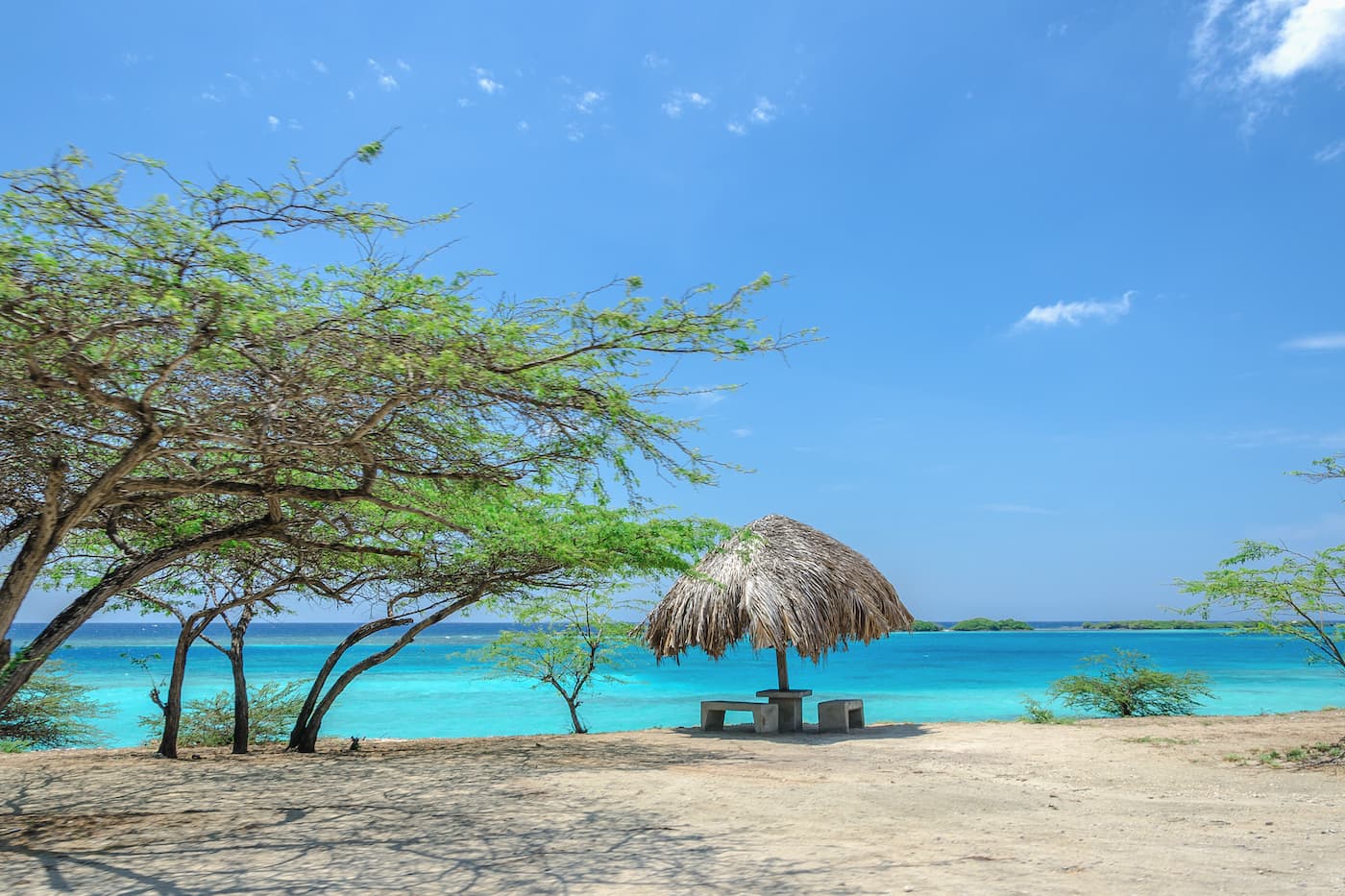
Mangel Halto in Aruba provides a distinct snorkeling experience for families, combining calm, clear waters with unique natural surroundings. This Snorkeling Guide to Mangel Halto Aruba is designed to help parents plan their visit, offering practical advice on what to expect. It stands out from some of the island’s busier northern beaches, making it a suitable choice for a relaxed family outing focused on underwater discovery.
The Vibe: Why Mangel Halto Works for Families
Mangel Halto offers a distinctive snorkeling experience for families seeking clear waters and unique natural surroundings. The primary feature of Mangel Halto is its protective barrier reef, which forms a shallow, protected lagoon. This calm lagoon is ideal for younger children and beginner snorkelers, providing a safe environment to explore without strong currents.
Filter out the noise and find what works for your family.
Every resort we review gets one of four Family Fit ratings. The rating is based on kids programming, amenities, vibe, and who the resort actually markets to - not just whether they allow children.
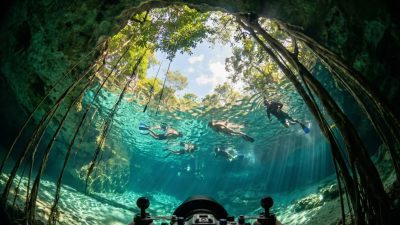
Discover My Ideal Resort →The water inside this protective reef maintains consistent calmness and is often no deeper than waist-high near the shore, making it comfortable for kids to stand and get their bearings. Along parts of the coastline, dense mangrove roots create shaded havens, serving as nurseries for various small, colorful fish. Families can expect good visibility here, frequently exceeding 30 feet on a clear day, which allows for easy spotting of marine life close to the surface.
Mangel Halto is a quieter alternative compared to some of Aruba’s more frequented northern beaches like Boca Catalina or Malmok Beach, making it ideal for a relaxed family outing focused on underwater discovery. This location allows for a more focused and less crowded snorkeling experience, suitable for families looking to truly engage with the marine environment.
- Ease of Access: Moderate
- Best For: Ages 6-12, Beginner Snorkelers, Strong Swimmers (for outer reef)
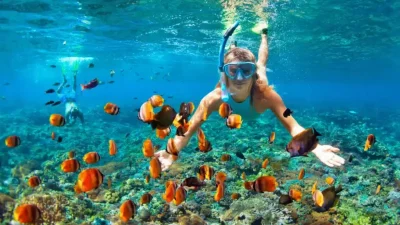
- Marine Life: Expect parrotfish, sergeant majors, juvenile reef fish, mangrove snappers, and occasional small barracuda inside the reef. Beyond the reef, larger angelfish and sea turtles may be observed.
The Logistics: Getting to the Water
Parking & The Approach
Limited free street parking is available along the main road (Route 1A) near Mangel Halto. Visitors should look for spots on the sand shoulder or in designated areas that can accommodate approximately 10 to 15 vehicles. This parking area typically fills up by 9:30 AM, especially on weekends, so an early arrival is recommended to secure a spot without excessive walking to the entry points. Planning your arrival time helps ensure a smooth start to your family’s snorkeling adventure at Mangel Halto.
The walk from the street to the various entry points is generally flat and short, typically taking around 1 to 3 minutes. The path involves a mix of packed sand and some uneven coral fragments as you get closer to the water’s edge. There are no long paved paths leading to the entry spots, ensuring a quick transition from your car to the shore, which is convenient when managing gear and children. This short approach makes it a manageable journey for families, even with young children.
Regarding strollers, it is advisable to leave them in the car when visiting Mangel Halto. The terrain, with its packed sand and coral fragments, is not stroller-friendly and can make maneuvering difficult. For families with infants or toddlers, a baby carrier would be a more practical solution for getting to and from the water.
The Entry: Where and How to Get In
The safest entry point for families at Mangel Halto is a small sandy cove situated just south of the main wooden dock. This particular spot offers a gradual slope into the water, starting at knee-deep, which allows children to wade in comfortably and safely. This gentle entry point is ideal for young snorkelers and beginners, providing a calm introduction to the underwater world of Aruba.
Another option for water entry is the small public wooden dock, where you can step directly into waist-deep water. However, the ladders here can sometimes be slippery, requiring caution when using them, especially with children. It is important to avoid the rocky areas for entry, as these spots can be challenging due to sharp coral and uneven surfaces, posing a risk of cuts and scrapes. Sticking to the designated sandy cove or exercising extreme care on the dock is crucial for a safe experience.
Water conditions within the protective reef at Mangel Halto are generally calm, particularly in the mornings, with minimal surge or currents to contend with. Visibility is typically good, ranging from 25 to 35 feet, making it easy to spot marine life and enjoy the underwater scenery. In the afternoon, a light breeze might create a gentle chop on the surface, but the water inside the reef remains quite clear, maintaining its appeal for snorkeling. This consistent clarity and calmness establish Mangel Halto as a reliable morning or early afternoon snorkeling spot for families.
Safety Warning: The underwater terrain near the entry points at Mangel Halto, especially outside the sandy cove, includes sharp coral fragments and scattered sea urchins on the bottom. Wearing water shoes is essential for all family members to protect feet from cuts and punctures. Always observe where you step to avoid any potential hazards on the seafloor. Equipping your family with appropriate footwear is a key part of preparing for snorkeling at Mangel Halto Aruba.
The Snorkel: Where the Fish Are
Best Snorkeling Spots & Marine Life
For younger children and beginner snorkelers, the calm, shallow waters of the inner lagoon are the best place to explore. These sheltered areas provide a safe and gentle environment for kids to become accustomed to their snorkeling gear and observe marine life. The water here is often just 3 to 5 feet deep, allowing for easy observation and a comfortable experience for those new to snorkeling. Staying within the lagoon ensures a relaxing introduction to underwater discovery, making it a pleasant experience for the whole family.
Swim near the mangrove roots on the south side of the lagoon; these areas serve as natural nurseries for small fish. The roots provide shelter and food, attracting a variety of juvenile marine species that are fascinating for children to observe. This part of the lagoon offers a vibrant ecosystem within easy reach, allowing even the youngest snorkelers to witness active marine life up close. It’s a prime spot for spotting numerous small, colorful fish in their natural habitat.
More experienced family snorkelers have the option to venture further towards the reef drop-off, which is located approximately 40 to 50 yards from the shore. This area offers deeper water, typically ranging from 10 to 15 feet, providing a different perspective on the marine environment. Here, you have a chance to see larger fish and potentially spot sea turtles, which tend to inhabit deeper areas. The drop-off creates a “wall” effect, attracting a more diverse range of marine life compared to the shallower lagoon. This area is more suited for strong swimmers comfortable in open water.
What You Might See
- Parrotfish: These green, blue, and rainbow-colored fish are commonly seen grazing on coral throughout the reef. Their vibrant hues make them easy to spot and a favorite among snorkelers.
- Sergeant Majors: Small, striped fish with distinctive black and white bands, often seen schooling in large numbers near the surface and around the coral. They are quite active and visible in the shallow areas.
- Mangrove Snappers: These silver-colored fish are frequently found among the dense mangrove roots, where they seek shelter and forage. Observing them here offers insight into the unique ecosystem the mangroves create.
- Butterflyfish: Characterized by their yellow and black patterns, butterflyfish are often seen in pairs as they gracefully navigate the reef. Their elegant swimming style makes them a joy to watch.
- Juvenile Barracuda: Small, slender fish that are sometimes seen lurking in the shallows, often camouflaged among seagrass or near the edges of coral formations. They can be a thrilling sight for observant snorkelers.
- Blue Tang: These bright blue fish stand out against the reef, easily recognizable by their intense coloration. They are a common inhabitant of the coral reef and a popular sighting for visitors.
- Green Sea Turtle: Occasionally, green sea turtles may be observed in the deeper grass beds just outside the main reef. Spotting one of these gentle giants is a highlight for any snorkeling trip, requiring a bit of patience and venturing a little further out.
Parental Hack
For toddlers and non-swimmers, a clear-bottom bucket or a floating viewing board can be a game-changer for extending their engagement and discovery time. This allows them to see the fish and coral without needing to put their faces in the water, making marine life accessible to everyone. It is a great way to introduce them to the underwater world safely and comfortably, fostering an early appreciation for ocean creatures. This simple tool can turn a potential challenge into a fun, inclusive activity for your family, especially if you haven’t yet invested in the best kids snorkels.
What to Pack
Amenities (Or Lack Thereof)
Mangel Halto is a natural, undeveloped beach, which means there are no public restrooms, changing rooms, or showers available directly on site. Families should plan accordingly by using facilities before arriving or at a nearby restaurant. It’s important to keep this in mind, especially when traveling with children who might need frequent bathroom breaks. Being prepared helps manage expectations for your visit to this pristine spot.
Additionally, there are no water fountains at Mangel Halto, so it is essential to bring all your own drinking water. Staying hydrated in the Aruban sun is crucial, particularly during active snorkeling sessions. Packing sufficient water for everyone in your family will ensure comfort and help prevent dehydration during your outing. Without on-site vendors, self-sufficiency is key for a comfortable visit.
Shade at Mangel Halto is primarily provided by the dense mangrove trees that line parts of the shore. These trees offer good, dappled shade suitable for small groups looking for a reprieve from the sun. There are also a few small, palapa-style huts available, but these are limited and often claimed early in the day, especially on busy weekends. For guaranteed sun protection, particularly if you plan to stay for several hours, bringing a lightweight UV tent or a large beach umbrella is highly recommended.
Pro Tip: After your snorkel, consider driving just 5 minutes south to Zeerover in Savaneta for fresh seafood served dockside. This casual, family-friendly local favorite is an excellent spot for a post-snorkeling meal or snack. It offers an authentic Aruban dining experience that many families enjoy, and it’s a convenient stop on the way back from Mangel Halto.
Want a custom plan for your entire trip to Aruba? Use our personalized Itinerary Generator for Aruba to create a tailored schedule. For more general insights into planning your trip, consult our comprehensive Aruba Family Guide, which includes information on the best areas to stay in Aruba for families and the top kids activities in Aruba, ensuring your entire vacation is as smooth and enjoyable as possible.
Don’t Leave Home Without…
Reef Shoes: These are essential for navigating the coral fragments and rocky entry points at Mangel Halto. The underwater terrain can be rough, and sharp bits of coral can be painful or cause cuts. Protecting your family’s feet with sturdy water shoes will ensure a safer and more comfortable experience from the moment you step out of the car until you exit the water.
UV Protection (Rash Guards/Tent): The Aruban sun is consistently strong and can cause sunburn very quickly. Protecting your family’s skin is crucial, especially during extended periods in the water or on the shore. Rash guards offer excellent protection for swimming, while a lightweight UV tent or a large beach umbrella provides a shaded spot on the beach. Layering sun protection is vital for a comfortable day in the sun.
Snacks and Water: Since there are no facilities on-site, being self-sufficient with food and drink is paramount. Pack plenty of water to stay hydrated and a selection of snacks to keep energy levels up for both adults and children. A cooler with refreshing drinks and easy-to-eat snacks will prevent hunger pangs and keep everyone comfortable throughout your Snorkeling Guide to Mangel Halto Aruba adventure.
Dry Bag: A dry bag is a practical item for keeping your valuables safe from splashes, sand, and accidental submersion. You can store your phone, wallet, keys, and other electronics inside, ensuring they remain dry and secure while you enjoy the water. This small investment provides peace of mind, allowing you to focus on the family fun without worrying about your belongings.
Waterproof Camera (or GoPro): To truly capture the vibrant marine life you’ll encounter at Mangel Halto, a waterproof camera or GoPro is highly recommended. You’ll be able to take photos and videos of the colorful fish, coral formations, and perhaps even a sea turtle. These devices are designed for underwater use and allow you to preserve memories of your family’s snorkeling adventures, creating lasting keepsakes of your trip to Aruba.
Useful resources.
- Best Snorkeling Beaches in Aruba for Kids
- Snorkeling Boca Catalina, Aruba with Kids
- Snorkeling Malmok Beach, Aruba with Kids
- Snorkeling Arashi Beach, Aruba with Kids
- Snorkeling Mangel Halto, Aruba with Kids
- Aruba Family Guide
- Best Area to Stay in Aruba for Families
- Top Kids Activities in Aruba
- Best Kids Snorkels: Family Snorkeling Guide
- Best Kids Water Shoes for Rocky Beaches Guide
- Wikivoyage page on Aruba
Plan a trip your kids will actually enjoy.
Answer a few quick questions and get a free, personalized itinerary tailored to your destination and your children’s ages. No account required — your custom plan is ready in moments.
Create My Free Family PlanFilter out the noise and find what works for your family.
Every resort we review gets one of four Family Fit ratings. The rating is based on kids programming, amenities, vibe, and who the resort actually markets to - not just whether they allow children.
Discover My Ideal Resort →