Waialea Bay, also known as Beach 69, is a highly recommended spot for families looking to go snorkeling Waialea Bay Big Island with kids. This guide offers practical advice for parents visiting the Big Island with young children.
Filter out the noise and find what works for your family.
Every resort we review gets one of four Family Fit ratings. The rating is based on kids programming, amenities, vibe, and who the resort actually markets to - not just whether they allow children.
Discover My Ideal Resort →I. Why Waialea Bay Stands Out for Families
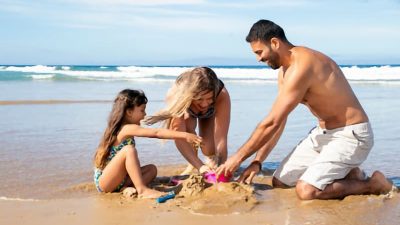
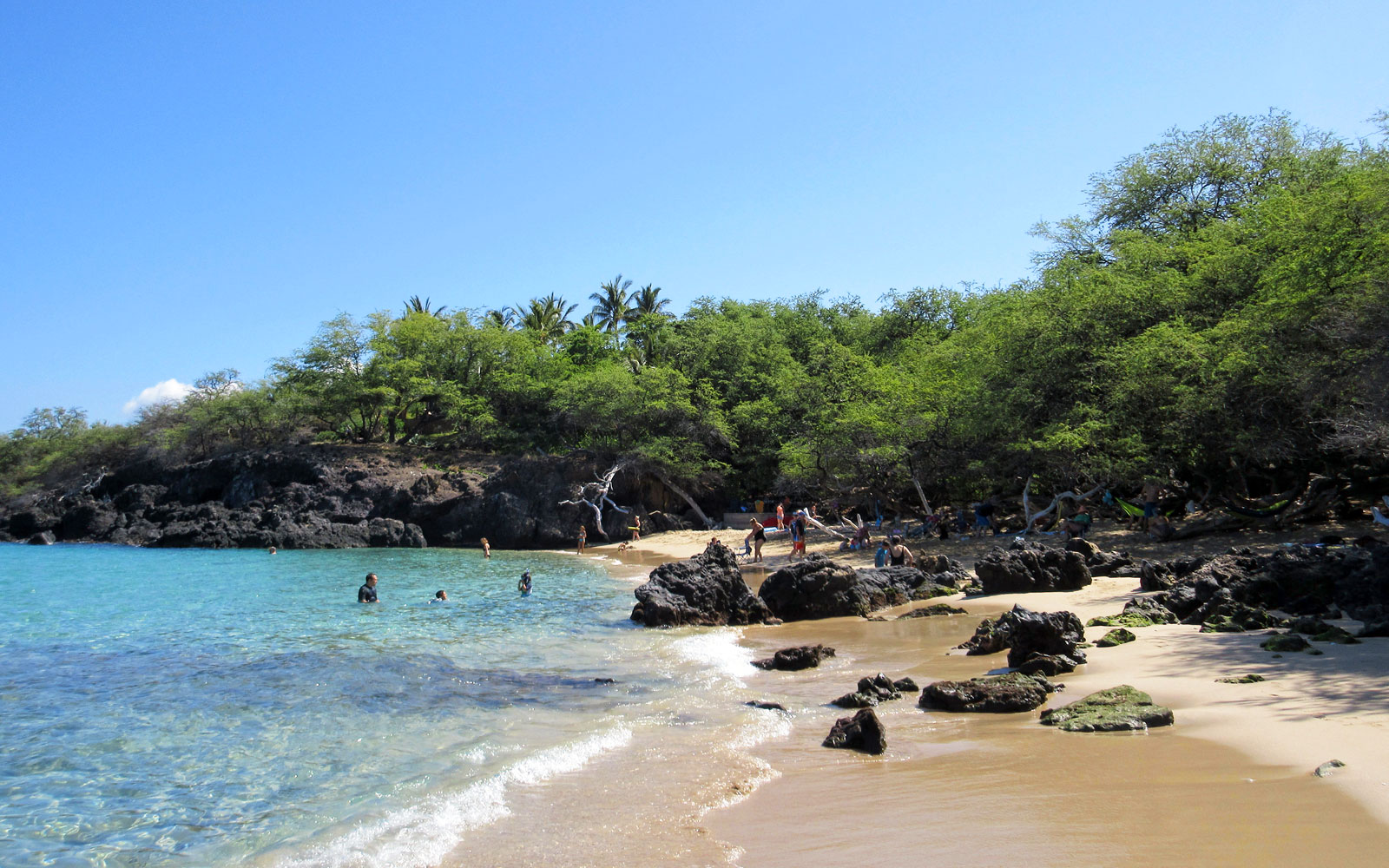
Waialea Bay offers a protected, sandy-bottom entry that remains waist-deep for the first 15-20 yards from shore during calm conditions. This makes it accessible for toddlers and young children to stand or sit without immediate deep water. This sheltered environment reduces concerns about sudden drops or strong currents near the entry. The primary challenge families may encounter is that the small, designated parking lot typically fills by 8:30 AM on weekends and holidays, necessitating an earlier arrival for a parking spot.
Key Highlights
- Calm, shallow entry—suitable for younger kids
- Good chance of spotting reef fish near rock formations
- Easy parking and short, paved walk to the beach if you arrive early
- Best visibility in the morning hours
- Ease of Access: Easy (when calm)
- Best For: Families with toddlers to school-aged children, beginner snorkelers
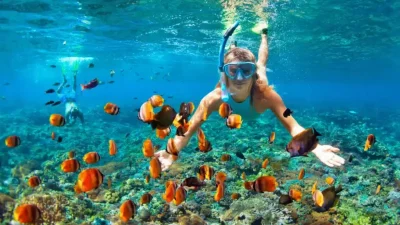
- Marine Life: Hawaiian Sergeant, Butterflyfish, Parrotfish, occasional Green Sea Turtle
- Water Conditions: Typically 15-25 feet visibility in mornings, low surge, moderate afternoon wind chop.
Parking for Waialea Bay (Beach 69) is available via a small, unpaved lot. This lot is accessed from a gated road off Puako Beach Drive. It can accommodate approximately 25-30 vehicles. On peak days, such as weekends and holidays, the lot fills by 8:30 AM. On quieter weekdays, you might find a spot until 9:30 AM. There is no parking fee. If the main lot is full, overflow parking is along the shoulder of Puako Beach Drive, which adds a walk of 0.5 to 1 mile. From the designated lot, the walk to the main sandy beach area is about 150 yards along a mostly level, partially paved, partially sandy path. This path offers some shade from kiawe trees, which can be helpful for families carrying beach gear.
Stroller Status: All-Terrain Friendly (for the access path, but the soft sand closer to the water makes it impractical on the beach itself).
Nearby Hotels and Resorts
- Fairmont Orchid — Best for families.
Booking.com | Expedia | Hotels.com - Hilton Waikoloa Village — Luxury choice near the beach.
Booking.com | Expedia | Hotels.com - Mauna Kea Beach Hotel, Autograph Collection — Great value with a pool.
Booking.com | Expedia | Hotels.com
III. Stepping Into Waialea Bay with Kids
To enter the water at Waialea Bay, head for the sandy center. This area provides a wide, gentle slope free of immediate rocky hazards. Look for the broadest sandy expanse, typically in front of the largest shade trees, as your entry point. The bay’s protected position generally ensures a calm entry. The water depth reaches knee-high for an adult after walking about 5 yards, and then waist-high after 15-20 yards from shore. Morning visibility is often between 15 and 25 feet, offering clear views of the sandy bottom and initial marine life. In the afternoons, if wind increases, visibility can reduce to 10-15 feet due to chop. While strong currents are not common within the bay, always check surface conditions upon arrival. A key safety consideration is to monitor changing wind conditions; a strong afternoon Kona wind can quickly create choppy conditions at the entry and might push children on inner tubes or bodyboards towards the bay’s outer edges, where boat traffic can occasionally occur. For additional tips on best snorkeling spots for families on the Big Island, it is useful to compare conditions.
IV. Discovering Marine Life at Waialea’s Reefs
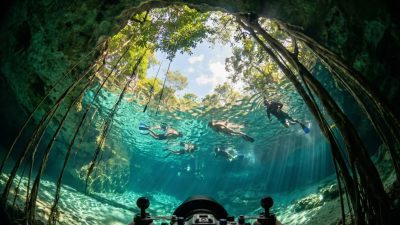
From the sandy entry point, swim approximately 50-70 yards out to reach the main reef patches. The most active areas for marine life are located towards the left (north) and right (south) edges of the bay, where the sand transitions into rocky outcroppings and coral formations. The reef on the left side, closer to the small point, starts in 8-10 feet of water and descends to 15-20 feet. The reef on the right side is generally shallower, beginning in 5-7 feet of water. Guide your children to these areas for the best sightings. You might also consider exploring other Big Island snorkeling adventures, such as snorkeling at Honaunau Bay (Two Step) or even snorkeling with manta rays on the Big Island.
- Marine life commonly sighted here includes:
- Hawaiian Sergeant
- Rectangular Triggerfish
- Yellow Tang
- Ornate Wrasse
- Fourspot Butterflyfish
- Parrotfish (various species)
- Green Sea Turtle (occasionally seen feeding near the rocky edges, typically in 10-15 feet of water).
In-Water Parent Tip: For younger or less confident swimmers, keep them within 50 yards of the sandy shore. While the reef edges offer more fish sightings, they also involve deeper water and potential for minor currents if the tide is moving. Clipping a bright swim buoy to your youngest can help with visibility for you and provides a resting point if they tire.
V. Beachside Essentials at Waialea Bay
Waialea Bay does not have public restrooms directly on-site. The nearest facilities are at Mauna Lani Beach Park, about a 5-minute drive south. There are also no freshwater showers; only saltwater rinsing in the ocean is available. Significant natural shade is provided by the large kiawe and ironwood trees lining the back of the beach, especially on the north end, which offers shade until approximately 1:00 PM. In the afternoons, the central sandy area is in full sun.
Pro Tip: Pack all your food and drinks. The nearest convenience store or food vendor is several miles away in Mauna Lani or Waikoloa Village. Remember to bring a trash bag to pack out everything you pack in, as there are no trash receptacles on site.
Want a custom plan? Use our personalized Itinerary Generator for Big Island.
VI. The Right Gear for Waialea Bay Snorkeling
When preparing for snorkeling Waialea Bay Big Island with kids, these five items are particularly useful:
- Reef shoes or sturdy sandals: The access path may contain small, sharp rocks, and the water’s edge can have pebbles. Protect your children’s feet with reef shoes or sturdy sandals.
- Full-face snorkel mask: For younger children, a full-face snorkel mask can reduce mouth fatigue and simplify breathing in Waialea’s calm, shallow conditions, enabling them to stay in the water longer. Consider researching top-rated kids snorkels for the best fit.
- Long-sleeve rash guard (UPF 50+): Essential for sun protection from the Hawaiian sun, even under shaded trees or while wading, preventing sunburn during longer visits.
- Floating swim buoy or noodle: Helps keep less confident swimmers visible to you and others, and provides a crucial resting point if they swim towards deeper water near the reef edges.
- Small, soft-sided cooler with drinks and snacks: With no on-site food or water services, bringing your own provisions is necessary to keep everyone hydrated and energized during a multi-hour family visit.
Ready to Plan Your Big Island Trip?
Get a personalized family itinerary built around your kids’ ages, interests, and travel style — free.