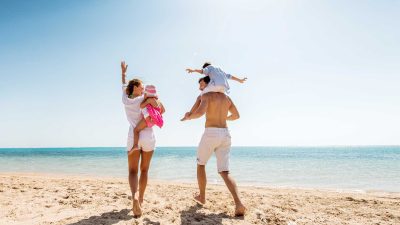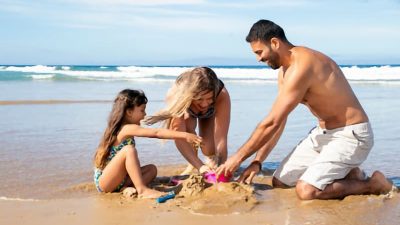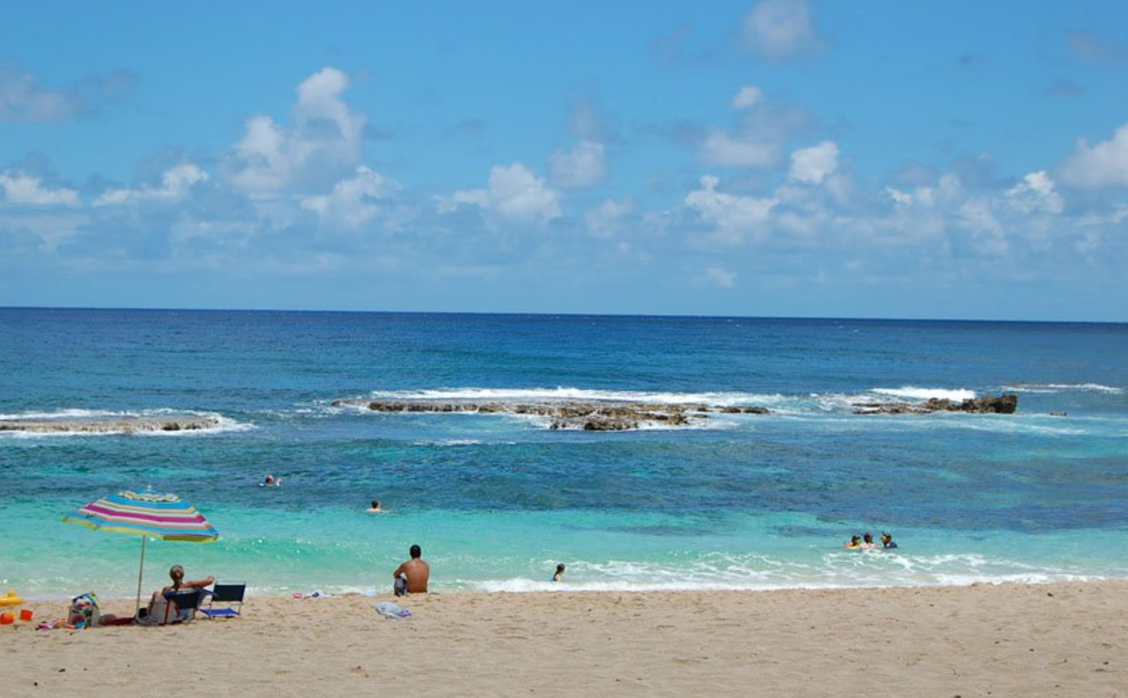
Three Tables Beach on Oahu’s North Shore offers a unique snorkeling experience due to its three prominent, flat reef formations close to shore. When ocean conditions are calm, these “tables” create natural, relatively shallow and sheltered areas, making it accessible for families with children. The beach is part of the Pupukea Marine Life Conservation District, meaning the marine life here is protected and often more abundant than in unrestricted areas. The one honest downside families need to know before committing to the drive is that during Oahu’s winter months (roughly October to April), large North Shore swells make this beach unsafe and completely unsuitable for family snorkeling Three Tables Beach Oahu; checking daily surf reports is non-negotiable.
Filter out the noise and find what works for your family.
Every resort we review gets one of four Family Fit ratings. The rating is based on kids programming, amenities, vibe, and who the resort actually markets to - not just whether they allow children.
Discover My Ideal Resort →Key Highlights
- Calm, shallow areas between shore and reef tables (seasonal).
- Marine Life Conservation District status protects fish and coral.
- Visibility can reach 15-25 feet on calm summer mornings.
- Less crowded than major tourist beaches on weekdays.
- Ease of Access: Moderate (requires strict condition checking)
- Best For: Families with kids aged 6+ (calm conditions only)
- Marine Life: Hawaiian Sergeant, Parrotfish, Tangs, Surgeonfish, occasionally small white-tip reef sharks.
- Water Conditions: Visibility 10-25 feet (calm summer days); minimal surge in sheltered areas; can be rough/unsafe in winter; mornings generally calmer.
II. Getting to the Shoreline
No dedicated parking lot exists for Three Tables Beach. Street parking is available along Kamehameha Highway, directly adjacent to Pupukea Beach Park (85-115 Kamehameha Hwy). These roadside spots are limited and typically fill by 9:00 AM on good weather weekends. On weekdays, you might find spots until 10:30-11:00 AM. Be prepared to park a few hundred feet away and walk. The walk from street parking is short, generally 20-50 yards, directly onto the sandy and rocky beach. Carrying gear for a family is manageable, but the beach itself has uneven sand and scattered rocks, so watch your footing.
- Stroller Status: All-Terrain Friendly (a carrier is better for younger children if you plan to get close to the water).
Nearby Hotels and Resorts
- Turtle Bay Resort — Best for families.
Booking.com | Expedia | Hotels.com - Aulani, A Disney Resort & Spa — Luxury choice near the beach.
Booking.com | Expedia | Hotels.com - Hilton Hawaiian Village Waikiki Beach Resort — Great value with a pool.
Booking.com | Expedia | Hotels.com
The most straightforward entry point is directly off the sandy stretch of beach, roughly in the middle, between the two largest reef “tables” visible from shore. This sandy patch extends about 5-10 yards into the water before you encounter scattered rocks and reef. When conditions are calm (typically May through September), the water near shore is knee-to-waist deep (2-4 feet) for the first 15-20 yards. Visibility on these calm mornings can range from 15-25 feet. Afternoon winds often introduce surface chop, which can reduce visibility to 10-15 feet. Currents are usually mild within the sheltered area between the shore and the tables, but they can be stronger outside the formations or during tidal shifts. Always assess lateral currents before entering the water.
- Safety Precaution: The reef structure at the entry can be sharp and uneven. Sea urchins are present in rocky crevices, especially at low tide. Wearing reef shoes is strongly recommended for all family members to prevent cuts and stings during entry and exit.
IV. Discovering Reef Life
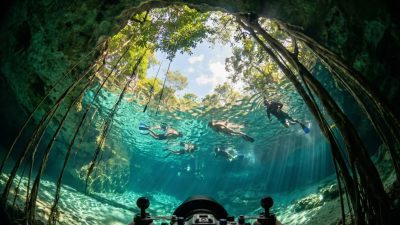
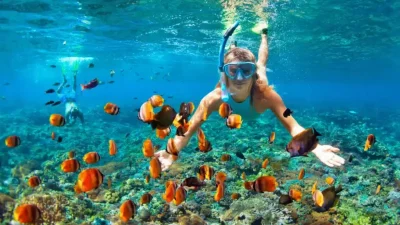
From the sandy entry point, swim straight out about 20-30 yards toward the three prominent flat “table” reefs. The water depth around these tables ranges from 5 to 12 feet. The densest coral coverage and fish activity are found on the outer edges and within the channels between the table formations. You will likely observe schools of Yellow Tangs, Moorish Idols, various Parrotfish, and different Wrasses. Look for Hawaiian Sergeant fish camouflaged among the coral. Small white-tip reef sharks are occasionally sighted resting under ledges in deeper areas (10-15 feet depth) further out from the tables within the conservation zone; they generally do not interact with snorkelers. For more kid-friendly snorkeling on Oahu, consider snorkeling at Waimea Bay or snorkeling at Hanauma Bay. These locations, along with Three Tables, are some of the best Oahu beaches for families.
- In-Water Parent Tip: Keep younger children within arm’s reach, especially when swimming near the coral tables. The coral formations have sharp edges, and even a small, unexpected surge could push a child against them. Maintain proper buoyancy control to avoid standing on or touching the protected reef.
V. Amenities & Rest
Three Tables Beach does not have public restrooms directly on site. The nearest public restrooms are located at Pupukea Beach Park (also known as Shark’s Cove or Three Tables Park), which is a 5-minute walk north (to your left when facing the ocean). The condition of these facilities is typically basic. There are no showers directly on Three Tables Beach. Freshwater rinse showers are available at the main Pupukea Beach Park area. Natural shade is limited. A few scattered ironwood trees along the back of the beach provide patchy shade until approximately 11:00 AM on the northern end. After this, the beach is largely exposed to full sun. Plan to bring your own beach umbrella or sun shelter.
- Pro Tip: Directly across Kamehameha Highway from Pupukea Beach Park is Foodland Pupukea. This grocery store offers a deli with sandwiches, poke, and drinks, making it the most convenient spot for food and water purchases before or after snorkeling.
VI. Must-Haves for This Spot
- Reef shoes: The entry and beach walk include scattered rocks and potential sharp coral fragments. Standard flip-flops are not sufficient for protection.
- Reef-safe sunscreen and rash guards: Sun exposure is intense, and protecting both skin and the marine environment is critical.
- Inflatable snorkel vest for children: Currents can be unpredictable, even on calm days, and water around the tables can reach 12 feet deep.
- Full-face snorkel mask for younger children: These masks often provide easier breathing and a wider field of vision, which can increase comfort for new snorkelers in open water.
- Beach umbrella or pop-up tent: Shade is scarce after late morning on the beach.
Ready to Plan Your Oahu Trip?
Get a personalized family itinerary built around your kids’ ages, interests, and travel style — free.