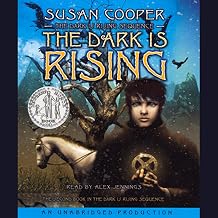
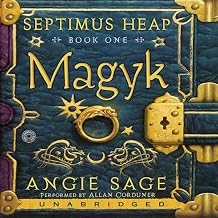
When young readers finish a beloved fantasy novel, the question immediately becomes: what comes next? For upper elementary students who’ve...
Fourth grade is when many kids move from dabbling in chapter books to really committing to longer fantasy series. They...
Getting early readers hooked on chapter books often comes down to finding stories that mirror their own daily lives while...
Second grade is when kids shift from learning to read to reading to learn, and mystery series are perfect for...
Navigating the literary landscape for pre-teens and early adolescents, specifically 11 and 12-year-olds, requires careful consideration of their evolving developmental...
Advanced readers in the second and third grades represent a unique demographic within elementary education, often possessing reading comprehension and...
Kindergarten marks a pivotal stage in a child’s educational journey, often being their first formal introduction to reading and structured...
First graders (ages 6-7) are at a pivotal stage in their reading journey, transitioning from emergent readers who are decoding...
As children transition into their sixth-grade year, typically ages 11-12, their reading preferences and cognitive abilities undergo significant development. This...
As children transition into fifth grade, typically between the ages of 10 and 11, their reading preferences and cognitive abilities...
As children transition into fourth grade, typically spanning ages nine to ten, their reading abilities undergo significant development, moving beyond...
Third grade represents a pivotal stage in a child’s reading development, typically spanning ages eight to nine. At this juncture,...
The second grade marks a pivotal developmental stage for young readers, typically ages 7 to 8, as they transition from...
By age three, children are developing longer attention spans, expanding their vocabulary, and starting to understand more complex storylines. This...
By age five, children are ready for stories that stretch their attention span, challenge their vocabulary, and give them something...
At six, many children move beyond simple picture stories into narratives with more developed themes and extended structure. Books at...
At age four, children benefit from books that balance entertainment with early learning, help them build social skills, and encourage...
At age two, children begin to explore words, emotions, and the world with boundless curiosity. The books in this ranked...
At seven, many children gravitate toward stories with longer arcs, deeper character development, and situations that reflect their growing sense...
Selecting books for eight-year-olds means finding stories that match a stage where reading skills are stronger, but interest and stamina...
Nine-year-olds are at a stage where reading habits can grow quickly if they are offered books that are both engaging...