Yosemite National Park is an awe-inspiring destination, offering majestic landscapes, towering sequoias, and breathtaking waterfalls. While its rugged beauty might seem challenging with little ones, Yosemite actually boasts many accessible trails and family-friendly amenities perfect for exploring with a stroller or toddler in tow. This guide will help you navigate the park’s wonders, ensuring a smooth and memorable adventure for your entire family when visiting Yosemite National Park with a stroller.
Best Stroller-Friendly Paths & Boardwalks in Yosemite
Yosemite Valley is truly the heart of the park, offering many of its most iconic and accessible sights. Fortunately, several paths here are either fully paved or well-maintained boardwalks, making them an excellent choice for strollers of all types. These trails provide high “payoff” views that don’t require a rugged hiking carrier, making them ideal for families exploring Yosemite National Park with a stroller.
Filter out the noise and find what works for your family.
Every resort we review gets one of four Family Fit ratings. The rating is based on kids programming, amenities, vibe, and who the resort actually markets to - not just whether they allow children.
Discover My Ideal Resort →The Lower Yosemite Fall Trail is a fully paved, one-mile loop round trip that leads directly to the base of the spectacular Lower Yosemite Fall. This path is widely regarded as one of the easiest and most rewarding trails for families, offering close-up, thundering views of the waterfall with minimal effort.
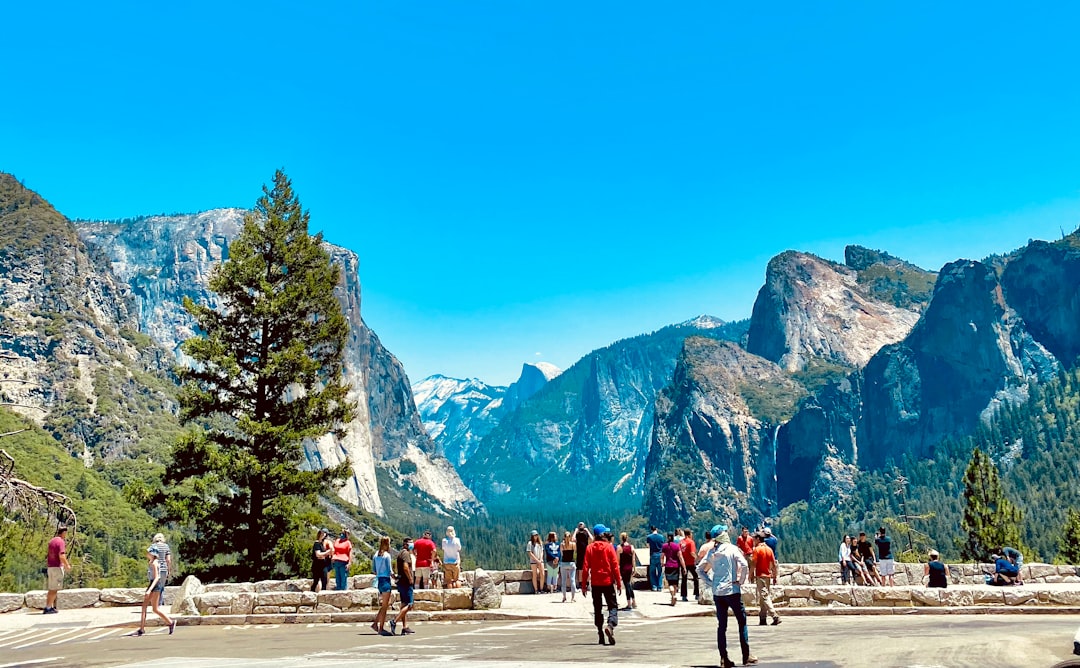
For stunning panoramic views of Yosemite Falls, Half Dome, and Sentinel Rock, the Cook’s Meadow Loop is an excellent choice. This flat, paved, and boardwalk loop is an easy one-mile stroll, perfect for a leisurely outing where little legs can stretch or comfortably ride in their stroller.
Combining the serene Sentinel Meadow with the picturesque Cook’s Meadow creates a slightly longer but equally flat and paved option, the Sentinel Meadow & Cook’s Meadow Loop. This 2.2-mile loop offers diverse perspectives of the Valley’s grandeur, making it a fantastic choice for a more extended walk with a stroller, allowing you to immerse yourselves in the park’s beauty.
The Bridalveil Fall Trail, while technically paved, requires a bit more caution as portions can become quite wet and slippery due to the powerful spray, especially during the spring runoff. The path to the main viewpoint is short and paved, but it’s wise to assess the conditions before venturing too close with a stroller to ensure everyone’s safety.
The first mile of the Mirror Lake Loop is a paved and relatively flat section that leads directly to the lake itself. Here, you can enjoy stunning reflections of Half Dome on the water, although seasonal water levels will affect the clarity of these reflections. Beyond this initial paved section, the trail quickly becomes unpaved and significantly less stroller-friendly, so plan to turn back there.
During the summer months, Tuolumne Meadows also offers select areas with relatively flat, easy walking paths adjacent to the main road. These sections can often be managed with a sturdy stroller, providing an opportunity to experience the high country’s beauty. Always check with the visitor center for current conditions and recommended paths before heading out.
The Best “Toddler-Safe” Play Areas in Yosemite
Toddlers are full of energy and need safe spaces to explore, run around, and interact with their surroundings. Despite its wild nature, Yosemite provides several wonderful spots where your little ones can roam freely and safely. These areas are perfect for giving them a break from the stroller when visiting Yosemite National Park with a stroller.
On warmer days, the banks of the Merced River in Yosemite Valley offer inviting shallow spots perfect for toddlers to splash and play. Popular areas with sandy stretches include those near Swinging Bridge, El Capitan Meadow, and Sentinel Beach, providing a refreshing break. It’s crucial to always supervise children closely, as river currents can be deceptive and water levels change seasonally.
Yosemite Valley’s vast, flat meadows are ideal for toddlers to run, play, and experience nature safely. Cook’s Meadow, Sentinel Meadow, and El Capitan Meadow are expansive, open spaces that allow children to move freely while remaining within sight. Remember to always stay on designated paths and meadows to help protect the park’s delicate ecosystem.
Inside the Yosemite Valley Visitor Center, families can find a Discovery Room, which, while not a traditional “playroom,” offers interactive exhibits and educational materials. This provides a quiet, engaging space for toddlers to look at displays, identify animals, and learn about the park in a climate-controlled environment, especially useful on hot or rainy days.
The Ansel Adams Gallery, known for its iconic photography, often has elements that capture a toddler’s attention, such as large photographs of animals or park scenes. This gallery offers a nice, calm indoor option, providing a moment of quiet contemplation and visual engagement, particularly if the weather takes an unexpected turn.
Many picnic areas throughout Yosemite, such as the Cathedral Beach Picnic Area or El Capitan Picnic Area, feature flat, grassy spots near the river. These are wonderful environments where toddlers can stretch their legs in a somewhat contained area while families enjoy a relaxing meal amidst the stunning scenery.
Nap-Time Logistics: Where to Go for a Scenic Drive in Yosemite
Sometimes, the most relaxing way to enjoy Yosemite’s grandeur with a sleeping toddler is from the comfort and quiet of your car. Scenic drives offer breathtaking views and provide a peaceful environment for little ones to nap, allowing parents to soak in the majestic landscapes without interruption.
The Valley Loop Road is an 11.5-mile one-way loop (with some two-way sections) that circles the iconic Yosemite Valley. This drive offers continuous views of landmarks like El Capitan, Bridalveil Fall, and Half Dome, making it perfect for a slow, scenic cruise with numerous pull-offs for photo opportunities without disturbing a sleeping child. It’s an excellent way to see the main sights when visiting Yosemite National Park with a stroller, or rather, with a sleeping child in the car seat.
Tioga Road is a high-elevation road, generally open from late May/early June to November, that offers stunning views of the High Sierra, alpine meadows, and serene lakes. This longer drive, approximately 1.5-2 hours one-way from Yosemite Valley to Tioga Pass, provides ample time for a good nap. When everyone is awake, consider stopping at Olmsted Point or Tenaya Lake for quick, easy views and a breath of fresh mountain air.
Glacier Point Road, also typically open from late May/early June to November, leads to the famous Glacier Point, offering unparalleled panoramic views of Yosemite Valley, Half Dome, Yosemite Falls, and the High Sierra. The drive itself is incredibly beautiful, with numerous pull-offs to admire the scenery. The journey is about an hour’s drive from Yosemite Valley, offering plenty of time for a toddler to catch some Z’s.
Baby-Care Stations & Restroom Locations in Yosemite
For any family trip, having access to clean, convenient baby-care stations and restrooms is absolutely crucial for a comfortable visit. Yosemite National Park offers several parent-friendly facilities to ensure your family’s needs are met throughout your adventure.
The Yosemite Valley Visitor Center is an excellent central hub, featuring family-friendly restrooms equipped with changing tables. The visitor center itself is also a great spot to regroup, gather information about the park, and take advantage of its convenient facilities.
Yosemite Valley Lodge provides public restrooms with changing facilities, making it another accessible stop for families. The lodge also hosts several restaurants and a general store, serving as a comprehensive and convenient place to refresh and resupply.
At Curry Village, you’ll find public restrooms that also include changing tables, ensuring you have options for quick diaper changes. Curry Village further enhances convenience with its dining options and a general store, providing essential services in a family-friendly setting.
For a slightly more upscale option, The Ahwahnee Hotel offers public restrooms that are suitable for families, providing a comfortable and clean environment. While visiting, you might also enjoy the hotel’s grand architecture and historical ambiance.
When entering or exiting the park from the south, the Wawona Visitor Center & Pioneer Yosemite History Center area is a popular and practical stop. Restrooms with changing tables are available here, making it a reliable spot for families needing a break and facility access.
During the warmer season, the Tuolumne Meadows Visitor Center provides restrooms and is a good stop for families exploring the high country. This facility is especially helpful for those adventuring along Tioga Road, offering a crucial comfort stop in a more remote part of the park.
Outside the park’s west entrance in El Portal, and also in Wawona, you’ll find gas stations and general stores that offer restrooms. These facilities are often easily accessible and can be lifesavers when you’re on the move or arriving/departing from the park.
Many larger designated picnic areas throughout the park, such as the El Capitan Picnic Area and Swinging Bridge Picnic Area, are equipped with vault toilets. Some of these are spacious enough for changing, though it’s always a good idea to carry your own hand sanitizer and toilet paper, as supplies can occasionally run low in these more rustic settings.
Essential Gear for Toddlers in Yosemite National Park
Packing the right gear can truly make all the difference for a smooth and enjoyable trip to Yosemite National Park with a stroller or toddler. Being well-prepared ensures that both parents and little ones can fully appreciate the park’s natural wonders.
Given Yosemite’s high elevation, sun exposure can be intense, making sun protection non-negotiable for everyone. Pack wide-brimmed sun hats, sunglasses, and a high SPF sunscreen for both toddlers and parents to shield against harmful UV rays throughout the day.
Staying hydrated is key in the mountains, so bring plenty of water and refillable water bottles. While water fountains are available at visitor centers and lodge areas, it’s always wise to carry extra water with you. Consider a hydration pack for yourself and smaller, easy-to-handle water bottles for older toddlers.
Mountain weather is notoriously unpredictable and can change rapidly, so packing layers of clothing is essential. Include items that can be easily added or removed, such as a warm fleece or jacket, rain gear even in summer, and quick-drying fabrics to adapt to varying temperatures and conditions. This ensures your child stays comfortable whether the sun is shining or a sudden chill rolls in, similar to preparing for a visit to Yellowstone National Park.
Sturdy Stroller vs. Carrier
When deciding between a stroller or a carrier, consider the specific terrain you plan to explore in Yosemite National Park with a stroller. For paved paths like the Lower Yosemite Fall Trail, Cook’s Meadow, or sections of the Valley Loop, a standard umbrella stroller might suffice, but a jogging stroller or all-terrain stroller with good wheels will offer a much smoother ride and better handle any slightly uneven terrain.
For trails that are unpaved, significantly uneven, or involve stairs (such as portions of the Mist Trail to Vernal Fall, or sections of the Mirror Lake Loop beyond the paved part), a structured hiking backpack carrier is an invaluable piece of gear. This allows you to carry your toddler comfortably and safely while keeping your hands free, similar to exploring Zion National Park with a stroller. Ensure the carrier is well-padded, has a sunshade, and fits both child and parent comfortably for extended periods, and consider investing in one of the best baby carriers and wraps for maximum comfort. For younger toddlers or shorter walks, a soft-structured carrier or wrap can also be quite useful for naps or when they need to be held close.
Pack plenty of easily accessible, non-perishable snacks to keep energy levels up and potential meltdowns at bay. Quick bites like fruit pouches, granola bars, crackers, and dried fruit are perfect for on-the-go fueling during your Yosemite adventures. Having these readily available can make a significant difference in a toddler’s mood.
A comprehensive first-aid kit is essential for any family travel. Include basic items like band-aids, antiseptic wipes, pain relievers (child-friendly), blister treatment, and any personal medications your family might need. Being prepared for minor scrapes or ailments will give you peace of mind.
Bug spray is especially important during warmer months, particularly when venturing near water sources. Choose a child-friendly repellent to protect your little one from mosquitoes and other biting insects, ensuring a more comfortable outdoor experience.
A small pair of binoculars can add an exciting element to the trip for toddlers, allowing them to spot wildlife such as deer or birds, or distant landmarks like the tops of waterfalls. It encourages observation and engagement with the natural world around them, making them feel like true explorers.
- Grand Canyon Family Stroller Travel
- Zion Family Stroller Travel
- Best Compact Airline-Friendly Strollers
- Best Compact Umbrella Strollers for Travel
- Best Baby Carriers and Wraps
- Best Family-Friendly Hikes in Grand Canyon National Park
- Family Vacation Guide: Zion National Park
- Yellowstone Family National Park Guide
- Best Hiking Shoes for Kids
- Grand Canyon Family National Park Itinerary
- Wikivoyage page on Yosemite National Park
Plan a trip your kids will actually enjoy.
Answer a few quick questions and get a free, personalized itinerary tailored to your destination and your children’s ages. No account required — your custom plan is ready in moments.
Filter out the noise and find what works for your family.
Every resort we review gets one of four Family Fit ratings. The rating is based on kids programming, amenities, vibe, and who the resort actually markets to - not just whether they allow children.
Discover My Ideal Resort →