Introduction
Welcome to Yosemite: A Family Paradise
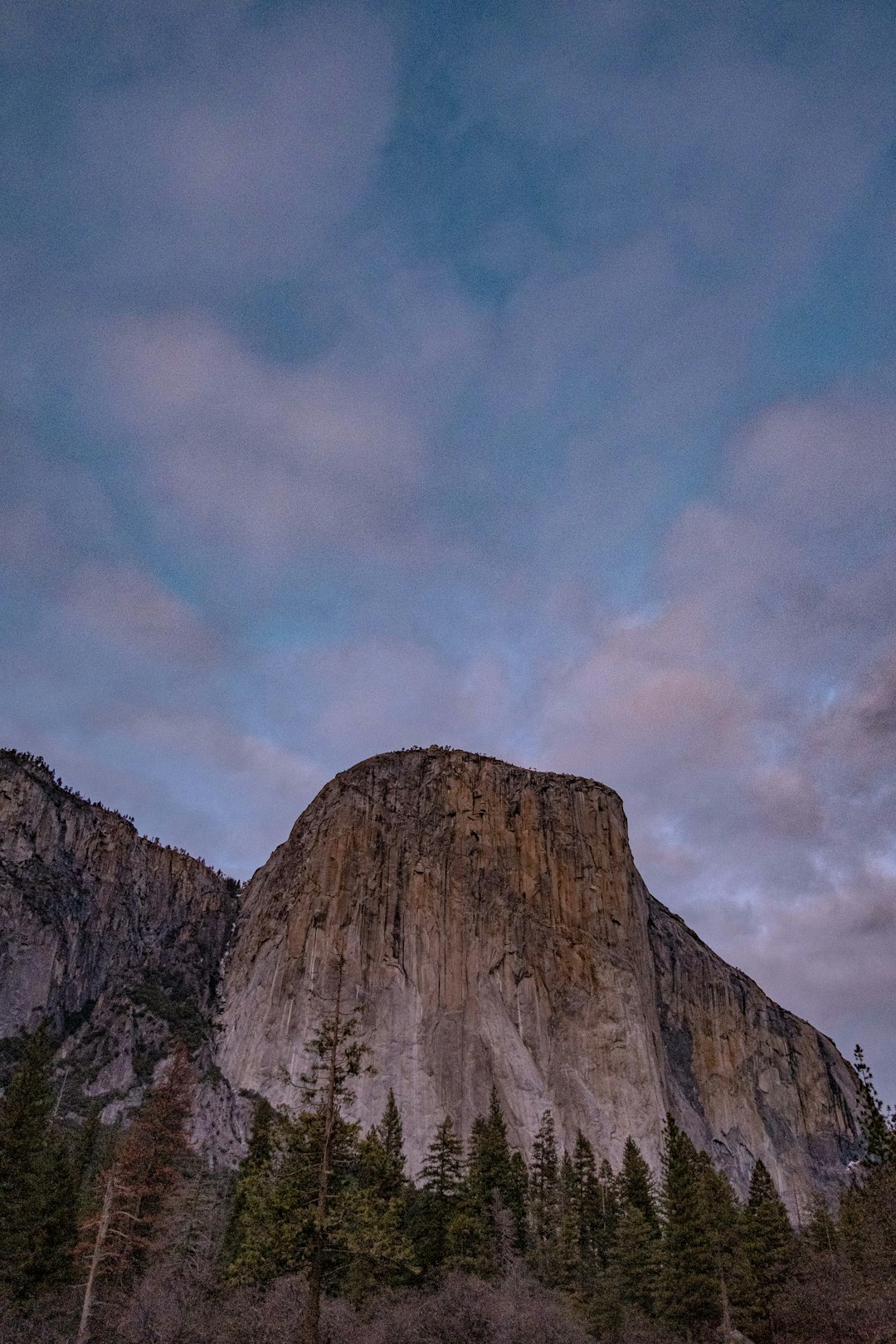
Yosemite National Park is more than just a destination; it’s an awe-inspiring playground for families seeking adventure and connection with nature. With its iconic granite cliffs like Half Dome and El Capitan, ancient giant sequoias, towering waterfalls, and deep, verdant valleys, Yosemite offers a breathtaking backdrop for family memories. It’s an incredible place to visit Yosemite National Park with kids, providing accessible natural wonders and endless opportunities for adventure, whether you’re embarking on a gentle stroll or a more challenging hike.
Key Attractions for Children
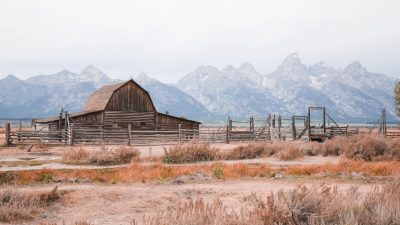
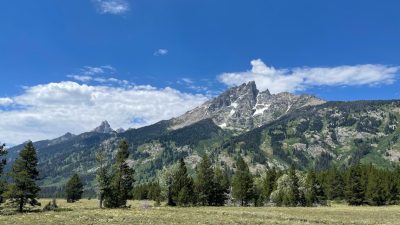
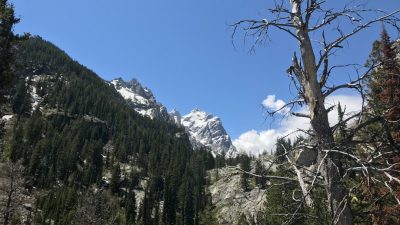
For children, Yosemite transforms into a land of discovery. Imagine their excitement spotting wildlife such as deer grazing peacefully, busy squirrels scampering up trees, and even a distant bear (from a safe distance, of course!). The sheer scale of landmarks like Half Dome and El Capitan can spark wonder in even the youngest adventurers, leaving them marveling at nature’s grandeur. The thunderous roar and misty spray of Yosemite Falls create an unforgettable thrill, while exploring the ancient, towering giant sequoias of Mariposa Grove feels like stepping into a fairytale forest.
Filter out the noise and find what works for your family.
Every resort we review gets one of four Family Fit ratings. The rating is based on kids programming, amenities, vibe, and who the resort actually markets to - not just whether they allow children.
Discover My Ideal Resort →Fun and Unique Facts About Yosemite
Yosemite holds many fascinating secrets that make it even more special for families. Did you know it’s a UNESCO World Heritage site, recognized for its outstanding natural beauty? The park’s dramatic landscapes were sculpted by ancient glaciers over millions of years, leaving behind the distinctive U-shaped valleys we see today. Yosemite is also home to incredibly diverse ecosystems, supporting thousands of plant and animal species. Moreover, it boasts a rich history, forever linked to conservation pioneers like John Muir, whose passionate advocacy helped protect this natural treasure for future generations to enjoy.
Best Time to Visit
Spring (April-May): Waterfall Spectacle
Spring in Yosemite is truly magical, offering the peak season for its magnificent waterfalls like Yosemite Falls and Bridalveil Fall. The mild temperatures are perfect for exploring, and the valley floor bursts with blooming wildflowers, painting the landscape in vibrant colors. Visiting before the summer rush also means fewer crowds, allowing for a more serene experience, though it’s important to remember that higher elevation roads may still be closed due to snow.
Summer (June-August): Full Access and Warm Adventures
Summer is undeniably the most popular time to experience Yosemite National Park with kids, as all park roads and facilities, including Tioga Road and Glacier Point Road, are typically open. This season offers ideal conditions for hiking, swimming in the refreshing Merced River, and enjoying various lake activities. However, be prepared for significant crowds and the need for early reservations for lodging and activities. Afternoon thunderstorms can also be a common occurrence, so it’s wise to plan accordingly.
Fall (September-October): Golden Hues and Wildlife
As summer crowds diminish after Labor Day, fall brings a crispness to the air and a breathtaking display of golden hues across the park’s deciduous trees. This is an excellent time for wildlife viewing as animals become more active, preparing for the upcoming winter. While the waterfalls begin to diminish in flow, they still present an impressive sight, and the quieter trails offer a peaceful experience for families.
Winter (November-March): A Snow-Covered Wonderland
For families seeking a unique adventure, winter transforms Yosemite into a serene, snow-covered wonderland. Activities like snowshoeing, cross-country skiing, and ice skating at Curry Village become popular. The park’s iconic views, like Tunnel View, are particularly stunning blanketed in white. Keep in mind that access is limited during this season due to road closures, including Tioga Road and Glacier Point Road, requiring careful planning.
Avoiding Crowds and Peak Season Advice
To make the most of your trip to Yosemite National Park with kids and minimize the impact of crowds, consider visiting during weekdays, or explore popular areas early in the mornings or late in the afternoons. The shoulder seasons (spring and fall) generally offer a quieter experience with beautiful conditions. Most importantly, utilize the park’s efficient and free shuttle system in Yosemite Valley to avoid parking frustrations, as parking can be very limited, especially during peak times.
Getting There
Nearest Airports and Travel Times
Getting to Yosemite National Park with kids typically involves a scenic drive from one of California’s major airports. Fresno-Yosemite International Airport (FAT) is the closest, with a drive time of approximately 2-3 hours to the park. Other options include San Francisco International (SFO), Oakland International (OAK), and Sacramento International (SMF), which are all about a 3-4 hour drive. For families traveling from further afield, Los Angeles International (LAX) is roughly a 5-6 hour drive, offering a longer but often more affordable flight option.
Driving, Entrances, and Parking Information
Yosemite has several main park entrances: Arch Rock (Hwy 140) and South Entrance (Hwy 41) are generally open year-round, while Tioga Pass (Hwy 120 E) is seasonal. During peak seasons, the park may implement vehicle reservation requirements, so it’s crucial to check the official NPS website before your visit. Parking in Yosemite Valley is notoriously limited, making it essential to arrive early or, better yet, rely on the park’s extensive and convenient shuttle system once you’re inside.
Accessibility for Strollers and Wheelchairs
Yosemite National Park is surprisingly accessible for families with strollers or wheelchairs, especially in Yosemite Valley. Many flat, paved trails are perfect for little ones and those with mobility challenges, such as the Lower Yosemite Fall Trail and Cook’s Meadow. Numerous accessible viewpoints and facilities are also available throughout the park, ensuring everyone can enjoy its majestic beauty. For families considering what stroller to bring, a compact, all-terrain option is often ideal for navigating both paved and slightly uneven paths. You can find excellent choices on our guide to the best compact airline-friendly strollers.
Tips for Long Car Trips with Kids
Long car trips to Yosemite can be an adventure in themselves. To keep children entertained and comfortable, plan frequent rest stops for stretching and burning off energy. Pack plenty of snacks and drinks to avoid “hangry” moments. Engage them with car games, listen to audiobooks, or download movies and shows for areas with no cell signal. A well-stocked kids luggage with their favorite toys and activities can also make a huge difference.
Where to Stay: Family-Friendly Bases
Lodging Inside Yosemite National Park
Staying inside Yosemite National Park offers unparalleled convenience and immersion in nature, allowing you to easily experience Yosemite National Park with kids without long drives. Options range from luxurious to rustic, catering to various family needs and budgets.
Yosemite Valley Lodging
In Yosemite Valley, you’ll find iconic accommodations. The Majestic Yosemite Hotel (formerly Ahwahnee) offers a touch of luxury with its grand architecture and upscale dining. Yosemite Valley Lodge provides a convenient, central location with comfortable rooms and a good selection of amenities. For a more rustic and budget-friendly experience, Curry Village features tent cabins, standard cabins, and hotel rooms, putting you right at the base of Half Dome.
Other Park Lodging
Beyond the Valley, other park lodging options provide different experiences. Tuolumne Meadows Lodge and White Wolf Lodge offer seasonal, high-country stays, perfect for exploring different facets of Yosemite when open. The historic Wawona Hotel, located near Mariposa Grove, offers a charming, old-world feel and a quieter retreat from the Valley crowds.
Campgrounds for Families
Camping is a fantastic way to experience Yosemite National Park with kids, fostering a deep connection with nature. Popular campgrounds like Upper Pines, Lower Pines, and North Pines in Yosemite Valley require reservations made extremely early, often months in advance. Other options include Wawona, Hodgdon Meadow, and Crane Flat, some of which may offer first-come, first-served sites, though these are often snatched up quickly. Early booking is absolutely essential for any family hoping to camp inside the park.
Lodging Outside Yosemite National Park
Staying outside the park can offer more flexibility, availability, and often better value, especially when visiting Yosemite National Park with kids.
Gateway Towns
Nearby gateway towns like El Portal, Mariposa, Groveland, and Oakhurst provide a variety of lodging, dining, and grocery options. El Portal is the closest to Yosemite Valley via Highway 140, offering quick access. Mariposa has a charming historic downtown, while Groveland is a good base for accessing the park via Highway 120. Oakhurst, south of the park, is a larger town with more amenities and is convenient for visiting Mariposa Grove.
Hotels and Resorts with Kid-Friendly Amenities
Outside the park, you can find a wider selection of hotels and resorts that cater specifically to families. Many offer amenities such as swimming pools, family suites with extra space, and diverse dining options. These can be particularly appealing if your family enjoys comforts that might not be available within the rustic park accommodations.
Pros and Cons of Staying Inside vs. Outside the Park
The choice between staying inside or outside Yosemite National Park with kids involves trade-offs. Staying inside offers unmatched convenience, minimizing driving time and maximizing your time in the park’s heart, providing a truly immersive experience. However, it often comes with higher prices, limited availability, and fewer amenities. Staying outside typically offers more affordable rates, greater accommodation availability, and a wider range of kid-friendly amenities like pools, but requires longer daily commutes into the park.
Things to Do: Yosemite Family Adventures
Kid-Friendly Hikes and Walks
Yosemite National Park is a hiker’s paradise, even for the littlest feet. When planning your visit to Yosemite National Park with kids, there are trails suitable for every age and energy level.
For Toddlers and Young Kids (0-6 Years)
These easy, mostly flat trails are perfect for strollers or tiny legs. The Lower Yosemite Fall Trail is a paved, half-mile loop offering magnificent views of the falls and a gentle mist. Cook’s Meadow Loop, a flat 1-mile loop, provides iconic views of Yosemite Falls, Half Dome, and El Capitan. The Bridalveil Fall Trail, a paved 0.5-mile round trip, leads to the base of the beautiful fall. In Mariposa Grove, the Lower Grove offers accessible boardwalks and paved paths to see some of the giant sequoias. Remember to consider appropriate footwear for the kids, and our guide on the best hiking shoes for kids can help you choose.
For Elementary-Aged Kids (7-12 Years)
For elementary-aged children, slightly longer or more challenging hikes offer a greater sense of accomplishment. The Mirror Lake Trail is a mostly flat, 2.4-mile round trip (longer if you loop around the lake) with stunning reflections of Half Dome. Portions of the Sentinel Dome Trail offer incredible panoramic views for a relatively moderate effort. Easy walks in Tuolumne Meadows, though seasonal, provide wide-open spaces and opportunities for exploration in a high-country setting.
For Older Kids and Teens (13+ Years)
Older kids and teens who enjoy a challenge will appreciate more adventurous options. The Mist Trail to Vernal Fall Footbridge (1.6 miles round trip with a significant climb) provides spectacular waterfall views. The full Sentinel Dome/Taft Point loop (approximately 5 miles) offers incredible vistas, including the famed Fissures at Taft Point. Explorations from Glacier Point, accessible by car seasonally, provide jaw-dropping views of Yosemite Valley, Half Dome, and Nevada Fall, with several trails varying in length and difficulty.
Educational and Junior Ranger Programs
Engaging in the Yosemite Junior Ranger Program is a fantastic way for children to learn about the park and earn a badge, making their visit to Yosemite National Park with kids even more interactive. Families can pick up activity booklets at any visitor center, complete age-appropriate tasks, and attend a ranger program to earn their official badge. Visitor centers also feature engaging exhibits, while seasonal ranger-led walks, talks, and campfire programs offer deeper insights into Yosemite’s geology, wildlife, and history, creating memorable learning experiences for all ages.
Wildlife Viewing Opportunities
Spotting wildlife is a highlight for many families visiting Yosemite National Park with kids. Deer are frequently seen grazing in meadows, and squirrels are ubiquitous throughout the park. Keep an eye out for marmots in higher elevations. While black bears are present, it’s crucial to observe them safely from a distance, never approach or feed them. Remind children of essential safety rules: maintain a respectful distance from all animals and never, under any circumstances, feed wildlife. Utilize binoculars for a closer look without disturbing their natural behavior.
Water Activities and Picnic Spots
During warmer months, the Merced River offers safe areas for swimming, especially in designated spots with gentler currents. Renting rafts for a seasonal river float is a popular and relaxing way to experience Yosemite Valley from a different perspective. Yosemite also boasts numerous ideal picnic spots with scenic views, perfect for a family meal amidst nature. Sentinel Beach, Cathedral Beach, and El Capitan Meadow offer stunning backdrops for a leisurely lunch, with many providing picnic tables and restrooms.
Other Unique Family Experiences
Beyond hiking, Yosemite offers other memorable family experiences. Stargazing is incredible thanks to the park’s dark skies, away from city light pollution. Bike rentals are available for exploring the flat, paved trails of Yosemite Valley, offering a fun and efficient way to see many sights. In winter, ice skating at Curry Village provides a festive and unique activity with stunning views of Half Dome. These activities add variety to your trip to Yosemite National Park with kids, ensuring there’s something for everyone.
Packing Smart: Essentials for Families
Clothing for Varying Weather
When visiting Yosemite National Park with kids, always plan for varying weather conditions, as temperatures can change dramatically, especially between day and night or different elevations. Layering is key: pack base layers, warm fleeces, and waterproof jackets. Hats and gloves are essential even in summer for cooler evenings or higher elevations. Be prepared for sun, rain, and potential cold, no matter the season.
Footwear for All Activities
Sturdy hiking boots or comfortable hiking shoes are recommended for adults and older children, providing support and grip on varied terrain. For younger kids, comfortable sneakers are often sufficient for shorter, paved trails. If you plan to enjoy water activities, water shoes are a must for river access. Don’t underestimate the importance of good socks to prevent blisters, especially on longer walks. Our guide on the best hiking shoes for kids provides excellent recommendations.
Snacks, Water, and Meal Prep
Hydration is critical, so emphasize packing reusable water bottles for everyone and refilling them frequently at designated stations. High-energy snacks are essential for keeping kids fueled on trails and preventing meltdowns. Bringing a cooler with picnic lunches is a great way to save money and enjoy meals with scenic views. Consider basic meal prep like pre-made sandwiches or chopped fruits to make park outings smoother.
Baby Gear and Stroller Recommendations
For families with babies or toddlers, a child carrier backpack is highly recommended for uneven or longer trails, keeping little ones secure and comfortable. For paved areas, a compact, all-terrain stroller can be invaluable. Ensure your baby bag includes diapers, wipes, formula/food, extra changes of clothes, and a blanket. Our list of the best compact airline-friendly strollers can help you find a suitable option for your trip to Yosemite National Park with kids.
Safety Essentials
A comprehensive first-aid kit is non-negotiable for any family adventure in Yosemite. Pack high-SPF sunscreen, insect repellent, wide-brimmed hats, and sunglasses to protect against the elements. Headlamps are useful for early morning starts or late evening walks. Personal safety whistles for each family member can provide peace of mind, especially on trails.
Gear for Wildlife and Outdoor Activities
Enhance your wildlife viewing experience by bringing binoculars. Cameras, whether a phone or a dedicated device, are essential for capturing Yosemite’s stunning beauty and your family’s memories. Small backpacks for kids allow them to carry their own water bottles and snacks, fostering a sense of responsibility. Optional travel journals can encourage older children to document their adventures and reflections.
Food & Dining Logistics
Onsite Dining Options in Yosemite
Dining within Yosemite National Park with kids offers convenience, though options can be limited and pricier than outside the park. Degnan’s Kitchen in Yosemite Village provides casual options like sandwiches, salads, and coffee. The Curry Village Pizza Patio is a family favorite for its easy atmosphere and, of course, pizza. The Yosemite Valley Lodge Food Court offers a variety of quick-service meals. For a more upscale experience, The Majestic Yosemite Hotel Dining Room requires reservations and has a dress code, so it’s best for a special occasion or older children.
Best Picnic Areas for Families
Picnicking is an excellent way to enjoy meals while immersing yourselves in Yosemite’s beauty and saving money. Scenic picnic spots with amenities and incredible views include Sentinel Beach and Cathedral Beach, both along the Merced River, offering easy access and stunning backdrops. El Capitan Meadow is perfect for views of the iconic granite monolith. Many viewpoints along Glacier Point Road also offer great spots for a packed lunch, providing unforgettable vistas.
Grocery Options Nearby
While Yosemite Valley Village Store has limited grocery options for basic necessities, you’ll find larger, more affordable supermarkets in gateway towns like Mariposa and Oakhurst. It’s often best to stock up on most of your groceries before entering the park to ensure you have everything you need and to save on costs, especially if you plan to do a lot of self-catering during your visit to Yosemite National Park with kids.
Tips for Bringing Your Own Food with Kids
Bringing your own food is highly recommended, especially with children. Pack coolers with ice to keep perishable items fresh, and prepare individual snack bags for easy access on hikes. Crucially, families must understand and adhere to Yosemite’s strict bear-proof food storage regulations. All food, scented items, and even empty coolers must be stored in bear lockers (provided at campsites and many parking areas) or in hard-sided vehicles, out of sight. Never leave food unattended, even for a moment.
Allergy-Friendly Options
For families with dietary restrictions or allergies, planning ahead is vital. It’s advisable to check menus online for onsite dining options in advance and communicate clearly with staff about any allergies upon arrival. Considering self-catering for a significant portion of your meals, particularly for breakfasts and lunches, offers the most control over ingredients and ensures safe eating for everyone, making a trip to Yosemite National Park with kids much less stressful regarding food.
Safety First: Protecting Your Family
Wildlife Safety
Encountering wildlife is a thrilling part of visiting Yosemite National Park with kids, but safety is paramount. Bear safety is particularly important: always store all food, scented items, and even empty coolers in bear boxes or hard-sided vehicles. Never leave food unattended. If you encounter a bear, make noise, make yourself look big, and back away slowly. Never run. For other wildlife, maintain a respectful distance, never feed animals, and keep pets on a leash. These precautions help protect both your family and the park’s inhabitants.
Trail Safety
When exploring trails, stay on marked paths to prevent getting lost and to protect fragile ecosystems. Always supervise children closely, especially near steep drop-offs or water. Know your family’s limits and choose hikes appropriate for everyone’s abilities. Check trail conditions at a visitor center before heading out, and always inform someone of your plans, including your route and estimated return time, especially if attempting a longer hike.
Hydration and Sun Protection
Yosemite’s dry air and high elevation can quickly lead to dehydration. Carry ample water for everyone and encourage frequent sips. Reapply high-SPF sunscreen throughout the day, wear protective clothing such as wide-brimmed hats, and sunglasses. Learn to recognize the signs of dehydration and heatstroke in children and adults, such as dizziness, fatigue, or excessive thirst, and take immediate action if symptoms appear.
Emergency Contacts and Ranger Stations
In case of an emergency, dial 911 within the park. It’s helpful to know the locations of ranger stations, visitor centers, and first aid stations, which are typically marked on park maps. Be aware that cell service is limited and often unreliable within much of the park, particularly in Yosemite Valley and the high country. Plan to communicate via park phones or in person at visitor centers if needed.
Water Safety
Rivers and streams in Yosemite can have strong, swift currents, especially during spring runoff when snowmelt swells the waterways. Exercise extreme caution near all bodies of water and never let children play unsupervised near riverbanks. Drowning can occur even in shallow, seemingly calm water. Always assess the conditions and prioritize safety, particularly when planning activities near the Merced River or other water features.
Money & Budget Tips
Entry, Parking, and Activity Fees
Visiting Yosemite National Park with kids involves an entry fee per vehicle, which is valid for seven days. If you plan to visit multiple national parks within a year, consider purchasing the America the Beautiful Pass, which covers entrance fees to all national parks and federal recreational lands for one year. While parking is often included with your entry, some specific activities like raft or bike rentals will incur additional costs. Planning these into your budget beforehand is essential.
Budget Tips for Families
There are several ways to save money when planning your trip to Yosemite National Park with kids. Camping inside the park or staying in more affordable lodging outside the park can significantly reduce accommodation costs. Packing your own meals and snacks, rather than relying solely on park eateries, is a major budget-saver. Focus on the many free ranger programs and breathtaking hikes, which offer incredible experiences without an additional fee. Keep an eye out for potential fee-free days offered by the National Park Service, which can provide a discount on the entry fee.
Nearby Affordable Meal and Grocery Options
As mentioned, gateway towns such as Mariposa and Oakhurst typically offer more budget-friendly food and grocery options compared to the limited and often higher-priced selections inside Yosemite National Park. Planning to buy the majority of your groceries and perhaps enjoying a few meals in these towns before or after your park visits can help stretch your family’s travel budget further. This strategy allows you to experience Yosemite without overspending on basic necessities.
Sample Itinerary: Making the Most of Your Time
Half-Day Adventure for Young Kids (Ages 0-6)
For a relaxed and enjoyable half-day in Yosemite National Park with kids, focus on short, accessible walks and plenty of breaks. Start with the easy, paved Lower Yosemite Fall Trail, perfect for strollers and little legs, allowing them to feel the mist from the powerful waterfall. Afterward, find a scenic spot for a picnic lunch at Sentinel Beach. Spend some time at the Yosemite Valley Visitor Center exploring exhibits designed for children and picking up Junior Ranger activity booklets. This balances exploration with essential rest time for toddlers.
Full-Day Exploration for Elementary Kids (Ages 7-12)
A full day allows for a more active itinerary. Begin with a visit to Mariposa Grove to marvel at the giant sequoias, choosing either the accessible Lower Grove trails or a slightly longer loop if energy allows. Afterwards, enjoy a scenic drive up to Glacier Point (seasonal) for breathtaking panoramic views of Yosemite Valley, Half Dome, and Nevada Fall. In the afternoon, head back to the valley for a ranger program or a leisurely bike ride on the paved paths (rentals available) before enjoying a family dinner at Curry Village Pizza Patio.
Multi-Day Immersion for Older Children & Teens (Ages 13+)
For older children and teens, a multi-day immersion into Yosemite National Park with kids offers the chance for more challenging adventures. Day one could involve a invigorating hike on the Mist Trail to Vernal Fall Footbridge, providing spectacular waterfall views and a good workout. Day two can be spent exploring Yosemite Valley by bike, covering more ground and stopping at iconic viewpoints like El Capitan Meadow and Tunnel View. If visiting in season, dedicate a day to a high-country adventure in Tuolumne Meadows, exploring its vast meadows and granite domes. Evenings can include stargazing programs led by rangers or simply finding a dark spot to marvel at the night sky. Remember to balance activity with rest and maintain flexibility, as plans can change with weather or energy levels.
Extra Tips for Parents
Keeping Kids Engaged on Long Hikes
Long hikes in Yosemite National Park with kids can be challenging, but with a few tricks, you can keep spirits high. Turn the hike into a nature scavenger hunt, searching for specific leaves, rocks, or animal tracks. Engage them with storytelling, taking turns to add to a shared narrative. Designate a “lead hiker” for certain stretches, empowering them to navigate. Photography challenges, like finding the most interesting tree or capturing the perfect reflection, can also add excitement. And remember, frequent small breaks for snacks and water are invaluable.
Managing Different Age Groups
When traveling to Yosemite National Park with kids of varying ages, choosing activities that cater to different energy levels and interests is key. Consider splitting up for certain activities, with one parent taking younger children on an easy, paved stroll while the other tackles a more challenging hike with teens. Alternatively, prioritize universally enjoyable experiences like scenic drives, short walks to viewpoints, and ranger programs that offer something for everyone. Flexibility and open communication about expectations will make the trip smoother for the whole family.
Camping with Kids in Yosemite
Camping in Yosemite National Park with kids is an unforgettable experience, but requires careful planning. Reservations are essential and should be made as early as possible, typically months in advance. Pack warm gear, even in summer, as nights can be chilly. Strictly adhere to bear safety guidelines, always storing food and scented items in bear lockers. Plan campfire fun like s’mores and storytelling to create lasting memories. A well-prepared camp kitchen and comfortable sleeping arrangements will make for a more enjoyable adventure.
Photography Tips for Families in Yosemite
Capturing memorable family photos in Yosemite’s grand landscapes means thinking beyond posed shots. Focus on candid moments of your children interacting with nature – splashing in a stream, looking up at a giant sequoia, or simply walking a trail. Utilize the natural light, especially during the “golden hours” of sunrise and sunset, for the most dramatic effects. Include kids within the grand landscapes to show the immense scale of Yosemite’s features, making them tiny figures against a backdrop of towering cliffs and waterfalls. Don’t forget to get down to their eye level for unique perspectives.
Resources & Links
Official Park Website
For the most current information, including road conditions, trail closures, reservation requirements, and safety guidelines, families should always refer to the National Park Service Yosemite Official Website: www.nps.gov/yose. This is your primary source for planning an informed and safe trip to Yosemite National Park with kids.
Local Tourism Resources
Additional local tourism resources can provide valuable insights into gateway towns and surrounding areas. The Yosemite Mariposa County Tourism Bureau (www.yosemite.com) and Visit Yosemite Madera County (www.yosemitethisyear.com) offer information on lodging, dining, and attractions outside the park, helping you plan a comprehensive family vacation.
Maps, Trail Guides, and Downloadable Apps
Before your trip to Yosemite National Park with kids, download the official NPS Yosemite app for offline use, as cell service is limited. It includes maps, points of interest, and current conditions. Obtain printed maps at park entrances or visitor centers, which are invaluable for navigation. Consider using apps like AllTrails for detailed trail information and reviews, helping you select appropriate hikes for your family’s abilities. Physical maps are also a great backup if your digital devices run out of battery.
Conclusion
Yosemite National Park offers an unparalleled family adventure, blending awe-inspiring natural beauty with a wealth of accessible activities suitable for all ages. From the towering granite cliffs and majestic waterfalls to the ancient giant sequoias and abundant wildlife, Yosemite creates a backdrop for unforgettable memories. Thoughtful planning, focusing on the tips and itineraries shared, is key to ensuring a smooth and enjoyable trip for everyone, allowing you to truly experience the magic of Yosemite National Park with kids. So, embrace the adventure, pack smart, and get ready to create lasting family memories in one of America’s most treasured national parks. Begin planning your unforgettable Yosemite experience today!
- Yellowstone Family National Park Guide
- Family Vacation Guide Zion National Park
- Best Family Friendly Hikes Grand Canyon National Park
- Grand Canyon Family National Park Itinerary
- Zion National Park Itinerary Family
- Grand Canyon Family National Park Budget
- Zion National Park Family Budget Travel
- Best Hiking Shoes Kids
- Best Compact Airline-Friendly Strollers
- Best Kids Luggage Buying Guide
- Wikivoyage page on Yosemite National Park
Plan a trip your kids will actually enjoy.
Answer a few quick questions and get a free, personalized itinerary tailored to your destination and your children’s ages. No account required — your custom plan is ready in moments.
Filter out the noise and find what works for your family.
Every resort we review gets one of four Family Fit ratings. The rating is based on kids programming, amenities, vibe, and who the resort actually markets to - not just whether they allow children.
Discover My Ideal Resort →