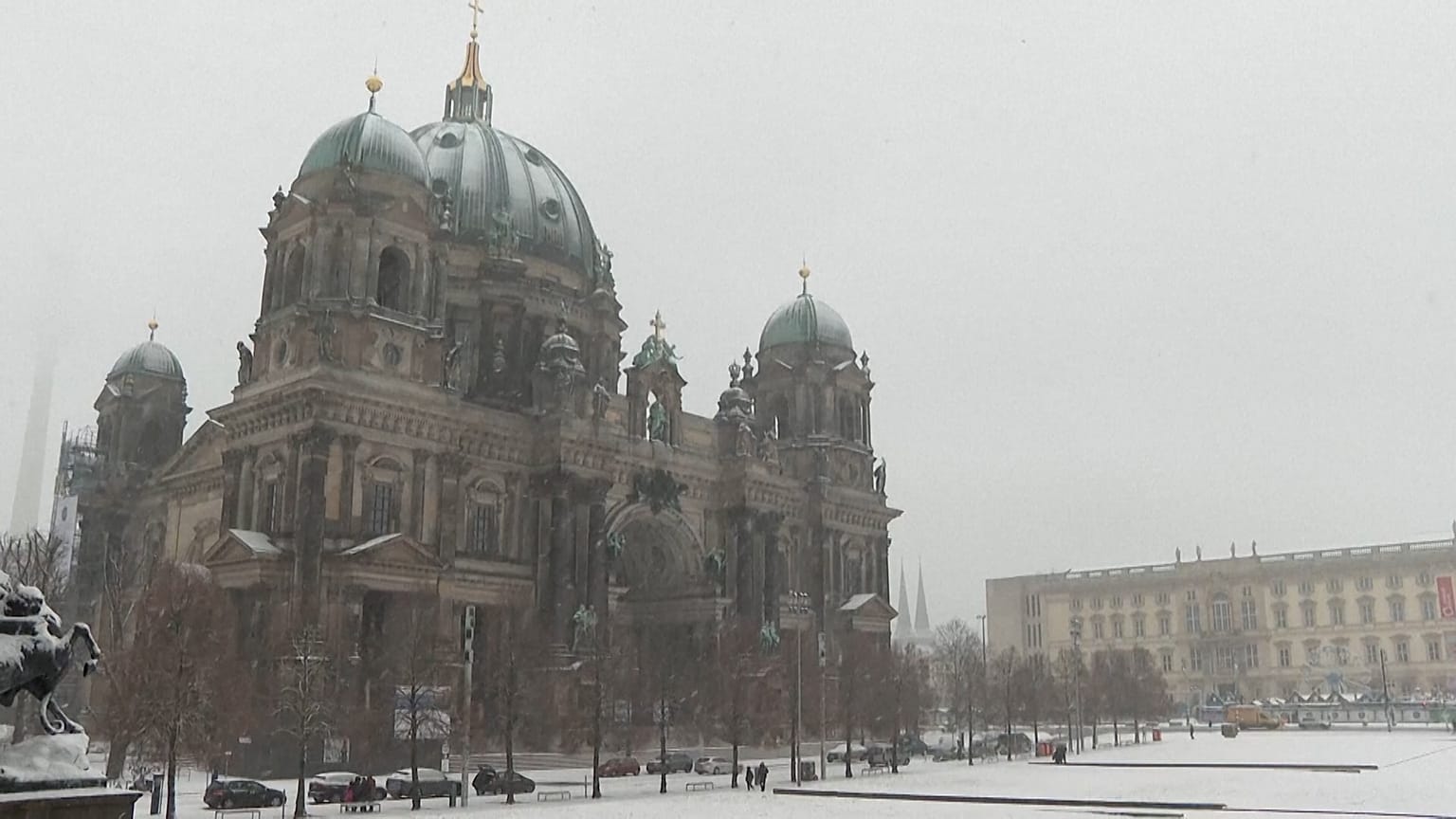
Berlin’s daylight swings dramatically between summer and winter, and that shift — more than temperature alone — is what shapes a family trip here most.
What to Know
- Summer (June-August) brings highs of 23-25degC and long daylight, up to 15-17 hours around the solstice.
- Winter (December-February) is cold, with highs of only 3-5degC and lows dipping just below freezing.
- Winter daylight drops to just 7-9 hours a day, with sunshine hours falling to 1.5-2.5 a day from November through February.
- Rainfall is distributed fairly evenly through the year, with afternoon thunderstorms possible in summer.
- Mid-May through late September is generally considered the most favorable window for visiting.
Summer: Long Days, Warm Weather
June through August brings Berlin’s warmest and longest days, with highs around 23-25degC and up to 15-17 hours of daylight near the summer solstice. That extended daylight is a genuine advantage for families — more time for outdoor parks and playgrounds without racing against an early sunset.
Filter out the noise and find what works for your family.
Every resort we review gets one of four Family Fit ratings. The rating is based on kids programming, amenities, vibe, and who the resort actually markets to - not just whether they allow children.
Discover My Ideal Resort →Winter: Short, Cold, and Quiet
Winter in Berlin is genuinely cold, with highs only reaching 3-5degC and lows dipping just below freezing, paired with short days — as little as 7-9 hours of daylight and very limited sunshine from November through February. It’s a quieter, lower-cost season, but one that requires serious warm layers and a schedule built around a much shorter day.
The Favorable Window: Mid-May to Late September
This stretch offers the best combination of moderate temperatures and long daylight, making it the most family-friendly window for a Berlin trip. Even within this period, pack a sweater or light jacket — afternoon thunderstorms and cooler evenings are common even in the warmer months.
How Daylight Affects Daily Planning
Long summer daylight means an evening park visit or ice cream walk is realistic well after a typical dinner hour, while winter’s short days mean outdoor plans need to happen earlier and indoor backups — museums, indoor playgrounds — become more important for the afternoon once the light starts fading by mid-afternoon.
Picking the Right Season for Your Family
Choose late spring through early fall for the easiest trip logistically — more daylight, warmer weather, and fewer scheduling compromises. Choose winter if lower costs and a quieter city matter more than ideal weather, and be ready to lean on Berlin’s genuinely strong indoor museum scene to fill the shorter days.
Packing for Berlin’s Climate
Summer visitors should still pack a light jacket or sweater, since afternoon thunderstorms and cooler evenings are common even in the warmer months. Winter visitors need genuinely warm layers — a proper coat, hat, and gloves — given how far temperatures drop below freezing overnight.
Crowds by Season
Summer brings the biggest crowds to Berlin’s major museums and attractions, particularly around school holiday periods. Winter is noticeably quieter outside the Christmas market season, and spring and fall offer a reasonable middle ground of manageable crowds with milder weather than winter.
Christmas Markets as a Seasonal Draw
Berlin’s Christmas markets, running through December, are a genuine highlight for families willing to brave the cold — festive food, lights, and activities that make the shorter, colder days feel worth it for many visitors, even if it’s not the easiest season logistically.
A Season-by-Season Quick Comparison
Summer offers the most daylight and warmest weather but the biggest crowds. Winter is cold and dark but quiet, and December specifically offers the Christmas markets as a unique draw. Spring and fall split the difference — milder than winter, less crowded than summer, and generally the easiest overall choice for a family without a specific reason to pick another season.
Making the Most of an Off-Season Trip
A winter trip trades ideal weather for genuine advantages — lower hotel rates, shorter museum lines, and (outside the Christmas market weeks) a quieter overall pace. Families who pack properly for the cold and lean on Berlin’s strong indoor museum scene can have a genuinely enjoyable trip outside the traditional peak season.
Checking the Forecast Before You Go
Given how much Berlin’s weather can shift day to day, especially in the shoulder seasons, checking a closer-to-departure forecast rather than relying solely on seasonal averages helps with final packing decisions and daily planning.
Daylight-Driven Daily Planning
In summer, Berlin’s long evenings mean an after-dinner park visit or playground stop is genuinely realistic well past a typical bedtime routine at home. In winter, with daylight gone by mid-afternoon, front-loading outdoor time into the late morning and early afternoon makes the most of the limited light before switching to an indoor activity for the evening.
Local Holidays and Events to Plan Around
Beyond the Christmas markets, Berlin’s calendar includes other seasonal events and public holidays that can affect opening hours and hotel pricing — worth checking the dates against your travel window if your trip falls during a major local celebration.
Plan Your Days in Berlin
Browse family-friendly tours and activities in Berlin.
Quick Answers
What is the best time to visit Berlin with kids?
Mid-May through late September, when temperatures are mildest and daylight is longest.
Is Berlin cold in winter?
Yes — highs typically only reach 3-5degC, with short days and limited sunshine from November through February.
How much daylight does Berlin get in summer?
Up to 15-17 hours around the summer solstice, giving families extra time for outdoor activities.
Ready to Plan Your Trip?
Get a personalized Berlin itinerary built around your kids’ ages and your travel dates.