Madrid’s continental climate means genuinely hot summers and genuinely cold winters, which matters more for a family trip than it might in a milder coastal city — here’s how to pick the right window.
What to Know
- Summer (June-August) brings highs of 30-33degC and very little rain, making midday heat a real factor for young kids.
- Winter (December-February) is cold and rainy, with highs around 11-13degC and lows near freezing.
- Spring and fall offer the most comfortable temperatures and noticeably fewer crowds than summer.
- Most of Madrid’s annual rainfall falls between October and April.
- Late-afternoon heat in summer is the biggest scheduling factor for families with young children.
Summer: Hot, Dry, and Best Managed Around the Heat
June through August in Madrid brings highs regularly in the 30-33degC range with very little rainfall — genuinely hot by most family travelers’ standards. The best approach with young kids is to plan outdoor activities for morning or early evening and build in indoor or shaded downtime during the hottest midday hours, roughly 1-5pm.
Filter out the noise and find what works for your family.
Every resort we review gets one of four Family Fit ratings. The rating is based on kids programming, amenities, vibe, and who the resort actually markets to - not just whether they allow children.
Discover My Ideal Resort →Winter: Cold, Rainy, Quiet
Madrid winters are colder than many visitors expect for Spain — daytime highs around 11-13degC and nighttime lows near freezing, with winter also being the wettest season. It’s a genuinely quiet, lower-cost time to visit if your family doesn’t mind packing warm layers and planning around occasional rain.
Spring and Fall: The Comfortable Middle Ground
April-May and September-October offer Madrid’s most comfortable temperatures for a family itinerary — mild enough for full days of walking and sightseeing without the summer heat management or winter cold, and with meaningfully thinner crowds than peak summer.
How Season Affects a Family Itinerary
A summer trip works best if you’re comfortable adjusting the daily schedule around the heat, front-loading outdoor plans into the morning. A spring or fall trip needs the least schedule adjustment and tends to be the easiest season logistically for families with young kids who can’t handle a rigid heat-driven routine.
Picking the Right Window for Your Family
Choose spring or fall for the most comfortable all-around experience with the fewest scheduling compromises. Choose summer if your trip dates are fixed and you’re prepared to build the day around the midday heat. Winter suits families prioritizing lower costs and quieter sights over ideal weather.
Packing for Madrid’s Climate
Summer visitors need light, breathable clothing and strong sun protection given the intensity of the midday sun, plus a reusable water bottle since heat and dry air add up quickly. Winter visitors need genuinely warm layers — a proper coat, not just a light jacket — along with something waterproof for the season’s more frequent rain.
Local Events and Holidays to Plan Around
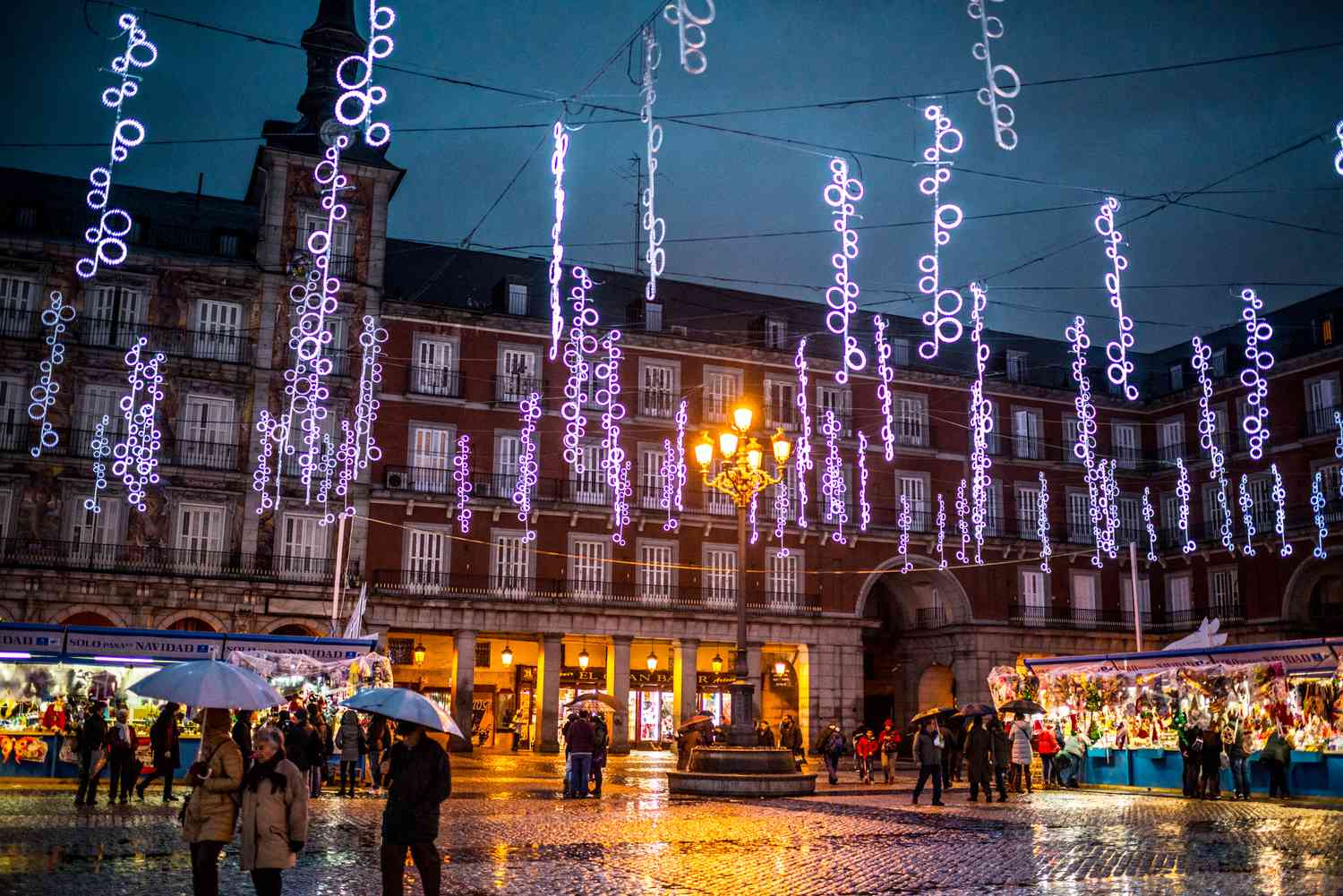
Madrid’s calendar includes major local festivals and Spanish national holidays that can affect opening hours and hotel pricing, particularly around San Isidro in May and the Christmas season in December. Checking the dates against your travel window helps you decide whether to lean into the festival atmosphere or plan around the closures and crowds.
Crowds by Season
Summer brings the biggest crowds alongside the heat, particularly at major sights like the Prado and Royal Palace. Spring and fall offer meaningfully thinner lines and more breathing room at popular family attractions, while winter is the quietest season overall outside of the Christmas holiday period.
A Season-by-Season Quick Comparison
Summer trades comfort for guaranteed dry weather and long daylight hours. Winter trades warmth for lower prices and thinner crowds outside the holidays. Spring and fall offer the best overall balance of comfortable temperatures, manageable crowds, and reasonable pricing — the safest default choice for most families without a specific reason to pick another season.
Daylight Hours to Plan Around
Summer evenings in Madrid stay light past 9pm, which pairs naturally with the city’s late dinner culture and gives families extra time for an evening walk or a park visit after the heat breaks. Winter days are noticeably shorter, so building outdoor sightseeing into the earlier part of the day works better when daylight runs out by late afternoon.
Making the Most of an Off-Season Trip
A winter trip trades ideal weather for real advantages — lower hotel rates, shorter lines at major attractions, and a more relaxed pace overall. Families who pack properly for the cold and plan more indoor activities into the itinerary can have a genuinely enjoyable trip outside the traditional peak season.
Checking the Forecast Before You Go
Given how much Madrid’s climate shifts between seasons, checking a closer-to-departure forecast rather than relying solely on seasonal averages helps with final packing decisions, especially for a spring or fall trip where day-to-day weather can vary more than the averages suggest.
Plan Your Days in Madrid
Browse family-friendly tours and activities in Madrid.
Quick Answers
What is the best time to visit Madrid with kids?
Spring (April-May) or fall (September-October) for the most comfortable temperatures and fewer crowds.
Is Madrid too hot for kids in summer?
It can be — highs regularly reach 30-33degC, so plan outdoor time for morning or evening and build in midday indoor breaks.
Does it rain a lot in Madrid?
Most rainfall happens between October and April; summer is very dry.
Ready to Plan Your Trip?
Get a personalized Madrid itinerary built around your kids’ ages and your travel dates.