Geneva is one of the most expensive cities in Europe, and a family trip here needs a genuinely different budget expectation than a typical city break — here’s what that actually looks like.
What to Know
- Switzerland runs among the highest daily travel costs in Europe — expect meaningfully higher prices than most other Western European cities.
- Hotel accommodation is the single biggest expense; a mid-range double room in Geneva regularly runs well over $200/night.
- The free Geneva Transport Card (available to hotel/hostel guests) covers most public transit, cutting a real cost most visitors don’t expect.
- Restaurant meals run high even by European standards — grocery shopping for some meals helps meaningfully.
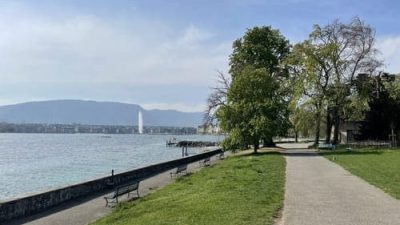
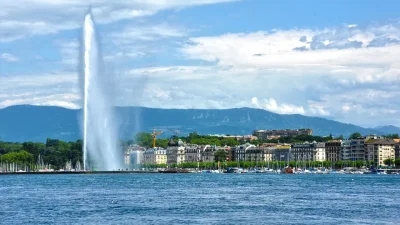
- Free attractions like lakefront walks, parks, and the Jet d’Eau viewing areas help balance out an otherwise pricey trip.
Why Geneva Costs More
Switzerland’s overall cost of living runs well above most of Western Europe, and Geneva specifically is one of the priciest cities in the country. Accommodation is the main driver — a mid-range double hotel room regularly costs $200+ a night, with budget options still running higher than equivalent hotels in Spain, Germany, or even France.
Filter out the noise and find what works for your family.
Every resort we review gets one of four Family Fit ratings. The rating is based on kids programming, amenities, vibe, and who the resort actually markets to - not just whether they allow children.
Discover My Ideal Resort →The Free Transit Card Most Visitors Don’t Know About
Nearly every hotel and hostel in Geneva issues a free Geneva Transport Card to guests, covering most trams, buses, and even lake ferries for the length of your stay. This genuinely offsets what would otherwise be a real cost — ask for it at check-in if your accommodation doesn’t offer it automatically.
Food Costs and How to Manage Them
Restaurant meals in Geneva run notably higher than most European cities, even for casual dining. Self-catering some meals — groceries from a supermarket for breakfast and lunch, saving restaurants for dinner — makes a real dent in a week’s food budget without sacrificing the trip.
Free and Low-Cost Ways to Fill a Day
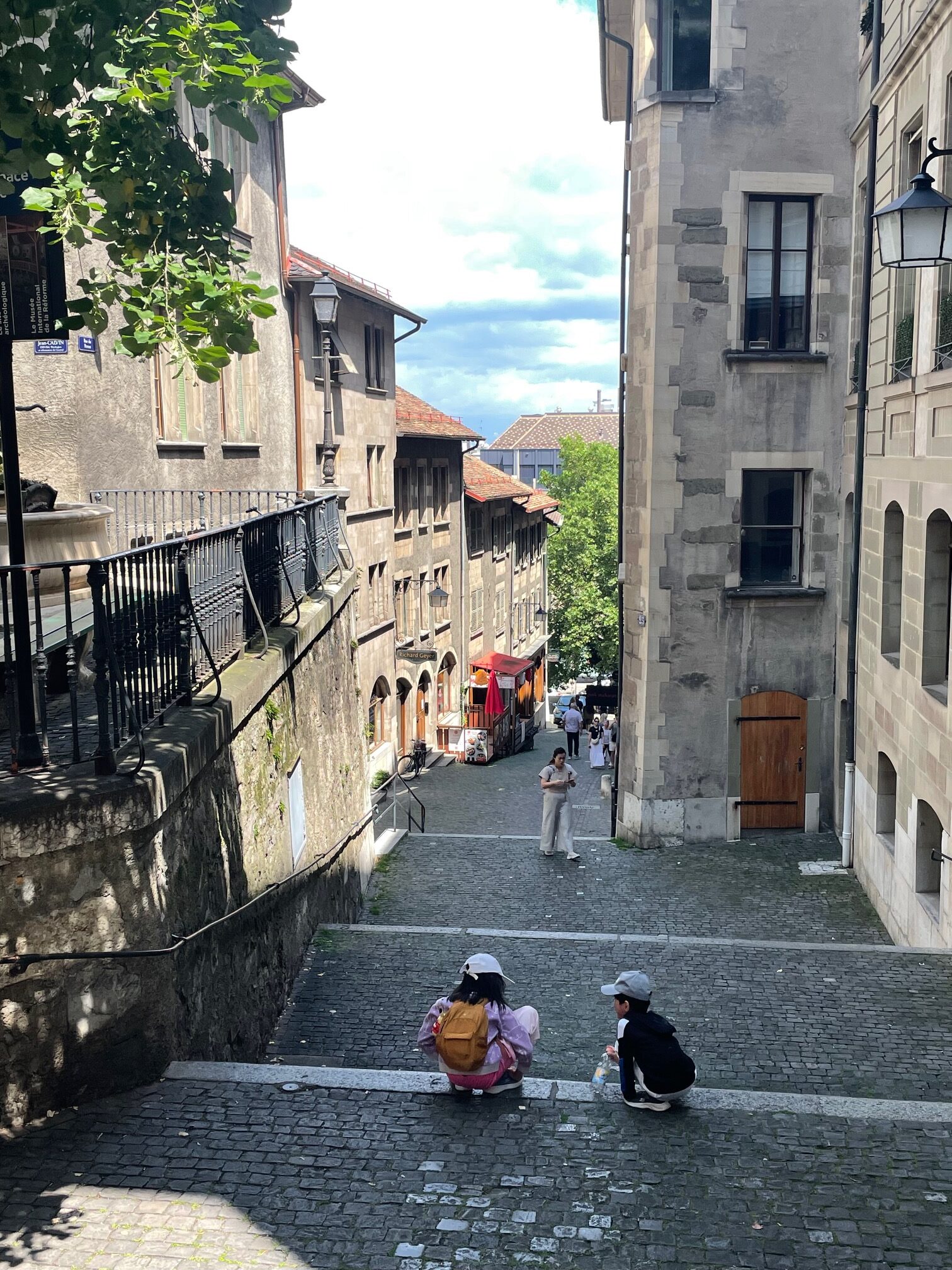
Lake Geneva’s public lakefront, parks, and the Jet d’Eau viewing areas are all free, and Geneva’s compact, walkable center means you can fill a genuinely full day without much paid activity — useful for balancing out a trip that also includes a pricier day trip like Chamonix.
A Sample Mid-Range Day
A mid-range hotel ($200-300/night), groceries for breakfast and lunch with one dinner out, free transit via the hotel card, and a mix of free lakefront time and one paid museum or attraction can bring a day for a family of four to a manageable, if still Switzerland-priced, total.
Kid-Specific Costs to Plan For
Many Geneva attractions offer reduced or free admission for young children, which softens the overall cost of a family itinerary compared to what the adult-only prices might suggest. Check each attraction’s own site for its specific child age cutoffs before budgeting, since these vary considerably from one museum or activity to the next.
Where Families Overspend Without Realizing It
Bottled water and casual cafe stops add up quickly in a city where both run high by European standards — Geneva’s tap water is safe and commonly drunk, so carrying a refillable bottle is a small habit that meaningfully reduces daily spend over a week-long trip.
A Realistic Weekly Budget Range
A family of four traveling mid-range, with a mix of self-catered and restaurant meals, the free transit card, and one or two paid attractions, should plan for a noticeably higher weekly total than a comparable trip to Spain, Portugal, or most of Italy — Switzerland’s overall price level is simply higher across the board, from accommodation to groceries to transit outside the free card.
Cutting Costs Without Cutting the Trip Short
Choosing accommodation slightly outside the absolute city center, self-catering breakfast every day rather than just some days, and leaning on the free transit card and free lakefront attractions all help bring a Geneva trip’s cost down meaningfully without requiring the family to skip the things that make the destination worth visiting in the first place.
Is a Geneva Day Trip Worth the Extra Cost?
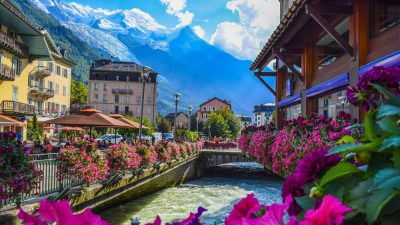
An Alpine day trip like Chamonix adds transport and, often, a cable-car or lift ticket on top of an already Switzerland-priced trip, so it’s worth budgeting for as a distinct line item rather than assuming it fits inside a typical day’s spend. For families weighing whether to include one, the scenery and novelty of a real Alpine day are hard to replicate anywhere else nearby, which is why most visitors still consider it worth the added cost even on a tight budget.
Currency and Payment Basics
Switzerland uses the Swiss franc, not the euro, even though it’s surrounded by eurozone countries — some tourist-facing businesses in Geneva accept euros, but usually at a worse exchange rate than paying in francs. Card payments are widely accepted throughout the city, so there’s rarely a need to carry large amounts of cash.
Plan Your Days in Geneva
Browse family-friendly tours and activities in Geneva.
Quick Answers
Is Geneva expensive for families?
Yes — it’s one of the priciest cities in Europe, with accommodation the main cost driver.
Is public transit free in Geneva?
Most hotels and hostels issue a free Geneva Transport Card to guests, covering most trams, buses, and lake ferries.
How can families save money in Geneva?
Self-cater some meals, use the free transit card, and lean on free attractions like the lakefront and parks to balance out pricier days.
Ready to Plan Your Trip?
Get a personalized Geneva itinerary built around your kids’ ages and your travel dates.