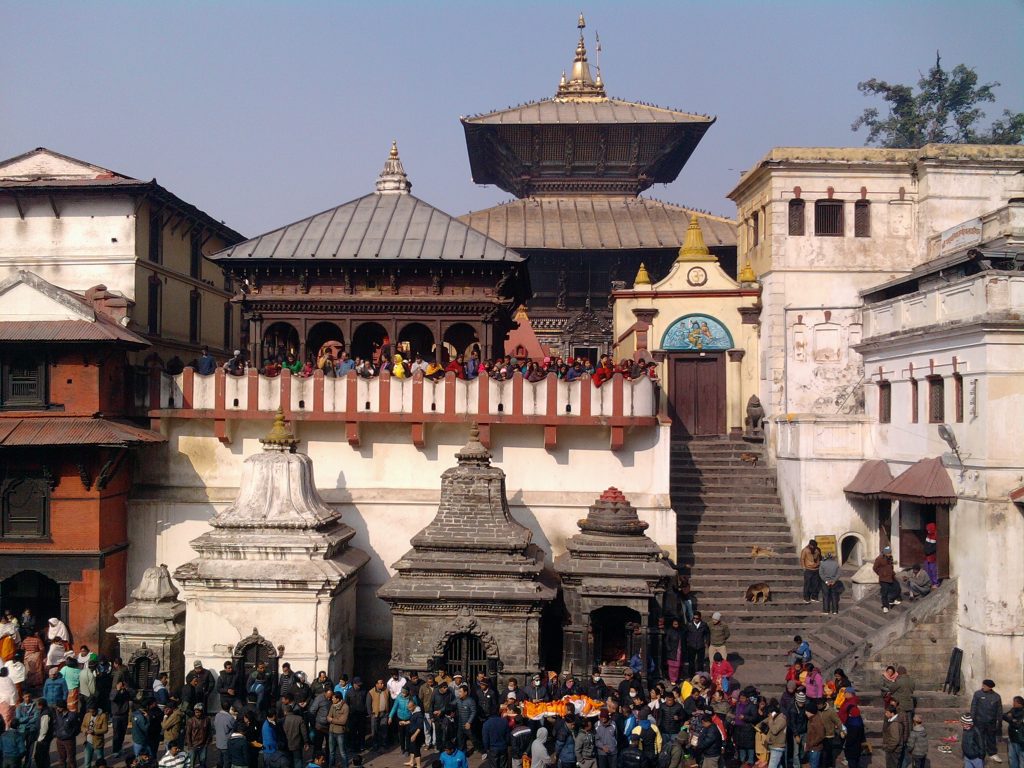
Kathmandu, Nepal’s vibrant capital, is a mesmerizing mosaic of ancient temples, bustling markets, and winding, narrow streets. It’s a city that truly awakens the senses, offering families a deep dive into culture and history. However, family travel guides will tell you that navigating this unique environment, especially when you’re getting around Kathmandu with kids, demands a thoughtful, logistics-first approach. Safety, comfort, and efficiency are paramount, as the city’s infrastructure isn’t always designed for easy movement. Sidewalks are often a challenge, being uneven, non-existent, or frequently blocked by vendors and parked vehicles, which makes using a stroller quite tricky in many areas. Traffic is notoriously dense and can be quite aggressive, accompanied by a constant symphony of honking horns. You should also be aware that air quality can be poor, particularly during the drier seasons. While Kathmandu promises an incredibly rich cultural experience, successful family trips here hinge on embracing flexibility and understanding the local transport nuances to ensure a smoother, more enjoyable adventure for everyone.
Logistics at a Glance: Family Transport Options
When planning how to get around Kathmandu with kids, you’ll find a range of options, each with its own set of considerations for families. Choosing the right mode of transport will greatly impact your comfort and the overall enjoyment of your trip.
Filter out the noise and find what works for your family.
Every resort we review gets one of four Family Fit ratings. The rating is based on kids programming, amenities, vibe, and who the resort actually markets to - not just whether they allow children.
Discover My Ideal Resort →Rental Cars
For most tourists, we generally do not recommend renting a car for self-driving in Kathmandu. The traffic is chaotic, with local drivers often displaying an aggressive style that can be daunting. Road conditions can be poor, riddled with potholes, and clear signage is often lacking. Furthermore, finding parking is an extremely limited and challenging endeavor, making self-driving both stressful and potentially unsafe for families. Your best bet here, if you want private transport, is to hire a car with a local driver who knows the roads and customs.
Public Transit
Kathmandu’s public transit system primarily consists of crowded local buses, including microbuses and larger buses, alongside tempos (shared three-wheeled vehicles). While incredibly inexpensive, these options are generally very uncomfortable and impractical when traveling with kids and strollers. Routes can be confusing, schedules are often inconsistent, and vehicles are frequently overpacked. The high steps, lack of space, and frequent sudden stops make it a challenging experience for families, especially with younger children or luggage.
Ride-Sharing/Taxis
Taxis, easily identified by their black license plates, are abundant throughout Kathmandu. It’s common for drivers to refuse the meter, so always make sure to negotiate and agree upon the fare upfront before you begin your journey. Ride-sharing apps like Pathao and InDriver are widely used and offer both car and motorbike services. These apps provide transparent pricing and GPS tracking, which offers a safer and more convenient alternative to hailing a taxi on the street for families. However, it’s crucial to note that car seats are generally not available through either ride-sharing services or traditional taxis.
Walking
Walking is a viable option for short distances, particularly within specific, compact tourist areas such as Thamel or around Durbar Square. However, parents need to be prepared for the reality that sidewalks are often in disrepair or non-existent, meaning pedestrians frequently share space with vehicles. This necessitates constant vigilance due to the dense traffic, open drains, and extremely uneven surfaces. For younger children, a baby carrier or wrap is highly recommended over a stroller, as it allows for easier navigation and keeps little ones safe and close.
The Transit Network: A Detailed Breakdown
Understanding the nuances of Kathmandu’s transit network is key to successfully getting around Kathmandu with kids. Each mode of transport presents its own set of circumstances and challenges that families should be aware of.
Rental Cars
In Nepal, driving is on the left side of the road, which can be a change for many international visitors. The quality of roads varies significantly, from paved main arteries that often have numerous potholes, to unpaved, dusty, or even muddy lanes. Traffic is notoriously congested and often undisciplined, especially within the core city areas. Parking presents a major challenge; dedicated parking spaces are scarce and often involve navigating incredibly narrow, crowded streets. Given these factors, self-driving is generally not advised for tourists. Instead, consider services offering a car with a driver, such as those provided by local agencies like Nepal Car Rental or Greenline Nepal, as they are far more common and practical.
From a family logistics standpoint, Nepal does not have specific child car seat laws, which means rental car companies or private drivers rarely provide them. Families traveling with young children are strongly advised to bring their own portable car seats or booster seats. For more information, check out our ultimate guide on travel car seats for kids. While international driving permits are legally required, the complexities of local driving conditions often make a hired driver a much more sensible and stress-free option for families. Major international rental chains are not prominently present, so relying on reputable local services is key.
Public Transportation
Kathmandu’s primary public transportation options include city buses, often simply called “bus” or “microbus,” and tempos, which are larger, often blue, three-wheeled shared taxis. For a slightly more organized experience, Sajha Yatayat offers a generally less crowded bus service on specific routes, identifiable by their distinctive green livery. These options are incredibly budget-friendly, with fares typically ranging from NPR 15-40 per person, paid in cash to the conductor per journey. However, there are no dedicated family passes or multi-day tourist passes available.
Stroller accessibility on Kathmandu’s public transport is extremely poor. Buses have high steps, narrow aisles, and are typically very crowded, making it nearly impossible to board or navigate with a stroller. This makes baby carriers and wraps essential for infants and toddlers when planning to use public transport. Generally, children under 5-7 years old (often determined by size and at the discretion of the conductor) may travel free if seated on a parent’s lap, which can help a bit with the budget when getting around Kathmandu with kids.
Taxis & Ride-Sharing
For convenience and clearer pricing when getting around Kathmandu with kids, ride-sharing apps like Pathao and InDriver are increasingly popular. Pathao is the most widely used, offering both motorbike and car services (Pathao Car). InDriver allows passengers to propose fares and negotiate directly with drivers, offering a bit more flexibility. It’s worth noting that Uber is not available in Kathmandu. Traditional metered taxis are prevalent, but drivers frequently decline to use the meter; remember to negotiate and confirm the fare before starting your journey to avoid any surprises.
A critical consideration for families is that car seats are not available through ride-sharing apps or traditional taxis in Kathmandu. If you require a car seat for your child’s safety, you must bring your own and be prepared to install it. Ride-sharing apps are generally considered safer than street hails as they provide GPS tracking, driver details, and transparent upfront pricing, offering peace of mind for parents. However, for families with multiple children or significant luggage, a traditional taxi (with a pre-negotiated fare) or a pre-booked private transfer might be more practical and comfortable than trying to squeeze into a smaller app-based car. Keep in mind that haggling can be a part of the street hail experience, while app-based services remove this negotiation.
Want a custom plan? Use our personalized Itinerary Generator for Kathmandu!
Your Arrival: Airport & Train Station Transfers
Upon your arrival in Kathmandu, understanding the best way to reach your accommodation is paramount, especially after a long journey with children. The main international gateway is Tribhuvan International Airport (KTM), conveniently located approximately 5.5 kilometers (3.4 miles) east of central Kathmandu, where popular tourist areas like Thamel are situated. It’s important to note that Kathmandu does not have a functional train station for passenger services; all long-distance travel within Nepal is typically by road or air.
Top 2 Options for Airport Transfers
Most Convenient Private Transfer: The most hassle-free option for families arriving at KTM is a pre-booked hotel transfer or a private taxi. This ensures a comfortable, direct journey to your accommodation in areas like Thamel. Costs typically range from NPR 1000-1500 (approximately USD 8-12) and the journey can take anywhere from 30 to 60 minutes, depending on traffic conditions. This option is ideal for families with luggage and children, providing an air-conditioned, seamless experience right to your doorstep. For global travel tips, see our guide on most child-friendly airports worldwide.
Airport Taxi (from terminal): Official airport taxis can be hired from a dedicated counter inside the terminal. These operate on a fixed price system, usually ranging from NPR 800-1200. While slightly cheaper than a pre-booked private transfer, they might not offer the same level of comfort or direct service, and car seats are not provided. Alternatively, ride-sharing services like Pathao or InDriver can be hailed from just outside the airport premises for an even cheaper fare, typically NPR 500-800. However, this may involve a short walk to the pickup point, which can be challenging if you have significant luggage or tired children.
A 3-Day Transit-First Itinerary
Planning your days around efficient transit can make all the difference when getting around Kathmandu with kids. Here’s a suggested itinerary focusing on practical movement between sights.
Day 1: City Center Discovery (Focus: Walkability within specific areas and short taxi/Pathao rides)
Morning: Begin your day by exploring Thamel on foot. Its narrow, winding lanes are relatively pedestrian-friendly and offer a vibrant introduction to the city. Afterwards, find a moment of peace at the tranquil Garden of Dreams, a lovely oasis for children and adults alike. For comfortable walking, consider cushioned kids’ sneakers for family travel.
Afternoon: Take a short taxi or Pathao ride to Kathmandu Durbar Square, which typically takes about 15-20 minutes. Spend your time exploring the ancient palaces and temples, which are rich with history and intricate architecture. Be mindful that the terrain can be uneven and the crowds significant, so a baby carrier is ideal for infants or toddlers who aren’t steady walkers.
Evening: Conclude your day by enjoying a family-friendly dinner at one of the many restaurants in Thamel, offering a wide array of cuisines to suit all tastes.
Day 2: Park & Play Adventure (Focus: Using taxis/Pathao for efficient site-to-site travel)
Morning: Start your day with a taxi or Pathao ride to Swayambhunath Stupa, famously known as the Monkey Temple. The journey from Thamel takes approximately 20-30 minutes. Be prepared for many stairs leading up to the stupa; a baby carrier is highly recommended for non-walkers to navigate this iconic site with ease.
Afternoon: From Swayambhunath, take another taxi or Pathao to Boudhanath Stupa, a journey of about 30-40 minutes. This magnificent stupa offers a large, open area that is excellent for children to walk around, explore, and observe the circumambulating pilgrims. It’s a truly serene and captivating experience for the whole family.
Evening: Enjoy dinner at one of the many cafes surrounding Boudhanath, which offer lovely views of the stupa as it lights up, or return to Thamel for more dining options.
Day 3: Day Trip Exploration (Focus: Private car with driver for comfort and accessibility)
For your third day, a private car with a driver offers the best comfort and accessibility, especially when getting around Kathmandu with kids for longer excursions. This allows for flexibility and reduces stress.
Option 1: Bhaktapur Durbar Square. Hire a private taxi or car with a driver for a half-day trip to Bhaktapur. The drive typically takes about 1 hour each way. This UNESCO World Heritage site is a fascinating ancient city, renowned for its intricate architecture and deep cultural insights. Walking within Bhaktapur’s main square areas is relatively easy once you arrive. Expect the cost for a round trip with waiting time to be around NPR 2000-3000.
Option 2: Patan Durbar Square & Central Zoo. Alternatively, take a taxi or Pathao to Patan Durbar Square, approximately 30-45 minutes from Thamel. Here, you can explore the stunning Malla-era architecture, which is beautifully preserved. Afterward, take another short taxi or Pathao ride to the Central Zoo in Jawalakhel, a kid-friendly attraction that offers a fun diversion for younger travelers.
Regional Excursions: Accessibility & Reach
Venturing beyond the immediate city limits of Kathmandu offers families a chance to experience Nepal’s stunning natural beauty and calmer environments. Getting around Kathmandu with kids to these regional spots often means prioritizing comfort and ease.
Nagarkot
Why: Nagarkot is a popular hill station that offers breathtaking panoramic views of the Himalayas, including the majestic Mount Everest on exceptionally clear days. It provides a refreshing escape from the city’s pollution and bustling atmosphere, with noticeably cooler temperatures. This destination is suitable for all ages, offering options for gentle walks that families can enjoy together. The primary draws here are the scenic beauty and the serene tranquility, making it a perfect spot for family relaxation.
How: The most convenient and comfortable way to reach Nagarkot from Kathmandu is by hiring a private taxi or a car with a driver. The journey typically takes approximately 1.5 to 2 hours, depending on traffic conditions and the quality of the winding, though generally paved, roads. A round trip with waiting time at Nagarkot usually costs between NPR 3500-5000. While public buses from Bhaktapur are an option, they are often slow, crowded, and not recommended for families with young children due to comfort limitations and restricted space.
Dhulikhel
Why: Dhulikhel is another charming hill town renowned for its spectacular mountain vistas and ample opportunities for short hikes and cultural exploration. It offers a quieter, more relaxed atmosphere compared to Kathmandu, making it an ideal destination for families seeking a peaceful retreat and mild outdoor activities. The town’s rich, ancient Newari heritage also adds a fascinating cultural dimension to your visit.
How: Similar to Nagarkot, hiring a private taxi or a car with a driver remains the best transport option for families planning to visit Dhulikhel. The drive from Kathmandu takes approximately 1.5 hours, providing a comfortable journey. You can expect similar pricing to Nagarkot for a round trip with waiting time. Public transportation, mainly buses, is available but, as with other regional trips, it tends to be less comfortable and efficient for families traveling with children.
Noteworthy Local Transport Experiences
Beyond the standard modes of transport, Kathmandu offers a few unique experiences that can add a memorable touch to your family’s adventure.
Rickshaws
Rickshaws are primarily found in popular tourist areas like Thamel and Basantapur Durbar Square. These pedal-powered, three-wheeled vehicles offer a unique, open-air, and sometimes bumpy or slow, way to soak in the local street life for short distances. Children often find the experience of riding in a rickshaw quite exciting. It is essential to always negotiate the fare before starting your journey; typically, a short ride might cost between NPR 100-300. Rickshaws are not practical for covering long distances or for navigating main roads with heavy traffic.
Cable Car to Chandragiri Hills
For a completely different kind of transport experience, consider the modern cable car to Chandragiri Hills. Located southwest of Kathmandu, the Chandragiri Cable Car transports visitors from its base station to the summit of Chandragiri Hill (2,551m). The journey itself, which takes about 10-15 minutes one way, offers breathtaking panoramic views of the Kathmandu Valley and the majestic Himalayan range. The base station is accessible by taxi or private car, taking approximately 1-1.5 hours to drive from central Kathmandu. This comfortable and scenic experience provides a stark contrast to the city’s traditional transport methods, offering a relaxed outing with spectacular vistas. For active kids, consider good kids’ waterproof trail shoes for exploring the hilltop.
- Family Travel Guides
- Getting Around Hong Kong with Kids
- Getting Around Kuala Lumpur with Kids: Transport Guide
- Getting Around Zurich with Kids
- Most Child-Friendly Airports Worldwide
- Best Compact Airline-Friendly Strollers
- Ultimate Guide: Travel Car Seats for Kids
- Best Kids’ Waterproof Trail Shoes
- Best Cushioned Kids’ Sneakers for Family Travel
- Best Baby Carriers and Wraps
- Wikivoyage page on Kathmandu
Plan a trip your kids will actually enjoy.
Answer a few quick questions and get a free, personalized itinerary tailored to your destination and your children’s ages. No account required — your custom plan is ready in moments.
Filter out the noise and find what works for your family.
Every resort we review gets one of four Family Fit ratings. The rating is based on kids programming, amenities, vibe, and who the resort actually markets to - not just whether they allow children.
Discover My Ideal Resort →
![Ultimate Guide to [destination] Copenhagen](https://kiddometer.com/wp-content/uploads/2026/02/Ultimate-Guide-to-destination-pic-34-400x225.jpg)