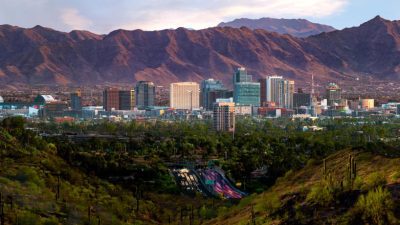
Los Angeles unfolds as a vast, captivating tapestry, a sprawling metropolis where urban canyons meet sun-drenched beaches and Hollywood glamor mixes with quiet suburban charm. This city, built around the automobile, presents a unique challenge for families when it comes to transportation. Navigating its extensive landscape with children requires a thoughtful approach, as traffic congestion is a constant companion, influencing everything from travel times between attractions to the overall rhythm of your day. While Los Angeles’s public transit network is steadily expanding and becoming a more viable option, it still requires careful planning to achieve comprehensive coverage, especially for destinations off the main rail lines. Families should anticipate that even seemingly short distances can take considerable time, particularly during peak hours. Therefore, successful family travel here hinges on pre-planning routes and understanding your transportation strategies, ensuring smooth transitions between activities while accommodating children’s needs and all their accompanying gear.
Logistics at a Glance: Family Transport Options
Rental Cars
Renting a car in Los Angeles offers families unparalleled flexibility, allowing you to craft a diverse itinerary at your own pace. This means you have the privacy and comfort needed for tired children to nap or unwind, along with essential climate control to beat the Los Angeles heat. Furthermore, a rental car provides ample space for all your family’s luggage and gear, including strollers, snacks, and any souvenirs collected along the way, making getting around Los Angeles with kids much more convenient.
Filter out the noise and find what works for your family.
Every resort we review gets one of four Family Fit ratings. The rating is based on kids programming, amenities, vibe, and who the resort actually markets to - not just whether they allow children.
Discover My Ideal Resort →However, the convenience of a rental car comes with its own set of challenges. Severe traffic congestion, especially on major freeways and during peak commuting hours, can turn short drives into lengthy ordeals. High parking costs and limited availability in popular tourist areas like Hollywood and Santa Monica can add stress and expense to your trip. You’ll also need to consider navigation stress in an unfamiliar city and, most importantly, the logistics and cost of securing appropriate car seats for your children.
Best for: Rental cars are ideal for families planning to explore far-flung attractions such as distant beaches, Hollywood sights, or theme parks located outside the central Los Angeles area. They are excellent for day trips beyond the city limits and highly recommended for families traveling with very young children or those who require extensive gear like multiple strollers or specialized medical equipment.
Public Transit (Metro)
Choosing public transit in Los Angeles can be a cost-effective solution for budget-conscious families, allowing you to stretch your travel dollars further. Riding the Metro Rail lines can help you avoid the notorious freeway traffic, offering a more predictable travel time for specific routes. It also provides a unique opportunity to experience the city like a local, giving children a glimpse into daily life beyond the tourist bubble.
On the other hand, Los Angeles’s public transit system, while expanding, still has limited comprehensive coverage, meaning many areas require multiple transfers or are not served directly. Travel can be slow with frequent stops, and trains and buses can become quite crowded during peak hours, which can be challenging to navigate with strollers or young children. Additionally, public transit is not always ideal for late-night travel or for families carrying many items.
Best for: Public transit is best suited for specific linear routes, such as traveling from Downtown LA to Hollywood, or from Downtown LA directly to Santa Monica. It’s an excellent choice for avoiding specific freeway bottlenecks for these particular corridors, offering a more relaxed journey compared to being stuck in traffic.
Ride-Sharing (Uber/Lyft)
Ride-sharing services like Uber and Lyft offer door-to-door convenience, eliminating the hassle of finding and paying for parking, which is a significant benefit in Los Angeles. Their on-demand service means you can usually call a car when you’re ready to go, and cashless payment makes transactions smooth and easy. This can be a great option for getting around Los Angeles with kids, especially for spontaneous trips.
However, ride-sharing has its drawbacks for families. Surge pricing during high-demand times can make rides unexpectedly expensive, and the availability of car seats can be inconsistent. While options exist, they often come with an extra cost and can significantly extend your wait times. Traffic delays still apply to ride-share vehicles, making them susceptible to the same congestion issues as private cars, and frequent use might not be the most budget-friendly option.
Best for: Ride-sharing is best for shorter distances, specific evening outings when public transit might be less convenient, or for situations where a rental car isn’t needed for your entire trip. It offers flexibility for those occasional longer journeys without the commitment of a full car rental.
Walking
Walking around Los Angeles is, of course, free and allows for spontaneous discovery of hidden gems and local storefronts, giving you a chance to truly absorb the atmosphere of a neighborhood. It’s an excellent choice for exploring within compact tourist zones, where attractions are close enough to enjoy on foot.
However, Los Angeles is generally not a walkable city for getting around between major attractions due to its vastness and car-centric design, which means long distances between points of interest. Exposure to the intense sun and heat, especially during warmer months, can be draining for children, and safety concerns can arise in some areas, particularly after dark.
Best for: Walking is most effective for exploring specific, confined neighborhoods where everything is within easy reach. Think of areas like the Santa Monica Pier, beach, and Third Street Promenade, the lively Universal CityWalk, or small, defined sections of Downtown LA. It is also the primary mode of transit within theme park grounds.
The Transit Network: A Detailed Breakdown
Rental Cars
When driving in Los Angeles, like the rest of the USA, you will be on the right-hand side of the road. Road quality is generally good, particularly on the expansive freeway system, though you might encounter occasional potholes on surface streets. Traffic congestion is notoriously heavy, especially during peak commuting hours from 6-10 AM and 3-7 PM on weekdays, and often extends into weekends, so factor this into your travel times when getting around Los Angeles with kids.
Parking availability varies significantly; you’ll find plentiful but expensive garages in central areas such as Downtown LA, Hollywood, and Santa Monica. Major attractions and theme parks typically have dedicated, often paid, parking lots. For street parking, expect meters or strict time limits and permit requirements in residential zones, so always read signs carefully to avoid fines or towing.
Family Logistics: California car seat law is quite specific and applies to all vehicles, including rental cars and ride-sharing services. Children under 2 years old AND weighing less than 40 pounds OR less than 40 inches in height must be secured in a rear-facing car seat. Additionally, children under 8 years old OR shorter than 4’9″ (57 inches) must be in a car seat or booster seat in the back seat. This is a crucial detail for families planning their transport. You can find a comprehensive guide to travel car seats here.
Major rental agencies such as Hertz, Enterprise, Avis, Budget, and National generally offer a variety of child safety seats, including infant, convertible, and booster options. These typically incur an additional daily fee, for example, $13-$15 per day, often capped at around $60-$80 per rental. It is strongly recommended to reserve car seats well in advance, especially during peak travel seasons, as availability is not guaranteed. Many savvy families opt to bring their own portable car seats or compact booster seats for older children to save on cost and ensure their children are familiar and comfortable with their own clean seat.
Public Transportation
The Los Angeles County Metropolitan Transportation Authority (Metro) operates the city’s extensive public transportation system, which includes both Metro Rail (subway and light rail lines) and Metro Bus. Key Metro Rail lines are particularly useful for tourists: the B Line (Red Line) connects Downtown LA to Hollywood and Universal City; the D Line (Purple Line) serves Downtown LA and Koreatown; the A Line (Blue Line) stretches from Downtown LA to Long Beach; and the E Line (Expo Line) provides a direct link from Downtown LA to Santa Monica. The C Line (Green Line) serves the South Bay and connects to the LAX area via a shuttle, while the L Line (Gold Line) runs from East LA to Azusa.
Family Logistics: Metro Rail stations and buses are generally designed with stroller accessibility in mind, featuring elevators and escalators at rail stations and ramps on buses for easy boarding, which is a relief for parents getting around Los Angeles with kids. However, be aware that during rush hour, typically from 7-9 AM and 4-6 PM, trains and buses can become extremely crowded, making it quite challenging to navigate with larger strollers. For this reason, we highly recommend bringing a compact, foldable stroller. For tips on choosing the best compact stroller, check out our guide on best compact airline-friendly strollers.
Children aged 5 years and under ride free with a paying adult, with a limit of two children per adult. For children aged 6-17, reduced fares are available with a Youth TAP card, though this requires an application process. For adults and older children, a reusable TAP card, which costs $2 to purchase, is essential for paying fares. The standard fare is $1.75 per ride and includes 2 hours of free transfers. For days with extensive public transit use, the 1-Day Pass, costing $3.50 for a reduced fare, offers excellent value; it activates on the first tap and expires at 3 AM the next day. If your family plans to use public transit less frequently, loading Stored Value onto your TAP card can be a more economical option.
Taxis & Ride-Sharing
In Los Angeles, Uber and Lyft are the dominant ride-sharing services and are widely available across the metropolitan area. While smaller local taxi companies also operate, app-based services are generally more prevalent and convenient. This makes getting around Los Angeles with kids via ride-share a popular choice for many families.
Family Logistics: Both Uber and Lyft do offer options for car seats in Los Angeles, though availability can be limited, especially outside of central areas or during off-peak times. Uber provides “Uber Car Seat,” which typically includes a forward-facing car seat suitable for children aged 2 and up, weighing between 22-48 lbs and up to 52 inches tall. This service usually incurs an additional fee, ranging from $10-$15 per ride. Lyft also offers a similar “Lyft Car Seat” option. It’s crucial for parents to understand that these services are generally for specific age and weight requirements, usually not accommodating infants, and may result in longer wait times. For families traveling with infants or those who have specific car seat needs, it might be more reliable and stress-free to bring your own travel car seat. For more guidance, see our ultimate guide to travel car seats for kids.
For safety and accountability, app-based services are generally preferred over hailing a taxi on the street, except at designated taxi stands found at LAX or major hotels. Ride-sharing apps provide driver and vehicle identification, GPS tracking of your journey, and cashless payment, offering greater peace of mind for families. Always remember to confirm the driver’s name, license plate number, and car model before you and your children enter the vehicle.
Want a custom plan for your LA adventure? Use our personalized Itinerary Generator for Los Angeles!
Your Arrival: Airport & Train Station Transfers
Primary Hubs: The primary airport for international and domestic arrivals in Los Angeles is Los Angeles International Airport (LAX). The main train station serving Amtrak and Metrolink regional commuter rail is Union Station, located in the heart of Downtown Los Angeles.
Top 2 Options for LAX transfers to popular areas (e.g., Hollywood, Santa Monica, Downtown)
FlyAway Bus
The FlyAway Bus service offers a convenient and express transfer directly from LAX terminals to several key locations around the city, including Union Station, Van Nuys, and Hollywood. This service is particularly appealing for families as it provides designated luggage storage, helping you avoid the often-notorious traffic congestion within the LAX terminal area itself. The cost is approximately $9.75 per adult for a one-way ticket, and children under 5 ride free. Travel time typically ranges from 30-60 minutes, depending on your destination and prevailing traffic conditions.
To help mitigate traffic congestion at the terminals, LAX requires all ride-share passengers to take a free shuttle from their terminal to the designated LAX-it lot. From there, you can meet your Uber or Lyft driver. The cost for a ride-share can range from $30-$60 or more to popular areas like Hollywood or Santa Monica, not including potential surge pricing during busy periods or any additional car seat fees (which are typically an extra $10-$15 if available). Travel time can range from 30-90 minutes, heavily dependent on traffic conditions once you leave LAX-it. While potentially slower than the FlyAway during peak traffic, it offers direct door-to-door service, which can be invaluable for families managing multiple children and a substantial amount of luggage.
For Union Station transfers
Metro Rail
Union Station is a significant hub for several Metro Rail lines, including the B (Red), D (Purple), A (Blue), and L (Gold) Lines, making it an excellent starting point for getting around Los Angeles with kids via public transit. The cost is $1.75 per adult ride, with children aged 5 and under riding free. Travel time varies depending on your destination; for example, a trip to Hollywood on the B Line typically takes about 15-20 minutes. This is often the fastest and most efficient way to reach central points within the Metro network from Union Station.
Taxis and ride-share services are readily available from designated stands directly outside Union Station. The cost typically ranges from $15-$30 or more to nearby central areas, depending on your exact destination and traffic. Travel time is dependent on local traffic conditions, which can be unpredictable, especially during rush hour.
A 3-Day Transit-First Itinerary
This itinerary is designed for families looking to maximize public transport and minimize car dependence, making it ideal for those who prefer not to rent a car for their entire trip while getting around Los Angeles with kids.
Day 1: City Center Discovery (Focus: Walkability and central Metro Rail)
Morning: Begin your day exploring Downtown LA (DTLA), starting with a leisurely stroll through Grand Park. This vibrant urban park offers plenty of open space for kids to stretch their legs before heading towards the impressive architectural marvels of the Walt Disney Concert Hall (enjoy the exterior view and unique design). Continue your cultural exploration with a visit to The Broad museum; while admission is free, be sure to reserve tickets well in advance online due to its popularity. Older children might be captivated by its contemporary art collection, offering a unique visual experience. For more ideas on family activities, check out our guide to ranked best things to do in Los Angeles with kids.
Lunch: Experience the vibrant Grand Central Market, a bustling food hall offering a diverse array of food options suitable for every taste and preference in your family. From tacos to gourmet sandwiches, there’s something to satisfy everyone.
Afternoon: After lunch, embark on a ride on the iconic, historic Angels Flight funicular railway, ascending the short but steep Bunker Hill. The fare is a mere $1 per ride with a TAP card, or $1.25 cash, providing a charming and quick experience kids love. From the top, explore nearby Pershing Square or take a pleasant walk to Olvera Street, a historic Mexican marketplace filled with street vendors, traditional crafts, and cultural sites that kids might find engaging and colorful.
Evening: Enjoy a delicious dinner in DTLA, taking advantage of the diverse culinary scene. Utilize the Metro B Line (Red Line) or D Line (Purple Line) for efficient and easy travel between your chosen DTLA points, allowing for a relaxed end to your day.
Day 2: Park & Play Adventure (Focus: Using local buses and shuttles)
Morning: Dedicate your morning to Griffith Park, one of North America’s largest urban parks. Take the Metro B Line (Red Line) to the Vermont/Sunset station, then seamlessly transfer to the convenient DASH Observatory/Los Feliz shuttle. This shuttle, with a fare of only 50 cents (or free with a Metro Pass), will take you directly up to the iconic Griffith Observatory. Enjoy the free entrance to the observatory itself, marvel at the breathtaking panoramic views of the city, and capture photos of the famous Hollywood Sign. Consider attending one of the engaging planetarium shows, which are paid but offer a fascinating experience for all ages (check schedules in advance). For additional family-friendly activities, explore our best things to do in Los Angeles with kids guide.
Afternoon: Continue your exploration of Griffith Park. For younger children, a visit to the historic Merry-Go-Round is a delightful treat. Alternatively, Shane’s Inspiration, a sprawling 2-acre universally accessible playground, is always a hit with kids of all ages. Pack a picnic lunch to enjoy amidst the beautiful park surroundings, offering a relaxed and budget-friendly meal option.
Evening: Take the DASH shuttle back down from the observatory and enjoy a relaxed family dinner in the charming, family-friendly Los Feliz or Hollywood areas, both easily accessible via the Metro B Line.
Day 3: Day Trip Exploration (Focus: Metro Light Rail or optional Car Rental)
Option 1 (Beach Day by Metro): For a quintessential Los Angeles beach experience, hop on the Metro E Line (Expo Line) directly from Downtown LA to Santa Monica. Once you arrive in Santa Monica, you’ll discover a highly walkable area perfect for families getting around Los Angeles with kids on foot. Spend your day at the lively Santa Monica Pier, enjoying the rides at Pacific Park, splashing in the ocean at the beach, and exploring the bustling Third Street Promenade with its street performers and unique shops. This entire area is incredibly stroller-friendly, making it easy to navigate with little ones. Remember to consider our guide on best compact airline-friendly strollers for easy beach day navigation.
Option 2 (Theme Park by Car Rental/Ride-Share): If your family dreams of experiencing a major theme park, this day is best handled with a rental car or a ride-share service like Uber or Lyft. Drive to Universal Studios Hollywood, which is approximately 30-60 minutes from central LA depending on traffic, or embark on a longer journey to Disneyland in Anaheim, typically 45-90 minutes away. When planning, ensure you factor in parking costs, which can be substantial at theme parks, and confirm any car seat requirements for ride-share services or reserve them with your rental car. For heavier luggage needs, our best kids luggage buying guide can help you choose the right bags. Always prioritize safety, so revisit our ultimate guide to travel car seats for kids before you go.
Regional Excursions: Accessibility & Reach
Anaheim (Disneyland Park & Disney California Adventure Park)
Why: Anaheim is home to the world-renowned Disneyland Park and Disney California Adventure Park, offering unparalleled entertainment for children and families of all ages. These parks provide iconic rides, magical character meet-and-greets, and spectacular parades that create unforgettable memories. It truly is a quintessential Southern California family experience that many families seek when visiting the region. For a broader overview of family travel in the area, consult our Los Angeles with Kids: An Ultimate Family Travel Guide.
How: The most common and convenient way for families to reach Anaheim from Los Angeles, especially when getting around Los Angeles with kids, is by car. The drive typically takes 45-90 minutes from central LA, but this time is heavily dependent on traffic conditions, particularly on the busy I-5 freeway. Parking at Disneyland is extensive but comes with a cost, approximately $35 per day for standard cars.
Public transport is an alternative, though it involves more time and transfers. You can take the Metrolink Orange County Line from Union Station in Downtown LA to the Anaheim Regional Transportation Intermodal Center (ARTIC). From ARTIC, a convenient transfer to an Anaheim Resort Transit (ART) bus (Route 15) will take you directly to the Disneyland Resort main entrance. The Metrolink portion takes about 45 minutes to an hour, and the ART bus is a short ride, but the total transit time can easily extend to 1.5-2+ hours one-way, so plan accordingly. Fares are approximately $10-$15 for a Metrolink roundtrip for adults, plus the ART bus fare (around $6 for an adult day pass, $3 for a child day pass).
Malibu Coastline
Why: The Malibu coastline offers a beautiful, serene escape from the bustling city, with its stunning beaches, incredibly scenic drives along the Pacific Coast Highway, and opportunities for gentle hikes suitable for older children. It’s an ideal destination for families seeking relaxation by the ocean, the adventure of tide pooling, or simply enjoying the quintessential California beach experience in a more tranquil setting compared to the more crowded city beaches. Families looking for a peaceful stay might also want to explore our ranked best family stays in Los Angeles, which could include coastal options.
How: Malibu is primarily accessible by car, making it essential for families who want to explore this picturesque stretch of coast. The drive along the Pacific Coast Highway (PCH) from central Los Angeles is a scenic experience in itself, typically taking approximately 45-75 minutes depending on your specific destination within Malibu and current traffic conditions. Public transportation via Metro Bus routes does exist in Malibu, but it is very limited, incredibly slow, and often involves multiple transfers, making it quite impractical and potentially exhausting for families with children. Popular family-friendly beaches in Malibu include Zuma Beach, known for its wide sands and excellent facilities, and Paradise Cove Beach, a private beach featuring a restaurant and pier, though entry may sometimes require a fee or purchase from the restaurant. Parking can be found at public lots (which are usually paid) or through limited street parking, so plan your arrival accordingly.
Noteworthy Local Transport Experiences
Angels Flight Railway
Located in the heart of Downtown Los Angeles, the Angels Flight Railway is a historic funicular that provides a charming and unique ride connecting Hill Street and Grand Avenue, ascending Bunker Hill. This short journey is particularly fun and captivating for children, offering a quaint, old-world experience in the midst of a modern city. It’s a quick, iconic experience, especially enjoyable when combined with a visit to the vibrant Grand Central Market nearby. A round trip typically costs approximately $2.50, or $1 per ride with a TAP card.
Hollywood Walk of Fame / Hop-on Hop-off Bus Tours
While not a traditional public transport system, the numerous hop-on hop-off bus tours available, such as Starline Tours and Big Bus Tours, provide an exceptionally convenient way for families to sightsee around Hollywood, Beverly Hills, and even down to the beach cities. These open-top double-decker buses allow families to take in many major landmarks without the hassle of driving, parking, or navigating complex public transit routes. The engaging commentary often keeps older children entertained, making it a relaxed way to see the city. For more family travel inspiration, check out our Kiddometer Family Travel Guides and explore our destination guides.
Santa Monica Pier Ferris Wheel & Pacific Park
Directly accessible via the Metro E Line (Expo Line), a ride on the iconic Ferris wheel at Pacific Park on the Santa Monica Pier offers spectacular aerial views of the Santa Monica coastline and the vast Pacific Ocean. While technically an amusement ride, it provides a memorable “transport” experience, giving a unique perspective of the city’s coastal beauty from above. Coupled with other family-friendly rides and classic arcade games at the pier, it’s a delightful way for families to enjoy the seaside atmosphere.
- Los Angeles with Kids: An Ultimate Family Travel Guide
- Best Things to Do in Los Angeles with Kids
- Ranked Best Things to Do in Los Angeles with Kids
- Ranked Best Family Stays in Los Angeles
- Kiddometer Family Travel Guides
- Explore Our Destination Guides
- Ultimate Guide to Travel Car Seats for Kids
- Best Compact Airline-Friendly Strollers
- Best Kids Luggage Buying Guide
- Build Your Personalized Trip with Kiddometer’s Itinerary Generator
- Wikivoyage page on Los Angeles
Plan a trip your kids will actually enjoy.
Answer a few quick questions and get a free, personalized itinerary tailored to your destination and your children’s ages. No account required — your custom plan is ready in moments.
Filter out the noise and find what works for your family.
Every resort we review gets one of four Family Fit ratings. The rating is based on kids programming, amenities, vibe, and who the resort actually markets to - not just whether they allow children.
Discover My Ideal Resort →
![Ultimate Guide to [destination] Copenhagen](https://kiddometer.com/wp-content/uploads/2026/02/Ultimate-Guide-to-destination-pic-34-400x225.jpg)