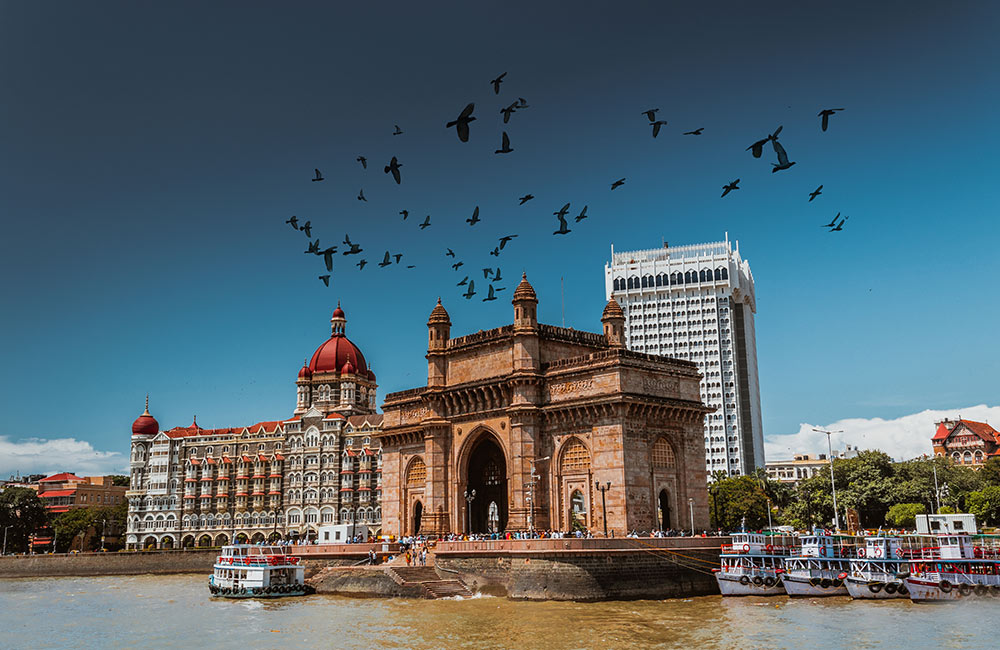
Mumbai, a city of dazzling energy and constant motion, offers an incredible experience for families, but its transportation system demands careful planning, especially when you’re traveling with little ones. The city is renowned for its intense traffic, significant crowds, and varied accessibility across different transport modes, which can initially seem daunting. However, beneath the bustling surface lies a diverse public transport network, from the iconic local trains and extensive bus system to the modern Metro and ubiquitous ride-sharing services. Understanding these options and making strategic choices will be key to enhancing your family trip and ensuring you’re getting around Mumbai with kids efficiently and safely, much like navigating other vibrant Asian cities such as Kuala Lumpur or Hong Kong.
Logistics at a Glance: Family Transport Options
When planning how your family will navigate Mumbai’s dynamic streets, it’s helpful to consider the primary transport options available, each with its own set of advantages and challenges for those traveling with children.
Filter out the noise and find what works for your family.
Every resort we review gets one of four Family Fit ratings. The rating is based on kids programming, amenities, vibe, and who the resort actually markets to - not just whether they allow children.
Discover My Ideal Resort →Rental Cars (with driver)
Opting for a rental car with a driver offers unparalleled door-to-door convenience, giving your family privacy and the comfort of air-conditioning, which is a blessing in Mumbai’s humid climate. It provides a flexible itinerary, allowing you to stop whenever and wherever you please, and is essential for destinations outside the main public transit reach. Importantly, local drivers are experts on Mumbai’s intricate routes, saving you navigation headaches. The main drawbacks for families are that car seats are typically not provided, so you must bring your own travel car seat if safety is a priority. This option also comes with a higher cost compared to public transport, and you’ll still contend with the city’s notorious traffic congestion and parking difficulties.
- Pros: Door-to-door, privacy, AC, flexible itinerary, local driver expertise.
- Cons: Car seats not provided (BYO), higher cost, traffic, parking.
- Recommendation: Best for day trips, airport transfers, or if a car seat is absolutely essential. Always hire with a driver.
Public Transit (Metro, BEST Buses, Monorail)
Mumbai’s public transit offers a cost-effective way to experience the city like a local. The Metro and Monorail systems are modern, air-conditioned, and surprisingly stroller-friendly, especially the Metro, with its elevators and escalators at most stations. However, the local trains are a different story, becoming incredibly crowded and are not at all suitable for strollers during peak hours. Buses can also be crowded and accessibility varies greatly, with many older models not being stroller-friendly. Keep in mind that ticketing for kids is typically based on height or age. The Monorail, while pleasant and accessible, has a very limited route that may not align with your sightseeing plans.
- Pros: Cost-effective, local experience, Metro/Monorail are modern and AC, Metro is stroller-friendly.
- Cons: Local trains are extremely crowded and not stroller-friendly; buses can be crowded; limited Monorail routes; ticketing for kids based on height/age.
- Recommendation: The Metro is excellent for specific routes, but avoid local trains during peak hours. Newer AC buses can work for shorter distances if not too crowded.
Ride-Sharing (Uber, Ola)
Uber and Ola are widely available and offer convenient, app-based booking with transparent pricing, making them a popular choice for families. You get door-to-door service and the ability to track your driver, which adds a layer of safety compared to street hails. However, similar to rental cars, child car seats are almost never available, so you must bring your own if needed. Your journey will also be subject to Mumbai’s infamous traffic delays. For families getting around Mumbai with kids, these services are invaluable, especially when juggling luggage or weary children.
- Pros: Convenient app-based booking, transparent pricing, door-to-door, driver tracking, widely available.
- Cons: Car seats almost never available (BYO), subject to traffic delays.
- Recommendation: Excellent for city travel, particularly with luggage or kids during non-peak hours. Bring your own car seat if safety is paramount.
Walking
Exploring specific precincts on foot, such as Colaba or the Kala Ghoda Art Precinct, allows for spontaneous discoveries and is entirely free. It’s often the best way to soak in the atmosphere and uncover hidden gems. However, Mumbai’s pavements can be uneven or non-existent, heavy traffic and crowds are constant, and the hot and humid climate can quickly exhaust little legs. Walking is generally not suitable for long distances with young children, so remember to pack best cushioned kids sneakers for family travel if walking is part of your plan.
- Pros: Best for exploring specific precincts, spontaneous discovery, free.
- Cons: Uneven/non-existent pavements, heavy traffic/ भीड़, hot/humid climate, not suitable for long distances with young children.
- Recommendation: Highly recommended for short-distance exploration within specific neighborhoods. Use a compact airline-friendly stroller for infants/toddlers, but be mindful of crowds and uneven surfaces. A baby carrier can be an excellent alternative to a stroller in very crowded areas.
The Transit Network: A Detailed Breakdown
Understanding the specifics of each transportation mode will help you make informed decisions when getting around Mumbai with kids.
Rental Cars
In India, traffic drives on the left. Mumbai’s roads are often heavily congested, particularly during peak hours, generally between 8 AM-11 AM and 5 PM-9 PM. Road quality varies significantly, and parking in central areas like Colaba, Nariman Point, and Bandra is extremely limited and expensive. Self-driving is generally not recommended for tourists due to aggressive local driving styles, often confusing signage, and a different adherence to traffic rules than you might be used to. For families, hiring a car with a driver from reputable agencies like Savaari Car Rentals or local travel operators is a far safer and more practical choice for ease and safety.
Regarding family logistics, it’s crucial to know that no specific law mandates child car seats in India, and consequently, they are rarely provided by rental agencies or ride-share services. If a car seat or booster seat is essential for your child’s safety, you absolutely must bring your own portable version. While international rental companies like Hertz or Avis might have limited availability in major cities, local providers typically do not. Planning ahead for your car seat needs is paramount for ensuring safe transit when getting around Mumbai with kids.
Public Transportation
Mumbai boasts an extensive public transport network, featuring the Mumbai Suburban Railway (the iconic local trains with Western, Central, and Harbour lines), the rapidly expanding Mumbai Metro (with Line 1 operational and lines 2A, 7, and 3 either operational or under construction), BEST (Brihanmumbai Electric Supply and Transport) city buses, and a Monorail (which operates on a limited route from Chembur to Sant Gadge Maharaj Chowk).
Mumbai Suburban Railway
The local trains are the lifeline of Mumbai, but they are notoriously crowded, especially during peak hours. This mode of transport is not stroller-friendly at all due to the dense crowds, steep steps, and narrow entrances, making it very challenging for families. Small children can easily be overwhelmed by the sheer volume of people. Kids generally require a ticket based on age or height, but for family comfort, it’s best to avoid these trains during peak hours if possible.
Mumbai Metro
The Mumbai Metro offers a stark contrast to the local trains. It is modern, air-conditioned, and significantly less crowded, making it a far more comfortable option for families. Most stations are generally stroller-accessible with elevators and escalators, and carriages often have designated spaces, making it easier for parents to maneuver. Children usually require a ticket for travel if they are above a certain height (e.g., above 3 feet) or age (e.g., 5 years old). While there aren’t specific family passes, smart cards offer convenience for frequent travel.
BEST Buses
Mumbai’s BEST buses cover an extensive network across the city. Older buses are generally not stroller-friendly due to cramped interiors and multiple steps. However, newer AC buses may offer slightly better space, but even these can be challenging during crowded times. Like other public transport, kids require tickets based on their age or height.
Monorail
The Monorail offers good stroller accessibility and is generally less crowded than other public transport options. It provides a unique, elevated view of the city. However, its limited route from Chembur to Sant Gadge Maharaj Chowk makes it less practical for general sightseeing and only useful for specific destinations along its path.
Taxis & Ride-Sharing
For getting around Mumbai with kids, especially for door-to-door convenience, local apps like Uber and Ola Cabs are dominant. These apps offer easy booking, real-time tracking of your vehicle, and cashless payments, which simplify travel. However, as noted, it is extremely rare to find vehicles equipped with child car seats through Uber or Ola, so parents must plan to bring their own if they require one. Alternatively, street-hailed ‘Kaali Peeli’ (black and yellow) taxis are available and metered, but you might encounter issues with negotiating fares or language barriers. Apps like Uber and Ola generally offer better safety features, such as driver tracking and emergency buttons, along with transparent pricing, making them a more convenient and often safer choice for families navigating the city.
Want a custom plan? Use our personalized Itinerary Generator for Mumbai to craft the perfect trip tailored to your family’s interests and your children’s ages!
Your Arrival: Airport & Train Station Transfers
Your first taste of Mumbai’s transit will likely be from one of its major hubs. The Chhatrapati Shivaji Maharaj International Airport (CSMIA) (BOM) serves as the primary gateway, with Terminal 2 handling international and some domestic flights, and Terminal 1 for other domestic services. Major train stations include the historic Chhatrapati Shivaji Maharaj Terminus (CSMT) and Mumbai Central.
Top 2 Options for Airport Transfers
Metro (via connecting services)
From CSMIA, shuttle buses conveniently connect passengers to nearby Metro Line 1 stations like Marol Naka or Airport Road. This offers a relatively fast and air-conditioned option to get into the city, though you might need to make further transfers depending on your final destination. The cost is approximately INR 40-70 per person for the Metro journey itself. The total travel time can range from 45-75 minutes to central areas once you’re on the Metro, plus the additional shuttle time. Consider most child-friendly airports worldwide for future comparisons in ease of transfer.
For families, especially those arriving with luggage (consider our best kids luggage buying guide), pre-booked airport taxis, Uber, or Ola are often the most convenient choice. They provide direct door-to-door service right from the terminals, saving you the hassle of transfers. The cost typically ranges from approximately INR 800-1500+ for a standard sedan to central Mumbai, but this can vary. Travel time is highly dependent on traffic, so expect anywhere from 1-2 hours or more, particularly during peak times.
A 3-Day Transit-First Itinerary
Planning your days around efficient transit can make a huge difference in your Mumbai family adventure. Here’s a sample itinerary focused on smart movement.
Day 1: City Center Discovery
Begin your Mumbai exploration with a focus on walkability around South Mumbai’s iconic landmarks. Start by exploring the majestic Gateway of India and the adjacent Taj Mahal Palace Hotel on foot. Afterward, take a leisurely stroll to Colaba Causeway for some unique shopping, where the vibrant street life is an experience in itself. For slightly longer distances, consider taking an Uber/Ola or a local bus to the historic Kala Ghoda Art Precinct, then enjoy walking around the sprawling Oval Maidan. Lunch can be enjoyed at one of the many family-friendly eateries in Colaba. This day perfectly highlights some of the ranked best things to do in Mumbai with kids.
Day 2: Park & Play Adventure
Today’s focus is on utilizing local buses or ride-sharing services to access Mumbai’s green spaces and family attractions. Begin your morning at the Chhatrapati Shivaji Maharaj Vastu Sangrahalaya (CSMVS Museum), which often has engaging exhibits for older children. From there, take an Uber/Ola or a BEST bus to Jijamata Udyaan, which houses the Byculla Zoo and Botanical Garden, offering a relaxing and educational experience. While local trains can be an option for short rides, it’s best to avoid them during peak hours for comfort, opting for Uber or Ola instead. For more general information about Mumbai, check out its Wikivoyage page on Mumbai.
Day 3: Day Trip Exploration
Dedicate your final day to an exciting out-of-city adventure, utilizing either regional rail or a car rental for convenience. One option is a regional rail trip: Take a local train (or an intercity express from CSMT or Mumbai Central) to Lonavala or Karjat for a refreshing hill station day trip, remembering to book intercity tickets in advance. Alternatively, for greater flexibility, hire a car with a driver to visit the serene Alibaug beaches (which may involve a ferry ride) or explore the ancient Elephanta Caves (accessed via ferry from the Gateway of India). This allows you to see why Mumbai is part of the kid-friendly cities in India: top 10.
Regional Excursions: Accessibility & Reach
Beyond the city limits, Mumbai offers exciting day trip possibilities that are accessible for families.
Lonavala and Khandala are popular hill stations nestled in the Sahyadri mountains, offering a welcome escape from Mumbai’s heat and bustling pace. These destinations boast attractions such as Bhushi Dam, Lion’s Point, Duke’s Nose, and a Wax Museum, catering to various interests. The nearby Imagicaa Theme Park adds a thrill for all ages. These spots are suitable for children of all ages; younger children will enjoy the natural surroundings and open spaces, while older kids will love the adventure park.
When considering how to get there, a road trip takes approximately 2-3 hours from Mumbai via the Mumbai-Pune Expressway. Renting a car with a driver is the most comfortable option for families, as it allows for flexible stops and minimizes stress. Alternatively, frequent local trains run from Mumbai (Dadar, Kurla) to Lonavala station, taking about 2.5-3 hours. Once there, local auto-rickshaws or taxis are readily available for sightseeing. However, be aware that the train journey itself is not stroller-friendly due to potential crowds.
Elephanta Caves
The Elephanta Caves are a UNESCO World Heritage Site, famous for their ancient rock-cut caves primarily dedicated to Lord Shiva. The ferry ride to the island is often an enjoyable part of the experience for kids. This excursion is generally best for older children (ages 6 and up) who can appreciate the historical significance and manage a fair amount of walking and climbing. Younger children might enjoy the boat ride and spotting monkeys, but the steps leading up to the main caves can be quite challenging for strollers or very young children.
The only access to the Elephanta Caves is by ferry from the Gateway of India. Ferries depart regularly, typically every 30 minutes, from 9 AM to 2 PM. The boat ride across the Arabian Sea takes approximately 1 hour each way, offering scenic views of Mumbai’s coastline. Upon arrival at the jetty, a small toy train (which is often a hit with kids) can take you from the dock to the base of the hill. From there, expect to climb approximately 120 steps to reach the main cave complex.
Noteworthy Local Transport Experiences
Beyond simply getting from A to B, some transport options in Mumbai offer unique cultural experiences your family will remember.
BEST Double-Decker Buses
While their numbers are dwindling, some iconic red double-decker BEST buses still ply routes in South Mumbai, such as those along Colaba-Churchgate or Marine Drive. Taking a ride on the upper deck offers fantastic panoramic city views, which is an enjoyable and novel experience for kids. It’s a charming way to see the city’s architecture and street life from a different perspective.
Ferry to Elephanta Caves
As mentioned, the ferry ride from the Gateway of India to Elephanta Island is more than just transport; it’s an experience in itself. It provides scenic views of the Mumbai coastline and the vast Arabian Sea, making it a great way to introduce kids to sea travel. The fresh sea breeze and the sight of boats bobbing on the water can be quite captivating for little travelers.
Mumbai Dabbawalas (Train-based food delivery)
While not a mode of transport for families, witnessing the Mumbai Dabbawalas in action is a truly unique cultural spectacle intertwined with the city’s railway system. These legendary lunchbox deliverymen are known for their incredible efficiency and precision. You can observe them at major train stations like Churchgate or CSMT during lunch hours, typically between 12 PM and 1:30 PM, as they sort and distribute thousands of lunchboxes. It’s a fascinating glimpse into Mumbai’s logistical marvels.
- Ranked Best Things to Do in Mumbai with Kids
- Kid-Friendly Cities in India: Top 10
- Most Child-Friendly Airports Worldwide
- Getting Around Kuala Lumpur with Kids: Transport Guide
- Getting Around Hong Kong with Kids
- Best Compact Airline-Friendly Strollers
- Ultimate Guide: Travel Car Seats for Kids
- Best Cushioned Kids Sneakers for Family Travel
- Best Kids Luggage Buying Guide
- Best Baby Carriers and Wraps
- Wikivoyage page on Mumbai
Plan a trip your kids will actually enjoy.
Answer a few quick questions and get a free, personalized itinerary tailored to your destination and your children’s ages. No account required — your custom plan is ready in moments.
Filter out the noise and find what works for your family.
Every resort we review gets one of four Family Fit ratings. The rating is based on kids programming, amenities, vibe, and who the resort actually markets to - not just whether they allow children.
Discover My Ideal Resort →
![Ultimate Guide to [destination] Copenhagen](https://kiddometer.com/wp-content/uploads/2026/02/Ultimate-Guide-to-destination-pic-34-400x225.jpg)