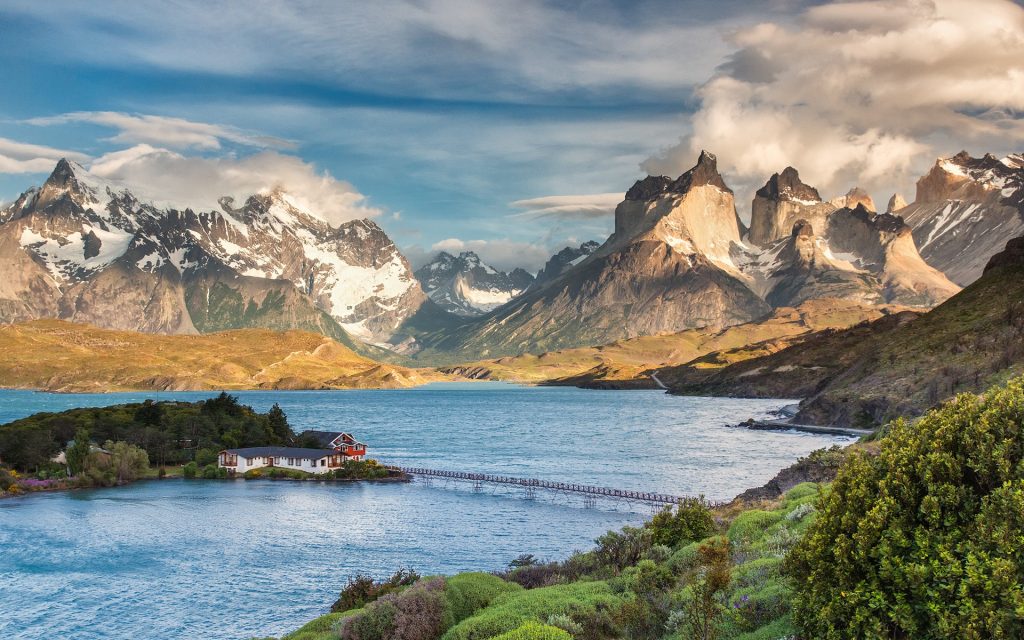
Patagonia, a land of sprawling distances and dramatic peaks across southern Argentina and Chile, offers an unforgettable family adventure. However, unlike bustling cities with their extensive public transport, navigating this vast wilderness with children requires a bit more foresight and planning. Expect travel to be part of the journey itself, often involving long stretches between towns, diverse road conditions from smooth highways to unpaved gravel tracks (known as ripio), and the occasional border crossing. Flexibility is your friend here, as weather can shift quickly and impact travel schedules. The beauty of getting around Patagonia with kids lies in embracing the scenic bus rides, unique ferry crossings, or the freedom of self-driven explorations that allow you to stop and soak in the views. Prioritizing safety, comfort, and preparedness will transform these logistical steps into memorable parts of your Patagonian story.
Logistics at a Glance: Family Transport Options
When planning a family trip to Patagonia, understanding your transport choices is paramount. Each option, from renting a car to hopping on a public bus or even just walking, comes with its own set of advantages and considerations, especially when you have little ones in tow. Let’s break down the main ways to navigate this incredible region.
Filter out the noise and find what works for your family.
Every resort we review gets one of four Family Fit ratings. The rating is based on kids programming, amenities, vibe, and who the resort actually markets to - not just whether they allow children.
Discover My Ideal Resort →Rental Cars offer the highest level of flexibility, allowing you to set your own pace and make spontaneous stops for scenic views or tired children. However, this convenience comes at a higher cost, encompassing not just the rental fee and insurance but also fuel and potential border crossing permits. Availability is generally good in major hubs, but booking well in advance is essential, particularly during peak season. Driving speeds can vary significantly, especially on unpaved roads, so factor in extra travel time. The biggest win for families is the ability to bring your own car seats and manage luggage easily.
Public Transit, primarily buses and ferries, is a cost-effective and comprehensive network for long-distance travel. Ticket prices are moderate, and child discounts are often available. This option boasts extensive availability for inter-town travel, though local services are more prevalent in larger towns. Ferries are specific to certain routes, essential for connecting parts of Chilean Patagonia. While bus journeys can be long with fixed schedules, they remove the stress of driving, and large under-carriage compartments easily accommodate folded strollers. However, car seats are rarely provided.
Ride-Sharing and Taxis offer quick, door-to-door convenience for shorter distances within towns. Costs can range from mid to high, depending on whether it’s a metered taxi or an app-based service. Ride-sharing apps like Uber and Cabify are quite limited, mainly found in larger cities, while traditional taxis or remises (private, pre-booked taxis) are widely available in smaller towns, often booked via WhatsApp. Car seats are almost never available, making this a less convenient option for families with infants or toddlers unless you bring your own.
Walking is, of course, free and universally available within towns and on marked trails. It’s the slowest mode of transport, entirely dependent on distance and terrain, but offers incredible opportunities for exploration and bonding with your children. For short distances, discovering charming towns, or embarking on accessible trails, walking is often the best choice for families.
The Transit Network: A Detailed Breakdown
Rental Cars
Renting a car can unlock unparalleled freedom when you’re getting around Patagonia with kids, allowing you to explore at your family’s pace. Before you hit the road, there are a few important details to know.
Local Context:
In both Argentina and Chile, driving is on the right-hand side. Road quality varies dramatically; while major routes like Argentina’s Ruta 3 along the Atlantic coast and Ruta 40 paralleling the Andes have well-maintained paved sections, many roads leading to national parks, such as those within Torres del Paine or parts of the Carretera Austral, are unpaved gravel (ripio). These gravel roads can be notoriously rough, dusty, and challenging to navigate, especially after rain or snow, making a 4×4 vehicle highly recommended for venturing off main paved routes. Parking is generally ample and free in smaller towns and at national park entrances, though larger Patagonian towns like Bariloche, El Calafate, or Punta Arenas may have metered or limited parking in central areas.
One crucial consideration for families planning to cross borders between Argentina and Chile with a rental car is the special permission required. You must request a permiso de cruce from the rental company well in advance, often 7-10 days before your pick-up date, and it typically incurs an additional fee, ranging from $100-200 USD. Without this specific documentation, crossing the border with a rental vehicle is illegal and can lead to significant issues.
Family Logistics:
Understanding car seat laws is essential for safe family travel. In Argentina, children under 10 years old must use an approved child restraint system appropriate for their weight and height, always seated in the back. This means rear-facing for infants (up to 1 year or 10 kg), forward-facing for toddlers (1-4 years or 9-18 kg), and booster seats for older children (4-10 years or 15-36 kg, up to 1.50m height). Chile has similar stringent laws, requiring children under 9 years old (or up to 135 cm tall and 33 kg) to use an approved child restraint system, with children under 12 always riding in the back seat. Rear-facing up to age 2 is generally recommended, followed by forward-facing or booster seats as appropriate.
Regarding car seat availability from rental agencies, major international chains like Hertz, Avis, Europcar, and Budget operate in key Patagonian hubs. Local companies such as Localiza in Argentina and Salfa Rent in Chile are also viable options. However, availability of car seats is often limited and should be booked simultaneously with your vehicle, usually for an extra daily fee (e.g., $10-20 USD per day). Due to high demand, especially during the peak travel season, securing your car seat reservation well in advance is critical to ensure your children’s safety and comfort. For more tips on family travel planning, check out our comprehensive family travel guides.
Public Transportation
For many families, public transportation, particularly the extensive bus network, will be the backbone of their adventure when getting around Patagonia with kids.
System Names:
Long-distance buses, known as Omnibus, are the most reliable and common way to travel between Patagonian towns. In Argentina, major operators include Andesmar, Via Bariloche, Marga Taqsa, and El Chaltén Travel. Across the border in Chile, key companies like Bus-Sur, Pullman Bus, and Turbus keep the region connected. These services offer various comfort levels, from “semi-cama” (semi-reclining) to “cama” (fully reclining) and even “ejecutivo/suite” options, which are incredibly comfortable for long journeys or overnight travel.
Local buses operate within larger towns such as Bariloche, El Calafate, Ushuaia, Puerto Natales, and Punta Arenas. These provide convenient connections between central areas, bus terminals, and even some nearby tourist attractions. For instance, you can catch a local bus from El Calafate to the iconic Perito Moreno Glacier or from Puerto Natales to the entrances of Torres del Paine National Park.
Ferries are another essential mode of transport, particularly for navigating the unique geography of Chilean Patagonia. While multi-day journeys like the Navimag ferry from Puerto Montt to Puerto Natales are a serious commitment, more localized ferries are crucial for river and fjord crossings, especially along the Carretera Austral, for example, at Caleta Gonzalo or Hornopirén. These provide not just transport but often spectacular scenic experiences.
Family Logistics:
When traveling with young children, stroller accessibility is a common concern. Thankfully, long-distance buses are generally well-equipped with large under-carriage compartments that can easily accommodate folded strollers and other luggage. Local city buses may be less spacious, so be prepared to fold your stroller if necessary. Ferries, with their open decks and common areas, are typically stroller-friendly, allowing easy movement. If you’re looking for stroller recommendations, our guide to the best compact airline-friendly strollers might be useful.
Regarding fares, “kids travel free” policies and family passes are often on parents’ minds. Typically, infants (under 2 or 3 years, depending on the operator) may travel for free if they share a seat with a parent. Children aged 3-10 often receive discounted fares, sometimes up to 50% off, but this can vary significantly by bus company and specific route. It is always wise to confirm the exact age limits and discount policies when booking your tickets. Unfortunately, due to the vast area and the multitude of independent operators, there are no integrated regional family passes available for Patagonia. Booking individual tickets in advance, especially for popular routes, is recommended to secure seats and potentially find better prices. While some operators might offer small discounts for booking multiple tickets at once, this is not a standardized “pass” system.
Taxis & Ride-Sharing
For shorter distances or when you need direct door-to-door service, taxis and ride-sharing apps can be a useful option for getting around Patagonia with kids, especially within towns.
Local Apps:
In Argentina, ride-sharing apps like Uber have a presence in larger cities such as Bariloche and Ushuaia, though their legality and consistent availability can sometimes be patchy. Cabify is another app-based option available in some Argentine cities. In Chile, Uber and Cabify are more widely established in major urban centers like Santiago and Punta Arenas, offering a convenient way to get around these bustling areas.
However, in the smaller Patagonian towns that make up much of the region, ride-sharing apps are generally not available. Instead, you’ll rely on local remises (private, pre-booked taxis) or traditional street-hail taxis. Many remise drivers operate via WhatsApp, making bookings relatively straightforward through your accommodation or a local contact.
Family Logistics:
One of the most significant challenges for families using ride-sharing apps, taxis, or remises in Patagonia is the extreme rarity of car seat options. It is almost unheard of to find a car seat available through Uber or Cabify, and traditional taxis or remises virtually never carry them. Therefore, families traveling with young children are strongly advised to bring their own portable travel car seats or boosters. This ensures your child’s safety and compliance with local laws.
When it comes to safety, ride-sharing apps in larger cities offer the benefit of tracking and cashless payments, adding an extra layer of security and transparency. In smaller Patagonian towns, street-hailing a taxi or calling a remise through your hotel or a local recommendation is generally a safe practice. Always confirm the fare or ensure the meter is used (if applicable) before starting your journey to avoid any surprises.
Want a custom plan? Use our personalized Itinerary Generator for Patagonia to craft the perfect trip tailored to your family’s interests and your children’s ages!
Your Arrival: Airport & Train Station Transfers
Getting to your first Patagonian base is the initial hurdle when getting around Patagonia with kids, and understanding the airport transfer options is key.
Primary Hubs:
Argentina’s main air gateways into Patagonia include El Calafate International Airport (FTE), which serves as the primary access point for exploring Glaciar Perito Moreno and El Chaltén. For adventures in Tierra del Fuego, Ushuaia Malvinas Argentinas International Airport (USH) is your entry. In the stunning Lakes District, San Carlos de Bariloche Airport (BRC) is the main hub.
On the Chilean side, Punta Arenas Presidente Carlos Ibáñez del Campo International Airport (PUQ) is the chief entry point for those heading to Torres del Paine National Park. Further north, Balmaceda Airport (BBA) serves Coyhaique and is crucial for accessing the Carretera Austral. It’s worth noting that unlike some other regions, there are no major long-distance train services for primary arrival into Patagonia; intercity buses predominantly fulfill this role.
Top 2 Options (Airport to Town):
When you land, you’ll generally find two main ways to reach your town accommodation. The first, and often fastest, option is a shared shuttle van. Companies like Vespatagonia and Patagonia Backpacker are widely available from major airports (FTE, USH, PUQ) and offer efficient transfers directly to town centers. These typically cost around $10-25 USD per person and take approximately 20-45 minutes, with services often coordinating with flight arrivals, making them a reliable choice for families.
The most convenient private transfer involves pre-booking a private taxi or remise service. This can often be arranged through your accommodation or directly at airport transfer desks upon arrival. While pricier, ranging from $40-80 USD per vehicle depending on distance and size, it provides direct door-to-door service and typically takes a swift 15-30 minutes. This option is particularly valuable for families with tired children, multiple pieces of luggage, or those seeking maximum comfort and ease right after a flight.
A 3-Day Transit-First Itinerary
Here’s how a family might approach a short Patagonian trip, prioritizing ease of movement when getting around Patagonia with kids.
Day 1: Gateway Town Discovery (Focus: Walkability and Local Transport)
Begin your Patagonian adventure in a gateway town like El Calafate, Argentina. Dedicate your first day to settling in and exploring the town on foot. Stroll along the bustling main street, Av. Libertador San Martín, to discover local shops, sample Patagonian cuisine, and enjoy the charming atmosphere. For slightly longer excursions, such as a visit to the Laguna Nimez Reserve for serene birdwatching or the interactive Glaciarium Museum, utilize local remises (taxis). This strategy offers excellent flexibility, allowing you to easily return to your accommodation for naps or breaks, which is invaluable when traveling with young children.
Day 2: National Park Adventure (Focus: Organized Tour/Dedicated Park Bus Transport)
Today is for a big park adventure, with logistics handled for you. From El Calafate, join an organized full-day bus tour to the majestic Perito Moreno Glacier. These tours typically include transport directly to the glacier catwalks and often offer an optional boat tour, allowing your family to witness the awe-inspiring ice formations from different perspectives. Opting for a tour eliminates the stress of driving, dealing with border issues if applicable, and finding parking, making it a hassle-free and convenient option for families. Alternatively, if you’re in Chile and visiting Torres del Paine, a dedicated park bus service from Puerto Natales (like Bus-Sur) is an excellent choice. This allows you to explore accessible sections near visitor centers without the complexities of self-driving the park’s gravel roads. Remember to pack comfortable shoes for the whole family, perhaps some of the best hiking shoes for kids, as you’ll be doing a fair bit of walking on those catwalks or trails.
Day 3: Inter-town Journey or Regional Exploration (Focus: Long-distance Bus or Rental Car)
On your third day, experience the regional connections. If you started in El Calafate, travel by long-distance bus to El Chalten, Argentina. Companies like Chalten Travel or Caltur offer comfortable services for the scenic three-hour journey. Upon arrival in El Chalten, a compact and walkable village, you can explore on foot. Consider accessible trails like the Mirador de los Cóndores and Mirador de las Águilas, which offer rewarding views without strenuous hiking, making them suitable for families. If you’ve opted for a rental car for your trip, this day could involve a self-drive along a section of Argentina’s iconic Ruta 40 or a picturesque segment of Chile’s Carretera Austral, allowing you the freedom to stop at numerous scenic viewpoints as your family pleases.
Regional Excursions: Accessibility & Reach
El Chalten, Argentina
El Chalten, often dubbed Argentina’s trekking capital, boasts some of the most spectacular mountain scenery in all of Patagonia. It’s a fantastic destination for families, particularly those with older children (say, 6 and up) who have an appetite for hiking, as it offers a diverse range of well-marked trails, from gentle strolls to challenging multi-day treks. Families with younger children will also find plenty to enjoy, with shorter, flatter walks to stunning viewpoints like Mirador de los Cóndores and Mirador de las Águilas, or even the initial, more accessible section of the Laguna Capri trail up to the river. The town itself is delightfully compact and very walkable, making it easy to navigate on foot.
When it comes to getting to El Chalten, the most popular and convenient method is by direct long-distance bus from El Calafate, a journey that takes approximately three hours. Several reputable companies, including Chalten Travel and Caltur, operate multiple daily departures, ensuring flexibility for your travel plans. These buses are known for their comfort and provide passengers with continuous scenic views as you approach the towering peaks. If you’re looking for more inspiration for outdoor adventures, check out our best family hikes Grand Canyon National Park guide.
Alternatively, driving from El Calafate via Ruta 40 and then Ruta Provincial 23 offers families with a rental car unparalleled flexibility. While the road is mostly paved, some sections can still be gravel, so be prepared for varying conditions. This option allows for spontaneous stops at breathtaking viewpoints along the way and provides easy access to various trailheads once you arrive in El Chalten, giving you the freedom to explore at your family’s own pace. For little explorers, having a sturdy kids backpack for snacks and water is always a good idea.
Torres del Paine National Park, Chile
Torres del Paine National Park is arguably one of Chile’s crown jewels, celebrated worldwide for its dramatic granite peaks, colossal glaciers, and abundant wildlife, including guanacos, rheas, and condors soaring overhead. While the renowned multi-day “W” or “O” circuits are best left to experienced trekkers, the park offers numerous day trips and highly accessible trails that are perfect for families with children of all ages. Easy walks include the breathtaking Laguna Azul viewpoint, the powerful Salto Grande waterfall, and certain sections of the Grey Glacier area, providing awe-inspiring vistas without requiring strenuous effort. Many hotels situated within the park also offer shorter, guided walks designed to be family-friendly. Check out our guide to the best family hikes Glacier National Park for similar scenic advice.
Getting to Torres del Paine is primarily done via bus services from Puerto Natales. Regular departures by companies like Bus-Sur and Buses Pacheco transport visitors to various park entrances, including Laguna Amarga, Pudeto, and the Administration sector. The bus journey typically takes around 2.5 to 3 hours. Once inside the expansive park, internal bus transfers are often necessary to connect different sectors (for instance, from Pudeto to other areas) or to access boat services, such as those that ferry visitors to Refugio Paine Grande for the Grey Glacier trail. Don’t forget proper footwear, perhaps some best kids waterproof trail shoes, for navigating various terrains.
For maximum convenience, especially when traveling with a family, an organized full-day tour from Puerto Natales comes highly recommended. These tours expertly handle all transportation within the park, provide knowledgeable guides, and ensure stops at all the key viewpoints and easily accessible trails, completely eliminating logistical concerns for parents. If you prefer the freedom of self-exploration, driving a rental car from Puerto Natales (approximately 2 hours to the closest entrance) offers the most flexibility to explore the park at your own pace. However, it’s crucial to remember that roads within Torres del Paine are primarily unpaved gravel (ripio), demanding careful driving. Furthermore, if you plan on driving from Argentina, ensure your rental car has the necessary documentation for border crossings.
Noteworthy Local Transport Experiences
Beyond the practicalities of getting around Patagonia with kids, some transport options are adventures in themselves, offering unique cultural insights and unforgettable memories.
Ferries (Chilean Fjords): While the multi-day Navimag ferry from Puerto Montt to Puerto Natales is a substantial journey, smaller, localized ferry crossings are a quintessential part of experiencing Chilean Patagonia. Along the Carretera Austral, for example, several short ferry rides are not just scenic but necessary to continue your route, such as those at Caleta Gonzalo and Hornopirén. These crossings offer stunning fjord views and provide a unique, interactive mode of transport that kids often find exciting. Imagine sailing across pristine waters, spotting wildlife, and feeling the fresh Patagonian air – it’s a true slice of adventure.
“Tren del Fin del Mundo” (End of the World Train, Ushuaia, Argentina): Located just outside Ushuaia, this historic narrow-gauge steam train offers a charming journey into the heart of Tierra del Fuego National Park. It’s a delightful and highly accessible experience for children of all ages, allowing them to step back in time. The train provides engaging narration about the region’s fascinating history, particularly its penal colony past, while chugging through beautiful subantarctic forests and past scenic rivers. It’s a perfect blend of education and gentle adventure, ideal for families.
“Navegacion Canal Beagle” (Beagle Channel Boat Tours, Ushuaia, Argentina): A trip to Ushuaia isn’t complete without a boat tour into the legendary Beagle Channel. Numerous operators offer child-friendly cruises that take families to see bustling sea lion colonies, impressive cormorant rookeries perched on rocky islets, and the iconic Les Eclaireurs Lighthouse, often mistakenly called “the End of the World Lighthouse.” Some tours even include marine biologists on board who can captivate both kids and adults with stories of the local ecosystem, making for a truly memorable wildlife encounter on the water.
Cable Car (Teleférico Cerro Otto, Bariloche, Argentina): In the picturesque Lakes District of Argentina, a ride on the Teleférico Cerro Otto cable car is a must-do for families. This enclosed gondola ride gently ascends Cerro Otto, providing truly breathtaking panoramic views of Bariloche, the vast Nahuel Huapi Lake, and the surrounding Andes mountains. At the summit, a revolving cafeteria offers a unique dining experience, allowing you to take in the ever-changing vistas, alongside an art gallery and, in winter, opportunities for snow activities. It’s an accessible and captivating experience for all family members.
Andean Lakes Crossing (Cruce Andino): For families seeking a unique and epic journey, the Cruce Andino offers an extraordinary multi-leg adventure that combines comfortable bus travel with scenic catamaran rides across a series of stunning lakes. This route connects Bariloche, Argentina, with Puerto Varas or Puerto Montt in Chile, traversing Nahuel Huapi, Todos los Santos, and Esmeralda lakes. While it’s a longer and more involved journey, typically taking a full day, it promises incredible scenic beauty and a truly memorable experience for families who want to experience the Andes in a different, immersive way. For more destination specific guides, check out our destination guides.
- Family Travel Guides
- Explore Our Destination Guides
- Getting Around Denver with Kids
- Getting Around Miami with Kids
- Best Family Hikes Grand Canyon National Park
- Best Family Hikes Glacier National Park
- Best Hiking Shoes Kids
- Best Kids Waterproof Trail Shoes
- Best Compact Airline-Friendly Strollers
- Best Kids Backpacks Travel Guide
- Wikivoyage page on Patagonia
Plan a trip your kids will actually enjoy.
Answer a few quick questions and get a free, personalized itinerary tailored to your destination and your children’s ages. No account required — your custom plan is ready in moments.
Filter out the noise and find what works for your family.
Every resort we review gets one of four Family Fit ratings. The rating is based on kids programming, amenities, vibe, and who the resort actually markets to - not just whether they allow children.
Discover My Ideal Resort →
![Ultimate Guide to [destination] Copenhagen](https://kiddometer.com/wp-content/uploads/2026/02/Ultimate-Guide-to-destination-pic-34-400x225.jpg)