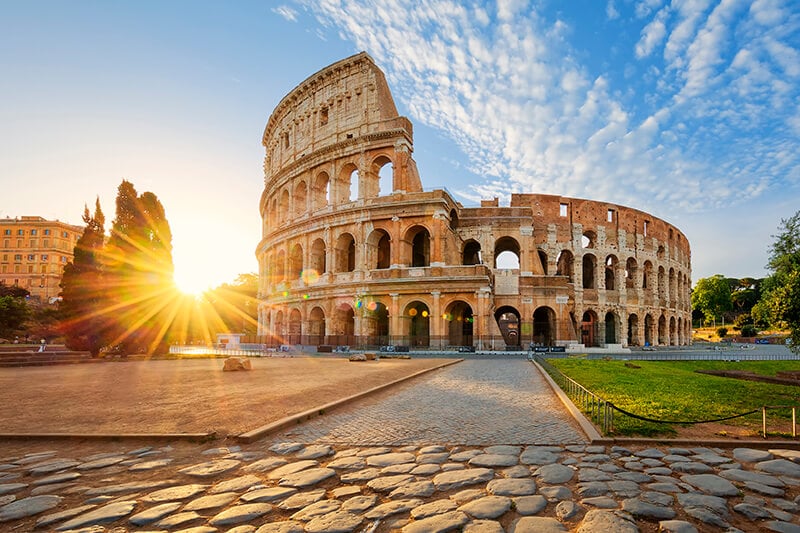
Rome, the Eternal City, holds an undeniable charm for families, but navigating its ancient streets with children requires a bit of savvy planning. Its distinct urban landscape, built across seven hills, features numerous picturesque ‘sampietrini’ – the traditional cobblestone streets – which are beautiful to behold but can be notoriously uneven and challenging for strollers and tiny feet alike. The historic center, or Centro Storico, is often protected by ZTLs (Zone a Traffico Limitato), meaning private vehicle access is restricted at certain times, making driving within central areas particularly complex. Summers can bring intense heat, highlighting the importance of comfortable footwear and smart transport choices to keep everyone cool and happy. While Rome’s public transport network is extensive, it can be quite crowded, especially during peak tourist season, and stroller accessibility on the Metro system is inconsistent due to varying elevator availability. Despite these challenges, walking remains the most immersive way to experience Rome’s iconic sights, though it requires careful thought to manage distances and energy levels for your little explorers. Understanding how to best go about getting around Rome with kids is essential for a smooth family trip.
Logistics at a Glance: Family Transport Options
When planning how to go about getting around Rome with kids, understanding your transport choices is key. Here’s a quick comparison to help you weigh the pros and cons for your family:
Filter out the noise and find what works for your family.
Every resort we review gets one of four Family Fit ratings. The rating is based on kids programming, amenities, vibe, and who the resort actually markets to - not just whether they allow children.
Discover My Ideal Resort →| Option | Pros for Families | Cons for Families | Best For |
|---|---|---|---|
| Rental Cars | Flexibility for day trips; private space; climate control. | Expensive parking; ZTL restrictions; challenging city driving; car seat logistics. | Families planning multiple excursions outside the city center. |
| Public Transit (Metro, Bus, Tram) | Cost-effective; extensive network; children under 10 ride free. | Can be crowded and hot; inconsistent stroller accessibility; delays due to traffic. | Budget-conscious families; reaching key attractions with older children. |
| Taxis & Ride-Sharing | Door-to-door convenience; faster than bus in traffic; private. | Difficult to find car seats; can be costly; UberX unavailable. | Airport transfers; tired evenings; short, direct trips with portable car seats. |
| Walking | Most immersive way to see sights; free; flexibility to stop. | Uneven cobblestones; long distances for kids; hot summers; stroller challenges. | Exploring the historic center; families with comfortable footwear and stamina. |
The Transit Network: A Detailed Breakdown
Rental Cars
Driving in Rome means navigating on the right-hand side of the road, and while major arteries are generally well-maintained, the historic center presents a different story. You’ll encounter narrow, winding streets and ancient cobblestones, or ‘sampietrini,’ which make for a bumpy ride and can be hard on both passengers and vehicles. Parking in the city center is incredibly challenging and expensive, with street parking often reserved for residents. Commercial parking garages are available but come with a hefty price tag. Moreover, the city strictly enforces ZTLs (Zone a Traffico Limitato) in the historic center, restricting vehicle access during specific hours without a special permit, usually for residents only. Unauthorized entry will result in significant fines, making driving within the core of Rome less than ideal for most tourists.
For families, Italian car seat laws are stringent: children under 150 cm (approximately 4 feet 11 inches) must use an approved child restraint system appropriate for their weight and height. This means infants need rear-facing seats (Group 0/0+), toddlers typically require forward-facing seats (Group 1), and older children up to 150 cm must use booster seats (Group 2/3). Major international rental agencies such as Hertz, Avis, Europcar, and Sixt, which primarily operate out of Fiumicino (FCO) and Ciampino (CIA) airports, do offer a range of child car seats. However, these come with an additional daily fee, typically ranging from €10 to €15. To ensure availability, especially during peak travel seasons, it is highly advisable to pre-book car seats well in advance. For more detailed advice on traveling with car seats, consult our Ultimate Guide: Travel Car Seats for Kids.
Public Transportation
Rome’s public transportation network, managed by ATAC (Agenzia per la mobilità del Comune di Roma), offers an extensive way for getting around Rome with kids and covers a wide area. The integrated system includes the Metro, with its three lines (A, B, and C) connecting key areas like the Colosseum (Line B) and Vatican City (Line A), as well as the central Roma Termini station. While efficient for covering longer distances, Metro cars can be hot and crowded, particularly during rush hour and peak tourist periods. The city also boasts an extensive network of urban buses, providing widespread coverage, though these are often subject to Rome’s heavy traffic, which can lead to delays. Additionally, six tram lines, such as Line 8 connecting Largo di Torre Argentina to Trastevere, complement the bus and metro, serving specific routes and often providing a slightly smoother ride than buses. For reaching outer suburbs and regional towns like Ostia Antica, families can utilize regional trains, known as Ferrovie Laziali (FL lines).
Stroller accessibility on public transport in Rome is generally quite challenging for families. Buses can become very crowded, making it difficult to maneuver a stroller, and some routes may require you to fold it. Metro stations vary significantly in their accessibility; while newer stations and major hubs often feature elevators, many older stations rely solely on escalators or stairs, and lifts can frequently be out of service. To ease your journeys, a lightweight, collapsible umbrella stroller is highly recommended over bulkier models. A great perk for families is that children up to the age of 10 travel for free on ATAC public transport when accompanied by a paying adult. For adults, a single BIT (Biglietto Integrato a Tempo) ticket costs €1.50 and is valid for 100 minutes of travel across the entire network. For longer stays, the CIS (Carta Integrata Settimanale) weekly ticket, priced at €24.00, offers unlimited travel for adults on ATAC services. While the Roma Pass includes public transport, its overall value should be carefully assessed for families, especially considering the free travel for younger children.
Taxis & Ride-Sharing
For quick and convenient point-to-point travel, official white, metered taxis are available throughout Rome. You can hail them at designated taxi stands found at major tourist sites, train stations like Roma Termini, and various piazzas. Alternatively, booking through the FreeNow app (formerly MyTaxi) is widely used and provides tracking and fare estimates, adding an extra layer of convenience for families. While Uber operates in Rome, it primarily offers premium services such as Uber Black, Uber Lux, and Uber Van, utilizing professional licensed drivers with high-end vehicles. It’s important to note that the standard UberX, which uses private cars often driven by non-professional drivers, is not legally permitted in Rome. Other popular ride-sharing apps like Bolt and Lyft are not active in the city.
When it comes to family logistics, obtaining a taxi or Uber with a child car seat in Rome is exceedingly difficult. Neither official taxis nor Uber’s premium services typically carry car seats as standard equipment, which can be a significant hurdle for families with young children. Therefore, if you anticipate frequent use of taxis or ride-sharing services, you are strongly advised to bring your own portable car seat or booster seat. For your safety and peace of mind, always opt for official white taxis or pre-booked services via reputable apps like FreeNow. Be sure to avoid accepting rides from unmarked vehicles or individuals soliciting fares outside official channels, particularly at airports. Always confirm that the taxi meter is on and visible at the start of your journey. Ready to plan your perfect Roman adventure? Use our personalized Itinerary Generator for Rome to create a custom plan!
Your Arrival: Airport & Train Station Transfers
When arriving in Rome with your family, you’ll likely come through one of two primary hubs. Leonardo da Vinci-Fiumicino Airport (FCO) is Rome’s main international airport, handling the majority of long-haul flights. Ciampino Airport (CIA) is a smaller, secondary airport primarily used by budget airlines. For those arriving by train, Roma Termini serves as the central train station, connecting national and international high-speed and regional rail lines, making it a bustling gateway to the city. Understanding these arrival points is crucial for planning how to manage getting around Rome with kids right from the start of your trip.
From Fiumicino Airport (FCO) to the city center, specifically the Roma Termini area, families have two top options. The Fastest Train, the Leonardo Express, offers a swift and direct 32-minute non-stop journey to Roma Termini. This convenient service costs €14 per person, one-way, with trains departing every 15-30 minutes. A fantastic family perk is that children under 4 years old travel free, and children aged 4-12 also travel free when accompanied by a paying adult (with a limit of one child per adult ticket). For those seeking the utmost ease after a long flight, a Most Convenient Private Transfer is highly recommended. These services, such as Welcome Pickups or RomeCabs, offer direct, door-to-door service to your accommodation, eliminating the hassle of navigating public transport with luggage and tired children. The cost for a family of up to 3-4 passengers with standard luggage is approximately €50-€65, and the journey takes about 45-60 minutes, depending on traffic. Crucially, reputable private transfer services can arrange pre-booked child car seats for an additional fee, making it the most stress-free option for families with young children.
A 3-Day Transit-First Itinerary
Day 1: City Center Discovery
Begin your Roman adventure focused on walkability and accessible central transport options like trams and the metro. In the morning, kick off your exploration at the magnificent Colosseum, easily reached via Metro B to the “Colosseo” stop. Spend ample time exploring the Colosseum and the Roman Forum on foot, allowing for plenty of breaks to rest little legs and refuel. For footwear, ensure your children are wearing cushioned kids’ sneakers and parents might consider best women’s walking sandals for comfort on the cobblestones.
The afternoon invites you to walk from the Roman Forum up to the Palatine Hill, where you’ll be rewarded with breathtaking panoramic views of the ancient city. Continue your stroll to Piazza Venezia, a bustling hub, and then ascend Capitoline Hill for additional scenic viewpoints designed by Michelangelo himself. As evening approaches, enjoy a leisurely walk to the iconic Pantheon and then to the Trevi Fountain, where a coin toss is a must for good luck. If the children are weary after a day of ancient wonders, consider taking a short bus or tram ride back to your accommodation to conserve energy for the next day’s adventures.
Day 2: Park & Play Adventure
Today is all about green spaces and playtime, making good use of Rome’s local bus network. Start your morning by taking a local ATAC bus, such as routes 910 or 89 from Termini or Piazza Barberini, directly to Villa Borghese. This expansive park is Rome’s third-largest public park and provides a refreshing escape from the city’s hustle. Enjoy a leisurely walk through its beautiful gardens, or for a memorable family activity, rent a family quadricycle and pedal your way through the paths – it’s a popular and incredibly fun experience for kids of all ages.
In the afternoon, enhance your park adventure with a visit to the Bioparco di Roma, Rome Zoo, conveniently located within the grounds of Villa Borghese. The zoo offers an engaging experience for kids, with a variety of animals from around the world in a pleasant, natural setting. It’s a wonderful way to combine outdoor activity with educational fun. As evening descends, return to your accommodation by bus, perhaps with a mandatory stop along the way for some authentic Roman gelato – the perfect sweet reward after a day of exploring and playing.
Day 3: Day Trip Exploration
On your third day, expand your Roman experience with an excursion outside the immediate city center, focusing on regional rail or a car rental for greater flexibility. Option 1 takes you to the remarkably preserved ancient Roman port city of Ostia Antica. To get there, take Metro B to Piramide station, then transfer to the Ostia Lido urban train line, which conveniently uses regular ATAC tickets. Disembark at the Ostia Antica station; the journey from Piramide is approximately 30-40 minutes. Ostia Antica offers expansive, relatively flat areas perfect for kids to run, explore, and imagine life in an ancient Roman town.
For Option 2, consider renting a car for the day to explore the beautiful surroundings outside the city. Drive approximately 1 hour north to Lake Bracciano, a tranquil volcanic lake. Here, you can visit the impressive Castello Orsini-Odescalchi in Bracciano town, a well-preserved medieval castle that will spark any child’s imagination. Enjoy the peaceful lake beaches, perfect for a relaxing afternoon, and consider renting paddle boats for family fun on the water. Having a car provides the ultimate flexibility to explore the charming lakeside towns at your own pace, making it an ideal choice for families seeking a relaxed day trip with scenic drives.
Regional Excursions: Accessibility & Reach
Tivoli Gardens (Villa d’Este & Hadrian’s Villa)
Tivoli offers two magnificent UNESCO World Heritage Sites that are truly excellent for families, providing a refreshing escape from the urban hustle. Villa d’Este is a Renaissance masterpiece known for its elaborate gardens, featuring hundreds of fountains, grottoes, and intricate water features that mesmerize children of all ages with their playful displays. Hadrian’s Villa, on the other hand, is a sprawling archaeological complex of ancient Roman ruins, offering ample space for kids to run, explore hidden corners, and imagine the grandeur of an imperial residence. Both sites are predominantly outdoors, making them ideal for active children aged 6 and up who can comfortably manage the walking distances. Younger children will particularly enjoy the visual spectacle and open spaces of Villa d’Este.
You have a few choices for getting to Tivoli. By train, you can take a regional train (Treno Regionale) from Roma Termini station to Tivoli station, a journey of approximately 40-60 minutes. From Tivoli station, local COTRAL buses or a short taxi ride can take you directly to Villa d’Este. To reach Hadrian’s Villa from Tivoli town, a separate local bus ride is required, so plan your timings accordingly. Alternatively, direct COTRAL buses depart from Ponte Mammolo (accessible via Metro B) and take approximately 1 hour to reach Tivoli town. Driving offers the most flexibility, especially with children, allowing you to easily visit both Villa d’Este and Hadrian’s Villa (which are a few kilometers apart) at your own pace. The drive from Rome takes about 45 minutes to 1 hour, and ample parking is available at both sites, making it a convenient option for families who prefer independent exploration.
Orvieto
Orvieto is a dramatically situated hilltop town that promises a unique and memorable experience for families. Perched majestically atop a volcanic tuff cliff, its most striking features include the magnificent Duomo, renowned for its intricate and dazzling facade, and the intriguing Orvieto Underground. This fascinating network of ancient Etruscan caves and tunnels can be explored on a guided tour, offering a glimpse into centuries of history beneath the town. The funicular ride up the steep cliff to the historic center is an exciting and memorable experience that kids will surely enjoy. The town itself is compact, highly walkable, and provides beautiful panoramic views of the surrounding Umbrian countryside. It is particularly suitable for children aged 7 and up who have an interest in history and can handle walking around a charming, albeit hilly, town. The underground tour, in particular, is often a big hit for curious young minds, allowing them to discover a hidden world.
The most highly recommended method for families to reach Orvieto is by train. Take a direct regional train from Roma Termini to Orvieto station, a comfortable journey of approximately 1 hour and 15 minutes. Upon arrival, the Orvieto funicular station is conveniently located directly across from the train station. The funicular provides a quick and scenic ascent to the historic center, and the cost is typically covered by a standard urban bus ticket, which can be purchased at the train station or local tobacco shops, known as “tabaccherie.” While driving takes approximately 1.5 hours north of Rome and offers scenic views of the Umbrian countryside, having a car also allows for stops in the surrounding area. However, parking options are primarily located outside the historic center at the base of the cliff or in designated lots, often requiring a short shuttle bus or walk up to the town. For most families, the train-funicular combination often proves more relaxing and efficient for enjoying this charming hilltop gem.
Noteworthy Local Transport Experiences
For a scenic and less strenuous way to observe some of Rome’s iconic landmarks, consider a ride on Tram Line 3. This route meanders past significant sites such as the Colosseum and Circo Massimo, and winds through the vibrant Trastevere neighborhood. It’s an excellent option for children whose legs are tired from walking but still want to continue sightseeing without the effort, offering a comfortable perspective of the city’s highlights. A tram ride can be a welcome break, allowing everyone to relax while soaking in the Roman atmosphere.
Another charming, small adventure awaits with the funicular at Villa Borghese. This short but sweet ride connects Viale del Muro Torto, near Piazza del Popolo, directly up into the expansive Villa Borghese gardens. This mechanical elevator provides a quick and enjoyable ascent, saving little legs from a steep climb, especially on a warm day. It adds a unique touch to reaching the park’s entrance, making the journey itself part of the family fun. It’s a delightful way to begin your exploration of one of Rome’s most beloved green spaces.
“Hop-on Hop-off” Tour Buses are a practical choice for families, offering a convenient and comprehensive way to see many of Rome’s major tourist attractions without excessive walking. Several reputable companies, including City Sightseeing Rome and Big Bus Rome, operate open-top double-decker buses with routes covering all key sights. These tours provide a much-needed break from constant movement for young children or those simply seeking a more relaxed pace. They often include multilingual audio commentary, enhancing the sightseeing experience by providing interesting facts and stories about the Eternal City’s landmarks.
Finally, for a unique and tranquil perspective of Rome, consider a Boat Tour on the Tiber River. Companies such as “Battelli di Roma” offer relaxing river cruises that allow families to observe historical bridges and riverfront architecture from a different vantage point. It’s a peaceful break from the bustling city streets and an engaging way for children to appreciate Rome’s historical setting and its relationship with the river that has flowed through it for millennia. These tours provide a calm interlude in a busy itinerary, letting everyone unwind while still seeing new sights. For more ideas on what to do, check out our Things to Do in Rome with Kids guide, or browse our ranked best things to do in Rome with kids. If you’re planning a broader trip, you might also find our family travel guides helpful.
- Family Travel Guides
- Rome with Kids
- Things to Do in Rome with Kids
- Ranked Best Things to Do in Rome with Kids
- Use our Personalized Itinerary Generator
- Best Compact Airline-Friendly Strollers
- Ultimate Guide: Travel Car Seats for Kids
- Best Compact Umbrella Strollers for Travel
- Best Cushioned Kids’ Sneakers for Family Travel
- Best Women’s Walking Sandals
- Wikivoyage page on Rome
Plan a trip your kids will actually enjoy.
Answer a few quick questions and get a free, personalized itinerary tailored to your destination and your children’s ages. No account required — your custom plan is ready in moments.
Filter out the noise and find what works for your family.
Every resort we review gets one of four Family Fit ratings. The rating is based on kids programming, amenities, vibe, and who the resort actually markets to - not just whether they allow children.
Discover My Ideal Resort →
![Ultimate Guide to [destination] Copenhagen](https://kiddometer.com/wp-content/uploads/2026/02/Ultimate-Guide-to-destination-pic-34-400x225.jpg)