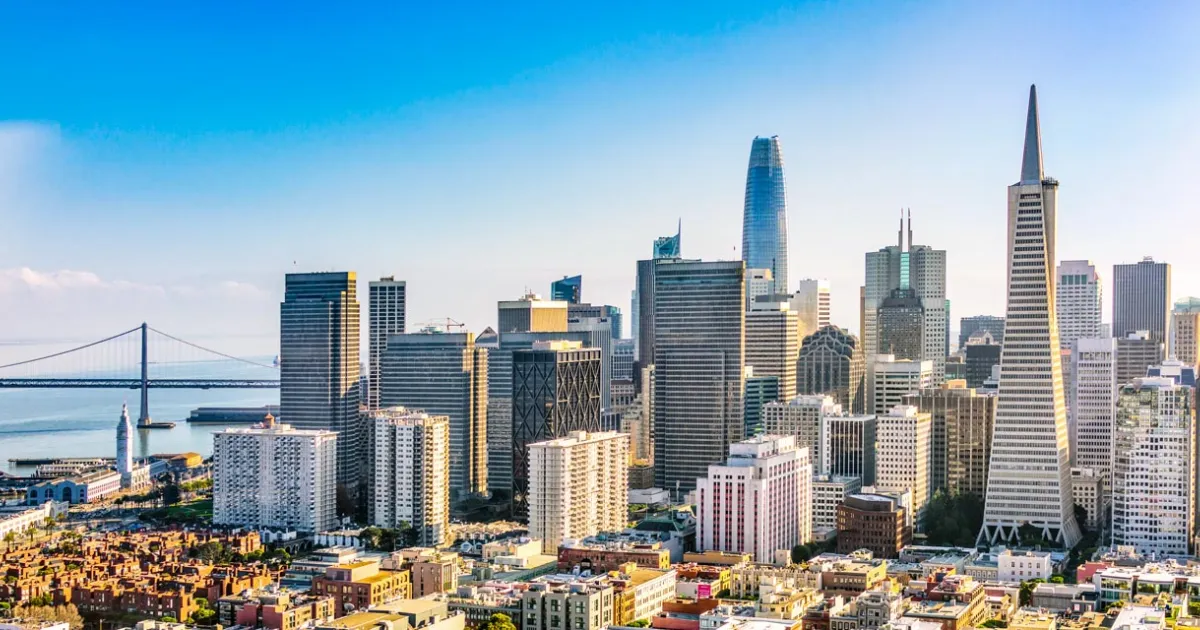
San Francisco, with its iconic hills, dense urban layout, and breathtaking bay views, presents a truly unique transportation puzzle for families. While its compact size means many areas are wonderfully walkable, the city’s famously steep inclines and often quickly changing weather demand a thoughtful strategy when you are getting around San Francisco with kids. Effectively navigating the city means understanding its diverse transit options, from the historic cable cars that charm every child to the extensive bus networks and convenient ride-sharing services, all while keeping young travelers comfortable, engaged, and well-rested.
This guide will provide a logistics-first breakdown of San Francisco’s transportation network, helping parents plan seamless journeys that make the most of their family adventure without getting bogged down by transit woes. We’ll delve into each option, considering the varying energy levels of your children, the critical need for stroller accessibility, and the cost-effectiveness of different modes to ensure your trip is both smooth and enjoyable. Preparing ahead for how you will be getting around San Francisco with kids can truly transform your visit.
Filter out the noise and find what works for your family.
Every resort we review gets one of four Family Fit ratings. The rating is based on kids programming, amenities, vibe, and who the resort actually markets to - not just whether they allow children.
Discover My Ideal Resort →Logistics at a Glance: Family Transport Options
Rental Cars
Having a rental car provides families with maximum flexibility, especially if you plan on taking day trips outside the city. You also have complete control over specific car seat requirements, ensuring your children are safely secured in a familiar setup. This option is particularly convenient for families with multiple stops or a lot of gear, as you won’t need to worry about stroller space on public transit.
However, renting a car in San Francisco comes with significant drawbacks. Parking is notoriously expensive and difficult to find, often adding $30-70+ to your daily expenses for hotel parking alone. Navigating heavy city traffic and the challenging steep hills can be stressful for unfamiliar drivers, and the additional costs for car seat rentals can quickly add up. For families with infants needing specific car seats or those primarily focused on day trips to Marin County, Napa Valley, or Silicon Valley, a rental car might still be the best choice.
Public Transit (MUNI, BART)
San Francisco’s public transit system, MUNI and BART, offers a cost-effective and extensive network to explore the city. It provides iconic experiences like riding the historic Cable Cars or the charming F-Line streetcars, which kids absolutely love. Additionally, MUNI offers reduced fares for children, with those aged under 5 riding free on most MUNI and BART services (though not Cable Cars), and MUNI Passes are available for unlimited rides, providing excellent value for frequent travelers.
On the flip side, public transit can get quite crowded, especially on popular Cable Car lines, making it challenging with strollers. Limited stroller space on some vehicles may necessitate folding them up, which can be a hassle with sleeping children or lots of bags. Depending on your destination, multiple transfers might be required, which can test the patience of young travelers. Despite these challenges, public transit remains ideal for exploring distinct neighborhoods, reaching major attractions like Golden Gate Park or Fisherman’s Wharf, and is often the most straightforward option for airport transfers.
Ride-Sharing (Uber, Lyft)
Ride-sharing services like Uber and Lyft offer unparalleled door-to-door convenience, which can be a lifesaver when you’re traveling with tired kids or making late-night trips. These on-demand services mean less waiting and more flexibility in your schedule. Both Uber Car Seat and Lyft Car Seat options are available, though they typically provide only a single forward-facing car seat, which might not suit infants or all ages.
Be aware of surge pricing during peak hours, as costs can quickly escalate. The availability of car seats is also not guaranteed, especially for specific types or during busy times, potentially leaving you stranded. Traffic delays can still be an issue, adding to travel time. Ride-sharing is best for quick trips across town, when you have moderate luggage, or when the kids are simply too tired for public transit or walking. It is also a popular choice for direct airport transfers when convenience is a top priority.
Walking
Walking is a free and wonderfully immersive way to experience San Francisco, allowing for spontaneous discoveries and an intimate appreciation of its unique neighborhood charm. It’s also a healthy and active option for the whole family, encouraging kids to burn off energy. Exploring on foot can reveal hidden gems that you might miss otherwise.
However, walking in San Francisco can be very challenging due to the city’s famously steep hills, some with grades up to 30%. This can be incredibly tiring for young children and parents pushing strollers. The weather can also change quickly, bringing sudden wind or fog, and some sidewalks are uneven or crowded, adding to the difficulty. Walking is best reserved for exploring flat neighborhoods such as the Marina, North Beach, or specific parts of the Embarcadero, or for very short distances between attractions, especially if your children are wearing best cushioned kids’ sneakers for family travel.
The Transit Network: A Detailed Breakdown
Rental Cars
Local Context
Driving in San Francisco follows the standard US convention, with traffic on the right side of the road. While some city streets are well-maintained, others show considerable wear. The most defining feature of driving here is the city’s extreme topography, with numerous steep hills like Filbert Street, Lombard Street, and Hyde Street that can be quite daunting for drivers unfamiliar with such grades. Traffic congestion is a daily reality, particularly during morning rush hour (7-9 AM) and evening rush hour (4-6 PM), and around popular tourist areas like Fisherman’s Wharf, so factor in extra time.
Parking is notoriously difficult and expensive. Daily parking rates at hotels often range from $30 to $70+, and public garages also charge high hourly or daily rates. Street parking is frequently metered, permit-restricted, or subject to strict street cleaning schedules; failing to adhere to these rules can result in expensive citations, so always read signs carefully.
Family Logistics
California law mandates specific car seat requirements for children. Children under 2 years old, or weighing less than 40 pounds, or less than 40 inches in height, are legally required to be secured in a rear-facing car seat. Children under 8 years old, or less than 4 feet 9 inches tall, must be secured in an appropriate car seat or booster seat in the back seat of the vehicle. Older children, those 8 years or older AND 4 feet 9 inches or taller, are permitted to use a standard seatbelt. For more detailed information on choosing the right restraint, check out our ultimate guide on travel car seats for kids.
Major car rental companies such as Hertz, Enterprise, Avis, Budget, and National operate at San Francisco International Airport (SFO) and various downtown locations. They typically offer a range of car seats, including infant, toddler, and booster options, for an additional daily fee, usually around $10-15 per day per seat. It is strongly recommended to reserve car seats well in advance, as their availability can be limited, especially during peak travel seasons. For guaranteed safety and familiarity, many families prefer the option of bringing their own travel-friendly car seats.
Public Transportation
System Names
- MUNI (San Francisco Municipal Railway): This is San Francisco’s primary public transit system, essential for getting around San Francisco with kids. It operates an extensive network of Buses, covering almost all parts of the city. Streetcars (MUNI Metro & F-Line) include MUNI Metro light rail lines that run underground downtown and above ground in outer neighborhoods. The historic F-Line streetcars operate along Market Street and The Embarcadero, offering incredibly scenic rides on vintage vehicles that kids find charming. Finally, the iconic, manually operated Cable Cars system features three lines (Powell-Mason, Powell-Hyde, California Street), providing a thrilling, one-of-a-kind experience.
- BART (Bay Area Rapid Transit): This heavy rail system connects San Francisco with the East Bay, including transfers to San Francisco International Airport (SFO) and Oakland International Airport (OAK). BART is essential for regional travel and airport transfers, making it a key component of navigating the wider Bay Area.
- Golden Gate Transit: This service operates buses and ferries, connecting San Francisco to Marin County. You can use it to reach charming towns like Sausalito and Tiburon, and it also provides shuttle connections to Muir Woods.
- Caltrain: A commuter rail service, Caltrain connects San Francisco (from the 4th and King Street Station) south along the Peninsula all the way to San Jose, serving communities in Silicon Valley.
Family Logistics
When it comes to stroller accessibility, MUNI buses and MUNI Metro light rail vehicles are generally stroller-friendly, providing designated accessible seating areas. However, space can be limited during crowded periods, so a fold-up stroller is highly recommended. Cable Cars, unfortunately, are not very stroller-friendly; strollers must be fully folded and carried on, which can be quite challenging due to limited space and the steep loading. BART trains are fully accessible with elevators at all stations, making them a convenient option for families with strollers. Golden Gate Ferry services also generally offer ample space, making them stroller-friendly. Consider one of the best compact airline-friendly strollers for easy maneuvering.
For kids travel free age limits, MUNI allows children aged 4 and under to ride free on MUNI buses, streetcars, and MUNI Metro. Youth aged 5-18 pay a reduced fare, often requiring a Clipper Youth Card. It’s important to note that for Cable Cars, all riders, regardless of age, must pay the full fare. On BART, children aged 4 and under ride free, and youth aged 5-18 receive discounted fares when using a Clipper Youth Card. This can significantly reduce the cost of things to do in San Francisco with kids.
To get the best value, consider these family passes. The Clipper Card is a reloadable transit card that functions across all major Bay Area transit agencies, including MUNI, BART, Golden Gate Transit, and Caltrain. You can load cash value or various passes onto it. Physical cards can be purchased at BART stations, Walgreen’s, or Muni/BART vending machines, while digital Clipper cards can be added to Apple Wallet or Google Pay for ultimate convenience. The MUNI Passport offers unlimited rides on MUNI buses, streetcars, MUNI Metro, and most importantly for families, the iconic Cable Cars for 1, 3, or 7 consecutive days. This is an excellent value if you plan multiple Cable Car rides, which kids often request. It’s available for purchase via the MuniMobile app or can be loaded onto a Clipper Card. Lastly, while not solely a transit pass, the San Francisco CityPASS often includes a 3-day unlimited MUNI Passport (which covers Cable Cars) along with admission to several top attractions. This can offer significant savings for families planning extensive sightseeing.
Taxis & Ride-Sharing
Local Apps
In San Francisco, Uber and Lyft are the dominant ride-sharing services and are widely available and frequently used throughout the city. You’ll find it relatively easy to request a ride from most locations, offering a convenient alternative to public transport, especially for door-to-door service.
Family Logistics
Both Uber and Lyft offer options for families needing car seats, specifically “Uber Car Seat” and “Lyft Car Seat.” These services typically provide a single forward-facing car seat suitable for children who meet specific criteria, generally those 2 years and older, weighing between 22-48 pounds, and 31-52 inches tall. There is usually an additional fee for this service, often around $10 extra for Uber Car Seat. However, availability can be limited, especially during peak times or in less central locations, and is never guaranteed. It’s crucial to understand that these services do not typically offer infant car seats or booster seats for older children. Therefore, families with very young infants or older children needing specific booster types may need to bring their own travel car seats or pre-book a specialized car service to ensure safety and compliance.
When it comes to the safety of street hails versus apps, ride-sharing apps are generally considered a safer and more transparent option for families. They provide essential details of the driver and vehicle, including the driver’s name, photo, and license plate number, along with GPS tracking of your entire ride. The cashless payment system also adds an extra layer of security and convenience. Traditional street-hailed taxis are available but are less common, and finding one with a pre-installed, certified car seat is highly improbable. For guaranteed child safety restraints, pre-booking a dedicated family car service (such as Kid Car SF or similar local services) is the most reliable option, although this is typically the most expensive choice.
Want a custom plan? Use our personalized Itinerary Generator for San Francisco, and explore our Ultimate Family Travel Guide San Francisco for comprehensive tips.
Your Arrival: Airport & Train Station Transfers
Primary Hubs
San Francisco International Airport (SFO) is the main international and domestic airport serving the Bay Area, situated approximately 13 miles south of downtown San Francisco. It’s a major gateway for families flying into the region and is consistently rated among the most child-friendly airports worldwide. Oakland International Airport (OAK), located across the Bay, serves as a convenient alternative, especially for domestic and budget airline travelers. For ground transportation, the Salesforce Transit Center, while not a traditional train station for intercity rail yet, functions as a major hub for regional and intercity buses, including MUNI and AC Transit, in downtown San Francisco. Commuter rail, Caltrain, terminates at the 4th and King Street Station, which is located south of the main downtown area.
Top 2 Options (SFO to Downtown San Francisco)
Fastest Train (BART)
From San Francisco International Airport (SFO), the fastest and most efficient way to reach downtown is by taking the AirTrain, a free automated mover, directly to the SFO BART station located in the International Terminal. A BART ride to central downtown San Francisco stations like Powell Street or Embarcadero typically takes approximately 30-35 minutes, making it a quick transfer. The fare is around $10.50 per adult (as of late 2023), with children aged 4 and under riding free, and youth aged 5-18 qualifying for discounted fares when using a Clipper Youth Card. This is a direct, efficient, and cost-effective option, particularly manageable if your family is traveling light with only best kids backpacks or minimal luggage.
For families traveling with multiple pieces of luggage, strollers, and potentially tired children after a long flight, a taxi or ride-share service (Uber/Lyft) from SFO to downtown San Francisco offers invaluable door-to-door convenience. The travel time can range from 30 to 60 minutes, highly dependent on traffic conditions, which can fluctuate significantly. Costs typically range from $50-70+ before factoring in surge pricing or car seat fees. For guaranteed car seats that meet your specific needs, pre-booking a specific car service (such as Airport Express or Kid Car SF) is the most convenient but also the priciest option. When planning your journey, remember to consider the amount and type of best kids luggage you’ll be managing.
A 3-Day Transit-First Itinerary
Day 1: City Center Discovery
Focus: Walkability and central trams/metro
Morning: Begin your day at Union Square, a vibrant hub that is easily walkable from many central hotels. From there, take a delightful stroll to Powell Street and immerse yourselves in the iconic experience of riding the Powell-Hyde Cable Car. Hold on tight as it climbs the steep hills up to Lombard Street, famously known as the “crookedest street.” Be prepared to fold strollers and carry them on, as space is quite limited on the cable cars, but the thrilling ride and stunning views are absolutely worth it. After disembarking, enjoy a leisurely walk down the famous winding street.
Afternoon: From Lombard Street, you can either take a MUNI bus or enjoy a pleasant walk towards Fisherman’s Wharf. This bustling area is highly walkable and full of excitement. Spend some time exploring Pier 39, watching the playful sea lions, and soaking in the lively atmosphere. Kids will love the street performers and various shops.
Evening: As evening approaches, board the historic F-Line streetcar along The Embarcadero for a scenic ride past the majestic Ferry Building and back towards your hotel. This vintage streetcar offers beautiful bay views, especially as the sun begins to set, and your kids will undoubtedly enjoy the charm of these unique, old-world vehicles. Remember to wear best cushioned kids’ sneakers for family travel as there will be a good amount of walking involved today.
Day 2: Park & Play Adventure
Focus: Using local buses to reach green spaces
Morning: Head to Golden Gate Park, a sprawling urban oasis, by taking a convenient MUNI bus such as the 5R Fulton or 38 Geary lines. Once inside the park, you can visit the fascinating California Academy of Sciences, which offers an aquarium, a rainforest exhibit, and a planetarium all under one roof, making it highly engaging for children. Alternatively, explore the de Young Museum. Both venues are stroller-friendly and provide interactive experiences for kids of all ages.
Afternoon: Dedicate your afternoon to exploring more of Golden Gate Park’s natural beauty and recreational offerings. You can walk to Stow Lake and rent a paddle boat for a serene experience on the water, or wander through the tranquil Japanese Tea Garden. The park also boasts numerous playgrounds and vast open spaces, perfect for allowing kids to run around and burn off some energy.
Evening: After a full day of park adventures, take a MUNI bus back to your lodging. Alternatively, venture out to the Outer Sunset or Richmond districts for a delicious, family-friendly dinner. These neighborhoods offer a different, more local vibe and are great for experiencing authentic San Francisco away from the main tourist hubs.
Day 3: Day Trip Exploration
Focus: Regional rail or car rental
Option A (Regional Rail/Ferry – Muir Woods & Sausalito): This option provides a classic Bay Area experience without the hassle of a car. Start by taking the Golden Gate Ferry from either the Ferry Building or Pier 41 to charming Sausalito. Explore this picturesque waterfront town, perhaps grabbing a quick bite or browsing the local shops. From Sausalito, board the Muir Woods Shuttle (Route 66), which requires advance reservation and a ticket, to reach the breathtaking Muir Woods National Monument. Wander among the towering giant redwoods; the main path is stroller-friendly, allowing even the youngest travelers to enjoy the majestic scenery. Return to San Francisco via ferry, enjoying the stunning bay views. For more great ideas, check out our collection of family travel guides.
Option B (Car Rental – Pacifica or Marin Headlands): For families seeking more flexibility and control over their day, renting a car for the day is an excellent choice. Drive south on Highway 1 to Pacifica, a lovely coastal town perfect for some beach time, playing in the sand, or trying your hand at pier fishing. Alternatively, head north across the iconic Golden Gate Bridge to the Marin Headlands. Here, you’ll be rewarded with stunning panoramic views of the bridge and the San Francisco city skyline, along with easy family-friendly hikes, such as those around Rodeo Beach. This option allows for easier transport of car seats, beach gear, and any other essentials your family might need for a day of exploration.
Regional Excursions: Accessibility & Reach
Muir Woods National Monument
Why
Muir Woods offers a truly magical experience for families, allowing children of all ages to stand in awe beneath towering ancient redwood trees. The main Grove Trail is a paved and boardwalk loop, making it highly suitable for strollers and young children who tire easily. It’s a fantastic opportunity to connect with nature and escape the city bustle, providing a serene and unforgettable natural wonder that contrasts beautifully with the urban environment of San Francisco.
How
Public Transit: The most environmentally friendly and increasingly popular way to visit Muir Woods is via the Muir Woods Shuttle (Route 66). To begin your journey, take the Golden Gate Ferry from San Francisco (departing from either the Ferry Building or Pier 41) to Sausalito. From Sausalito, you will then board the shuttle, which requires an advance reservation and a shuttle ticket, both purchased via the GoMuirWoods website. The shuttle operates seasonally and predominantly on weekends and holidays, so be sure to check the schedule. The total travel time is approximately 1.5-2 hours, including both the ferry and shuttle connections.
Driving: Driving from downtown San Francisco takes approximately 45-60 minutes, depending on traffic conditions. However, visiting by private vehicle necessitates an advance parking reservation, which must also be made through the GoMuirWoods website. Parking reservations are mandatory and frequently sell out, especially during peak season, so it is crucial to book well in advance. This option offers maximum flexibility for families with specific car seat needs or those carrying significant gear, allowing for a more personalized schedule.
Alcatraz Island
Why
Alcatraz Island offers a fascinating historical journey into the infamous former federal prison, providing captivating stories and incredible panoramic views of San Francisco, the Golden Gate Bridge, and the entire Bay. This excursion is generally most suitable for older children, typically those aged 6 years and up, who can engage with the excellent audio tour, narrated by former guards and inmates, and truly appreciate the historical context. Younger children might find the tour long, less stimulating, or even a bit eerie, so consider your child’s temperament before booking.
How
Ferry: Alcatraz Island is exclusively accessible by the official ferry service, Alcatraz City Cruises, which departs from Pier 33 in San Francisco. It is imperative that tickets are purchased well in advance, often several weeks or even months ahead during peak season, as tours frequently sell out, especially for families. The scenic ferry ride itself takes about 15 minutes, offering fantastic views of the city and bay. Once on the island, there is a moderately steep 1/4-mile walk uphill from the dock to the Cellhouse. A complimentary “S.E.A.T. Tram” (Sustainable Easy Access Tram) is available for visitors with mobility issues, operating every 15-30 minutes. The Cellhouse itself is accessible, but paths can be quite crowded. While strollers are allowed on the ferry and the main paths, due to crowds and inclines, a baby carrier might prove more practical for infants and toddlers.
Noteworthy Local Transport Experiences
Cable Cars
Riding a San Francisco Cable Car is an absolute must-do when you’re getting around San Francisco with kids. These iconic, manually operated historic streetcars offer thrilling rides up and down the city’s steepest hills. While they are a major tourist attraction and often crowded, the experience of clinging to the side of a cable car and feeling the wind whip by is truly unforgettable for children. Keep in mind that all riders, including young children, require a full fare, and strollers must be fully folded and carried on, which can be tricky due to limited space. The Powell-Hyde and Powell-Mason lines are generally the most popular and offer the most dramatic views.
F-Line Historic Streetcars
The F-Line Historic Streetcars are a wonderfully charming alternative to the cable cars, featuring beautifully restored vintage streetcars from various cities around the world. These unique vehicles run along Market Street and The Embarcadero, offering a more comfortable and less crowded way to enjoy scenic rides along the waterfront. They connect major attractions like Fisherman’s Wharf, Pier 39, and the Ferry Building with ease. Unlike the Cable Cars, the F-Line streetcars are generally more stroller-friendly and operate as part of the standard MUNI fare system, meaning kids aged 4 and under ride free.
San Francisco Bay Ferry
Beyond its function as a commuter service, the San Francisco Bay Ferry offers fantastic sightseeing opportunities that double as a mode of transport. Routes to picturesque Sausalito or charming Tiburon provide stunning, unobstructed views of the Golden Gate Bridge, Alcatraz Island, and the glittering city skyline. It’s a relaxing and spacious way to travel, providing ample room for strollers, and the boat ride itself is often a fun activity for children. Consider it a unique combination of transport and a scenic activity rolled into one, allowing you to relax and enjoy the Bay’s beauty.
Presidio GO Shuttle
The Presidio GO Shuttle is a free and incredibly useful shuttle service that operates entirely within the vast Presidio National Park. This is a huge benefit for families wanting to explore the park’s diverse attractions, such as Crissy Field, the Walt Disney Family Museum, and various scenic overlooks, all without the need for a car. The shuttle conveniently connects to several MUNI lines at the park’s perimeters, making intra-park travel easy and highly accessible for families who want to enjoy this expansive green space without driving or walking exhaustive distances.
- Ultimate Family Travel Guide San Francisco
- Things to Do in San Francisco with Kids
- Family Travel Guides
- Ultimate Guide: Travel Car Seats for Kids
- Best Compact Airline-Friendly Strollers
- Best Cushioned Kids’ Sneakers for Family Travel
- Best Kids Luggage Buying Guide
- Best Portable Chargers for Travel with Family
- Most Child-Friendly Airports Worldwide
- Best Kids Backpacks Travel Guide
- Wikivoyage page on San Francisco
Plan a trip your kids will actually enjoy.
Answer a few quick questions and get a free, personalized itinerary tailored to your destination and your children’s ages. No account required — your custom plan is ready in moments.
Filter out the noise and find what works for your family.
Every resort we review gets one of four Family Fit ratings. The rating is based on kids programming, amenities, vibe, and who the resort actually markets to - not just whether they allow children.
Discover My Ideal Resort →
![Ultimate Guide to [destination] Copenhagen](https://kiddometer.com/wp-content/uploads/2026/02/Ultimate-Guide-to-destination-pic-34-400x225.jpg)