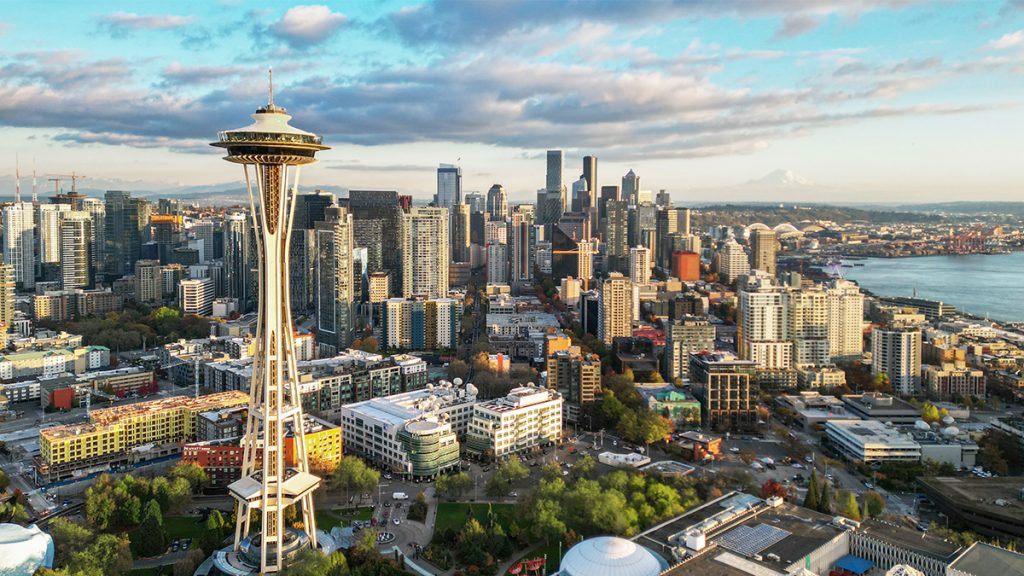
Seattle’s unique blend of natural beauty and urban buzz makes it a captivating destination for families, but its distinctive landscape demands a thoughtful approach to transportation. With steep hills defining neighborhoods like Queen Anne and Capitol Hill, the vast expanse of Puget Sound inviting ferry adventures, and the Pacific Northwest’s famously variable weather, figuring out how to navigate with children and all their gear is key to a successful trip. The city boasts a comprehensive transit network, from historic monorails and scenic ferries to modern light rail and extensive bus routes, offering a variety of ways to explore. Understanding how this mix of transit options, along with Seattle’s notorious traffic patterns in bustling areas like downtown or around major attractions such as Pike Place Market and the Seattle Center, can impact your travel times and overall ease of movement is essential when planning your family’s adventure getting around Seattle with kids.
Logistics at a Glance: Family Transport Options
When planning your family’s visit to Seattle, consider these common transport methods. Each has its own benefits and drawbacks, especially when you’re traveling with little ones.
Filter out the noise and find what works for your family.
Every resort we review gets one of four Family Fit ratings. The rating is based on kids programming, amenities, vibe, and who the resort actually markets to - not just whether they allow children.
Discover My Ideal Resort →| Option | Pros for Families | Cons for Families | Typical Cost & Efficiency |
| Rental Cars | Flexibility for day trips; door-to-door convenience; climate control. | High parking costs and scarcity; significant traffic congestion; car seat logistics. | Cost: $50-100+/day rental + $15-30+/few hours for parking + fuel + car seat rental. Efficiency: Variable, can be slow during peak traffic (7-9 AM, 4-6 PM weekdays). |
| Public Transit | Cost-effective (kids 0-5 ride free); extensive network; stroller-friendly; offers unique experiences like ferries. | Requires planning routes and transfers; less direct for some destinations; can be crowded. | Cost: $2.75-3.25/adult ride; $1.50/youth ride (6-18); ORCA card recommended. Day passes available. Efficiency: Generally efficient, especially Link Light Rail avoiding traffic. |
| Ride-Sharing (Uber/Lyft) | Convenience on demand; door-to-door service; Uber Car Seat option for one child. | Can be expensive with surge pricing; limited car seat availability (only Uber); less predictable during peak times. | Cost: $40-65 to downtown from SEA, higher for XL/Uber Car Seat. Varies by distance/demand. Efficiency: Generally efficient, but subject to traffic delays. |
| Walking | Free; great for exploring specific neighborhoods like Pike Place Market; good exercise. | Steep hills can be challenging with strollers or small children; weather can be an issue; not feasible for longer distances. | Cost: Free. Efficiency: Excellent for short distances within walkable districts, but slow for cross-city travel. |
The Transit Network: A Detailed Breakdown
Understanding Seattle’s diverse transportation systems is key to efficiently getting around Seattle with kids. Here’s a closer look at each option and what to expect as a family.
Rental Cars
Driving in Seattle means navigating on the right side of the road, and while road quality is generally good, be prepared for some surprisingly steep hills in areas like Queen Anne and Capitol Hill. These inclines can be particularly challenging if you’re driving a manual transmission or a larger vehicle. Traffic congestion is a significant factor, especially during peak weekday hours (7-9 AM and 4-6 PM) on major arteries like I-5, SR-99, and downtown streets. For families, this can mean extended travel times, so plan your drives accordingly.
Parking in popular areas such as downtown, Pike Place Market, or near attractions like the Space Needle and MoPOP is not only expensive, often costing $15-30 or more for just a few hours, but also scarce. You’ll typically need to seek out parking garages or pay for metered street parking, which can add to the stress of an outing with children.
When it comes to family logistics, Washington State law is very clear on child safety seats. Children under 2 years old must be in a rear-facing car seat. Those aged 2-4 years old are required to use a forward-facing car seat with a harness. Children older than 4 must use a booster seat until they are 4’9″ tall (typically between 8-12 years old) or until the vehicle’s seat belt fits them properly. If you’re bringing your own, check out our Ultimate Guide: Travel Car Seats for Kids and Best Car Seat Travel Bags to help simplify your travel.
Major rental agencies at Seattle-Tacoma International Airport (SEA) like Hertz, Enterprise, Avis, Budget, and National all offer child safety seats (infant, toddler, and booster) for an additional daily fee, typically ranging from $13-15 per day, often with a maximum charge per rental (e.g., $90). It’s highly advisable to reserve car seats in advance, especially during peak travel seasons, to ensure availability for your family’s needs.
Public Transportation
Seattle’s public transportation network is extensive and offers an excellent way of getting around Seattle with kids without the hassle of driving and parking. The main systems include King County Metro (a comprehensive bus network), Sound Transit Link Light Rail (connecting the airport, downtown, and the University District), Seattle Streetcar (serving South Lake Union and First Hill), the iconic Seattle Monorail (linking Westlake Center to Seattle Center), and the picturesque Washington State Ferries.
Family Logistics and Stroller Accessibility:
- King County Metro buses are well-equipped for families, featuring ramps or lifts and designated priority seating areas that are perfect for strollers.
- Sound Transit Link Light Rail trains offer wide doors and spacious open areas, making it easy to maneuver even larger strollers on board.
- Seattle Streetcars are modern, low-floor vehicles designed for easy access, ensuring a smooth experience for those traveling with strollers.
- The Seattle Monorail is accessible via elevators at both its Westlake Center and Seattle Center stations, simplifying the journey for families with strollers or mobility needs.
- Washington State Ferries are exceptionally stroller-accessible, with wide decks, ample space, and elevators to navigate between levels, making for a truly enjoyable ride.
For parents looking for the Best Compact Airline-Friendly Strollers or Best Compact Umbrella Strollers for Travel, these options will serve you well on Seattle’s public transit. These types of strollers are often easier to fold and carry, which can be a lifesaver during transfers or crowded times.
Kids Travel Free & Best Value: One of the biggest perks for families is that children aged 0-5 years old ride free on all King County Metro and Sound Transit services, including Link Light Rail, buses, and streetcars. Youth aged 6-18 pay a reduced fare, currently $1.50 per ride on Link Light Rail and buses. For seamless travel and to avoid fumbling with cash, purchasing reloadable ORCA cards for adults and any youth (if applicable) is highly recommended. These cards can be loaded with E-purse value or passes, and youth can easily get a Youth ORCA card for their reduced fares.
While Seattle doesn’t offer a specific “family pass,” combining the free travel for younger children with ORCA cards for older family members provides the best value and convenience. For days packed with sightseeing, Day Passes are available for unlimited rides within a specific period on Metro and Sound Transit services, which can offer significant savings if you plan on intensive travel.
Taxis & Ride-Sharing
Taxis and ride-sharing services offer on-demand convenience, which can be a blessing when getting around Seattle with kids, especially after a long day of exploring or with tired little ones. Uber and Lyft are widely available and popular throughout Seattle, providing various service levels including standard rides, XL vehicles (ideal for larger families or those with more luggage), and premium options.
Ease of Getting Car Seats via App: This is a crucial consideration for families. Uber in Seattle offers “Uber Car Seat,” which provides a forward-facing car seat suitable for one child who is at least 2 years old, weighs between 22-48 lbs, and is between 31-52 inches tall. This service typically comes with an additional fee and, importantly, its availability can be limited, especially outside of peak hours or the central areas. Lyft, on the other hand, does not offer a car seat option in Seattle. Traditional taxis generally do not provide car seats, and drivers are often exempt from child restraint laws for fare-paying passengers, though for your child’s safety, bringing your own car seat is always the safest option if you plan to rely on taxis.
Safety of Street Hails vs. Apps: For families, app-based rides like Uber and Lyft are generally considered safer due to several features: drivers undergo background checks, rides are GPS tracked, and both apps offer in-app emergency features. While street hails are legal in Seattle, they offer less accountability and traceability. For added peace of mind, particularly with young children, pre-booking with a reputable car service or utilizing Uber Car Seat for planned trips is highly recommended.
Want a custom plan? Use our personalized Itinerary Generator for Seattle!
Your Arrival: Airport & Train Station Transfers
Your journey begins the moment you land or arrive by train. Seattle-Tacoma International Airport (SEA) is located about 14 miles south of downtown Seattle, while King Street Station (303 S Jackson St, Seattle, WA 98104) serves as Seattle’s primary Amtrak and Sounder commuter rail station, conveniently situated just south of downtown. Knowing your best options for transfers, especially when getting around Seattle with kids, can make a huge difference.
Top 2 Options from SEA Airport:
1. Fastest Train (Sound Transit Link Light Rail): This is often the quickest and most budget-friendly way to get from SEA Airport to downtown Seattle, especially if you want to avoid traffic.
- Cost: A one-way adult fare to downtown is $3.25. Children aged 0-5 ride free, and youth aged 6-18 pay a reduced fare of $1.50.
- Time: The journey from SEA Airport Station to Westlake Station (downtown Seattle) takes approximately 40 minutes. Trains are frequent, running every 8-10 minutes during peak hours, making it a reliable choice that bypasses road congestion.
2. Most Convenient Private Transfer (Taxi/Ride-Share): For families prioritizing door-to-door service and comfort, especially with young children and luggage, a private transfer is often the most convenient choice.
- Cost: Taxis typically cost between $40-55 to downtown, not including tip. Uber/Lyft fares can vary significantly based on demand (surge pricing) but generally range from $40-65 for a standard ride. If you need more space for family members or luggage, an XL vehicle might cost $60-90+.
- Time: Without heavy traffic, the drive takes about 20-30 minutes. However, during rush hour, expect this to extend considerably, potentially to 45-75 minutes or even more. This option offers the convenience of direct transport to your accommodation, which can be invaluable after a long journey with kids.
A 3-Day Transit-First Itinerary
Discover Seattle with ease using this transit-focused itinerary, designed to maximize your time and minimize stress when getting around Seattle with kids.
Day 1: City Center Discovery
Begin your Seattle adventure exploring the heart of the city, focusing on walkability and central public transport. In the morning, immerse yourselves in the vibrant atmosphere of Pike Place Market. Wander through the stalls, watch the famous fish toss, and enjoy fresh local treats. This area is best explored on foot, allowing you to soak in the sights and sounds at your family’s pace.
For the afternoon, take a leisurely stroll or a short taxi/ride-share from the market to Westlake Center. From there, hop aboard the historic Seattle Monorail for a swift and scenic 90-second ride directly to the Seattle Center. Here, you can marvel at the iconic Space Needle and explore the quirky Museum of Pop Culture (MoPOP). The Seattle Center campus itself is very walkable, making it easy to navigate between attractions.
As evening approaches, consider enjoying dinner in the Seattle Center area, where many family-friendly restaurants are available. Alternatively, you can take the Monorail back to Westlake Center and enjoy a pleasant walk to a downtown restaurant for more dining options.
Day 2: Park & Play Adventure
Dedicate your second day to Seattle’s beautiful green spaces, using the reliable local bus network to reach these family-favorite spots. Start your morning by taking a King County Metro bus (such as routes 5, 44, or 16 from downtown or Queen Anne) to the Woodland Park Zoo. Spend several delightful hours here, encountering animals from around the globe in beautifully designed habitats.
In the afternoon, catch another Metro bus from the zoo to Gas Works Park. This unique urban park, built on the site of a former gasification plant, offers spectacular panoramic views of the Seattle skyline, Lake Union, and the surrounding mountains. It’s the perfect spot to let the kids run around on the grassy hills, fly a kite, or simply enjoy a picnic with a breathtaking backdrop.
Conclude your day by taking a Metro bus back downtown, where you can find a casual family dinner to wind down after a day full of outdoor fun.
Day 3: Day Trip Exploration
For your final day, venture beyond the city limits with either a charming ferry trip or a convenient car rental excursion. This is where getting around Seattle with kids can extend to broader regional experiences.
Option A (Ferry Trip): Walk to Colman Dock (Pier 52) in downtown Seattle and embark on a Washington State Ferry to Bainbridge Island. The approximately 35-minute one-way ride is a scenic adventure in itself, offering stunning views of the city skyline, Puget Sound, and potentially even Mount Rainier on a clear day. Once on Bainbridge, the charming town of Winslow is a short, walkable distance from the ferry terminal. Explore local shops, art galleries, and enjoy the waterfront. Return to Seattle by ferry in the late afternoon, enjoying another beautiful vista.
Option B (Car Rental Excursion): If you prefer to explore by car, consider renting one for the day. Drive about 45 minutes east of Seattle to Snoqualmie Falls, a breathtaking 268-foot waterfall. There are accessible viewing platforms and short, easy walking trails that are suitable for families with children. Be sure to bring your Best Hiking Shoes for Kids for comfortable exploration. For lunch, you might combine your visit with a stop in the charming nearby towns of Snoqualmie or North Bend. This option offers flexibility for families who enjoy driving and setting their own schedule.
Regional Excursions: Accessibility & Reach
Venturing just outside Seattle proper can unlock some incredible family experiences. Here’s how to reach two popular regional spots.
Bainbridge Island
Why: Bainbridge Island offers a delightful, easily accessible island getaway from the bustle of the city. The ferry ride itself provides panoramic views of the Seattle skyline and Mount Rainier, making it an experience in its own right. The main town of Winslow is incredibly walkable, dotted with charming shops, art galleries, and waterfront parks perfect for a relaxed stroll. It’s an ideal excursion for all ages, offering a slower pace and a true taste of Pacific Northwest island life without requiring a long journey. Children who enjoy scenic boat rides and exploring quaint small towns will particularly love this outing.
How: To reach Bainbridge Island, simply walk to Colman Dock (Pier 52) in downtown Seattle and board a Washington State Ferry. Foot passengers will find the boarding process very easy. The scenic journey across Puget Sound takes approximately 35 minutes each way. Ferries typically run hourly, with more frequent departures during peak times, making it convenient to plan your visit. Fares are collected only when traveling eastbound (from Seattle to Bainbridge Island); the return trip is free for walk-on passengers, and children under 18 ride free, making it a budget-friendly option for families. Once you arrive on Bainbridge, the charming town of Winslow is just a short, pleasant walk from the ferry terminal.
Snoqualmie Falls
Why: Snoqualmie Falls is an iconic natural landmark and a must-see for families visiting the Seattle area. The spectacular 268-foot waterfall is easily viewed from accessible platforms, and there are short, paved trails that are suitable for families with children and strollers. The sheer power and beauty of the falls captivate visitors of all ages, and the onsite Salish Lodge offers convenient restrooms and dining options. It’s a fantastic half-day excursion to experience Washington’s breathtaking natural beauty and offers a peaceful escape from the city.
How: Snoqualmie Falls is best reached by car, as there isn’t a direct public transportation route. The drive from downtown Seattle takes approximately 40-45 minutes via I-90 East, offering scenic views as you head towards the mountains. Free parking is available at both the upper and lower observation areas, making access straightforward for families. Driving gives you the flexibility to depart and return on your own schedule, and easily transport any necessary gear or snacks for your kids, making it a stress-free trip.
Noteworthy Local Transport Experiences
Beyond simply getting from point A to point B, some of Seattle’s transportation options are attractions in themselves, offering unique and memorable experiences for families when getting around Seattle with kids.
- Seattle Monorail: This historic, elevated railway offers more than just transit; it’s a swift and scenic 90-second ride connecting Westlake Center (right in the heart of downtown) to the Seattle Center, home to major attractions like the Space Needle, Museum of Pop Culture (MoPOP), and the Pacific Science Center. Kids often find the unique, gliding ride exciting, making it a fun and practical way to travel between these two major hubs.
- Washington State Ferries: More than just a mode of transport, these iconic green and white vessels offer a quintessential Pacific Northwest experience. Taking a ferry across Puget Sound, perhaps to Bainbridge Island or Bremerton, provides stunning panoramic views of the city skyline, the surrounding islands, and often, opportunities to spot wildlife like seals or even orcas. It’s an adventure in itself that children usually absolutely love, offering fresh sea air and plenty of space to explore on deck.
- Seattle Streetcar: The modern and accessible Seattle Streetcar lines (South Lake Union and First Hill) offer a convenient way to explore specific neighborhoods and connect to various attractions without needing a car. The South Lake Union line, for example, is particularly useful for reaching the Amazon Spheres, Lake Union Park, and various tech company campuses. These streetcars provide a comfortable and scenic way to see parts of the city that might otherwise be overlooked.
- Ride the Ducks of Seattle: While primarily a tourist attraction rather than daily transport, this amphibious vehicle tour offers a truly unique way to see the city’s sights, both on land and directly on Lake Union. The spirited commentary and the splash into the water are highly entertaining for kids, providing a comprehensive and fun overview of Seattle’s key landmarks from a different perspective.
- Family Travel Guides
- Most Child-Friendly Airports Worldwide
- Build a Personalized Trip
- Ultimate Guide: Travel Car Seats for Kids
- Best Compact Airline-Friendly Strollers
- Best Car Seat Travel Bags
- Best Hiking Shoes for Kids
- Best Compact Umbrella Strollers for Travel
- Best Kids Backpacks Travel Guide
- Vancouver with Kids: Ultimate Family Travel Guide
- Wikivoyage page on Seattle
Plan a trip your kids will actually enjoy.
Answer a few quick questions and get a free, personalized itinerary tailored to your destination and your children’s ages. No account required — your custom plan is ready in moments.
Filter out the noise and find what works for your family.
Every resort we review gets one of four Family Fit ratings. The rating is based on kids programming, amenities, vibe, and who the resort actually markets to - not just whether they allow children.
Discover My Ideal Resort →
![Ultimate Guide to [destination] Copenhagen](https://kiddometer.com/wp-content/uploads/2026/02/Ultimate-Guide-to-destination-pic-34-400x225.jpg)