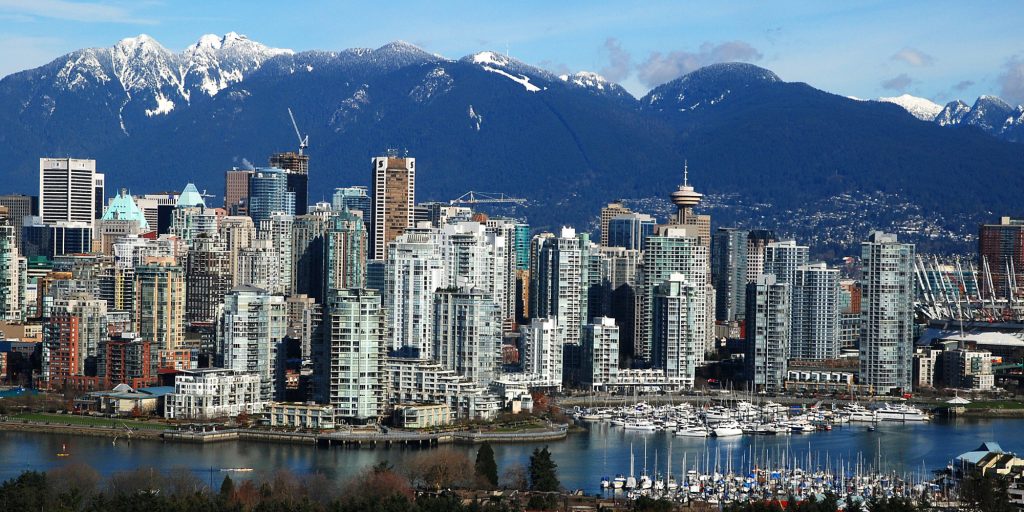
Vancouver, a dazzling coastal city nestled between the Pacific Ocean and towering mountains, offers a unique urban landscape where nature is always just a stone’s throw away. Its dense downtown core, surrounded by water and lush greenery, greatly influences how you’ll move around, especially when you’re exploring with little ones in tow. This city has earned a stellar reputation as a highly walkable, green metropolis with an exceptional public transit system, making it an incredibly family-friendly destination for travelers.
Whether you plan to glide through the city on its modern SkyTrain, cruise across the inlet on a scenic ferry, or navigate by bus, understanding the various modes of transport available is key to a smooth family adventure. We’ll delve into the practicalities of getting around Vancouver with kids, emphasizing safety, convenience, and how to make the most of your journey. Careful planning, particularly regarding child safety and comfort, will ensure your family vacation is as enjoyable and stress-free as possible. For more comprehensive insights into planning your trip, explore our dedicated family travel guides.
Filter out the noise and find what works for your family.
Every resort we review gets one of four Family Fit ratings. The rating is based on kids programming, amenities, vibe, and who the resort actually markets to - not just whether they allow children.
Discover My Ideal Resort →Logistics at a Glance: Family Transport Options
When planning how to get around Vancouver with kids, you have several excellent options, each with its own set of advantages and considerations. Choosing the best mode depends on your family’s specific needs, your destination, and your travel style. Here’s a quick comparative look:
Rental Cars
Pros: Ultimate flexibility for day trips, ability to carry car seats and luggage easily, privacy for tired kids. Best for: Day trips outside the city (e.g., Whistler, Fraser Valley), families with lots of gear, or those staying in suburban areas.
Cons: Expensive parking, downtown traffic, need to manage car seat logistics, high rental costs especially for car seats. Not ideal for: Exploring the compact downtown core.
Public Transit (SkyTrain, Bus, SeaBus)
Pros: Cost-effective (kids 12 and under ride free!), extensive network, environmentally friendly, often faster than driving in traffic, accessible for strollers. Best for: Exploring various city neighborhoods, commuting from YVR, reaching major attractions.
Cons: Less direct for some specific locations, can be crowded during peak hours, requires understanding the network. Not ideal for: Very remote attractions without direct connections.
Ride-Sharing & Taxis
Pros: Door-to-door convenience, good for short distances or when tired, transparent pricing with apps. Best for: Short hops, late-night returns, bad weather, or when public transit isn’t direct.
Cons: Car seats are NOT typically provided, potentially expensive for longer journeys, subject to surge pricing. Not ideal for: Families relying on car seats without bringing their own.
Walking
Pros: Free, great exercise, allows for spontaneous discoveries, excellent for exploring walkable neighborhoods like Gastown or Yaletown. Best for: Exploring compact downtown areas, parks, and waterfronts.
Cons: Can be tiring for little legs, weather-dependent, impractical for long distances between attractions. Not ideal for: Covering large areas quickly, or young children with limited stamina.
The Transit Network: A Detailed Breakdown
Rental Cars
Driving in Vancouver, and throughout British Columbia, means you’ll be on the right-hand side of the road, and the road quality is generally excellent with clear signage. However, be prepared for substantial traffic, especially during peak hours between 7-9 AM and 3-6 PM. Key choke points include the downtown core, the Granville Street Bridge, and the Lions Gate Bridge, which can add significant time to your journey. Finding parking downtown, in areas like Gastown and Yaletown, is often a challenge and can be quite expensive, with hourly rates typically ranging from $5-10 CAD or $20-40+ CAD for daily garage parking. Metered street parking is common, usually managed through the convenient PayByPhone app. Outside of the immediate downtown peninsula, parking generally becomes more accessible and often cheaper, particularly in suburban areas.
For families, understanding British Columbia’s stringent car seat laws is paramount for child safety. Infants under 1 year and under 9 kg (20 lbs) must ride in a rear-facing car seat. Toddlers, from 1 year up to a minimum of 18 kg (40 lbs), need a forward-facing car seat. Children who are a minimum of 18 kg (40 lbs) and under 9 years old or under 145 cm (4’9″) must use a booster seat. Finally, children 9 years and older, or over 145 cm (4’9″) and over 40 kg (88 lbs), may use an adult seat belt. Major rental agencies, including Enterprise, Hertz, Avis, Budget, and National, operate at Vancouver International Airport (YVR) and have various downtown locations. They usually offer infant, toddler, and booster car seats for an additional daily fee, typically around $10-15 CAD per day, often with a maximum charge for longer rentals. To ensure availability, especially during peak travel seasons, it is highly recommended to pre-book car seats. For more details on traveling with car seats, consult our ultimate guide on travel car seats for kids.
Public Transportation
Vancouver’s comprehensive public transportation network, operated by TransLink, is an excellent way of getting around Vancouver with kids. The system features the SkyTrain, an automated light rapid transit system with the Expo Line, Millennium Line, and Canada Line, whisking you efficiently across the city. The SeaBus, a passenger-only ferry, offers a scenic connection between downtown Vancouver and North Vancouver. Complementing these are an extensive network of conventional and trolley buses, reaching virtually every corner of the city. While the West Coast Express is a commuter rail service, it primarily caters to weekday rush hour traffic, connecting downtown to communities further east, and is less likely to be a primary mode for family sightseeing.
For families, TransLink services are incredibly accommodating. All SkyTrain stations and SeaBus terminals are fully accessible with elevators and ramps, making them a breeze to navigate with strollers. Buses are modern, low-floor vehicles specifically designed for accessibility, featuring dedicated spaces for strollers and wheelchairs. While drivers might occasionally request that larger strollers be folded during very busy periods, this is generally not a common issue. A fantastic perk for families is that children aged 12 and under ride free on all TransLink services when accompanied by a paying adult, with a limit of four children per adult. For adults and older children, the Compass Card is the primary and most convenient payment method. This reusable smart card can be loaded with Stored Value (cash) or various passes. DayPasses, available for unlimited travel within specific zones for one day (for example, $11.25 CAD for three zones for adults), offer excellent value for days packed with multiple journeys. For shorter stays or fewer rides, simply loading Stored Value onto a Compass Card or using tap-to-pay directly at fare gates with a contactless credit or debit card is a remarkably convenient option. When considering what to pack, check out our guide to the best compact airline-friendly strollers for easy transit navigation.
Taxis & Ride-Sharing
Popular ride-sharing services like Uber and Lyft operate throughout Vancouver, providing convenient alternatives to traditional taxis. For those who prefer taxis, local apps such as Yellow Cab Co. and Vancouver Taxi also offer easy booking right from your smartphone. Both options are generally considered safe for getting around Vancouver with kids.
However, a significant consideration for families is that neither Uber nor Lyft in Vancouver currently offer a car seat option, unlike services in some other cities (such as Uber Car Seat). This means that if you plan to use these services, parents must bring and install their own car seats, which can be quite impractical for travelers who are not lugging their own gear. Traditional taxis in Vancouver also typically do not provide car seats. While ride-sharing apps offer the advantage of knowing your fare estimate upfront and tracking your journey, along with driver and vehicle identification for added peace of mind, licensed taxi vehicles are regulated and their drivers undergo background checks. If bringing your own car seat is not feasible, pre-booking a taxi or a higher-end private car service that explicitly confirms they can provide a car seat is advisable, though these options can be rare and more expensive. For more family travel tips, visit our main Vancouver with Kids guide.
Want a custom plan? Use our personalized Itinerary Generator for Vancouver!
Your Arrival: Airport & Train Station Transfers
Vancouver’s main entry point for air travelers is Vancouver International Airport (YVR), strategically located in Richmond, approximately 12 kilometers (7.5 miles) south of downtown Vancouver. For those arriving by train, Pacific Central Station serves as the city’s central railway hub, handling both VIA Rail services for cross-Canada journeys and Amtrak routes connecting to Seattle. When you arrive with your family, you’ll want the most efficient and comfortable transfer to your accommodation.
Here are the top two options for getting to downtown Vancouver:
1. Fastest Train (Canada Line SkyTrain from YVR)
The Canada Line SkyTrain offers a swift and direct route from YVR into the heart of downtown. The cost is approximately $9-10 CAD for adults, which includes a special YVR AddFare charged for airport departures, while children aged 12 and under ride free. The journey takes around 25 minutes to reach Waterfront Station. This option is highly convenient, especially for families traveling with minimal luggage or compact strollers, as it expertly bypasses road traffic. All SkyTrain stations are fully accessible, making it easy to navigate with little ones and their gear.
2. Most Convenient Private Transfer (Taxi/Ride-share)
For families with more luggage, multiple children, or those seeking direct door-to-door service without transfers, a private transfer via taxi or ride-share (Uber, Lyft) is often the most convenient choice. These services are readily available just outside the arrivals terminal at YVR. The cost to downtown Vancouver typically ranges from $35-50 CAD, depending on traffic conditions and your exact destination. Surcharges may apply for larger vehicles if you need extra space. Travel time is usually between 25-45 minutes, though this can vary significantly with traffic. It’s important to remember, as previously mentioned, that ride-share apps in Vancouver do not currently offer car seat options, so you would need to bring your own if using these services. Consider our advice on best kids luggage and best kids backpacks to make your transfer smoother.</n
A 3-Day Transit-First Itinerary
Planning a family trip to Vancouver can be made easy and enjoyable by prioritizing its excellent public transit. Here’s a sample 3-day itinerary focused on getting around Vancouver with kids using the city’s convenient transportation network.
Day 1: City Center Discovery (Focus: Walkability and central trams/metro)
Morning: Your Vancouver adventure begins! Arrive downtown Vancouver via the Canada Line SkyTrain from YVR. This efficient ride gets you right into the city, bypassing any traffic. Check into your family-friendly accommodation, ideally located near a SkyTrain station such as Waterfront or Burrard Station, which will serve as a fantastic hub for your explorations. For ideas on where to stay, check our ranked best family stays in Vancouver.
Late Morning/Afternoon: Lace up your walking shoes to explore Gastown and Canada Place by foot. Kids are often captivated by the Gastown Steam Clock, a unique landmark that whistles and puffs steam every quarter-hour. Afterwards, head to Canada Place to watch the bustling seaplanes take off and land in the harbor, an exciting spectacle for all ages. These iconic areas are easily navigable on foot.
Lunch: Enjoy a casual family meal in Gastown, where there are plenty of cafes and eateries offering kid-friendly options.
Afternoon: Hop on the SkyTrain’s Expo Line from Waterfront Station and take a short ride to Stadium-Chinatown Station. From there, you have a couple of excellent choices: visit the tranquil Dr. Sun Yat-Sen Classical Chinese Garden, where kids might enjoy spotting the vibrant koi fish and exploring the unique architecture, or head to Science World, a massive hit with children of all ages thanks to its interactive exhibits and engaging displays. Both offer distinct experiences that cater to different interests.
Evening: Settle down for dinner near your hotel, or take a short SkyTrain ride to another neighborhood to explore more dining options before winding down for the night.
Day 2: Park & Play Adventure (Focus: Using local buses to reach green spaces)
Morning: Today is all about Vancouver’s stunning green spaces! Head to the iconic Stanley Park, a true urban oasis. Catch a local bus, such as the #19 from downtown, which will conveniently drop you near popular attractions within the park. Buses are a fantastic way of getting around Vancouver with kids to reach these larger park areas.
Activities: Once in Stanley Park, the possibilities for family fun are endless. Explore the fascinating Vancouver Aquarium, rent bikes (available for all ages, including tandem bikes and trailers) to ride along the scenic Seawall, discover the serene Lost Lagoon, or let the kids burn off energy at one of the many playgrounds, like the popular one at Lumbermen’s Arch. This park truly has something for everyone.
Lunch: Enjoy a delightful picnic amidst the park’s natural beauty, or grab some easy bites from a concession stand located near popular attractions.
Afternoon: For a unique perspective and fun ride, take a scenic False Creek Ferry (either Aquabus or False Creek Ferries) from the Aquatic Centre stop. This charming little boat will whisk you across the water to Granville Island Public Market. Once there, spend time exploring the whimsical Kids Market and browsing the unique shops. This ferry journey itself is a mini-adventure for children.
Evening: Have dinner on vibrant Granville Island, or take the ferry back downtown and enjoy a meal closer to your accommodation.
Day 3: Day Trip Exploration (Focus: Regional rail or car rental)
For your third day, expand your horizons beyond the city core. You have two fantastic options, depending on your family’s preference for transit or a rental car for a bigger adventure. For more ideas on activities, see our things to do in Vancouver with kids and ranked best things to do in Vancouver with kids guides.
Option A (Regional Rail/Bus – North Shore Mountains):
Morning: Start your day by taking the SeaBus from Waterfront Station to Lonsdale Quay in North Vancouver. This scenic ferry ride across Burrard Inlet is an enjoyable experience in itself, offering stunning views of the city skyline. From Lonsdale Quay, you can easily use local buses (such as the 236 or 246) to reach either Capilano Suspension Bridge Park or Grouse Mountain, both iconic North Shore attractions.
Activities: At Capilano Suspension Bridge Park, dare to cross the famous suspension bridge, explore the elevated walkways of the Treetops Adventure, and brave the Cliffwalk, offering thrilling views. If you choose Grouse Mountain, enjoy a spectacular ride up the mountain on the Skyride gondola, then explore the Peak of Vancouver attractions, and perhaps even visit the wildlife refuge to see grizzly bears. Both locations offer ample entertainment and memorable experiences for families.
Lunch: Dine on the North Shore, either at one of the attractions’ restaurants or at the bustling Lonsdale Quay Market, which has a variety of food vendors.
Afternoon: Return to downtown Vancouver via the SeaBus, enjoying one last view of the city as you cross the water.
Option B (Car Rental – Whistler):
Morning: If a scenic road trip is more your style, pick up a rental car for the day. Drive the breathtaking Sea-to-Sky Highway (Highway 99) north to Whistler, a journey of approximately 1.5-2 hours. This drive is renowned for its stunning coastal and mountain views, making the journey part of the adventure.
Activities: Once in Whistler, ride the iconic PEAK 2 PEAK Gondola for incredible panoramic views between Whistler and Blackcomb mountains. Explore the vibrant, pedestrian-only Whistler Village, enjoy family-friendly hikes on the lower trails, or engage in seasonal activities like mountain biking in the summer or skiing/snowboarding in the winter. Whistler offers a wide array of activities suitable for all ages and interests.
Lunch: Savor a family lunch in Whistler Village, which boasts numerous restaurants and cafes.
Late Afternoon: Enjoy the scenic drive back to Vancouver, returning your rental car in the evening. This option provides maximum flexibility for your day trip.
Regional Excursions: Accessibility & Reach
Beyond Vancouver’s city limits, British Columbia offers incredible family adventures. Planning how to get there is crucial, especially when getting around Vancouver with kids.
Whistler, British Columbia
Whistler is a world-renowned mountain resort that truly offers diverse activities for families year-round. In winter, it transforms into a premier ski and snowboard destination with terrain suitable for all skill levels, from beginners to experts. During the summer months, families can delight in scenic gondola rides, including the impressive PEAK 2 PEAK, explore thrilling mountain biking trails, embark on family-friendly hikes, try ziplining, or simply wander through the vibrant, pedestrian-friendly Whistler Village. The village itself is highly suitable for children of all ages, featuring playgrounds, numerous family-friendly dining options, and often a schedule of outdoor entertainment that adds to the festive atmosphere. For families interested in winter sports, explore our Family Ski and Snowboard Resorts in British Columbia guide.
How to Get There:
By Car: Renting a car offers the most flexibility for a trip to Whistler. The drive from Vancouver is approximately 1.5 to 2 hours (120 km or 75 miles) along the incredibly scenic Sea-to-Sky Highway (Highway 99). This route allows for spontaneous stops at stunning viewpoints like Shannon Falls or Porteau Cove, making the journey part of the adventure. If you’re traveling between October 1 and April 30, it is legally required and highly recommended that your rental car be equipped with appropriate winter tires (M+S rated with a snowflake symbol) for safe driving conditions.
By Bus Shuttle: Several dedicated shuttle services provide convenient direct transfers between Vancouver and Whistler. Providers such as Epic Rides and Skylynx (operated by Pacific Coach Lines) offer regular departures from various points in downtown Vancouver and Vancouver International Airport (YVR), dropping you off directly in Whistler Village. Travel time is comparable to driving, typically around 2-2.5 hours. These services usually utilize comfortable coaches with ample luggage storage, but it is important to check their specific car seat policies, as they typically do not provide them. This is an important consideration for families with young children.
Victoria, Vancouver Island, British Columbia
Victoria, the charming capital of British Columbia, presents a delightful blend of historic architecture, beautifully manicured gardens, and rich maritime experiences. Families will find plenty to enjoy, including the Royal BC Museum, which features engaging exhibits perfect for curious kids, and Miniature World, a wonderland of tiny marvels. You can also tour the impressive Parliament Buildings or simply enjoy exploring the vibrant Inner Harbour, often filled with street performers and bustling activity. Just outside the city, Butchart Gardens is a world-renowned floral paradise, enjoyable for its vast, stunning displays and themed areas. While very young children might appreciate the gardens for their open spaces and vibrant colors, older kids can enjoy the elaborate designs and various sections. Victoria is suitable for children of all ages.
How to Get There: Getting to Victoria requires crossing the picturesque Strait of Georgia to Vancouver Island. Here are your primary options:
By Public Transit & Ferry (BC Ferries): This is generally the most budget-friendly option. First, take the Canada Line SkyTrain from downtown Vancouver to Bridgeport Station in Richmond. From Bridgeport Station, connect to TransLink bus #620, which will take you directly to the Tsawwassen Ferry Terminal. Once at the terminal, board a BC Ferries vessel for the journey to Swartz Bay on Vancouver Island. The ferry crossing itself is approximately 1 hour and 35 minutes and offers excellent amenities, including cafeterias, play areas for kids, and observation decks to spot marine life. While reservations are not typically needed for walk-on passengers, they are highly advisable if you plan to take a vehicle. From Swartz Bay, you can catch BC Transit bus #70 or #72, which will take you directly to downtown Victoria. The total travel time for this option is approximately 3 to 4 hours one-way, including all transfers and potential waiting times.
By Car & Ferry (BC Ferries): If you have a rental car, you can drive to the Tsawwassen Ferry Terminal, allowing about 45 minutes to 1 hour from downtown Vancouver. You can then take your vehicle directly onto a BC Ferries vessel to Swartz Bay. Vehicle reservations for BC Ferries are highly recommended, especially during peak season, holidays, or weekends, as waits without one can be exceptionally long. From Swartz Bay, it’s an easy approximately 30-minute drive to downtown Victoria. Similar to public transit, the total travel time for this option is also around 3 to 4 hours one-way, accounting for driving to the terminal, waiting, the ferry sailing, and driving on the island.
By Seaplane (Harbour Air/Seair Seaplanes): For a quicker and incredibly scenic route, consider a seaplane flight. These flights depart from downtown Vancouver’s Harbour Flight Centre, conveniently located near Canada Place, and land directly in Victoria’s Inner Harbour. While significantly more expensive than the ferry options (typically ranging from $150-250 CAD per person, one-way), the flight time is a mere 35 minutes. This option offers very high convenience and spectacular aerial views, making it ideal for families who prioritize time and a unique experience over budget.
Noteworthy Local Transport Experiences
Beyond just getting from point A to B, Vancouver offers a few unique and memorable ways to travel that can truly be attractions in themselves for families. These experiences add a layer of fun to getting around Vancouver with kids.
SeaBus: More than just a commuter ferry, the SeaBus provides fantastic, unobstructed views of the Vancouver skyline, the majestic North Shore mountains, and the bustling Burrard Inlet. This comfortable, double-decker catamaran connects Waterfront Station in downtown Vancouver to Lonsdale Quay in North Vancouver. Kids often delight in sitting at the front to watch the city pass by from the water. It’s seamlessly integrated into the TransLink system, so your Compass Card works here, making it an easy and scenic addition to your day.
False Creek Ferries / Aquabus: These charming, privately-operated passenger ferries crisscross False Creek, offering a delightful way to hop between popular spots like Granville Island, Yaletown, Science World, and the Olympic Village. They provide a hop-on-hop-off experience and a unique perspective of the city from the water, allowing you to see sights you might miss from land. These small boats are perfect for short, scenic rides and are particularly popular with young children who enjoy the novelty of a boat trip.
Stanley Park Miniature Train: Located within the vast Stanley Park, this miniature railway offers a delightful ride through the forest. It’s often themed seasonally, such as the spooky Halloween Ghost Train or the festive Bright Nights Christmas Train, adding to its appeal. While it’s important to note this is an attraction rather than a form of public transit for getting from one point to another within the city, it’s a classic family activity and a fun way to experience a portion of the park, especially popular with younger kids.
SkyTrain Elevated Views: While its primary purpose is an efficient transit system, the SkyTrain, particularly the Expo and Millennium Lines, runs on elevated tracks through much of its route. This unique design provides passengers with panoramic views of the city’s diverse neighborhoods, the bustling streets below, and the stunning surrounding landscapes. For children gazing out the window, this can be an unexpected and enjoyable treat, turning a simple commute into a sightseeing opportunity.
- Family Travel Guides
- Vancouver with Kids
- Things to Do in Vancouver with Kids
- Ranked Best Things to Do in Vancouver with Kids
- Ranked Best Family Stays in Vancouver
- Ultimate Guide: Travel Car Seats for Kids
- Best Compact Airline-Friendly Strollers
- Best Kids Luggage Buying Guide
- Best Kids Backpacks Travel Guide
- Family Ski and Snowboard Resorts in British Columbia
- Wikivoyage page on Vancouver
Plan a trip your kids will actually enjoy.
Answer a few quick questions and get a free, personalized itinerary tailored to your destination and your children’s ages. No account required — your custom plan is ready in moments.
Filter out the noise and find what works for your family.
Every resort we review gets one of four Family Fit ratings. The rating is based on kids programming, amenities, vibe, and who the resort actually markets to - not just whether they allow children.
Discover My Ideal Resort →
![Ultimate Guide to [destination] Copenhagen](https://kiddometer.com/wp-content/uploads/2026/02/Ultimate-Guide-to-destination-pic-34-400x225.jpg)