How to Choose the Best Books for Elementary School Readers
·Comments off
ⓘ When you purchase through links on our site, we may earn an affiliate commission.
Choosing the right books for elementary school readers is about more than finding popular titles or long reading lists. Children between kindergarten and fifth grade develop reading skills at very different paces, and the books they read should support comprehension, vocabulary growth, and confidence while still being enjoyable. This guide explains how to choose age-appropriate and skill-appropriate books for elementary school students, with practical considerations such as reading level, subject matter, length, and format. Parents and educators can use this framework to make informed choices before turning to curated or ranked book lists.
A child’s interest in a topic does not always align with their current reading ability. When choosing books for elementary school readers, it is important to balance motivation with comprehension. Books that are too difficult can lead to frustration, while books that are too easy may not support growth. Parents can look at factors such as sentence length, vocabulary complexity, and text density to determine whether a book is an appropriate challenge. The goal is to select books that a child can read mostly independently while still encountering new words and ideas.
Use Reading Levels as a Guide, Not a Rule
Reading level systems such as Lexile, Guided Reading Levels, or Accelerated Reader can be helpful tools, but they should not be treated as strict limits. These systems measure text complexity, not content suitability or reader interest. A child may comfortably read above their assessed level in familiar or engaging subjects, while struggling with unfamiliar topics at the same level. Reading levels are best used as a reference point, combined with observation of the child’s actual reading experience.
Consider Book Length and Format
Book length plays a major role in whether elementary school readers finish what they start. Short chapters, larger font sizes, and ample spacing can make books feel more manageable, especially for younger or reluctant readers. Illustrated chapter books, graphic novels, and hybrid formats can also support comprehension and stamina. As children gain confidence, longer chapter books with fewer visual supports can be gradually introduced.
Look for Content That Fits Emotional and Cognitive Development
Elementary school spans a wide developmental range. Younger readers often benefit from clear storylines, familiar settings, and concrete themes, while older elementary students may be ready for more complex characters, multiple plotlines, and abstract ideas. When choosing books, consider whether the themes, humor, and conflicts align with the child’s emotional maturity, not just their reading skill.
Balance Familiar Favorites With New Experiences
Re-reading favorite books helps build fluency and confidence, but exposure to new genres and topics is also important. A balanced selection might include a mix of realistic fiction, fantasy, nonfiction, and historical stories. Introducing new formats or subject areas in small doses allows children to expand their interests without feeling overwhelmed.
Observe How the Child Engages With the Book
One of the most reliable indicators of a good book choice is how the child interacts with it. Signs of a good fit include sustained attention, willingness to continue reading, and the ability to talk about the story afterward. If a child consistently avoids a book or struggles to follow the plot, it may not be the right match at that time—and that’s normal. Book selection often improves through trial and adjustment.
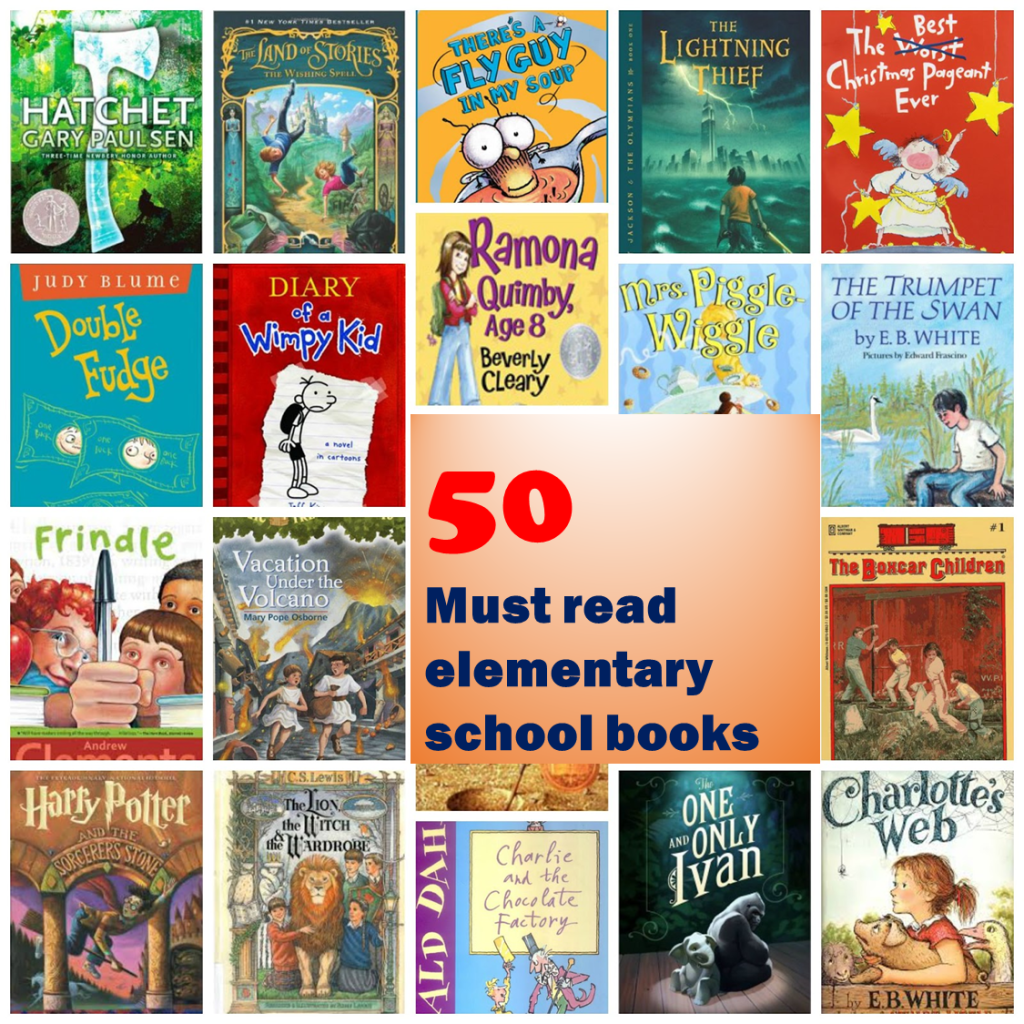
This curated list presents the great options for elementary school students that are a must-read and beloved. From timeless classics that have stood the test of generations to contemporary gems that continue to capture young hearts, these titles offer a delightful blend of imaginative storytelling, relatable characters, and valuable life lessons. Published over the years, each book has left an indelible mark on the world of children’s literature, fostering a love for reading and learning.
E.B. White’s enchanting tale of the friendship between a pig named Wilbur and a spider named Charlotte. This timeless classic, published in 1952, explores themes of loyalty, compassion, and the beauty of life’s cycles.
Harry Potter and the Sorcerer’s Stone by J.K. Rowling
J.K. Rowling’s magical debut, published in 1997, introduces readers to the wondrous world of Hogwarts and the young wizard Harry Potter. It’s a cultural phenomenon, blending elements of friendship, courage, and the battle between good and evil.
Roald Dahl’s 1988 masterpiece introduces readers to the extraordinary Matilda Wormwood. Celebrating intelligence, kindness, and the love of books, this whimsical tale continues to captivate young hearts.
Wilson Rawls’ timeless tale, published in 1961, explores the unbreakable bond between a young boy named Billy and his loyal dogs. The heartfelt story resonates with themes of love, loss, and the enduring connection between humans and animals.
Jeff Kinney’s 2007 sensation provides a comical and relatable look into the life of middle schooler Greg Heffley. The unique combination of text and illustrations has made it a literary phenomenon among young readers.
C.S. Lewis’ iconic series, starting with “The Lion, the Witch, and the Wardrobe,” transports readers to the enchanting land of Narnia. Spanning from 1950 to 1956, these tales weave together adventures, morality, and the enduring power of imagination.
Mary Pope Osborne’s educational and captivating series, spanning from 1992 to 2017, follows siblings Jack and Annie on thrilling time-traveling adventures. It seamlessly combines historical knowledge with excitement, making learning an engaging experience.
Roald Dahl’s 1982 creation introduces readers to the Big Friendly Giant and adventurous orphan Sophie. Filled with whimsy and heart, this novel celebrates friendship, dreams, and the courage to stand against injustice.
Kate DiCamillo’s 2003 masterpiece enchants readers with the story of a tiny mouse with big ears. This captivating tale explores themes of bravery, love, and the impact of small acts of kindness on a grand scale.
Percy Jackson & the Olympians series by Rick Riordan
Rick Riordan’s series, starting with “The Lightning Thief” in 2005, follows Percy Jackson, a demigod navigating challenges and battling mythological creatures. The series seamlessly blends Greek mythology with modern-day adventures, captivating readers with its mix of humor and heroism.
Madeleine L’Engle’s timeless sci-fi fantasy, published in 1962, takes readers on an interdimensional journey with Meg Murry and her friends. Exploring themes of love, courage, and the battle between light and darkness, this book continues to captivate young imaginations.
R.J. Palacio’s heartwarming tale, published in 2012, introduces August Pullman, a boy with facial differences, as he navigates the challenges of fitting in at a new school. “Wonder” emphasizes empathy, kindness, and the beauty of acceptance.
Inspired by a true story, Katherine Applegate’s novel, published in 2012, follows Ivan, a silverback gorilla, on his journey to freedom. The book explores friendship, art, and the power of hope.
Gertrude Chandler Warner’s timeless series, starting in 1924, follows the Alden siblings as they create a home in an abandoned boxcar and embark on adventures while solving mysteries. The books emphasize family bonds and resourcefulness.
Little House on the Prairie by Laura Ingalls Wilder
Laura Ingalls Wilder’s autobiographical series, beginning in 1935, recounts her pioneer family’s experiences in the American Midwest. These books provide a rich historical perspective on life, family, and resilience.
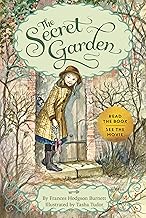
Frances Hodgson Burnett’s classic, published in 1911, tells the story of Mary Lennox, a lonely orphan who discovers a hidden, magical garden on her uncle’s estate. The novel explores themes of healing, growth, and the transformative power of nature.
Lynne Reid Banks’ magical adventure, published in 1980, unfolds when a boy discovers a small Indian figurine that comes to life. The novel explores the responsibilities of wielding power and the importance of empathy.
How to Train Your Dragon series by Cressida Cowell
Cressida Cowell’s series, spanning from 2003 to 2015, follows Hiccup Horrendous Haddock III as he befriends dragons and navigates Viking life. The books celebrate courage, friendship, and understanding.
Roald Dahl’s whimsical tale, published in 1961, follows James as he embarks on a fantastical journey inside a giant peach. The novel explores resilience, friendship, and the joy of imagination.
Beverly Cleary’s classic, published in 1965, follows Ralph, a mouse with a love for adventure, as he befriends a boy named Keith. The novel explores themes of friendship and responsibility.
Rick Riordan’s series, starting in 2005, follows Percy Jackson, a demigod and the son of Poseidon, as he navigates the challenges of being a half-blood and battles mythological creatures. The blend of Greek mythology and modern adventure captivates readers.
Roald Dahl’s classic, published in 1964, follows Charlie Bucket as he wins a golden ticket to Willy Wonka’s chocolate factory. The novel explores themes of morality and the consequences of greed.
Kenneth Grahame’s charming tale, published in 1908, follows the adventures of anthropomorphic animals, including Mole, Rat, Toad, and Badger, along the riverbank. The novel celebrates friendship and the joys of the English countryside.
Sideways Stories from Wayside School by Louis Sachar
Louis Sachar’s humorous collection, published in 1978, introduces the quirky students and teachers of Wayside School. The book’s absurd and imaginative scenarios appeal to young readers’ sense of humor.
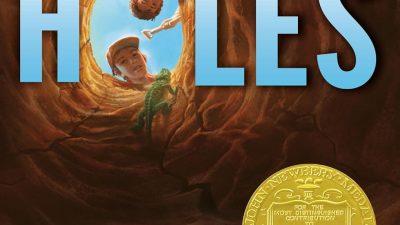
In this multi-layered novel, published in 1998, Louis Sachar weaves together the stories of Stanley Yelnats and his fellow campers at Camp Green Lake. “Holes” explores the interconnectedness of fate, justice, and friendship.
Journey alongside talking animals, brave wizards, mischievous school kids, and magical creatures as you explore themes of friendship, courage, family, and the boundless power of imagination. Whether you’re rediscovering beloved favorites or diving into new adventures, this list is a treasure trove of literary wonders that will captivate, inspire, and leave a lasting impression on the young readers in your life.
Lois Lowry’s historical fiction novel, published in 1989, tells the story of a Danish girl, Annemarie Johansen, and her family’s efforts to save Jewish refugees during World War II. The book explores themes of bravery, resistance, and compassion.
Follow the adventures of Judy Moody, a spirited and imaginative third-grader, in Megan McDonald’s series spanning from 2000 to 2018. The series captures the challenges and triumphs of elementary school life.
Meg Murry and her friends continue their cosmic adventures in Madeleine L’Engle’s series, published between 1962 and 2010. The books delve into complex themes of good versus evil, love, and the power of the human spirit.
E.B. White’s classic, published in 1945, follows the adventures of Stuart Little, a mouse born to a human family. The novel explores themes of acceptance, courage, and the importance of family.
Jacqueline Davies’ novel, published in 2007, explores the entrepreneurial rivalry between siblings Evan and Jessie during summer vacation. The book introduces financial concepts in a relatable and engaging manner.
George Selden’s tale, published in 1960, follows Chester Cricket, Tucker Mouse, and Harry Cat as they navigate the bustling life of New York City. The novel explores friendship, self-discovery, and the magic of unexpected encounters.
Laura Ingalls Wilder’s autobiographical series, spanning from 1932 to 1943, continues to enchant readers with tales of pioneer life in the American Midwest. The books offer a rich historical perspective and celebrate family bonds.
Daisy Meadows’ series, spanning from 2003 to 2021, follows the adventures of fairy friends who embark on magical quests. The books introduce young readers to themes of teamwork, friendship, and problem-solving.
Joanna Cole’s educational series, spanning from 1986 to 2010, features Ms. Frizzle and her students on science-themed adventures. The books combine humor and learning, making science engaging for young readers.
The Berenstain Bears series by Stan and Jan Berenstain
Stan and Jan Berenstain’s series follows the bear family as they navigate everyday challenges and learn important life lessons. The books offer relatable scenarios and moral guidance for young readers.
Jeff Brown’s imaginative series follows Stanley Lambchop, a boy who becomes flat and embarks on various adventures. The books explore creativity, problem-solving, and the joy of exploration.
Barbara Park’s series features the comical and outspoken Junie B. Jones as she navigates kindergarten and beyond. The books capture the humor and innocence of early childhood experiences.
Dav Pilkey’s series follows the misadventures of George and Harold as they create a superhero, Captain Underpants. The books combine humor, illustrations, and creativity to captivate young readers.
Judy Blume’s novels for young readers, including “Tales of a Fourth Grade Nothing” and “Superfudge,” explore the humorous and relatable challenges of growing up.
Marc Brown’s series, spanning from 1976 to the present, follows the aardvark Arthur Read and his friends as they navigate school and family life. The books address common childhood concerns and promote empathy.
Ann M. Martin’s beloved series follows a group of friends who start a babysitting business. The books explore friendship, responsibility, and the challenges of adolescence.
Beverly Cleary’s novel follows the adventures of Ramona Quimby as she navigates the challenges of third grade. The book captures the humor and authenticity of childhood experiences.
Michael Ende’s fantasy novel follows Bastian Balthazar Bux as he discovers a magical book that comes to life. The story explores the power of imagination and the importance of storytelling.
The adventures of Geronimo Stilton, a mouse who is also a journalist and editor, captivate young readers with humor, mystery, and educational elements.
Peggy Parish’s series features the literal-minded housekeeper Amelia Bedelia as she navigates various humorous misunderstandings. The books entertain and introduce wordplay to young readers.
R.L. Stine’s series of spooky and suspenseful stories have thrilled young readers for decades. The books offer a thrilling introduction to the horror genre while maintaining age-appropriate content.
Roald Dahl’s novella follows an eight-year-old girl with a magic finger that causes unexpected consequences. The story explores themes of empathy, understanding, and the impact of one’s actions.
Beverly Cleary’s series follows the adventures of Henry Huggins and his mischievous dog, Ribsy. The books capture the humor and challenges of childhood friendships.
Donald J. Sobol’s series features Leroy Brown, a young detective known as Encyclopedia Brown, as he solves mysteries in his hometown. The books encourage critical thinking and deductive reasoning.
Jenny Nimmo’s series follows Charlie Bone, a boy with magical abilities, as he attends a school for gifted individuals. The books blend fantasy, mystery, and adventure in a magical setting.
ⓘ When you purchase through links on our site, we may earn an affiliate commission. Picture this: It’s past midnight, squinted eyes scanning endless lists of children’s books. Tonight’s mission? Finding that perfect…
Unlock your child’s potential with the best 10 books to learn coding for kids aged 8-12. Discover fun, engaging resources to spark interest in programming and develop critical skills.
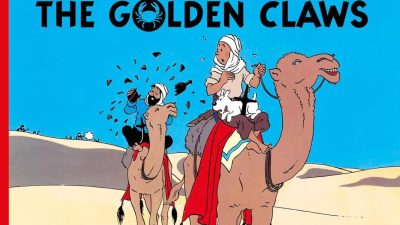
Discover the best 7 Tintin titles for kids aged 5-10. These classic graphic novels ignite a love for reading with global adventures, mystery, and stunning visuals.
Discover the best 7 Asterix titles for elementary age kids aged 5-10. Engage young readers with humor, history, and adventure in these classic graphic novels.
Explore the world from home! Discover the best travel books for elementary age kids (ages 5-10) to spark curiosity, foster empathy, and inspire adventure. Find top picks for young readers.
Discover the best classic chapter books for kids ages 5-7! Foster a love of reading with timeless tales perfect for early readers, building vocabulary, and imagination.
Discover 20 award-winning books perfect for 5th graders (ages 9-11). Foster a love for reading with acclaimed fiction, adventure, and coming-of-age stories for your child.
Discover the best award-winning books for 3rd and 4th graders (ages 7-9). Boost imagination, critical thinking, and empathy with these acclaimed stories.
Discover 20 award-winning books for 1st & 2nd graders, perfect for ages 5-7. Inspire a love for reading with these acclaimed stories, fostering vocabulary, comprehension, and empathy.
Discover the best award-winning children’s books for toddlers & preschoolers (ages 2-5). Foster a love for reading with these beloved classics and celebrated stories.