
Ranked – Best family-friendly beaches in Aruba
ⓘ When you purchase through links on our site, we may earn an affiliate commission.
Contents
hide
Planning a family beach trip to Aruba promises warm sun and clear waters, but selecting the right beach for your crew requires thoughtful consideration. Aruba’s western coast offers a variety of serene, shallow bays, ideal for younger children, while other spots feature vibrant marine life perfect for older kids and beginner snorkelers. The key is understanding how each beach’s characteristics align with your family’s needs and activity levels. This is where Assessing Your Options for Beaches in Aruba becomes crucial.
Families often face challenges like unexpected crowds, rough afternoon surf, long walks from parking with gear, or a surprising lack of shade. These small details can significantly impact a day at the beach, turning relaxation into frustration. Knowing what to expect and how to prepare is crucial for a smooth and enjoyable experience, especially when traveling with children of different ages and swimming abilities.
Choosing the right beach in Aruba isn’t about finding the “best” in a generic sense, but rather the best fit for your family. A beach that delights a toddler with its calm, knee-deep water might bore a pre-teen seeking snorkeling adventures. Conversely, a fantastic snorkeling spot might have a rocky entry unsuitable for infants. Our goal is to equip you with the practical knowledge needed to confidently select the perfect Aruban beach for your family’s unique preferences, helping you with Assessing Your Options for Beaches in Aruba effectively.
Why Beach Choice Matters for Families
Not all beaches in Aruba are interchangeable, despite the island’s consistent reputation for beautiful shorelines. Understanding the distinct differences between them is essential for a successful family outing. What works for a couple seeking solitude might not be practical for a family with a stroller and a cooler, highlighting the importance of Assessing Your Options for Beaches in Aruba for specific needs.
Beaches range from the consistently calm, wave-sheltered stretches along the western coast to the more dynamic, sometimes wave-heavy shores found elsewhere. Many popular family beaches offer gradual, sandy entries, perfect for bare feet and cautious waders, while others feature rocky patches or coral beds right at the shoreline, which are great for snorkeling but may require water shoes. This variety means that a beach suited for a toddler’s first dip might not offer the adventure an older child seeks.
Accessibility also varies, with some beaches having extensive, paved parking lots just steps from the sand, and others requiring a short drive down a dirt road or a 10-minute walk. Furthermore, facilities can differ greatly; some beaches boast restrooms, showers, and nearby food options, providing convenience for a full day out. In contrast, many of Aruba’s more natural coves are completely undeveloped, meaning you need to be entirely self-sufficient. Recognizing these key distinctions allows you to plan effectively and avoid any unwelcome surprises, ensuring your chosen beach truly meets your family’s expectations for comfort and enjoyment.
The Kiddometer Approach
When selecting a beach in Aruba, we encourage families to adopt a methodical approach that prioritizes comfort, safety, and suitability for all members. The primary step is to match the beach type to your child’s age and swimming comfort level. Toddlers and non-swimmers require very shallow, consistently calm water with soft sand, while older children might prefer areas with gentle waves or accessible snorkeling opportunities, such as those found on the best snorkeling beaches in Aruba for kids.
Beyond the scenery, thoroughly consider the logistics of your beach day. This includes evaluating the availability and proximity of parking, the ease of access to the sand (avoiding long walks with gear), the presence of natural or rentable shade, and the convenience of nearby restrooms or food vendors. These practical elements often dictate the overall enjoyment of your visit more than just the aesthetics of the sand and sea.
Finally, plan your visit around timing. Morning conditions on Aruba’s leeward side are generally the calmest, with lighter winds and fewer crowds, making it ideal for peaceful wading and sunbathing. Weekday visits outside of peak season often provide a more relaxed experience. Understanding how wind patterns and crowd levels fluctuate throughout the day and week will help you optimize your beach excursion for maximum family fun.
What Makes a Beach “Family-Friendly” in Aruba
When we classify an Aruban beach as “family-friendly,” we look beyond just soft sand and clear water. Our criteria focus on practical elements that ensure comfort, safety, and enjoyment for all ages, making it easier for families in Aruba to plan their trip. Foremost are the water conditions, which should be consistently calm, clear, and shallow, allowing young children to wade safely while parents easily supervise.
We assess how far the water remains knee-deep, ensuring a predictable environment for play. The entry type is another critical factor; a gentle, entirely sandy slope into the ocean is ideal for toddlers and those with sensitive feet. We note if the entry involves small pebbles, broken coral, or sudden drop-offs. For beaches with rougher entry, we recommend consulting our guide on best kids’ water shoes for rocky beaches.
Safety factors include minimal undertows, good water visibility for spotting marine life or potential hazards, and sheltered coves that offer protection from stronger currents. These elements are key for peace of mind when children are playing in the water. Clear water also means better chances of spotting fish and other marine life, which can be exciting for kids.
Amenities play a significant role in convenience. We consider the availability of public restrooms, outdoor showers, and nearby food vendors or snack shacks within a five-minute walk. Shade options, whether natural from divi-divi trees or available for rent (umbrellas, palapas), are also important to protect from the strong sun. Lastly, accessibility is key, focusing on ample, free parking close to the beach entry, ensuring a short and easy walk to the sand, especially when carrying bags and young children. Most public beaches in Aruba do not require entry fees or permits.
Good to Know
Morning vs. afternoon conditions: Water on the western coast of Aruba is typically calmer in the mornings, with less wind and smaller waves, often under 1 foot. Afternoons can see increased wind and chop, making it less ideal for very young children or sensitive swimmers. Planning morning visits can often lead to a more relaxed experience for families.
Weekday vs. weekend crowds: Popular beaches, especially those near resorts, will experience significantly higher visitor numbers on weekends and during school holidays. Arriving before 10 AM on any day helps secure a good spot with more space, allowing your family more room to spread out and play.
Seasonal differences: Aruba’s climate is consistently warm year-round with minimal seasonal variation in temperature or rainfall. However, the peak tourist season (mid-December to May) naturally brings more crowds and higher demand for beach facilities, meaning you’ll need to plan a bit more to secure your preferred spot.
Consistent environmental factors: Expect a consistent easterly trade wind across the island, which provides cooling but can also kick up sand. The leeward side (western coast) is well-protected, offering the calmest waters, while the windward (eastern) side has stronger currents and waves unsuitable for family swimming. Always consider these wind patterns when Assessing Your Options for Beaches in Aruba.
A Few Well-Known Beaches Families Ask About
Families frequently inquire about several prominent beaches in Aruba, each offering distinct characteristics for different preferences. When Assessing Your Options for Beaches in Aruba, these commonly discussed spots often come up.
Arashi Beach, located on the northwestern tip, is often noted for its generally calm, clear, and shallow water, making it a reliable spot for children to wade. It’s a good place for beginner snorkelers, and you can find more details in our guide on snorkeling Arashi Beach with kids. However, natural shade is quite limited here, so bringing your own umbrella is recommended, and the parking lot can become quite full by late morning, especially on weekends.
Malmok Beach, a short drive south of Arashi, is another popular choice, featuring relatively clear, waist-deep water close to shore that’s good for beginner snorkelers. Our snorkeling Malmok Beach with kids guide offers more specific tips. The shoreline here can be a mix of fine sand and small stones, which means water shoes are advisable for comfortable entry, particularly for sensitive feet. It’s less developed than resort beaches, offering a quieter experience.
Mangel Halto, situated south of Oranjestad, offers a unique experience with its calm, shallow areas protected by mangroves and vibrant coral formations slightly offshore. While excellent for snorkeling—you can learn more in our snorkeling Mangel Halto with kids guide—access to the water requires navigating a few rocky steps. Finding convenient parking can be challenging along the narrow residential street, making it less ideal for families with lots of gear or very young toddlers.
Other notable spots include Boca Catalina and Catalina Cove, which are also excellent for families looking for calm waters and snorkeling opportunities. When considering these and other options, remember that each beach has its own character, and matching that character to your family’s needs is the best way to ensure an enjoyable day. Want a custom plan? Use our personalized Itinerary Generator for Aruba!
The Reality Check (What to Watch Out For)
Beaches in Aruba are not all the same, even when they are close to each other. Conditions, access, and crowd levels can change a lot, and these differences matter more when visiting with kids. A beach that appears serene online might present practical challenges in person, impacting your family’s overall experience, thus stressing the importance of Assessing Your Options for Beaches in Aruba thoroughly.
Limited parking or long walks: While many popular beaches have ample parking, some of Aruba’s hidden gems or less-developed spots offer only roadside parking. This can lead to a walk of 5 to 10 minutes or more to reach the sand, which becomes cumbersome when juggling beach bags, coolers, and small children. Always factor in the distance from parking to the sand.
Rough afternoon water conditions: Although Aruba’s western beaches are largely protected, the consistent trade winds can pick up significantly in the afternoon. This often results in choppier water and larger waves, which can be less comfortable for small children or those new to swimming. For calmer experiences, mornings are generally more reliable.
Lack of shade or facilities: Several of Aruba’s beautiful, natural beaches lack significant natural shade from trees. Without your own beach umbrella or pop-up tent, prolonged exposure to the strong Aruban sun can be a concern. Access to public restrooms or food vendors is also not universal, requiring proactive planning by packing your own supplies.
Crowds during peak travel times: During high season (typically December to May) and on weekends, the most accessible and well-known beaches can become quite busy. This can reduce available space, make finding a quiet spot challenging, and lead to longer waits at any existing facilities. Arriving early is often the best strategy during these periods.
Amenities, Facilities, and Expectations
Setting realistic expectations for beach amenities and facilities in Aruba is key to avoiding disappointment. The larger, resort-backed beaches, such as Palm Beach, typically offer a full suite of services, including public restrooms, changing facilities, and numerous beachfront restaurants and bars. Here, you can also often find rentals for chairs, umbrellas, and various water sports, providing maximum convenience for families.
However, many of Aruba’s charming smaller coves and northern beaches fall into the “bring everything yourself” category. These more secluded spots, while offering peace and natural beauty, will not have onsite restrooms, food stalls, or equipment rentals. Families visiting these locations must pack all their own water, snacks, towels, and trash bags to maintain cleanliness. This preparation is essential when planning your Aruba family trip.
Shade availability is another variable to consider. While some beaches have scattered divi-divi trees providing limited natural cover, many popular areas, especially those further north, offer minimal tree shade. For extended beach stays, particularly with young children, renting an umbrella or bringing a portable sun shelter is frequently a necessity to protect against the intense midday sun. Plan accordingly to ensure comfort and safety.
Don’t Leave Home Without…
When preparing for your family beach days in Aruba, a few key items will significantly enhance your comfort and enjoyment. Being well-equipped means you can focus on the fun and relaxation, rather than unexpected inconveniences.
- Reef shoes or water shoes: Essential for comfortable movement on beaches with rocky entries, coral fragments, or pebbly sections, which are common in many snorkeling spots. They protect feet from sharp objects and make wading easier, especially for kids. Refer to our guide on best kids’ water shoes for rocky beaches for recommendations.
- Shade solutions: A lightweight, portable beach umbrella or a small pop-up sun tent provides crucial relief from the strong Aruban sun, as natural shade from trees is often sparse. This is particularly important for protecting young children from direct sunlight during prolonged beach visits.
- Snacks and water: Always carry ample bottled water to stay hydrated in the warm climate. Pack easy-to-eat, non-perishable snacks for kids, as food vendors may not be present at all desired beach locations, especially at less developed coves.
- Towels and change of clothes: Bring enough quick-drying towels for everyone, plus extra for sandy feet. A change of clothes for each family member is helpful for the ride back to your accommodation, keeping car seats sand-free and ensuring comfort.
- Simple gear for kids (floaties, goggles): For younger children, inflatable armbands, a swim vest, or a small life jacket provide added safety and confidence in the water. Goggles allow children to explore the clear, shallow water and spot fish even without full snorkeling gear; for older kids interested in more, check our best kids’ snorkels for family snorkeling guide.
Useful resources.
- Ranked: Best Family Beaches in Aruba
- Best Snorkeling Beaches in Aruba for Kids
- Snorkeling Boca Catalina, Aruba with Kids
- Snorkeling Mangel Halto, Aruba with Kids
- Snorkeling Arashi Beach, Aruba with Kids
- Snorkeling Catalina Cove, Aruba with Kids
- Snorkeling Malmok Beach, Aruba with Kids
- Aruba Family Travel Guide
- Best Kids’ Water Shoes for Rocky Beaches Guide
- Best Kids’ Snorkels for Family Snorkeling Guide
- Wikivoyage page on Aruba
Plan a trip your kids will actually enjoy.
Answer a few quick questions and get a free, personalized itinerary tailored to your destination and your children’s ages. No account required — your custom plan is ready in moments.
Create My Free Family Plan
1
Eagle beach
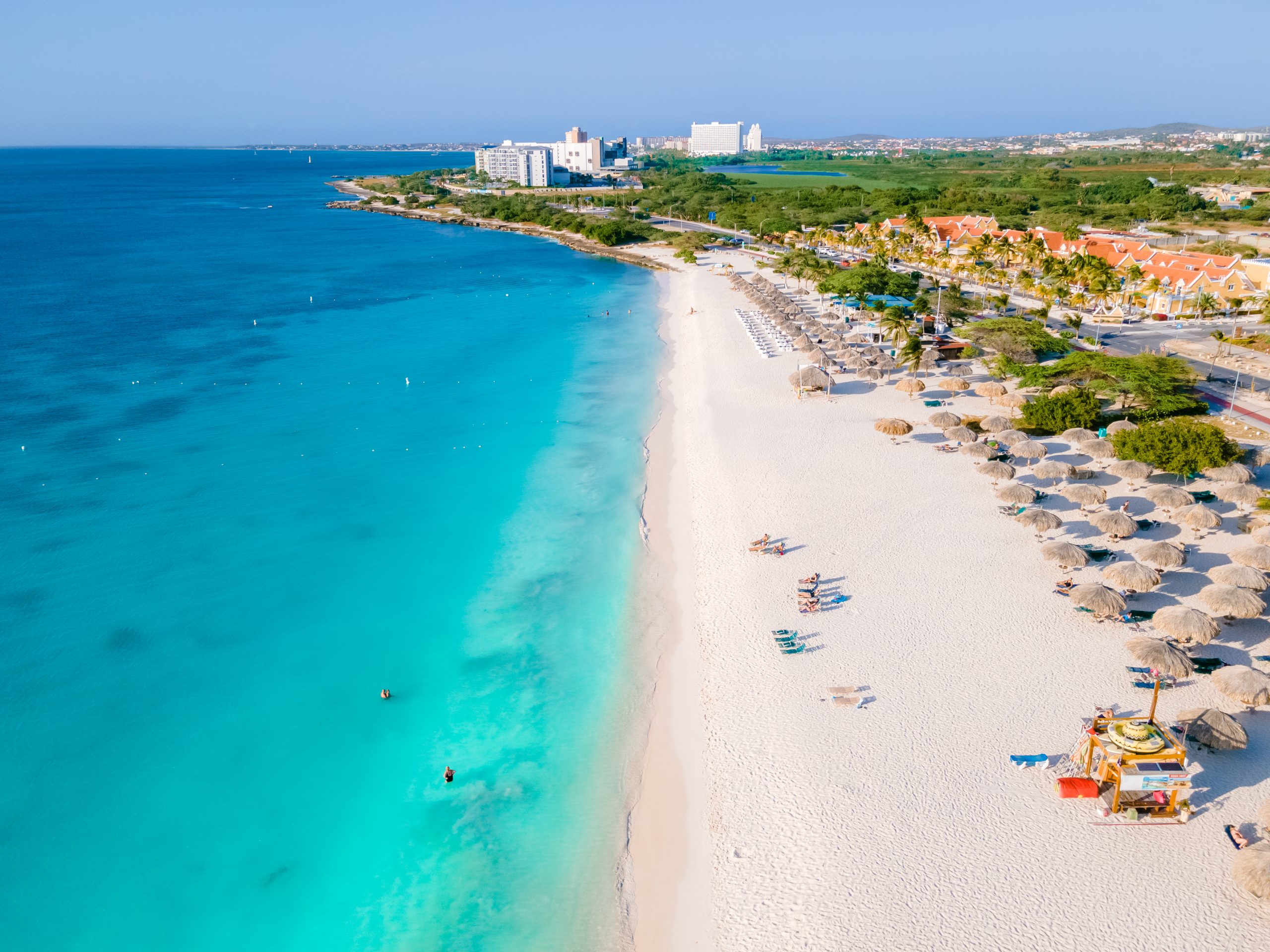
Eagle Beach is a serene and expansive stretch of soft, white sand renowned for its beauty and tranquility. Frequently listed among the world’s top beaches, it offers calm waters ideal for swimming and snorkeling. Eagle Beach is also famous for its Divi Divi trees, which provide natural shade and are a favorite photo spot. This beach is perfect for a peaceful day in the sun, with fewer crowds and a more laid-back atmosphere.
2
Manchebo beach
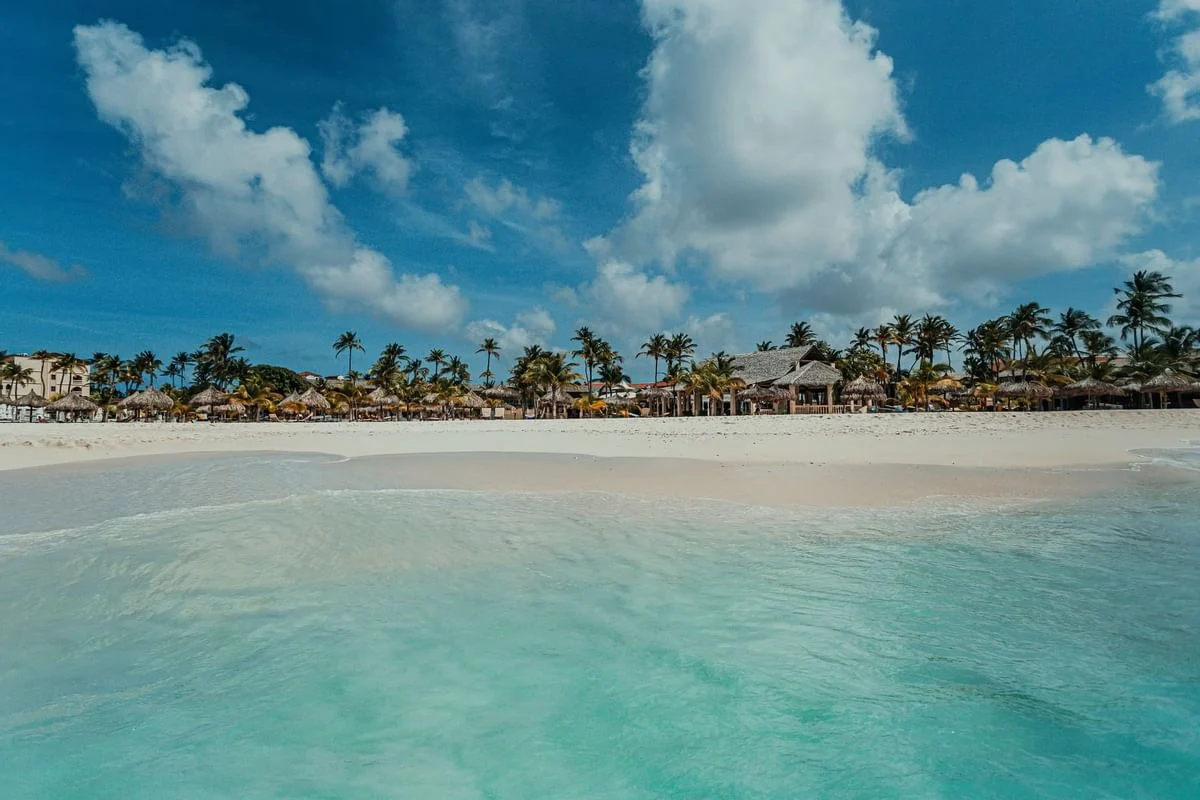
Manchebo Beach is a wide, tranquil beach known for its beautiful sunsets and relaxed atmosphere. Located near several low-rise resorts, it offers a quieter alternative to the busier Palm Beach. The calm waters and expansive sandy shore make it perfect for swimming, sunbathing, and beach yoga. Manchebo Beach is a haven for those seeking a peaceful and picturesque beach experience.
3
Arashi beach
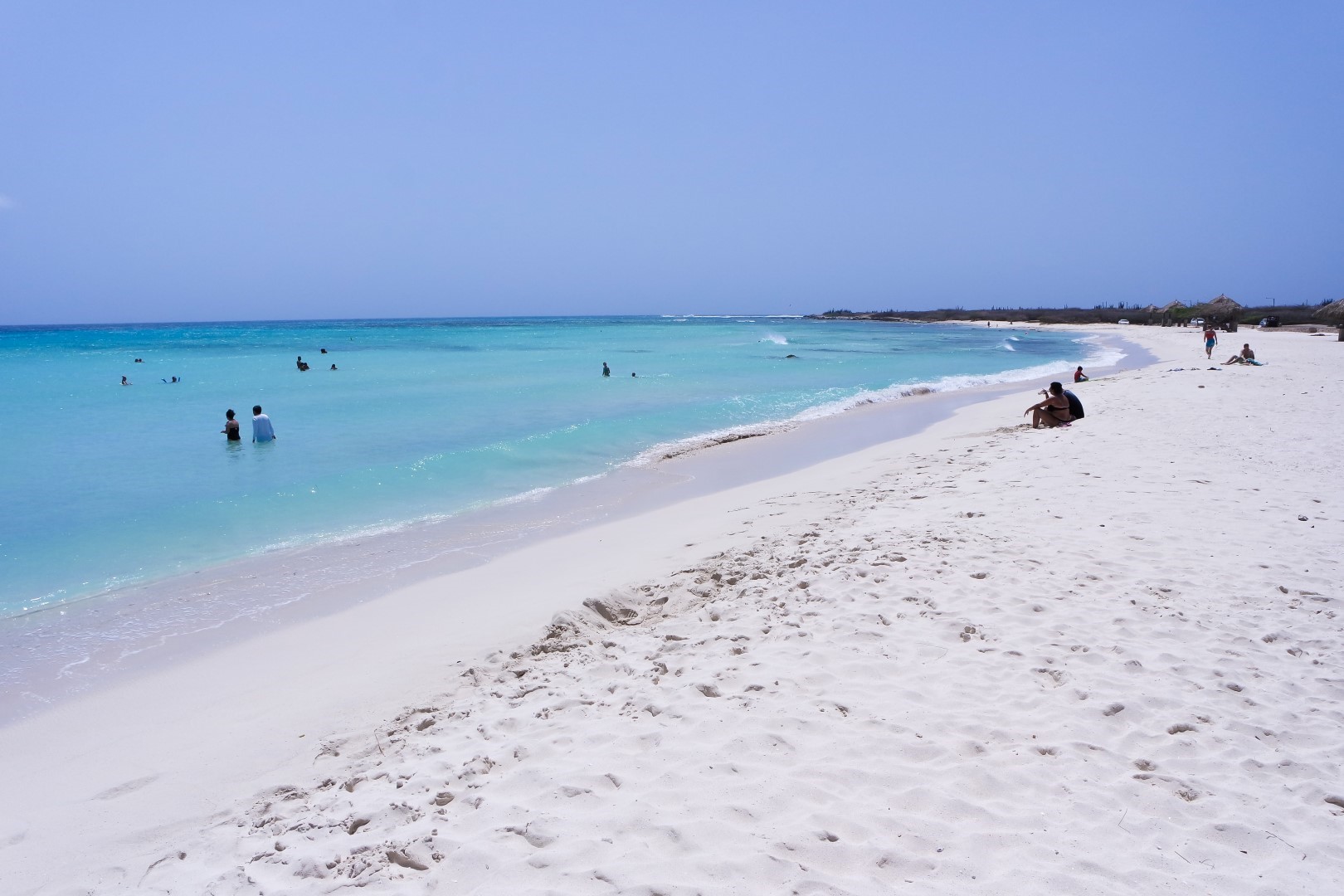
Located near the California Lighthouse, Arashi Beach is a picturesque spot known for its clear waters and excellent snorkeling opportunities. The gentle waves and abundant marine life make it a favorite among both locals and tourists. With its pristine conditions and scenic surroundings, Arashi Beach is ideal for a relaxing day of sunbathing or exploring the underwater world.
4
De Palm Island beach
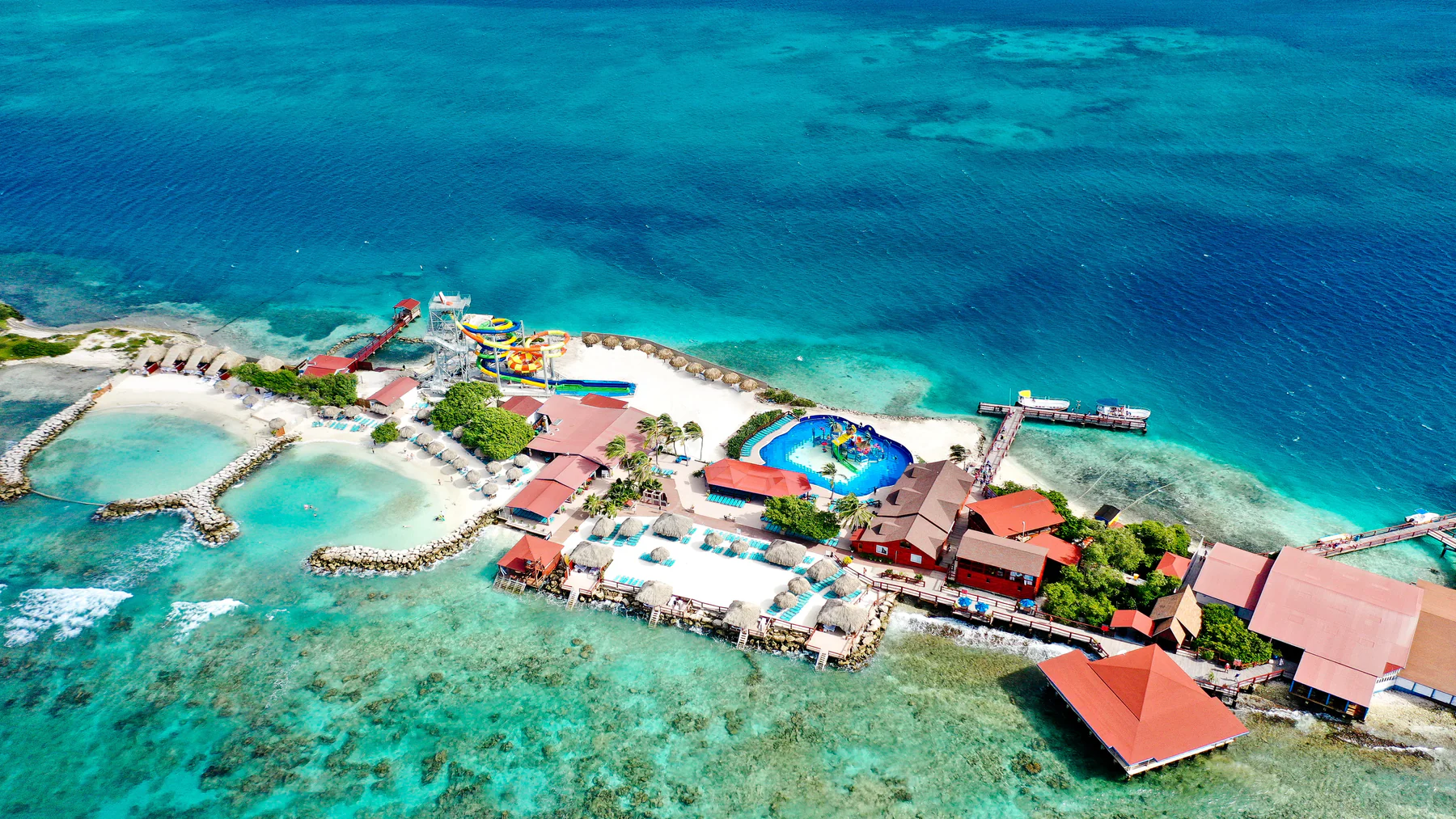
De Palm Island Beach offers an all-inclusive island experience with a variety of activities and amenities. The private island features beautiful beaches, snorkeling opportunities, water parks, and dining options. It’s an ideal destination for families and groups looking for a fun-filled day of adventure and relaxation. The island’s clear waters and sandy shores provide a perfect setting for a memorable beach day.
5
Baby beach San Nicolas
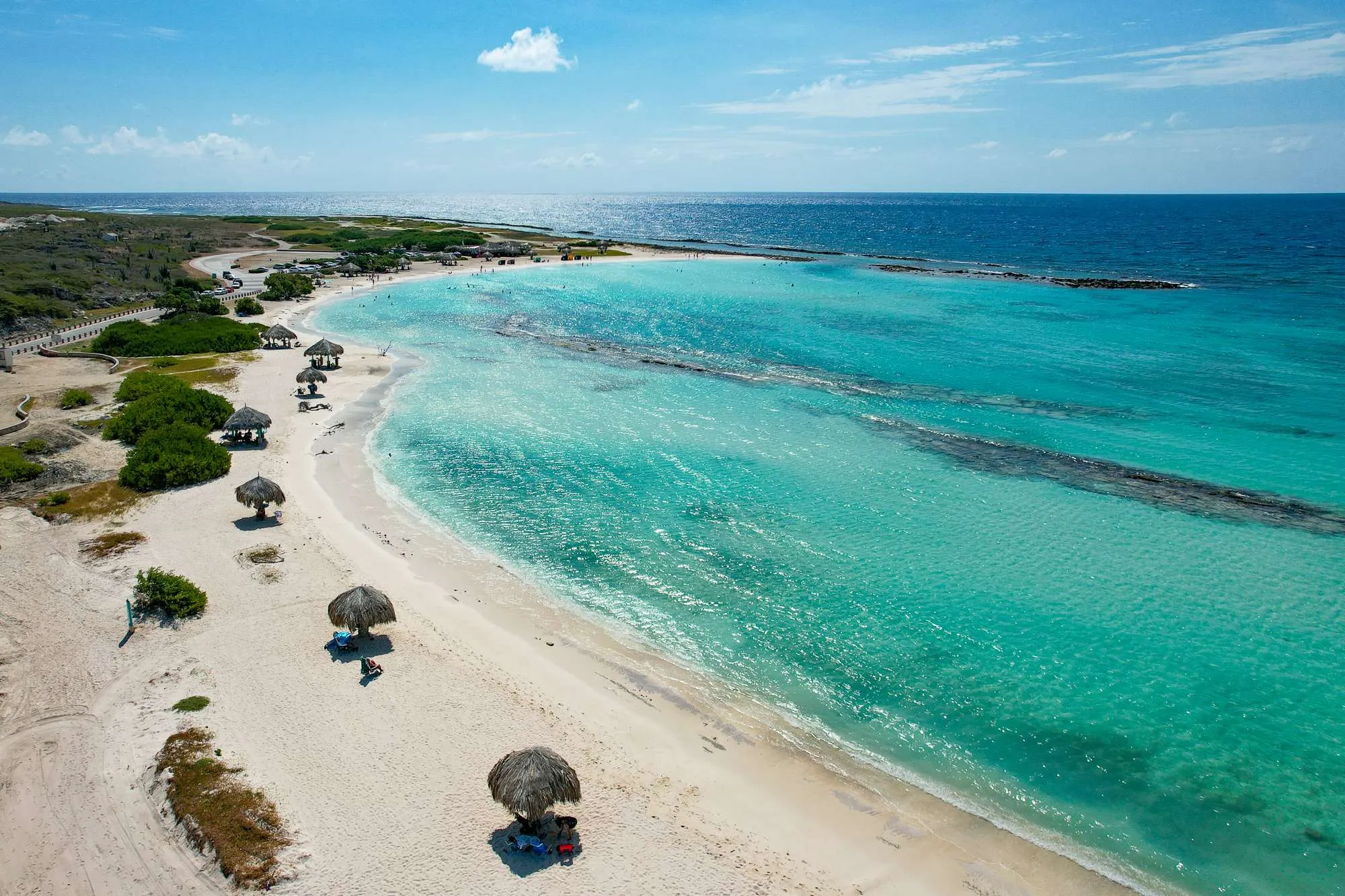
Baby Beach in San Nicholas is a family-friendly lagoon with shallow, calm waters, making it perfect for young children and inexperienced swimmers. The crescent-shaped beach is great for snorkeling, with colorful fish often visible just a few feet from the shore. Its serene environment and clear waters provide a safe and enjoyable experience for families looking to spend a day at the beach.
6
Divi beach
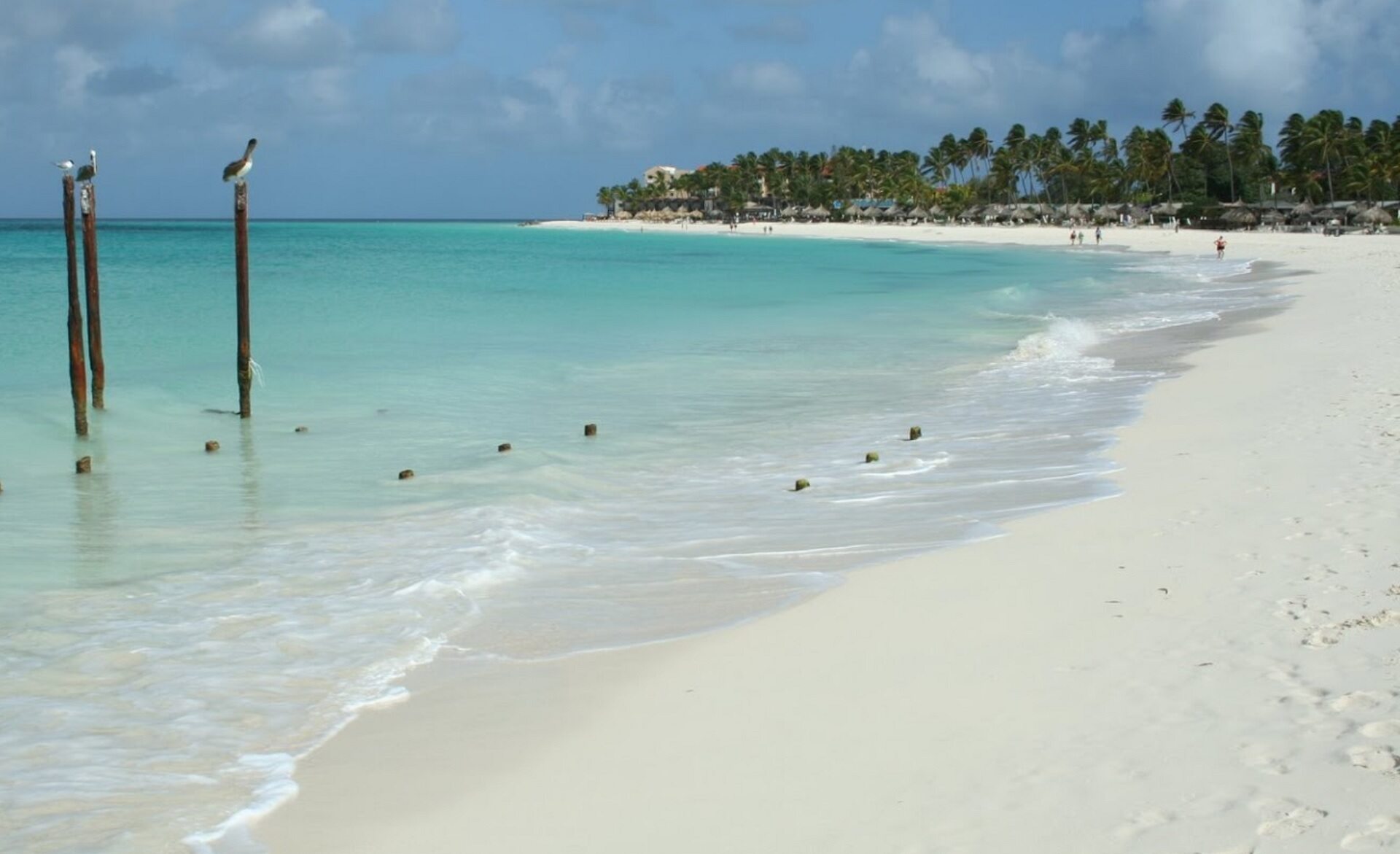
Divi Beach is a tranquil and picturesque beach located near the Divi Village Golf and Beach Resort. The calm waters and soft white sand make it a great spot for swimming and sunbathing. The beach is known for its relaxed atmosphere and beautiful surroundings, offering a perfect setting for a peaceful beach day. Divi Beach is ideal for those looking to unwind and enjoy the natural beauty of Aruba.
7
Malmok beach
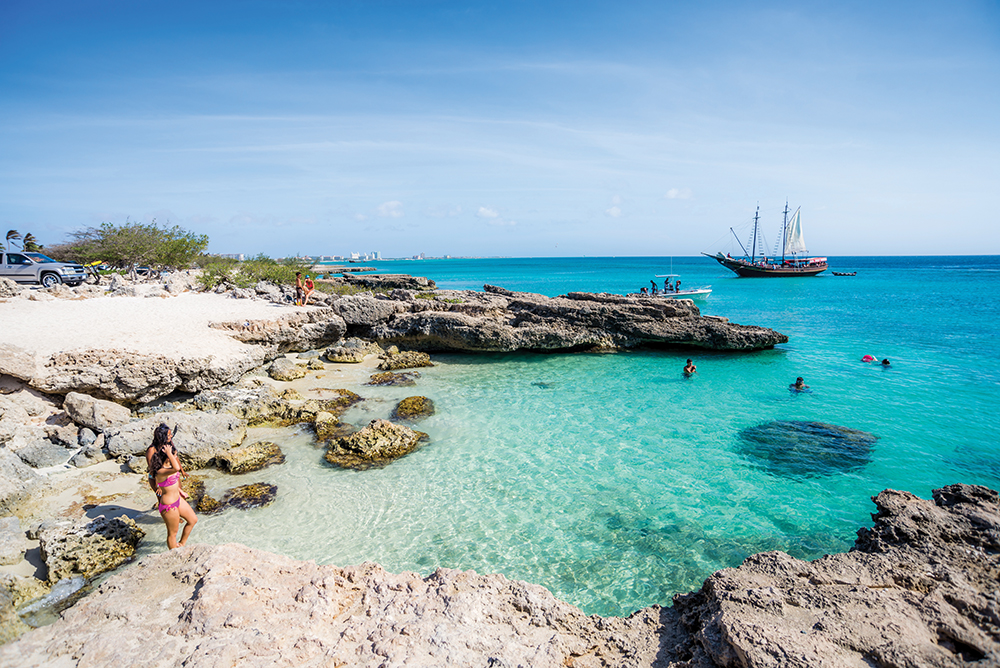
Malmok Beach is a narrow strip of beach with rocky limestone formations and clear, shallow waters. It’s a prime spot for snorkeling and diving, with vibrant marine life and coral reefs close to the shore. The beach’s unique landscape and excellent underwater visibility make it a favorite among adventure seekers and nature lovers.
8
Renaissance beach
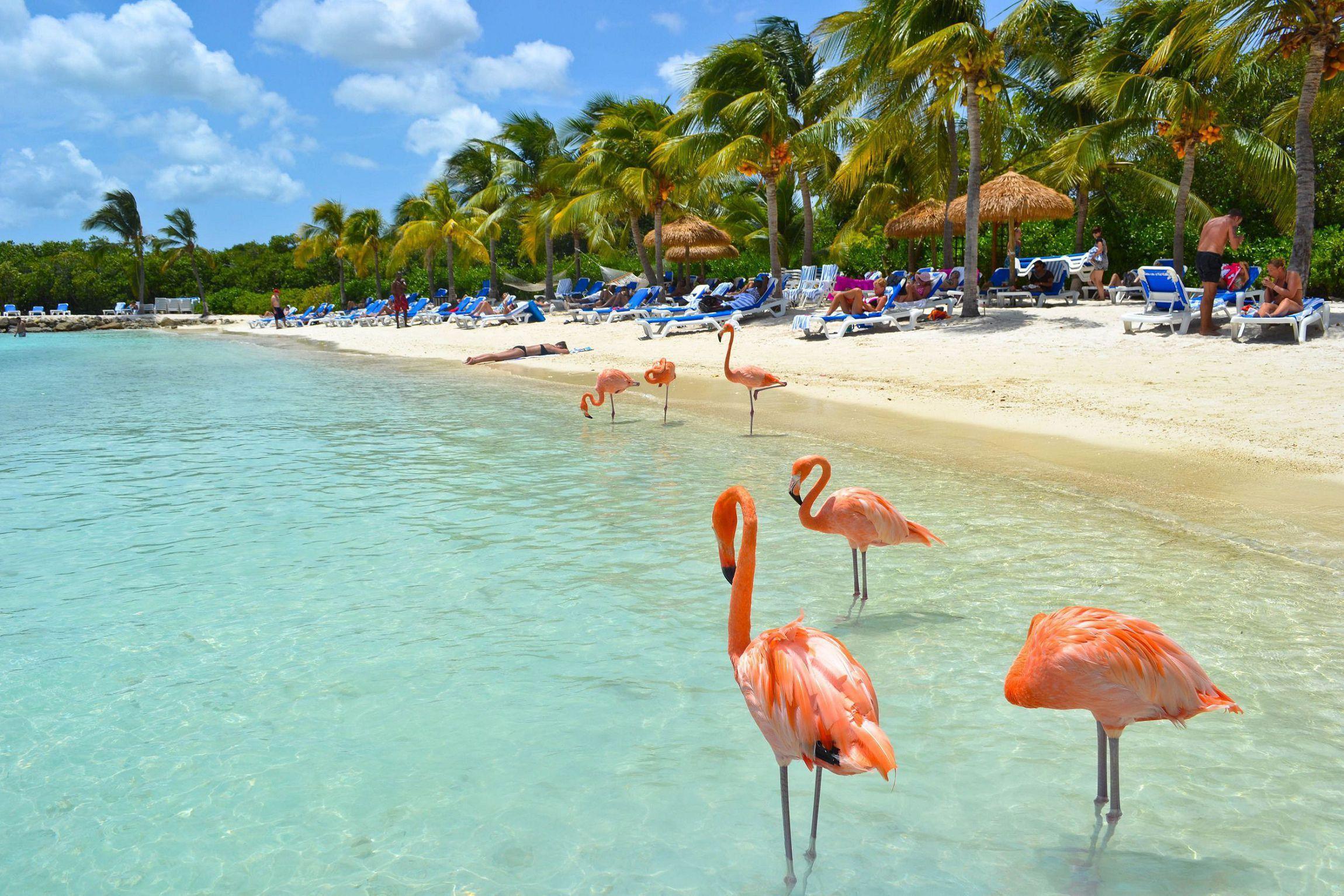
Renaissance Beach, part of the Renaissance Aruba Resort, is famous for its unique Flamingo Beach, where pink flamingos freely roam. This private beach offers a luxurious and exclusive experience, with crystal-clear waters and soft white sand. Visitors can relax in cabanas, enjoy water sports, or simply bask in the sun alongside the resident flamingos.
9
Palm beach
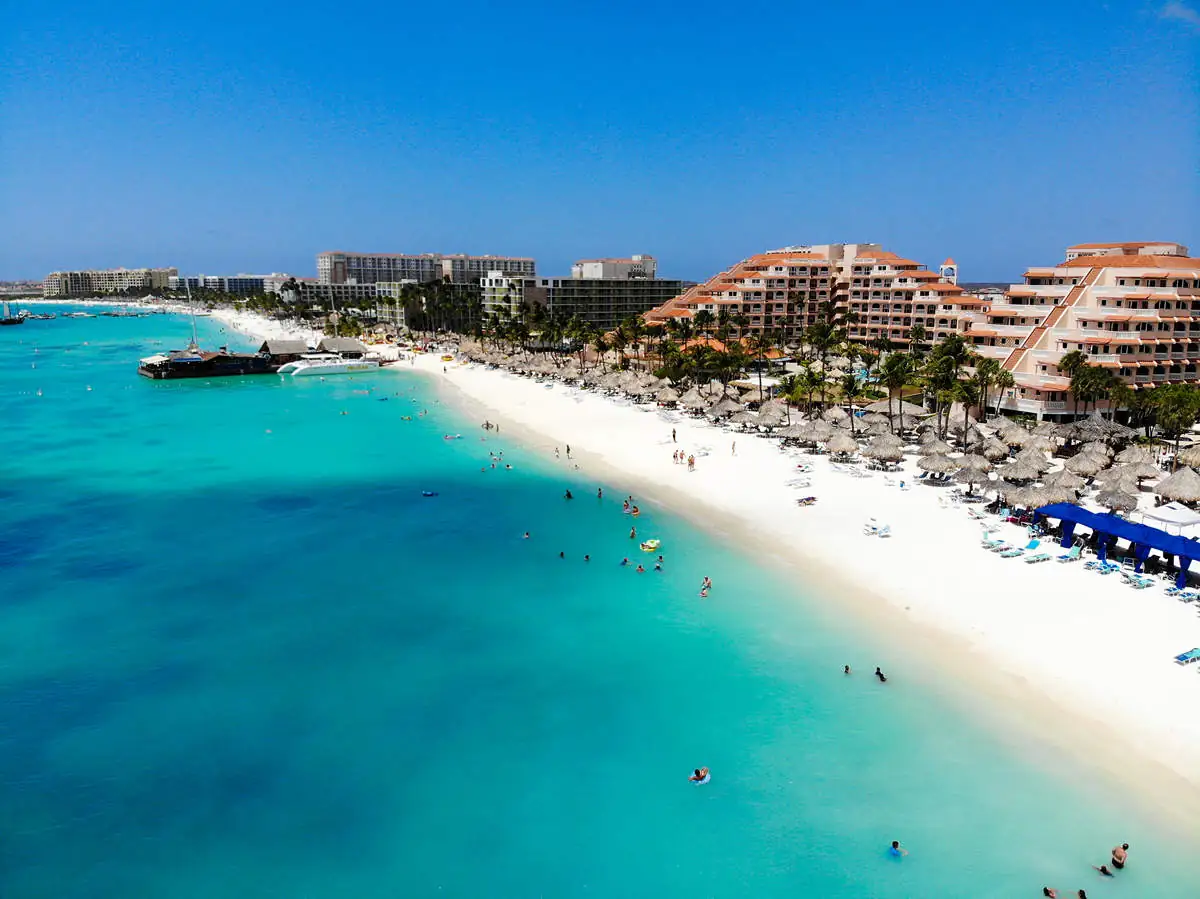
Palm Beach is a bustling hotspot in Aruba, known for its sparkling turquoise waters and white sandy shores. This lively beach is lined with high-rise resorts, making it perfect for visitors seeking both relaxation and entertainment. Watersports are abundant here, from jet skiing to parasailing, and the nearby Palm Beach Plaza offers shopping and dining options. As the sun sets, the beach transforms into a vibrant nightlife scene with beachfront bars and live music.
10
Mangel Halto beach
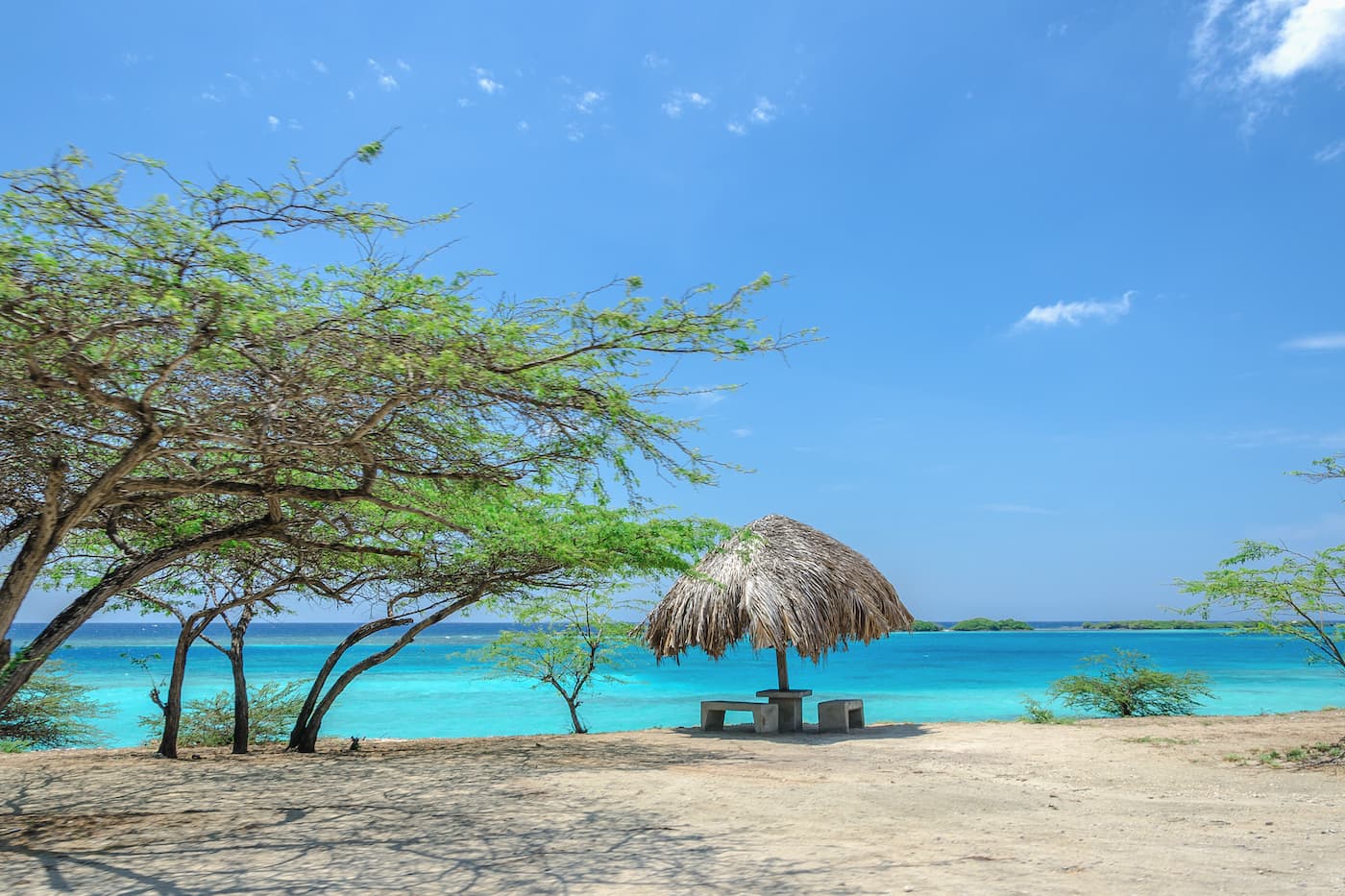
Mangel Halto Beach is a hidden paradise known for its shallow waters and lush mangroves. The beach offers excellent snorkeling and kayaking opportunities, with diverse marine life and coral reefs. The serene and picturesque surroundings make it a perfect spot for a peaceful day in nature. Mangel Halto Beach is a favorite among locals and visitors seeking tranquility and natural beauty.
11
Boca Catalina beach
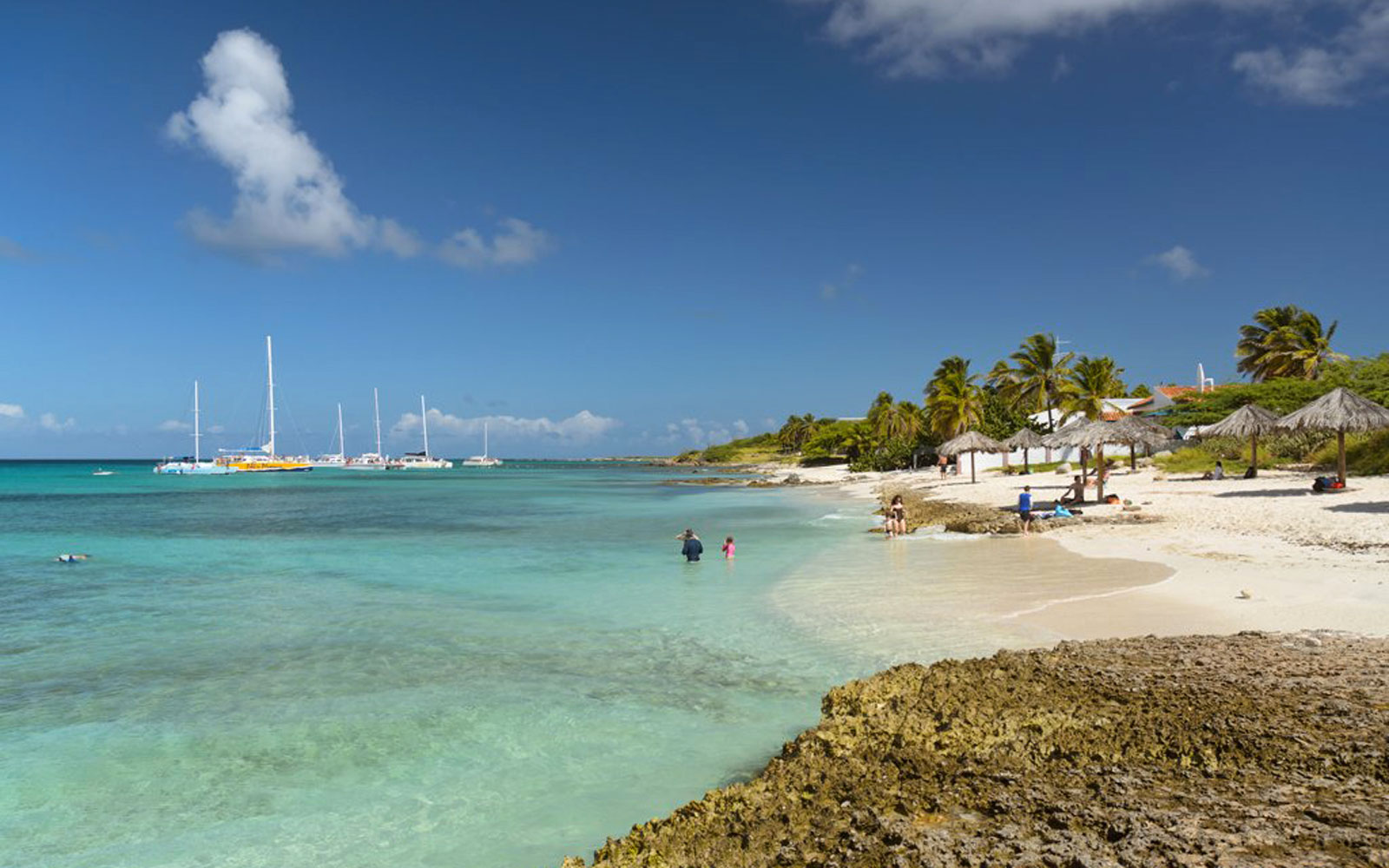
Boca Catalina Beach is a small, secluded beach known for its excellent snorkeling opportunities. The clear waters and abundant marine life make it a popular spot for underwater exploration. The beach is less crowded than others, offering a more intimate and serene environment. It’s a great place to relax, swim, and discover the vibrant underwater world.
12
Grapefield beach
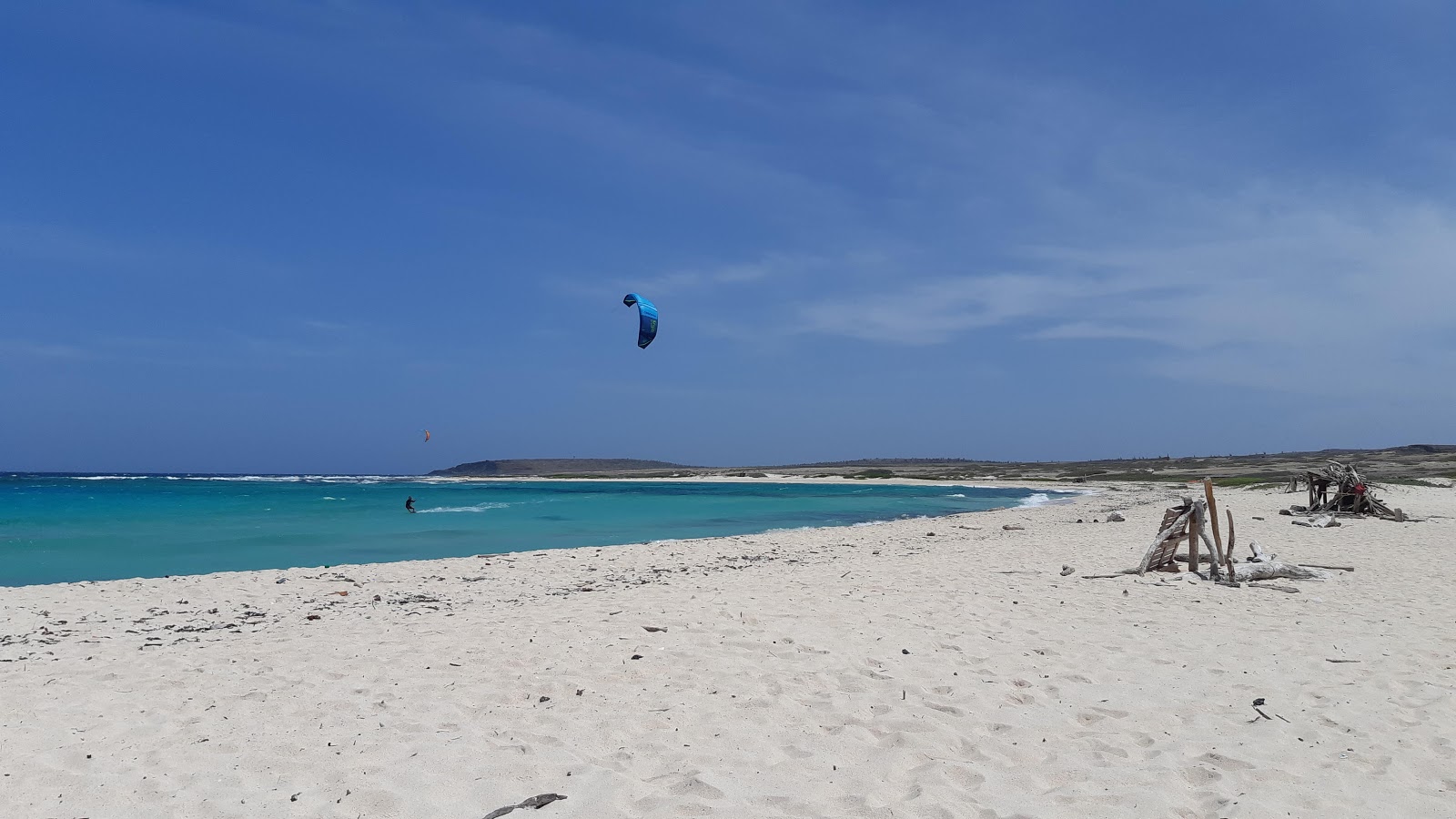
Grapefield Beach is a secluded and pristine beach located on the eastern coast of Aruba. Known for its natural beauty and rugged landscape, it’s a great spot for surfing and bodyboarding. The beach’s remote location and powerful waves provide a sense of adventure and solitude. Grapefield Beach is perfect for those seeking an off-the-beaten-path experience.
13
Tres trapi beach
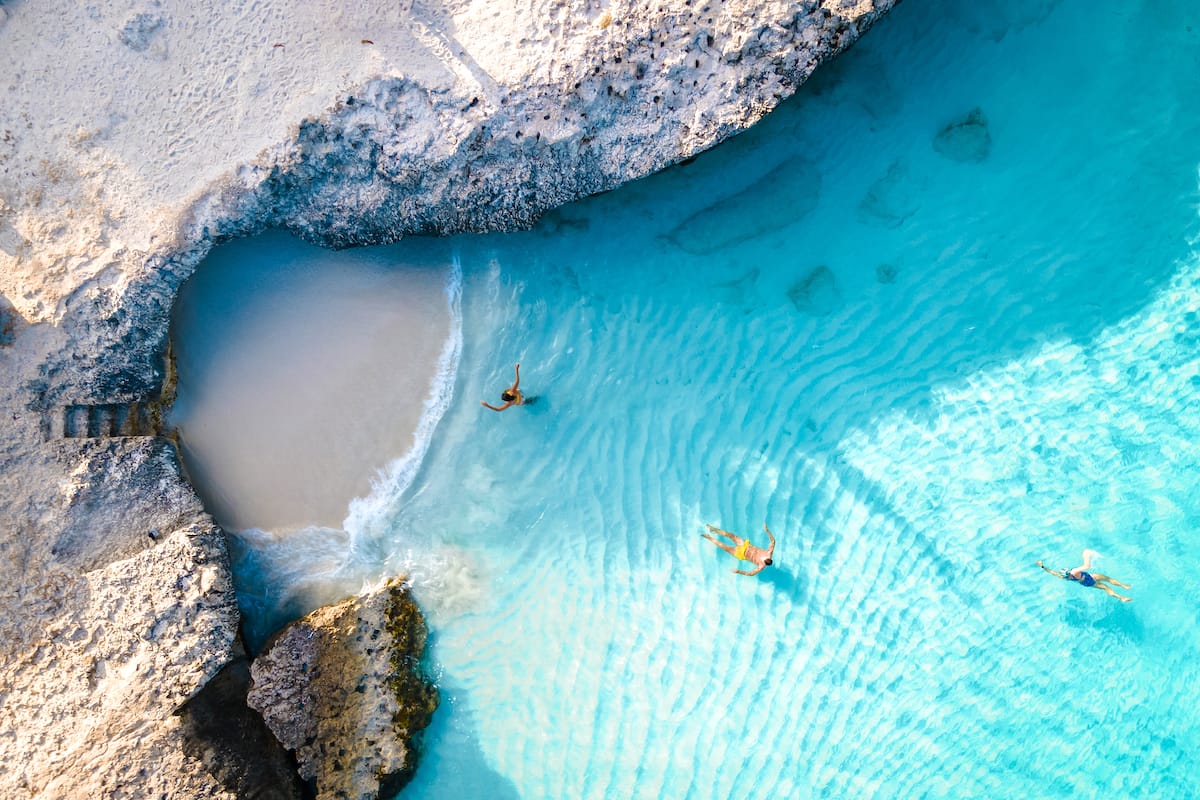
Tres Trapi Beach, meaning “Three Steps Beach,” is a small, rocky beach known for its excellent snorkeling. Accessible by a set of stone steps carved into the rock, the beach offers clear waters and vibrant marine life. It’s a popular spot for underwater photography and snorkeling enthusiasts looking to explore the island’s underwater beauty.
14
Iguana beach
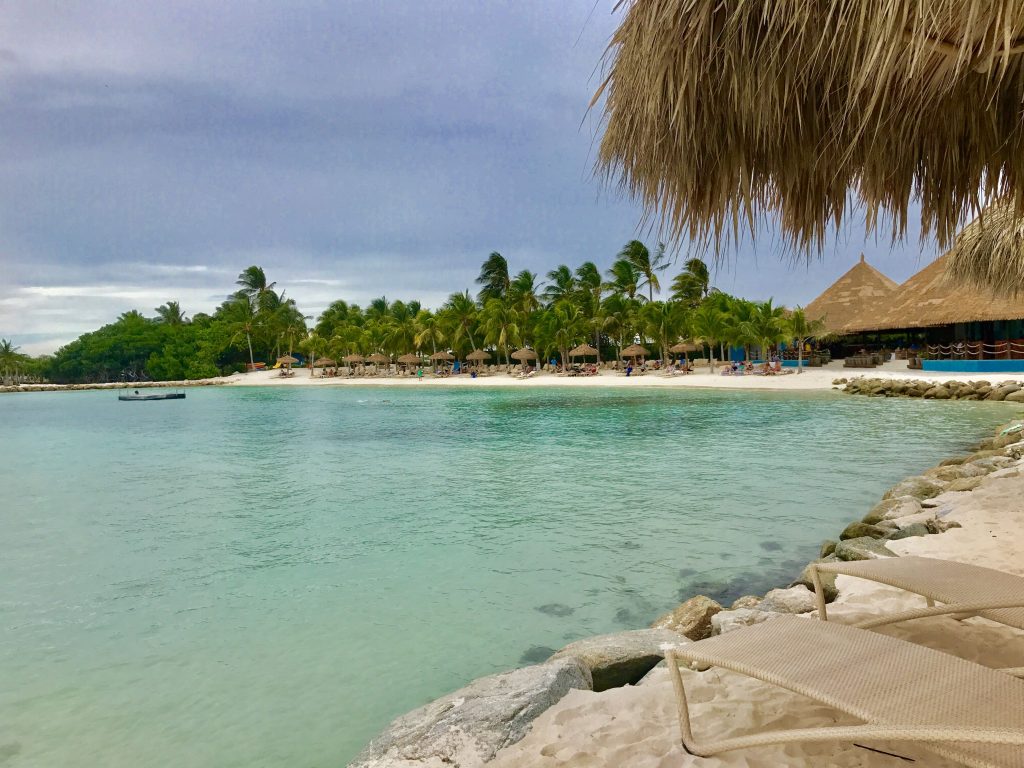
Iguana Beach is a lively and vibrant beach known for its colorful iguana inhabitants. The clear waters and soft sand make it a popular spot for swimming and sunbathing. Visitors can enjoy the unique experience of sharing the beach with friendly iguanas, adding a fun and memorable element to their beach day. Iguana Beach is perfect for families and nature lovers looking for a unique beach experience.
15
Hadicurari beach
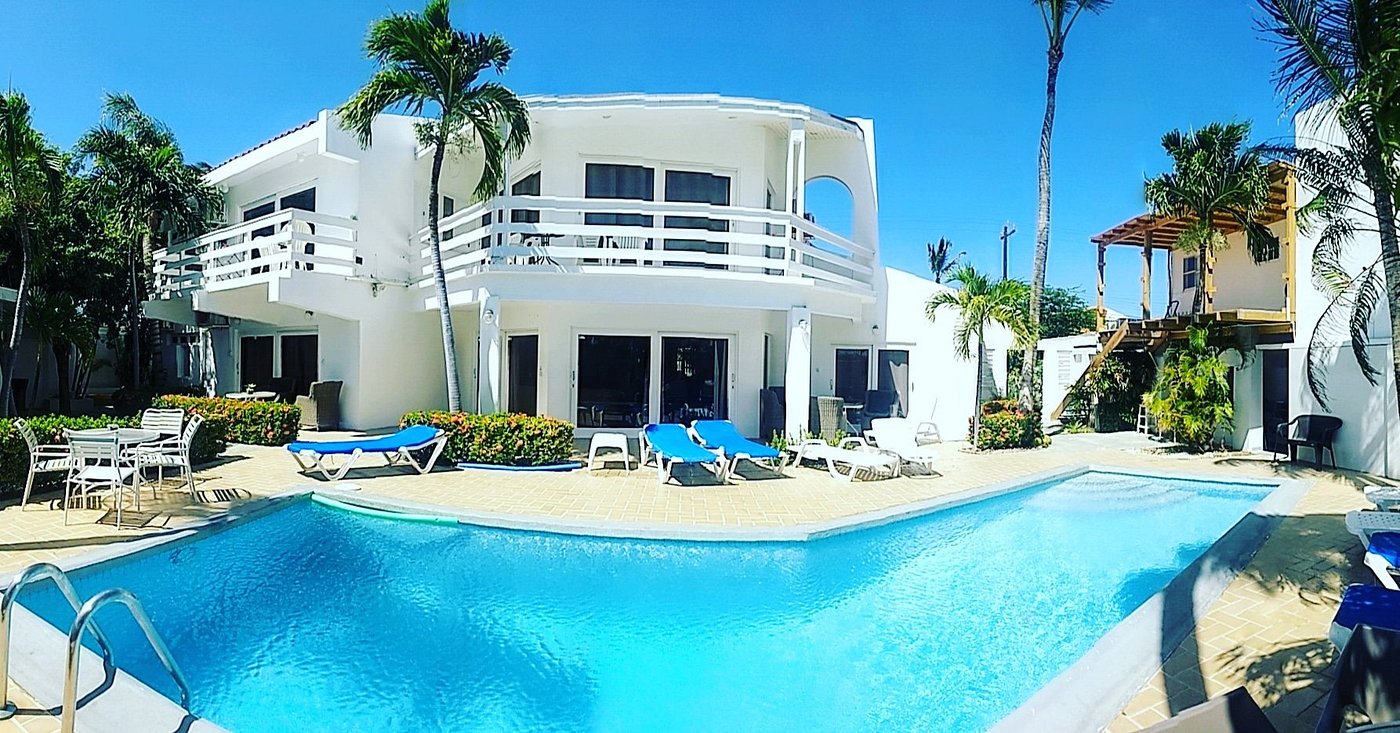
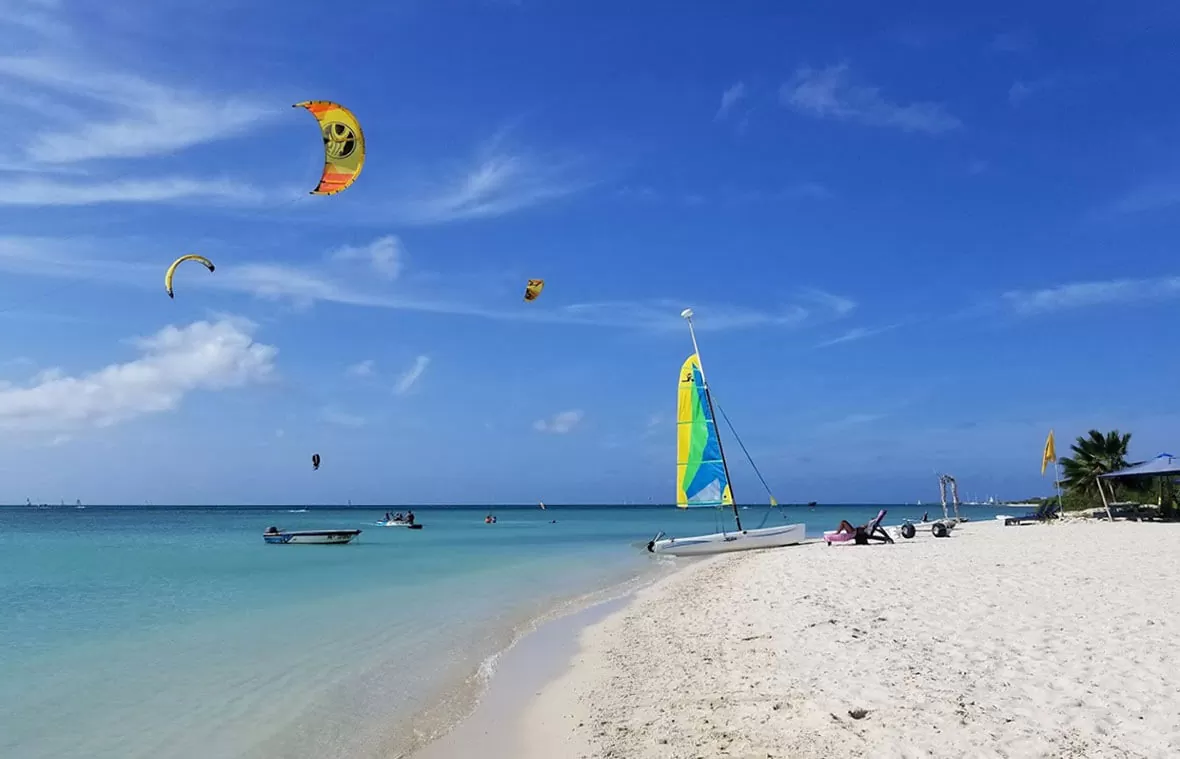
Hadicurari Beach, also known as Fisherman’s Huts, is famous for its strong winds, making it a popular destination for windsurfing and kitesurfing. The shallow waters and consistent breezes attract watersport enthusiasts from around the world. The beach also hosts the annual Aruba Hi-Winds competition, drawing crowds to watch impressive windsurfing and kitesurfing displays.
16
Andicuri beach
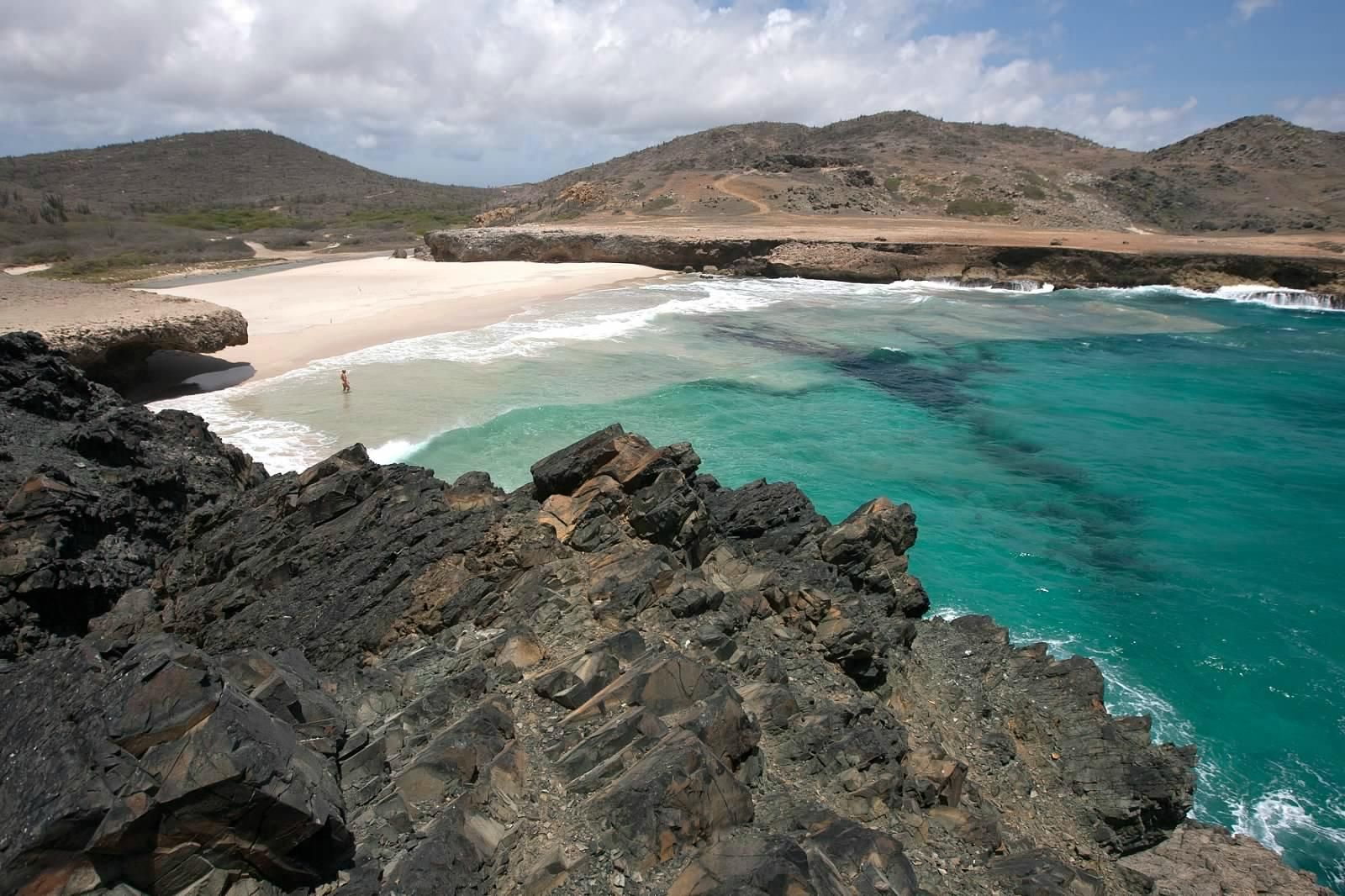
Andicuri Beach is a secluded and rugged beach known for its stunning natural beauty and powerful waves. Located on the eastern side of Aruba, it’s a favorite spot for bodyboarding and surfing. The beach is surrounded by cliffs and offers a sense of solitude and adventure. While it’s not ideal for swimming due to the strong currents, its dramatic landscape makes it worth a visit.
17
Boca Prins beach
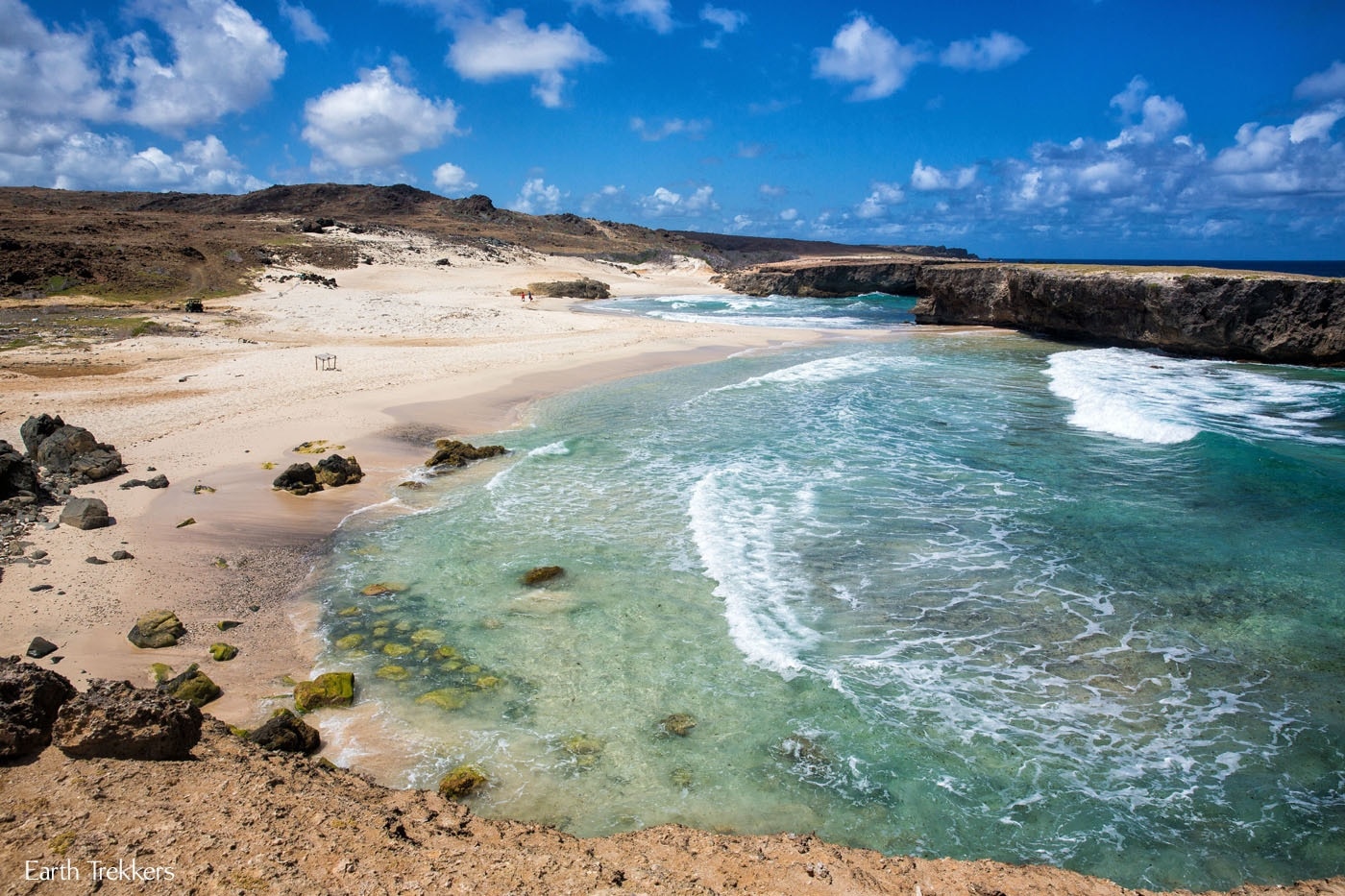
Boca Prins Beach is a stunning, remote beach located within Arikok National Park. Known for its dramatic cliffs and powerful waves, it’s a favorite spot for photographers and nature enthusiasts. While swimming is not recommended due to the strong currents, the beach’s rugged beauty and sense of isolation make it a must-visit destination for those exploring the park.
18
Rodgers beach
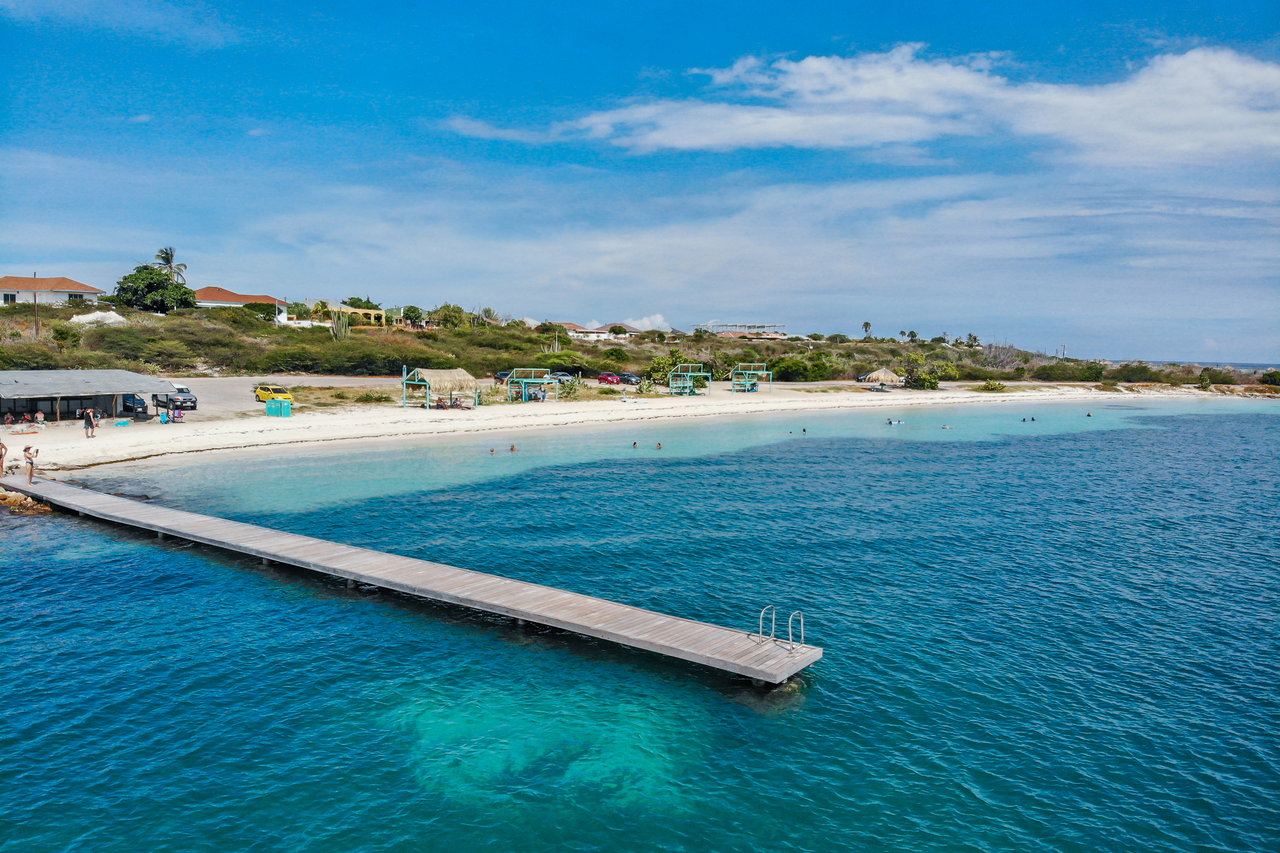
Rodgers Beach is a quiet, picturesque beach located near the town of San Nicholas. The calm, clear waters and soft sand make it a great spot for swimming and sunbathing. The beach is less crowded than others, offering a peaceful retreat for those looking to escape the hustle and bustle. Rodgers Beach’s serene environment and beautiful views make it a hidden gem worth discovering.
19
Boca Keto beach
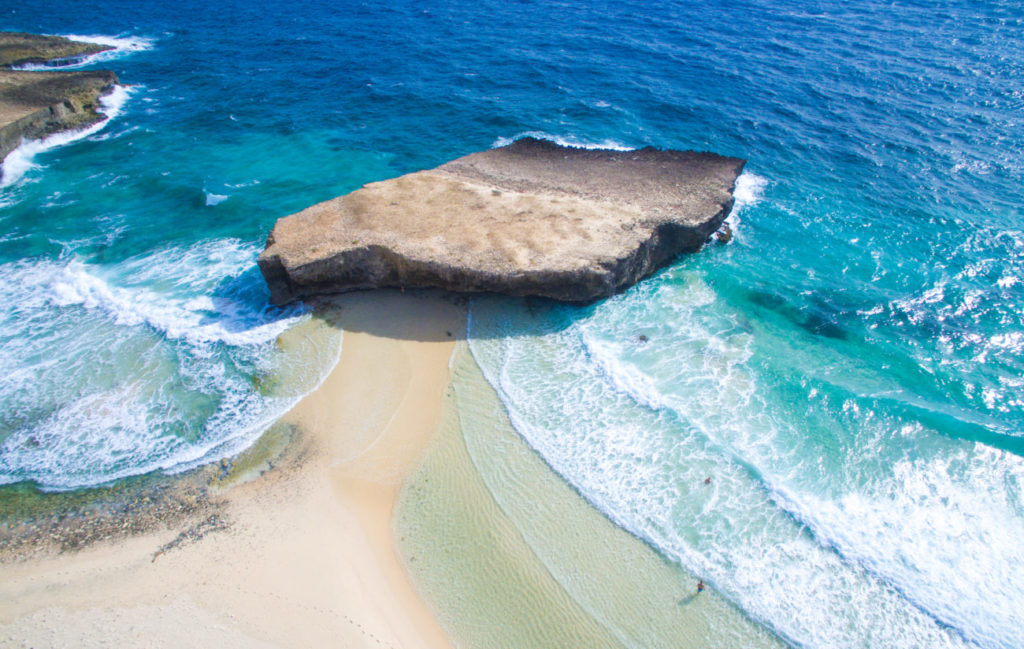
Boca Keto Beach is a remote and untouched beach located in the Arikok National Park. Its pristine sands and clear waters provide a tranquil escape from the more touristy areas of Aruba. The beach is accessible via hiking trails, making it a perfect spot for adventurers looking to explore the island’s natural beauty.
20
Blackstone beach
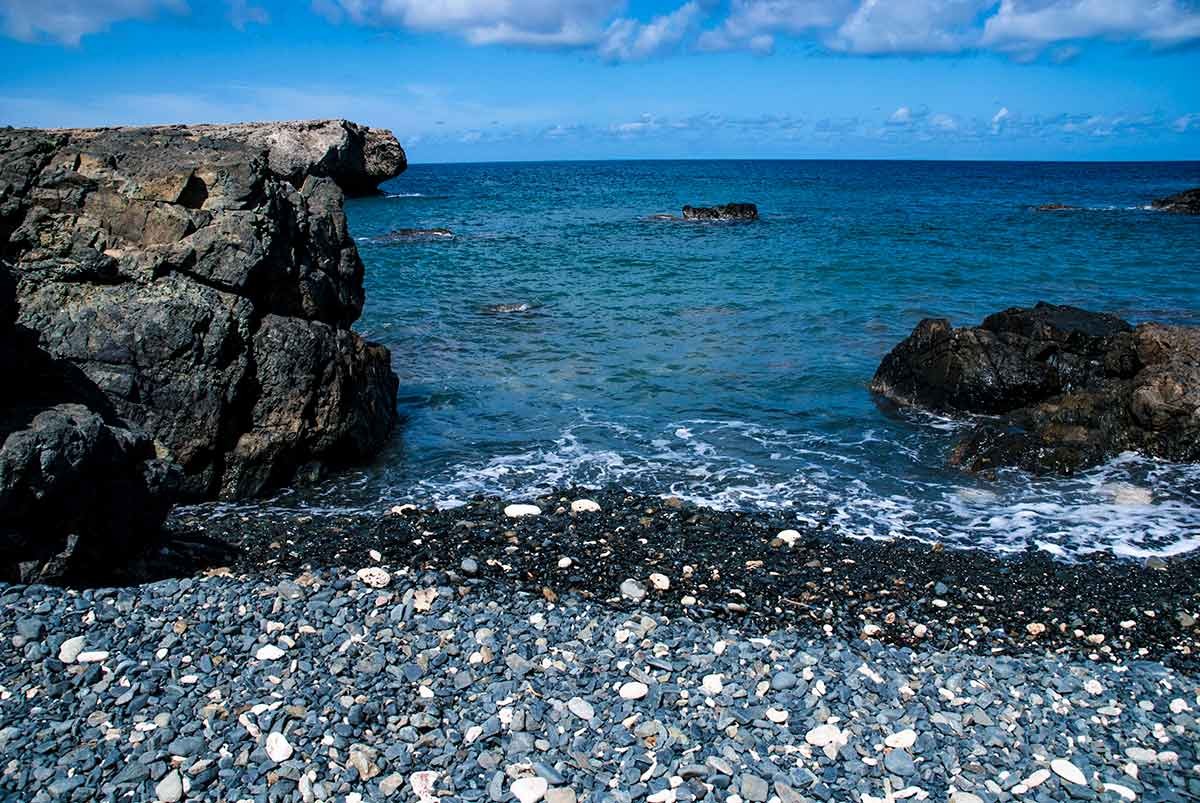
Blackstone Beach is a hidden gem known for its dramatic black stone formations and rugged coastline. This secluded beach is ideal for those seeking a more adventurous and less crowded spot. While swimming is not recommended due to strong currents and rough waves, the stunning scenery and unique rock formations make it a great place for photography and exploration.