Ranked – Best family-friendly beaches in Maui
ⓘ When you purchase through links on our site, we may earn an affiliate commission.
Assessing Your Options for Beaches in Maui
Planning a beach day in Maui with your family presents both excitement and a practical challenge. The island offers a diverse coastline, from sheltered, calm coves ideal for toddlers to expansive stretches of soft sand perfect for building elaborate castles. What makes Maui unique are its consistent warm water temperatures and the frequent presence of green sea turtles near many shorelines, offering memorable wildlife encounters.
However, families often face hurdles such as navigating crowded parking areas, identifying beaches with suitable water conditions for varying ages, or finding spots with adequate facilities. Not every picturesque beach is suited for young children due to factors like strong currents, sudden drop-offs, or rocky entries. Making the right beach choice ensures safety and transforms a simple outing into a relaxing, enjoyable experience for everyone.
This guide will equip you with the knowledge to evaluate Maui’s beaches effectively, moving beyond superficial beauty to focus on practical details. Understanding the nuances of each area—from typical wind patterns to available amenities—is key. We aim to help you select beaches that align perfectly with your children’s ages, swimming abilities, and your family’s desired activity level, ensuring every day at the beach is a success.
Choosing the Right Beach for Your Family
Why Beach Choice Matters for Families
Maui’s coastline features a significant range in its beach characteristics, meaning not all locations are interchangeable for a family visit. Some areas provide reliably calm, shallow entries that are ideal for infants and beginner swimmers, allowing for stress-free splashing and play in the water.
The type of shoreline also varies considerably. You will find beaches with fine, soft sand extending directly into the water, perfect for comfortable barefoot play and easy wading. Conversely, many excellent snorkeling spots feature a rocky or coral-strewn entry, which necessitates wearing water shoes for protection and comfortable access. Knowing this distinction beforehand influences what gear you bring and manages expectations upon arrival.
Accessibility and facilities further differentiate Maui’s beaches. Some popular spots offer large parking lots, paved pathways, public restrooms, and even snack bars or equipment rental shops. Other hidden gems provide a more natural, undeveloped experience, often requiring a longer walk from a smaller parking area and a commitment to bringing all your own supplies. Planning for these logistical aspects is as important as considering the scenery.
The Kiddometer Approach
The Kiddometer approach to selecting Maui beaches prioritizes safety, comfort, and age-appropriate activities for your children. Our core recommendation is to match the beach’s specific conditions to your child’s swimming ability and comfort level in the water. For instance, a two-year-old benefits most from a calm, protected lagoon with waist-deep water, while a ten-year-old might seek clearer waters for snorkeling near a reef.
Beyond the immediate beach environment, consider the broader logistics. Evaluate the distance from your accommodation, the size and typical availability of the parking area, and the ease of transporting all your beach gear, including strollers or cooler bags. A beach with convenient access and essential amenities like restrooms can significantly reduce potential stress points for parents, contributing to a more relaxed outing.
Finally, intelligent planning involves considering the timing of your visit. Maui’s weather patterns often dictate morning vs. afternoon conditions; many leeward beaches are calmer before noon, becoming windier and wavvier later in the day. Checking local tide charts and typical crowd levels for weekdays versus weekends allows you to schedule your beach adventures for optimal conditions and a less congested experience.
Tips on Finding the Right Beach for your Family
What Makes a Beach “Family-Friendly” in Maui
For a beach to truly earn the “family-friendly” label in Maui, its water conditions are paramount. Look for locations featuring calm, consistently shallow water that allows small children to safely wade and play without sudden drop-offs. Beaches with minimal wave action, often under 1 foot, provide a predictable and secure environment, reducing parental anxiety while kids are in the water.
The entry type also plays a critical role in a comfortable family beach day. Ideal beaches offer a soft, sandy entry that gradually slopes into the water, preventing discomfort for bare feet and making it easy for toddlers to enter and exit. Some of Maui’s prime snorkeling spots might have rocky shorelines, which are suitable for older children with water shoes but less so for infants.
Safety considerations extend beyond water depth. Identify beaches known for predictable conditions, lacking strong rip currents or hidden underwater hazards. While not every beach has a lifeguard, choosing locations where the water is clear enough to easily supervise children is essential. Always observe any posted warning signs regarding ocean conditions or marine life.
Available amenities significantly enhance a family’s day at the beach. Access to clean public restrooms is a top priority, often accompanied by outdoor rinse showers to remove sand. Picnic tables, nearby food trucks, or accessible dining options mean less packing and more convenience. Natural shade from mature trees, if present, offers a welcome respite from the midday sun.
Accessibility ensures a stress-free start and end to your beach excursion. Ample parking located within a short, flat walk to the sand is highly desirable, especially when carrying bags, coolers, and children. Beaches requiring a lengthy trek or navigating steep staircases might be less practical for families with extensive gear or mobility limitations.
Good to Know
On Maui’s west and south shores, the ocean is generally calmest in the mornings, typically before 11:00 AM. Trade winds often strengthen in the afternoon, creating choppier water and larger waves, which might be less ideal for young swimmers.
Popular family beaches, particularly those with amenities and easy access, experience substantially larger crowds on weekends and local holidays. Visiting on a weekday morning usually results in easier parking and more space to spread out for your family.
During Maui’s winter months, from November to March, north-facing beaches often experience significant surf swells, making them dangerous for swimming. Summer, from April to October, generally brings calmer ocean conditions island-wide, especially on the leeward (west and south) coasts, which are more suitable for families.
Maui commonly experiences northeast trade winds. These winds can affect water clarity and create whitecaps on exposed beaches, even on otherwise sunny days. Always check a local surf and wind forecast for the most current conditions before heading out, as these factors can significantly impact your family’s beach experience.
A Few Well-Known Beaches Families Ask About
When families envision a Maui vacation, certain beach names consistently surface. Knowing a specific, practical detail about these popular spots can help manage expectations and inform your planning for the day.
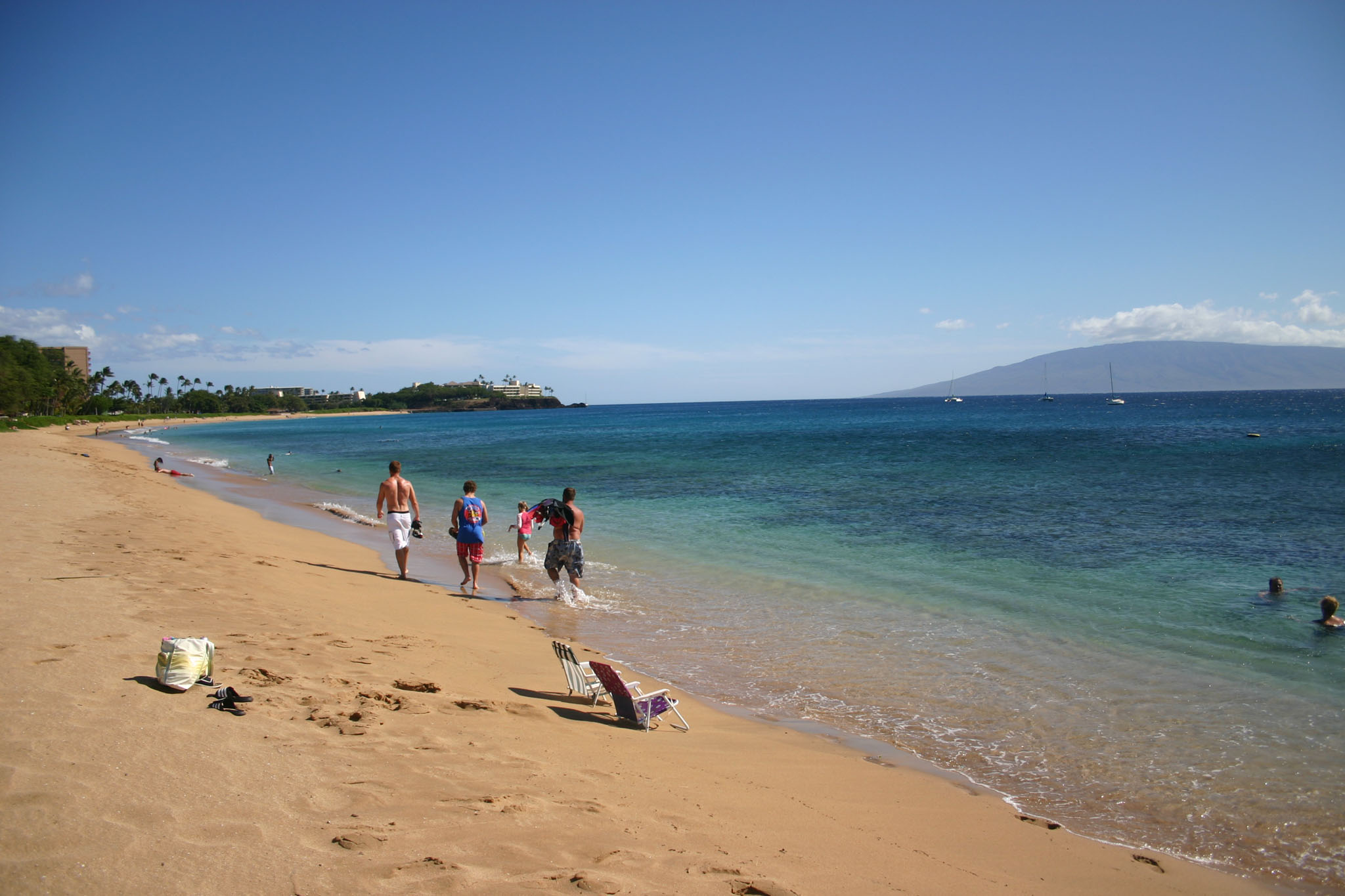
Ka’anapali Beach, a long expanse in West Maui, is celebrated for its soft sand and walking path. However, parents should note that the water deepens quite quickly after the initial few feet from the shore, requiring close supervision for new swimmers and toddlers. For more details on suitable locations, explore our guide to family-friendly beaches in Maui.
Kama’ole Beach Park III in South Maui offers a large grassy area, a playground, and picnic tables, making it a popular choice for families. A frequent downside is that its main parking lot often reaches full capacity by 9:30 AM, particularly during school breaks, necessitating an early arrival. This beach consistently ranks high among the best family beaches in Maui for its amenities.
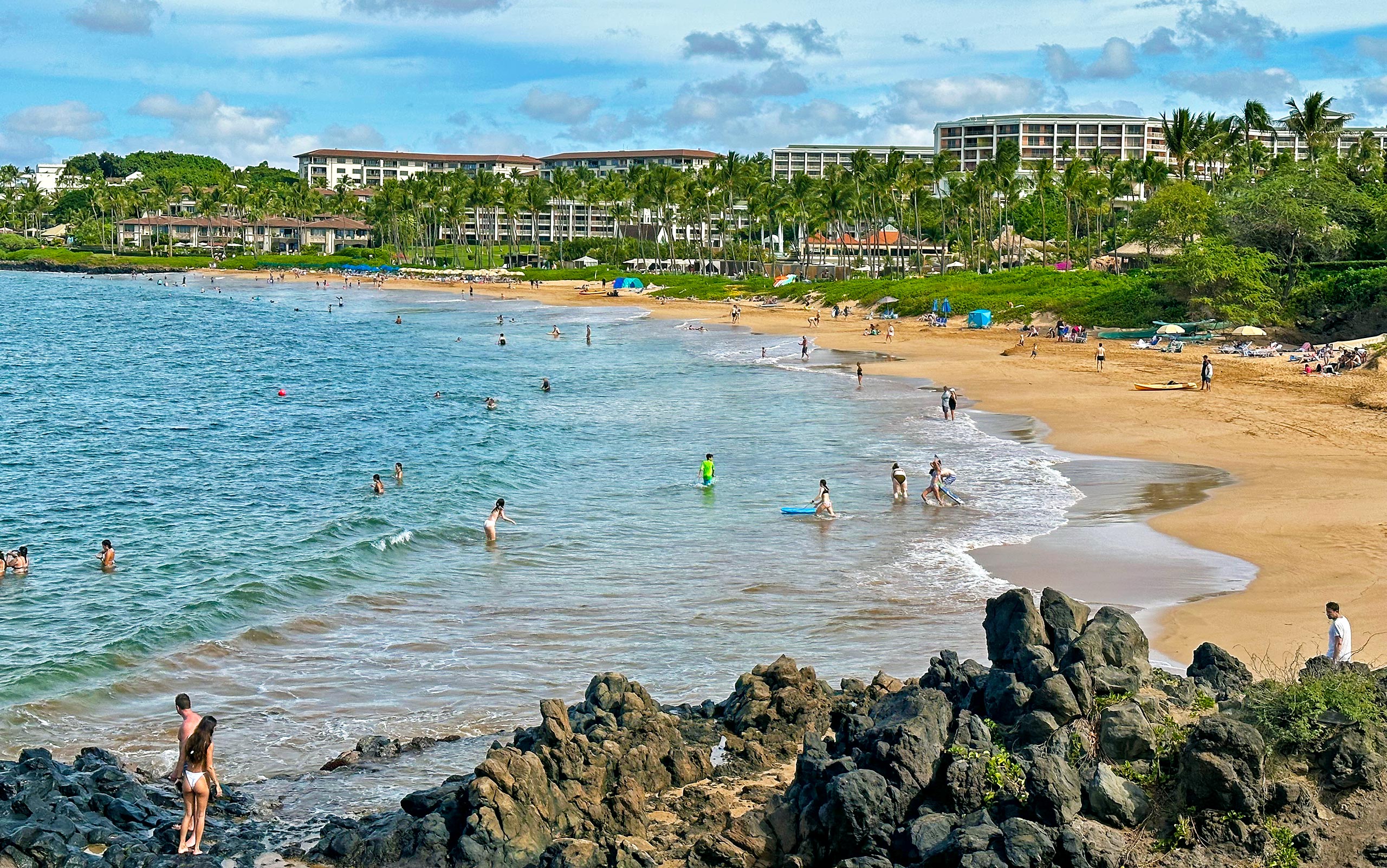
Wailea Beach, also in South Maui, is framed by resorts and has a paved path. While the water is often clear, consistent waves can build up to 1-2 feet in the afternoon, which might be a bit too energetic for very young children. For families interested in exploring marine life, it’s also worth checking out best snorkeling beaches in Maui for families.
Want a custom plan? Use our personalized Itinerary Generator for Maui!
The Reality Check (What to Watch Out For)
Beaches in Maui are not all the same, even when they are close to each other. Conditions, access, and crowd levels can change a lot, and these differences matter more when visiting with kids. What seems like a short distance on a map can translate to a significant logistical challenge with strollers, bags, and energetic toddlers.
It’s crucial for families to remember that Maui’s natural beauty comes with practical considerations. Some seemingly perfect spots might lack basic amenities, or their inviting waters could conceal unexpected currents. Being prepared for these realities ensures that your family’s beach experience remains positive and safe, allowing you to adapt to local conditions effectively.
Good to Know
Many of Maui’s more secluded or less developed beaches have small, unpaved parking areas that fill rapidly. This can lead to parking a considerable distance away, sometimes a quarter-mile or more, requiring families to carry gear and young children over longer stretches. For comprehensive planning, consult our Maui family guide.
The consistent trade winds on Maui typically pick up during the late morning and early afternoon. This often causes the water to become choppier and can increase wave height, making swimming or wading less comfortable or safe for smaller children compared to calm morning conditions. Factor this into your daily schedule, especially when planning other things to do in Maui with kids.
Numerous beaches across Maui offer minimal or no natural shade from trees. Additionally, many do not have public restrooms, potable water, or food vendors nearby. Families must arrive fully self-sufficient with all necessary supplies, a key consideration for where to stay in Maui with kids and how you plan your daily excursions.
During popular holiday seasons, such as spring break, summer, and Christmas, even less-known beaches can become busy. Well-known family spots will experience high traffic, affecting parking availability and the overall peacefulness of the experience. This crowding is also a factor when considering activities like snorkeling Molokini Crater with kids.
Amenities, Facilities, and Expectations
Families visiting Maui should set realistic expectations regarding beach amenities. Beaches located directly within or adjacent to major resort areas, particularly in West Maui (Ka’anapali) and South Maui (Wailea, Kihei), typically offer a higher level of convenience. These locations often feature easily accessible public restrooms, outdoor rinse showers, and sometimes even concession stands or nearby restaurants for quick meals.
Conversely, many of Maui’s more natural and less frequented beaches, while offering serene beauty, are entirely undeveloped. For these “bring everything yourself” locations, preparedness is key. This means packing ample drinking water, snacks for the whole family, and even trash bags to pack out all waste. Some families with very young children might consider a portable pop-up potty for remote spots. Investing in the best kids water shoes for rocky beaches is also a practical step for many of these areas.
Shade availability also varies significantly. While some beach parks, such as the Kama’ole Beaches, have grassy areas with mature trees providing natural shade, many stretches of coastline are completely exposed to the sun. Investing in a lightweight, portable beach umbrella or a pop-up sun tent is a practical solution to ensure your family has a cool, shaded spot to retreat from the intense Hawaiian sun throughout the day. Consider also reviewing our guide to the best kids snorkels for family snorkeling if you plan to explore underwater.
Packing Smart for Beaches in Maui
Don’t Leave Home Without…
Many of Maui’s best snorkeling spots and tide pool areas have rocky or coral-strewn entries, making water shoes essential for protecting children’s feet and providing secure footing. This simple item can prevent discomfort and allow for more confident exploration. Pairing them with a sand-proof blanket for family trips ensures comfort on various terrains.
A compact, lightweight beach umbrella or a pop-up sun tent provides crucial protection from the intense tropical sun, especially during the peak UV hours of midday. Natural shade is not always available, and a portable option ensures a safe retreat from the sun’s rays for sensitive skin.
Facilities are not guaranteed at every beach, so it is wise to be self-sufficient. Pack a cooler with plenty of water, juice boxes, and non-perishable snacks to keep everyone hydrated and energized throughout your beach day, especially with active children.
Bring at least one quick-dry beach towel per family member and a full set of dry clothes for each child. This ensures a comfortable and sand-free ride back to your lodging, helping to contain the beach mess and make transitions smoother.
Pack basic swim accessories like child-sized goggles for exploring underwater, small floaties for less confident swimmers, and a durable set of sand toys for endless creativity on the shore. These simple items can significantly enhance children’s enjoyment and engagement at any of the family-friendly beaches in Maui.
Useful resources.
- Family-Friendly Beaches Maui
- Ranked Best Family Beaches Maui
- Best Snorkeling Beaches Maui for Families
- Maui Family Guide
- Things to Do in Maui with Kids
- Where to Stay in Maui with Kids
- Snorkeling Molokini Crater Maui with Kids
- Best Kids Water Shoes for Rocky Beaches
- Best Kids Snorkels: Family Snorkeling Guide
- Best Sand-Proof Blankets for Family Trips
- Wikivoyage page on Maui
Plan a trip your kids will actually enjoy.
Answer a few quick questions and get a free, personalized itinerary tailored to your destination and your children’s ages. No account required — your custom plan is ready in moments.

1
Kahekili Airport beach
2
Kaanapali beach
3
Black rock beach
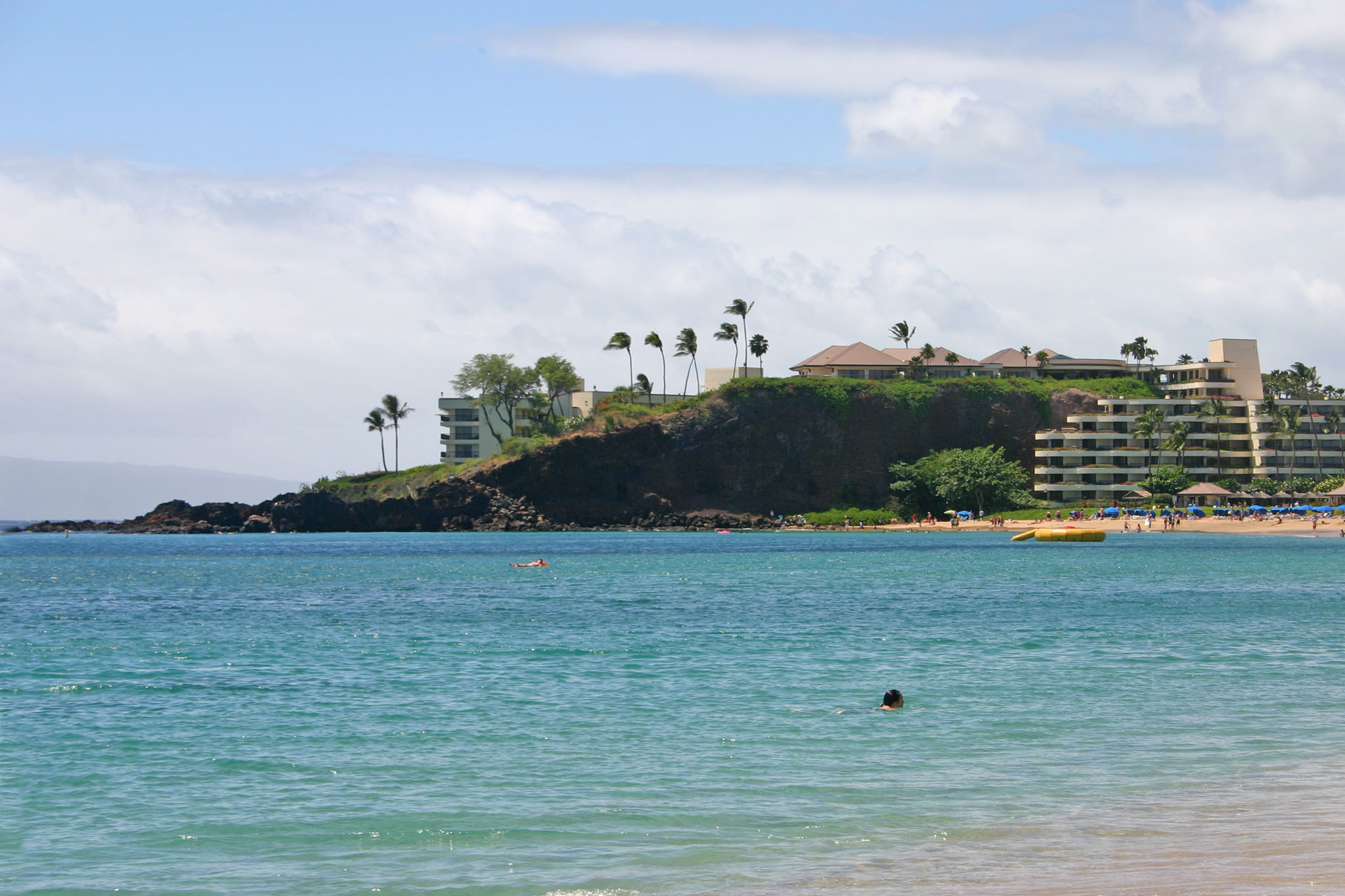
4
Napili bay
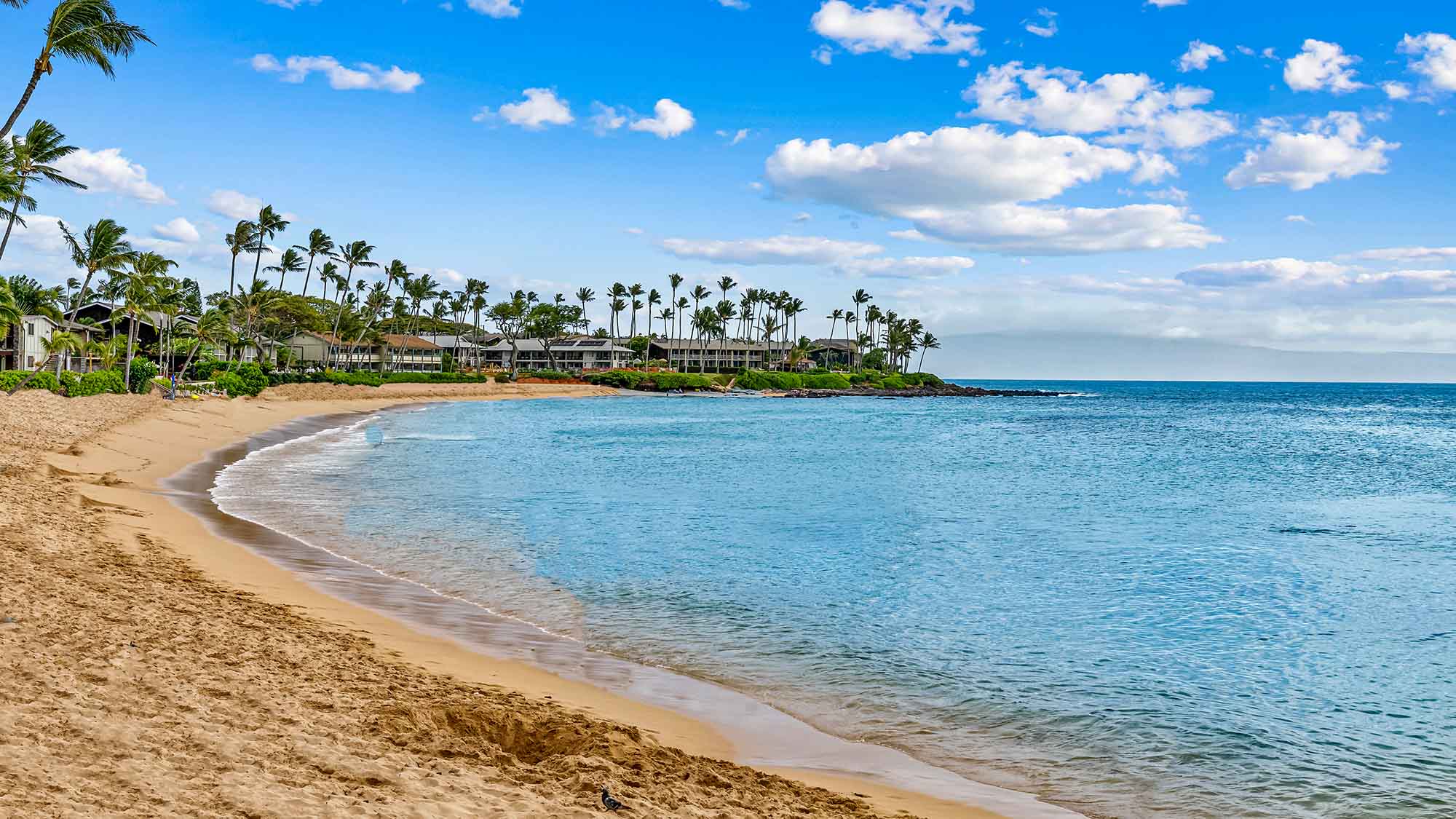
5
Kamaole beach III
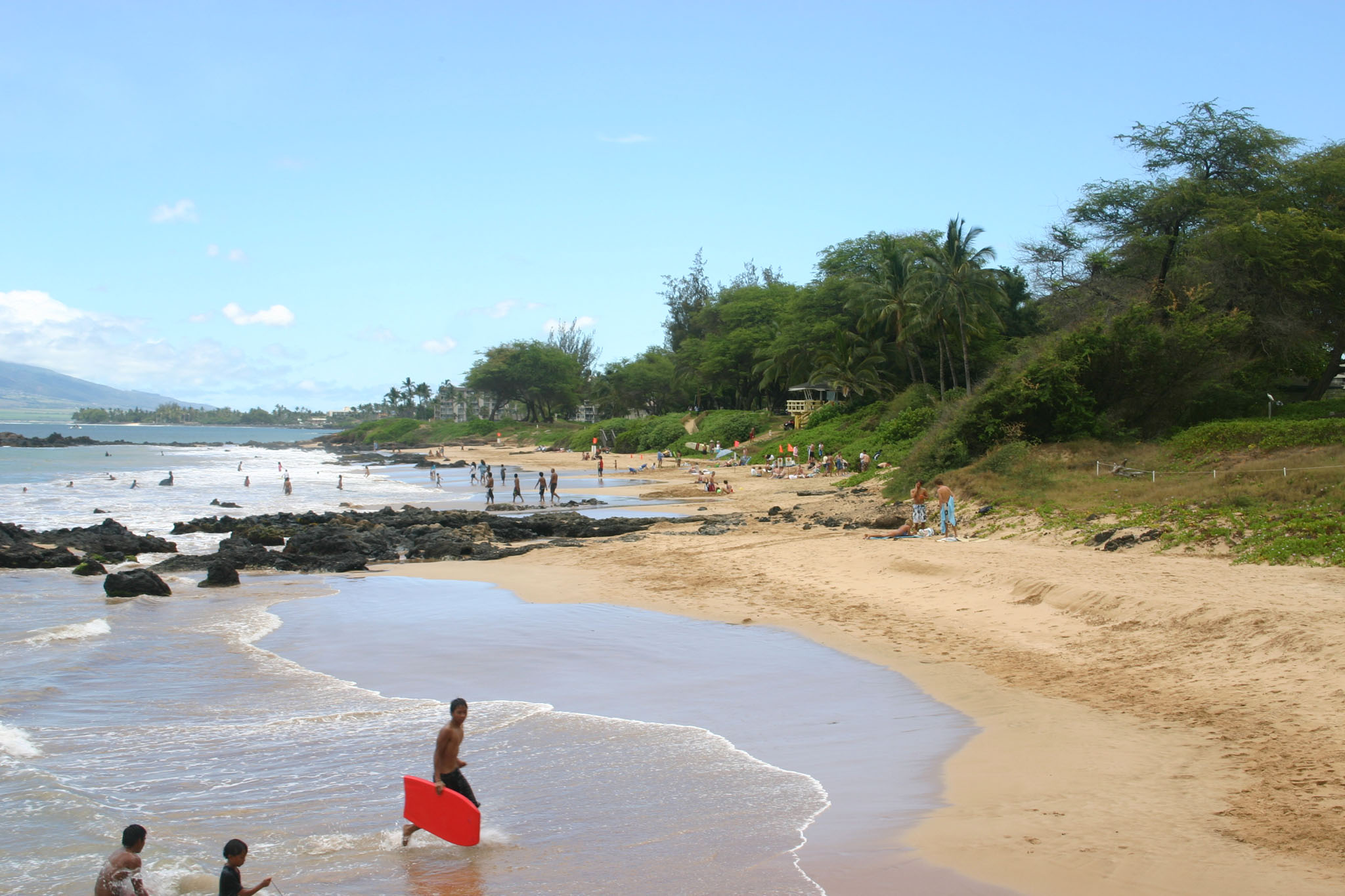
6
Maluaka beach
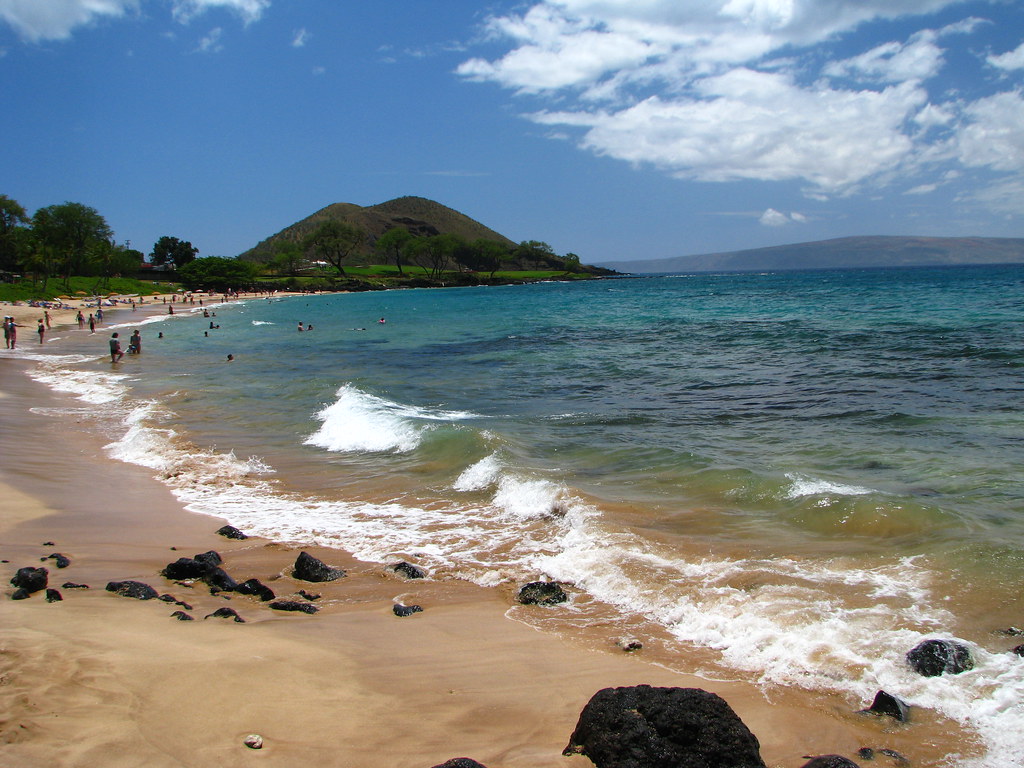
7
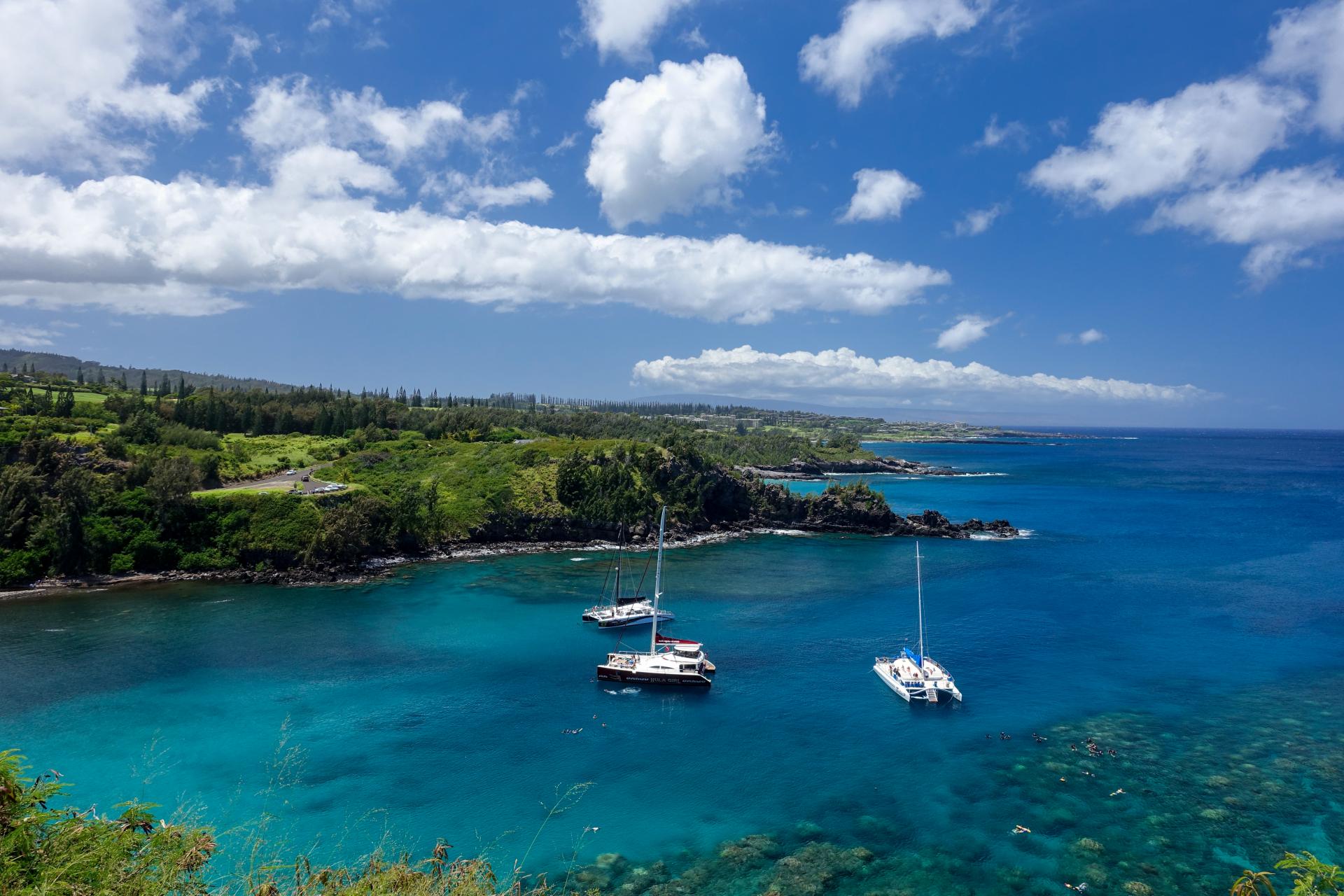
Honolua bay
8
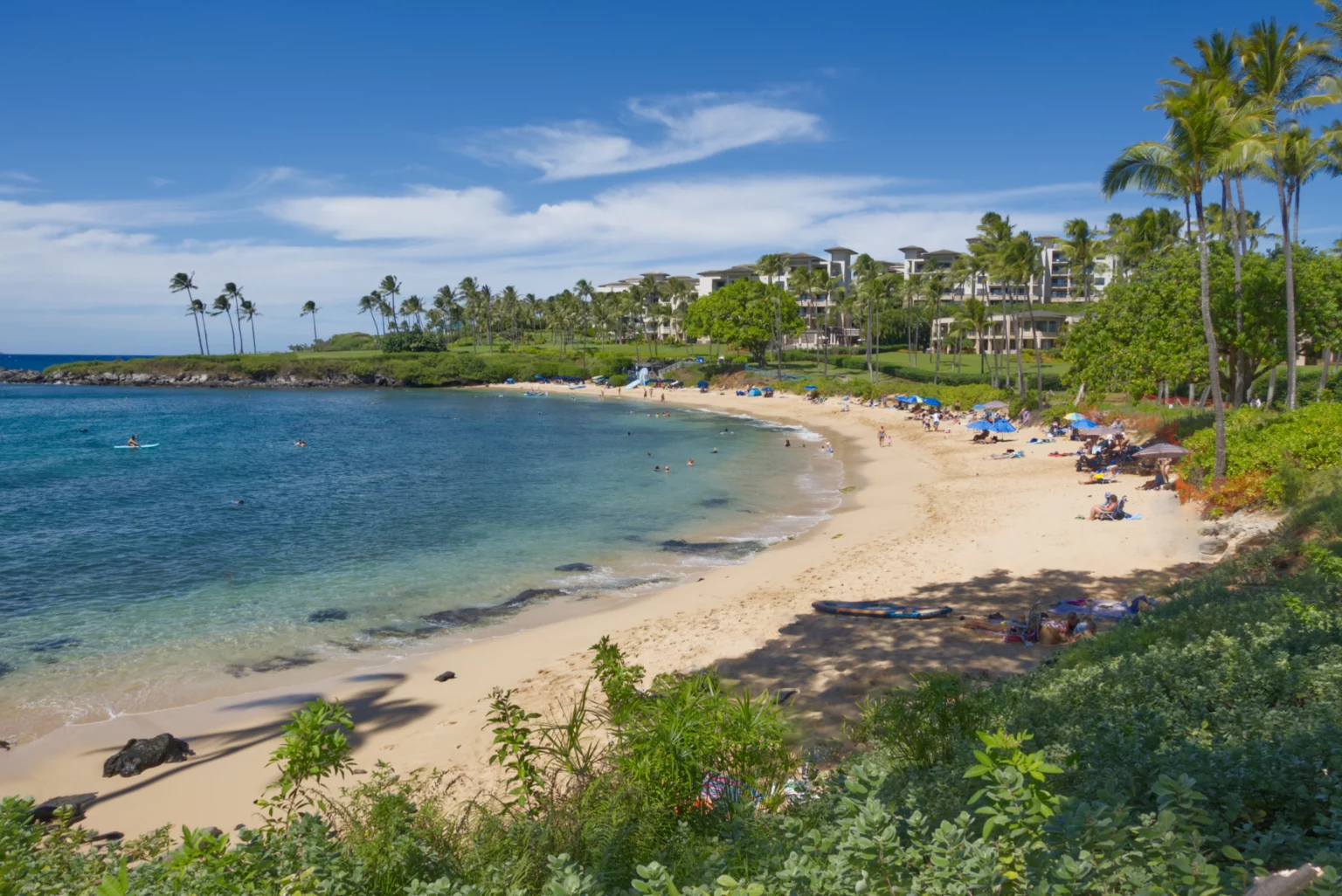
Kapalua bay
9
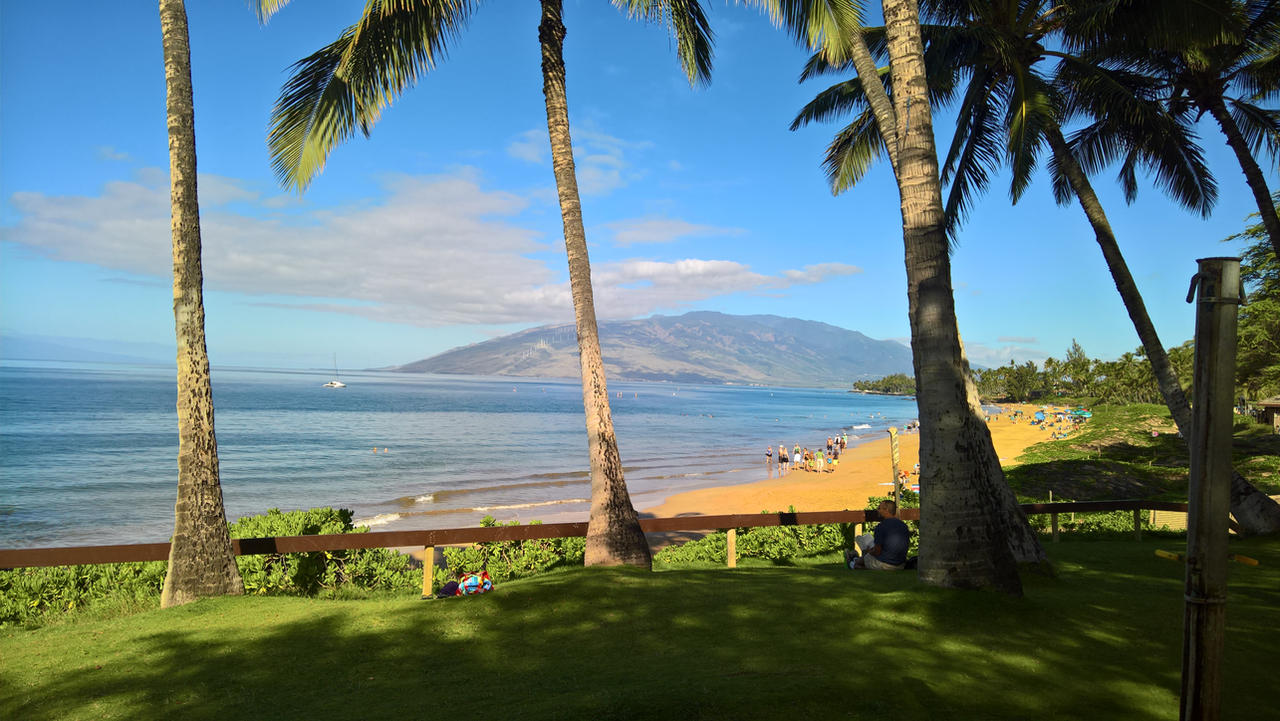
Kamaole beach II
10
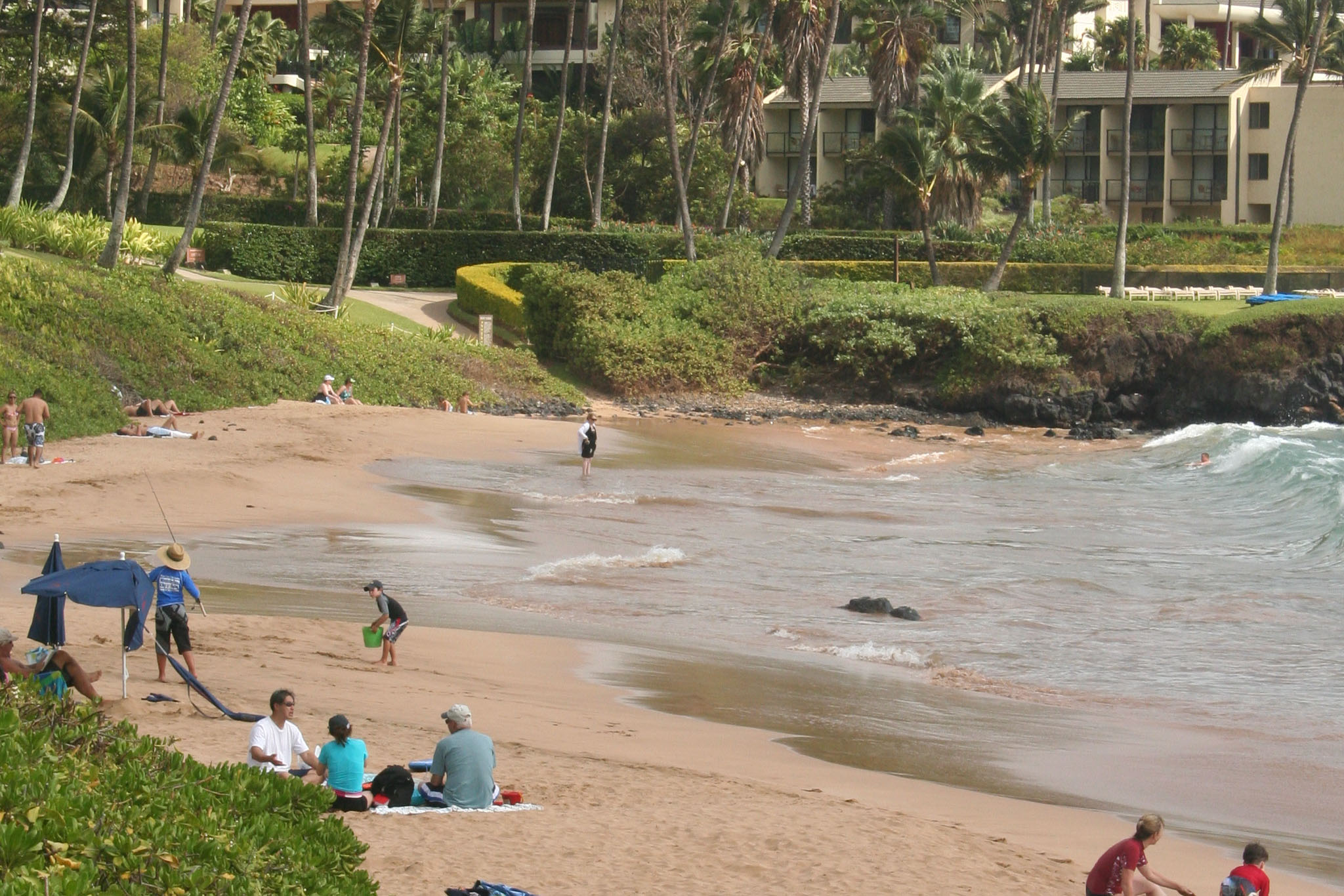
Ulua beach
11
Mokuleia bay
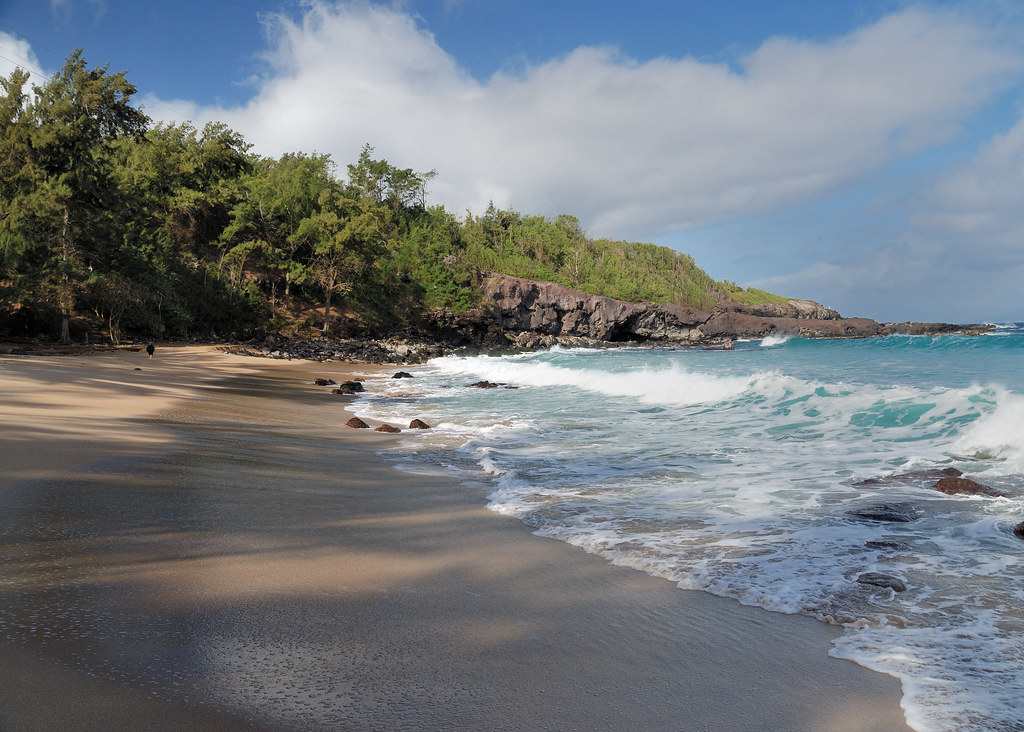
12
Big beach

13
Kamaole beach I
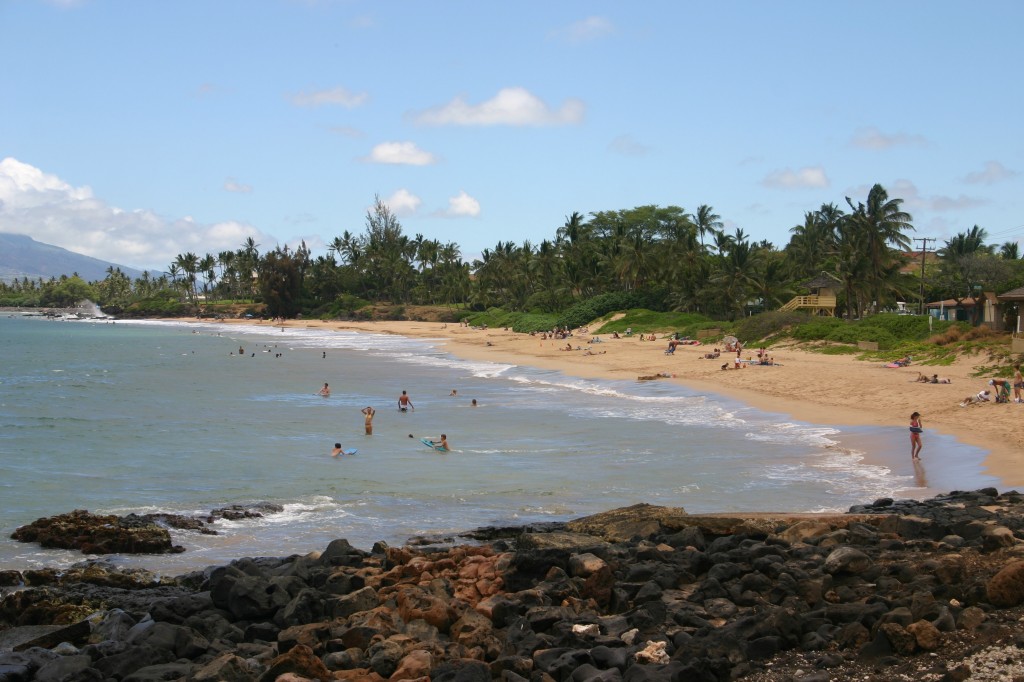
14
Keawakapu beach
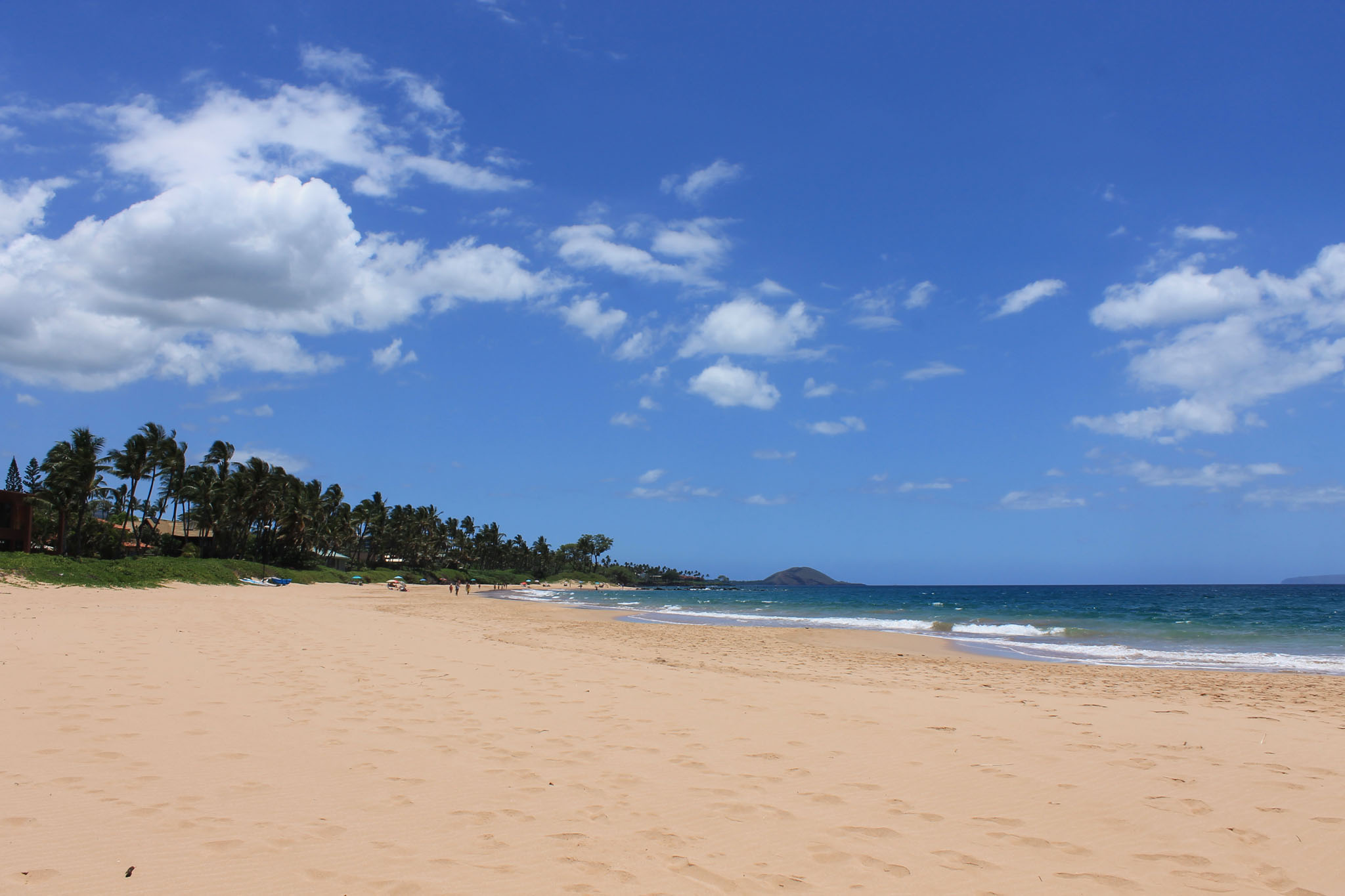
15
Mokapu beach
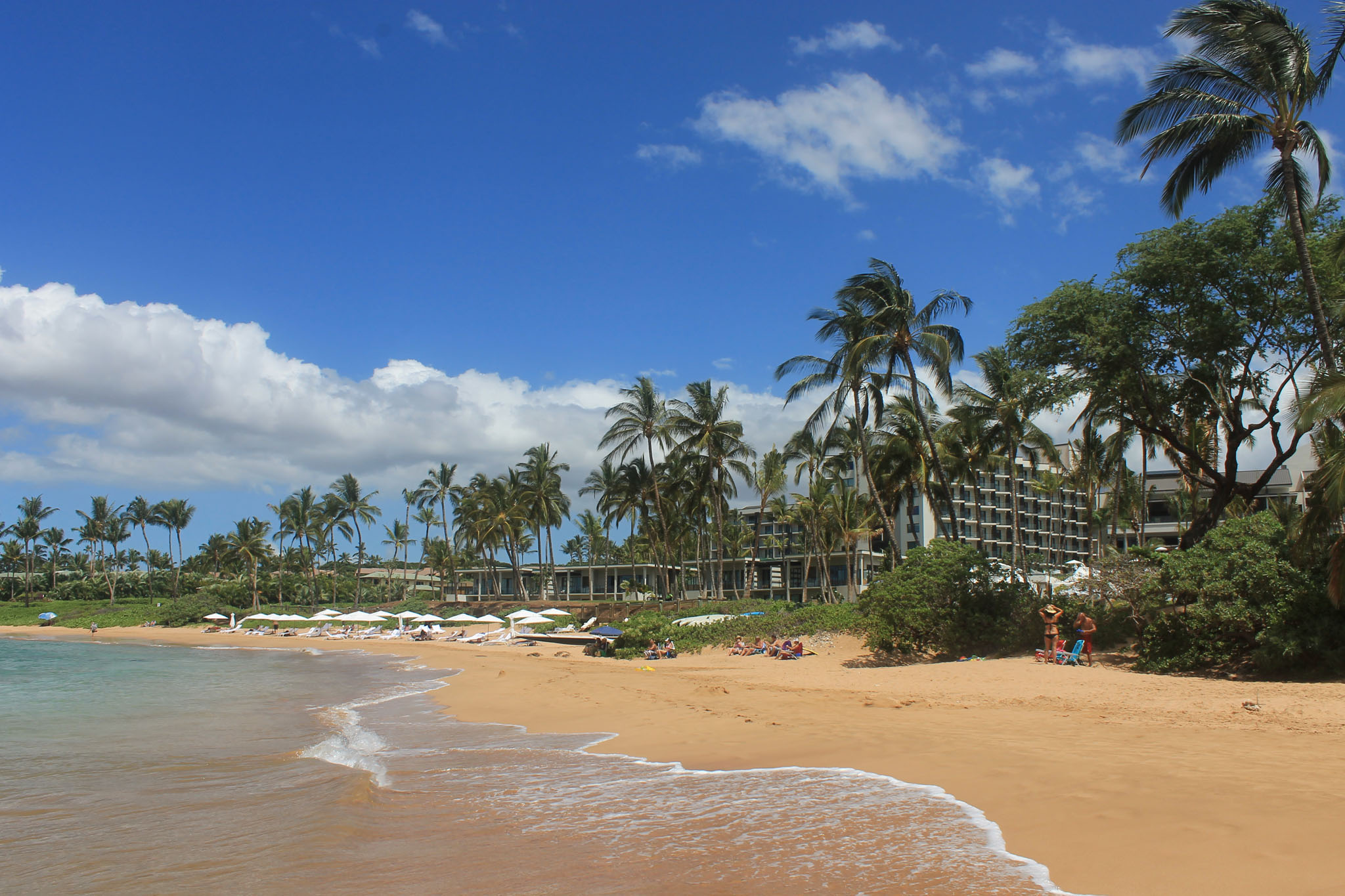
16
Wailea beach
17
Polo beach

18
Olowalu
19
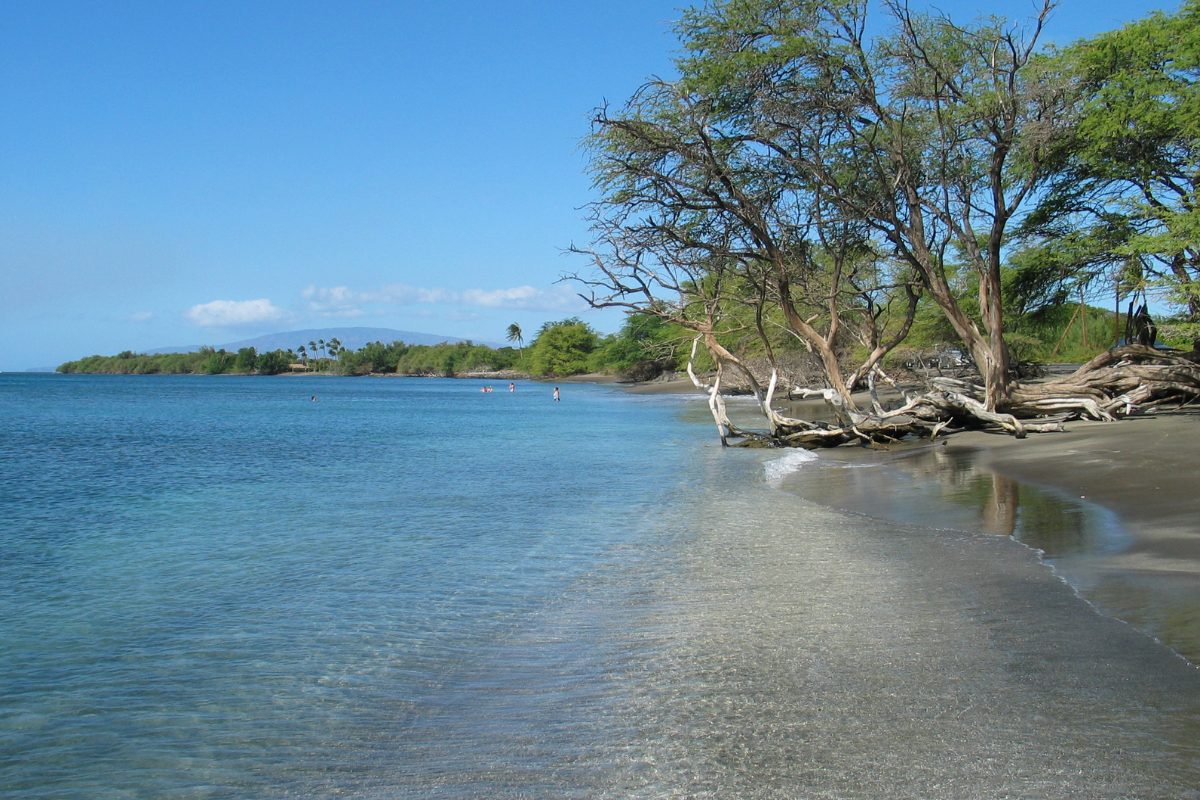
Baby beach
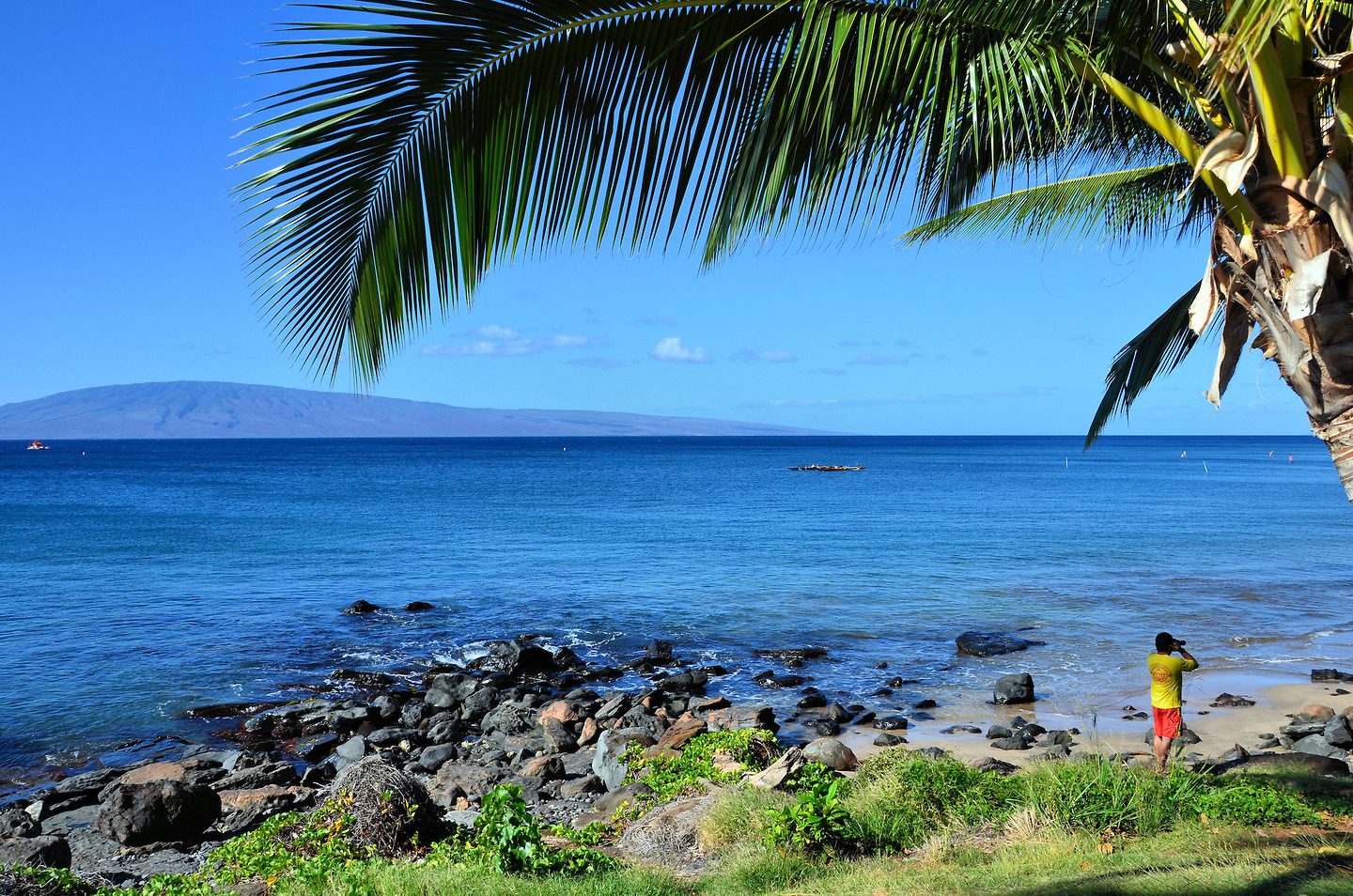
Baby Beach, located in Lahaina, is aptly named for its shallow, protected waters that are perfect for young children. The beach is sheltered by an offshore reef, ensuring calm and gentle waves. The sandy shoreline and clear waters make it an ideal spot for families to enjoy a safe and fun beach day. There are no facilities at Baby Beach, so visitors should bring their own supplies. The serene environment and picturesque views of the neighboring islands make it a popular choice for families and those seeking a peaceful retreat.
20
Puamana beach park

21
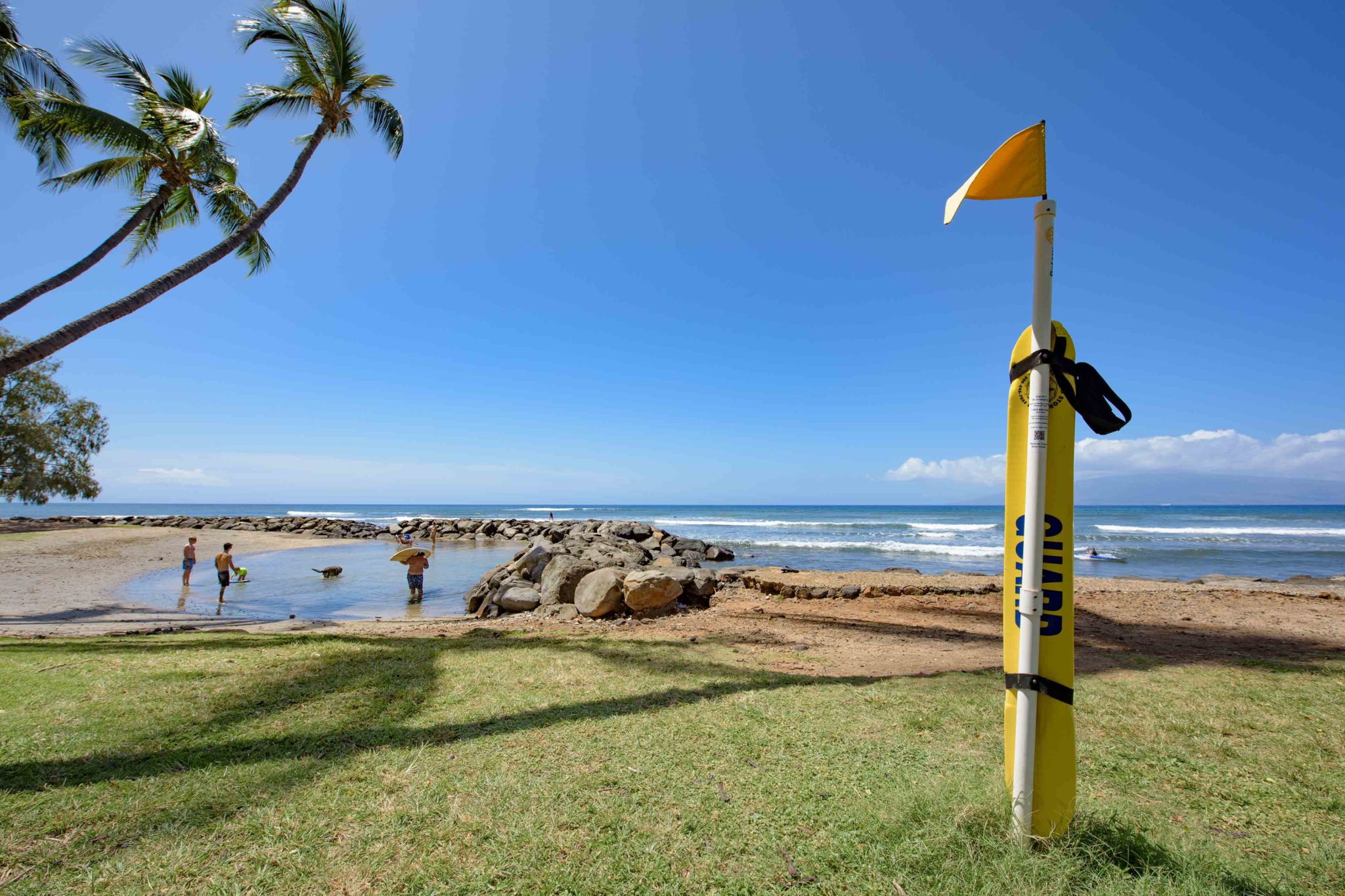
Launiupoko beach park
22
DT Fleming beach

23
Charley Young beach
24
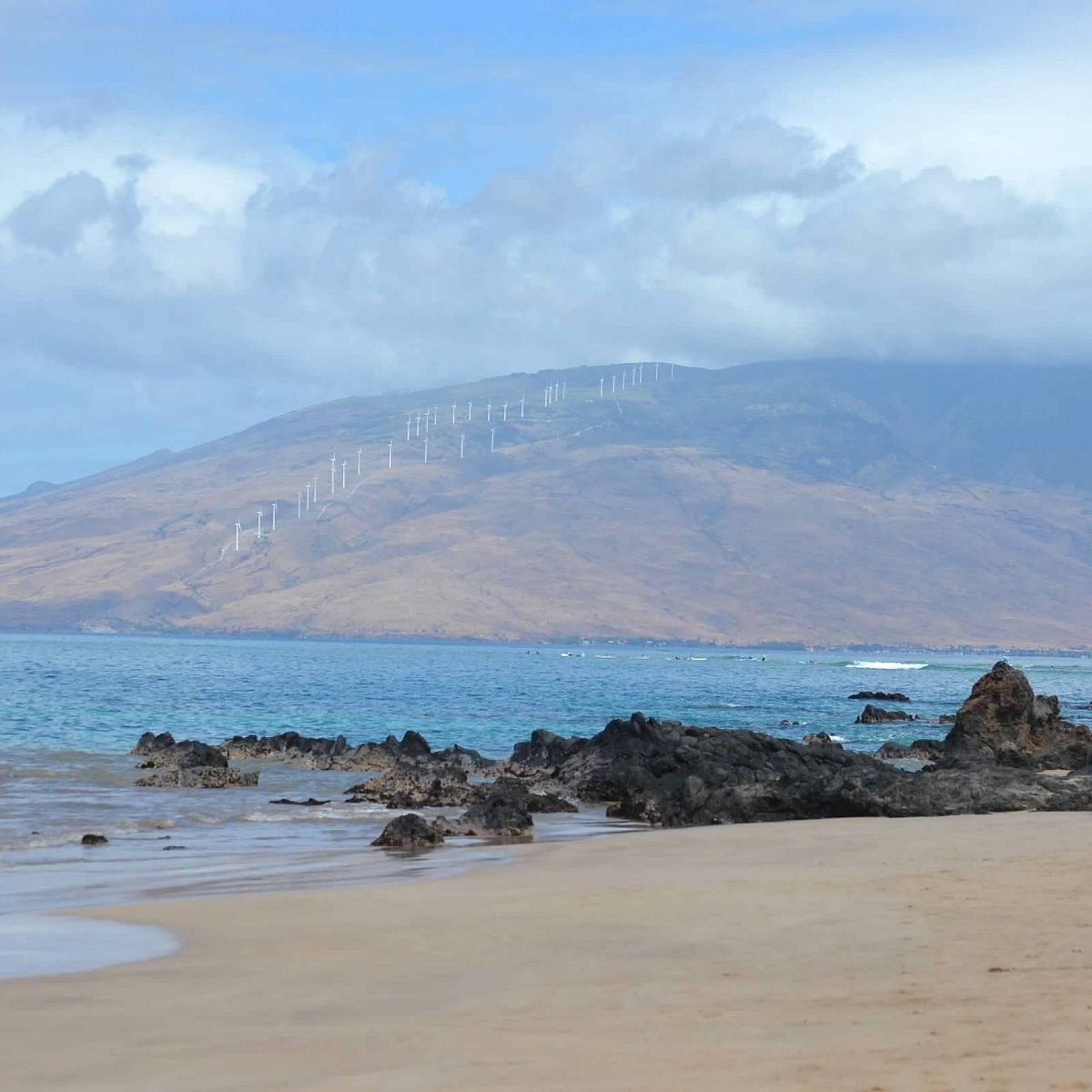
Canoe beach
25
Wahikuli wayside park