Planning a Family Trip to Olympic National Park: The Ultimate Guide
Introduction
Welcome to Olympic National Park: A Family Adventure Awaits
Olympic National Park stands as a true marvel, boasting three distinct ecosystems within its borders: a rugged Pacific coastline, lush temperate rainforests, and majestic snow-capped mountains. This incredible diversity makes it a prime destination for families seeking a wide array of outdoor experiences. From exploring vibrant tide pools to hiking among giant moss-draped trees, a trip to Olympic National Park with kids offers a journey through contrasting worlds, all within one park.
Why Olympic National Park is Perfect for Families
Families will find Olympic National Park incredibly appealing due to its accessibility and the sheer variety of kid-friendly activities. The park provides numerous educational opportunities through direct engagement with nature and wildlife, making learning an exciting part of the adventure. Beyond the educational aspect, the breathtaking scenery ensures that every family member, regardless of age, will find something to awe and inspire them.
Filter out the noise and find what works for your family.
Every resort we review gets one of four Family Fit ratings. The rating is based on kids programming, amenities, vibe, and who the resort actually markets to - not just whether they allow children.
Discover My Ideal Resort →Key Attractions Appealing to Children
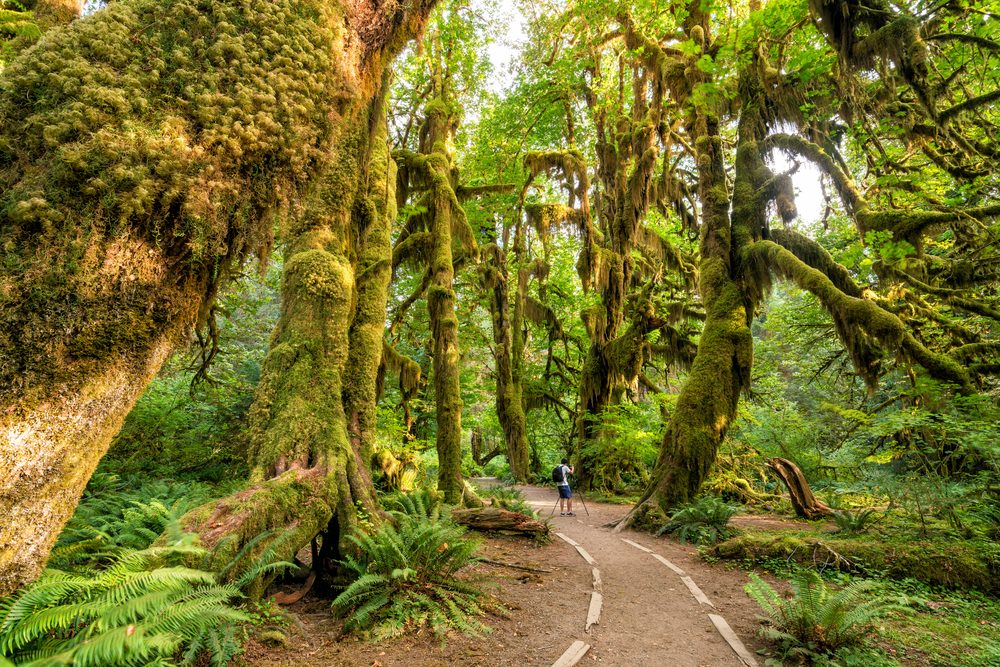
Several key attractions within Olympic National Park are particularly captivating for children. Imagine their delight discovering colorful marine life in tide pools along the coast, a truly hands-on biology lesson. The Hoh Rainforest offers an enchanting, mysterious atmosphere with its giant trees and thick moss, sparking imagination. Up at Hurricane Ridge, kids can marvel at panoramic mountain views and even experience snow play, depending on the season. Lake Crescent provides opportunities for swimming, easy walks along its serene shores, and perhaps even a boat ride.
Fun and Unique Facts About Olympic National Park
Olympic National Park holds a special place globally, recognized as both a World Heritage Site and an International Biosphere Reserve. This status underscores its ecological significance and unique natural beauty. It’s also known as one of the wettest places in the contiguous U.S., a distinction that fuels the incredible growth and vibrancy of its temperate rainforests. The park’s diverse habitats support a remarkable array of wildlife, from the iconic Roosevelt Elk to various bird species and fascinating marine creatures, making every visit a potential wildlife spotting adventure.
Best Time to Visit
Summer (June-September): Ideal for Most Families
Summer offers the warmest and driest weather patterns in Olympic National Park, making it the most popular time to visit for families. During these months, all park roads and facilities are typically open, providing peak accessibility to every corner of the park. While the excellent conditions are a major draw, be prepared for potential crowds and ensure you make early bookings for accommodations and popular activities to secure your spot.
Spring (April-May) & Fall (October): Shoulder Season Adventures
Visiting during the shoulder seasons of spring and fall offers a different, often more serene experience. You’ll encounter fewer crowds, which can lead to a more peaceful exploration of the park. Spring brings the joy of blooming wildflowers, while fall transforms the landscape with vibrant foliage. The rainforest is particularly lush during these times. However, be mindful that weather can be variable, and some higher elevation roads may still be closed in spring or begin to close in late fall.
Winter (November-March): Rainforest Magic & Snow Play
Winter in Olympic National Park offers a unique kind of magic, especially in the rainforest, which is at its most vibrant and green during its wettest period. For families who enjoy snow, Hurricane Ridge often provides opportunities for snowshoeing or tubing, creating a memorable winter wonderland experience. Be advised that access during winter can be limited, with certain roads potentially closed due to snow, and wet conditions are to be expected.
Maximizing Your Visit: Avoiding Crowds and Checking Conditions
To make the most of your visit to Olympic National Park with kids and minimize the impact of crowds, consider visiting on weekdays rather than weekends. Arriving early in the morning at popular spots like the Hoh Rainforest or Hurricane Ridge can help you beat the rush. It is also crucial to consistently check weather forecasts and the National Park Service (NPS) website for real-time updates on road and trail status, as conditions can change rapidly, especially in mountainous and coastal areas.
Getting There
Nearest Airports and Rental Cars
The most common airport for families flying into the region is Seattle-Tacoma International Airport (SEA), which offers a wide range of flights and rental car options. For a closer, albeit smaller, alternative, consider William R. Fairchild International Airport (CLM) in Port Angeles. Regardless of your arrival point, having a rental car is essential for exploring Olympic National Park, as public transportation within the park is minimal, and its vastness requires personal vehicle access.
Driving to Olympic National Park: Main Access Points
Driving to Olympic National Park is part of the adventure, often involving the scenic US-101 loop that encircles the peninsula. From Seattle, the drive typically takes 2.5 to 3 hours, with the option of taking a ferry across Puget Sound, which can be an exciting experience for kids. From Portland, expect a drive of about 3.5 to 4 hours. The main access points are generally found along this loop, leading to different park regions.
Parking Information and Tips
Parking availability can be a significant consideration, especially during peak season at popular trailheads and visitor centers. These areas can fill up quickly, leading to delays in starting your exploration. Our best advice is to arrive early in the morning to secure a spot, particularly if you’re planning to visit well-known locations such as the Hoh Rainforest Visitor Center or the Hurricane Ridge Visitor Center.
Accessibility for Strollers and Wheelchairs
Olympic National Park strives to offer accessible experiences for all visitors. Families traveling with strollers or wheelchairs will find paved sections of the Spruce Railroad Trail along Lake Crescent to be very accommodating, offering scenic views with ease. Additionally, most visitor centers have accessible facilities, and certain picnic spots are designed to be wheelchair-friendly. Always check the official NPS website for the most current information on accessible trails and amenities.
Tips for Long Car Trips with Kids
Preparing for long car trips is key to a smooth family adventure to Olympic National Park with kids. Pack a variety of engaging entertainment options for children, from audiobooks and travel games to drawing supplies. Plan regular rest stops in towns like Port Angeles, Forks, or Hoodsport, where you can stretch your legs, use restrooms, and grab a bite. Don’t forget essential snacks, comfort items, and plenty of water to keep everyone happy and hydrated on the journey.
Where to Stay: Family-Friendly Bases
Inside the Park: Rustic Lodges & Campgrounds
Staying inside Olympic National Park offers an immersive experience, with options ranging from rustic lodges to well-maintained campgrounds. Historic lodges like Lake Crescent Lodge, Sol Duc Hot Springs Resort, and Kalaloch Lodge (which also features cozy cabins) provide comfortable stays with immediate access to nature. For a more adventurous family experience, popular campgrounds such as Mora, Kalaloch, and Hoh Rainforest Campground offer basic amenities like restrooms and potable water. Reservations for both lodges and campgrounds are highly recommended, often needing to be booked many months in advance, especially for summer travel.
Outside the Park: Gateway Towns for Every Budget
If staying inside the park isn’t your preference or isn’t available, several gateway towns provide excellent family-friendly bases. Port Angeles is the largest town, offering the most amenities and being the closest to Hurricane Ridge. Forks, known for its proximity to the rainforest and coast, tends to be more budget-friendly. Sequim, on the drier side of the peninsula, is famous for its lavender farms and sunny weather. Lake Quinault provides access to the park’s southern rainforest section, with a historic lodge and several smaller accommodation options.
Choosing Your Base: Pros and Cons of In-Park vs. Outside
Deciding between in-park lodging and staying in a gateway town depends on your family’s priorities. In-park options offer unparalleled access to trails and attractions, reducing driving time and enhancing the wilderness immersion. However, they can be more expensive and book up quickly. Staying outside the park typically provides more diverse dining and lodging choices, often at a lower cost, and allows for easier access to groceries and other amenities. Consider your budget, desired level of comfort, and which specific park regions you plan to explore most frequently when making your choice.
Booking Accommodations Early
This cannot be stressed enough: booking your accommodations well in advance is critical for any family trip to Olympic National Park, especially if you plan to visit during the peak summer months. Lodges and popular campgrounds fill up rapidly, often a year in advance. Without early reservations, you may find your options severely limited or face higher prices, potentially impacting your overall trip experience.
Things to Do
Kid-Friendly Hikes & Nature Walks
Olympic National Park with kids offers a wealth of opportunities for families to explore on foot, with trails suitable for various ages and abilities.
- Hoh Rainforest: Hall of Mosses Trail & Spruce Nature Trail: The Hall of Mosses Trail is an easy, 0.8-mile loop on a boardwalk, perfect for young children and strollers, immersing you in the enchanting, moss-draped forest. The Spruce Nature Trail is a slightly longer, 1.2-mile easy loop that also offers stunning rainforest scenery. Both are relatively flat and provide excellent sensory experiences.
- Lake Crescent Area: Marymere Falls Trail & Spruce Railroad Trail: The Marymere Falls Trail is a moderate 1.8-mile round trip hike that leads to a beautiful, rewarding waterfall. While it has some elevation gain, it is generally manageable for older children.
- Coastal Exploration: Rialto Beach & Ruby Beach: At Rialto Beach, families can enjoy tide pooling at Hole-in-the-Wall (check tide charts for optimal viewing times). It’s a 1.5-mile walk one way to the hole, offering fascinating marine life discoveries. Ruby Beach, known for its dramatic driftwood and sea stacks, provides a picturesque setting for kids to explore and play, offering easier access directly from the parking lot for shorter walks.
- Mountain Views: Hurricane Hill Trail (Hurricane Ridge): The Hurricane Hill Trail at Hurricane Ridge offers panoramic mountain vistas. The lower portion is a paved option, making it accessible for strollers and providing incredible views without a strenuous climb. The full trail is a 3.2-mile round trip with some elevation, suitable for older kids, revealing stunning alpine meadows and peaks.
Junior Ranger Program: Engaging Young Explorers
The Junior Ranger Program is an excellent way to engage young explorers and make their visit to Olympic National Park with kids both fun and educational. Children can pick up free activity booklets at any visitor center within the park. These booklets contain a variety of age-appropriate activities and challenges designed to teach them about the park’s ecosystems, history, and wildlife. Upon completing the booklet and attending a ranger talk, kids earn an exciting badge or patch, a cherished souvenir of their adventure.
Wildlife Viewing Opportunities
Olympic National Park is a fantastic place for wildlife viewing. Families often spot Roosevelt Elk in areas like the Hoh Rainforest, Quinault, and Hurricane Ridge, especially during dawn and dusk. Diverse birdlife can be observed throughout the park, and the tide pools teem with marine creatures like starfish, anemones, and crabs. When viewing wildlife, it is crucial to maintain a safe distance and never feed animals. Be aware of bear safety guidelines, store food properly, and carry bear spray if you plan on venturing into more remote areas.
Exploring Diverse Ecosystems
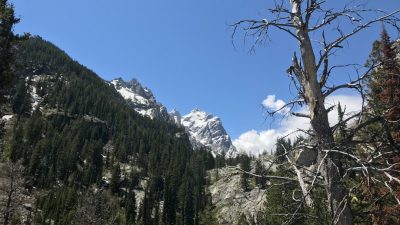
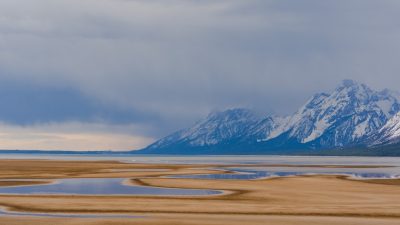
One of the most enriching experiences in Olympic National Park with kids is moving between its three distinct ecosystems. Encourage your family to immerse themselves in the damp, ancient beauty of the Temperate Rainforests, where giant trees and emerald moss create a magical atmosphere. Then, transition to the rugged grandeur of the Pacific Coastline, with its wild beaches, crashing waves, and unique marine life. Finally, ascend to the alpine majesty of the Mountain Peaks at Hurricane Ridge, offering sweeping vistas and a completely different ecological zone. This varied exploration highlights the park’s incredible natural diversity.
Water Activities & Scenic Picnic Spots
Lake Crescent is a hub for water activities, providing opportunities for swimming in its clear, deep waters (though it can be quite cold). Families can also enjoy kayaking and boat rentals available at various points around the lake, offering a unique perspective of the surrounding forests. Numerous scenic picnic areas are dotted throughout the park, including popular spots at Lake Crescent, the Hoh Rainforest, and Hurricane Ridge. These locations provide perfect settings for a relaxed family meal amidst beautiful surroundings.
Ranger-Led Activities & Evening Programs
Participating in ranger-led activities and evening programs can significantly enhance your family’s understanding and enjoyment of the park. These programs often include guided walks, campfire talks, and educational presentations covering topics like wildlife, geology, and conservation. Check the bulletin boards at visitor centers or the NPS website for schedules, as these engaging programs offer a fantastic opportunity for kids to learn directly from park experts and earn Junior Ranger credits.
Tailoring Activities for Toddlers vs. Older Kids
Planning a trip to Olympic National Park with kids means adapting activities to suit different energy levels and interests. For toddlers, focus on short, sensory walks on boardwalks or paved paths, allowing them to touch moss, listen to birds, and experience nature in short bursts. Older kids might enjoy more challenging hikes to waterfalls or panoramic viewpoints, participating actively in the Junior Ranger program, or trying water activities like kayaking. Flexibility is key; always have backup plans and be ready to adjust based on your children’s moods and the weather.
Packing Smart: Essentials for Families
Layered Clothing for All Seasons
Given Olympic National Park’s varied and often unpredictable climate, layered clothing is absolutely essential for families. Emphasize packing rain gear, including waterproof jackets and pants, for everyone, as even summer days can bring sudden showers, especially in the rainforest. Warm fleece layers are crucial for cooler mornings and evenings, and quick-drying clothing will be your best friend when navigating damp conditions. Being prepared for all types of weather ensures comfort and enjoyment regardless of the elements.
Essential Footwear for Diverse Terrain
Proper footwear is paramount for exploring Olympic National Park with kids. We highly recommend waterproof hiking boots for adults and older children, providing ankle support and protection on uneven, potentially muddy trails. For younger children, water-resistant shoes with good traction are advisable. Pack plenty of extra socks for everyone, as wet feet can quickly lead to discomfort and blisters, particularly if you’re exploring the perpetually damp rainforest.
Snacks, Meals, and Hydration
When traveling with kids, being well-stocked with food and drink is non-negotiable. Plan to pack plenty of non-perishable snacks, sandwich supplies, and a cooler for picnic lunches to save money and time. Reusable water bottles or hydration packs are essential for every family member to stay hydrated on trails, as water sources can be limited. Consider foods that are easy to eat on the go and provide sustained energy for active days.
Baby Gear & Stroller Recommendations
For families with babies and toddlers, specific gear will make your trip smoother. A comfortable backpack carrier is highly recommended for trails, allowing you to navigate uneven terrain while keeping your little one secure. If you plan to stick to paved paths or visitor center areas, a durable, all-terrain stroller can be useful. Remember that not all trails are stroller-friendly, so check trail descriptions in advance.
Safety and First Aid Kit Essentials
A comprehensive first-aid kit is a must-have for any family adventure. Include items like bandages, antiseptic wipes, pain relievers, and any personal medications. Insect repellent, sunscreen (even on cloudy days, especially at higher elevations or reflective coastal areas), and headlamps (for unexpected evening walks or power outages) are crucial. Familiarize yourself with bear safety items and protocols, such as carrying bear spray, particularly if you’re venturing into more remote wilderness areas of Olympic National Park.
Gear for Wildlife & Water Activities
To enhance your wildlife viewing, consider bringing binoculars and field guides to help identify the various creatures you might encounter. For coastal explorations or visits to Lake Crescent, waterproof bags are invaluable for protecting electronics and personal items from moisture. Don’t forget swimsuits and beach toys for kids if you plan on enjoying the water at Lake Crescent or playing on the sandy sections of the coast.
Food & Dining Logistics
Onsite Dining Options in Olympic National Park
Dining options directly within Olympic National Park are limited but offer charming experiences. You’ll find restaurants at Lake Crescent Lodge, Sol Duc Hot Springs Resort, and Kalaloch Lodge. These establishments typically offer a mix of American cuisine, often with regional specialties. While menus are not extensive, they usually include kid-friendly choices like pasta, burgers, and simple breakfasts. Be aware that these can be pricier than options outside the park and may require reservations during peak season.
Designated Picnic Areas Throughout the Park
Olympic National Park provides numerous designated picnic areas, offering scenic spots to enjoy a packed meal. Popular locations include those around Lake Crescent, within the Hoh Rainforest, and near the Hurricane Ridge Visitor Center. These areas are typically equipped with picnic tables and often have restrooms nearby. When picnicking, always remember to practice Leave No Trace principles: pack out everything you pack in, including all trash and food scraps, to protect the park’s natural environment.
Grocery Stores and Supermarkets in Gateway Towns
For families looking to save money and have more control over their meal choices, stocking up at grocery stores in gateway towns is highly recommended. Port Angeles offers the most extensive selection of supermarkets, including larger chains. Forks and Sequim also have smaller grocery stores where you can purchase essentials. These towns are ideal for buying ingredients for sandwiches, snacks, and campfire meals before heading into the park.
Tips for Bringing Your Own Food with Kids
Bringing your own food when exploring Olympic National Park with kids is a practical and budget-friendly strategy. Pack a cooler with ice to keep perishable items fresh, especially on warmer days. Prepare packable meals and snacks that are easy to transport and eat on the go, minimizing cleanup. Utilizing reusable containers helps reduce waste and is environmentally conscious, aligning with park conservation efforts. This approach allows for greater flexibility and ensures you always have food readily available, which is key with hungry children.
If your family has dietary restrictions or allergies, planning ahead is crucial. At restaurants within the park, communicate your dietary needs clearly to the staff, but be prepared that options might be limited. The safest approach is often to pack a variety of specific allergy-safe snacks and meal components. This ensures that everyone has safe and satisfying options throughout your exploration of Olympic National Park.
Safety First: Protecting Your Family
Wildlife Safety in the Park
Encountering wildlife is one of the highlights of visiting Olympic National Park with kids, but safety is paramount. It is crucial to maintain a safe distance from all animals, especially Roosevelt Elk, bears, and deer. Never approach, feed, or attempt to pet any wildlife. Proper food storage in bear-resistant containers or your vehicle is essential to avoid enticing animals into human areas. Be aware of your surroundings, especially on trails, and educate children on how to behave if an animal is spotted.
Trail Safety Guidelines for Families
When hiking with your family, always stay on marked trails to protect both yourselves and the fragile ecosystems. Before setting out, understand the trail difficulty ratings and choose paths appropriate for the youngest or least experienced member of your group. Supervise children closely, especially near cliff edges, water bodies, or on uneven terrain. Always check weather forecasts and trail conditions with a ranger before your hike, as conditions can change rapidly in the mountains and on the coast.
Hydration and Sun Protection
Even on cloudy or seemingly cool days, hydration and sun protection are vital, particularly at higher elevations like Hurricane Ridge or on reflective coastal areas. Carry ample water for everyone, ensuring regular sips throughout your activities. Apply sunscreen generously and wear hats to protect against UV radiation. Dehydration and sunburn can quickly diminish a family’s enjoyment, so proactive measures are key.
Emergency Contacts & Ranger Station Information
Familiarize yourself with the locations of visitor centers and ranger stations, as these are key contact points for information and emergencies. Be aware that cell service can be extremely limited or nonexistent in many areas of Olympic National Park. Before you head out, communicate your itinerary to someone outside the park. It’s also wise to have a family emergency plan, including designated meeting points and steps to take if separated, especially if exploring areas with poor cell reception.
Money & Budget Tips
Entry Fees and National Park Passes
Olympic National Park charges an entrance fee per vehicle, which covers all occupants for seven consecutive days. For families planning to visit multiple national parks within a year, purchasing an America the Beautiful Pass is a highly economical choice. This annual pass grants unlimited entry to all national parks and federal recreation sites nationwide. Keep an eye out for potential fee-free days announced by the National Park Service, which can offer an opportunity to save on admission.
Activity Fees and Rentals
While many of Olympic National Park’s natural wonders are free to explore, some specific activities and amenities come with additional costs. For instance, boat rentals at Lake Crescent for kayaking or canoeing will incur a fee. Similarly, entry to the Sol Duc Hot Springs pool requires a separate payment. Factor these potential activity fees into your overall budget if your family plans to participate in these experiences.
Budget-Friendly Tips for Families
Traveling to Olympic National Park with kids doesn’t have to break the bank. One of the best ways to save money is by packing picnics and preparing your own meals, significantly cutting down on restaurant expenses. Camping within the park or at nearby national forest campgrounds is generally more affordable than lodge stays. Additionally, take advantage of the many free ranger programs and educational activities offered, which provide enriching experiences without extra cost.
Nearby Affordable Meal & Grocery Options
To further stretch your budget, make use of the grocery stores in gateway towns like Port Angeles, Forks, and Sequim to stock up on supplies for breakfasts, lunches, and simple dinners. These towns also offer a wider range of local, family-friendly restaurants that are typically more affordable than the limited dining options found inside the park. Eating outside the park boundaries allows for more variety and better value.
Sample Itinerary: Making the Most of Your Time
Half-Day Adventure for Young Kids (Hoh Rainforest & Lake Crescent Shoreline)
Begin your day with a relaxed morning exploring the mystical Hoh Rainforest. The Hall of Mosses Trail is a perfect, easy boardwalk loop for young children, offering sensory delights with its vibrant greens and towering trees. Allow ample time for meandering and wonder. Afterwards, drive to Lake Crescent for a scenic picnic lunch by the water, followed by a gentle walk along the shoreline. This itinerary focuses on short bursts of activity and immersive sensory experiences, ideal for little legs and curious minds.
Full-Day Exploration for Older Children (Hurricane Ridge & Coastal Views)
For families with older children, an active full day can start with a scenic drive up to Hurricane Ridge. Enjoy a hike on the Hurricane Hill Trail (or its paved option) for truly panoramic views of the Olympic Mountains and the Strait of Juan de Fuca. Incorporate some Junior Ranger activities at the visitor center. In the afternoon, head to the rugged beauty of a beach like Ruby Beach. Here, kids can explore the driftwood-strewn shores and sea stacks, searching for unique treasures. This day combines stunning alpine scenery with the wild coast, offering diverse landscapes and plenty of opportunities for active exploration.
Multi-Day Immersion: Coast, Rainforest, and Mountains (Mixed Ages)
A multi-day itinerary allows families of mixed ages to fully immerse themselves in Olympic National Park’s diverse ecosystems. Dedicate one day to the Pacific Coast, exploring tide pools at Rialto Beach (check tide charts!) and enjoying the expansive views at Ruby Beach. The next day, venture into the enchanting Hoh Rainforest for walks among ancient trees and mosses. For your final full day, journey to Hurricane Ridge for mountain hikes and breathtaking vistas. This plan emphasizes balancing active time with opportunities for rest and flexibility, allowing for spontaneous discoveries and catering to varied interests and energy levels of everyone in your family. Consider also checking out our guides for other parks like a 3 day Yosemite National Park family itinerary or Zion National Park itinerary family trips for more inspiration.
Extra Tips for Parents
Keeping Kids Engaged on Long Hikes
Longer hikes in Olympic National Park with kids can be made more enjoyable with a few strategies. Turn the hike into a nature scavenger hunt, providing a list of items to spot like a specific type of leaf, a mossy rock, or an interesting bird. Engage them with wildlife spotting games, telling imaginative stories, or singing songs. Frequent, short breaks for snacks and water are also crucial to maintain energy and prevent meltdowns. Remember, the goal is discovery, not just covering distance.
Managing Different Age Groups on Your Trip
Traveling with children of varying ages requires thoughtful planning to keep everyone happy. Consider trails that offer shorter loops or different options, allowing older kids to complete a longer segment while younger ones turn back. Sometimes, dividing activities, with one parent taking older kids on a more challenging hike while the other enjoys a gentler walk with toddlers, can be beneficial. Flexibility and open communication are key to balancing everyone’s needs and interests.
Photography Tips for Families in a National Park
Capturing memories in Olympic National Park is a joy, and a few photography tips can help. Focus on candid moments of your children interacting with the environment rather than always posing. Utilize the park’s incredible natural light, especially during the “golden hours” of early morning or late afternoon. Protect your camera gear from moisture, particularly in the rainforest or coastal areas, with waterproof bags. Don’t forget to include your kids in the frame to provide a sense of scale against the grandeur of the landscape, truly showcasing the vastness of the park.
Embracing the “Rain” and the Wilderness Experience
Olympic National Park is known for its rain, especially in the rainforest, and it’s best to embrace it as part of the authentic wilderness experience. Proper rain gear, including waterproof jackets, pants, and footwear, will allow your family to comfortably enjoy the park regardless of the weather. Viewing wet weather as an opportunity to witness the lush, vibrant beauty of the rainforest, rather than a hindrance, can transform your perspective and lead to some of the most memorable moments of your trip.
Resources & Links
To help you plan your unforgettable adventure to Olympic National Park with kids, here are some essential resources:
- Official Olympic National Park Website: NPS.gov/olym
- NPS App for maps and information (downloadable before your trip, as cell service is limited): Search “NPS” in your app store.
- Port Angeles Chamber of Commerce for local tourism resources: PortAngeles.org
- Recommended trail apps for detailed trail information: AllTrails, Gaia GPS
- Downloadable Junior Ranger activity booklets: Available on the official NPS website for Olympic National Park.
Conclusion
Olympic National Park offers an unparalleled array of natural beauty and family-friendly adventures, from the vibrant marine life of its tide pools to the enchanting, moss-draped Hoh Rainforest and the majestic peaks of Hurricane Ridge. A trip here is more than just a vacation; it’s an educational journey and an opportunity for families to connect with diverse ecosystems. Thoughtful planning and preparedness, from booking accommodations early to packing smart and understanding safety guidelines, are the keys to a truly memorable experience when visiting Olympic National Park with kids. For more tips on budget Rocky Mountain National Park with kids or a general Yellowstone Family National Park Guide, kiddometer.com has you covered. Start planning your unforgettable Olympic National Park family adventure today!
- Best Family-Friendly Hikes in Grand Canyon National Park
- Family Trails at Zion National Park
- Yellowstone Family Trails & Hikes
- Best Family Hikes in Acadia National Park
- Grand Canyon Family Stroller Travel
- Zion Family Stroller Guide
- Best Hiking Shoes for Kids
- Best Kids Waterproof Trail Shoes
- Best Kids Water Bottles
- Travel Activity Kits & Busy Boards
- Wikivoyage page on Olympic National Park
Plan a trip your kids will actually enjoy.
Answer a few quick questions and get a free, personalized itinerary tailored to your destination and your children’s ages. No account required — your custom plan is ready in moments.
Filter out the noise and find what works for your family.
Every resort we review gets one of four Family Fit ratings. The rating is based on kids programming, amenities, vibe, and who the resort actually markets to - not just whether they allow children.
Discover My Ideal Resort →