Traveling to Antigua with a baby or toddler under two comes down to a handful of practical decisions: where you stay, how you handle beach shade and heat, and how you keep feeding and napping on some kind of schedule in a place that runs slower than home. Antigua itself is well set up for this — direct flights from major UK and US hubs, reliable pharmacies in St. John’s, and a resort industry used to young families. None of that removes the basic logistics of traveling with an infant, though, and a few island-specific details (tap water, sun exposure, high chair availability) are worth planning around before you land rather than figuring out on day one.
What to Know
- Antigua’s tap water is generally safe, but stick to bottled or filtered water for formula mixing in the first weeks of a trip.
- Direct flights from the UK and US run 8-9 hours, long for a lap infant — request a bassinet seat when you book.
- Most beach vendors rent umbrellas and loungers for $15-25/day; bring your own pop-up tent for guaranteed shade near the shoreline.
- Very few restaurants stock high chairs outside resort properties — ask ahead or bring a portable clip-on seat.
- Pharmacies in St. John’s carry major formula brands, but selection thins outside town, so pack a buffer supply.
- Reef-safe sunscreen matters here: Antigua’s beaches sit next to living reef systems the snorkeling industry depends on.
Choosing a Base That Actually Works with an Infant
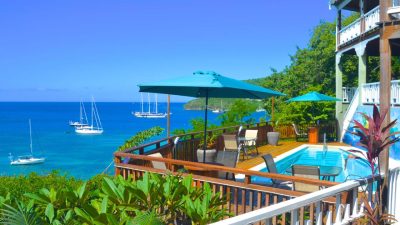
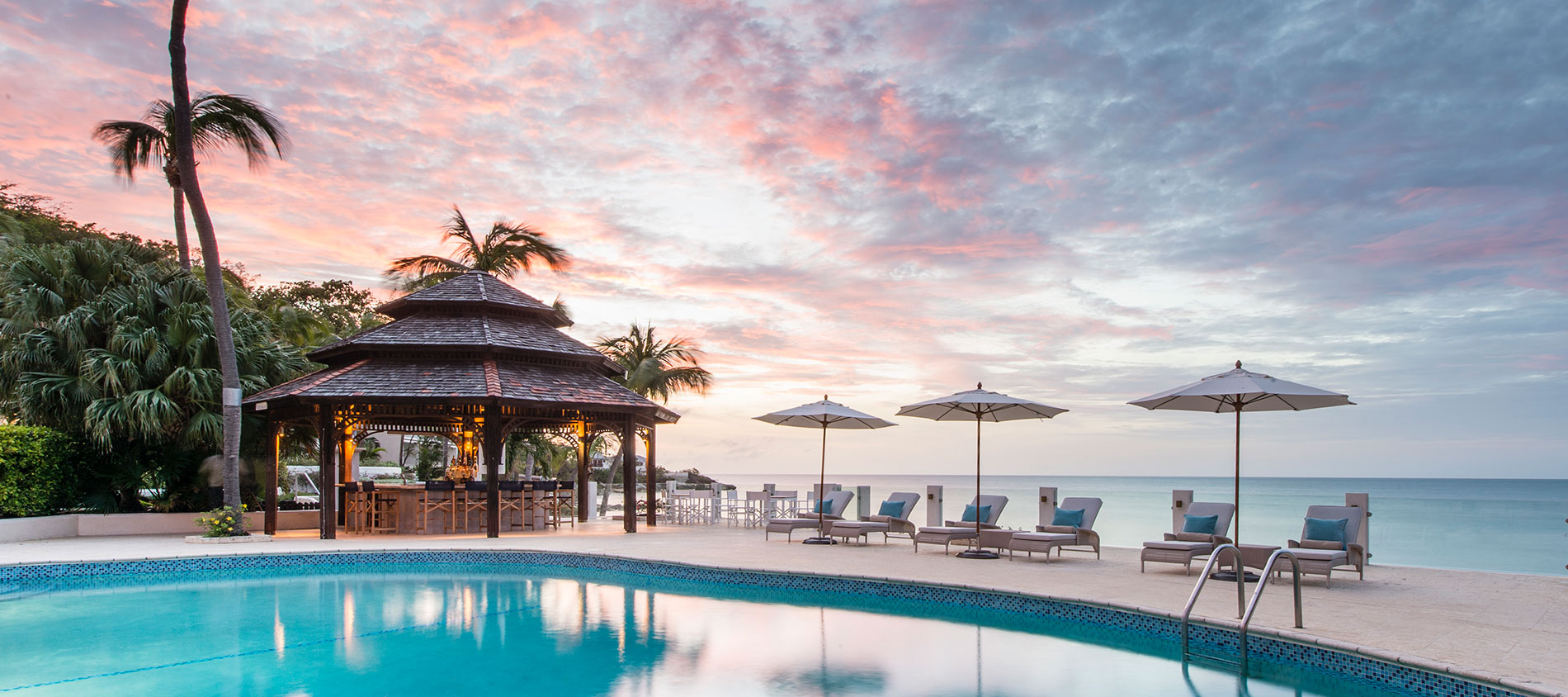
Where you stay matters more with a baby than with older kids, because you’ll be doing more short trips back to the room for naps and feeds. Blue Waters Resort & Spa stands out here — its creche accepts children from 14 months, one of the youngest minimum ages on the island for supervised childcare, and the property’s calm bay means you’re not hauling a stroller over rough sand. For a baby under 14 months, the creche won’t apply yet, but the resort’s layout (short, flat paths between rooms, restaurants, and beach) still makes daily logistics easier than a hillside villa. If you’re weighing wider options, our guide to Antigua’s best luxury resorts for families breaks down which properties have elevators, ground-floor room categories, and in-room fridges for storing milk or purees — all of which matter more with an infant than a “kids’ club” headline ever will.
Filter out the noise and find what works for your family.
Every resort we review gets one of four Family Fit ratings. The rating is based on kids programming, amenities, vibe, and who the resort actually markets to - not just whether they allow children.
Discover My Ideal Resort →Beach Days with a Baby: Shade, Sand, and Timing
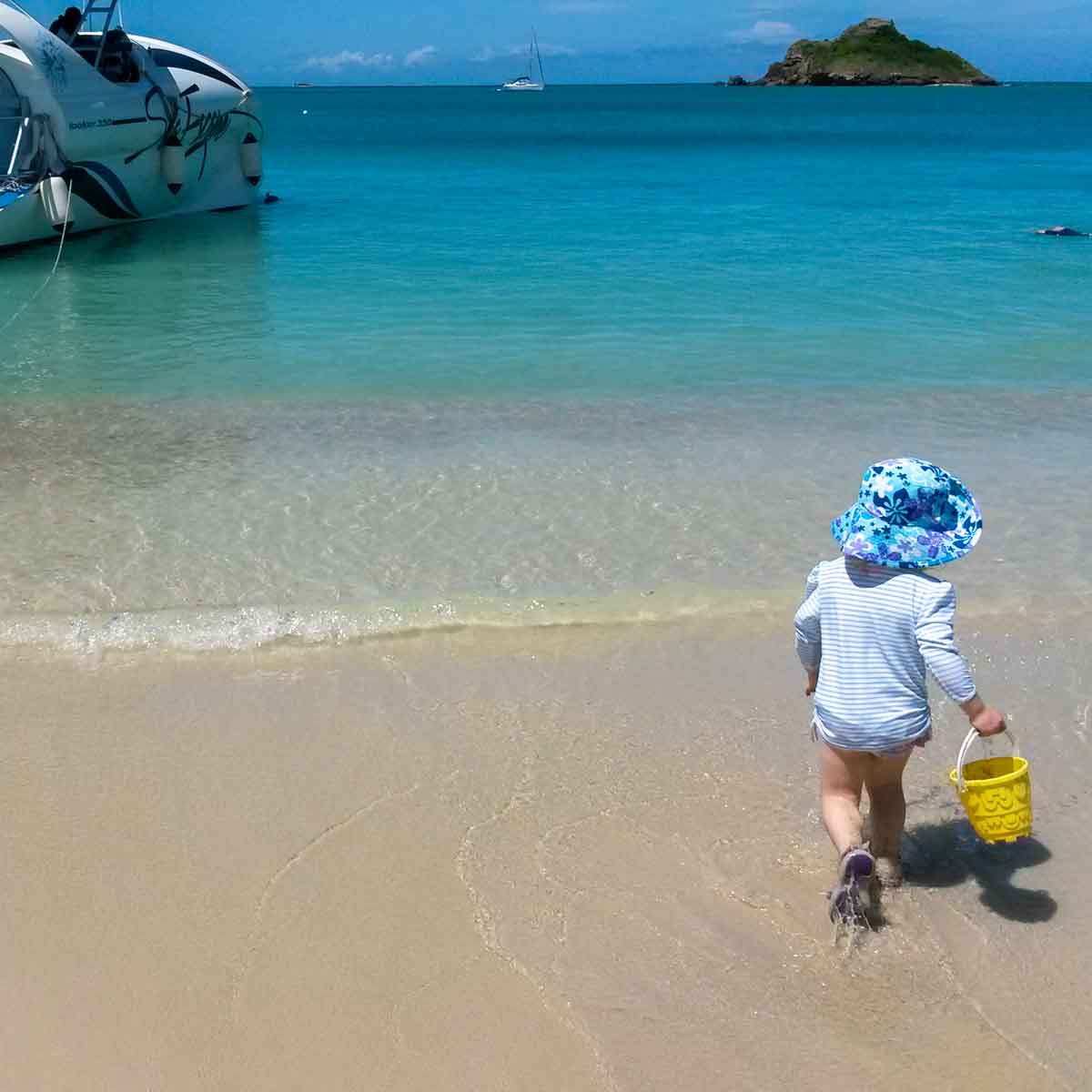
Antigua’s beaches are calm on the Caribbean (west and south) side and rougher on the Atlantic (east) side, which matters for a baby who can’t yet hold their head steady in waves. Our roundup of Antigua’s best family beaches flags which ones have gently sloping entries — good for wading with an infant on your hip — versus drop-offs better suited to older swimmers. Plan beach time for the 8-10am or after-4pm windows; midday sun on white sand reflects heat upward, and a baby’s skin burns faster than an adult’s even under an umbrella. A pop-up tent with UPF fabric beats a rented umbrella because it blocks wind-blown sand too, not just sun. Bring more water than you think you need — dehydration in infants shows up faster in tropical heat, and not every beach has a nearby shop.
Eating Out and Managing Naps Around a Toddler’s Schedule
Restaurant service in Antigua tends to be relaxed rather than fast, which is a mixed blessing with a toddler on a feeding schedule. Our guide to Antigua’s best family restaurants notes which spots serve food quickly enough for a hungry one-year-old and which have outdoor seating where a stroller can park beside the table. Booking a villa or resort room with a small kitchenette — several properties near English Harbour offer this — lets you warm purees or mix formula without depending on restaurant timing at all. For nap logistics, build one full at-home (or at-resort) nap into each day rather than trying to nap-on-the-go in a stroller; Antigua’s heat and humidity make a shaded, air-conditioned midday break genuinely restorative rather than optional.
Packing and Gear Decisions That Actually Matter
Most families overpack for a baby’s first Caribbean trip and underpack for the specific conditions Antigua presents. A lightweight, UPF-rated pop-up beach tent does more work than a stroller with a sunshade, since it blocks wind-driven sand as well as sun and gives a baby a cooler spot to nap mid-beach-day. A car seat is worth bringing or renting in advance rather than assuming a taxi or transfer company will have one — availability is inconsistent outside pre-booked private transfers. If your baby is on solids, pack a few days of familiar pouches or cereal as a buffer; grocery stores in St. John’s stock imported baby food, but selection is thinner than at home and worth not depending on for the first 48 hours. Pre-booking a private airport transfer that guarantees a proper infant car seat removes one more variable from arrival day, since taxi availability of car seats is inconsistent. A baby carrier earns its space in the suitcase too — Nelson’s Dockyard and other cobblestone or uneven-ground sites are far easier to navigate on foot than with a stroller.
Plan Your Days in Antigua
Browse family-friendly tours, snorkeling trips, and day activities on Antigua.
Quick Answers
Is Antigua safe to visit with a baby under 2?
Yes. It’s a low-crime, tourism-dependent island with reliable medical facilities in St. John’s, though travel insurance covering medical evacuation is worth having for any Caribbean trip with an infant.
Do any Antigua resorts take babies in childcare?
Blue Waters Resort & Spa accepts children into its creche from 14 months, younger than most competing properties on the island.
What’s the best time of year to bring a baby to Antigua?
December through April avoids the June-November hurricane season and offers the most consistent, moderate heat — easier on an infant than the humid peak of August.
Where to Stay in Antigua
Blue Waters Resort & Spa
A creche accepting babies from 14 months, one of the youngest minimum ages on the island for supervised childcare.
St. James’s Club & Villas
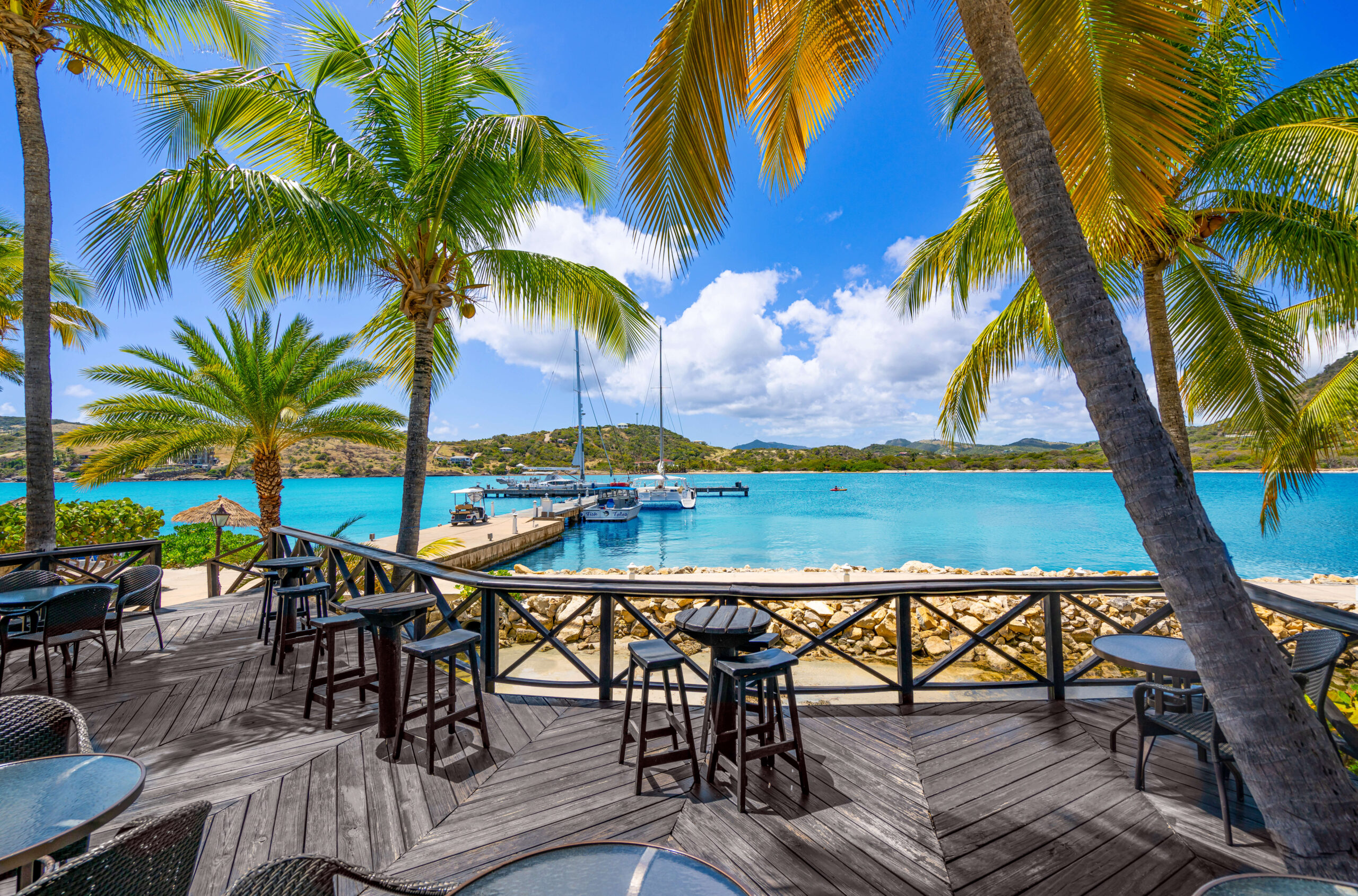
A dedicated beach club program for kids 4-12, plus villa options with more space for families.
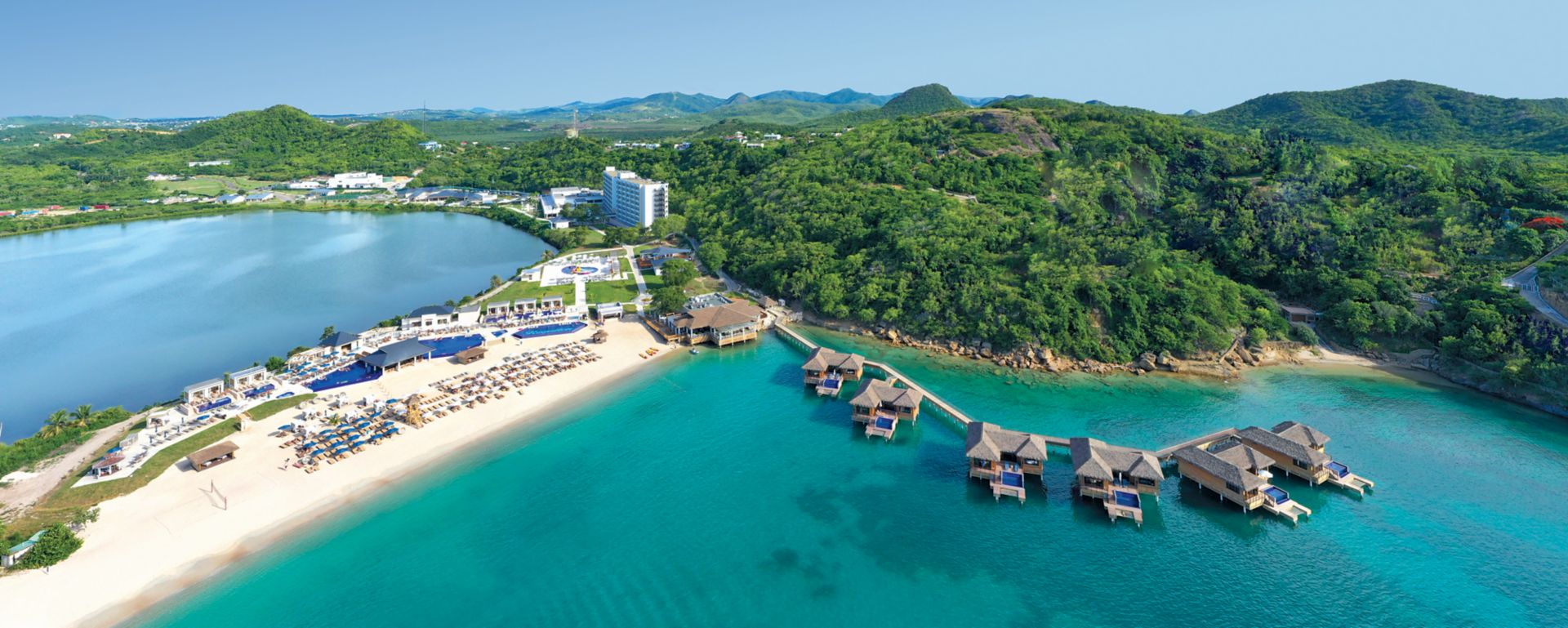
Royalton Antigua Resort & Spa
An all-inclusive built to work across a wide age range, from toddlers to teens, in one property.
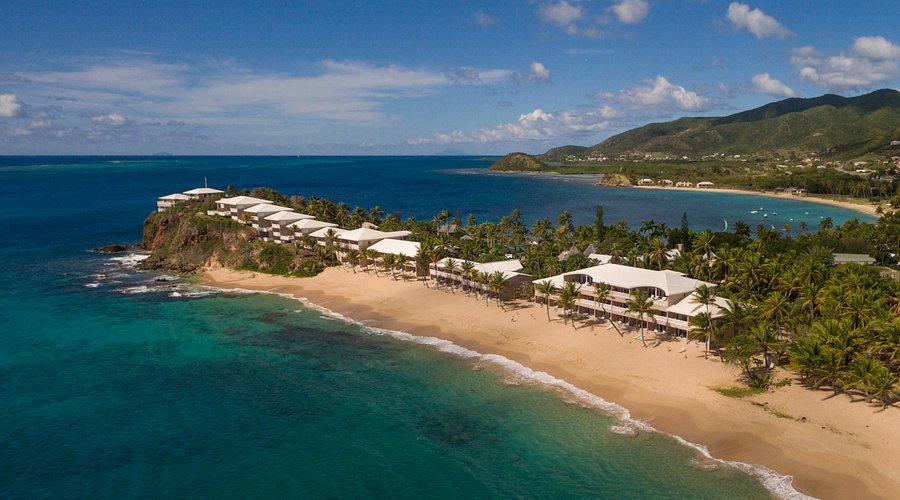
Curtain Bluff
No in-room TVs and a strong watersports program, welcoming kids from age 3.
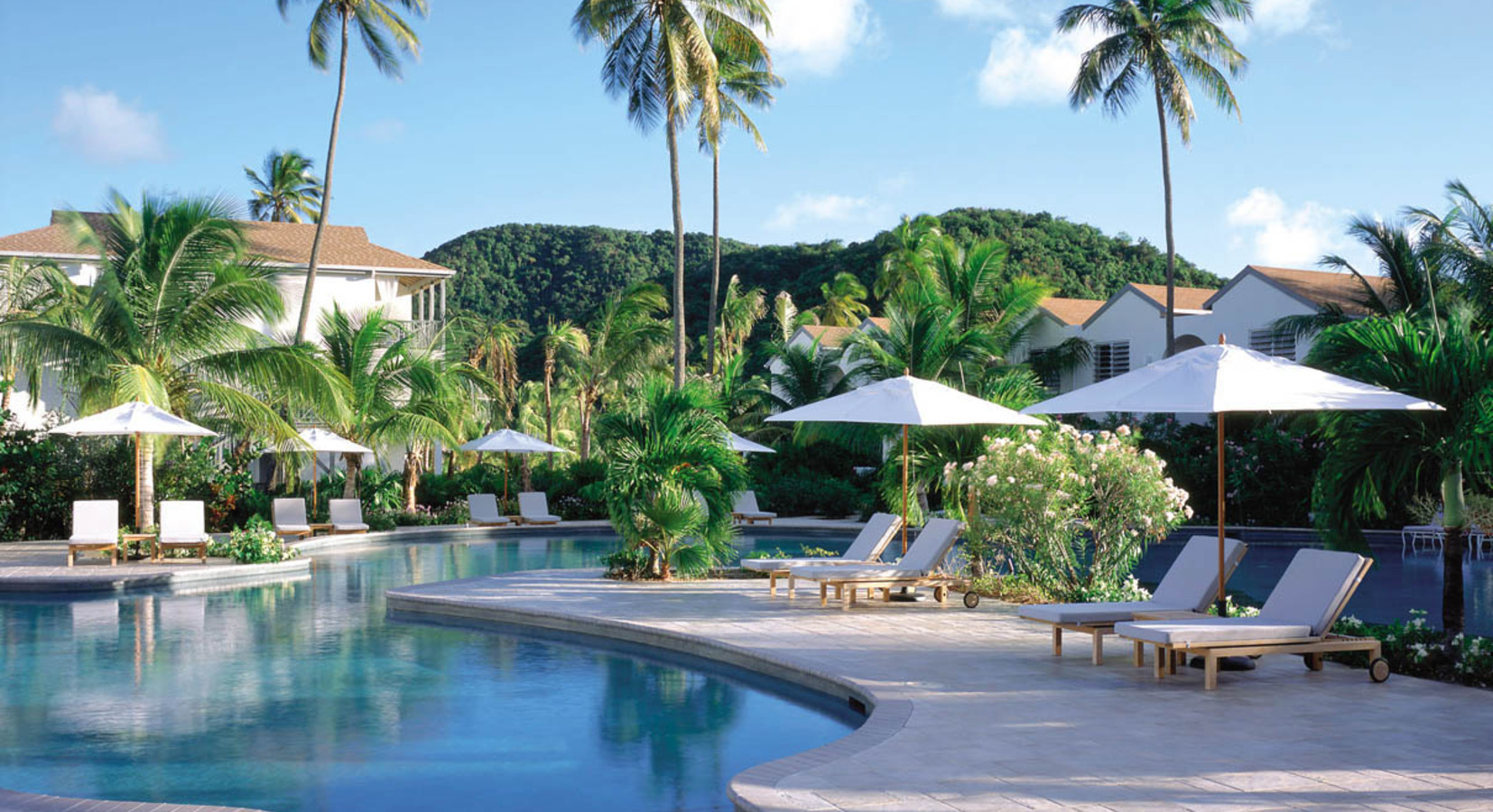
Carlisle Bay
Three separate kids’ programs split by age group, unusually granular for a single Caribbean resort.
Ready to Plan Your Trip?
Get a personalized Antigua itinerary built around your kids’ ages and your travel dates.