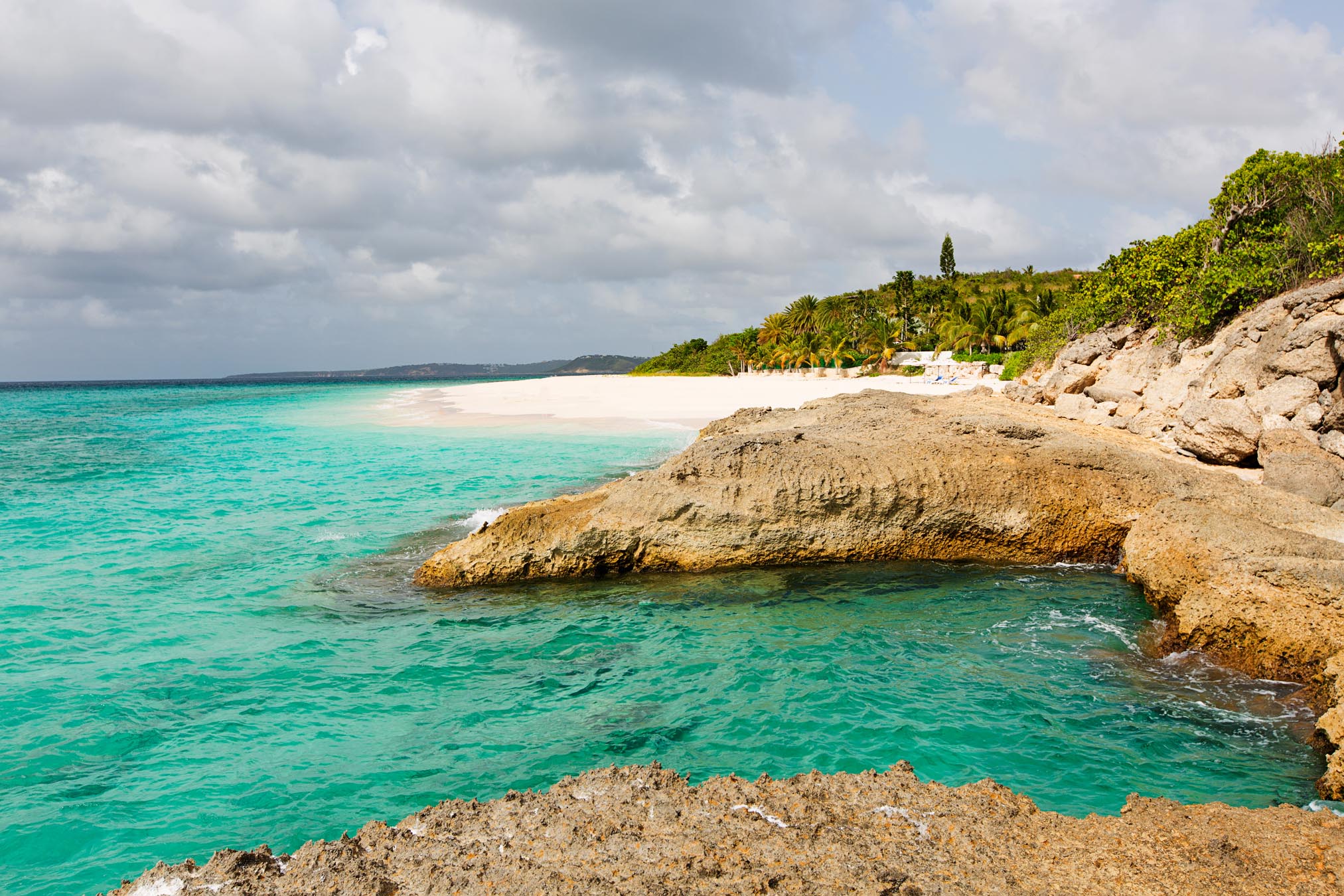
Anguilla runs warm and sunny nearly year-round, so “best time to visit” is really a question of trade-offs: dry weather and calm seas versus crowds and peak prices, or quieter beaches and lower rates versus a higher chance of a rainy or stormy stretch. For families, school calendars usually narrow the choice further, but it still helps to know what each season actually looks like on the ground.
Filter out the noise and find what works for your family.
Every resort we review gets one of four Family Fit ratings. The rating is based on kids programming, amenities, vibe, and who the resort actually markets to - not just whether they allow children.
Discover My Ideal Resort →This guide breaks down the weather, water temperature, pricing, school-break timing, and events by season so you can match the trip to what matters most to your family — guaranteed sun, lower cost, or fewer crowds.
Snapshot by Season
- Temperatures stay in a narrow band year-round, roughly 75–89°F, so no season is actually cold or unbearably hot
- Water temperature is swimmable all year, from about 79°F in January (the coolest month) to around 86°F in September (the warmest)
- December through April is the dry, high season — the most reliable weather and the highest prices, with 6+ months advance booking recommended for peak weeks
- May through August is shoulder season: still generally good weather, noticeably lower villa and resort rates, and smaller crowds
- September through November is low season and the wettest stretch, coinciding with peak hurricane risk (August–October) — the cheapest time to visit but the one requiring the most flexibility
- The Anguilla Summer Festival (Carnival), the island’s biggest annual event with boat racing, music, and community celebrations, runs roughly late July into early August each year — worth building a trip around or avoiding, depending on what your family wants
- Moonsplash, a long-running reggae music festival, typically happens in March
High Season: December Through April
This is Anguilla’s dry season and the most popular window to visit, with the least rainfall of the year and consistently calm conditions well-suited to beach days and boat trips with kids. It’s also the most expensive and most crowded stretch, with many villas and resorts requiring a 7–14 night minimum stay and advance booking of six months or more for peak weeks around the winter holidays and February break. If your family’s travel dates are fixed to a school break in this window, book early rather than waiting to compare prices.
Shoulder Season: May Through August
Late spring into summer offers a middle ground — weather is still generally good, though humidity and rain both tick up compared to the winter months, and villa rates commonly run 20–40% below high-season pricing. This is also when the Anguilla Summer Festival takes place, typically running from late July into early August, with boat racing, live music, and island-wide celebrations — a genuinely festive time to visit if your family wants to experience local culture, though it also means more activity and traffic around festival events than a typical week.
Low Season: September Through November
This is both the cheapest time to visit Anguilla, with savings up to 50% off high-season villa rates, and the stretch requiring the most weather flexibility. September and November tend to be the wettest months of the year, and hurricane season (June through November) sees its highest probability of a named storm between August and October. Families comfortable monitoring the forecast and staying flexible can find real value here; families who can’t easily shift or cancel plans should lean toward the safer winter or early-summer windows instead.
Lining Up with School Breaks
For most U.S. and Canadian families, the practical choice comes down to which school break you’re working with rather than picking the objectively “best” season. Winter break (late December) sits squarely in high season — expect the highest prices and the earliest booking deadlines of the year. Spring break weeks (roughly February through April, depending on your district) still fall in the dry season with somewhat more room in the calendar than the December holidays. Summer break overlaps with the more affordable shoulder season and, if your dates line up, the Summer Festival itself. A trip built around fall break lands in the least predictable weather window of the year, so plan with more flexibility if that’s your only option.
Matching the Season to Your Family
Families prioritizing guaranteed good weather and don’t mind paying for it and booking early should aim for January through March, after the holiday crowds thin out but still solidly in the dry season. Families more sensitive to cost, or who prefer a quieter island with fewer other visitors, do well in May, June, or early July — before hurricane season risk climbs and while rates are still discounted. Families chasing a specific event, like the Summer Festival or Moonsplash in March, should build the trip around those dates directly rather than treating them as a bonus.
Nearby Hotels and Resorts
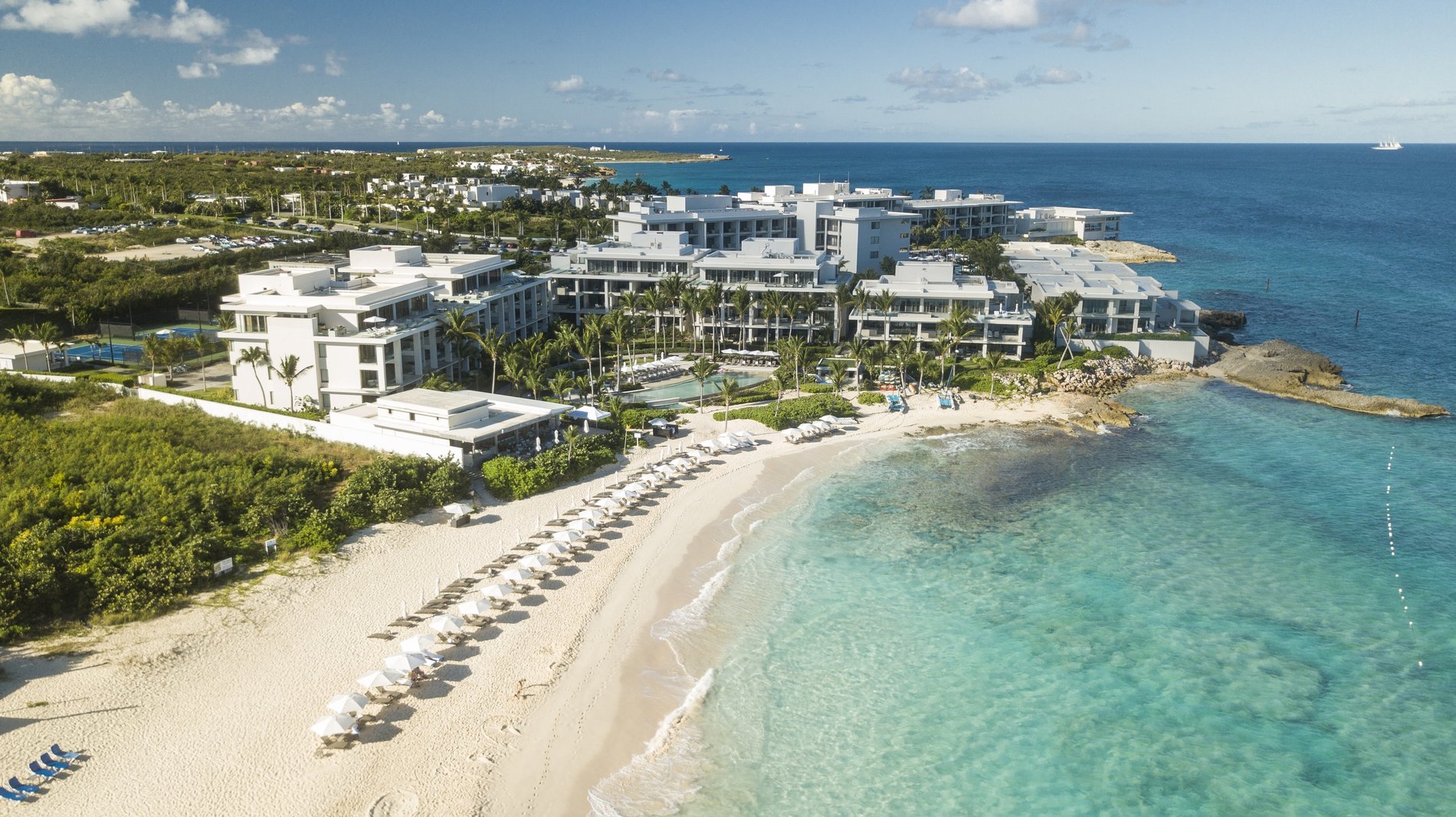 Four Seasons Resort and Residences Anguilla
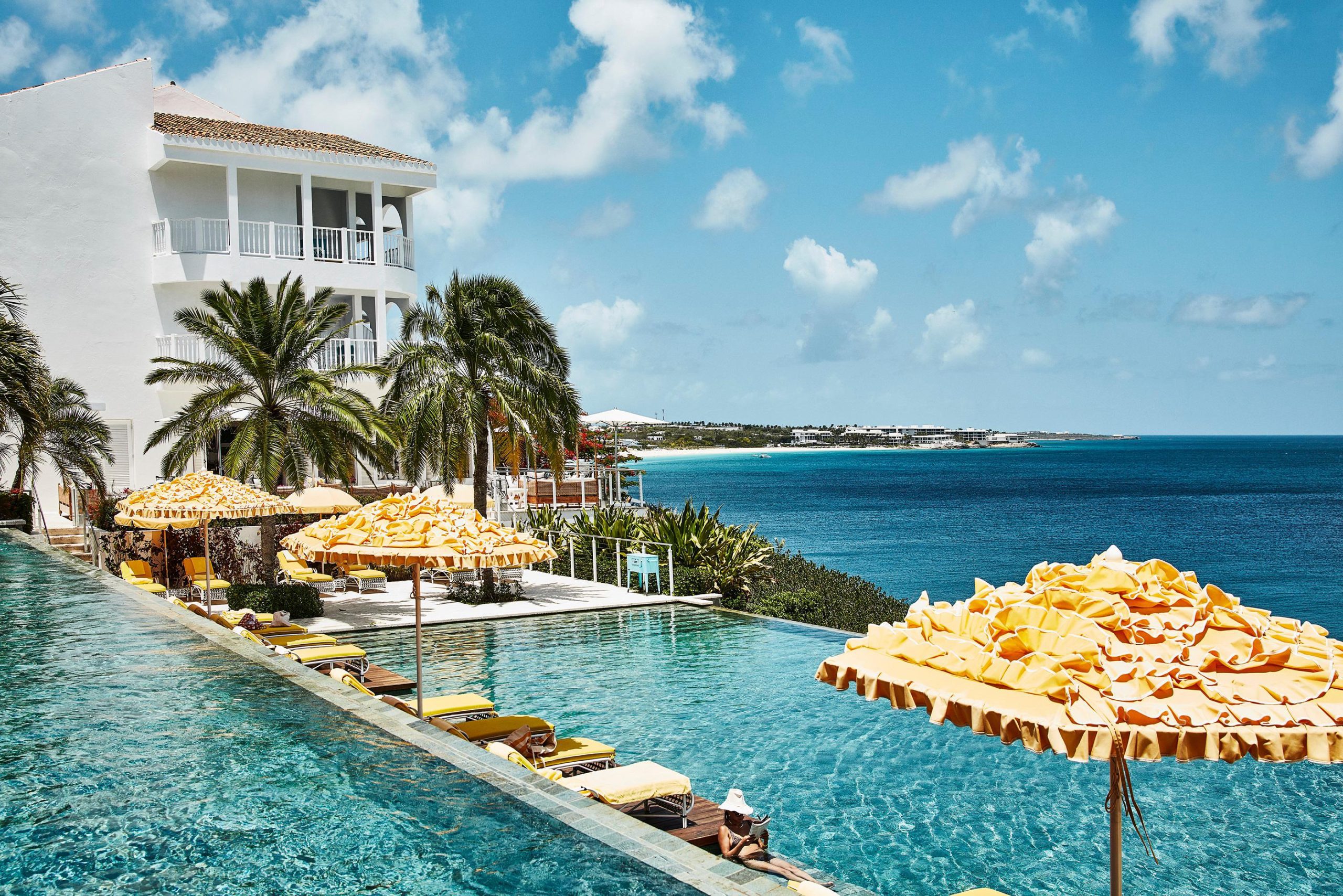 Malliouhana, Auberge Resorts Collection
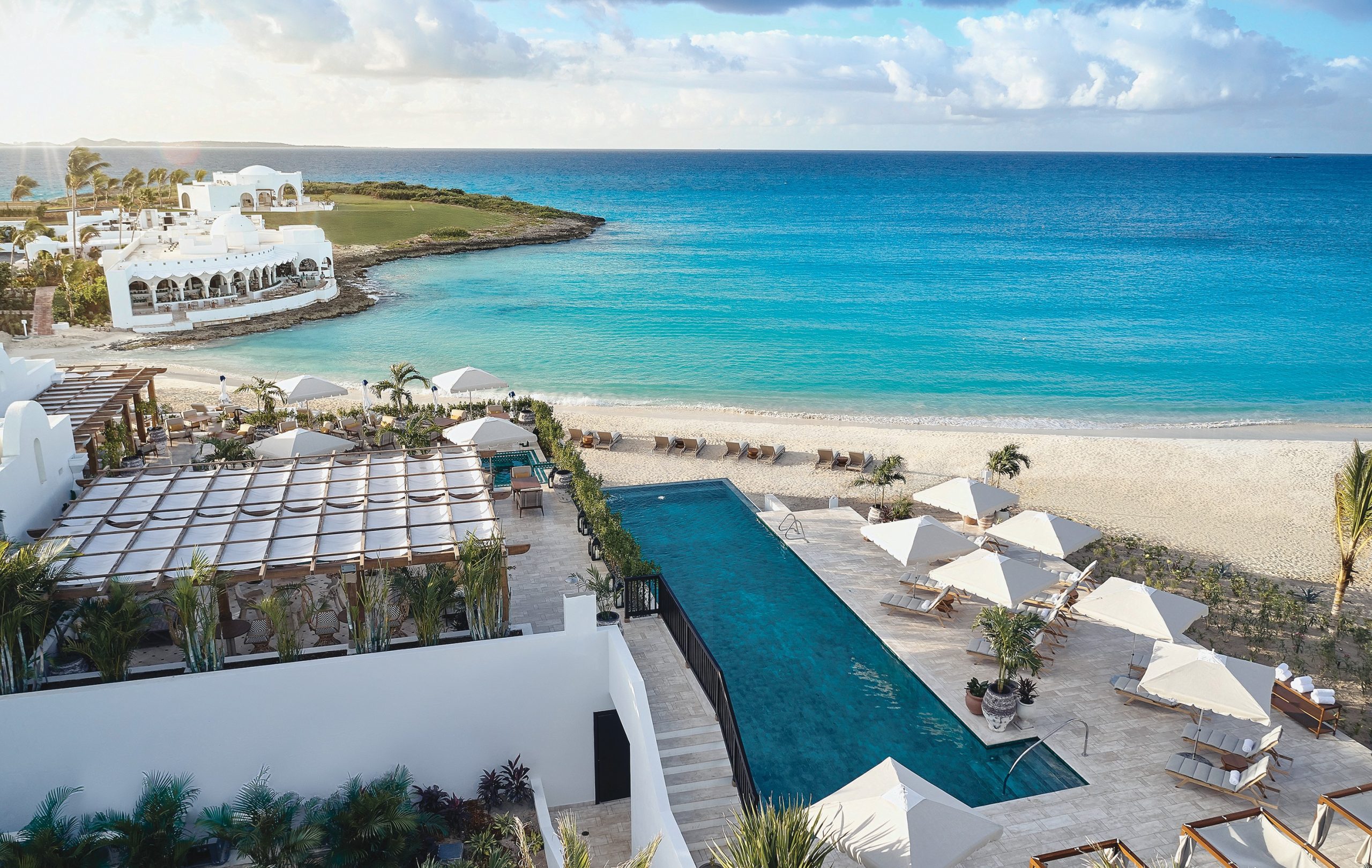 Cap Juluca, A Belmond Hotel
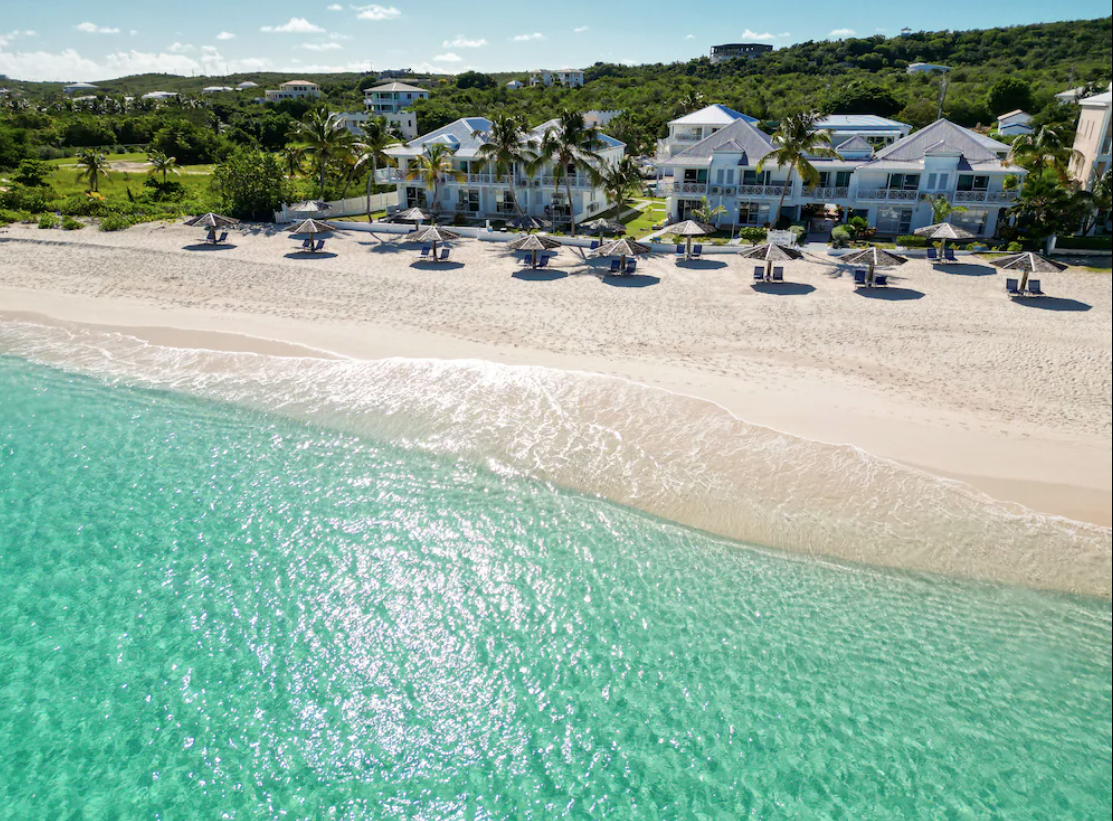 Shoal Bay Villas
Practical Booking Tips
For high-season travel, especially over winter break or February break, lock in accommodations as early as six months out — villas and top resorts sell out well before the calendar year turns. For shoulder- or low-season trips, ask directly about cancellation and rebooking policies given hurricane season risk, and consider travel insurance that covers weather-related trip interruption if traveling August through October. Whatever season you choose, Anguilla’s consistent water temperature and mild year-round climate mean the core beach experience doesn’t change much — what changes is the crowd, the price, and the chance of a rainy afternoon.
Quick Answers
Is the water too cold to swim in winter? No — even January, the coolest month, averages around 79°F, comfortable for swimming year-round.
What’s the single best month if I only care about weather? February or March — both sit in the driest part of the dry season, after the busiest holiday crowds have cleared.
Is hurricane season worth the risk for the savings? It depends on your flexibility — savings can run up to 50% off peak rates, but September–November also carries the highest chance of a rain-heavy or storm-disrupted stretch, so it suits families who can rebook easily more than those on a fixed, non-refundable itinerary.
Things to Do in Anguilla
Browse family-friendly tours and activities in Anguilla, ranked from real traveler reviews.
Ready to Plan Your Anguilla Trip?
Get a personalized family itinerary built around your kids’ ages, interests, and travel style — free.