St Lucia’s weather doesn’t swing as dramatically by season as destinations further from the equator, which makes it easy to underestimate how much timing still affects a family trip here — not through temperature, but through crowds, pricing, rain patterns, and hurricane risk. Here’s how the year actually breaks down.
Filter out the noise and find what works for your family.
Every resort we review gets one of four Family Fit ratings. The rating is based on kids programming, amenities, vibe, and who the resort actually markets to - not just whether they allow children.
Discover My Ideal Resort →What to Know
- Dry season runs roughly December through April — the most popular and most expensive stretch, with the least rainfall and busiest resorts
- Rainy season runs roughly June through November, with the Atlantic hurricane season officially spanning June 1 to November 30
- Rain in the wet season is typically brief, heavy showers followed by sun rather than all-day washouts, though inland rainforest areas see noticeably more rain than the coast
- September and October carry the highest hurricane risk within the wet season, based on typical Atlantic storm patterns
- School holiday weeks (Christmas/New Year, February and April breaks in many home countries) push dry-season pricing even higher on top of the seasonal premium
- May-June and November are shoulder-season windows with lower prices and comparatively low hurricane risk, worth considering if your family has flexible dates
Dry Season: December to April
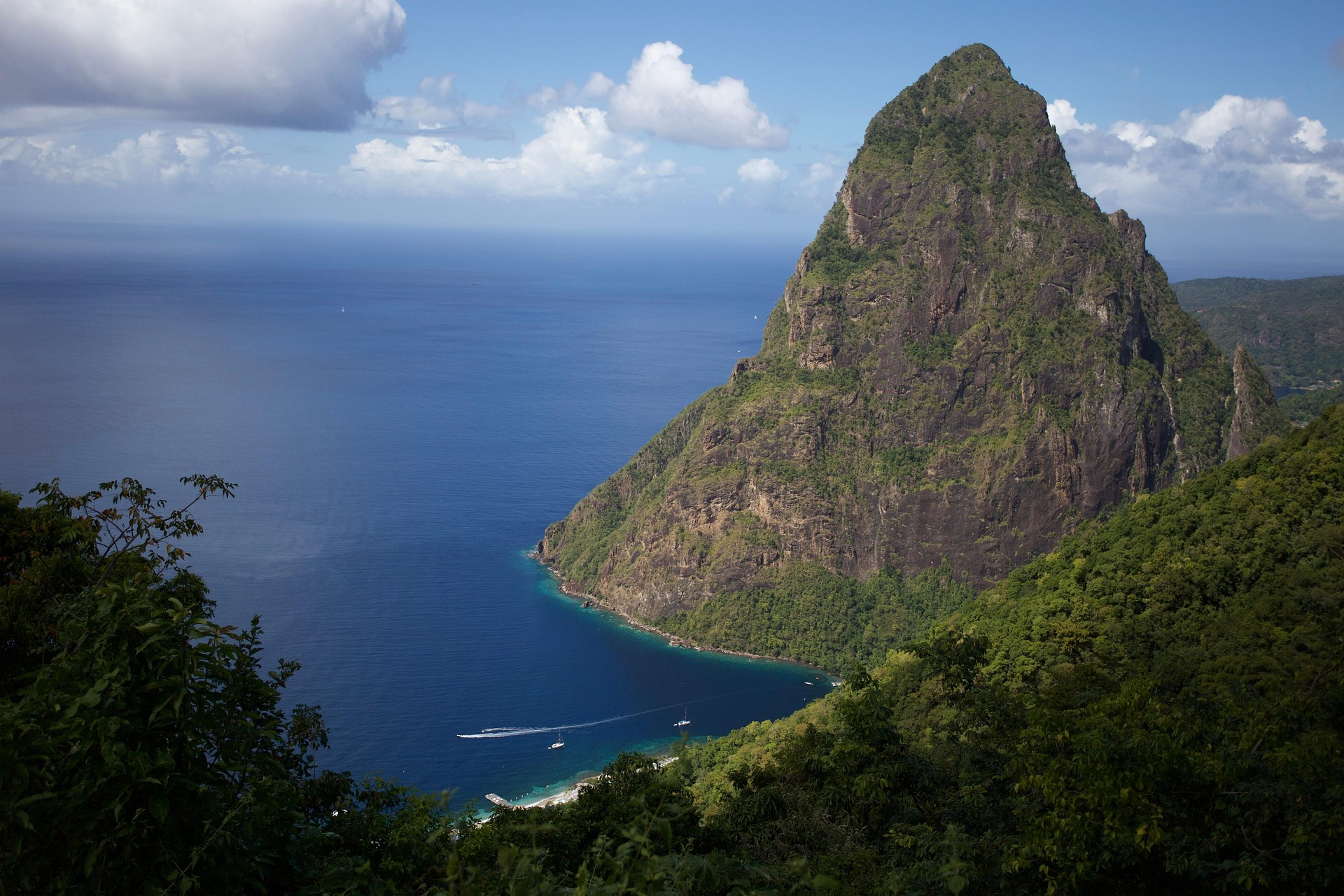
This is St Lucia’s peak season, and for good reason — it’s the driest, sunniest stretch of the year, with consistently good conditions for beach days, hikes, and boat trips to the Pitons. It’s also the most crowded and most expensive window, especially around Christmas/New Year and February school holidays, when accommodation rates climb well above their off-season baseline. If your family can travel in January (after the New Year’s crowd thins but before February break) rather than the December-through-March core, you’ll generally find a better balance of good weather and lower demand than the absolute peak weeks.
Rainy Season: June to November
Despite the name, this stretch isn’t a washout. Rain typically arrives as short, heavy showers that clear within an hour, followed by sun — the kind of pattern that interrupts a beach afternoon rather than canceling the day. Coastal areas like Rodney Bay tend to see less rain than the interior rainforest and the hills around Soufriere, so a family based on the coast usually experiences less disruption than the rainfall totals might suggest. The upside of this season is real: accommodation prices drop meaningfully from dry-season rates, resorts and beaches are noticeably less crowded, and outdoor activities like the island’s family hikes generally remain open and accessible outside of an active storm.
Hurricane Season: What It Actually Means for Trip Planning
The Atlantic hurricane season officially runs June 1 through November 30, with St Lucia sitting within the general storm track, though direct hits are far less frequent than in destinations further north like Florida or the northern Caribbean. Risk isn’t evenly spread across those six months — September and October are typically the highest-risk weeks based on historical Atlantic storm patterns, while June, July, and November carry meaningfully lower risk within the same season. Families traveling during hurricane season should buy travel insurance that specifically covers storm-related cancellation or rebooking — worth budgeting alongside the rest of a realistic trip budget, and it’s worth checking whether your resort offers a rate-adjustment or rebooking guarantee if a storm affects your travel dates, since several St Lucia properties do.
Booking a Boat Tour or Excursion by Season
Sea conditions genuinely shift by season, and it affects which activities make sense when. Dry-season months generally bring calmer seas and better visibility at the island’s best snorkeling spots, which matters for a family booking a snorkeling or catamaran tour to the Pitons. Wet-season afternoons are more likely to bring a passing shower mid-tour, so booking a morning departure through a tour operator improves your odds of clear conditions before any afternoon buildup. Neither season rules out water activities entirely — it’s more a matter of adjusting expectations and timing within the day.
Matching Season to Your Family’s Priorities
If avoiding crowds and getting better accommodation value matters more to your family than guaranteed dry weather, June, July, or November are worth serious consideration — meaningfully cheaper than peak dry season, with lower hurricane risk than the September-October core of the wet season. If your family’s schedule is tied to school holidays, budget accordingly for the premium those weeks carry on top of the general dry-season pricing, and book accommodation and any private tours well in advance, since the most popular family-friendly resorts and boat tours sell out earliest during peak weeks.
Quick Answers
- When is hurricane season in St Lucia? June 1 through November 30, with September and October carrying the highest risk within that window.
- What’s the best time to visit St Lucia with kids to avoid crowds? June, July, or November — lower prices and thinner crowds than dry season, with lower hurricane risk than the September-October peak of wet season.
- Does it rain all day during St Lucia’s wet season? Rarely — showers are typically brief and heavy, followed by sun, with the interior rainforest seeing more rain than the coast.
Things to Do in St Lucia
Browse family-friendly tours and activities in St Lucia, ranked from real traveler reviews.
Where to Stay in St Lucia
A few family-friendly places to base your trip:
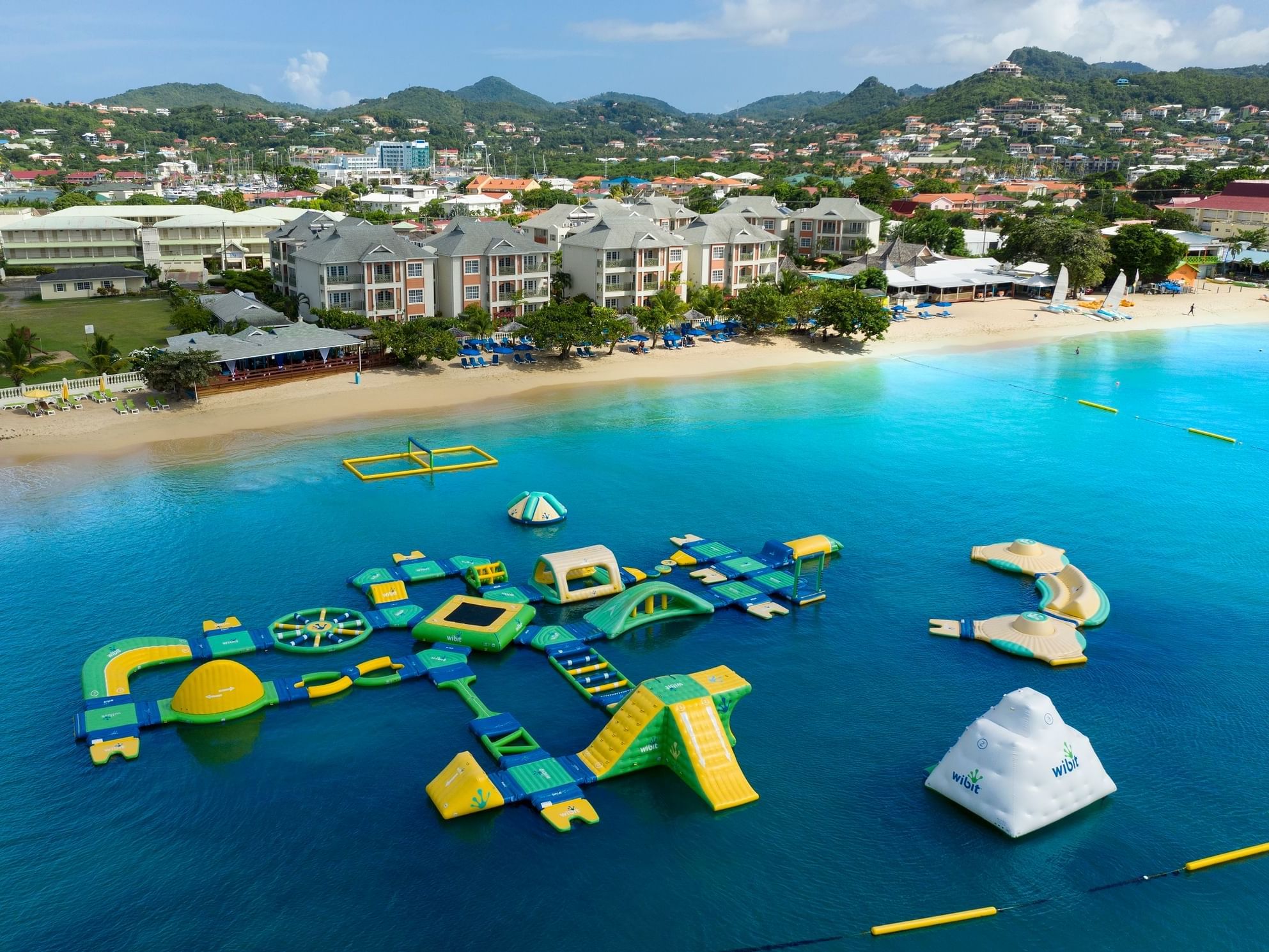 Bay Gardens Beach Resort & Spa
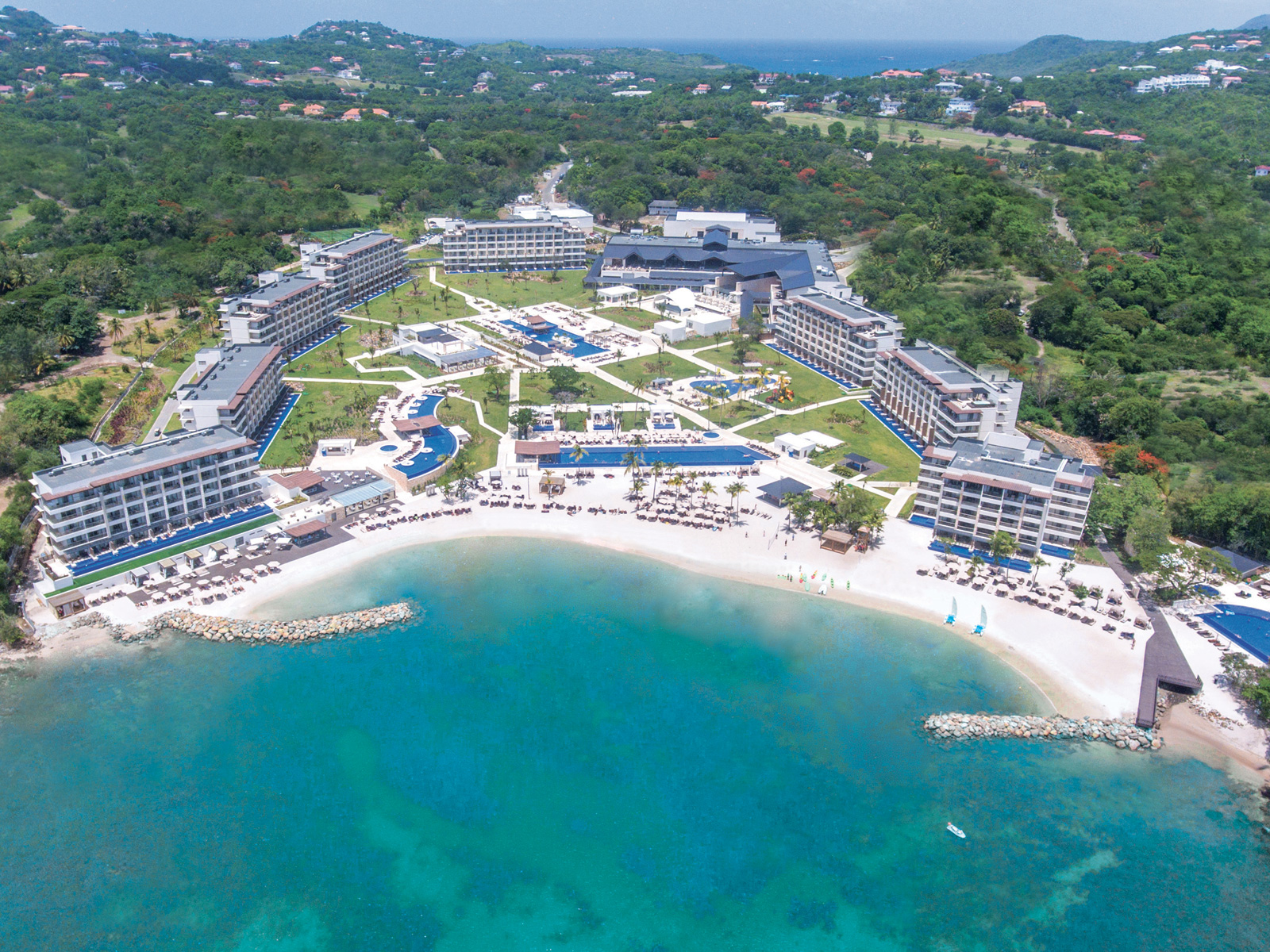 Royalton Saint Lucia Resort & Spa
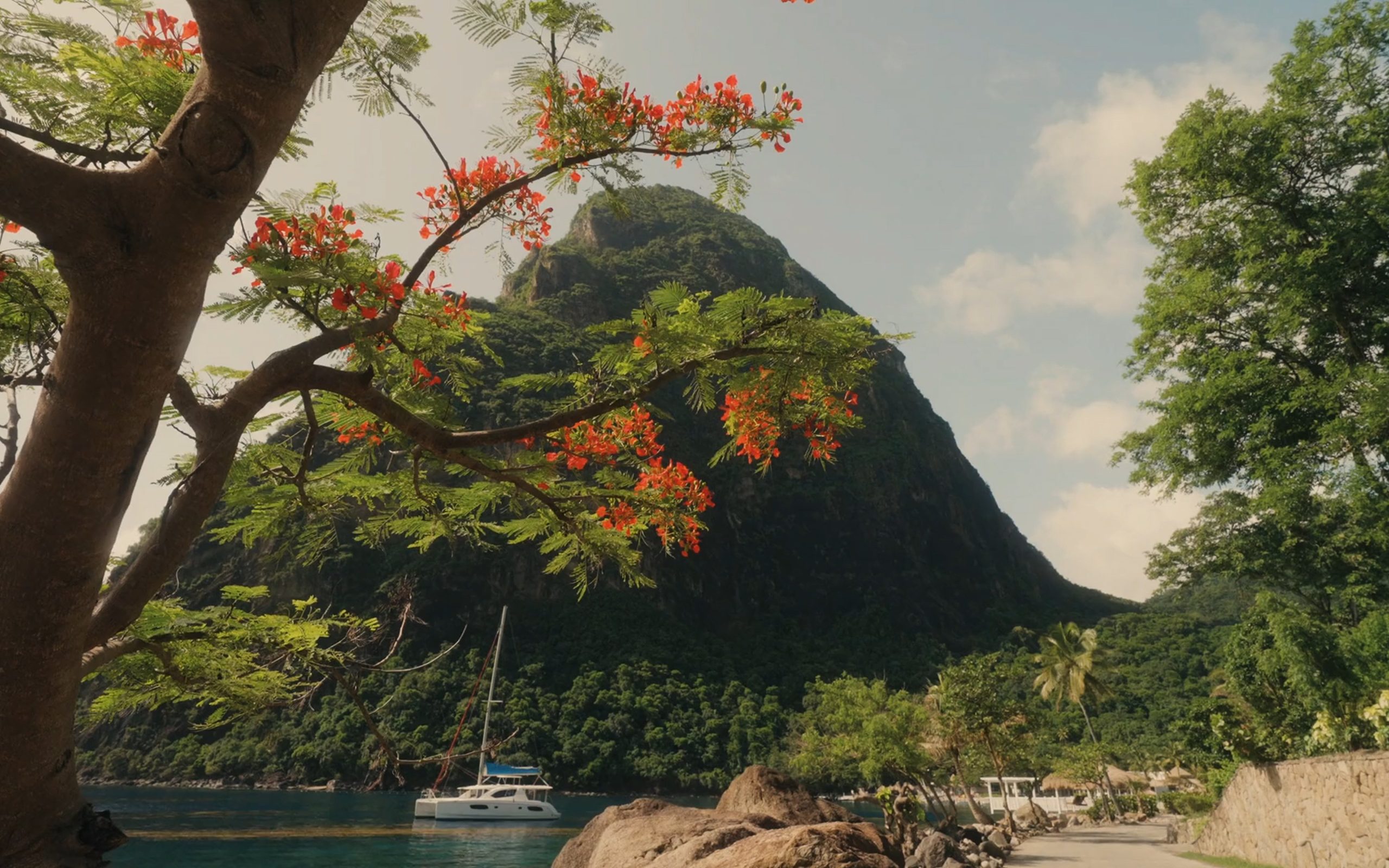 Sugar Beach, A Viceroy Resort
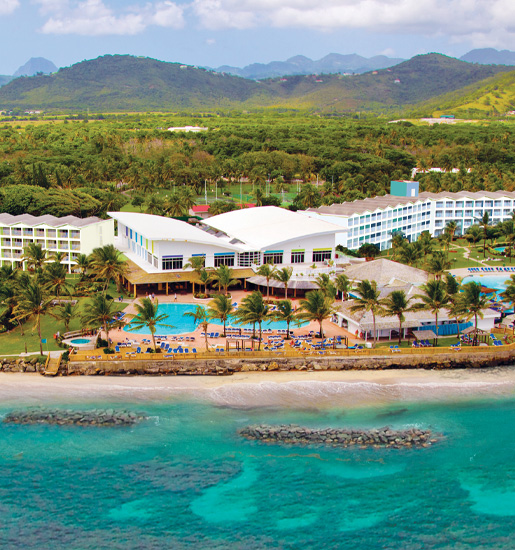 Coconut Bay Beach Resort & Spa
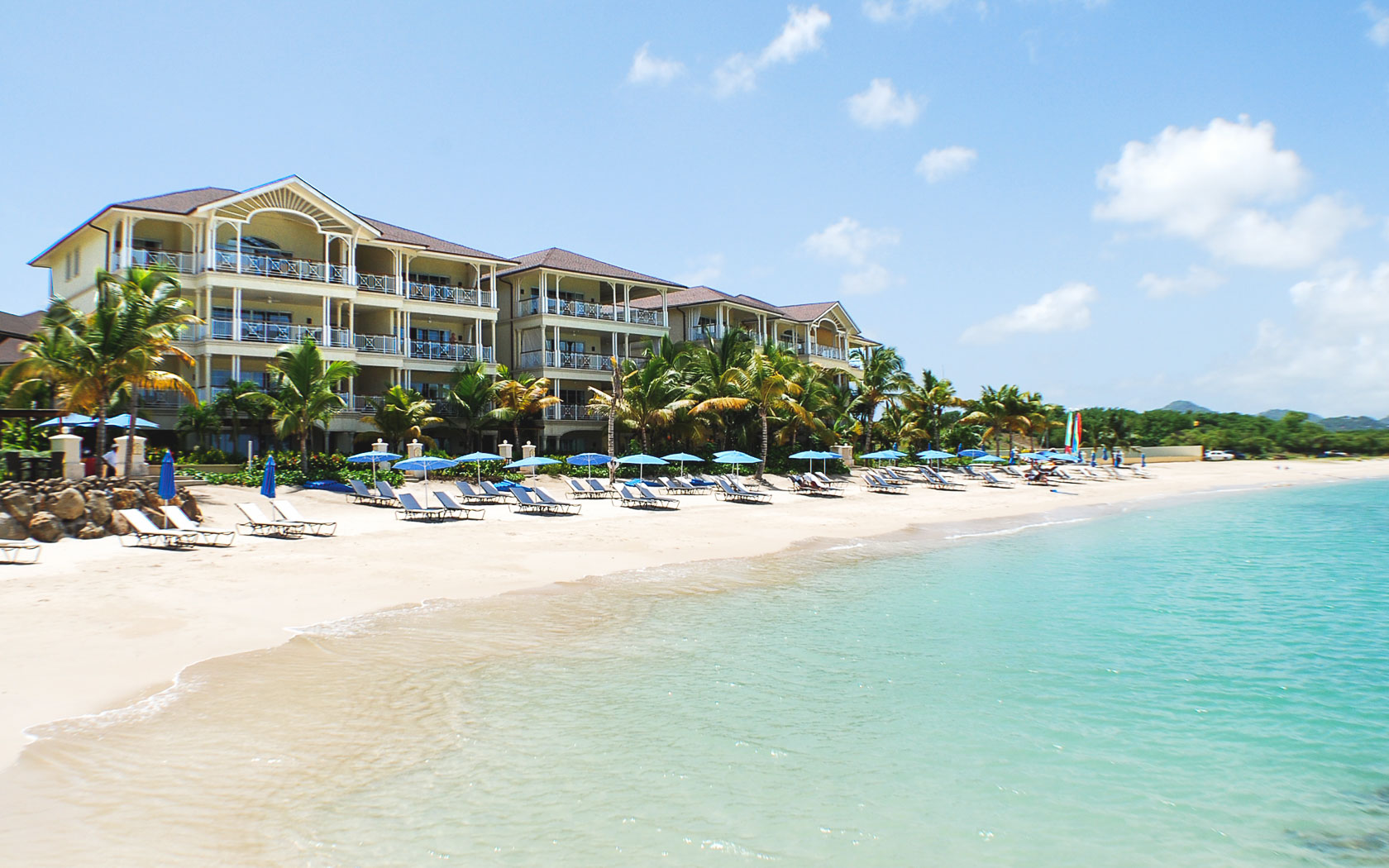 The Landings Resort & Spa
Ready to Plan Your St Lucia Trip?
Get a personalized family itinerary built around your kids ages, interests, and travel style — free.