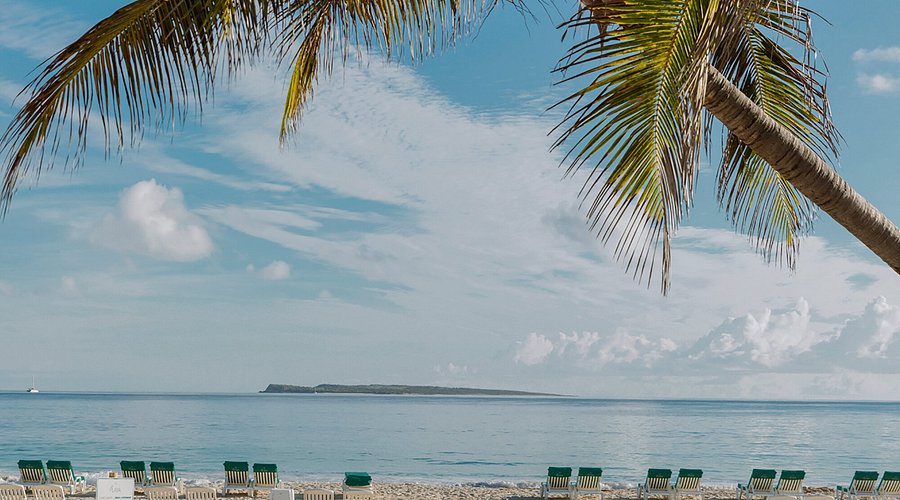
St Martin’s beach and regional guides read like the weather is a solved problem — pick a beach, pick a restaurant, go. But this is a real Caribbean island with a real hurricane season, and the difference between visiting in February and visiting in late September is significant enough to shape when a family should actually book.
Filter out the noise and find what works for your family.
Every resort we review gets one of four Family Fit ratings. The rating is based on kids programming, amenities, vibe, and who the resort actually markets to - not just whether they allow children.
Discover My Ideal Resort →The Short Version
- December through April is dry season and peak season together — 77-84°F, the fewest rainy days of the year, but the highest prices and crowds, especially January-February
- Hurricane season officially runs June through November, with the highest risk concentrated in September and October — some properties close or operate minimally during this stretch
- July and August carry real but statistically lower hurricane risk than September-October, and still sit within the affordable low season
- Mid-April through mid-December is low season, with quieter beaches, less traffic, and meaningfully better villa pricing — some owners offer steep discounts
- Hurricane Irma’s 2017 damage was catastrophic and still shapes how seriously St Martin takes storm season — travel insurance that explicitly covers hurricane cancellations is worth having for any trip booked June through November
- December through June is essentially hurricane-risk-free, making the shoulder months of April-May and late November-early December worth a closer look for families chasing value without much storm exposure
December-April: Reliable Weather, Real Crowds
If guaranteed good weather is the priority, this window delivers — temperatures in the high 70s to mid 80s, the fewest rainy days of the year, and February standing out as the driest month. The tradeoff is exactly what you’d expect from peak season: heavier crowds, more traffic congestion, restaurants that require advance reservations, and prices running at their highest point of the year, particularly in January and February. For a family that wants weather certainty and doesn’t mind paying for it, this is the safest bet on the calendar.
Hurricane Season: What “June Through November” Actually Means
The official hurricane season spans June through November, but risk isn’t evenly spread across those six months. July and August carry real but statistically lower risk, and still fall within the more affordable low season — a reasonable window for families comfortable with some uncertainty and holding travel insurance that specifically covers storm cancellations. September and October are a different story: this is when risk peaks, and it’s genuinely advised against for most travelers, not just a formality. St Martin’s experience with Hurricane Irma in 2017 was catastrophic, and it’s part of why many properties close or scale back operations during these two months rather than gamble on staying open through peak risk.
The Shoulder Season Most Families Miss
April through mid-December, outside of the September-October danger zone, is low season — quieter beaches, noticeably less traffic, and meaningfully better pricing on villas, with some owners offering steep discounts to fill rooms. Late April through May specifically is worth a close look: it’s past the peak-season crowds and pricing, the dry season’s good weather hasn’t fully broken yet, and hurricane season’s real risk hasn’t started ramping up. The same logic applies at the tail end of the year, in late November and early December, before the December rush drives prices back up.
Matching the Season to Your Family
For a family that wants guaranteed weather and doesn’t mind peak pricing and crowds, December through April is the dependable choice, with February as the driest stretch if weather certainty matters most. For a family chasing real value with manageable risk, late April through May or July-August (with hurricane insurance in place) both work well. September and October are the two months worth actively avoiding — the risk is real enough, and the potential disruption significant enough, that it’s not worth the savings for most families traveling with kids.
Rainfall by Season, at a Glance
Layering in rainfall specifics: February is the driest month of the year at under 2 inches, with January through March holding similarly low totals. Rainfall picks up through the spring and summer, and September is typically the wettest month, often logging over 5 inches as hurricane season’s risk peaks. October and November stay elevated at around 5 inches each before easing back toward 3 inches by December, right as the dry season starts to reassert itself.
Quick Answers
- Is St Martin safe to visit during hurricane season? July and August carry lower statistical risk and are reasonable with travel insurance; September and October carry the highest risk and are best avoided.
- What’s the driest month to visit? February, which sits within the December-April dry season and also the year’s highest prices and crowds.
- When’s the best value window with low hurricane risk? Late April through May, or late November into early December — both fall outside peak pricing and outside the highest-risk hurricane months.
Things to Do in St Martin
Browse family-friendly tours and activities in St Martin, ranked from real traveler reviews.
Where to Stay in St Martin
A few family-friendly places to base your trip:
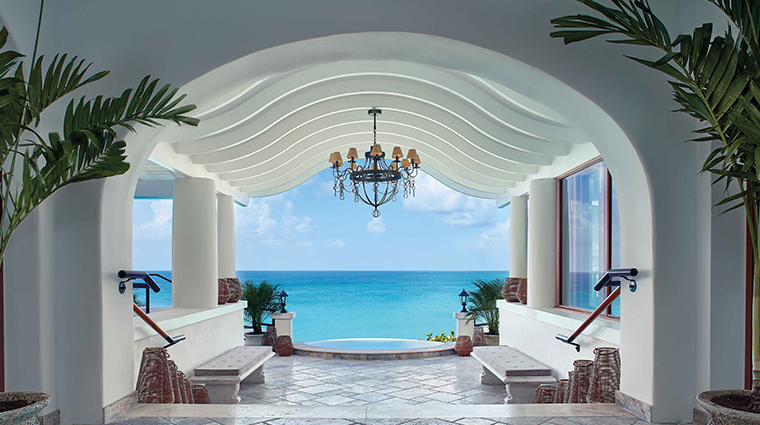 La Samanna, A Belmond Hotel
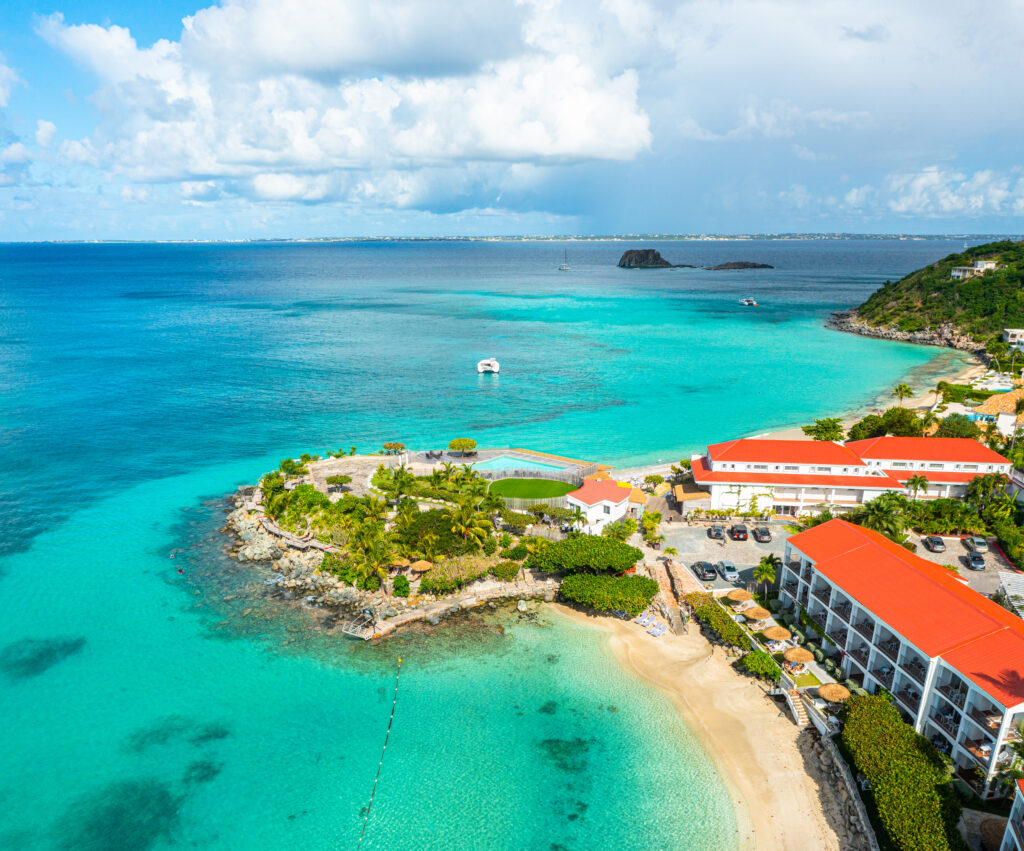 Grand Case Beach Club
 Sonesta Maho Beach Resort & Casino
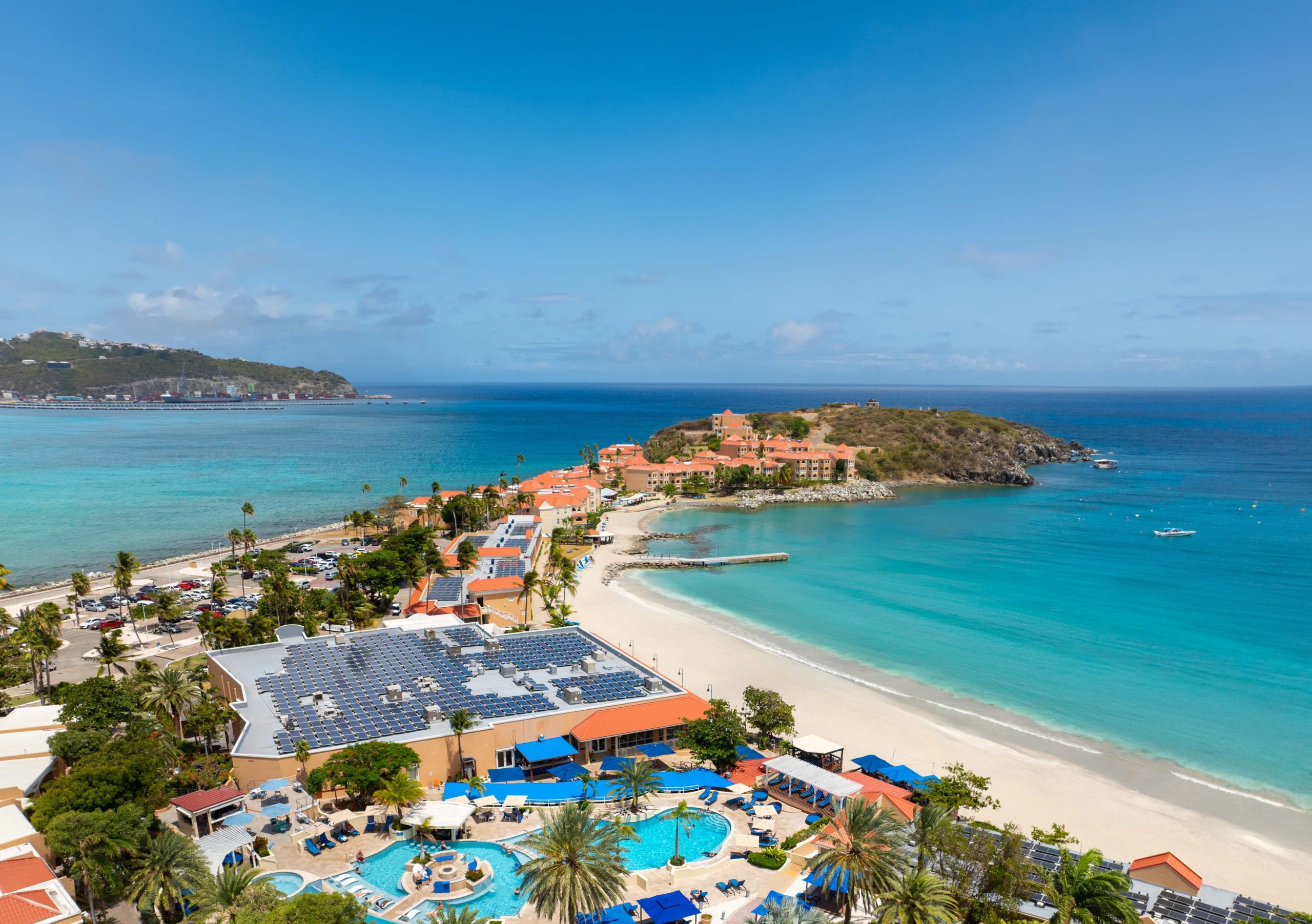 Divi Little Bay Beach Resort
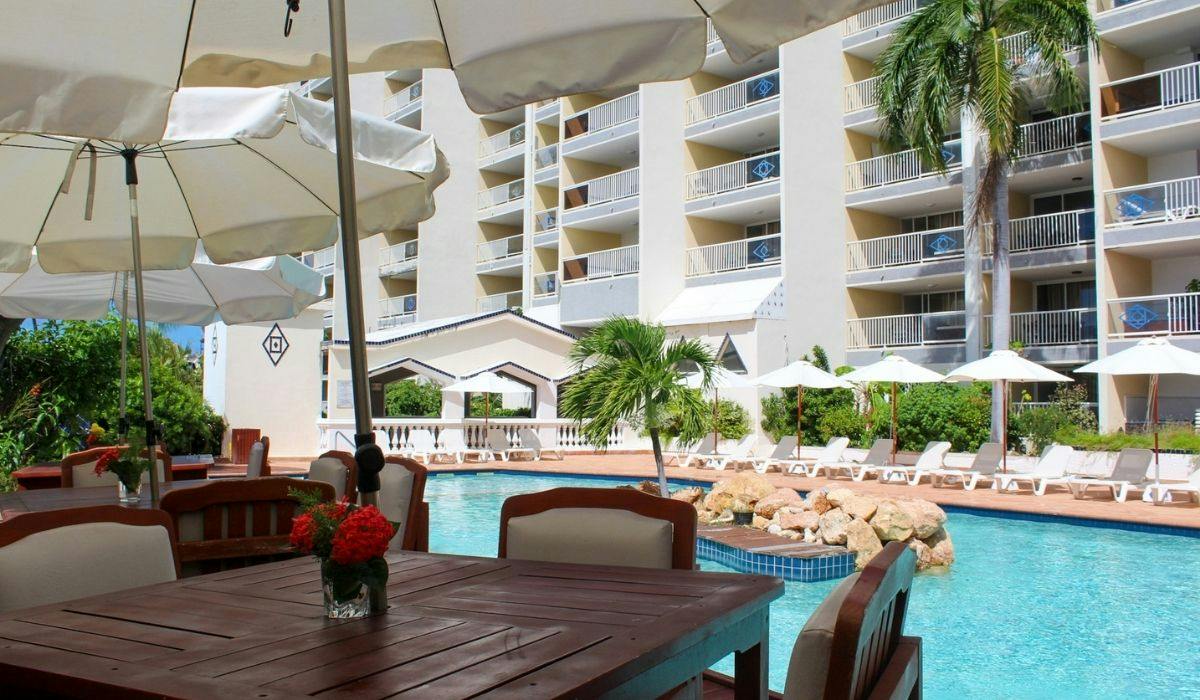 Sapphire Beach Club Resort
Ready to Plan Your St Martin Trip?
Get a personalized family itinerary built around your kids ages, interests, and travel style — free.